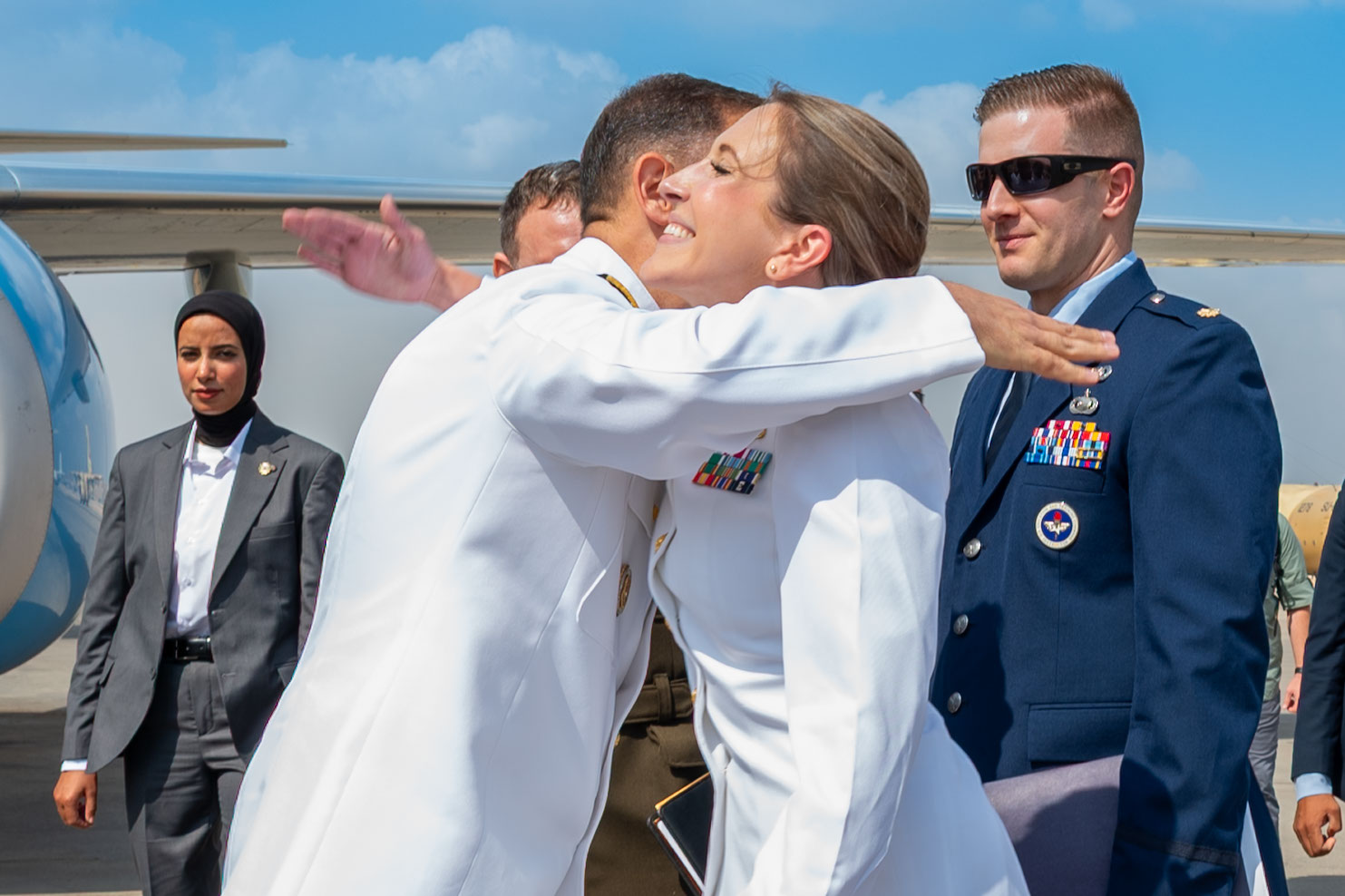

RIYADH — US Central Command chief Admiral Brad Cooper met Saudi Crown Prince Mohammed bin Salman in Riyadh on November 19 for discussions covering military affairs and regional developments, the Saudi Press Agency reported, in what Reuters described as Cooper’s third publicly reported visit to the kingdom since hostilities with Yemen’s Houthis reignited in July. The same day, President Donald Trump signed a peace declaration with Chinese President Xi Jinping and Russian President Vladimir Putin at the APEC summit in Shenzhen — a document that made no mention of the Iran conflict, according to Reuters.
Cooper also met Saudi Defence Minister Prince Khalid bin Salman. SPA described their talks as addressing “defence cooperation and ways to achieve security, stability and peace in the region,” Reuters reported. Trump told NBC from Shenzhen that the trilateral summit “went great” and rated it “a 12” on a scale of zero to 10. Cooper sat in two meetings about a war sustained by US intelligence-sharing and targeting support, while the declaration Trump signed the same day treated that war as if it did not exist.
The House of Saud Daily Briefing
Saudi Arabia's news in 3 minutes, every morning. Free. See today's issue
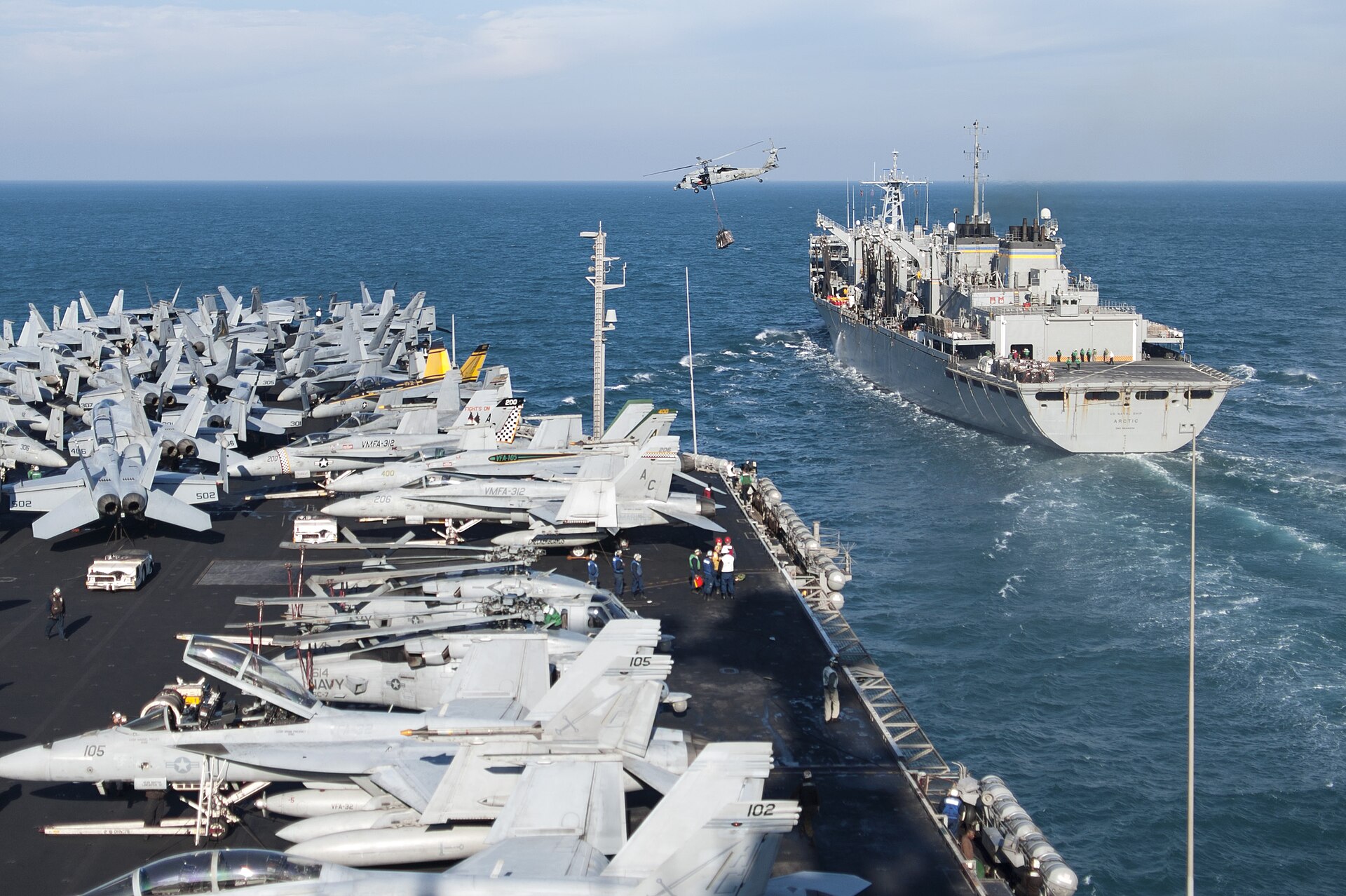
Table of Contents
What Did Cooper and the Saudi Leadership Discuss?
SPA’s account of the Cooper-MBS meeting cited “bilateral relations, particularly regarding military affairs, as well as regional developments,” Reuters reported on November 19. The readout from Cooper’s session with Prince Khalid was only marginally more specific: “defence cooperation and ways to achieve security, stability and peace in the region.” Neither formulation disclosed whether any new commitments were offered or existing arrangements changed.
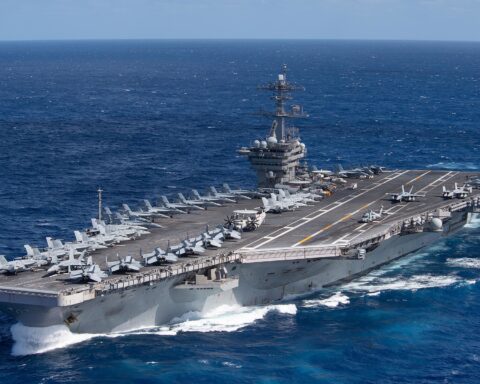
What is known is the operational framework around these meetings. Up to 200 US military advisers are providing targeting data inside Saudi Arabia, CNN reported in September. The Pentagon has approved a possible $24.3 billion sale of 48 F-35A fighters to the kingdom, as The Aviationist reported in September. And three US carrier strike groups were positioned in the broader Middle East, with a third joining the region in mid-November.
Three unnamed sources told Reuters that after MBS sought US military help in September — in two separate appeals reported by Axios on September 11 and 21 — “Trump did not agree to US strikes, but Washington told Riyadh it would provide intelligence-sharing and targeting assistance.” Asked about the possibility of US strikes on October 10, Trump told reporters: “We may. We’re going to look at it.” He added: “They’re able to defend. The Saudis are good fighters.”
Trump did not agree to US strikes, but Washington told Riyadh it would provide intelligence-sharing and targeting assistance.
Three unnamed sources — Reuters, November 19, 2026
Cooper’s return to Riyadh fits within that framework — a military relationship sustained through targeting support, arms sales, and carrier deployments that stops short of direct US combat operations against the Houthis. The SPA readouts, by their nature, do not indicate whether the line moved during this latest round of talks. What they confirm is that the CENTCOM commander sat down with both the man running Saudi Arabia’s war and the minister overseeing its military — for the third time in five months.
Cooper’s 3rd Visit in 5 Months
Reuters described the November 19 meetings as Cooper’s third publicly reported visit to Saudi Arabia since hostilities reignited in July. Three CENTCOM commander visits in roughly five months is a tempo more consistent with an active war partnership than routine alliance management. The US four-star responsible for the Middle East does not make repeat trips to a single ally at this pace during peacetime.
The visits have tracked an escalation in which Houthi ballistic missiles and drones have struck at Riyadh, Makkah, and the Eastern Province; coalition air campaigns have expanded across Yemen; and the Strait of Hormuz has remained closed to commercial shipping since Iran’s actions earlier in the year. Saudi officials have indicated a six-month Houthi campaign running into 2027, a timeline that depends on continued US support of the kind Cooper’s visits are designed to manage.
Each visit has followed the same public script: Cooper meets the crown prince and the defence minister, SPA issues a readout stripped to generalities, and no joint press conference follows. The rhythm itself is a signal — a military channel that runs at a consistent cadence regardless of what is or is not happening at the political level between Trump and MBS.
Secretary of State Marco Rubio told The National in October that “we intend to live by” the US-Saudi defence agreement. Cooper’s repeated presence in Riyadh is the operational face of that statement — the part of the relationship that proceeds without a presidential decision on whether to change the terms of US involvement.
Why Did the APEC Peace Declaration Ignore the Iran War?
Trump arrived in Shenzhen on November 18 for what he described as “a three-day diplomatic swing through Asia,” Reuters reported. The trilateral meeting with Xi and Putin produced a peace declaration that addressed global stability in broad terms but excluded the two active conflicts most relevant to the signatories’ allies. It made no mention of Russia’s war in Ukraine — a concession to Putin’s presence at the table — and no mention of the Iran conflict, the Houthis, or the Strait of Hormuz, according to Reuters. Reuters described the Shenzhen meeting as an unprecedented summit between the three leaders.
The declaration’s scope is itself a diplomatic choice. Trump signed a peace document alongside Xi, whose government has maintained ties with Tehran, and Putin, whose military cooperation with Iran predates the current conflict. The war consuming Saudi Arabia — which has absorbed the economic and military costs of the Iran conflict while seeking US support — did not merit a clause in the joint text. Trump told NBC the summit “went great” and gave it “a 12” on a scale of zero to 10. A press conference was planned for noon on Friday, November 20, Reuters reported.
The peace declaration is not the only forum that excludes Saudi Arabia. Qatar and Oman are running a US-Iran back channel without Saudi participation — a parallel track that has not produced an agreement to date. The Shenzhen declaration adds a trilateral layer, with the US, China, and Russia engaging on global peace in a format that similarly proceeds without reference to the conflict Riyadh is prosecuting or the costs it is bearing.
Iran’s reaction to the Cooper visit was not available as of publication; IRNA and Tasnim were not accessible during the reporting cycle. Tehran’s absence from the Shenzhen declaration — alongside the absence of any reference to its conflict with Saudi Arabia and the broader Gulf — is itself a data point about where the Iran war sits on the agendas of the three signatories.
Zero Saudi Mentions in White House Briefings Since November 11
A review of White House briefings and statements published between November 11 and November 19 on whitehouse.gov found no entry referencing Saudi Arabia. The absence does not prove a lack of private communication — phone calls and back-channel exchanges do not appear on the public briefing page — but it establishes that the White House produced no public statement on the kingdom or its conflict during a nine-day period that included Houthi ballistic missile strikes on Riyadh, coalition air campaigns across Yemen, US strikes on Iran’s Qeshm Island, and Cooper’s third CENTCOM visit.
The gap between operational engagement and public acknowledgment has been a feature of the US-Saudi dynamic since the conflict escalated. MBS’s two September appeals for US strikes — both declined, as Axios reported — left the kingdom with intelligence and targeting support but no direct US combat role. Since those appeals, the publicly available record shows a military relationship running through CENTCOM visits, advisers on the ground, and carrier groups in position, while the presidential-level conversation has produced no visible public output.
MBS has been chairing the Saudi cabinet in King Salman’s absence since October 20, managing both the war effort and domestic governance. He met Cooper the same day Trump signed the Shenzhen declaration. SPA announced the meeting; the White House did not.
Where Does Saudi Arabia’s War Stand?
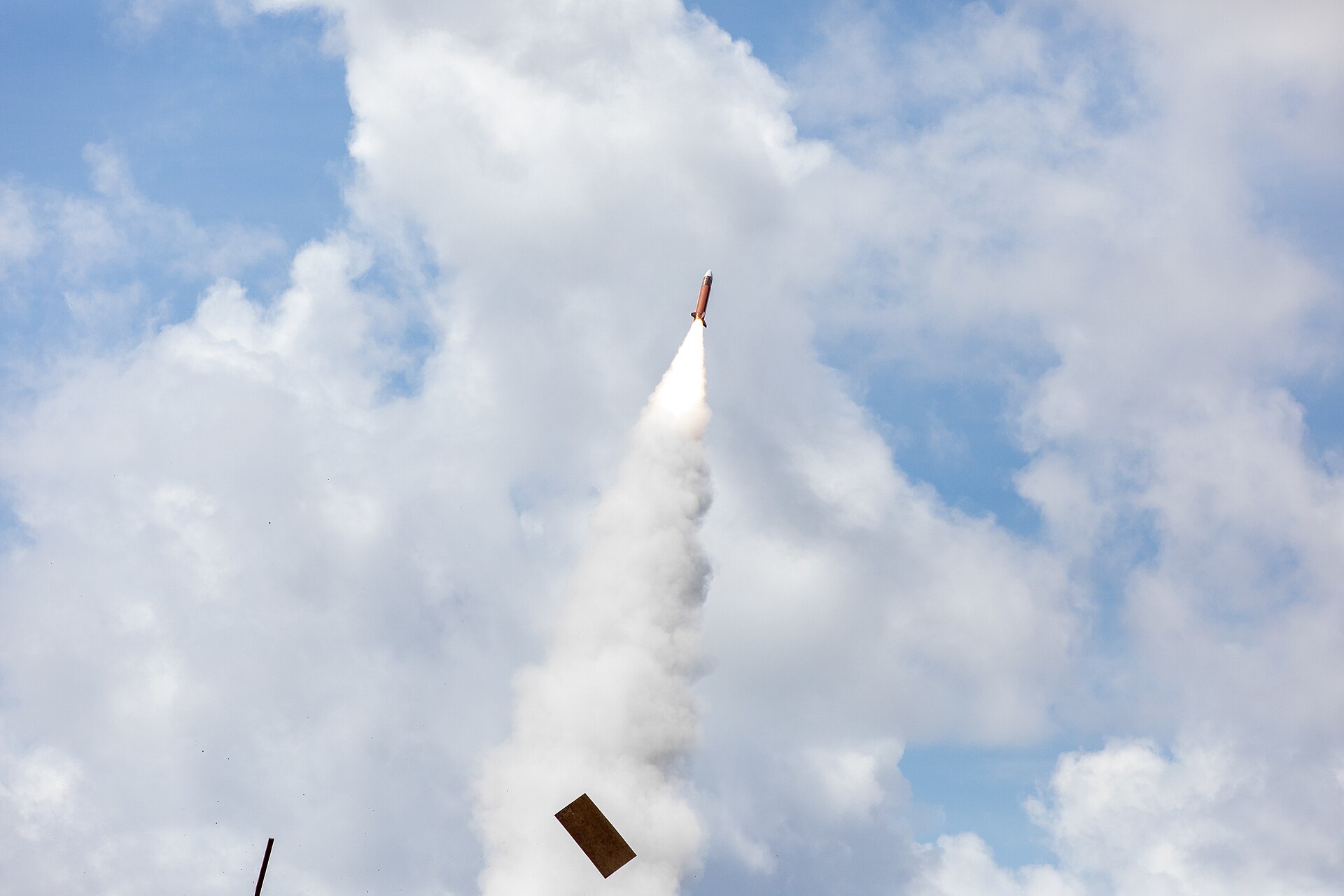
Cooper arrived in Riyadh at a point when the Saudi-led coalition is engaged across multiple fronts. Houthi ballistic missiles and drones have targeted Riyadh, the Eastern Province, and areas near Makkah and Madinah in recent weeks. The coalition has responded with strikes across Yemen while fighting a ground campaign that officials say will run at least six months into 2027. The tempo of operations — missile intercepts, air sorties, ground engagements — has been at its highest since hostilities reignited in the summer.
The kingdom is also absorbing the consequences of Iran’s actions in the Strait of Hormuz, where commercial shipping has been severely disrupted since the closure earlier in the year. The war’s economic costs — defence spending, oil market disruption, insurance premiums on Gulf-bound shipping — fall primarily on Saudi Arabia. Diplomatic efforts to resolve the conflict with Iran have been channelled through Qatari and Omani mediators without Saudi participation, and that parallel track has produced no agreement.
Syria’s Foreign Minister Shibani told Al-Monitor in November that “there is no deployment of forces in Yemen and there is not even a plan in the near future for that,” denying reports that Damascus was sending troops to support the coalition in return for Saudi financial backing. The denial leaves the coalition reliant on its existing force structure and on the US advisory and intelligence presence that Cooper’s visits help sustain.
Neither side issued a public statement beyond the SPA readouts after Cooper’s meetings. If the five-month pattern of visits holds, his next trip to Riyadh would fall early in 2027, within the timeline officials have set for the Houthi campaign.
Background
Iran first closed the Strait of Hormuz in late February and early March 2026, triggering an escalation that expanded through the spring and summer to include Houthi missile and drone attacks on Saudi cities, coalition air campaigns in Yemen, and Iranian naval mining operations in the Gulf. The US-Saudi military relationship deepened in response.
Frequently Asked Questions
What is US Central Command?
US Central Command, or CENTCOM, is the unified combatant command responsible for US military operations across the Middle East, Central Asia, and parts of South Asia. Its area of responsibility includes Saudi Arabia, Iran, Yemen, the Persian Gulf, and the Strait of Hormuz — the full geography of the current conflict. Admiral Brad Cooper serves as CENTCOM commander, overseeing a force posture that now includes three aircraft carrier strike groups, an advisory presence inside Saudi Arabia, and ongoing naval operations in the Gulf.
What did Saudi Foreign Minister Prince Faisal say about international support at the UN?
Prince Faisal bin Farhan told the UN General Assembly in September 2026 that the international community had been “absent” in addressing the conflict, The National reported on September 28. The comment reflected Riyadh’s frustration at what it perceived as a gap between the scale of the war it was fighting and the level of engagement from its international partners, including the United States — a frustration that the APEC declaration’s silence on the Iran war did not resolve.
Has Congress completed its review of the $24.3 billion F-35 sale?
The US approved a possible $24.3 billion sale of 48 F-35A fighters to Saudi Arabia, as The Aviationist reported in September 2026. Whether the sale has cleared the congressional review process — a mandatory step for major arms transfers under US law — was not confirmed as of November 19. The sale, if completed, would represent the first delivery of fifth-generation stealth fighters to the kingdom and a qualitative shift in Saudi air power.
Have Trump and MBS spoken directly since the Iran conflict escalated?
The public record does not confirm any direct Trump-MBS conversation — by phone or in person — since the conflict with Iran intensified. White House briefings between November 11 and November 19 contained no reference to Saudi Arabia, though private communications would not necessarily appear in public records. The CENTCOM channel, represented by Cooper’s visits, appears to be the most visible line of military engagement between the two countries, running at a tempo that the head-of-state channel has not publicly matched.
The House of Saud Daily Briefing
Saudi Arabia's news in 3 minutes, every morning. Free. See today's issue