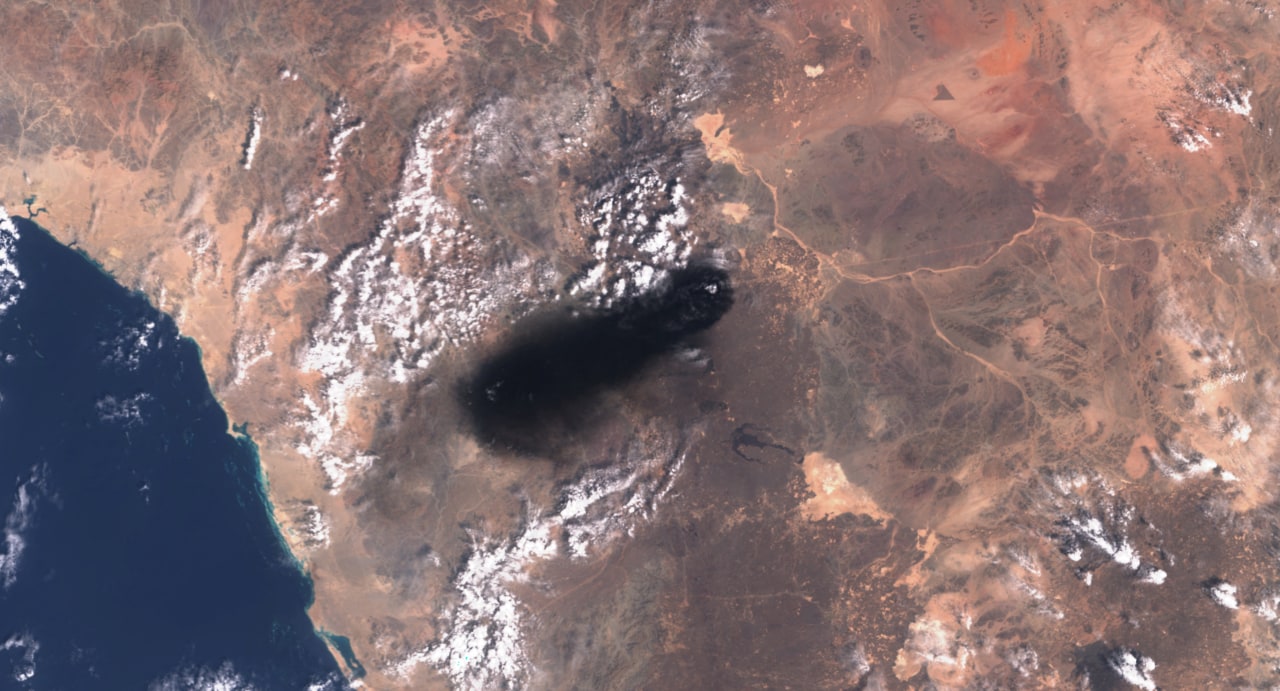

DHAHRAN — Saudi Arabia’s two main crude export routes are both running well below capacity in November 2026. Kpler data published November 20 shows Yanbu port loadings have fallen below 3 million barrels per day, while crude clearance through the Strait of Hormuz stands at 9.4 million bpd on a seven-day average to November 18 — roughly 55% of the 17.1 million bpd pre-war baseline.
The East-West Pipeline, which carries crude from the Eastern Province to Yanbu on the Red Sea coast, reached its full 7 million bpd design capacity in March as Hormuz came under threat. Repeated attacks on pumping stations have since degraded throughput. Aramco’s total hydrocarbon production over the first nine months of 2026 averaged 11.035 million barrels of oil equivalent per day, down 13.7% from 12.787 million boed in the same period of 2025, according to Aramco financial disclosures reported by Trend.az.
Table of Contents
What Happened to Saudi Oil Output in 2026?
Saudi crude production collapsed from 10,882 thousand barrels per day in February 2026 to 6,967 thousand bpd in March as the Iran war disrupted Hormuz shipping and attacks hit domestic fields, according to OPEC data reported by Hellenic Shipping News. Output recovered to 10,563 thousand bpd by October — the highest wartime monthly figure since February — but remained below the kingdom’s OPEC+ allocation.
The House of Saud Daily Briefing
Saudi Arabia's news in 3 minutes, every morning. Free. See today's issue
The scale of the March drop — roughly 3.9 million bpd — reflected both the near-closure of the Hormuz shipping lane and direct strikes on production infrastructure. On April 9, the Saudi state news agency SPA, citing an Energy Ministry official, reported that attacks had cut production capacity by approximately 600,000 bpd and reduced East-West Pipeline throughput by approximately 700,000 bpd. The Manifa oilfield lost around 300,000 bpd and Khurais lost around 300,000 bpd; one security employee was killed and seven wounded.
The export picture was even more volatile. Standard Chartered estimated Saudi crude exports at 2.45 million bpd in August — a fraction of the kingdom’s pre-war shipments — before they recovered to approximately 6.9 million bpd in September, the bank reported via Oilprice.com. That swing, nearly threefold in a single month, tracked the pipeline’s shutdown and restart.
Saudi Arabia told OPEC its October output surged approximately 26% from September’s 8,372 thousand bpd, Bloomberg and Rigzone reported. The IEA’s November Oil Market Report put October supply at 9.99 mb/d, up from 8.93 mb/d in September, against the OPEC+ implied target of 10.48 mb/d. OPEC+ left Saudi Arabia’s November production target at 10.5 million bpd, according to Enerdata — a figure the kingdom has not reached in any month since February.
The East-West Pipeline as Wartime Bypass
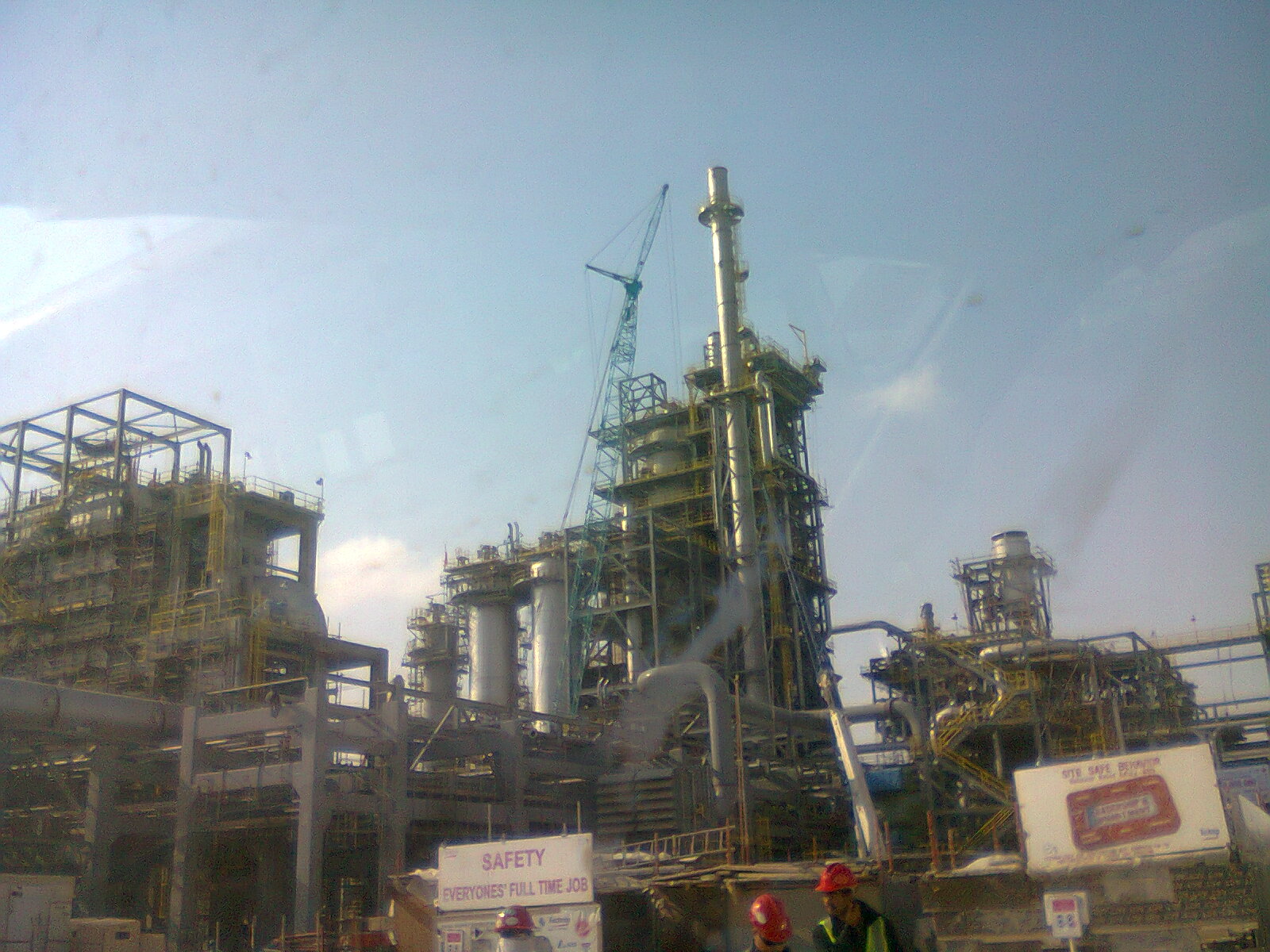
The East-West Pipeline was built as Saudi Arabia’s insurance against exactly this kind of disruption. With a design capacity of approximately 7 million bpd and roughly 5 million bpd available for export from Yanbu, it allows crude to reach global markets without transiting the Persian Gulf, according to Aramco statements reported by Reuters in March 2026. Before the current conflict, Yanbu handled modest volumes — about 770,000 bpd in January and February, per Kpler data cited by Reuters.
By late March, as Hormuz closures forced a wholesale rerouting, the pipeline was moving at capacity with Yanbu crude exports near 5 million bpd, Reuters reported. Aramco’s Q1 2026 results, reported May 10, confirmed the pipeline had reached design capacity during the quarter, Rigzone reported. France deployed troops, radars, and air defenses to Yanbu in September 2026, Al Jazeera reported — an indication of how central the terminal had become to allied energy security.
The pipeline’s elevated wartime role made it a target. The April 9 pumping station attack cut throughput by 700,000 bpd. Rystad Energy estimated in July that approximately 2.5 million bpd of Saudi oil was at risk from threatened Houthi naval action against the Red Sea route, with Yanbu exports then around 4 million bpd, as Rigzone reported.
How Much Crude Is Moving Through Yanbu?
Before the September 10 attack, the pipeline was carrying approximately 5.5 million bpd and Yanbu was exporting approximately 4.5 million bpd, according to Kpler macroeconomist Reid I’Anson. By November 20, Yanbu loadings had fallen to under 3 million bpd, Kpler analyst Naveen Das reported — below the level seen immediately after the pipeline’s September restart.
Drone attacks on September 10 disabled multiple pumping stations and halted all crude loadings from Yanbu from September 11, according to I’Anson’s Kpler analysis. Aramco formally suspended pipeline flows on September 12, the Saudi Gazette reported via Zawya. No crude moved through the pipeline for 10 days. Domestic crude output fell below 6 million bpd — against the 10,882 thousand bpd Saudi Arabia recorded in February.
The pipeline restarted on September 22 at approximately 2.65 million bpd, Kpler estimated, with full recovery projected at four to six weeks, as Baird Maritime reported. The restart was not a return to normal. At 2.65 million bpd, the pipeline was running at roughly 38% of design capacity — enough to resume some loadings at Yanbu but far short of the volumes that had made the port Saudi Arabia’s primary alternative to Hormuz.
By October 6, the recovery appeared on track. Energy Minister Prince Abdulaziz bin Salman said the pipeline had moved 5.8 million barrels, a figure reported that morning, according to Oilprice.com. By November 9, the pipeline was under attack again.
| Date | Claimant | Target | Saudi Confirmation |
|---|---|---|---|
| Nov 9 | Not attributed | Pipeline pumping station, Madinah region | Fire confirmed, operations unaffected |
| Nov 12 | Houthis | Pumping Station No. 7; Yanbu facility | Drones intercepted, no damage confirmed |
| Nov 17 | Houthis | Pumping Stations 8 and 9 | Not confirmed |
| Nov 23 | Houthis | Rabigh refinery | Not confirmed |
| Nov 25 | Houthis | Ras Tanura oil terminal | Bloomberg source: fire contained; Saudi: interceptions |
The claimed November 17 strike on Pumping Stations 8 and 9 — which the Houthis said caused large fires, according to Yahoo News — coincides with the period in which Kpler observed Yanbu loadings declining. Saudi Arabia has not confirmed the claim, and no official figure on current pipeline throughput has been released.
Aramco CEO Amin Nasser told Nikkei Asia in September that disruptions typically last “days, not weeks or months.” Aramco is evaluating expanding the pipeline from 7 to 10 million bpd, though the expansion remained under engineering review with no final investment decision as of the company’s Q3 results call on November 3, an Investing.com transcript showed.
Hormuz at 55% of Pre-War Baseline
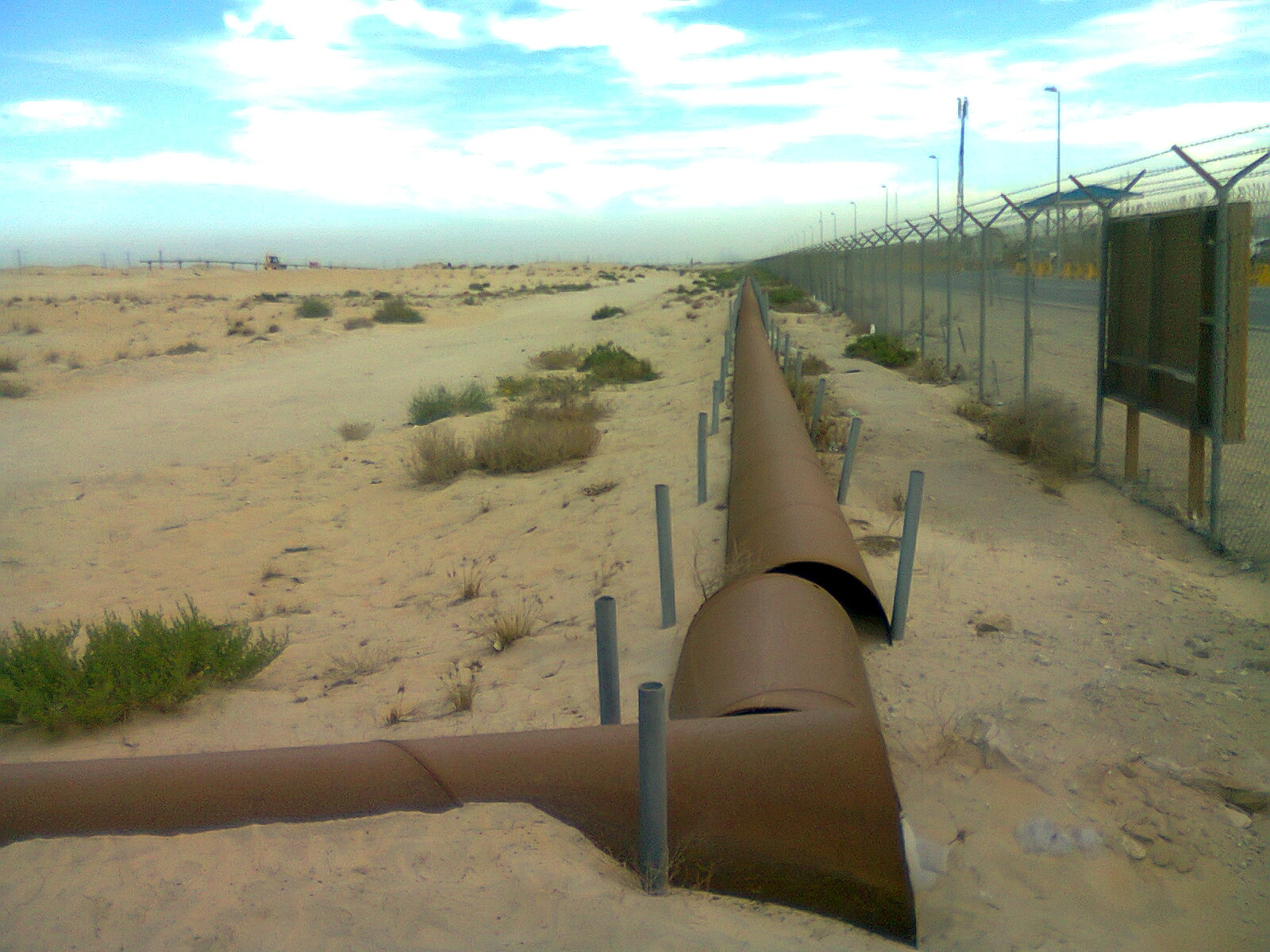
The pipeline’s degradation compounds an already diminished flow through the Strait of Hormuz. At 55% of its pre-war baseline, the strait is handling barely half the crude it carried before the conflict — and declining Yanbu volumes mean neither route is compensating for the other. Hormuz oil flows have fallen steadily as November attacks continued to mount.
On November 25, Houthi military spokesman Yahya Saree claimed a strike on the Ras Tanura oil terminal in the Eastern Province. A Bloomberg source said the site had been hit and that the fire was contained, as NewsLantern reported. Saudi forces said they intercepted missiles and drones but did not officially confirm damage at the terminal. Ras Tanura handles millions of barrels in daily exports and sits approximately 95 km from the Abqaiq processing facility — the heart of Aramco’s crude processing network.
The November attacks mark a geographic expansion in the targeting of Saudi energy infrastructure. For most of the war, the pipeline’s inland pumping stations — strung across desert terrain between the Eastern Province and Yanbu — bore the brunt. The Houthis’ November 23 claim against the Rabigh refinery on the Red Sea coast and the November 25 Ras Tanura claim on the Persian Gulf extend the threat to terminals on both coasts, complicating air defense planning. The Houthis have also threatened Jeddah and other Red Sea ports in recent weeks.
AGBI reported in November that Houthi attack claims against Saudi energy infrastructure rose from zero in July to 17 in October, with 10 more in early November alone; the majority, AGBI assessed, appear to have been intercepted by coalition air defenses.
What Does This Mean for the Global Oil Market?
The global oil supply-demand balance has shifted from a 4.4 million bpd deficit in May 2026 to a 3 million bpd surplus in November, according to Kpler’s November 20 market note. The surplus reflects partial recovery of Saudi output, increased production from other OPEC+ members and non-OPEC suppliers, and weaker-than-expected demand growth. Kpler’s November 20 market note described the current state as an unsustainable “no peace, no war” limbo for crude markets.
Brent crude has fallen roughly 22–24% from its late-October peak to approximately $87–90 per barrel by November 25, Kpler and FinanceFeeds reported. That price sits below the approximately $94–96 per barrel Saudi Arabia needs to balance its wartime budget, according to Bloomberg Economics estimates. The Saudi cabinet approved its 2027 budget last week, while the kingdom’s 2026 deficit had already reached 245 billion riyals by September, Zawya reported.
OPEC+ meets November 29 to set 2027 production quotas, with Saudi Arabia’s current target at 10.5 million bpd, according to Enerdata. The IEA’s October supply estimate of 9.99 mb/d shows Saudi Arabia producing below that target — a gap reflecting physical constraints from infrastructure damage and security risks rather than deliberate restraint. The quotas discussion takes place against a backdrop of weakening prices and an oversupplied market, even as individual producers like Saudi Arabia struggle to meet their existing allocations.
Saudi Arabia’s October rebound showed that Aramco’s operational capacity is not the constraint when infrastructure holds. Sustaining that level through repeated attacks on pumping stations, terminals, and refineries is the challenge November has posed. Brent posted its third consecutive weekly loss in the week ending November 22.
Frequently Asked Questions
What is the East-West Pipeline’s route?
The East-West Pipeline, also called the Petroline, runs from Abqaiq in Saudi Arabia’s Eastern Province — roughly 60 km from Dhahran — west across the kingdom to the port of Yanbu on the Red Sea coast. The pipeline passes through multiple pumping stations across desert terrain, several of which have been targeted in the current conflict. Its 7 million bpd design capacity made it the natural bypass when Hormuz came under sustained disruption in early 2026.
What alternative crude export routes does Saudi Arabia have?
Beyond the Strait of Hormuz and the East-West Pipeline to Yanbu, Saudi Arabia has limited options for large-scale crude exports. Red Sea refineries at Yanbu and Rabigh can process and ship refined products, but moving crude at the volumes Aramco produces requires either the pipeline or tankers through the Persian Gulf. Standard Chartered estimated in October that the majority of Saudi barrels were still crossing Hormuz despite the conflict, with significantly more routed through Yanbu than before the war, according to Oilprice.com.
How have pipeline attacks affected oil prices?
Pipeline attacks create sharp but typically brief price spikes, while the sustained degradation of both routes exerts slower pressure on Saudi revenue. The September 10 drone attacks contributed to Brent briefly topping $108 around September 14, as oil price trackers including Oilprice.com and Rigzone recorded. By November, the market has absorbed ongoing disruption into its baseline, with Brent settling to $87–90 despite continued attacks. At current prices, Saudi Arabia earns roughly $5–9 less per barrel than its wartime budget requires, based on Bloomberg Economics’ $94–96 breakeven estimate.
Can Aramco expand the East-West Pipeline capacity?
Aramco is evaluating an expansion from the current 7 million bpd design capacity to 10 million bpd, according to an Investing.com transcript of the Q3 2026 earnings call on November 3. The expansion remained under engineering review with no final investment decision. Even if approved, construction would take years — and the current challenge is not capacity on paper but sustaining operations through repeated attacks on the pipeline’s pumping stations.
The House of Saud Daily Briefing
Saudi Arabia's news in 3 minutes, every morning. Free. See today's issue