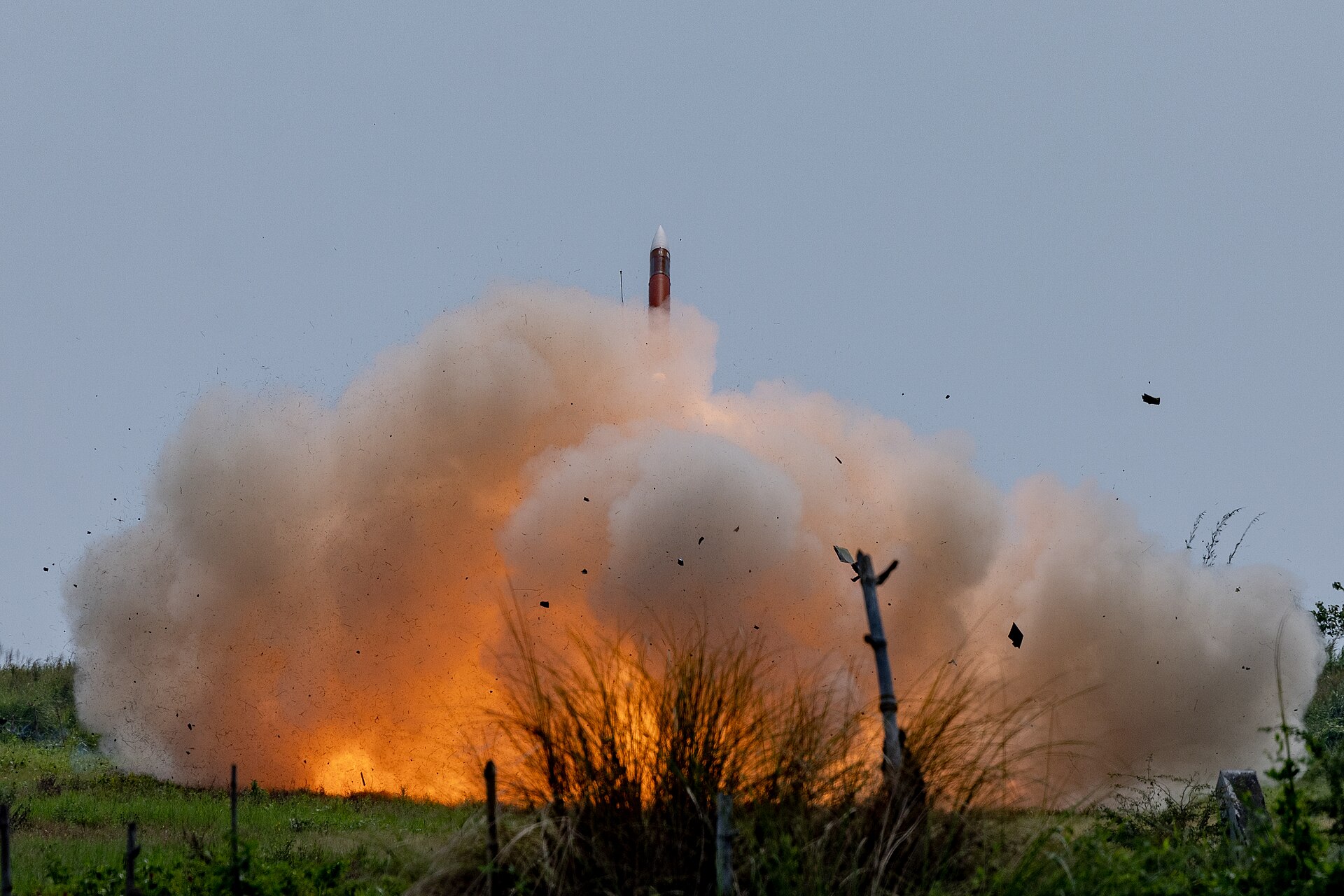

RIYADH — Saudi air defenses destroyed two Houthi ballistic missiles fired at Riyadh in the early hours of Thursday, November 26, the Saudi-led coalition said, as loud explosions carried across a capital that has spent most of the autumn learning what that sound means. No casualties were reported from the interceptions, but they came after the October attacks on the city’s main airport, a run of strikes that killed at least 14 people and left at least 10 international airlines unwilling to fly into Riyadh.
The overnight missiles were the latest in a series that has moved from the airport to the financial district to the oil coast within a week. A drone hit a tower in the King Abdullah Financial District on Tuesday and injured 11 people, a Houthi projectile caused minor damage at Jazan port on Wednesday, and the Houthis’ military spokesman claimed the same day that his forces had set fire to the Ras Tanura refinery, a claim Saudi Arabia has not confirmed. Each interception over Riyadh is now judged against the night in October when the defenses failed, and against the airline schedules that still have the capital crossed out.
The House of Saud Daily Briefing
Saudi Arabia's news in 3 minutes, every morning. Free. See today's issue
Table of Contents
- What Did Saudi Air Defenses Intercept Over Riyadh?
- Civil Defence Sounds the Alert, Then the All-Clear
- What Have the Houthis Claimed This Week?
- A Week of Strikes From the Financial District to Jazan
- Why Does the Riyadh Airport Keep Coming Back Into the Story?
- Which Airlines Have Suspended Riyadh Flights?
- Frequently Asked Questions
What Did Saudi Air Defenses Intercept Over Riyadh?
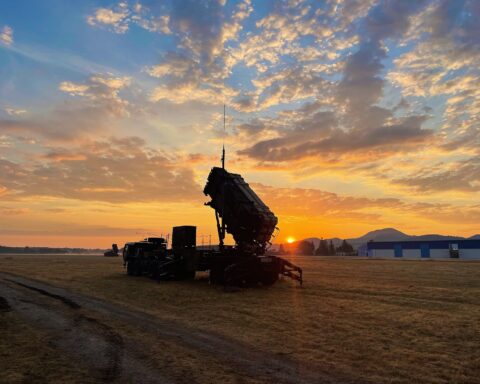
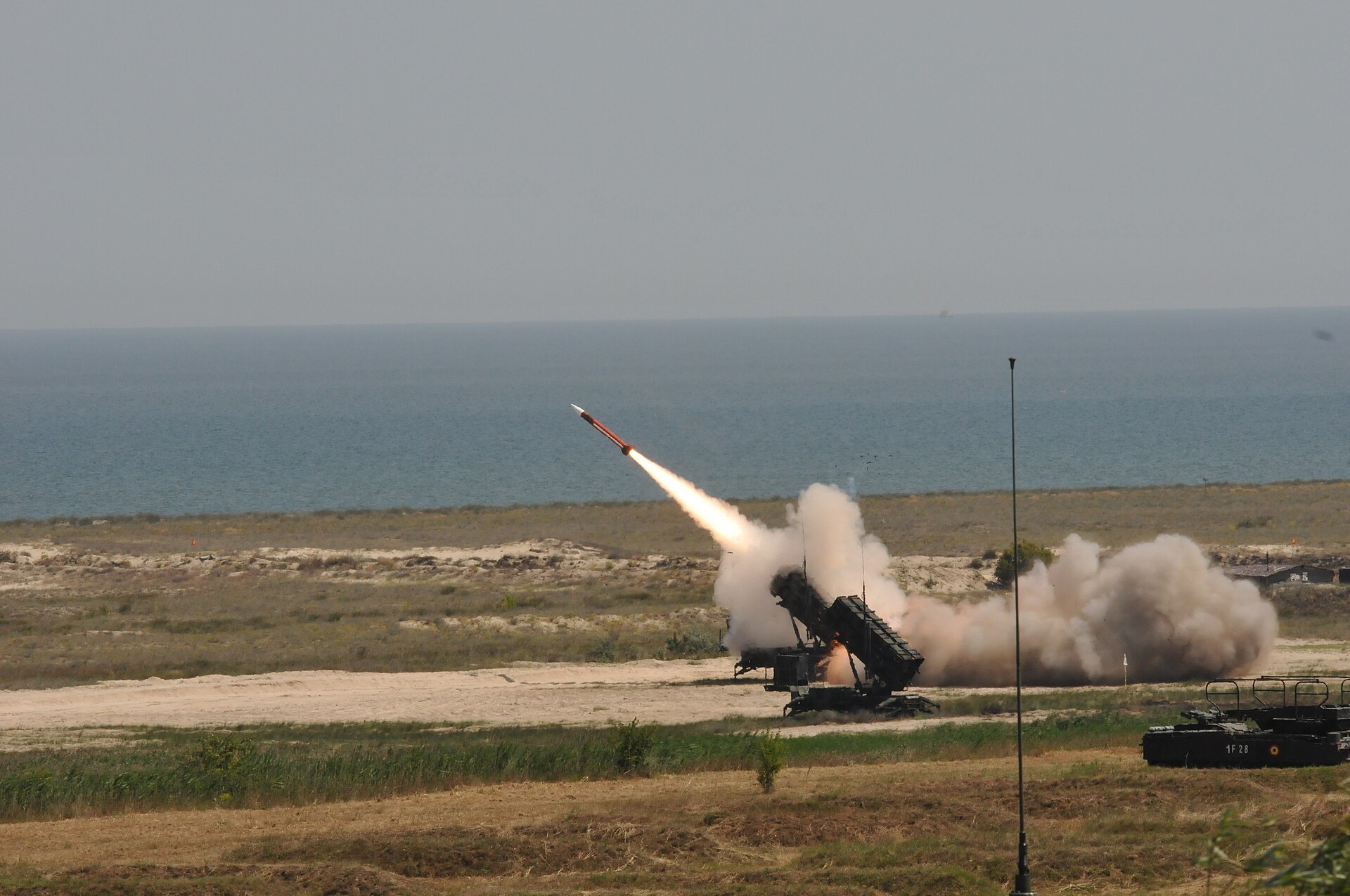
Coalition spokesman Turki al-Maliki said on X that two ballistic missiles targeting Riyadh had been intercepted, and that a cruise missile had been shot down over the kingdom’s western region on Wednesday night, according to Gulf News, which carried the Reuters report. Xinhua and India TV News both reported that residents heard loud explosions as the interceptors did their work, and that no casualties resulted from the interceptions.
An interception means the weapon was destroyed in the air before it reached whatever it was aimed at. That distinction is the whole difference between a loud night and a mass-casualty event, and Riyadh knows both. A ballistic missile falls from a high arc at great speed, which gives air defense crews seconds rather than minutes to commit, so two clean intercepts over a city of millions is the outcome every operator on those batteries is trained to deliver and the one the capital needs to see repeated.
The drone picture from the same night is murkier. Daily Beirut, citing the Syrian news agency SANA, reported that the coalition also brought down two drones over the Eastern Province and one near Jeddah port. Nation Press gave a very different tally of seven drones, including four over Ras Tanura, and the two accounts cannot both be correct.
No single coalition statement has reconciled those figures, and readers should treat both drone tallies as reported rather than settled. What is not in dispute is the shape of the attack: missiles aimed at the capital, a cruise missile in the west, and drones over the oil-producing east, all inside a single night.
Civil Defence Sounds the Alert, Then the All-Clear
Before the explosions, Saudi Civil Defence issued a “hostile aerial threat” warning for Riyadh province, the alert that sends residents away from windows and into interior rooms. Once the missiles were down, the directorate followed with an all-clear and an instruction that has become a fixture of these nights, according to Sabq.org.
“Danger has passed in Riyadh region, public warned against gathering and filming.”
— Saudi Civil Defence, as reported by Sabq.org
The warning against filming is aimed at two problems at once. Crowds gathering to watch the sky are exposed if debris falls or a second wave follows, and phone footage of interceptions travels across social media long before anyone has established what was hit, what was destroyed and what was simply light in the dark. Unverified video has already muddied the public record of this campaign more than once.
For the people of Riyadh, the sequence of alert, explosions and all-clear now runs on a rhythm that would have seemed unthinkable at the start of the year. Office workers in the financial district went to work this week two days after a drone hit one of its towers, and the overnight alert means many began Thursday on very little sleep.
What Have the Houthis Claimed This Week?
On Wednesday, Houthi military spokesman Yahya Saree claimed his forces had struck Riyadh “in three phases” and described the hits as “accurate,” according to France 24 and a Reuters report published by US News. He also claimed a strike on the Ras Tanura refinery that caused fires, a facility NBC News described as Saudi Arabia’s largest oil refinery.
Saudi Arabia has not confirmed the refinery claim, nor has it confirmed any direct hit on the capital from Wednesday’s attacks, according to Reuters and NBC News. Until satellite imagery, company statements or official confirmation say otherwise, the Ras Tanura fire remains a Houthi assertion and not an established event.
Saree framed the attacks as retaliation for coalition strikes that he said killed at least 26 people in the Al-Maqatirah district of Lahij province in southern Yemen, according to Reuters. The reports available on Thursday morning did not include a coalition response to that figure, and it has not been independently verified.
The gap between what the Houthis announce and what Saudi authorities confirm has become a front of its own. The group claimed direct strikes on Riyadh’s main airport on November 15 and November 18, and Saudi authorities have confirmed neither, while every unconfirmed claim still lands in the inboxes of insurers, airline security departments and foreign ministries that have to decide whether their people should be in Riyadh at all.
A Week of Strikes From the Financial District to Jazan
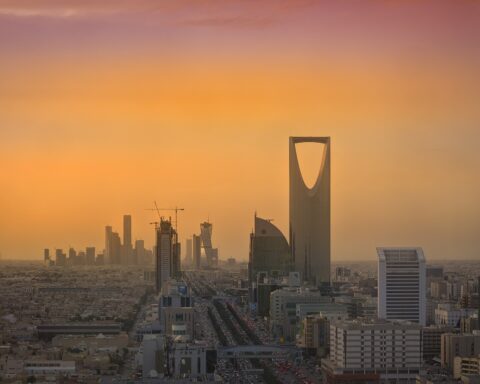
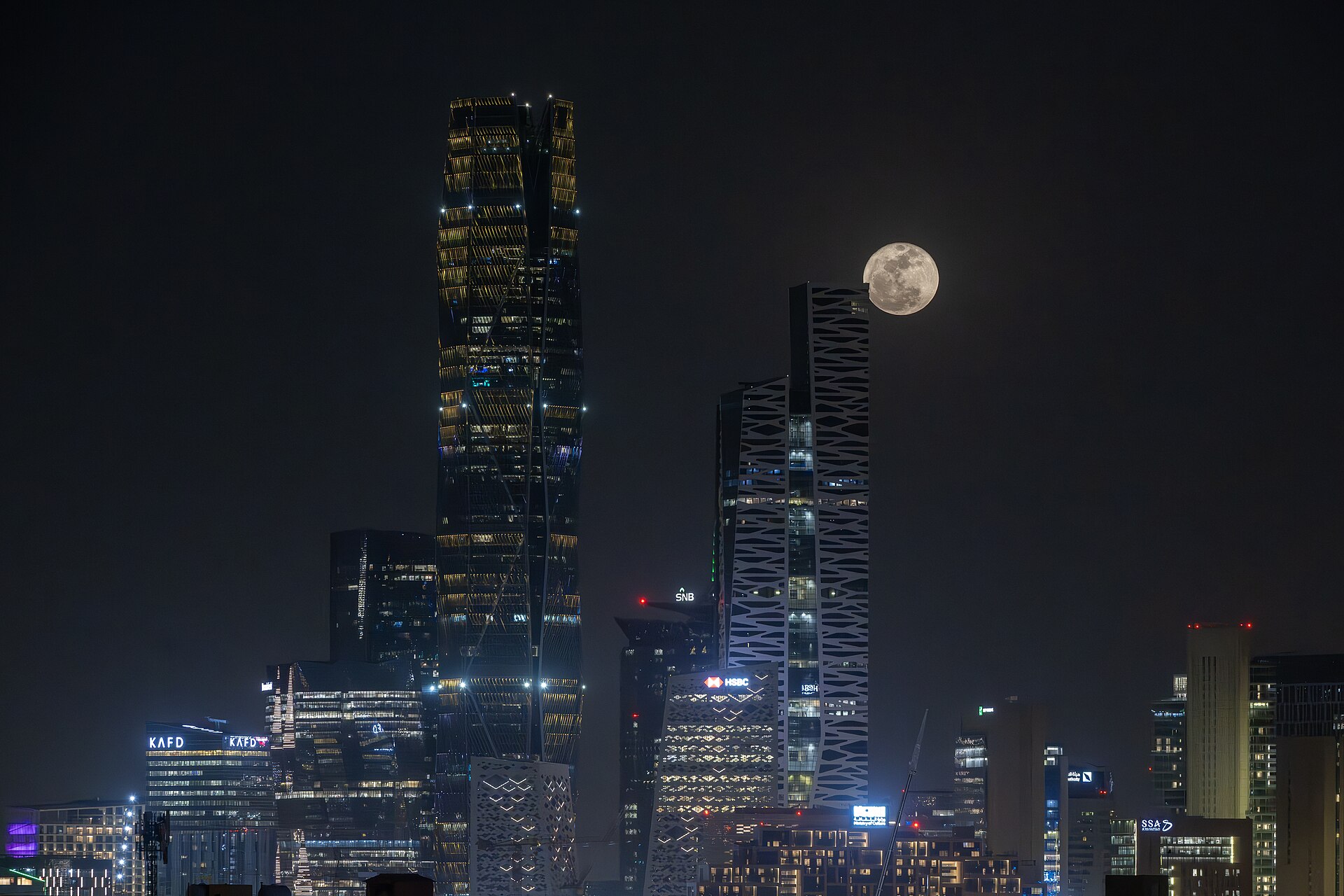
The week’s one confirmed hit on the capital came on Tuesday, November 24, when a Houthi drone struck a tower in the King Abdullah Financial District and injured 11 people, according to Al Jazeera. The Indian Embassy in Riyadh said on November 25 that two of the injured were Indian nationals, Telangana Today reported. Our earlier coverage of Tuesday’s confirmed drone strike on a KAFD tower set out how the coalition described the attack and what witnesses said they saw.
The financial district is not a military target in any ordinary sense. It is the showpiece of the kingdom’s economic diversification push and home to the Public Investment Fund’s headquarters, and a hit there tells every foreign banker weighing a Riyadh posting that the war has reached the address on the business card. Earlier coverage of the PIF Tower and the Houthi push toward Aden traced how the strikes on Riyadh have run alongside the group’s ground advance in southern Yemen.
On Wednesday the pressure shifted to the coast. A Houthi projectile struck Jazan port on the Red Sea, near the Yemeni border, and the coalition confirmed minor damage, according to Middle East Eye. That makes Jazan one of the few Houthi strike claims of the week matched by a Saudi acknowledgment of impact.
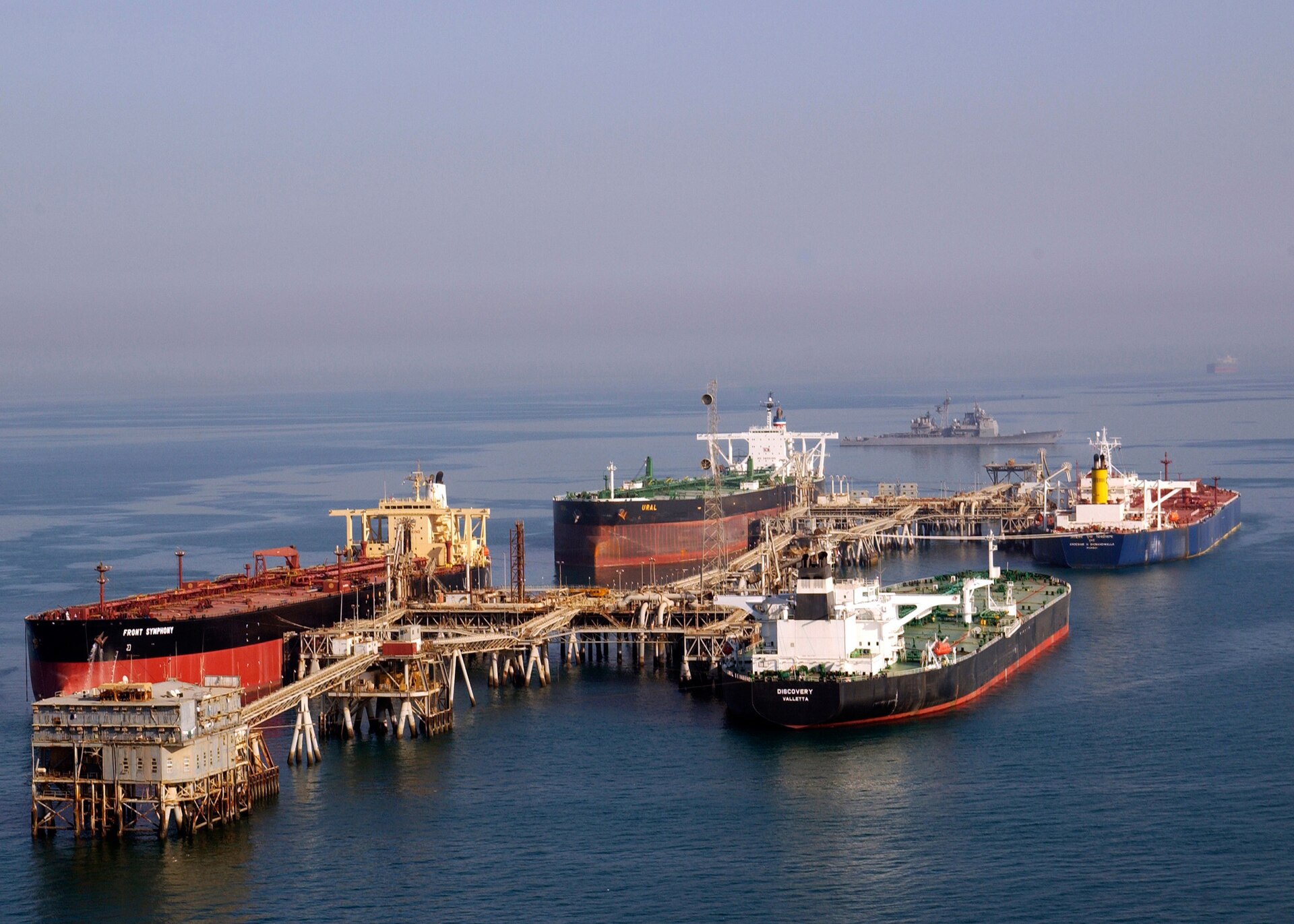
Ras Tanura sits on the other side of the peninsula, on the Gulf coast, where the kingdom’s crude is refined and loaded for export. If the Nation Press tally of four drones over the site is accurate, Thursday’s attack followed drones over Ras Tanura the previous day and Saree’s unconfirmed refinery claim, putting the facility in the crosshairs for consecutive nights.
The timing matters for markets as well as for residents. Saudi Arabia goes into the November 29 OPEC+ meeting in three days, and any doubt over the security of its main Gulf export hub weighs on every barrel it promises to deliver. The kingdom is also preparing for the crown prince’s trip to the G20 summit in the United States, a visit that will now be framed by nightly air raid alerts at home.
Why Does the Riyadh Airport Keep Coming Back Into the Story?
The current escalation reached the capital on September 19, when the first strike on Riyadh in this phase of the conflict was reported, according to Reuters. Three weeks later the Houthis turned on King Khalid International Airport, and the attacks between October 6 and October 11 changed how the world sees the Saudi capital.
The deadliest came on October 10, when a strike on the airport killed 13 people and injured 309; initial reports cited 12 dead, and India’s embassy in Saudi Arabia later confirmed a 13th fatality when an Indian national died from injuries, according to Al Jazeera, NBC News and Gulf News. That is more than 300 people wounded at a civilian terminal in a single attack, many of them travelers who had done nothing more than turn up for a flight.
The next day another attack on the airport killed a Pakistani national and injured 11 more, Bernama reported. Across those six days at least 14 people were killed, and Saudi Arabia opened an investigation into how its air defense systems had failed to stop the deadly attacks, PBS NewsHour reported in October.
That investigation is the backdrop to every interception since. When al-Maliki announces two ballistic missiles destroyed over Riyadh, the statement is also an answer to the question the October probe was set up to examine, and Thursday’s result is the one the kingdom needs to keep posting night after night.
The airport itself has only partially recovered. It reopened on October 25 to a limited schedule of flights in Terminals 1 and 2, according to Middle East Monitor, and it has not returned to normal operations. A night of missiles over the capital is unlikely to persuade any carrier still on the sidelines that now is the moment to return.
Which Airlines Have Suspended Riyadh Flights?
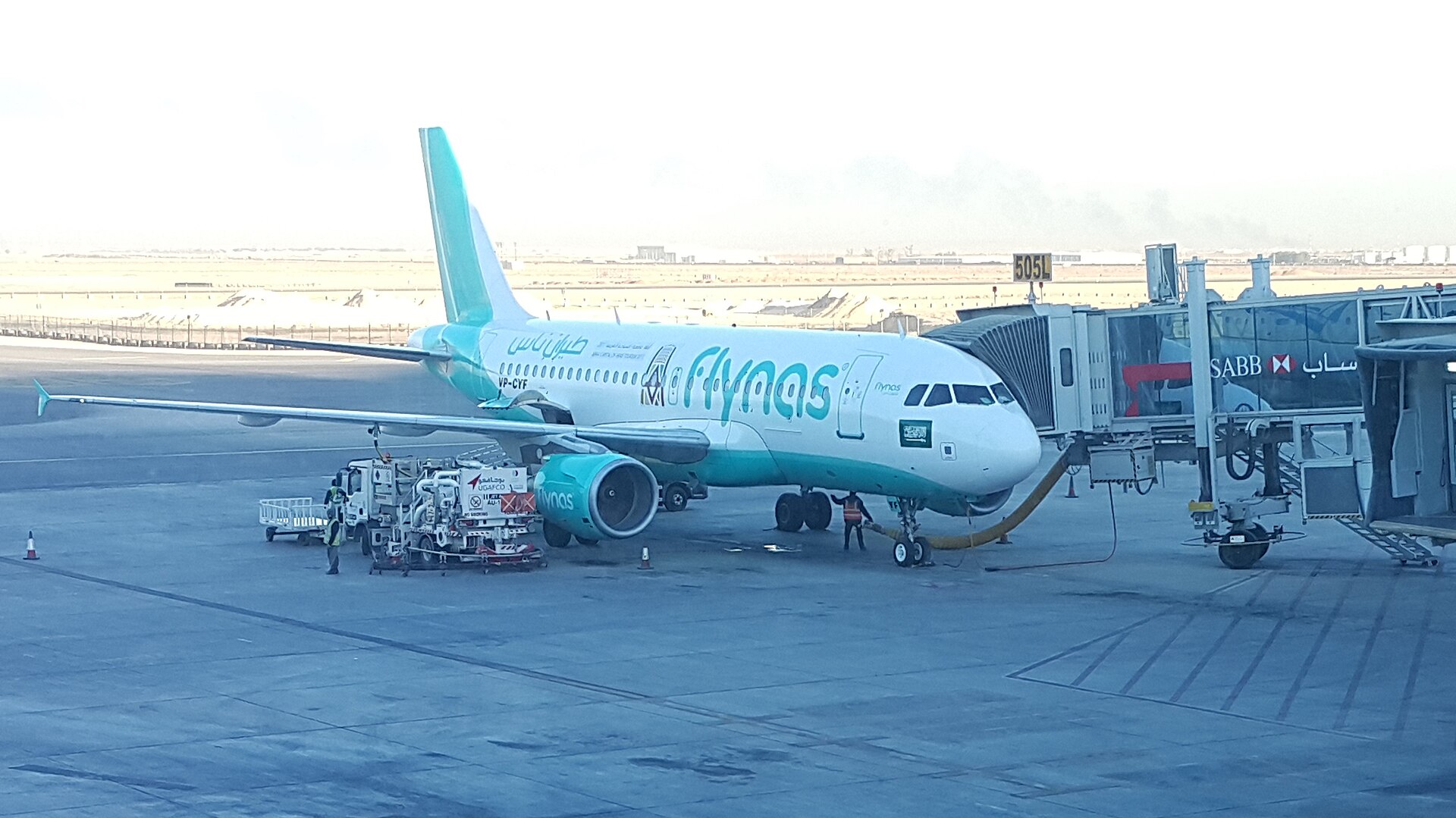
At least 10 international airlines had suspended service to Riyadh, according to a tracker maintained by Wego Travel and last updated on November 4. The suspension dates on that list tell a story of their own, because they stretch from days to months.
| Airline | Suspended through |
|---|---|
| KLM | January 10, 2027 |
| Etihad | November 30, 2026 |
| Cathay Pacific | January 31, 2027 |
KLM extended its suspension to January 10, 2027 — a date updated since the Wego tracker was last compiled — meaning the Dutch carrier has already priced in a prolonged absence from Riyadh rather than a week-by-week decision. Etihad’s runs through November 30, and Cathay Pacific has planned for the capital to stay off its network until the end of January 2027. The Wego listing predates this week’s attacks, and travelers should check directly with their airline and the current travel status before booking.
Cathay’s date is the one to watch, because it shows a major Asian carrier making schedule decisions on a horizon of months rather than reacting night by night. An airline that cancels until the end of January is pricing in a campaign that continues through the winter, and that is a judgment about the war, not just about a single airport.
The kingdom’s own new national airline has not been spared. Riyadh Air moved its operations to Al Qassim Airport, north-west of the capital, and the launch of its Jakarta route has been delayed, according to Aviation Nepal. For a carrier built around the capital and named after it, flying out of another city is the plainest measure of what the Houthi campaign has cost.
Frequently Asked Questions
What is the difference between a ballistic missile and a cruise missile?
A ballistic missile is launched on a high arc, leaves the dense part of the atmosphere and falls toward its target at very high speed, which leaves defenders a short window to intercept it. A cruise missile flies low and level under its own power for most of its route, and it can be harder to spot on radar but slower to arrive, so the two threats demand different responses from air defense crews.
Can travelers fly into King Khalid International Airport right now?
Only on a restricted basis. Under the October 25 partial reopening, flights operate from Terminals 1 and 2 only and require prior permission from the General Authority of Civil Aviation, according to Middle East Monitor, so many scheduled services are not running and passengers should confirm with their airline before travelling.
Is the viral footage of fires at the Riyadh airport real?
At least some of it is not what it claims to be. An Al Jazeera verification found that fire footage circulated as showing King Khalid International Airport was actually from Dammam in 2024, which is why Saudi authorities urge residents not to film or share video of attacks and why unconfirmed Houthi claims of airport hits should be treated with caution.
Who is Yahya Saree?
Yahya Saree is the military spokesman of Yemen’s Houthi movement and the voice behind its televised strike announcements. His statements are the group’s official claims of responsibility, but they are frequently not matched by Saudi or independent confirmation, and House of Saud reports them as claims unless they can be verified.
The House of Saud Daily Briefing
Saudi Arabia's news in 3 minutes, every morning. Free. See today's issue