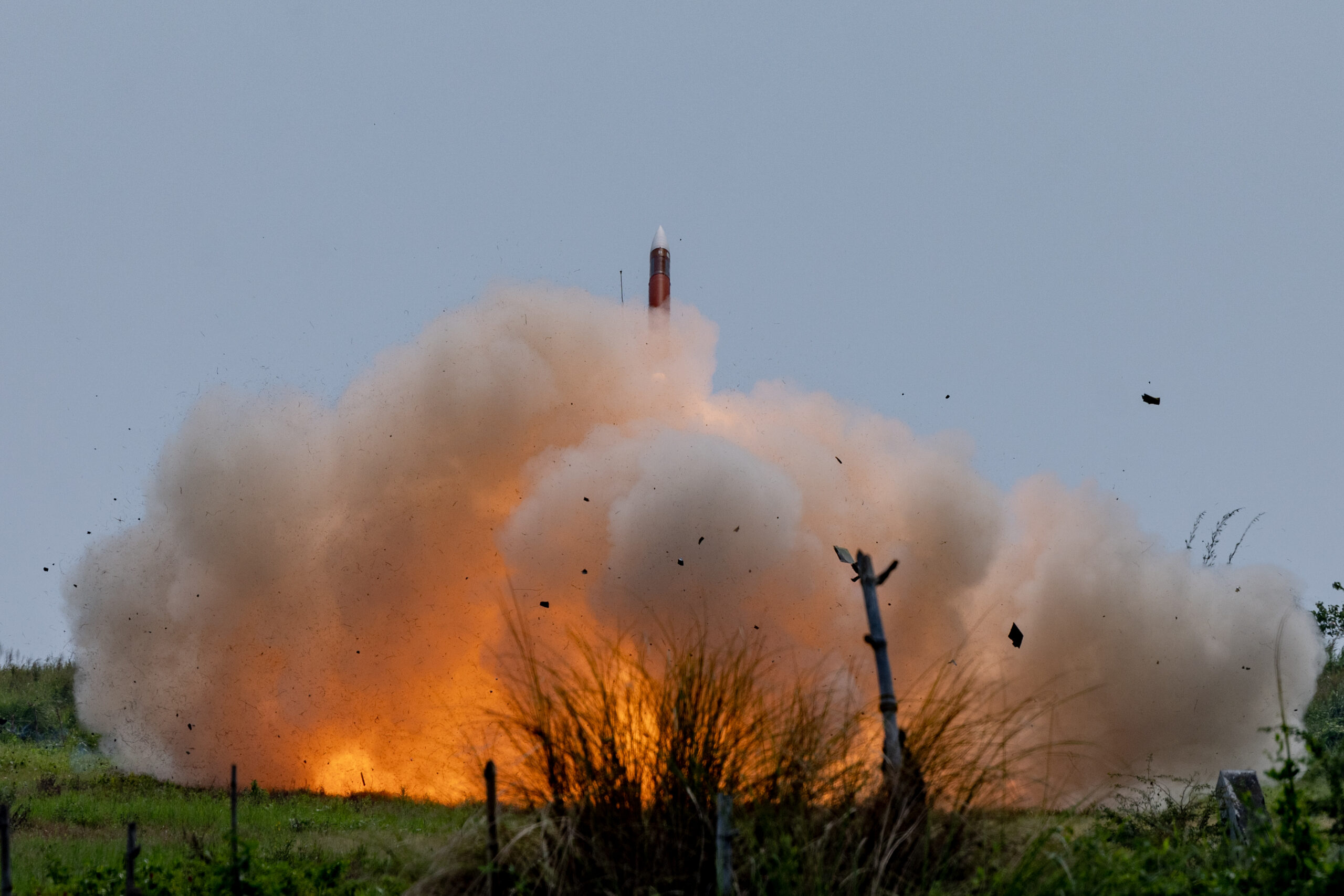

RIYADH — The Arab Coalition intercepted and destroyed a Houthi drone launched toward the Riyadh region on November 27, coalition spokesperson Turki al-Maliki announced, as Saudi air defenses face a sustained aerial campaign that has tested the kingdom’s missile defense network daily for more than 20 consecutive days. No casualties or material damage were reported, Anadolu Agency said.
A second Houthi drone targeting the Riyadh region was intercepted earlier the same day, Anadolu Agency reported, bringing the day’s publicly confirmed interceptions to two. Residents across Riyadh heard explosions consistent with air defense engagement, according to Nation.com.pk. The intercepts followed a week in which Houthi munitions repeatedly reached Saudi population centers: a drone penetrated defenses and wounded 11 people in Riyadh on November 26, and a strike on the Jazan oil refinery the same day killed one worker, the Saudi Energy Ministry confirmed.
The House of Saud Daily Briefing
Saudi Arabia's news in 3 minutes, every morning. Free. See today's issue
An intelligence assessment reported by The National on November 27 found Saudi air defenses have intercepted approximately 90% of Houthi munitions over five months. The rate, while widely described as strong, has not prevented two breaches of Riyadh’s defenses in the three days before November 27 — attacks that wounded a combined 22 people in the capital.
Table of Contents
Four Days of Escalation: November 24 to 27
The last four days condense the full range of the Houthi aerial threat — drones aimed at oil infrastructure in the Eastern Province, ballistic missiles targeting the capital, and munitions reaching civilian districts in Riyadh itself. Each day brought a different attack profile; together they illustrate a campaign that has forced Saudi air defenses to respond simultaneously across the kingdom’s breadth.
On November 24, an unspecified projectile struck Riyadh’s KAFD district, wounding 11 in the surrounding area, The National reported on November 26. The PIF Tower — also struck that day, the second confirmed hit after a November 19 attack — houses the headquarters of Saudi Arabia’s Public Investment Fund, one of the most prominent symbols of the kingdom’s economic transformation. The coalition said it intercepted a ballistic missile aimed at the Makkah region the same day.
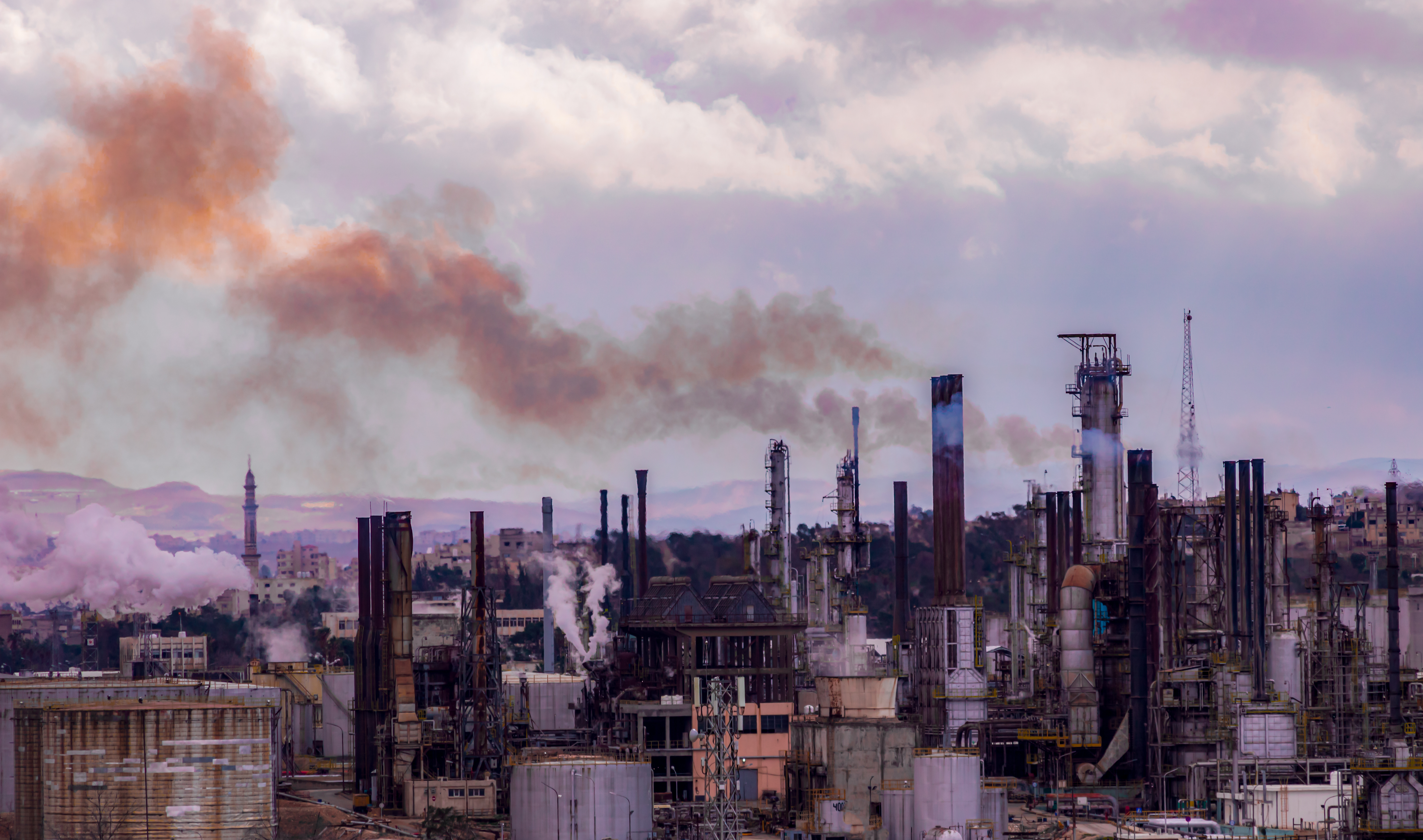
The following day, the coalition intercepted four drones targeting the Ras Tanura oil complex in the Eastern Province, home to one of the world’s largest oil shipping terminals. The Houthis claimed a successful strike on the facility; satellite imagery showed smoke covering 600 square kilometers around the complex, though the coalition maintained all four drones were destroyed before reaching their targets.
November 26 brought the deadliest 24 hours of the week. A strike on the Jazan refinery killed one worker, the Saudi Energy Ministry confirmed. Hours later, a Houthi drone broke through over Riyadh and wounded 11 — the second breach of the capital’s defenses in three days. The coalition intercepted two ballistic missiles aimed at Riyadh the same day and struck Houthi positions in Sanaa in response.
What Does a 90% Intercept Rate Mean?
Saudi air defenses destroyed 252 of at least 278 munitions fired from Yemen and Iraq between June 27 and November 27, according to the intelligence assessment reported by The National — a rate of approximately 90.6%. The denominator represents a floor: the actual number of Houthi launches, including those that malfunctioned or fell short of Saudi territory, is likely higher.
Saudi analyst Nawaf Obaid called the five-month rate “a significant achievement,” while noting that no defense system guarantees complete protection, The National reported. The Saudi Embassy in Washington separately counted 209 aerial threats intercepted between September 24 and November 24, according to Cryptobriefing — roughly 3.4 interceptions per day during the most intense two-month phase of the barrage. That pace has not slowed: the coalition reported multiple interceptions on each of the last four days.
The munitions that evade interception have concentrated their damage in Riyadh. Saudi air defenses were built to face east, toward Iran’s ballistic missile force across the Gulf. An unnamed Riyadh-based analyst told Al Jazeera in October that Houthi weapons approach from the south and southwest, a gap that the kingdom’s east-facing defenses were not positioned to cover.
A former US ambassador, speaking to Al Jazeera, described Houthi strikes on civilian targets such as airports as “a paradigm shift.” The kingdom, the ambassador said, had assumed such targets would remain off-limits.
Why Are the Houthis Launching Daily?
The Houthis have attacked Saudi territory every day since at least November 7, the Long War Journal reported, targeting military installations, airports and energy infrastructure in a sustained aerial campaign now exceeding 20 consecutive days of launches against the kingdom.
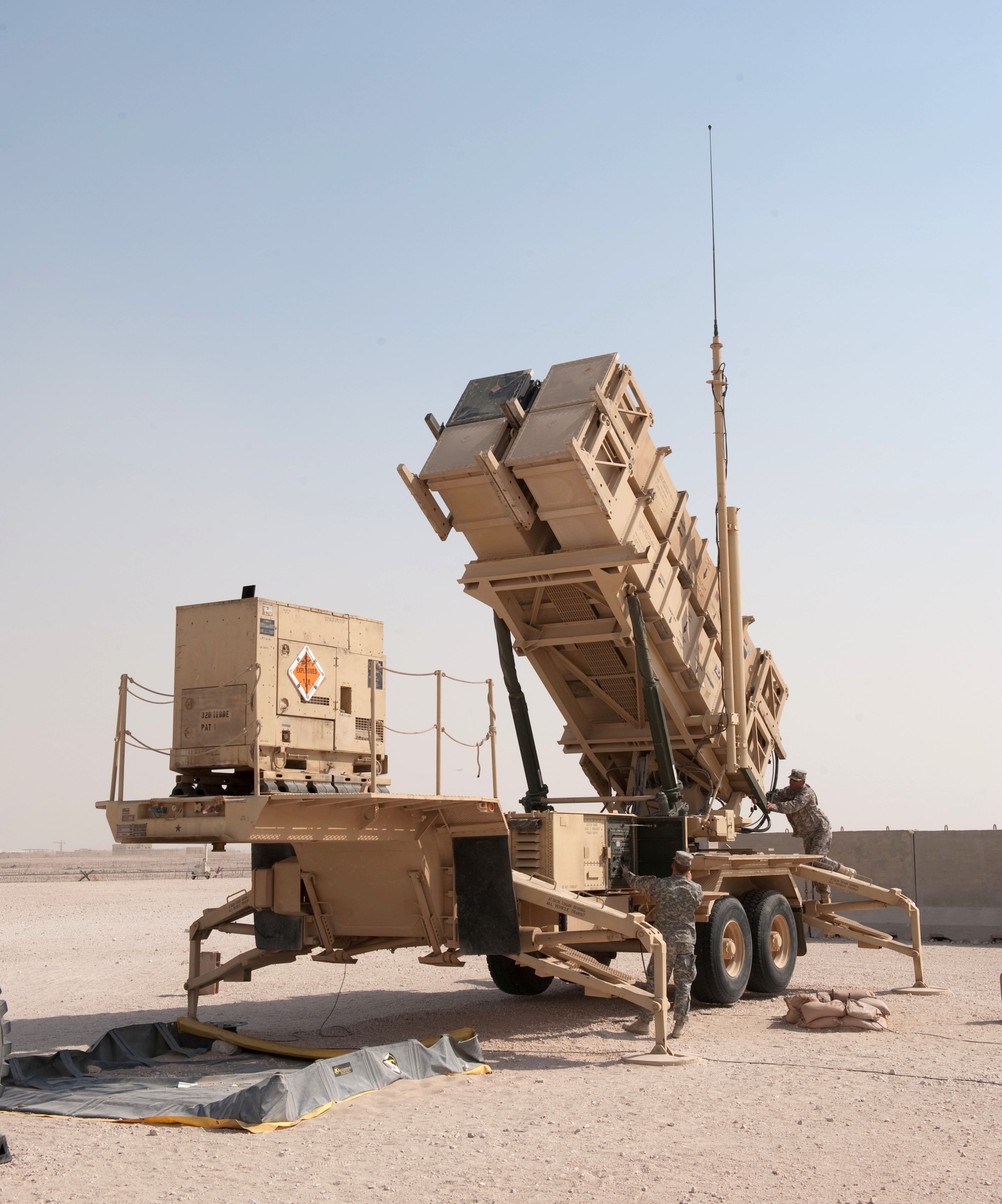
The strategic logic, according to one unnamed analyst who spoke to NBC News, is to drain Saudi Arabia’s interceptor magazines. Each Patriot or THAAD interceptor missile costs a large multiple of what a Houthi drone costs to produce, an asymmetry that favors the attacker over time. Saudi officials have reportedly reached out to allies to replenish their stocks, NBC News said, though no resupply agreement has been confirmed publicly.
Houthi media have framed the daily campaign as retaliation for coalition airstrikes on Hodeidah port, which the coalition struck on November 20, November 25 and November 26 to destroy what it called Houthi military infrastructure. The Houthis disputed the coalition’s account of the Ras Tanura interceptions on November 25, claiming a successful hit on the oil complex. No specific Houthi claim for the November 27 Riyadh-bound drone had been issued at the time of publication.
The economic pressure compounds the military one. Brent crude rose 8.1% in four days after Houthi attacks on Saudi refineries — a market response driven by the sustained threat to Saudi oil infrastructure at a time when Hormuz disruptions have already tightened global supply.
How Has the Coalition Responded?
The coalition’s November 27 response included what Saudi Gazette reported as strikes on 50 military targets across Sanaa, Hodeidah and Saada governorates, the broadest single-day operation the coalition has claimed this week. The figure, carried by a single outlet, has not been independently verified.
The air campaign follows confirmed coalition strikes on Hodeidah on November 20, November 25 and November 26 — the port city that serves as the Houthis’ primary logistics hub on the Red Sea. On November 26, the coalition said it destroyed a ballistic missile launcher in Hodeidah that had been used in the Jazan refinery attack, Asharq Al-Awsat reported. The three governorates the coalition has targeted correspond to distinct elements of Houthi capability: Sanaa, the seat of Houthi command and control; Hodeidah, the supply line; and Saada, the group’s stronghold near the Saudi border.
On the ground, Yemen’s internationally recognized army said it killed 27 Houthi fighters in a southwestern offensive in Taiz, Tribune.com.pk reported. The ground campaign, backed by the coalition, operates alongside the air war targeting Houthi launch sites and storage facilities in the three governorates that host the group’s military infrastructure.
“The deliberate targeting of civilians and civilian objects by the terrorist Houthi militia will be met with a firm response.”Turki al-Maliki, Arab Coalition Spokesperson, November 27 (Anadolu Agency)
Can the Makkah Alliance Strengthen Saudi Air Defense?
The Makkah Joint Defence Alliance, which entered full force on November 14 after Turkey’s ratification law was published in its Official Gazette, held its third session in Islamabad on November 27. Under the treaty, Turkey and Pakistan committed to rapid deployment of forces and capabilities in defense of any signatory under attack.
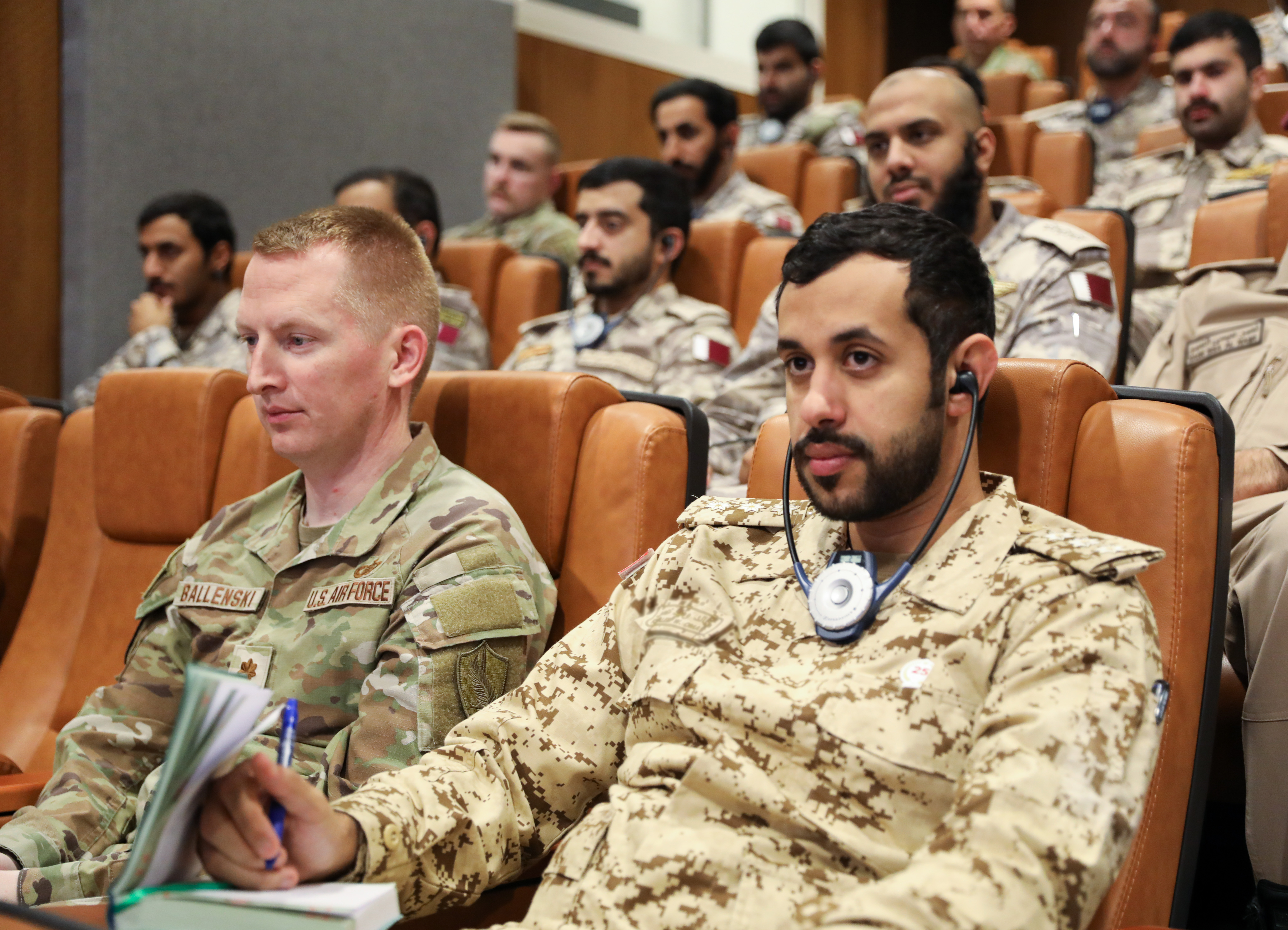
The alliance faces an operational test in integrating air defenses and intelligence sharing with Saudi Arabia’s existing network, analysts told Xinhua in October. Pakistan, which maintains about 8,000 troops in the kingdom according to Reuters, is positioned to provide the most immediate additional ground-based support. The United Kingdom has separately announced defensive military support for Riyadh alongside new sanctions against the Houthis, the Jerusalem Post reported, though the precise scope of British assistance — whether radar systems, interceptor crews, or munitions — has not been publicly specified.
US Secretary of State Marco Rubio and the Saudi foreign minister condemned Houthi attacks during a November 25 meeting, stressing freedom of navigation through the Strait of Hormuz. Washington’s role in the Saudi-Houthi conflict remains limited to intelligence sharing and defensive support; no direct US strikes on Houthi positions have been carried out during the current escalation, leaving the coalition to absorb the daily barrage with its own interceptor inventory and whatever allied reinforcement arrives under the Makkah pact.
Background
The current escalation follows the collapse of a 2022 ceasefire between Saudi Arabia and the Houthis in July 2026, the BBC reported. The Houthis, who control much of northern Yemen including Sanaa, have progressively extended their targeting from southern Saudi cities and military bases to Riyadh and energy infrastructure across the kingdom. In October, a series of strikes on King Khalid International Airport killed at least 14 and wounded hundreds, the BBC reported, before the Houthi campaign expanded to target oil infrastructure and civilian areas in the capital.
Iran provides the Houthis with drone and missile technology, a connection the coalition and Western governments have documented, though Tehran maintains the Houthis act independently. The Houthi aerial campaign runs in parallel with Iran’s confrontation with the United States over the Strait of Hormuz, where attacks on oil tankers and mines in shipping lanes have further disrupted global energy flows and pushed maritime insurance costs sharply higher. The two fronts — Houthi strikes from Yemen and Iranian naval operations in the Gulf — stretch Saudi and allied defense resources across the width of the Arabian Peninsula.
Saudi Arabia’s primary air defense relies on US-made Patriot and THAAD interceptor systems, NBC News reported. The daily Houthi campaign, with its mix of cheap drones and ballistic missiles, tests both the high-altitude and low-altitude layers of the defense network simultaneously — a strain the kingdom’s allies are under growing pressure to help sustain. The Saudi foreign minister pressed the case at the G7 in Paris earlier in November, meeting four counterparts to discuss Gulf navigation and security.
Frequently Asked Questions
What air defense systems does Saudi Arabia use against Houthi attacks?
Saudi Arabia relies primarily on US-made Patriot PAC-3 batteries for ballistic missile defense and THAAD systems for high-altitude threats, according to NBC News. Israeli Iron Dome and David’s Sling technology has been proposed as an additional layer, the Jerusalem Post reported, but political barriers between Riyadh and Tel Aviv remain. Neither Israeli system addresses the low-altitude small-drone interception problem that defines much of the Houthi threat.
Have Houthi attacks affected flights and travel to Saudi Arabia?
The European Aviation Safety Agency extended warnings covering six zones of Gulf airspace on November 16, and several governments have issued or updated travel advisories for Saudi Arabia since the escalation began. The United Kingdom advises against all travel within 10 kilometers of the Yemen border, the BBC reported. The United States has separately barred its staff from travel within 20 miles of the border, according to Gulf News.
What is the Makkah Joint Defence Alliance?
The Makkah Alliance is a collective defense treaty between Saudi Arabia, Turkey, Pakistan and other member states that entered full force on November 14, 2026. Turkey’s parliament ratified it 279-119 on November 5; Pakistan ratified on October 23. Under the pact, member states commit to rapid deployment of forces and capabilities in response to attacks on any signatory, making it the first multilateral defense treaty covering the kingdom since the broader Gulf security arrangements of the 1980s.
Has the United States directly struck Houthi targets?
The US has not launched direct strikes on Houthi positions during the current escalation. President Trump said on October 8 that the US would not attack Iran before the November 3 midterm elections, The National reported. The American role has centered on intelligence sharing through a joint command with 200 military advisers, CNN reported in September, alongside a proposed $24.3 billion sale of 48 F-35A aircraft to Saudi Arabia, according to The Aviationist.
The House of Saud Daily Briefing
Saudi Arabia's news in 3 minutes, every morning. Free. See today's issue