
JEDDAH — More than 48,000 foreign pilgrims had arrived in Saudi Arabia by April 24 for Hajj 2026, according to aggregated figures from national Hajj authorities in Bangladesh, Pakistan, Indonesia, and Thailand, as the kingdom simultaneously braced for the most dangerous diplomatic weekend of the Iran war, with White House envoys Steve Witkoff and Jared Kushner preparing to fly to Islamabad on April 26 while Iran confirmed it was still laying naval mines in the Strait of Hormuz.
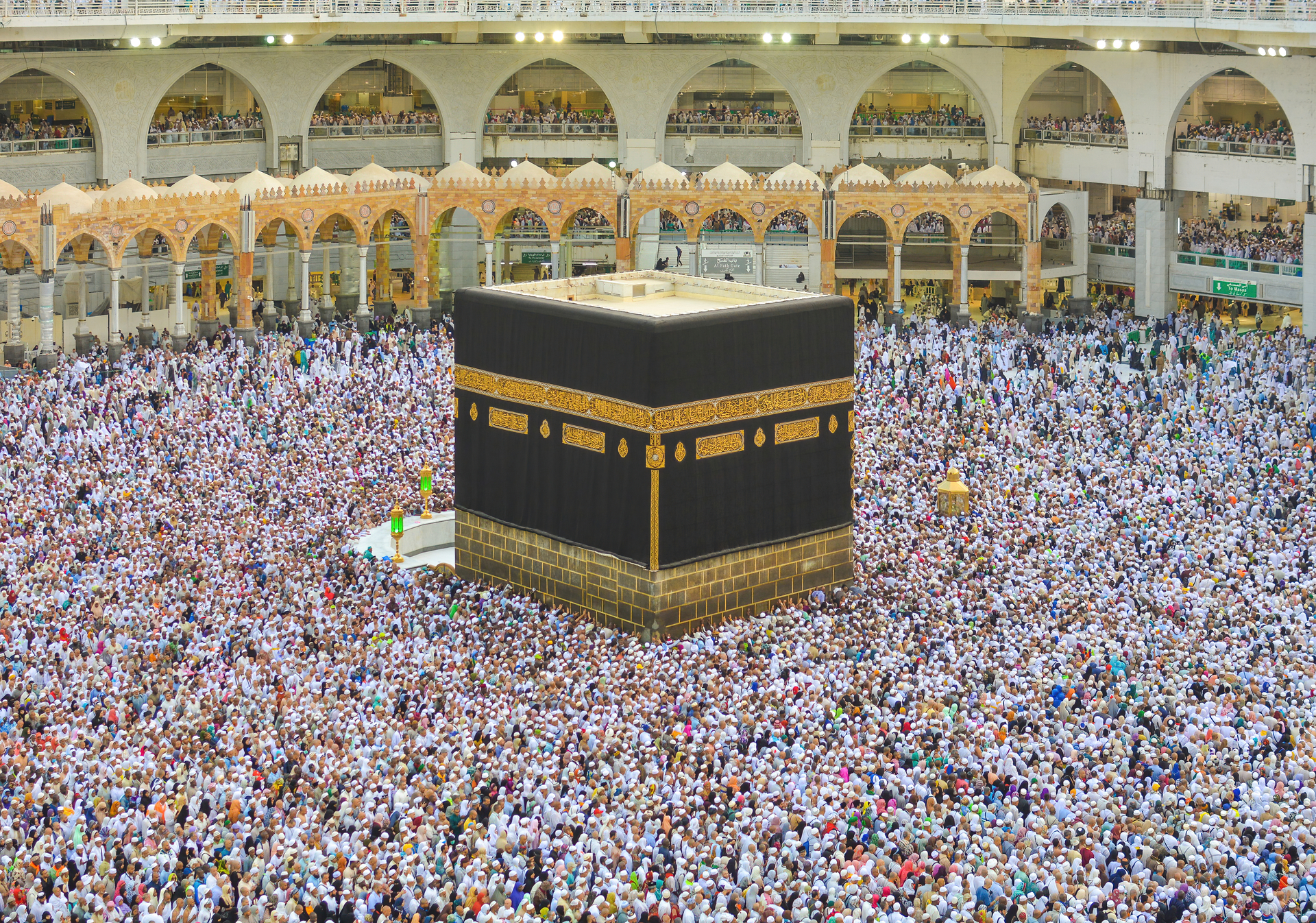
The convergence marks a threshold Saudi planners have dreaded since the war began on February 28. The pilgrims are no longer an abstraction on a logistics spreadsheet. They are physically present — sleeping in Madinah hotels, clearing biometric checkpoints, boarding Saudi buses — and their presence constrains Riyadh’s military calculus in ways that favour Tehran. In 1987, 150,000 Iranian pilgrims inside Mecca created a mutual hostage dynamic that restrained both sides. In 2026, zero Iranian pilgrims are present. The deterrent runs in one direction only.
Table of Contents
The Arithmetic of Arrival
Bangladesh led the early airlift. A total of 31,283 Bangladeshi pilgrims had reached Saudi Arabia by April 24, spread across 78 flights operated by three carriers, according to Bangladesh Sangbad Sangstha (BSS). Biman Bangladesh Airlines carried 12,814 pilgrims on 31 flights. Saudi Airlines transported 11,334 on 29 flights. Budget carrier Flynas brought 7,135 on 18 flights. Bangladesh’s full quota stands at 78,500 — meaning roughly 40 percent of its allocation had already departed within the first four days of travel.
Pakistan, which holds the second-largest quota at 180,000, had approximately 8,753 pilgrims in Madinah as of April 23, according to the Associated Press of Pakistan (APP). Pakistan’s airlift schedule calls for 468 flights, with Pakistan International Airlines operating 202 of them. The Madinah phase runs through May 3 before Jeddah-bound flights begin May 4.
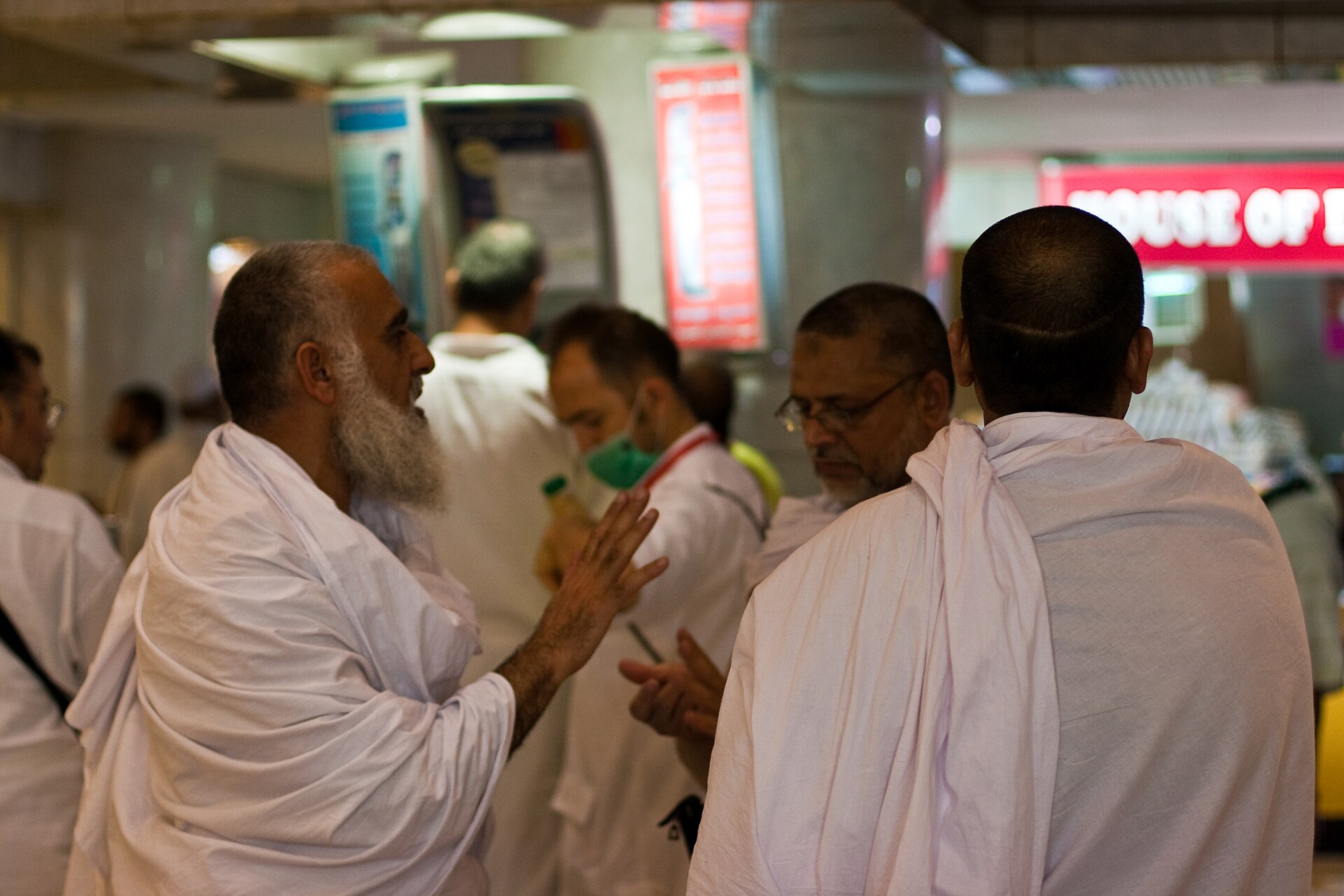
Indonesia dispatched its first contingent of 391 pilgrims from Jakarta on April 21, with approximately 6,000 reaching Madinah by April 23, ANTARA News reported. Indonesia holds the world’s largest national Hajj quota at 221,000 pilgrims, and its airlift window extends through May 21 — the date all international arrivals must be completed.
Thailand had sent roughly 2,900 pilgrims by April 22, according to Pattaya Mail. The inaugural Saudia flight SV5807 from Dhaka, carrying 376 pilgrims, had landed on April 18, the day the Makkah cordon sealed.
The Middle East briefing 3,000+ readers start their day with.
One email. Every weekday morning. Free.
Across the full season, Saudia has allocated more than one million seats on a dedicated fleet of 160 aircraft operating over a 75-day window, according to the airline’s operational briefing released in April. Over 12,000 flights are scheduled industry-wide, with 3.1 million seats allocated across all carriers.
The total expected pilgrimage stands at approximately 1.8 million, though early registration figures — roughly 750,000 by early April, according to Gulf News — suggest the final count may fall below the historical baseline of 1.7 to 1.9 million. War disruption, carrier suspensions, and surging travel insurance costs have suppressed demand.
What Does the Makkah Cordon Mean for Security?
The Makkah cordon sealed on April 18, terminating all Umrah visas and requiring Hajj-specific permits for entry into the holy city. The cordon transforms Mecca from an open religious destination into a controlled security zone — a shift that in peacetime is administrative but in wartime becomes operational.
Saudi Minister of Hajj and Umrah Tawfiq Al Rabiah confirmed that “new electronic systems have been introduced to monitor pilgrim movement and regulate entry and exit.” The systems track biometric data, regulate crowd density in real time, and control access to the Grand Mosque precinct.
Crown Prince Mohammed bin Salman ordered “full mobilisation of operational, security and preventive plans” and directed authorities to “deploy all capabilities to ensure a safe and smooth pilgrimage,” according to Gulf News and the Saudi Times. The language — “full mobilisation” — carries military connotations unusual for Hajj planning statements, reflecting the wartime context.
Saudi intelligence arrested an Iranian-linked cleric in proximity to Hajj season, the National Council of Resistance of Iran (NCRI) reported in April, indicating active counterintelligence operations against potential infiltration. The arrest has not been officially confirmed by Riyadh, but it signals awareness that the theological weight of the Custodian title makes any security failure at Hajj an existential reputational event for the Saudi monarchy.
The U.S. Overseas Security Advisory Council (OSAC) issued a Level 3 advisory — “Reconsider Participating in Hajj 2026” — through the U.S. Embassy in Riyadh. Lufthansa Group suspended all flights to the kingdom through October 24, 2026. KLM suspended through May 17. The carrier suspensions have forced pilgrims from Western-connected countries onto Gulf and Asian carriers, adding complexity to an already strained airlift. A detailed analysis of the OSAC Hajj advisory and Saudi Arabia’s silence examines how the first-ever such US warning exposes the gap between the Custodian title’s obligations and the kingdom’s depleted air defense inventory.
Islamabad: The Make-or-Break Weekend
The diplomatic crisis running parallel to Hajj arrivals reached its most volatile point on April 24. White House press secretary Karoline Leavitt confirmed that Witkoff and Kushner would fly to Pakistan on April 26, with Vice President JD Vance “deeply involved” and all senior officials “on standby to fly to Pakistan if necessary,” according to Fox News and CNBC.
Leavitt said the Iranians “reached out and asked for an in-person conversation.” Iranian Foreign Ministry spokesman Esmael Baqaei issued a flat denial: “No meeting is planned to take place between Iran and the U.S.” Baqaei added that “Iran’s observations would be conveyed to Pakistan” — language that positions Islamabad as an intermediary, not a venue for direct talks.
Iranian Foreign Minister Abbas Araghchi described his travel schedule as a “timely tour of Islamabad, Muscat, and Moscow” without mentioning American talks, according to CBS News and Tasnim. The omission was deliberate. Araghchi’s arrival in Islamabad placed him in the same city as the incoming American delegation, but Tehran’s public posture maintained the fiction that no US-Iran channel existed.
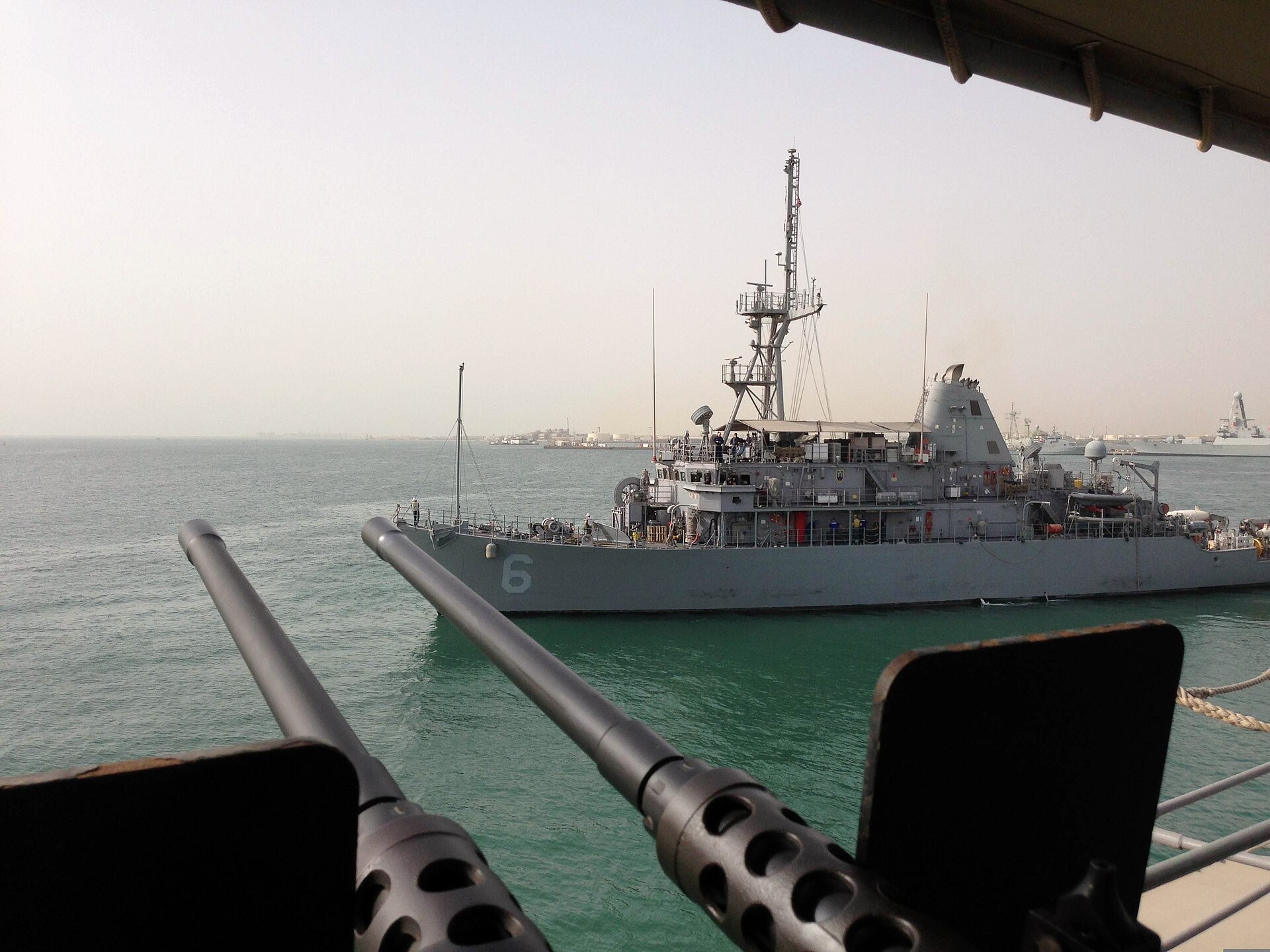
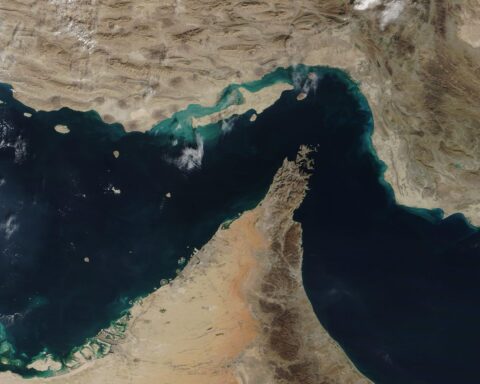
The diplomatic choreography unfolded against a military backdrop that had deteriorated sharply. On April 23, President Trump issued what Pentagon chief Pete Hegseth characterized as a “shoot to destroy, no hesitation” order directing the U.S. Navy to destroy Iranian mine-laying boats in the Strait of Hormuz. Iran confirmed on April 24 that mine-laying operations continued, according to Axios and the Jerusalem Post.
The collision of timelines is stark. Witkoff and Kushner fly to Islamabad on April 26. The Hajj airlift is physically underway with tens of thousands of pilgrims already on Saudi soil. The IRGC is still seeding mines in the world’s most important oil chokepoint. And the United States has authorized lethal force against Iranian naval assets for the first time in the war.
Why Does Iran’s Absence from Hajj Change the Calculus?
The structural logic of Iran’s exclusion from Hajj 2026 inverts the deterrence framework that governed every previous Saudi-Iranian crisis during the pilgrimage season. Saudi Arabia suspended Iranian visa processing and cancelled all direct flights. The NCRI confirmed in April that zero Iranian pilgrims are present in the kingdom for 2026.
In 1987, the presence of 150,000 Iranian pilgrims at Mecca functioned as a bilateral hostage. Tehran could threaten to weaponize its pilgrims — and did, organizing mass political demonstrations inside the Grand Mosque. But Iran also had to calculate that any Saudi military action against the Islamic Republic would endanger its own citizens performing the holiest rite in Islam. The dynamic was mutual.
In 2026, that mutuality has collapsed. Iran has no constituency inside Saudi Arabia whose safety constrains IRGC targeting decisions. The approximately 1.8 million pilgrims present are overwhelmingly from countries — Bangladesh, Pakistan, Indonesia, Egypt, Turkey — that are not party to the war. Their governments want them safe but have limited leverage over either belligerent.
The asymmetry runs deeper. Ayatollah Khamenei previously called Saudi rulers who barred Iranian pilgrims “disgraced and misguided people,” establishing theological vocabulary that allows Tehran to attribute any Mecca-area incident to Saudi-Western culpability rather than Iranian aggression. If a missile or drone launched by an IRGC proxy struck Saudi territory and caused pilgrim casualties, Tehran’s information machinery would blame Riyadh for hosting American military infrastructure in proximity to holy sites.
The IRGC’s declared target set — U.S. military installations and Saudi energy infrastructure — does not explicitly include the Hajj corridor. But the depletion of Saudi Arabia’s PAC-3 interceptor inventory to approximately 400 rounds creates an air defense crisis that does not distinguish between targets near Mecca and targets elsewhere. A 730-round Foreign Military Sales order, according to Pentagon procurement records, remains in production at Lockheed Martin. Resupply before the Day of Arafah on May 26 is physically impossible.
How Is Saudi Arabia Defending 1.8 Million Pilgrims?
The Saudi Ministry of Defense released imagery of Patriot missile launchers positioned around Mecca with the caption: “Air defense forces — an eye that never sleeps, its mission is the safety of Muslim pilgrims,” Newsweek reported. The public release of launcher positions — normally classified — represented an unusual departure from Saudi operational security, suggesting the imagery was intended as deterrence signaling rather than tactical disclosure.
The disclosure came with an implicit admission. Publishing launcher photographs while withholding interceptor inventory data acknowledged the defense architecture without revealing its depth. At approximately 400 PAC-3 rounds, roughly 14 percent of the pre-war stockpile, the system can absorb a limited number of ballistic missile salvos — but not the kind of sustained, multi-axis campaign the IRGC demonstrated in its April 2024 direct attack on Israel, when Iran launched over 300 projectiles in a single night.
Indonesia’s response to the security environment illustrated the calculations pilgrim-sending nations are making. Minister of Hajj and Umrah Mochamad Irfan Yusuf stated that his government’s mandate was to “ensure the safety and security of Indonesian pilgrims as the highest priority,” according to ANTARA News. Indonesia has prepared three formal contingency scenarios: proceed with rerouted flights avoiding Iranian, UAE, Iraqi, and Syrian airspace; delay Indonesian departures while Saudi Hajj proceeds, preserving funds for 2027 carryover; or respond to a full Saudi suspension by safeguarding paid funds and halting procurement.
Indonesia’s Health Ministry director Imran Pambudi added a dimension rarely discussed in security assessments: “Mental preparation and managing expectations are just as important as physical preparation.” Pambudi noted that “stricter regulations imposed by the Saudi government regarding visas have increased psychological pressure” on pilgrims, many of whom waited years for their quota allocation.
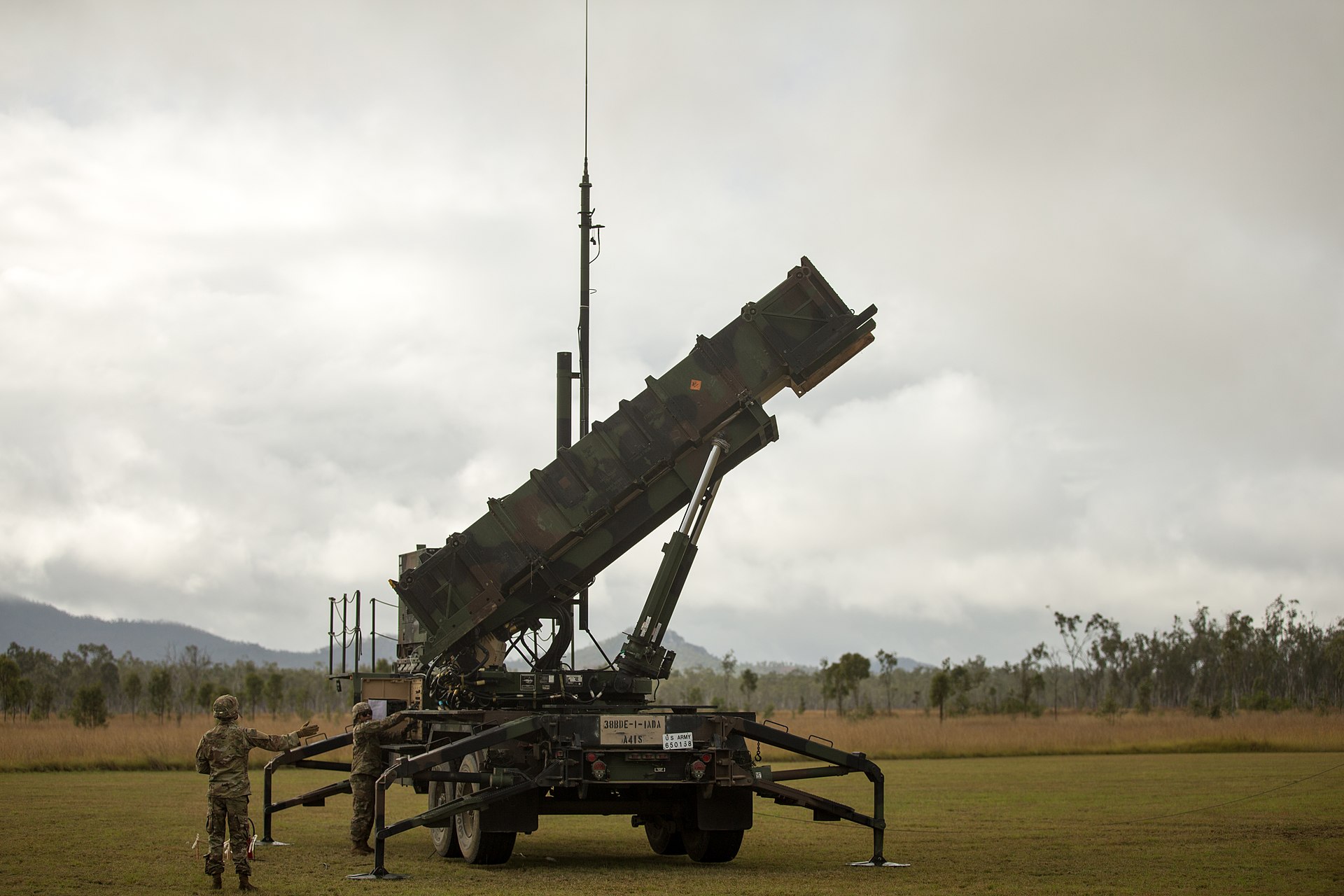
The arrival window closes May 21. The Day of Arafah falls on May 26 — war day 87. The gap between the last arrivals and the holiest day of the pilgrimage is five days. Any military escalation during that window would trap up to 1.8 million pilgrims inside Saudi Arabia with limited evacuation options. Saudi Arabia has never cancelled Hajj due to an external military threat. The theological and reputational cost of cancellation — for a monarchy whose formal title is Custodian of the Two Holy Mosques — exceeds any security rationale.
The Lebanon ceasefire, which Riyadh pushed hard to include in the Islamabad framework, was partly designed as diplomatic insurance for the Hajj period. A broader ceasefire covering the final weeks before the Day of Arafah would reduce the kinetic threat to the holy cities. But the current ceasefire, which expired April 22 with no extension mechanism, according to the Soufan Center, has already lapsed.
Background: 1987 and the Structural Inversion
The 1987 Mecca incident remains the only direct precedent for mass-casualty violence during Hajj linked to the Saudi-Iranian rivalry. On July 31, 1987, IRGC-organized political demonstrations involving tens of thousands of Iranian pilgrims inside the Grand Mosque escalated into direct clashes with Saudi security forces. The final toll was 402 dead: 275 Iranian pilgrims, 85 Saudi security police, and 42 pilgrims of other nationalities.
Saudi Arabia severed diplomatic relations with Iran. The Iranian Hajj quota was cut from 150,000 to 45,000. Iran imposed a three-year boycott. Relations were not restored until 1991.
The structural differences between 1987 and 2026 are total. In 1987, the threat vector was internal — Iranian pilgrims already inside the holy precinct. Saudi security forces were the responding party. The violence was kinetic but localized: clubs, stampede, and gunfire within the mosque complex, with a mutual hostage logic that constrained both sides.
In 2026, the threat vector is external — ballistic missiles, cruise missiles, and armed drones launched from Iranian territory or by IRGC-aligned proxies. The pilgrims are from third countries with no stake in the war. Iran has no pilgrims at risk. And the scale of potential violence has shifted from hundreds of casualties in a crowd crush to the possibility — however remote — of a missile striking populated areas during the largest annual human gathering on earth.
The convergence of the Hajj calendar with the ceasefire deadline was identified weeks ago as a structural trap for Saudi Arabia. The April 18 cordon and the lapsed April 22 ceasefire created a window in which the kingdom is simultaneously hosting pilgrims and operating without a ceasefire framework. That window is now open, and it will not close until after the Day of Arafah on May 26.
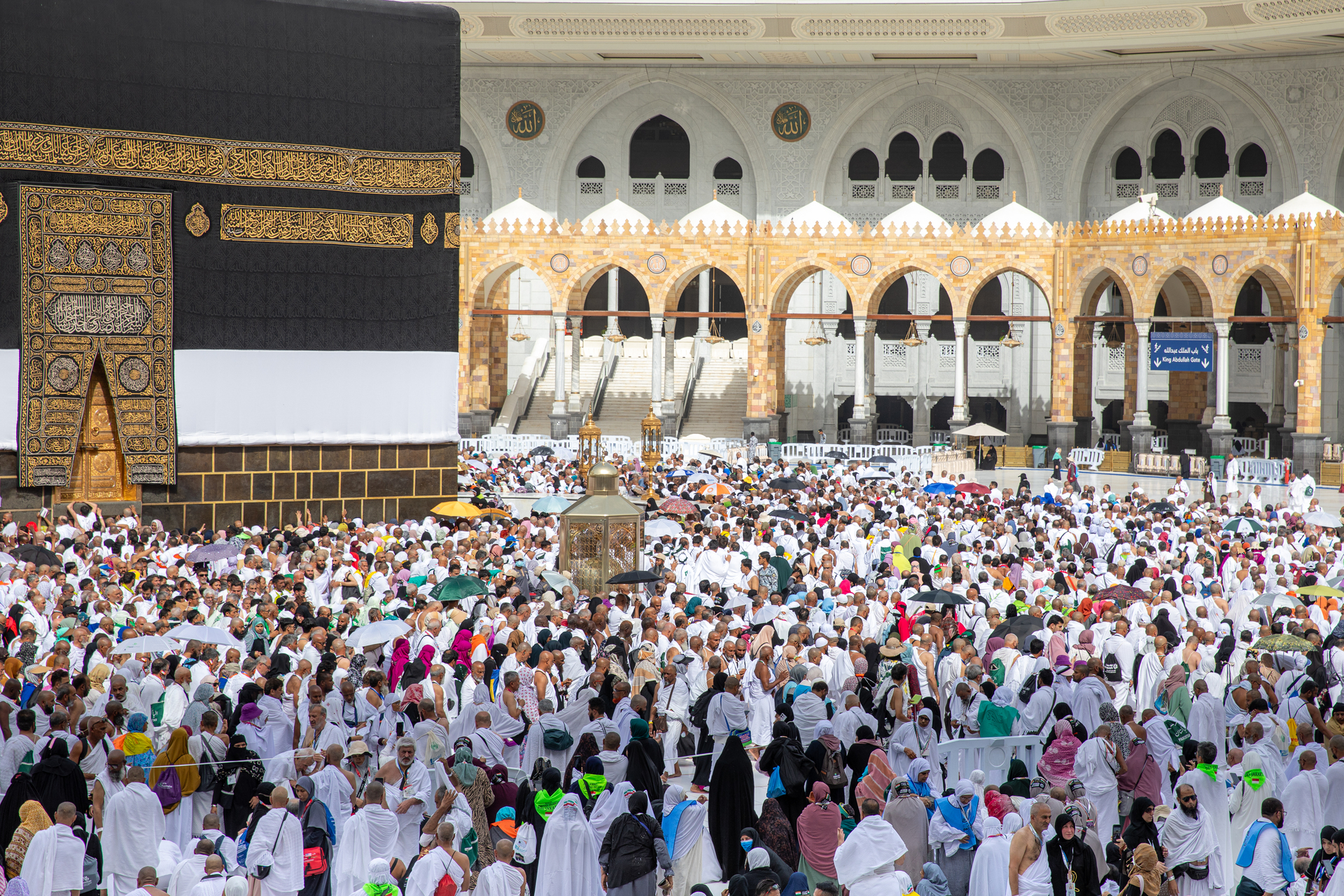
Pakistan’s dual role compounds the complexity. Islamabad holds a 180,000-pilgrim quota — the second largest — and is simultaneously the venue for US-Iran negotiations. Pakistan’s military chief General Asim Munir has positioned himself as the war’s primary interlocutor, but his leverage depends on maintaining credibility with both Washington and Tehran. The arrival of 8,753 Pakistani pilgrims in Madinah by April 23 means Pakistan now has its own citizens inside the potential blast radius, adding a direct human dimension to Munir’s diplomatic calculations.
Frequently Asked Questions
How many pilgrims are expected for Hajj 2026 in total?
Saudi Arabia has allocated 3.1 million airline seats across more than 12,000 scheduled flights for the 2026 Hajj season. The total pilgrim count is projected at approximately 1.8 million, though early registration data suggested numbers may fall below the 1.7 to 1.9 million historical baseline. War-driven flight cancellations by European carriers including Lufthansa and KLM, combined with surging travel insurance premiums for Gulf destinations, have reduced bookings from Western-connected markets.
Which countries have the largest Hajj quotas for 2026?
Indonesia holds the world’s largest national quota at 221,000 pilgrims, followed by Pakistan at 180,000 and Bangladesh at 78,500. Saudi Arabia allocates quotas roughly proportional to each country’s Muslim population under OIC guidelines, set at one pilgrim per 1,000 Muslims. India, Egypt, and Turkey also hold major allocations, though exact 2026 figures for those countries have not been publicly released amid the wartime disruption. Smaller quotas are distributed across more than 70 countries.
Has Saudi Arabia ever cancelled Hajj?
Saudi Arabia cancelled Hajj to international pilgrims in 2020 and severely restricted it in 2021 due to COVID-19, allowing only domestic residents to perform abbreviated rites at reduced capacity. Before the pandemic, the last major disruption was in 1987, when the quota system was restructured after the Mecca incident. Historically, Hajj has been disrupted by the Qaramita sack of Mecca in 930 CE, outbreaks of cholera and plague in the 19th century, and regional wars. No Saudi government has cancelled Hajj due to external military threat — the theological implications for the Custodian title make cancellation politically unthinkable.
What air defense systems protect the Hajj corridor?
Saudi Arabia has deployed a multi-layered system including THAAD for high-altitude ballistic missile defense, PAC-3 Patriot for lower-altitude intercepts, South Korean KM-SAM mid-range systems, and close-in point defense including directed energy prototypes and Skyguard-type systems. The Saudi MoD publicly released imagery of Patriot launchers positioned around Mecca — an unprecedented disclosure that doubled as deterrence messaging. The specific number and positioning of batteries around the Hajj corridor remains classified. With pilgrim numbers now exceeding 48,000 and climbing toward 1.8 million, the Day of Arafah deadline — May 26, twenty-nine days away — represents the point at which the intercept inventory gap becomes irreversible.
What contingency plans exist if Hajj security deteriorates?
Indonesia is the only country to have publicly disclosed formal contingency scenarios, with Minister Yusuf outlining three tiers: proceed with rerouted flights, delay departures with financial carryover to 2027, or respond to full suspension. Most pilgrim-sending nations have not published their plans, though Pakistan’s Civil Aviation Authority confirmed that PIA’s 468-flight schedule includes contingency routing that avoids all active conflict airspace including Iranian, Iraqi, and Syrian flight information regions.