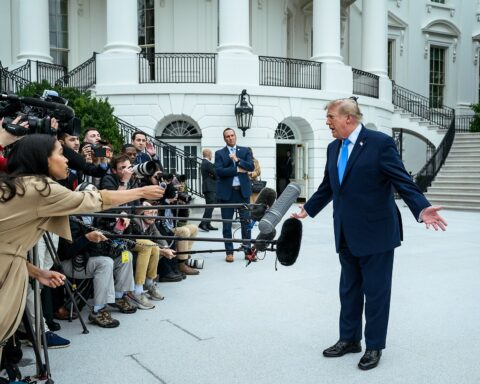
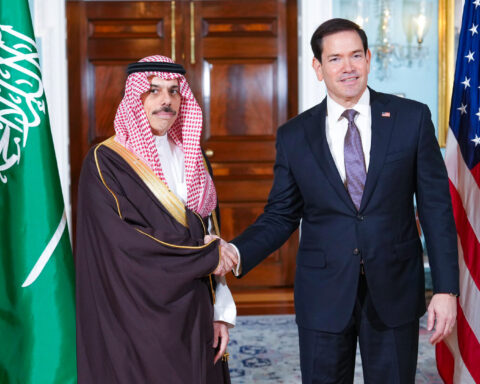
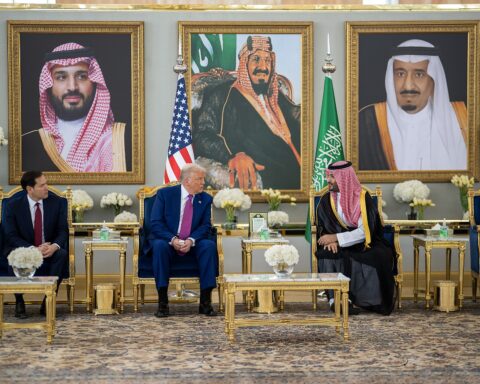
JEDDAH — The US Overseas Security Advisory Council issued a formal advisory on April 7, 2026, telling American citizens to “reconsider participating in Hajj 2026” — the first time Washington has advised against attendance at the annual Islamic pilgrimage in modern diplomatic history. The advisory, amplified by the State Department’s TravelGov account and the US Embassy in Riyadh, places Hajj under the same Level 3 “Reconsider Travel” classification that the State Department applies to countries experiencing active armed conflict, terrorism, or civil unrest.
Saudi Arabia has issued no public response. The silence is deliberate. Any rebuttal would invite scrutiny of the kingdom’s depleted air defense inventory and the structural gap between its security promises and its operational capacity to protect 1.8 million pilgrims during a live war. The advisory strikes at the core of Saudi political identity: the Custodian of the Two Holy Mosques title that has anchored Al Saud legitimacy since King Fahd adopted it on October 27, 1986.
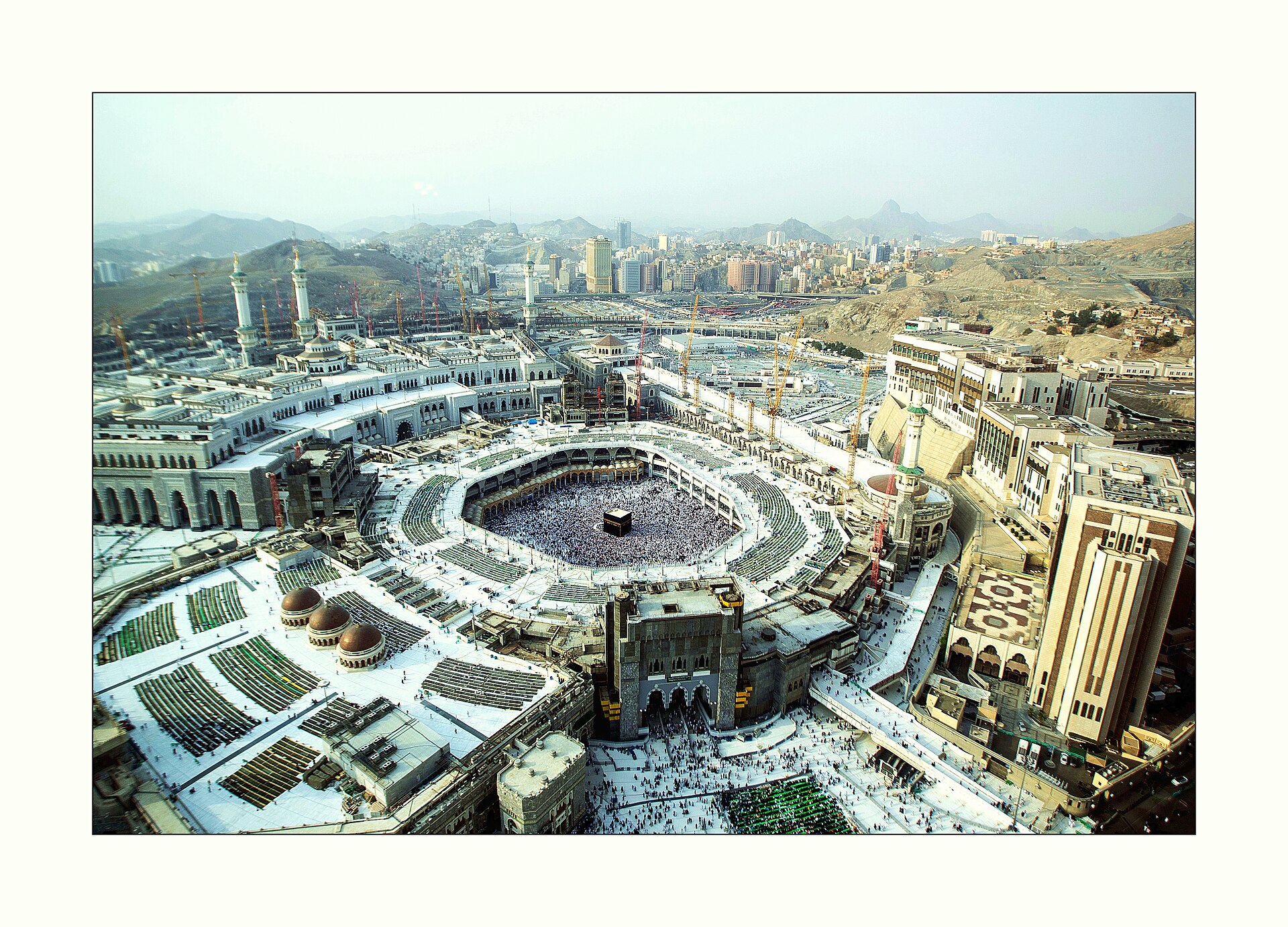
Table of Contents
What Does the OSAC Hajj Advisory Actually Say?
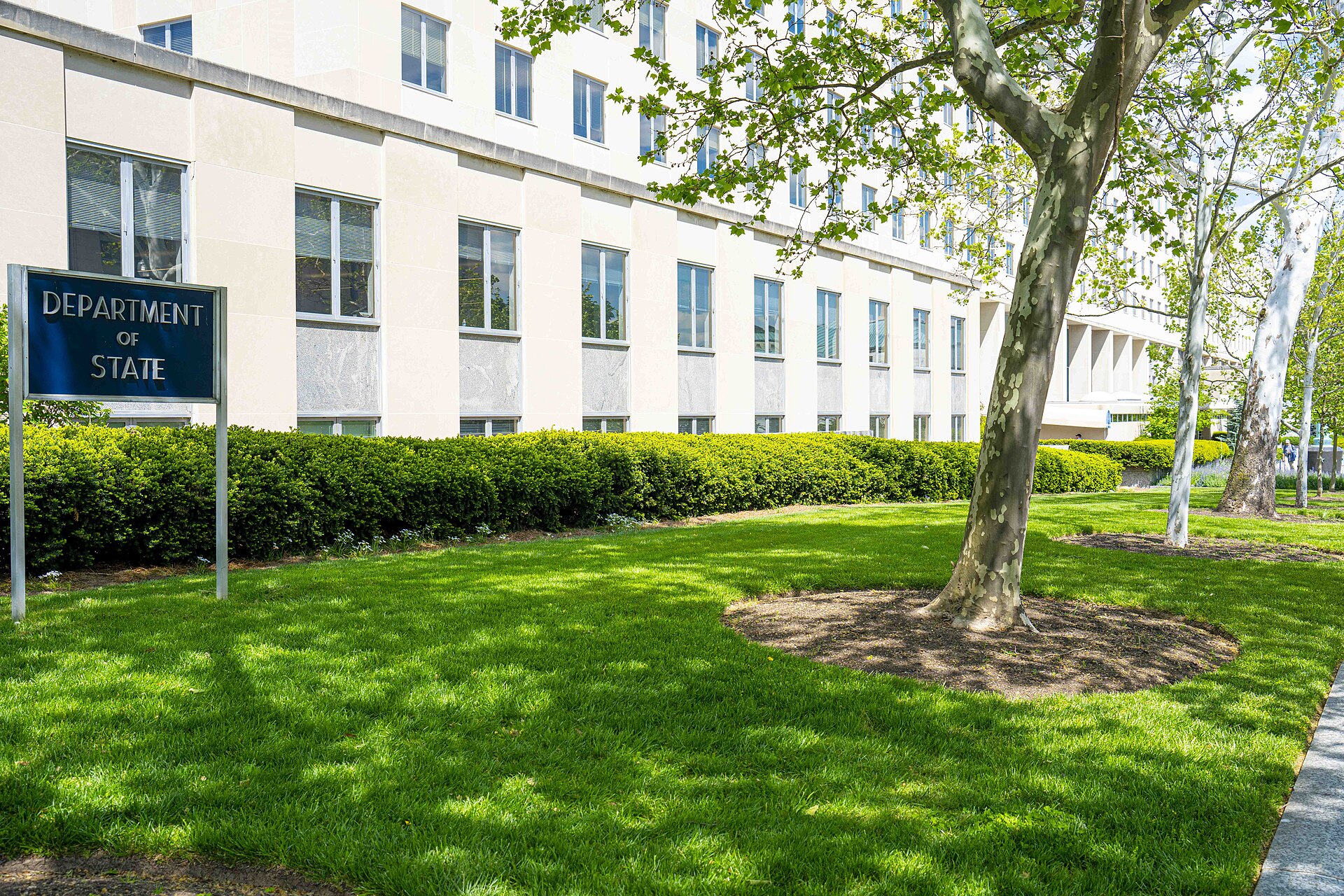
The US Embassy in Riyadh published a security alert titled “Security Alert: Saudi Arabia, Reconsider Participating in Hajj 2026” on April 7, 2026. The operative sentence reads: “Per the Saudi Arabia Travel Advisory, and due to the ongoing security situation and intermittent travel disruptions, we advise reconsidering participation in Hajj this year” (US Embassy Riyadh, April 7, 2026).
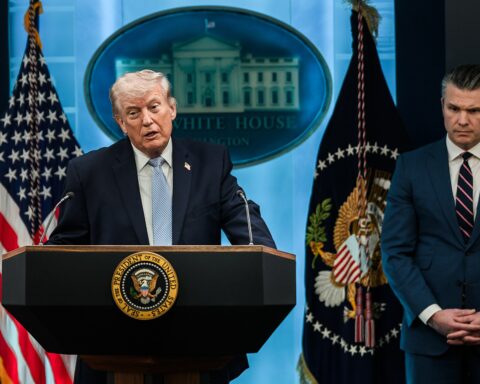
The State Department’s TravelGov account amplified the message: “President Trump, Secretary of State Rubio, and the Department of State have no higher priority than the safety and security of American citizens. Per the Saudi Arabia Travel Advisory, we encourage U.S. citizens to reconsider travel to Saudi Arabia” (@TravelGov, April 2026).
Saudi Arabia sits at Level 3 on the State Department’s four-tier travel advisory system — “Reconsider Travel” — the second-highest classification, one step below Level 4’s “Do Not Travel.” The advisory, last updated March 13, 2026, cites “ongoing threat of drone and missile attacks from Iran” targeting “cities, infrastructure, airports, military bases” (travel.state.gov, March 13, 2026). The State Department ordered non-emergency US government employees and their families to depart Saudi Arabia on March 8, 2026 (US Embassy Riyadh).
The European Aviation Safety Agency has reinforced the threat assessment. EASA Conflict Zone Information Bulletin 2026-03-R6 advises EU-regulated operators to avoid all altitudes over the Jeddah Flight Information Region except a limited southern corridor above flight level 320 (EASA, 2026).
The Middle East briefing 3,000+ readers start their day with.
One email. Every weekday morning. Free.
Why Is This Advisory Without Modern Precedent?
No US government advisory recommending against Hajj participation has been identified for any prior year — including years when Saudi Arabia experienced mass-casualty events during the pilgrimage itself.
In 1987, 402 people were killed during Hajj — 275 Iranians, 85 Saudis, and 42 pilgrims from other countries — with 649 wounded (Washington Post archive). No Western government issued a pre-Hajj travel warning that year or in the following three years, during which Iran boycotted the pilgrimage entirely. In 2015, a crane collapse at the Grand Mosque and a subsequent stampede at Mina together killed over 2,400 pilgrims by independent estimates — the deadliest Hajj season on record (Associated Press, September 2015). No US advisory recommended reconsidering attendance. During COVID-19 in 2020, Saudi Arabia itself restricted Hajj to approximately 1,000 resident pilgrims — but that was a Saudi decision, not a foreign government advising its citizens to stay away from a pilgrimage Saudi Arabia was promoting.
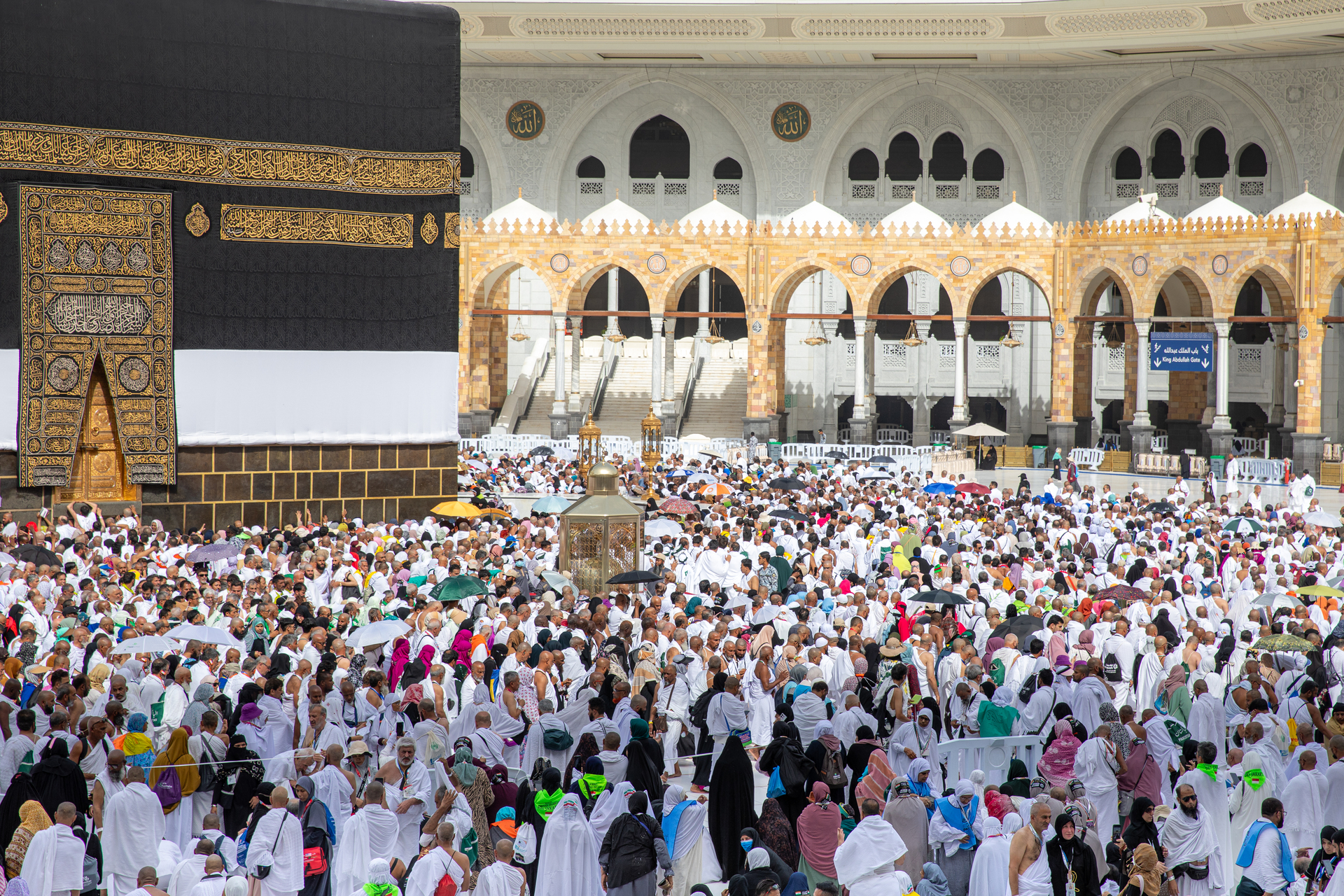
The 2026 advisory is structurally different from every prior case. In each previous incident, the threat either materialized during Hajj without advance warning, or Saudi Arabia itself imposed the restriction. In 2026, a foreign government is publicly stating — before the pilgrimage begins — that Saudi Arabia cannot guarantee pilgrim safety. And it is doing so while Saudi Arabia is actively promoting Hajj attendance, with Crown Prince Mohammed bin Salman having directed “full mobilisation of operational, security and preventive plans” (Gulf News, April 2026) and the Saudi government expecting 1.8 million pilgrims.
The UK Foreign, Commonwealth and Development Office advises against “all but essential travel” to Eastern Province and Riyadh Province but has not issued a Hajj-specific advisory (gov.uk, 2026). Canada’s advisory carries a different practical consequence: it warns that “many travel insurance policies will not cover you if you travel to a region where the Government of Canada has issued a travel advisory” (travel.gc.ca, 2026). An uninsured Hajj is a new concept for Western Muslim travelers.
The Custodian Title and What It Obligates
King Fahd adopted the title “Custodian of the Two Holy Mosques” on October 27, 1986, replacing “His Majesty” as his preferred form of address. The title was a direct response to two existential threats: the 1979 Iranian Revolution, which delegitimized monarchical rule in Islamic terms, and the 1979-1980 Grand Mosque seizure by Juhayman al-Otaybi, which challenged the Al Saud’s stewardship of Mecca from within Sunni Islam (multiple historical sources).
The title reframed the monarchy’s political identity. The Al Saud were no longer merely kings governing a nation-state. They were custodians — guardians with a sacred obligation to protect the holy sites and the pilgrims who visit them. Every Saudi king since Fahd has used the title. Every expansion of the Grand Mosque, every Hajj logistics improvement, every security deployment reinforces the claim. The Saudi Ministry of Defense’s own framing of its air defense forces as “an eye that never sleeps, its mission is the safety of Muslim pilgrims” (Saudi Ministry of Defense, 2026) is a direct invocation of custodianship as a military obligation.
The OSAC advisory does not mention the Custodian title. It does not need to. By advising Americans to reconsider Hajj, the US government is making an implicit judgment that the Custodian cannot fulfill the obligation the title defines. After the 1987 massacre, Ayatollah Montazeri urged Muslim leaders to “wrest control of Islam’s holy sites in Saudi Arabia from the royal family” — a direct challenge to Custodian legitimacy from the adversary side. The OSAC advisory achieves a version of the same delegitimization from the opposite direction: not an enemy calling the Custodian unfit, but an ally.
The Air Defense Gap the Advisory Implies
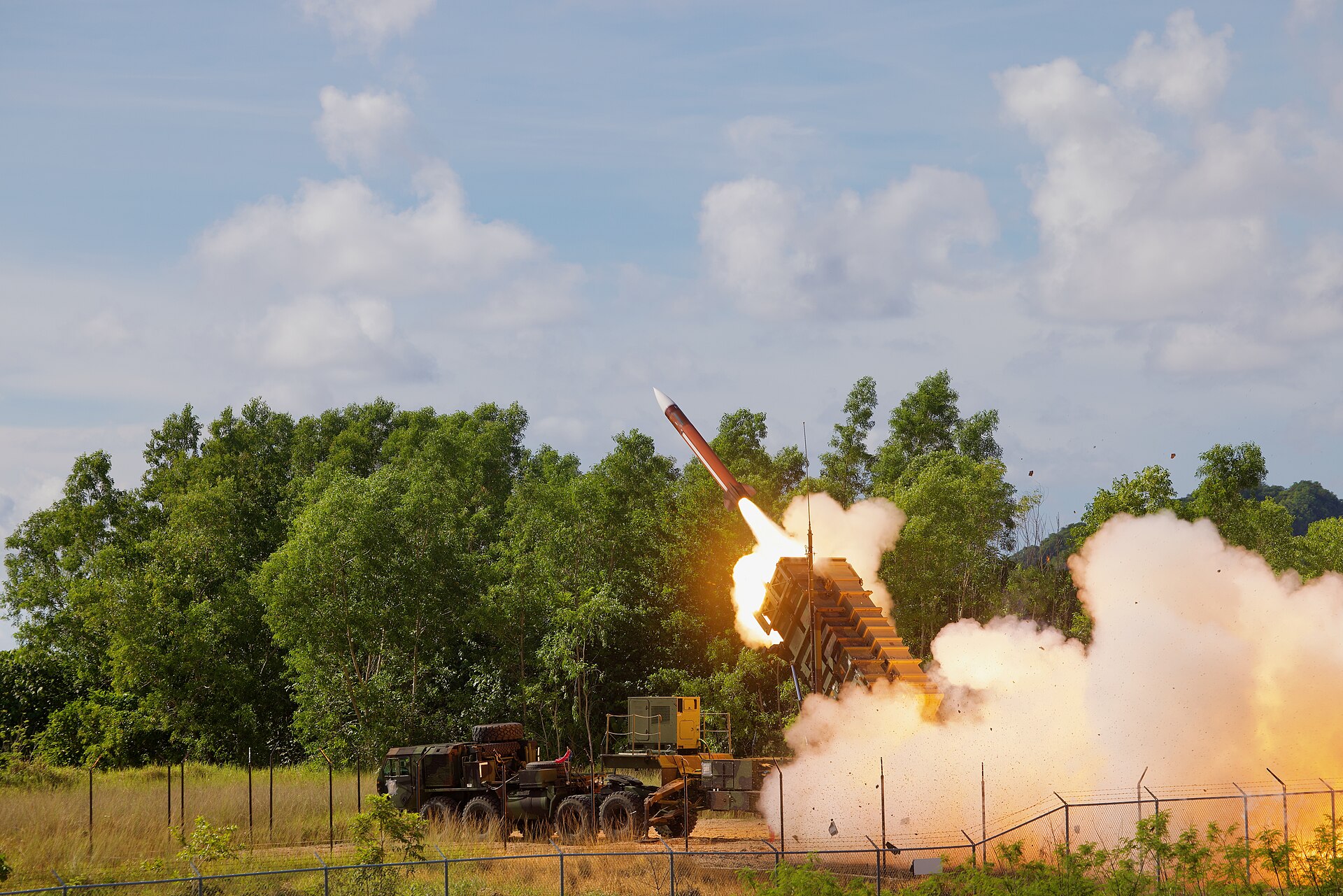
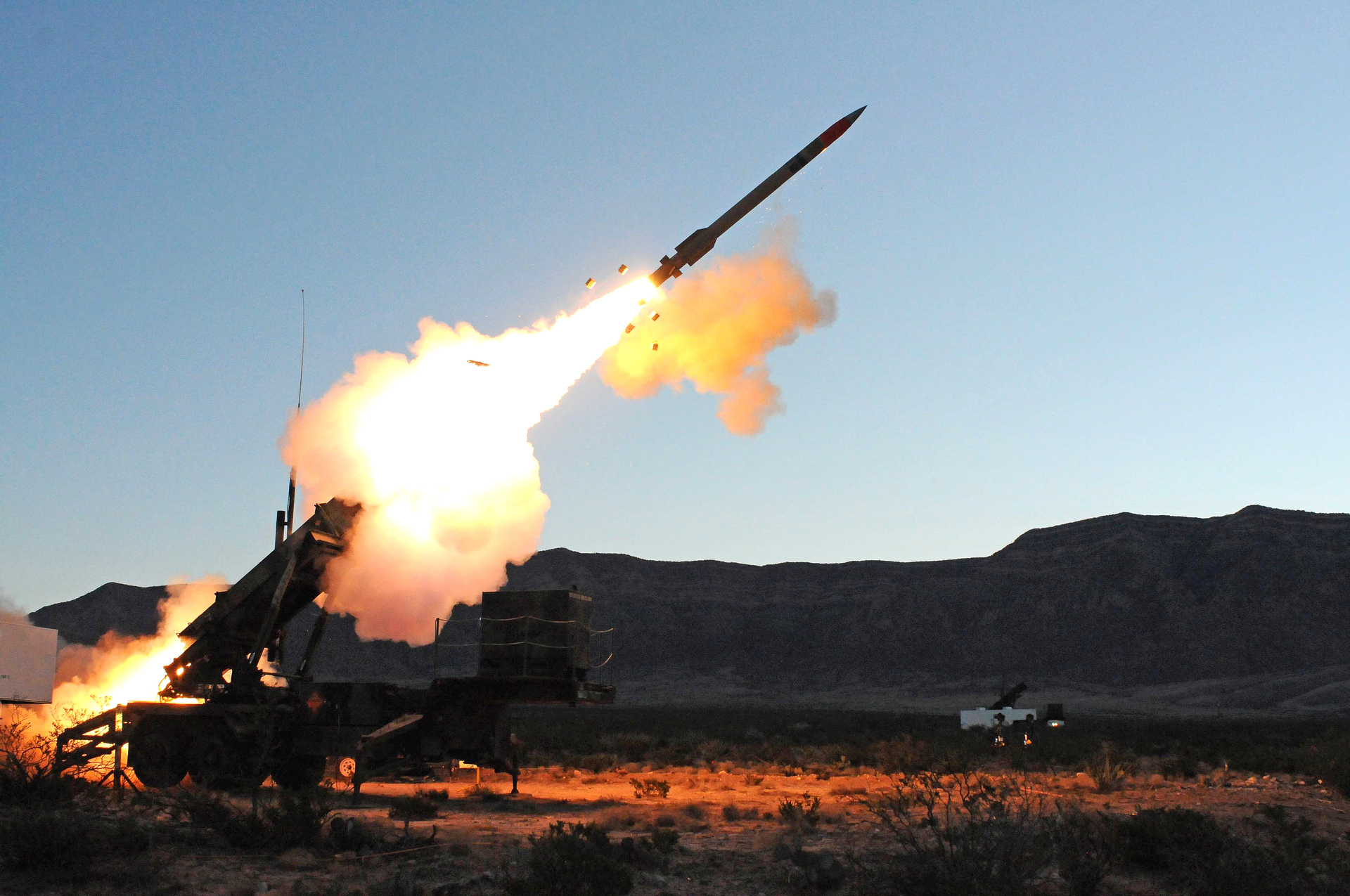
The advisory’s reference to “ongoing threat of drone and missile attacks from Iran” points to a quantifiable reality. Saudi Arabia’s Patriot PAC-3 MSE inventory stands at approximately 400 interceptors — roughly 14% of its pre-war stockpile, according to prior reporting on the kingdom’s air defense posture. The kingdom has deployed a five-layer defense architecture around the Hajj corridor: THAAD at the highest altitude, PAC-3 MSE for ballistic missile terminal defense, South Korean KM-SAM Block II for medium-altitude threats, 30-kilowatt laser systems for drone interception, and Skyguard point-defense for terminal protection.
Saudi Arabia has not disclosed how many of those 400 PAC-3 rounds are allocated specifically to the Hajj defense perimeter versus other critical infrastructure — Ras Tanura, Abqaiq, Riyadh, the East-West Pipeline pumping stations. The Day of Arafah, the climax of Hajj when all pilgrims gather on a single plain outside Mecca, falls on May 26 — approximately 34 days after the April 22 ceasefire expiry. If the ceasefire collapses and hostilities resume, the Hajj’s peak concentration of 1.8 million people coincides with maximum threat exposure.
The top three pilgrim-sending countries — Indonesia with a quota of 221,000, Pakistan at 179,210, and India at 175,025 — are committing their citizens to Saudi protection. Indonesia’s first pilgrim flight departed on April 22, the same date as the ceasefire expiry (Saudi government data). Arrivals have already crossed 48,000 as of late April (Saudi Ministry of Hajj and Umrah).
The EASA restriction on the Jeddah FIR compounds the air defense question. If European aviation regulators consider the airspace above the Hajj corridor unsafe for commercial aircraft, the advisory’s logic follows: the same airspace may be unsafe for pilgrims on the ground.
Iran Is Sending 30,000 Pilgrims — Not Boycotting
Iran’s Hajj and Pilgrimage Organization confirmed approximately 30,000 Iranian pilgrims will attend Hajj 2026, with departures beginning April 28 (Tasnim News Agency, April 2026). This is the opposite of the 1987 pattern. After the Mecca massacre, Iran boycotted Hajj from 1988 to 1990. In 2026, Iran is choosing presence over absence.
The decision places 30,000 Iranian citizens inside Saudi Arabia during the pilgrimage’s peak weeks. Iran has issued no public statement specifically addressing the OSAC advisory — a notable silence matching Saudi Arabia’s own. Iranian state media have not framed the advisory as validation of their military pressure. PressTV reported on April 21 that Iran has “new surprises ready for potential resumption of war,” but the statement carried no Hajj-specific framing (PressTV, April 21, 2026).
The presence of Iranian pilgrims creates a structural constraint on Iranian military action during Hajj. Any IRGC strike on Saudi territory during the pilgrimage period risks killing Iranian citizens performing a religious obligation — a political impossibility for a theocratic state whose revolutionary identity rests on defending Islam. This does not eliminate the threat. The IRGC’s decentralized command structure, exacerbated by the killing of IRGC Navy commander Tangsiri on March 30 and the absence of a named successor, means that authorization ceilings apply unevenly across branches.
Iran’s calculation is legible. Sending pilgrims demonstrates that Tehran does not fear its own military’s actions — or that it is willing to accept the risk — while simultaneously creating a human shield dynamic that complicates any Saudi or US claim that Iran is threatening the pilgrimage. The 1987 Montazeri demand to “wrest control” of the holy sites is replaced in 2026 by an Iranian government that insists on access to them.
Why Saudi Arabia Cannot Respond
Saudi Arabia’s silence on the OSAC advisory is not inaction. It is the only available strategy. The kingdom faces a communication trap with no exit.
A public rebuttal — “Hajj is safe, we can protect pilgrims” — invites immediate follow-up questions about PAC-3 stockpiles, interceptor allocation, and the gap between the five-layer defense architecture on paper and its operational capacity after weeks of sustained Iranian strikes. The Saudi Ministry of Defense’s “eye that never sleeps” rhetoric works as a slogan. It collapses under technical scrutiny from journalists armed with IISS data and satellite imagery.
A diplomatic protest — requesting the US withdraw or soften the advisory — would leak, confirming that the kingdom views the advisory as damaging. It would also place Riyadh in the position of asking Washington to downplay a threat that Washington’s own intelligence assessment deems serious enough to warn citizens about. The kingdom is simultaneously pursuing separate diplomatic channels on the broader war, and a public dispute over Hajj security undermines that effort.
Ignoring the advisory entirely — proceeding with Hajj preparations without acknowledging it — is what the kingdom has chosen. MBS’s “full mobilisation” directive (Gulf News, April 2026), the Saudi government’s announced 3.1 million transportation seats and 12,000 flights, and the Ministry of Defense’s social media campaign all proceed as though the advisory does not exist. The Saudi-aligned media ecosystem — Gulf News, Arab News, Al Arabiya — has covered Hajj logistics extensively without mentioning the OSAC advisory.
The gap between the two narratives is the story. Washington says reconsider. Riyadh says welcome. The 1.8 million pilgrims must decide which government’s assessment to trust with their lives.
FAQ
Has any Muslim-majority country advised its citizens against attending Hajj 2026?
No Muslim-majority government has publicly advised against Hajj 2026 attendance as of April 25, 2026. Indonesia — the largest pilgrim-sending country at 221,000 quota — published a three-scenario contingency analysis that includes full suspension but has not activated it. Pakistan and India have proceeded with their full quotas. The political cost of advising Muslims against Hajj is prohibitive for any government with a significant Muslim electorate, making the US advisory — issued by a non-Muslim-majority state — structurally unique in its freedom to state the risk plainly.
What happens to Hajj travel insurance under a Level 3 advisory?
Most standard travel insurance policies exclude coverage in regions under a government travel advisory at Level 3 or above. Canada’s advisory explicitly warns that “many travel insurance policies will not cover you” under current conditions (travel.gc.ca, 2026). American pilgrims face a comparable gap: insurers typically invoke war-risk exclusions once a destination carries a Level 3 or higher advisory, and the State Department’s own guidance recommends verifying coverage terms before travel. Specialty Hajj insurance packages offered by Islamic financial institutions have not publicly disclosed whether they honor claims under current conditions. Pilgrims traveling without valid coverage carry the full financial risk of medical evacuation from a conflict-adjacent zone — a single air ambulance repatriation from the Gulf typically runs into the tens or hundreds of thousands of dollars.
Could the US upgrade Saudi Arabia to Level 4 “Do Not Travel” during Hajj?
Level 4 is reserved for countries where the State Department recommends no travel under any circumstances — currently applied to Iran, Syria, and North Korea, among others. Upgrading Saudi Arabia would trigger mandatory evacuation of all remaining US government personnel, effectively closing the embassy. It would also constitute an unprecedented diplomatic rupture with a treaty ally and major arms customer. The more likely escalation path is a narrower advisory — restricting the Level 4 designation to specific provinces or the Hajj corridor itself — which the State Department’s advisory system permits on a subnational basis.
How many American Muslims typically attend Hajj?
The US Hajj quota is approximately 11,000 pilgrims annually, administered through licensed Hajj travel operators approved by the Saudi Ministry of Hajj and Umrah. Actual attendance figures are not published by either government. The American Muslim community numbers approximately 3.45 million (Pew Research Center, 2024 estimate), making Hajj a once-in-a-lifetime obligation that most American Muslims plan years in advance. Cancellation at this stage means forfeiting non-refundable deposits — typically $5,000-$12,000 per person for package tours — with no guarantee of rebooking the following year, as quotas are oversubscribed.
Did the OSAC advisory affect Saudi Arabia’s Hajj revenue projections?
Saudi Arabia does not publish real-time Hajj registration data by nationality. The kingdom’s Hajj and Umrah revenue was projected at $12.2 billion for 2026 by Jadwa Investment (January 2026 forecast, pre-war). The American pilgrim contribution is economically marginal — roughly $55-130 million based on typical package costs — but the reputational signal matters disproportionately. Saudi Arabia’s Vision 2030 tourism targets depend on the perception that the kingdom is a safe, accessible destination. A US advisory against visiting Islam’s holiest site during its holiest season undermines that brand in a way no marketing budget can offset. The brand damage compounded when Israel struck Lebanon on April 25 — the opening day of Hajj arrivals — exposing the ceasefire Saudi Arabia had personally lobbied to extend as unenforceable within 48 hours of its announcement. As pilgrims continued arriving regardless, Saudi Arabia’s air defense gap during Hajj became the war’s first truly unmovable deadline.