
RIYADH — Iran launched three simultaneous attack vectors against Saudi Arabia on July 19 — a ballistic missile at Prince Sultan Air Base in Al-Kharj, a Shahed-type drone at the SAMREF refinery in Yanbu, and a ballistic missile at Yanbu port — in the most geographically distributed single-day strike package Tehran has directed at the kingdom since the war began approximately four months ago. The attacks came hours after US Central Command completed its eighth consecutive night of strikes against Iranian military infrastructure, framed explicitly as punishment for the killing of two American service members in Jordan on July 18.
The Saudi Defense Ministry confirmed both ballistic missiles were intercepted and destroyed. A US official confirmed the PSAB intercept to Axios, characterising it as the first direct Iranian strike on Saudi Arabia in roughly four months. Saudi civil defense issued early-warning alerts for Al-Kharj and Yanbu simultaneously before issuing all-clear notices for both cities. Aramco said the SAMREF drone impact caused minimal damage and that exports from Yanbu continue uninterrupted — but the strike demonstrated that Iran can reach both ends of Saudi Arabia’s oil bypass corridor in a single operational window.
Table of Contents
The Three-Vector Package
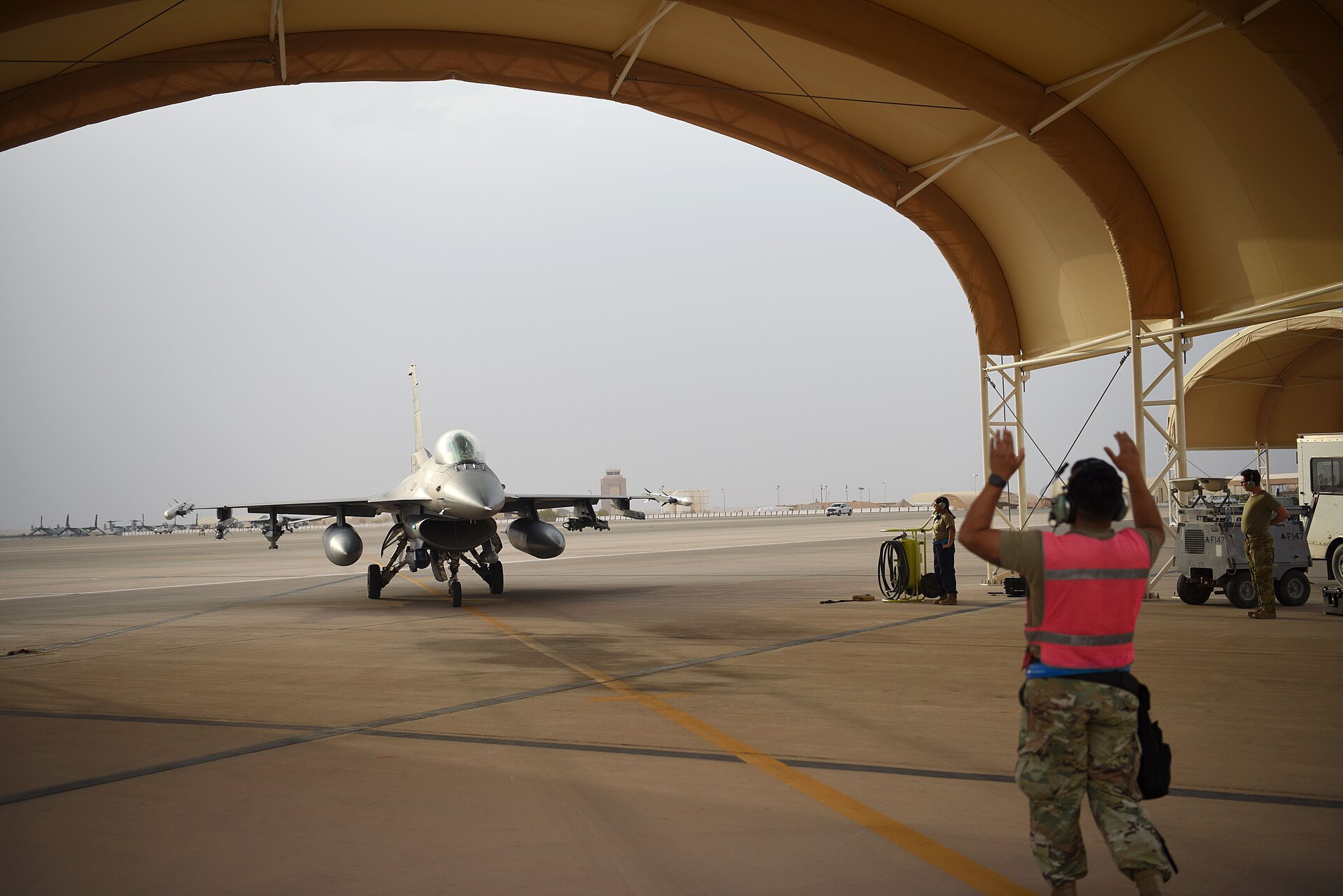
The July 19 strike operated across three distinct axes. A ballistic missile targeted Prince Sultan Air Base — the primary US-Saudi joint facility at Al-Kharj, 90 kilometres south of Riyadh — where approximately 2,300 US military personnel are stationed alongside Saudi air defence assets. The missile was intercepted, according to a US official who spoke to Axios. No damage to PSAB infrastructure has been reported.
A second ballistic missile targeted Yanbu port on the Red Sea coast, roughly 1,100 kilometres west of Al-Kharj. The Saudi Defense Ministry confirmed the intercept. Yanbu is the western terminus of the East-West Pipeline — the 7-million-barrel-per-day corridor that became Saudi Arabia’s primary crude export route after Hormuz transit collapsed to approximately three vessels per 24 hours against a pre-war baseline of over 100.
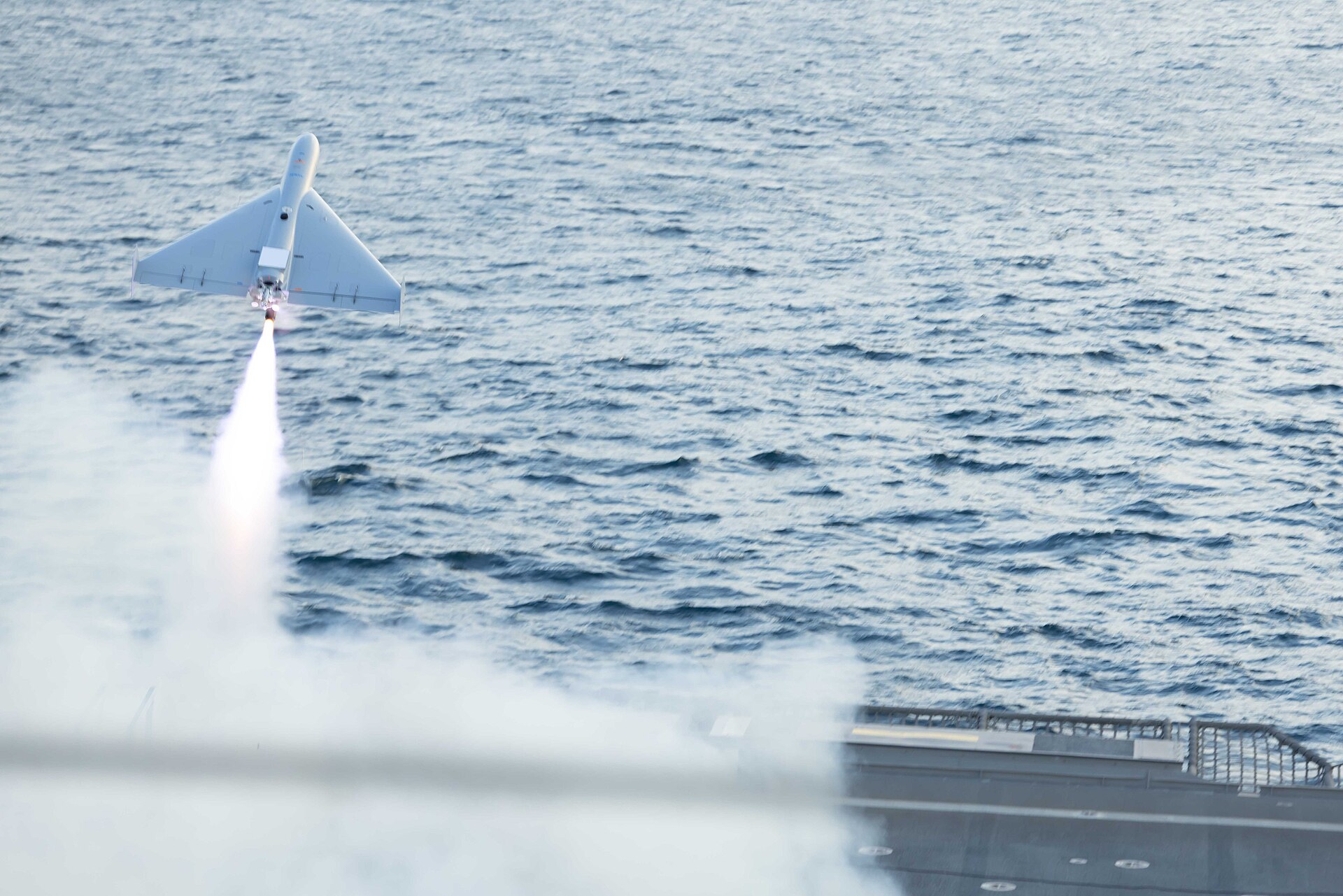
A Shahed-type one-way attack drone struck the SAMREF refinery — a 400,000-barrel-per-day Aramco-ExxonMobil joint venture that processes Arabian Light crude at Yanbu. OilPrice.com reported the damage as “minimal.” Aramco issued a statement confirming exports continue. The drone evaded the air defence umbrella that caught both ballistic missiles — a pattern that has repeated at SAMREF since March, when low-altitude OWA drones first penetrated the western perimeter during the facility’s inaugural attack.
No IRGC claim of responsibility appeared in the hours following the Saudi strikes. The Times of Israel and Middle East Eye both noted the absence. Iran’s official channels attributed their retaliatory actions exclusively to the Kuwait and Bahrain packages — designating those as the “18th wave of Operation Nasr-2” — while leaving the Saudi targeting unacknowledged.
The Middle East briefing 3,000+ readers start their day with.
One email. Every weekday morning. Free.
Why Did Iran Hit Both Ends of the Bypass?
Saudi Arabia built the East-West Pipeline as a hedge against Hormuz closure. The 1,200-kilometre pipeline moves crude from Abqaiq on the Gulf coast to Yanbu on the Red Sea, bypassing the strait entirely. After Iran effectively shut Hormuz in March 2026 — and after an earlier Iranian strike on a pumping station in April slashed throughput by 700,000 bpd, as Rystad Energy geopolitical analyst Jennifer Li confirmed to CNBC — the pipeline was running at its full 7-million-bpd capacity. The kingdom’s wartime export ceiling through Yanbu sits at approximately 3.8 to 5 million bpd, according to maritime intelligence analyst Michelle Wiese Bockmann of Windward.
“The importance of Yanbu to both Saudi Arabia and to the global oil market can’t be underestimated,” Wiese Bockmann told CNBC on July 16. Three days later, a drone hit the refinery that processes 400,000 barrels of the crude arriving through that corridor.
The simultaneous PSAB targeting carries a different message. Prince Sultan Air Base is not an oil facility — it is the eastern defence node where PAC-3 batteries, US ISR platforms, and Saudi fighter operations are concentrated. By striking PSAB and Yanbu in the same operational window, Iran demonstrated that Saudi Arabia’s dual-corridor architecture — eastern production protected by PSAB air defences, western bypass protected by the Greek PAC-3 battery at Yanbu — is actually a dual-vulnerability. Both can be threatened simultaneously.
Bob McNally, founder of Rapidan Energy Group, identified this exposure on CNBC three days before the strike. “The problem isn’t the waterway,” McNally said. “It’s that Iran can use weapons to attack loading facilities, pumping stations, the end stations, these terminals, and the storage units of these pipelines.” Jennifer Li of Rystad Energy had characterised bypass pipelines as “a geopolitical hedge against disruptions in Hormuz rather than a replacement for the strait.” On July 19, Iran struck both ends of that hedge in a single operational window.
Night Eight and the Jordan Trigger
CENTCOM completed its eighth consecutive night of strikes against Iran at approximately 11:30 p.m. ET on July 18 — the early hours of July 19 UTC. The command’s official statement, published on centcom.mil, identified the targets as “Iranian military coastal surveillance and air defense facilities, maritime capabilities, and missile and drone storage sites.” The stated purpose: “to swiftly punish Islamic Revolutionary Guard Corps forces who launched attacks against American service members in Jordan last night.”
Two US service members were killed and one remains missing in action following an Iranian ballistic missile and drone attack on a US base in Jordan on July 18 — the first American military fatalities since March. The Jordan casualties appear to have altered the rhetorical framing of Night Eight. Previous CENTCOM statements emphasised capability degradation; the July 19 release used the word “punish” — language the command had not previously employed in this campaign.
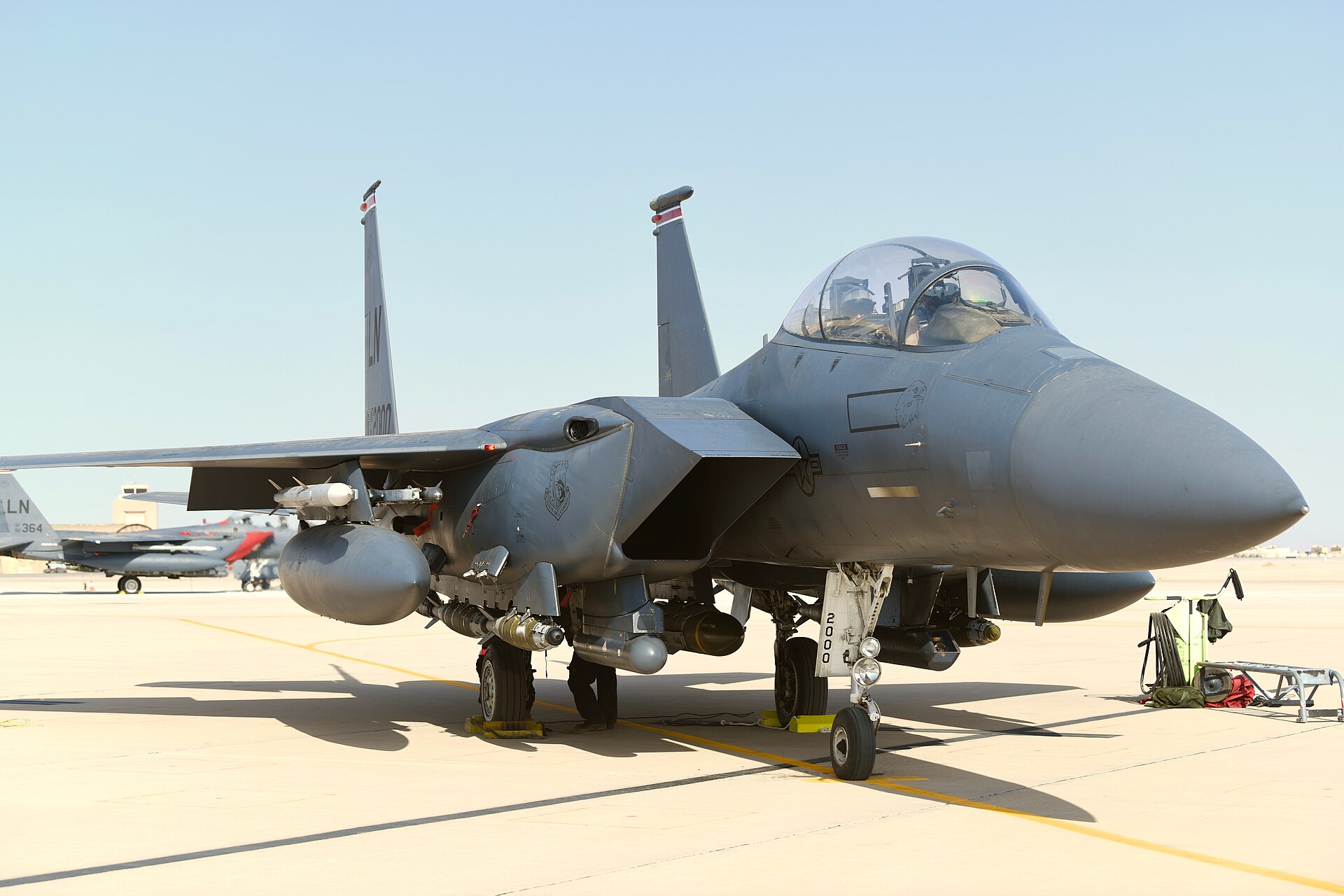
Iran reported 50 killed and 517 wounded from the most recent round of US strikes, according to CBS News live updates on July 19. The cumulative toll across eight nights of strikes has not been independently verified. CENTCOM’s target description — coastal surveillance, air defence, maritime capabilities, missile and drone storage — suggests continued degradation of Iran’s ability to project force into the Gulf and threaten shipping, though the IRGC’s ability to sustain multi-axis retaliatory strikes on Gulf bases appears undiminished as of July 19.
What Did July 19 Cost the Interceptor Stockpile?
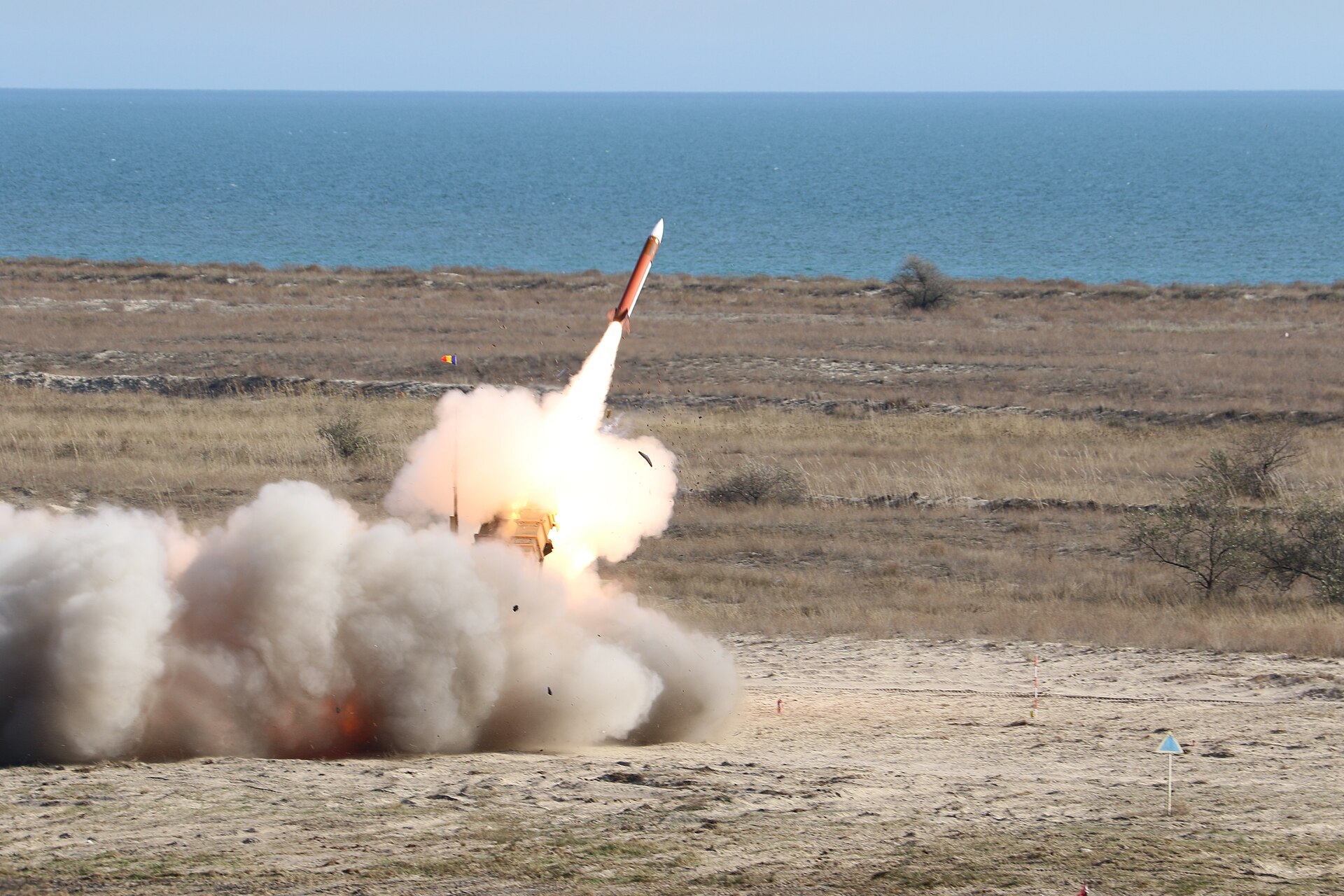
Each PAC-3 MSE engagement typically expends two rounds per incoming ballistic missile. Two confirmed intercepts — one at Al-Kharj, one at Yanbu — means a minimum of four rounds consumed on July 19 alone. The kingdom’s interceptor inventory stood at approximately 400 rounds before July 19, representing 86 percent depletion from a pre-war stock of 2,800. After July 19, the figure sits at approximately 396 or fewer.
At the current depletion rate, Saudi Arabia’s air defence viability depends on avoiding the kind of saturation attacks Iran directed at other Gulf states on the same day. The PSAB intercept was handled by Saudi-operated PAC-3 assets. The Yanbu intercept was handled by the Greek PAC-3 battery — ELDYSA (Elliniki Dynamis Saudi Arabia) — which has 120 to 130 Greek Air Force personnel deployed under a mandate extended through November 2026, according to the Greek Defence Ministry. ELDYSA’s April 3 intercept of two ballistic missiles at Yanbu was the first confirmed NATO-member combat engagement defending Saudi territory.
The drone that struck SAMREF bypassed both missile defence systems. PAC-3 MSE is optimised for ballistic missile terminal defence, not low-altitude cruise or OWA drone intercepts. The pattern has held since March: ballistic missiles get caught, Shaheds get through. Aramco says the damage is minimal each time. The question is how many times “minimal” compounds before it reaches a threshold that affects throughput.
Iran Returns Fire on Kuwait and Bahrain
Iran’s post-Night-Eight retaliation did not stop at Saudi Arabia. The IRGC claimed strikes on Camp Arifjan and Ali Al Salem Air Base in Kuwait, plus Juffair naval base and Sheikh Isa Air Base in Bahrain — the 18th wave of what Tehran designates Operation Nasr-2. Tasnim News Agency reported that IRGC forces “targeted a concentration point for US troops at their ground forces support center in Camp Arifjan, killing a number of American personnel” and that “drones struck and destroyed the radar system at the US Ali Al Salem Air Base in Kuwait.”
At Sheikh Isa Air Base in Bahrain, PressTV reported the IRGC “targeted helicopter maintenance facilities, a hangar housing a P-8 aircraft and a US military drone command-and-control center.” The Bahrain Defence Force confirmed fresh Iranian aerial attacks on the kingdom, according to Al Jazeera’s July 19 reporting. Damage assessments from US or host-nation sources have not been independently confirmed.
The geographic spread on July 19 — Saudi Arabia, Kuwait, Bahrain, all struck within hours of Night Eight’s completion — represents the broadest single-day Iranian targeting package of the war. Four Gulf states absorbed Iranian weapons on the same calendar day. The IRGC claimed the Kuwait and Bahrain strikes openly under the Nasr-2 banner while leaving the Saudi package unattributed — a bifurcation that may reflect different strategic calculations for each target set.
The Rezaei Ultimatum Window
The July 19 strikes fell within the ultimatum window declared by Mohsen Rezaei, military adviser to Iran’s Supreme Leader. On July 17, Rezaei stated on Iranian state television and his personal X account: “If America continues the war in the next 2-3 days, we will enter the stage of the enemy’s full-scale invasion and annihilation.” The Defence Post and Mediaite both confirmed the statement. The 2-3 day window, counted from July 17, expires on July 19 or 20 — making the July 19 strikes either the opening of Rezaei’s promised escalation or its last warning.
Whether Rezaei’s language carries operational authority is contested. His role as adviser rather than commander leaves the question of who authorises escalation beyond the current tempo unresolved. The temporal correlation is precise: America continued the war (Night Eight), and Iran struck three Saudi targets and four Gulf bases within the deadline Rezaei set. The IRGC did not claim the Saudi strikes while openly designating the Kuwait and Bahrain packages as the 18th wave of Operation Nasr-2 — the same bifurcation that has characterised Iranian targeting of the kingdom since March.
Background
Iran first struck Saudi Arabia’s western coast on March 19, 2026, when a drone hit SAMREF and a ballistic missile was intercepted targeting Yanbu port — the same dual-vector pattern repeated on July 19. On April 3, the Greek PAC-3 battery at Yanbu intercepted two ballistic missiles while a Shahed drone evaded the system and struck the refinery perimeter — the first confirmed combat engagement by a NATO member state defending Saudi territory.
Hormuz has been effectively closed since March 2026, with transit rates at approximately 3 vessels per 24 hours against a pre-war baseline exceeding 100. The closure transformed Yanbu from a secondary export terminal into Saudi Arabia’s primary crude outlet and made the East-West Pipeline the kingdom’s economic lifeline. Brent crude has remained in the $86-88 per barrel range.
PSAB has been a focal point of US-Saudi tension since May 2026, when Saudi Arabia grounded 43 US warplanes at the base for four days under what Riyadh designated Operation Project Freedom. The US forced runways reopened through PAC-3 resupply leverage. Approximately 2,300 US personnel remain at PSAB. The July 19 ballistic missile — intercepted — is the latest in a series of Iranian strikes or attempted strikes on the facility that have progressively eroded its deterrent posture without yet causing confirmed structural damage.
FAQ
Has Iran officially claimed the Saudi strikes?
No. As of July 19, the IRGC has not issued any public claim of responsibility for the strikes on PSAB, SAMREF, or Yanbu port. This contrasts with the Kuwait and Bahrain strikes, which were openly designated as the 18th wave of Operation Nasr-2. The attribution silence may serve multiple purposes: preserving diplomatic ambiguity with Riyadh (which has maintained its own back-channel contacts with Tehran), avoiding a formal casus belli that would compel a Saudi military response, or signalling that the Saudi strikes represent a different strategic category than the anti-US base campaign. A US official confirmed the PSAB strike to Axios, establishing Iranian responsibility through Washington rather than Tehran’s own channels.
Can SAMREF’s 400,000 bpd capacity be replaced if the refinery sustains heavier damage?
Not quickly. SAMREF is a 50/50 Aramco-ExxonMobil joint venture that has operated since 1988. It processes Arabian Light crude into refined products — primarily diesel and gasoline for domestic consumption and export. Saudi Arabia’s other western-coast refinery capacity at Yanbu (the Yasref complex, 400,000 bpd, Aramco-Sinopec) could absorb some crude redirection, but Yasref processes Arabian Heavy rather than Arabian Light. The feedstock mismatch means SAMREF damage would create a grade-specific bottleneck. Aramco’s claim of “minimal damage” and continued exports suggests July 19’s drone struck non-critical infrastructure — possibly tank farm perimeter or ancillary piping — rather than the distillation units. Insurance underwriters have classified Yanbu as a war-risk zone since April; hull premiums in the Red Sea corridor are running at approximately 2 percent of vessel value — roughly eight times pre-crisis rates, according to war-risk market reports cited by Lloyd’s List in May.
What happens when PAC-3 inventory reaches zero?
The US has not publicly committed to resupplying Saudi PAC-3 stocks beyond existing contracted deliveries. Lockheed Martin’s MSE production line runs at approximately 500 rounds per year globally, according to US defence industry estimates — split across all customers including the US Army, allied nations, and foreign military sales. At the pre-July-19 rate of approximately 400 remaining rounds and periodic two-round expenditures per intercept, exhaustion depends entirely on Iranian strike tempo. A saturation attack using 20 ballistic missiles — well within demonstrated IRGC capability based on the multi-base July 19 package — could consume 40 rounds in a single engagement. The Greek ELDYSA battery at Yanbu operates independently but draws from the same global supply chain. No alternative system currently deployed in Saudi Arabia can reliably intercept the Zolfaghar-class ballistic missiles Iran has used against Yanbu.
Why did Brent not spike on the Yanbu hit?
Markets appear to have priced in periodic Iranian strikes on Saudi oil infrastructure that cause “minimal damage” and do not durably interrupt export flows. The pattern since March — strike, minimal damage, Aramco confirms continuity, crude holds range — has conditioned traders to discount individual hits absent evidence of sustained throughput loss. The April pumping station strike that cut 700,000 bpd did move prices temporarily, because it demonstrably reduced flow. July 19’s SAMREF drone did not. The risk premium is already embedded in the $86-88 range; a further spike would require either confirmed terminal damage at Yanbu, a second pumping station hit that reduces pipeline capacity below Yanbu’s export ceiling, or a strike on Ras Tanura or Abqaiq on the eastern coast — which would threaten crude that never reaches the pipeline at all.
Is this the escalation Rezaei warned about?
Rezaei’s July 17 statement — “the stage of the enemy’s full-scale invasion and annihilation” — set a 2-3 day window expiring July 19-20. The geographic breadth of July 19’s strikes (four Gulf states, seven targets) exceeds any previous single-day package. But Rezaei’s language implied a qualitative shift — “full-scale invasion” — rather than a quantitative increase in the existing strike pattern. The IRGC’s decision not to claim the Saudi package, the absence of ground-force mobilisation indicators, and the continued reliance on ballistic missiles and drones (rather than the cruise missile arsenals held in reserve) suggest July 19 represents the upper bound of the current tempo rather than the beginning of a new phase. Rezaei holds an advisory rather than operational command role; whether his timeline binds IRGC planning remains unclear.
Concurrent with the Saudi strikes on Night Eight, the IRGC also executed Wave 19 of Operation Nasr-2 against US Navy logistics infrastructure in Kuwait and Bahrain. Wave Nineteen Hit the Fuel Pier and the Radar Keeping the Fleet Alive.