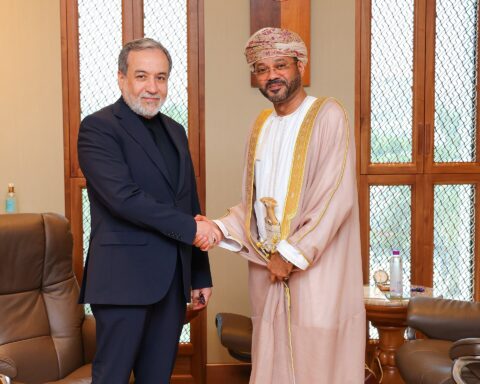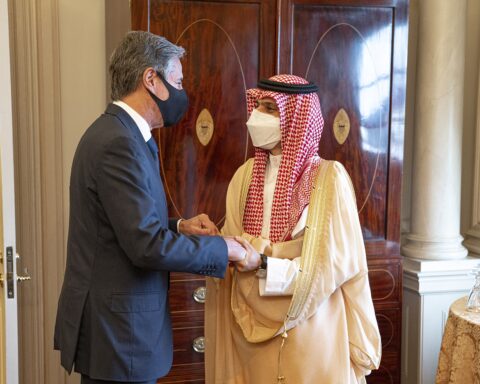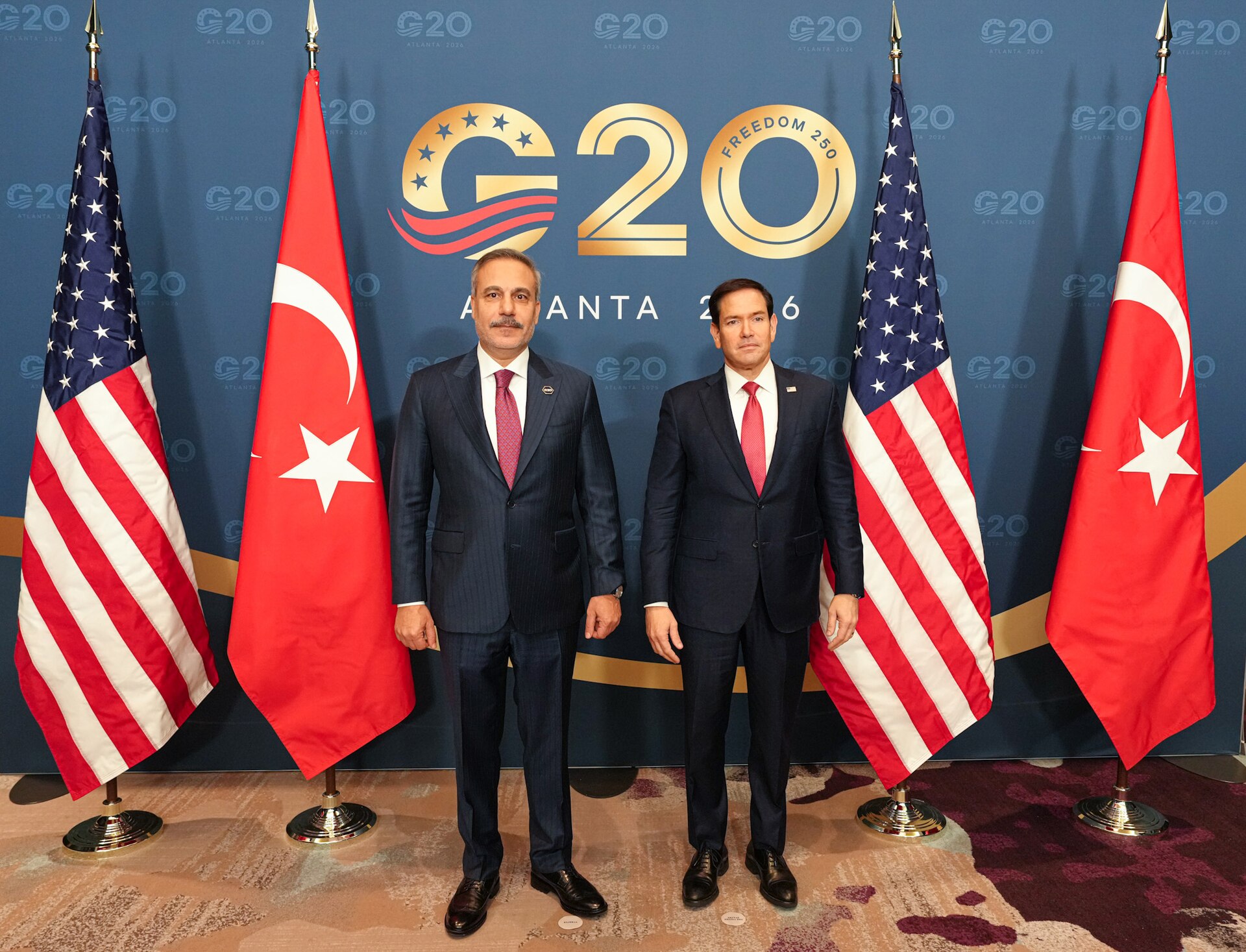

RIYADH — Turkish Foreign Minister Hakan Fidan confirmed on November 17 that a second joint ministerial meeting of the R-4 group — Turkey, Saudi Arabia, Egypt and Pakistan — with four European states — France, Germany, the United Kingdom and Italy — is planned for later in November, according to Arab News Pakistan and Devdiscourse. Fidan made the announcement at a press conference in Ankara on the same day that Iran’s Foreign Minister Abbas Araghchi and Oman’s Foreign Minister Badr al-Busaidi met in Muscat and failed to reach any agreement on reopening the Strait of Hormuz.
The timing frames a widening gap between two parallel diplomatic tracks. The R-4 and its European extension are building a multilateral coordination structure — scheduling meetings, issuing statements and aligning positions — while the only channel that could produce an actual deal on Hormuz, Iran-Oman bilateral talks, has stalled again. Fidan also confirmed that a Makkah Joint Defence Agreement trilateral meeting among Saudi Arabia, Turkey and Pakistan would take place in Islamabad around November 27–28, linking the R-4 diplomatic format directly to the military pact that underpins it.
The House of Saud Daily Briefing
Saudi Arabia's news in 3 minutes, every morning. Free. See today's issue
Table of Contents
What Did Fidan Announce on November 17?
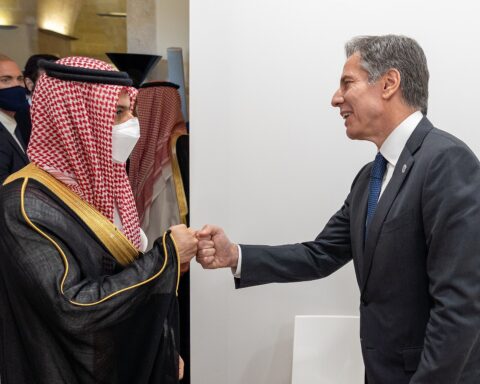
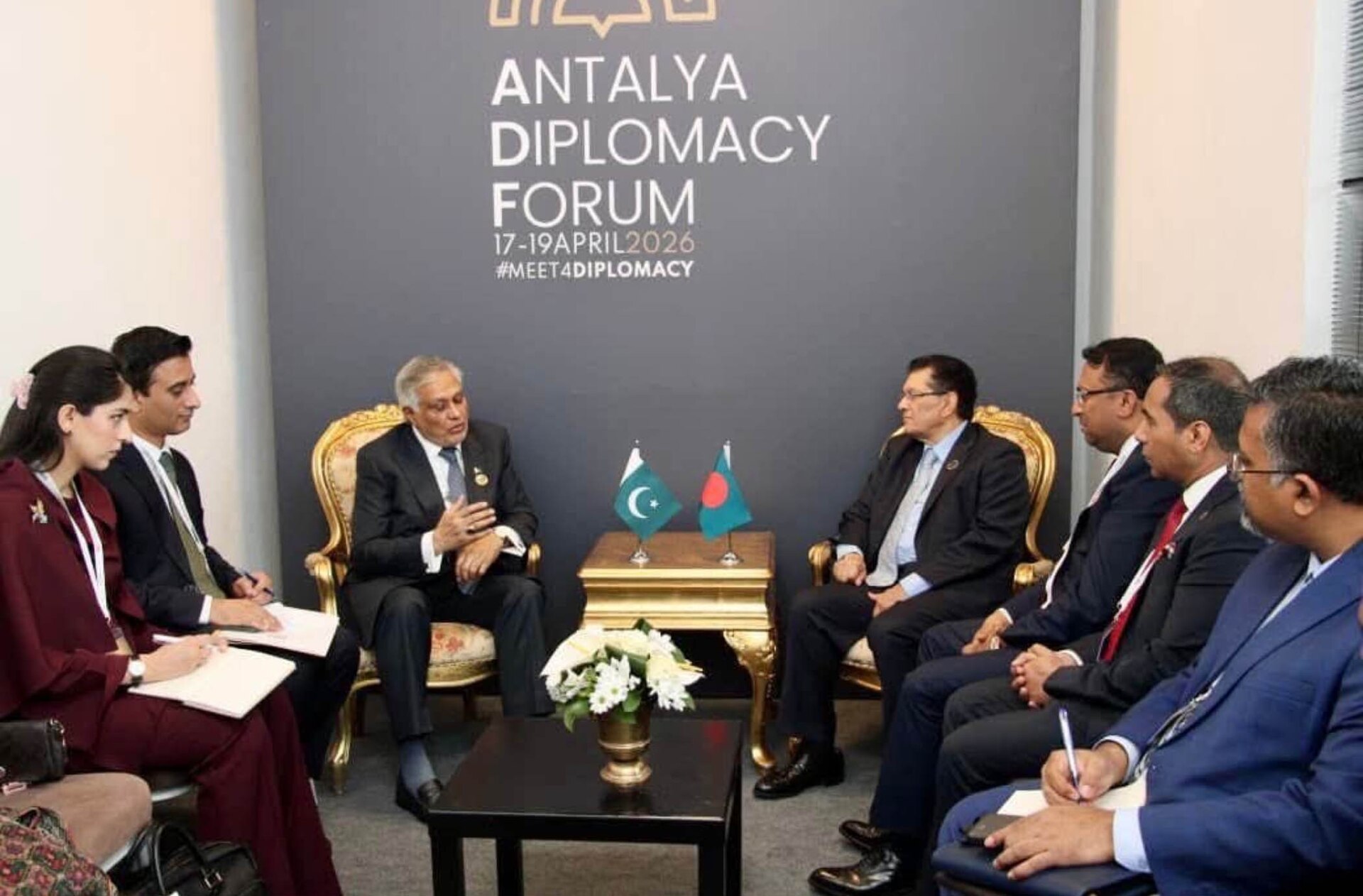
Fidan said a “second collective meeting” of the R4+E4 format would take place in November, following the first combined session held in Istanbul on October 23, Arab News Pakistan reported on November 17. The first meeting brought together the four R-4 foreign ministers — Fidan (Turkey), Prince Faisal bin Farhan (Saudi Arabia), Badr Abdelatty (Egypt) and Ishaq Dar (Pakistan) — with their counterparts from France, Germany, the United Kingdom and Italy.
At the same press conference, Fidan confirmed a separate Makkah Joint Defence Agreement trilateral meeting among Saudi Arabia, Turkey and Pakistan in Islamabad, scheduled for approximately November 27–28, according to the same report. The trilateral would be the first formal gathering of the three Makkah Pact signatories since the Tehran communiqué of October 26, when Saudi Defence Minister Prince Khalid bin Salman, Pakistani army chief Field Marshal Asim Munir and Turkish intelligence chief Ibrahim Kalin met with Iranian officials including SNSC Secretary Mohsen Rezaei, President Masoud Pezeshkian and Araghchi, according to Middle East Monitor.
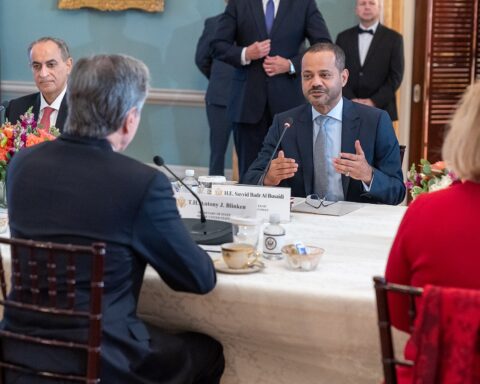
Two days before Fidan’s confirmation, Pakistani Deputy Prime Minister and Foreign Minister Dar and Egyptian Foreign Minister Abdelatty spoke by phone on November 15 to discuss “regional and international developments” and the “forthcoming R4 and R4+E4 meetings in Europe,” Dunya News TV reported. The call indicated that planning for the second session was already well advanced.
The Istanbul Blueprint: What R-4 Said and Did Not Say
The October 23 Istanbul session produced the most detailed R-4 joint statement to date. It was also the first to address Hormuz directly, calling for “swift and full resumption of safe, secure and unimpeded passage through the Strait of Hormuz,” according to the Turkish Ministry of Foreign Affairs. Previous R-4 statements — including a communiqué at the United Nations General Assembly in September and an October 11 emergency statement after a Houthi attack on King Khalid International Airport — had focused on condemning Houthi strikes and affirming Saudi Arabia’s right to self-defence.
The Istanbul statement declared that the conflict should be addressed “only through dialogue and diplomacy,” endorsed the Islamabad Memorandum of Understanding, and called for a “lasting negotiated solution,” per the Turkish MFA text. On the Houthis, the four ministers condemned attacks “in the strongest terms” and demanded a halt to strikes on Saudi Arabia and Red Sea and Bab al-Mandab shipping, according to the same statement and Asharq Al-Awsat.
What the statement did not say is as instructive as what it did. The Durham Diplomatic Digest, a Substack analysis outlet, noted that R-4 “cannot directly negotiate or set the terms of a US-Iran deal” and that the Istanbul texts were “silent on transit fees” and mine clearance. “Neither statement created a new negotiating mechanism or a timetable for resolving the crisis,” the publication wrote.
Across all R-4 meetings to date, the communiqués have not:
- set a timeline for Hormuz reopening;
- proposed an enforcement mechanism;
- explicitly condemned Iran by name;
- specified Houthi ceasefire terms or monitoring arrangements;
- invoked the Makkah Pact;
- proposed a mine-clearance programme.
Fidan himself described the R-4 as an “informal, flexible” platform allowing “free expression of ideas and, if necessary, concrete action steps,” Al-Monitor reported on October 23.
The Atlantic Council, in an analysis accessed in November 2026, described the broader dynamic as “modular alignment, not bloc formation,” noting that bilateral rivalries undercut R-4 cohesion: Turkey and Egypt disagree over Libya, maritime boundaries and Syria, while Turkey and Saudi Arabia compete over influence in Syria.
Why Does the Muscat Stalemate Matter for R-4?
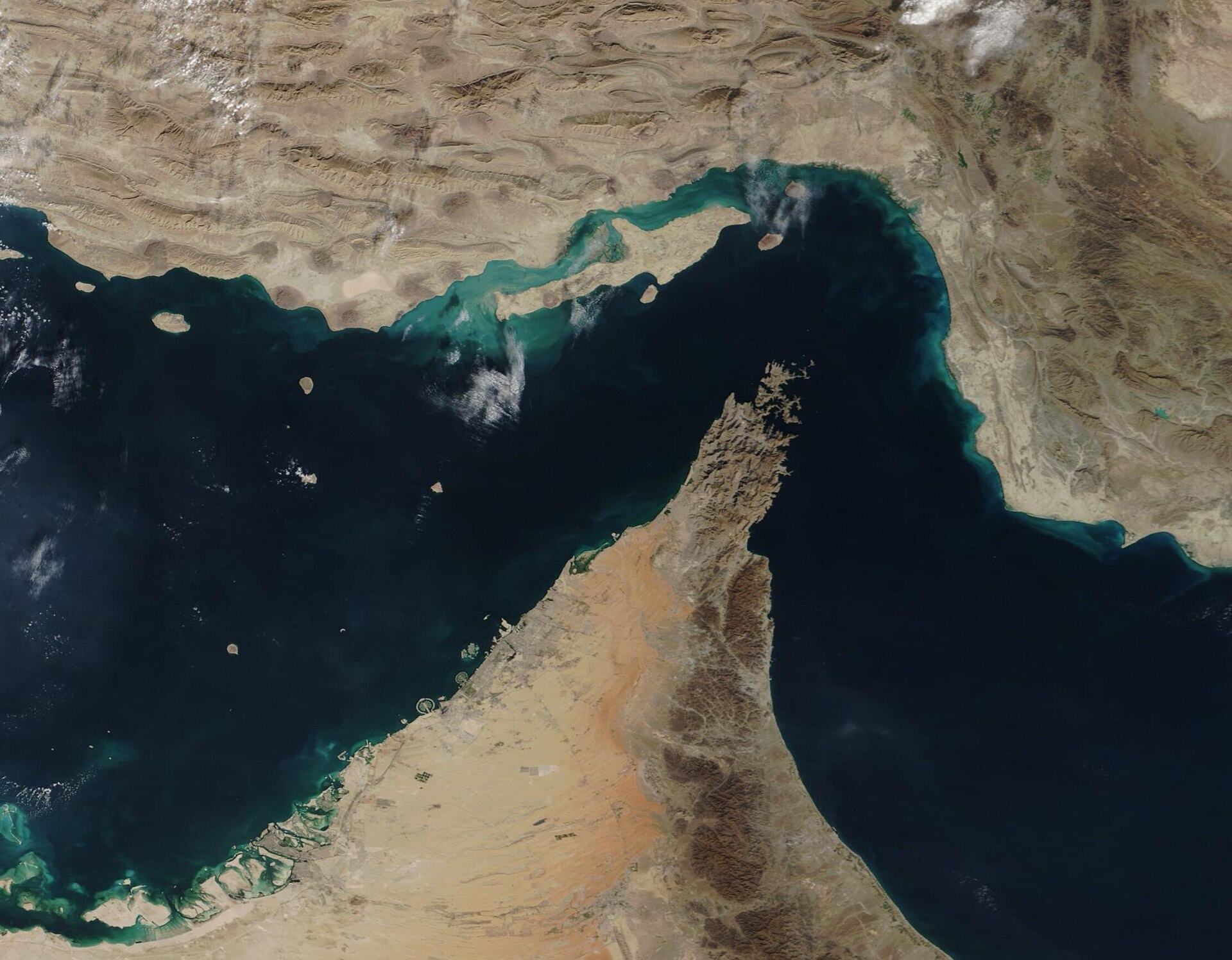
On the same day Fidan spoke in Ankara, Araghchi and Busaidi met in Muscat. The Oman News Agency described the session only as “discussions” on “safeguarding the security of maritime passages,” 24newshd.tv reported on November 17. No agreement was announced. Iran continues to insist that vessels use authorised routes through the strait, which the Islamic Revolutionary Guard Corps declared closed on October 26.
The Muscat meeting was the latest in a series of Omani-mediated contacts that have produced no movement on the central question: under what conditions Iran would permit commercial shipping to transit Hormuz freely. SNSC Secretary Rezaei said via Al-Mayadeen on November 10 that there would be “no negotiations,” reinforcing Tehran’s stated position.
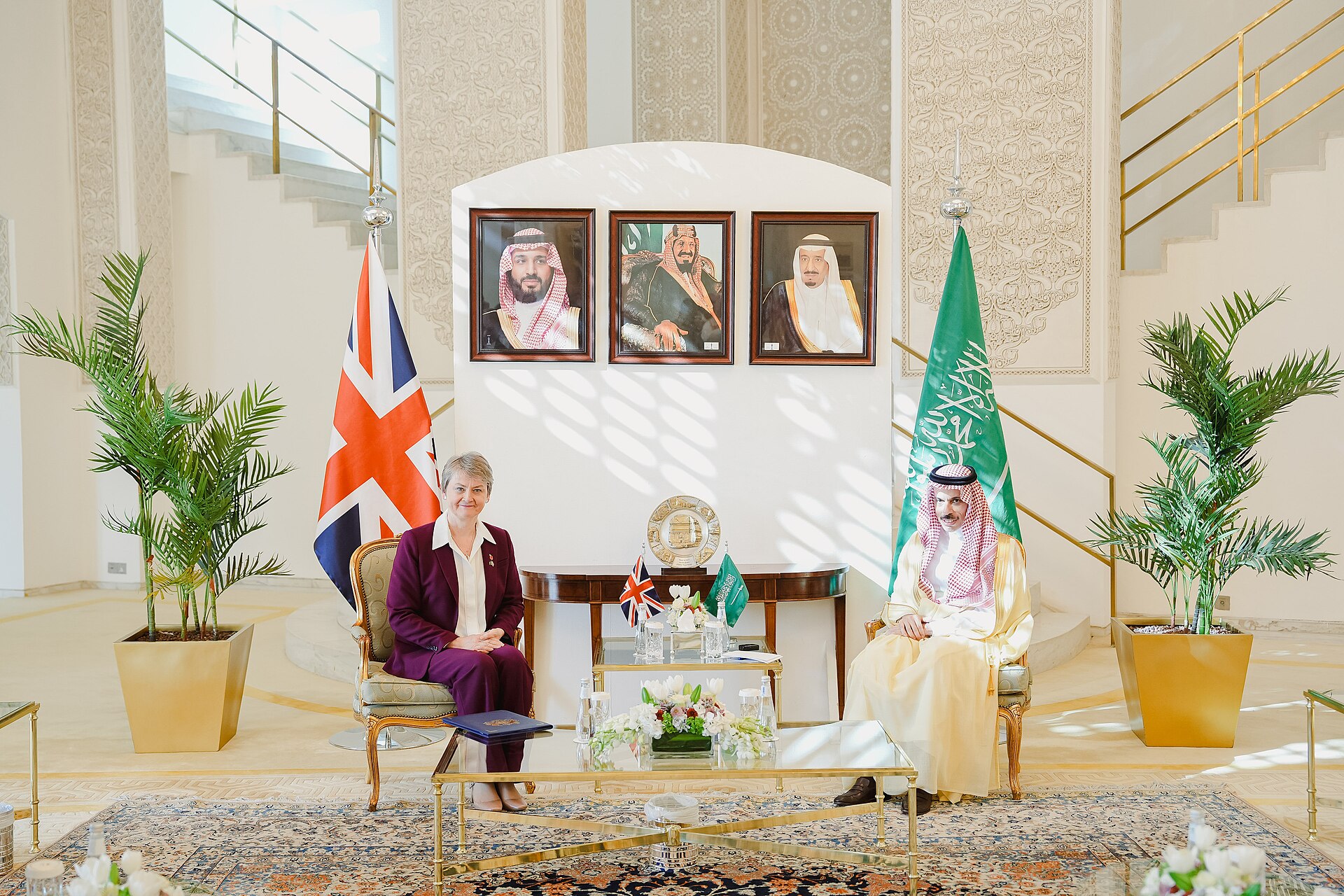
The stalemate strengthens the R-4’s function as a coordination mechanism for regional states that cannot negotiate directly with Iran on Hormuz but need to present a unified position to both Tehran and Washington. Saudi Foreign Minister Prince Faisal bin Farhan called the foreign ministers of Qatar and Egypt on November 16 as Araghchi headed to Muscat, in what appeared to be a round of pre-positioning ahead of a meeting whose outcome Riyadh could already anticipate.
Maria Ilyas, writing in The Diplomatic Insight on November 14, argued that “credibility is the currency of mediation, and it cannot be bought.” She warned that if R-4 “looks like the diplomatic arm of a defense bloc, Tehran, Washington and others may treat it as a party to disputes rather than a channel for resolving them.”
Makkah Pact Trilateral in Islamabad
The Makkah Joint Defence Agreement, signed by Saudi Arabia, Turkey and Pakistan on August 7, 2026, has moved from paper to ratification in under four months. Pakistan ratified the pact on October 23. Turkey’s Grand National Assembly ratified it on November 5 by a vote of 279–119, Anadolu Agency reported. Pakistan has deployed approximately 8,000 troops to Saudi Arabia, according to Reuters.
The Islamabad trilateral confirmed by Fidan for around November 27–28 would convene the three signatories to discuss implementation of the defence pact. Turkey’s ratification vote, which took effect on November 14, made it the last of the three to formally commit, clearing the way for a full signatories’ meeting.
Egypt is not a signatory to the Makkah Pact. Egyptian President Abdel Fattah el-Sisi said Egypt would “defend Saudi territory” but would not participate in an attack on Yemen, Al-Monitor reported in October 2026. This distinction places Egypt in the R-4 diplomatic track but outside the military structure — a division that may limit the format’s ability to present a single front to Iran.
The International Institute for Strategic Studies described the Makkah Pact in August 2026 as “a serious shift away from reliance on the US security umbrella, but not a complete break.” The assessment aligns with the broader trajectory: R-4 members are building a parallel security architecture even as up to 200 US advisers provide targeting data in Saudi Arabia and a third US aircraft carrier has reached the Middle East.
How Does Iran View the R-4 Format?
Iran has not issued a direct official statement criticising the R-4 format. The October 26 Tehran visit — in which Saudi, Turkish and Pakistani delegations met with Rezaei, Pezeshkian and Araghchi — suggests Tehran engages with Makkah Pact members individually rather than as a bloc. An Iranian official told Reuters that the nuclear programme was not discussed at the meeting, according to Middle East Monitor.
Rezaei framed the visit differently. He said Middle East security should come “from within the region, without foreign intervention,” Iran International reported. On X, Rezaei wrote that “Washington’s inability to provide security guarantees has become clear” — a statement that presents Iran’s engagement with R-4 members not as a concession to their format but as evidence that the United States has been sidelined.
Hardline voices in Tehran have been less diplomatic. Hossein Shariatmadari, the editor of Kayhan — a newspaper aligned with the office of Supreme Leader Mojtaba Khamenei — said Turkey, Saudi Arabia and Pakistan were “too close to the US to mediate credibly,” Iran International reported. Shariatmadari added that Iran “would never abandon the Houthis.”
Iran’s official position on the Makkah Pact itself, as reported by IISS, is that it “sees no reason to be concerned.” That assessment may reflect a calculation that the pact serves a defensive purpose Tehran can tolerate, or it may be a public posture that masks private anxiety about an emerging military structure on its borders. The R-4 communiqués have never invoked the Makkah Pact by name, maintaining a formal separation between the diplomatic and military tracks.
European Stakes in the 8-Nation Format
The October 23 Istanbul meeting marked the first time European foreign ministers sat with R-4 counterparts. French Foreign Minister Jean-Noël Barrot said further escalation “would create nothing but losers and would undoubtedly have very serious consequences for hydrocarbon prices.” He called on both sides to “exercise the utmost restraint.”
Italian Foreign Minister Antonio Tajani said the aim was “de-escalation to guarantee freedom of navigation” and that the problem could not be solved “from a purely military standpoint,” Al Jazeera reported from the same session. Al Jazeera correspondent Sinem Koseoglu described the eight-nation R4+E4 format as a “first-of-its-kind” attempt to discuss regional conflicts.
The ministers agreed at Istanbul to meet “at regular intervals,” Al Jazeera reported. Fidan’s November 17 confirmation that the second session would take place within the same month indicates that the format is maintaining its stated tempo. Saudi Foreign Minister Prince Faisal bin Farhan was in Brussels on November 15 meeting EU foreign ministers at the Foreign Affairs Council, suggesting the European track is running in parallel with the R4+E4 schedule.
The European presence in the format adds weight but also introduces competing priorities. France, Germany, the UK and Italy are consumers of Gulf hydrocarbons and partners in naval operations in and around Hormuz, but they are also parties to stalled nuclear diplomacy with Iran and face domestic political constraints on Middle East military engagement.
Background
The R-4 format was established in March 2026 in Riyadh when Saudi Arabia, Egypt, Pakistan and Turkey agreed to coordinate on the Iran war, Middle East Monitor reported. It has met at the foreign-minister level at least four times: at its founding, at the UN General Assembly in September, in an emergency session on October 11 following the Houthi strike on KKIA that killed 13 people and injured 308–309, according to BBC and Al Jazeera, and in Istanbul on October 23.
Saudi Arabia’s Prince Faisal bin Farhan said at the UNGA on September 28 that the international community had been “absent,” according to The National — a statement that framed R-4 as filling a vacuum. Iran’s FM Araghchi submitted a 7-Day Plan via Qatar on September 25, but Iran’s subsequent positions, including Rezaei’s November 10 “no negotiations” statement, have moved away from that offer.
The Makkah Joint Defence Agreement, signed August 7, formalised the military dimension. The October 26 Tehran communiqué, issued after the Saudi-Pakistani-Turkish delegation visited Iran, spoke of “continued dialogue” but produced no concrete mechanism. The Strait of Hormuz remains closed to unauthorised traffic since Iran’s October 26 IRGC declaration, with mines continuing to strike tankers — at least two more on November 16 alone, according to UKMTO and Iranian state media.
FAQ
What does “R-4” stand for?
“R-4” is an informal shorthand for the four regional states that form the core of the format — Turkey, Saudi Arabia, Egypt and Pakistan. The designation appears in no founding document and carries no official status. The European partners added at Istanbul on October 23 are similarly styled “E4” after Italy’s inclusion confirmed a four-state European group. Neither label is official; the combined format has no formal name.
Has R-4 produced any binding agreements?
No. All R-4 outputs are joint statements with no secretariat, treaty basis or enforcement mechanism. This distinguishes the format sharply from the Makkah Joint Defence Agreement, a ratified multilateral treaty. The two structures exist in parallel: R-4 coordinates diplomatic positions while the Makkah Pact governs military obligations — but Egypt, a full R-4 member, is outside the Makkah Pact entirely, meaning no single document binds all eight R4+E4 participants to any shared obligation.
Can the R-4 or R4+E4 format directly negotiate with Iran to reopen Hormuz?
No. The Durham Diplomatic Digest noted the format “cannot directly negotiate or set the terms of a US-Iran deal.” Iran’s own framing compounds this: Rezaei told Iran International that security must come “from within the region, without foreign intervention” — language that explicitly excludes the four European E4 states from any process Tehran would accept. R4+E4 can coordinate pressure and present a unified position, but the actual deal that reopens the strait would have to come through a bilateral channel, most likely Oman.
Why is Oman mediating between Iran and other states?
Oman has historically maintained diplomatic relations with both Iran and the Gulf Cooperation Council states, positioning itself as a neutral intermediary. Omani Foreign Minister Busaidi hosted Araghchi on November 17, though the session produced no agreement, 24newshd.tv reported. Oman played a similar intermediary role during the original Joint Comprehensive Plan of Action nuclear negotiations.
How many troops has Pakistan deployed to Saudi Arabia?
Approximately 8,000, according to Reuters. The deployment predates the Makkah Pact and has been folded into its framework. Turkey’s troop commitments under the agreement have not been publicly specified — an asymmetry between the two Makkah Pact partners that the Islamabad trilateral Fidan confirmed for November 27–28 may need to address.
The House of Saud Daily Briefing
Saudi Arabia's news in 3 minutes, every morning. Free. See today's issue