
RIYADH — Saudi Arabia launched covert airstrikes on Iranian territory in late March 2026 — the first known direct military action by the kingdom against Iran. Reuters confirmed on May 12 that the Royal Saudi Air Force targeted drone and missile launch sites inside Iran in retaliation for attacks on Saudi territory during the 2026 war.
The disclosure collapses the framework of Saudi neutrality on which the Islamabad MOU was built. Riyadh publicly refused Washington use of its airspace for strikes on Iran, deployed no forces under the GCC’s collective defense invocation, and held zero seats at Doha, Geneva, or Lake Lucerne — yet was simultaneously conducting offensive operations on Iranian soil. Iranian attacks on Saudi territory fell 76 percent in one week, according to Reuters, through a bilateral coercive exchange never acknowledged in any public framework.
The question is no longer whether Saudi Arabia fought. It is what the MOU’s legitimacy means when one of the war’s undisclosed belligerents was never named — and what Iran intends to do with the grievance.
Table of Contents
- What Did the Royal Saudi Air Force Strike?
- Why Did Riyadh Warn Tehran Before Striking?
- The Legal Architecture of Deniability
- Did the Covert Strikes Change the War?
- The MOU’s Missing Belligerent
- What Will Iran Do With This Grievance?
- The Gulf’s Covert Belligerency Doctrine
- How Long Can the Silence Hold?
- Frequently Asked Questions
What Did the Royal Saudi Air Force Strike?
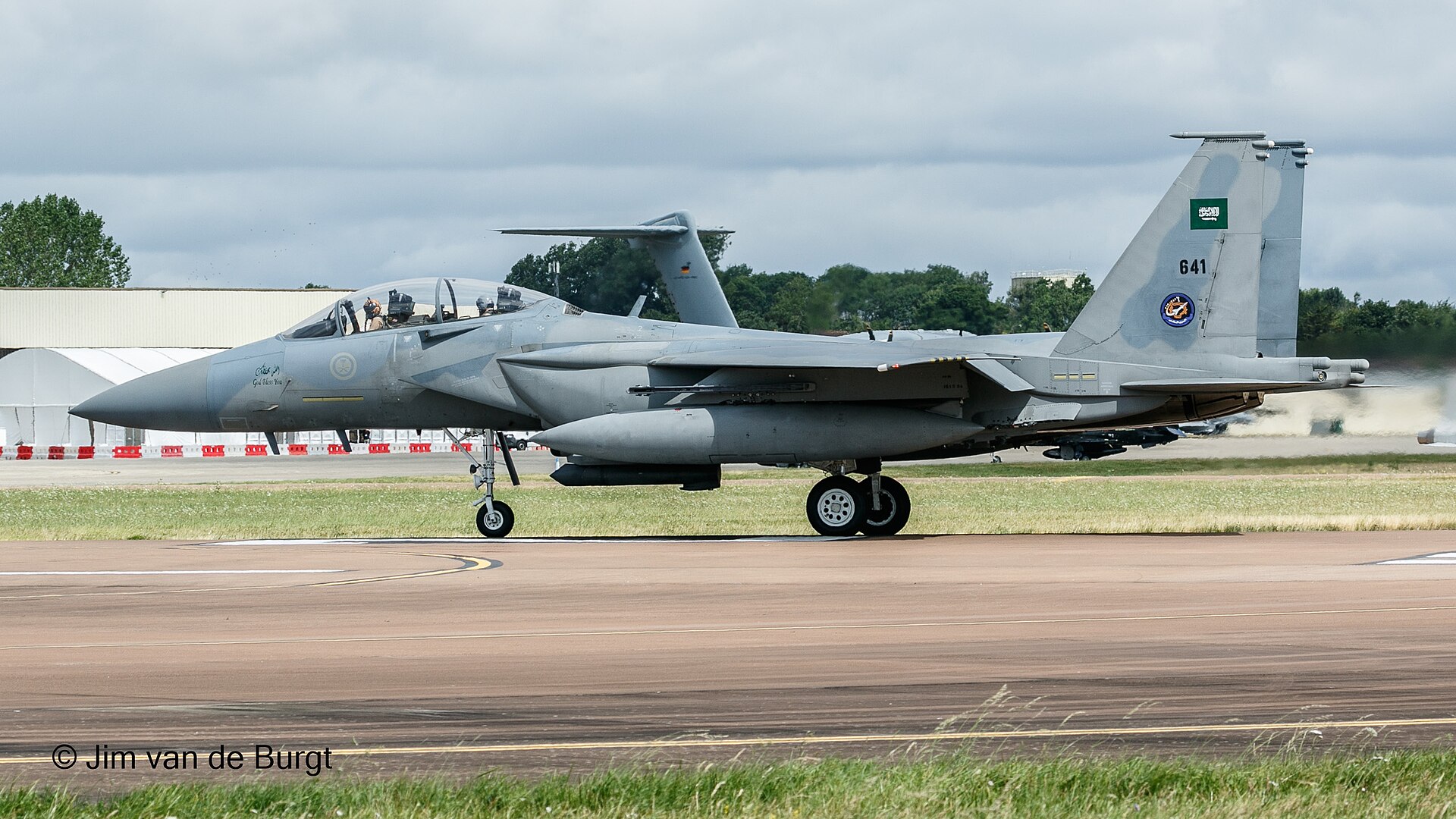
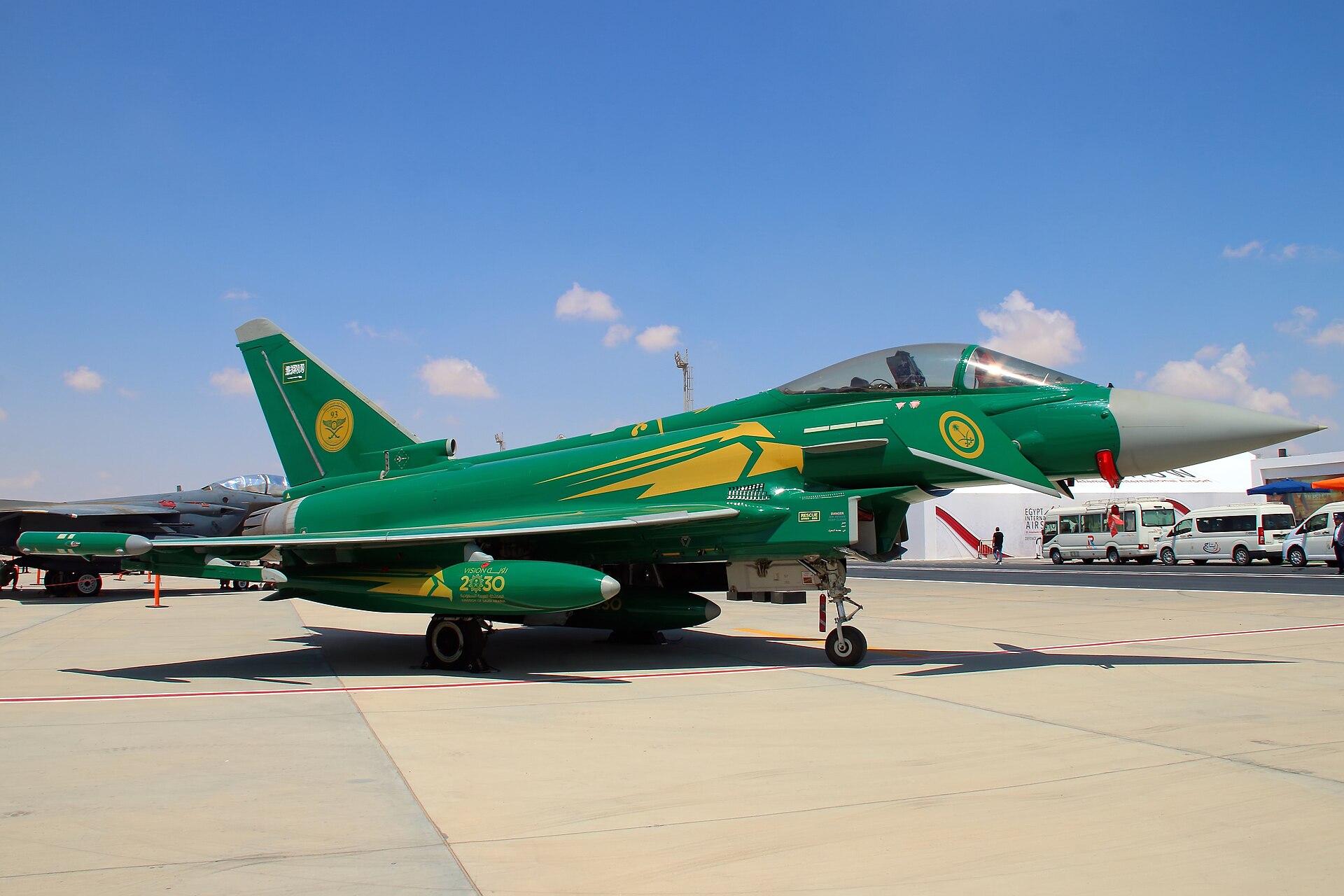
Reuters reported on May 12, 2026, that Saudi Arabia launched “numerous, unpublicized” strikes on Iran, targeting drone and missile launch sites used to attack Saudi territory. The strikes were carried out by the Royal Saudi Air Force in late March 2026 — roughly three weeks into the conflict that began with Iran’s first direct attacks on Saudi soil on March 1.
The sourcing was unusual in its symmetry: two Western officials briefed on the matter and two Iranian officials, all speaking on condition of anonymity. Reuters explicitly noted it could not independently confirm specific targets or precise timing within the late-March window. No Saudi officials were among the sources.
“Exclusive: Saudi Arabia launched numerous, unpublicized strikes on Iran in retaliation for attacks carried out in the kingdom during the Middle East war, two Western officials briefed on the matter and two Iranian officials said.” — Reuters, May 12, 2026
The HOS Daily BriefThe Middle East briefing 3,000+ readers start their day with.
One email. Every weekday morning. Free.
The strikes represent the first confirmed instance of Saudi Arabia conducting direct military operations against Iranian sovereign territory. The two countries have been adversaries for decades through proxy wars in Yemen, Lebanon, Iraq, and Syria, but the conventional understanding held that neither would strike the other directly. Saudi Arabia absorbed Iran’s September 2019 attack on its Abqaiq and Khurais oil processing facilities without a military response. Seven years later, Riyadh chose differently.
Saudi Arabia also struck Iranian-backed militias in Iraq in April 2026, in response to drone attacks on Saudi territory originating from Iraqi soil. This second confirmed strand of offensive operations extended the kingdom’s covert campaign beyond Iranian borders into a third country’s airspace — broadening the scope of Saudi military action far beyond what any public statement acknowledged.
Why Did Riyadh Warn Tehran Before Striking?
The most counterintuitive detail in the Reuters report is that Saudi Arabia informed Iran of the strikes in advance. The pre-notification was not a diplomatic courtesy — it was a coercive signal. Riyadh told Tehran it was coming, struck, and then followed the strikes with what Reuters described as “intensive diplomatic engagement and Saudi threats to retaliate further.”
The exchange produced an informal bilateral de-escalation understanding focused on “rules of engagement” to prevent a full-scale regional conflagration, according to EUalive, citing the Reuters report. That understanding was reached in the week preceding the broader US-Iran ceasefire brokered by Pakistan on April 7 — meaning the Saudi-Iranian bilateral track moved faster than the American one.
Saudi Arabia maintained daily contact with Iran throughout the conflict, including through Tehran’s ambassador who remained resident in Riyadh even after the kingdom expelled Iran’s military attaché and four embassy staff on March 21. The ambassador’s continued presence was itself a signal: Riyadh severed the military relationship while preserving the diplomatic channel through which it would pre-notify and then de-escalate.
The architecture of this covert exchange — warn, strike, negotiate — suggests a Saudi leadership that was not paralyzed by the conflict, as much Western analysis assumed, but was managing escalation on its own terms outside public view. The CSIS assessment that the kingdom found itself “simultaneously trying to protect and prioritize its own economic and societal transformation” while managing life “a drone’s flight away from a country that is likely to remain its principal antagonist for the foreseeable future” captured the challenge accurately. It did not capture that Riyadh had already answered it with airstrikes.
The Legal Architecture of Deniability
Saudi Arabia built the legal predicate for military action in public without ever publicly announcing the action itself. The sequence is precise enough to suggest premeditation rather than impulse.
On March 9, 2026, the Saudi Ministry of Foreign Affairs issued a comprehensive war statement affirming the kingdom’s “full right to take all necessary measures to safeguard its security, sovereignty, and the safety of its citizens and residents, and to deter aggression.” CSIS analysts noted at the time that the statement contained no explicit threat to strike Iran — the language was broad enough to cover whatever came next, specific enough to be cited afterward.
Twelve days later, on March 21, Saudi Arabia expelled Iran’s military attaché and four embassy staff, invoking Article 51 of the UN Charter — the self-defense provision. Article 51 is the legal instrument states cite when they are about to use or have already used force. By embedding it in an expulsion statement rather than a declaration of military operations, Riyadh established a citable legal basis without generating the headlines that would accompany a formal war declaration.
Roughly ten days after the Article 51 invocation, the RSAF struck Iran. The timeline — statement, legal predicate, strikes — tracks the pattern of a planned escalation ladder, not a reactive one.
| Date | Event | Source |
|---|---|---|
| March 9 | Saudi MoFA war statement: “full right to take all necessary measures” | SPA / CSIS |
| March 21 | Military attaché and 4 staff expelled; UN Charter Article 51 invoked | SPA / Al Jazeera |
| Late March | RSAF strikes on Iranian drone and missile launch sites | Reuters (May 12) |
| March 25-31 | 105+ Iranian attacks per week on Saudi territory | Reuters / Militarnyi.com |
| March 27 | Saudi-Ukraine 10-year defense cooperation signed in Jeddah | Multiple |
| April 1-6 | ~25 Iranian attacks per week on Saudi territory | Reuters / Militarnyi.com |
| ~Early April | Bilateral Saudi-Iran de-escalation understanding | Reuters / EUalive |
| April 7 | US-Iran ceasefire (Pakistan-brokered) | Multiple |
| May 11 | WSJ reports UAE struck Iran’s Lavan Island refinery | Wall Street Journal |
| May 12 | Reuters discloses Saudi covert strikes on Iran | Reuters |
| June 17 | Islamabad MOU signed (US-Iran) | Multiple |
Parallel to the covert strikes, Saudi Arabia signed a ten-year defense cooperation agreement with Ukraine in Jeddah on March 27 — focused specifically on countering Iranian-designed Shahed-136 drones. The kingdom was negotiating counter-drone technology with Kyiv while its own air force was destroying the launch sites those drones flew from.
Pakistan’s deployment of 8,000 troops and fighter jets to King Abdulaziz Air Base under the Strategic Mutual Defense Agreement gave Saudi Arabia its most visible external military commitment. That the kingdom activated the SMDA while simultaneously conducting its own undisclosed offensive operations suggests the Pakistani deployment served less as a fighting force and more as a deterrent signaling Riyadh’s alliance network — freeing the RSAF to operate on its own initiative.
The GCC’s 167th Ministerial Council issued its first collective defense invocation in 45 years during this period. Saudi Foreign Minister Prince Faisal bin Farhan signed the declaration. Saudi Arabia deployed no forces under it. Kuwait filed a separate Article 51 notification with the UN Security Council, bypassing the GCC entirely. The collective defense architecture — invoked on paper, unused in practice — provided diplomatic cover for a kingdom already fighting its own undeclared war.
Did the Covert Strikes Change the War?
The data suggests they did — at least on the Saudi-Iranian bilateral axis. Iranian drone and missile attacks on Saudi Arabia exceeded 105 per week in the March 25-31 window, according to Reuters and Militarnyi.com. In the April 1-6 window — after the Saudi strikes and pre-notification — that number fell to roughly 25 per week.
Correlation is not causation, and the reduction coincided with broader conflict dynamics including the IRGC’s own operational tempo adjustments. But the Reuters report directly linked the decline to the bilateral Saudi-Iranian de-escalation that followed the strikes, describing the understanding as focused on preventing the conflict from escalating into a full-scale regional war.
The bilateral track also moved faster than the multilateral one. The Saudi-Iranian understanding was reached roughly a week before Pakistan brokered the US-Iran ceasefire on April 7. Islamabad served simultaneously as Riyadh’s military guarantor and Washington’s ceasefire broker — two roles that operated on separate tracks the MOU’s public framework never reconciled.
The operational success of the strikes, measured by the attack reduction, may have reinforced a Saudi lesson: covert force paired with backchannel diplomacy produced results that public statements and collective defense declarations did not. About 70 percent of Iranian drone and missile attacks on Saudi territory targeted the oil-rich Eastern Province or specific oil facilities, per CSIS analysis. The RSAF hit the launch sites feeding those attacks directly.
The MOU’s Missing Belligerent
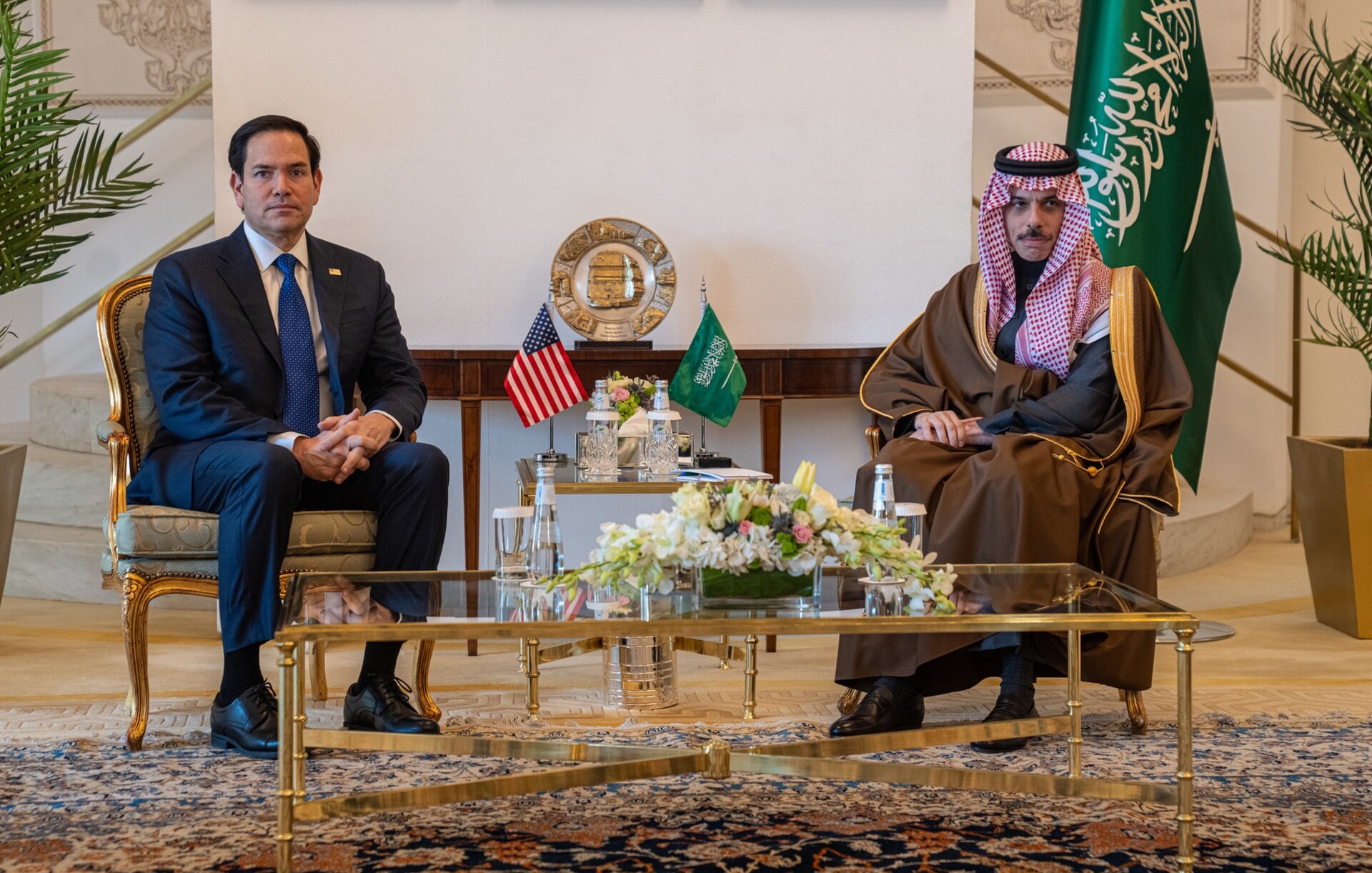
The Islamabad MOU, signed June 17, 2026, names the United States and Iran as parties. It commits Washington to lifting “all types of sanctions” on Tehran — a scope broader than the JCPOA’s, covering terrorism-sponsorship designations, human rights sanctions, and ballistic missile restrictions, as the IISS noted in its June 2026 analysis. Saudi Arabia holds zero seats at any of the three tracks the MOU created: Doha (diplomatic), Geneva (nuclear), and Lake Lucerne (monitoring).
The kingdom’s exclusion from these tracks has been framed — by Riyadh, by the MOU’s architects, by most Western analysis — as a consequence of the US-Iran bilateral nature of the deal. Saudi Arabia was positioned as a concerned neighbor, a stakeholder without standing, a state that “supported the process more informally,” as Pakistan’s foreign minister put it. When Prince Faisal visited Beijing the same day the Doha contacts opened, the trip was read as a signal of Saudi exclusion from diplomacy. It was a signal of choice.
The Reuters disclosure inverts the exclusion narrative. If Saudi Arabia was conducting offensive military operations on Iranian soil during the same period the MOU was being conceived, its absence from the agreement is not marginalization — it is operational security. A kingdom at war with Iran cannot sit at a table premised on a two-party conflict without disclosing that the conflict has a third active belligerent.
This creates a structural problem for the MOU that its 14-point text has no mechanism to address. The agreement already lacks a named arbitrator, an enforcement body, and a dispute resolution process — as Iran’s invocation of the MOU to justify its own violations demonstrated in late June. It now also lacks an accurate count of the parties to the war it claims to resolve.
“Saudi leadership finds itself simultaneously trying to protect and prioritize its own economic and societal transformation, to navigate its relationship with an impulsive and unpredictable U.S. president, and to manage the geographic reality of living a drone’s flight away from a country that is likely to remain its principal antagonist for the foreseeable future.” — CSIS, “How Does Saudi Arabia See the War with Iran?”
The MOU’s sanctions commitment extends beyond the nuclear portfolio. Iran’s ballistic missile program, which the kingdom’s Patriot and THAAD batteries have been intercepting since March 1, would see sanctions relief under a framework in which Saudi Arabia has no voice. Hasan Alhasan, a senior fellow at the IISS, described the MOU as a “disastrous turning point for the regional security order,” warning that US disengagement would embolden Tehran. His analysis focused on the MOU’s structural deficiencies from a Gulf security perspective. The covert belligerency dimension — that the unnamed third party was actively fighting — was not part of the IISS assessment.
The kingdom pays an estimated $5.5 million per day under the Persian Gulf Security Arrangement, with no mechanism to influence how that money is allocated, no seat where objections can be registered, and no voice in the sanctions-lifting process that will reshape Iran’s military capabilities. Riyadh is paying for a peace it shaped through secret war and was then excluded from shaping through diplomacy.
What Will Iran Do With This Grievance?
Iranian state media — IRNA, PressTV, Tasnim, Fars News — have not publicly reported on the Saudi covert strikes as of July 1, 2026. The silence is reciprocal: Riyadh has not acknowledged the operations, and Tehran has not accused Riyadh of conducting them, despite two Iranian officials serving as Reuters sources.
The silence serves Iran’s immediate interests. Acknowledging that it absorbed direct Saudi airstrikes without a declared military response would undermine the IRGC’s deterrence posture at a moment when hardliners are already using MOU vulnerabilities to push for escalation. The Assembly of Experts — 62 of 88 members — called the Hormuz reopening a “strategic mistake” in late June. The IRGC has framed itself as the guardian of Iran’s red lines. Admitting that Saudi Arabia crossed one without consequence would weaken that frame at the worst possible time.
But the silence cannot hold indefinitely. The Reuters report is public. The sources include Iranian officials. And the 60-day MOU clock is running — Day 14 as of July 1 — meaning Iran’s hardliners have 46 days to decide whether to weaponize the Saudi disclosure against the agreement or against Saudi Arabia directly.
President Masoud Pezeshkian’s position is already fragile. He flew to Qom the morning the Assembly of Experts rebuked his MOU, claiming the agreement was “in full and continuous coordination with the supreme leader.” The Saudi covert belligerency disclosure gives the IRGC and the Assembly an additional argument: the MOU was signed not only without adequate safeguards for Iran, but while a third party was conducting undisclosed offensive operations the agreement does not account for.
Iran’s options range from diplomatic pressure to military escalation. Tehran could demand that any extension of the MOU include Saudi Arabia as a named party — forcing Riyadh either to acknowledge its role or to block an agreement the US wants preserved. It could condition Phase 2 implementation on Saudi security guarantees. Or it could use the disclosure to justify the IRGC’s position that the MOU is fundamentally flawed — that Iran’s own peace overtures arrived while missiles were still in the air, and Saudi Arabia’s arrived while its jets were over Iranian airspace.
The Gulf’s Covert Belligerency Doctrine
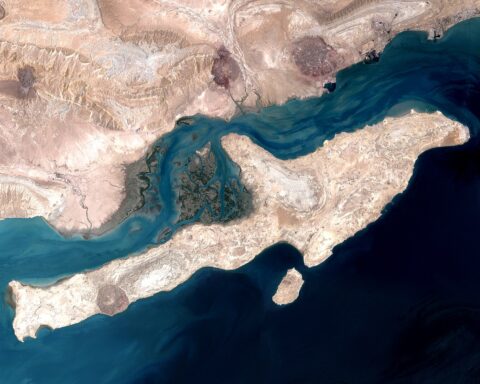
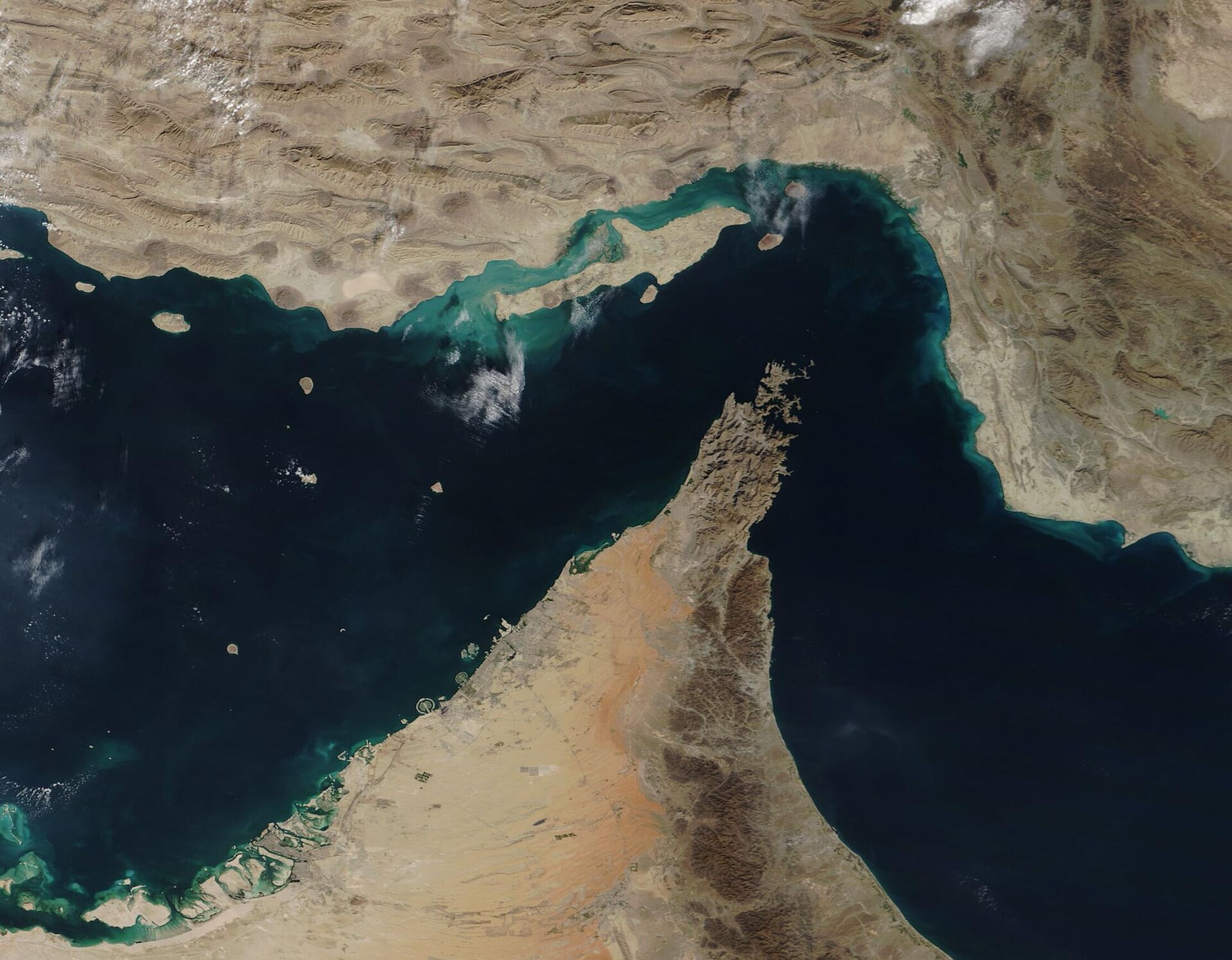
Saudi Arabia was not alone. The Wall Street Journal reported on May 11, 2026 — one day before the Reuters Saudi disclosure — that the United Arab Emirates conducted a separate covert operation, striking Iran’s Lavan Island oil refinery in the Persian Gulf in early April. Two Gulf states confirmed to have struck Iranian territory while maintaining public postures of restraint, reported within 24 hours of each other, points to a shared operational doctrine if not direct coordination.
The doctrine has pre-existing infrastructure. Leaked US documents published by the International Consortium of Investigative Journalists in October 2025 revealed that at least six Arab states, including Saudi Arabia, participated in a classified CENTCOM-coordinated framework called the “Regional Security Construct.” The framework involved intelligence sharing, joint exercises, and radar connectivity integration with Israel — capabilities that would enable the kind of precision strikes Reuters described.
Chatham House published its assessment of Saudi Arabia’s war posture on May 5, 2026 — seven days before the Reuters disclosure. The analysis described Riyadh’s “reluctance to engage directly in the war against Iran,” attributing it to the risk that kinetic action would “draw the Houthis more directly into the conflict” and jeopardize Red Sea alternative export routes. The assessment was accurate as a description of declared posture. It was incomplete as a description of actual operations.
The two can coexist, and their coexistence is the doctrine. Strike covertly, maintain reluctance publicly, preserve deniability on both the military and Houthi-deterrence fronts. The approach allows Gulf states to impose costs on Iran — the steep decline in attacks on Saudi territory demonstrates the effect — without triggering the retaliatory escalation that public acknowledgment would invite. When eight million barrels of oil sat loaded at Ras Tanura with nowhere to sail, the kingdom’s public options appeared constrained. Its private options were not.
How Long Can the Silence Hold?
The mutual silence between Riyadh and Tehran on the covert strikes serves both sides, but asymmetrically. Saudi Arabia benefits from deniability because it preserves the neutrality posture on which the kingdom’s diplomatic positioning depends. Iran benefits because acknowledging the strikes without a declared response weakens deterrence. The asymmetry is that Saudi Arabia chose this silence. Iran’s was imposed by a sequence of events it did not control.
Four officials have already spoken to Reuters. The information is circulating among Western intelligence services and Iranian government figures. The Wall Street Journal, the Times of Israel, and multiple other outlets have published independent reporting. Every additional month of silence increases the eventual political cost of acknowledgment while decreasing the cost of continued leaks from officials who have already demonstrated willingness to talk.
The pattern of official silence during active military operations has precedent within this same conflict. When an Aramco helicopter crashed at Ras Tanura on June 28, killing all 14 Saudi nationals aboard, the Ministry of Energy confirmed the crash. Aramco said nothing. The Ministry of Foreign Affairs said nothing. Iranian state media did not report it. The crash occurred roughly three hours after IRGC strikes on Ali Al Salem and Juffair. No claim of responsibility was made, no attribution demanded publicly.
Every major institutional assessment of the MOU’s regional implications — IISS, Chatham House, CSIS — was completed before Reuters published. Chatham House described Saudi “reluctance to engage directly in the war against Iran” without knowing Riyadh was already doing exactly that. The CSIS portrait of a kingdom torn between economic ambition and existential threat predated evidence that Riyadh had already resolved the dilemma on its own terms. None of the analyses had the complete picture.
The kingdom that holds zero seats at Doha, Geneva, or Lake Lucerne — that pays daily for a peace framework it cannot shape — struck Iran before any of those forums existed. The silence holds because both sides need it to. Whether the remaining weeks of MOU implementation can proceed while neither side acknowledges what both already know is a question the agreement was not built to answer.
Frequently Asked Questions
Has Saudi Arabia ever attacked Iran before 2026?
No. The late March 2026 Royal Saudi Air Force strikes represent the first confirmed direct military action by Saudi Arabia against Iranian sovereign territory in the modern era. The two countries engaged in proxy wars for decades — through Yemen’s Houthi conflict, Lebanese Hezbollah, and Iraqi Shia militias — but direct state-on-state military action had not occurred. Saudi Arabia did not respond militarily to Iran’s September 2019 drone and cruise missile attack on Abqaiq and Khurais, which temporarily removed 5.7 million barrels per day of processing capacity. The 2023 Beijing-brokered normalization agreement, which restored diplomatic relations and reopened embassies, collapsed under the weight of the 2026 conflict within weeks of the first Iranian strikes on Saudi soil.
Could the covert strikes affect the Islamabad MOU’s legal standing?
The MOU’s 14-point text contains no provision for undisclosed belligerents, no mechanism to add parties retroactively, and no named arbitrator who could adjudicate whether the agreement’s foundational premise — a two-party US-Iran conflict — remains valid. International law does not automatically void a ceasefire when a hidden party is revealed, but the Vienna Convention on the Law of Treaties, Articles 48 and 49, provide that a state may invalidate consent obtained through error of fact or fraud. Whether Iran could invoke this provision is a question of political will rather than legal text. The more practical risk is that the IRGC uses the Saudi disclosure as a pretext to demand MOU renegotiation on terms that include Riyadh as a named party with binding obligations.
What role did Pakistan play in the Saudi-Iran de-escalation?
Pakistan occupied a dual role that has received little scrutiny: military ally of Saudi Arabia and diplomatic broker of the broader US-Iran ceasefire. Islamabad deployed 8,000 troops and fighter jets to King Abdulaziz Air Base under the Strategic Mutual Defense Agreement, the most concrete external alliance commitment any state made to Saudi Arabia during the conflict. Pakistan simultaneously brokered the April 7 US-Iran ceasefire that became the Islamabad MOU’s precursor. The bilateral Saudi-Iranian de-escalation, reached in the week preceding April 7, operated on a separate track from the Pakistani mediation — raising unanswered questions about whether Islamabad was aware of both channels and whether its ceasefire brokering was shaped by knowledge of the Saudi strikes.
How does the Saudi-Ukraine defense deal relate to the Iran strikes?
On March 27, 2026 — during the same window as the covert RSAF operations — Crown Prince Mohammed bin Salman signed a ten-year defense cooperation agreement with Ukrainian President Volodymyr Zelenskyy in Jeddah, focused on countering Iranian-designed Shahed-136 drones. Iran had been supplying Shaheds to Russia for use in Ukraine since 2022, and deployed the same drone platform against Saudi territory in the 2026 war. The timing created a convergence of interests that neither Riyadh nor Kyiv has publicly discussed: Saudi Arabia was procuring counter-drone technology from a country at war with Iran’s drone customer while simultaneously destroying those drones’ launch sites inside Iran.
Washington’s comfort with MOU failure — articulated by Vice President Vance on July 1 — casts the covert RSAF campaign in a different light: Saudi Arabia absorbed the strategic and operational risk of striking Iranian sovereign territory while the United States privately weighed abandoning the deal it brokered. For the fiscal and structural exposure Riyadh carries if the MOU collapses, see Riyadh Holds the Bag Washington Dropped.