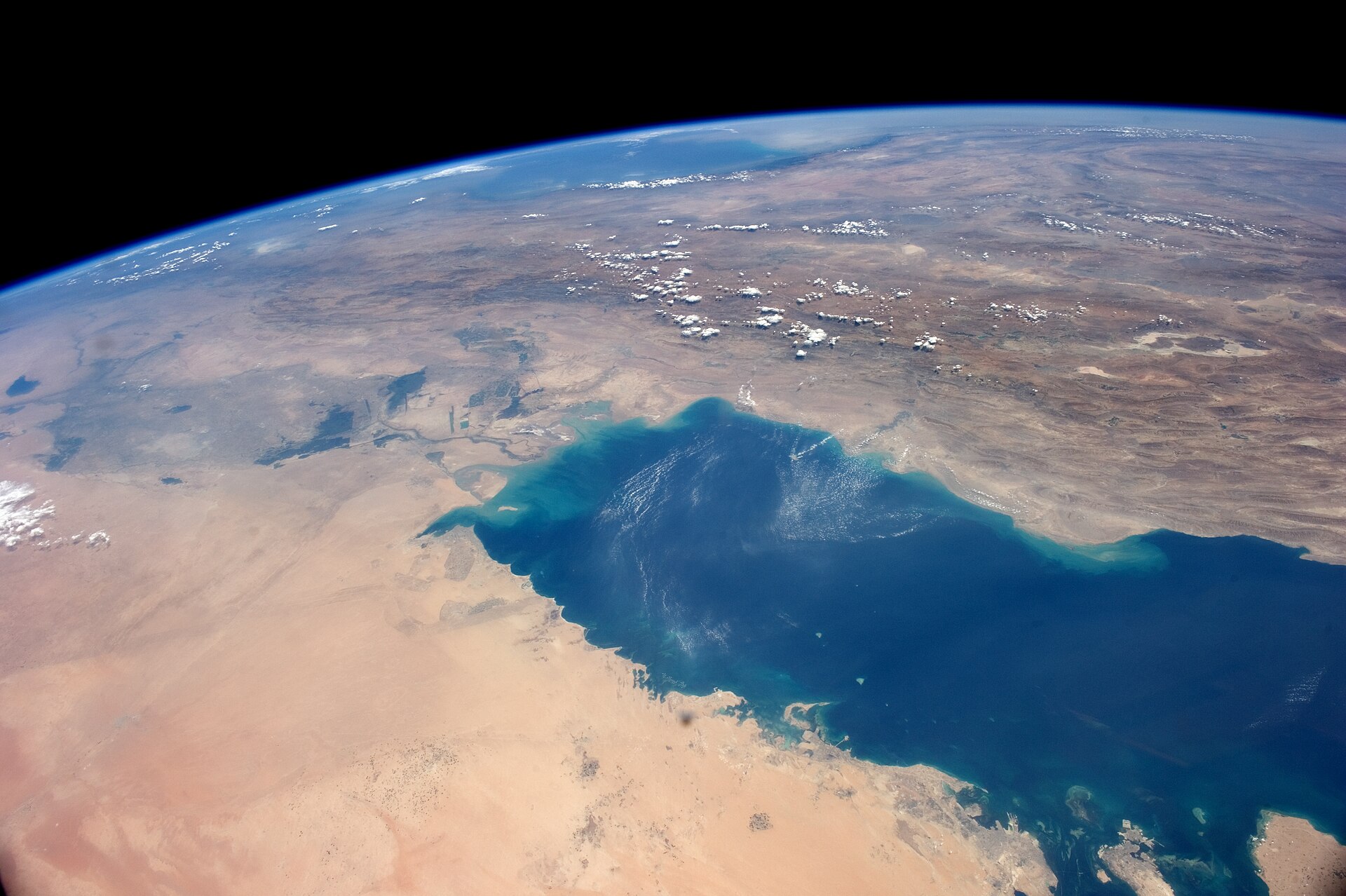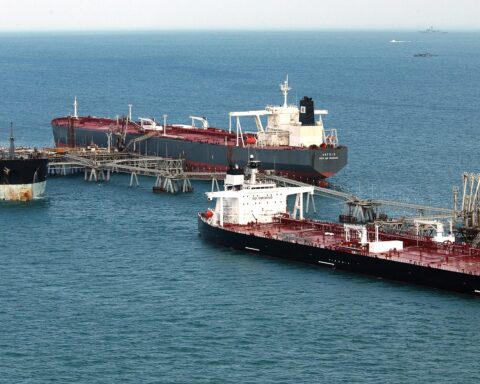

LONDON — The same week that Britain’s maritime trade watchdog published the highest sustained rate of attacks on commercial shipping since the Iran-Gulf conflict began, the Royal Navy pulled its last destroyer out of the region and sailed it home to Portsmouth without naming a replacement. UKMTO — the UK’s Maritime Trade Operations service, headquartered in Dubai under British military command — counted twelve attacks on vessels in seven days, admitted the real number was higher, and delivered the most alarming weekly briefing of the war from an office in Dubai monitoring a strait where Britain’s sole remaining warship is a mine-countermeasures mothership that was never designed to fight.
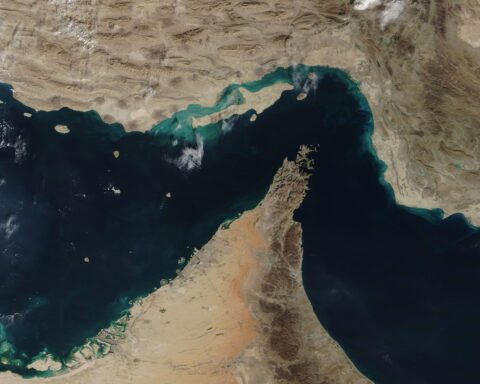
The figures are bleak: 135 maritime incidents since 28 February, 76 people killed or injured, and oil flows through Hormuz running at roughly 68 per cent of their pre-war baseline according to Kpler tracking data cited by Al Jazeera. For Saudi Arabia, whose economy depends on the strait in ways that Britain’s does not, the weekly UKMTO count has become the most reliable institutional measure of how badly the waterway is failing — and the country producing that measure has just reduced its naval presence to the point where it cannot meaningfully respond to what the data shows.
Table of Contents
- What Did UKMTO Actually Report?
- The Destroyer That Left and the Ship That Stayed
- Why Has the Hormuz Coalition Never Activated?
- Two Allies, Two Counts, No Agreement
- Can Washington Act Before 3 November?
- How Bad Are Hormuz Flows Right Now?
- Does the EU-GCC Summit Rescue Maritime Security?
- What Riyadh Will Get From Britain
- Frequently Asked Questions
What Did UKMTO Actually Report?
UKMTO’s weekly overview, published on Friday 16 October, recorded twelve attacks on commercial vessels in the preceding seven days: ten inside the Strait of Hormuz, one in the broader Arabian Gulf and one in the Gulf of Oman, with one vessel lost entirely. The twelve-attack figure was not a spike but a plateau — the week of 5–11 October also recorded twelve attacks, six of them on 11 October alone in what was the highest single-day total since the conflict’s maritime dimension began, and Reuters cited three anonymous maritime security sources counting twelve for the week before that as well.
Three consecutive weeks at twelve attacks means the strait is absorbing roughly two strikes on commercial vessels every day, and UKMTO itself warned that even this figure understates the reality. The agency stated it was “struggling to establish the true number of attacks” because the majority of targeted vessels had refused to submit incident reports, a gap that turns every weekly count from a census into a floor estimate. The scale of underreporting shapes everything that follows, because twelve attacks per week is alarming enough to generate press coverage and parliamentary questions, but if the majority of struck vessels stay silent, the true figure could be twenty or twenty-five, and the gap between twelve and twenty-five is the difference between disruption and a blockade enforced by strikes rather than by ships.
UKMTO is not a policy body, a think tank, or a diplomatic signal — it is an operational intelligence function, run under British military command from Dubai, that exists to tell merchant ships where the danger is and how to avoid it. When it records twelve attacks, that is data delivered to the maritime industry so that masters, insurers and charterers can make routing decisions, not a political statement from His Majesty’s Government. No UK minister accompanied the 16 October data with a parliamentary announcement or a policy commitment; the weekly overview reads like what it is, a classified-sourced operational briefing declassified for commercial consumption, and the conflation in international press coverage between “Britain disclosed” and “UKMTO reported” obscures a distinction that matters for anyone trying to read London’s intentions.
The cumulative picture behind the weekly numbers is worse than any single week conveys. Those 135 incidents and 76 casualties represent a toll that, in any previous decade of Gulf tensions, would have triggered a formal multilateral naval response within weeks of emerging.
The Middle East briefing 3,000+ readers start their day with.
One email. Every weekday morning. Free.
The Destroyer That Left and the Ship That Stayed
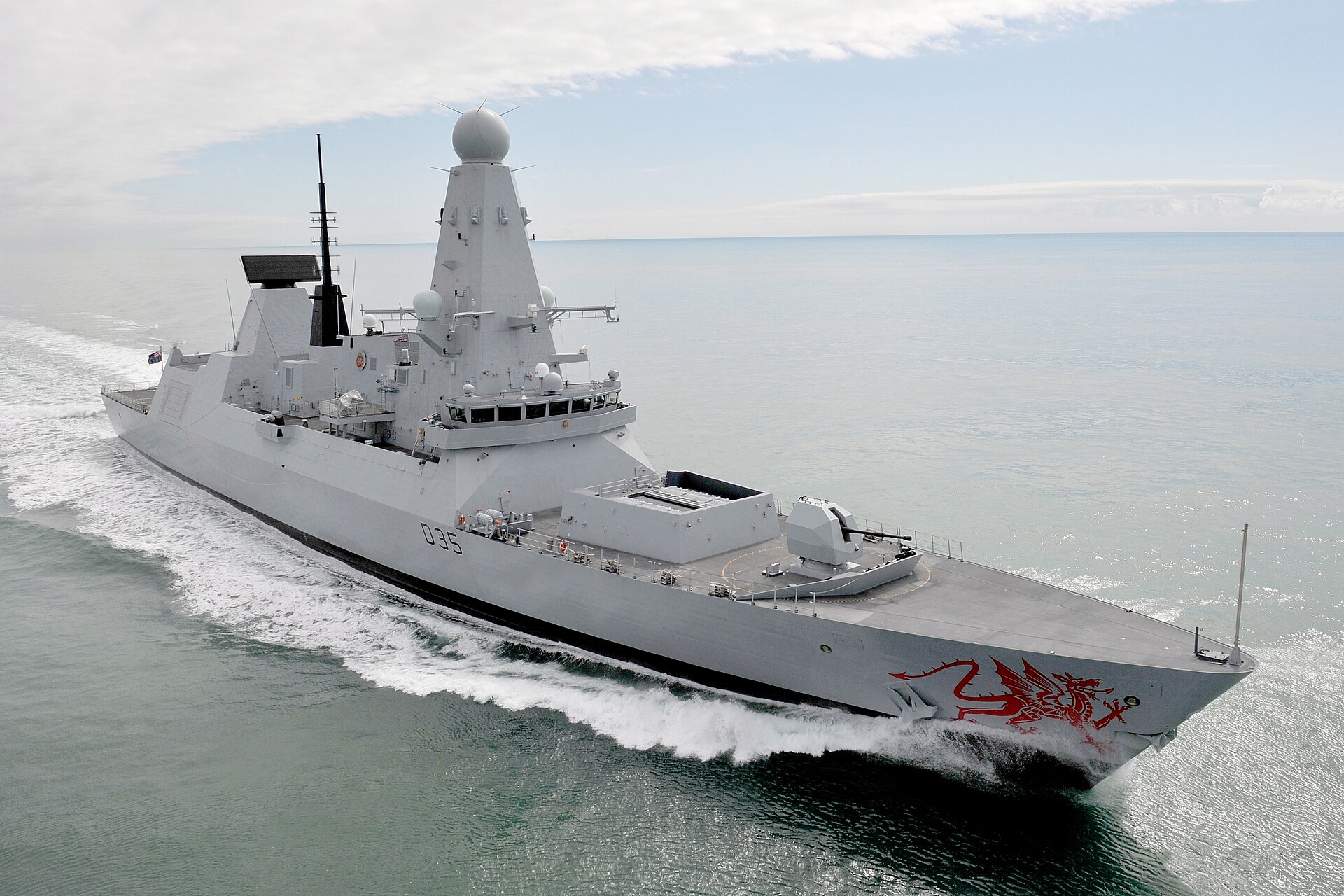
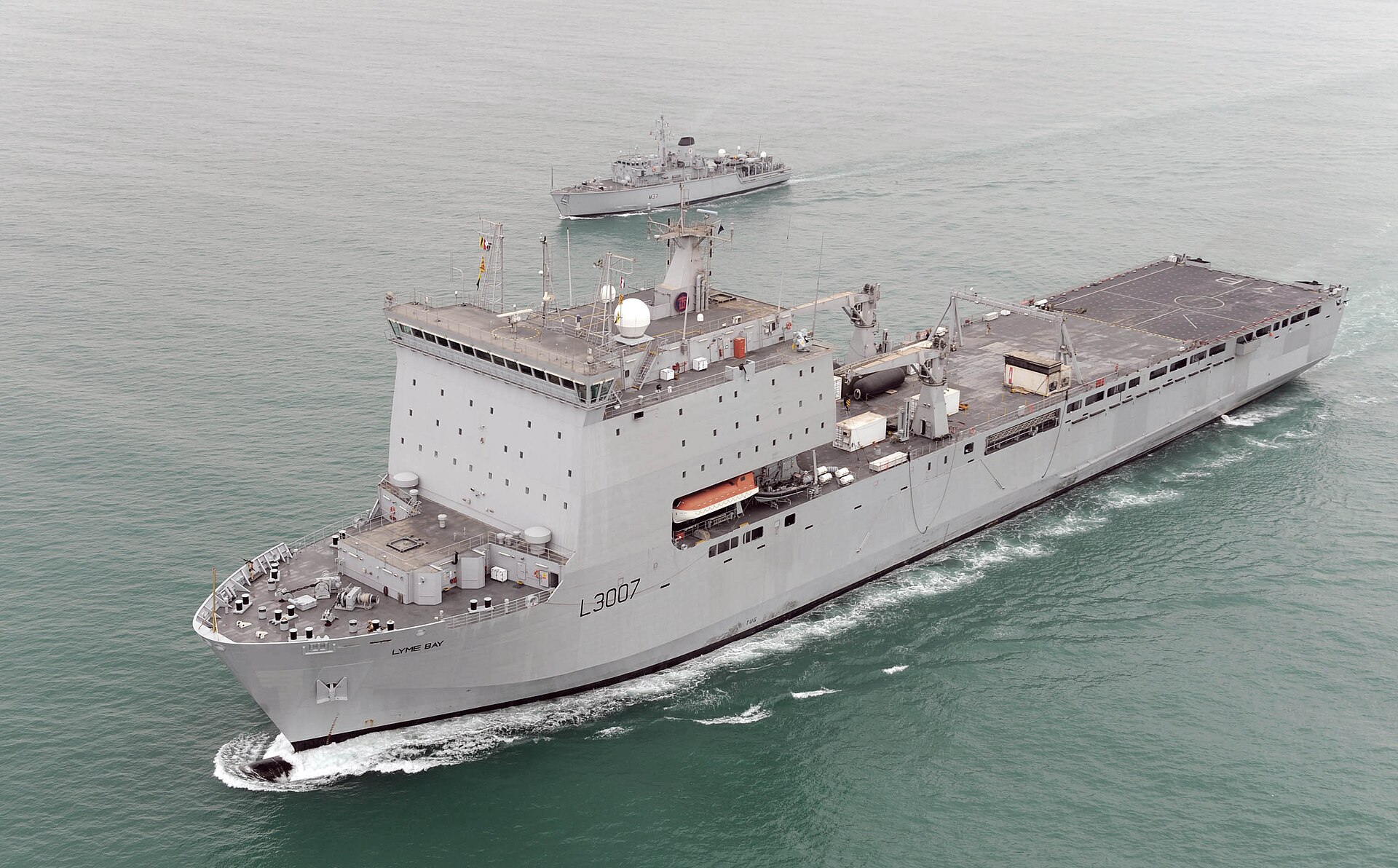
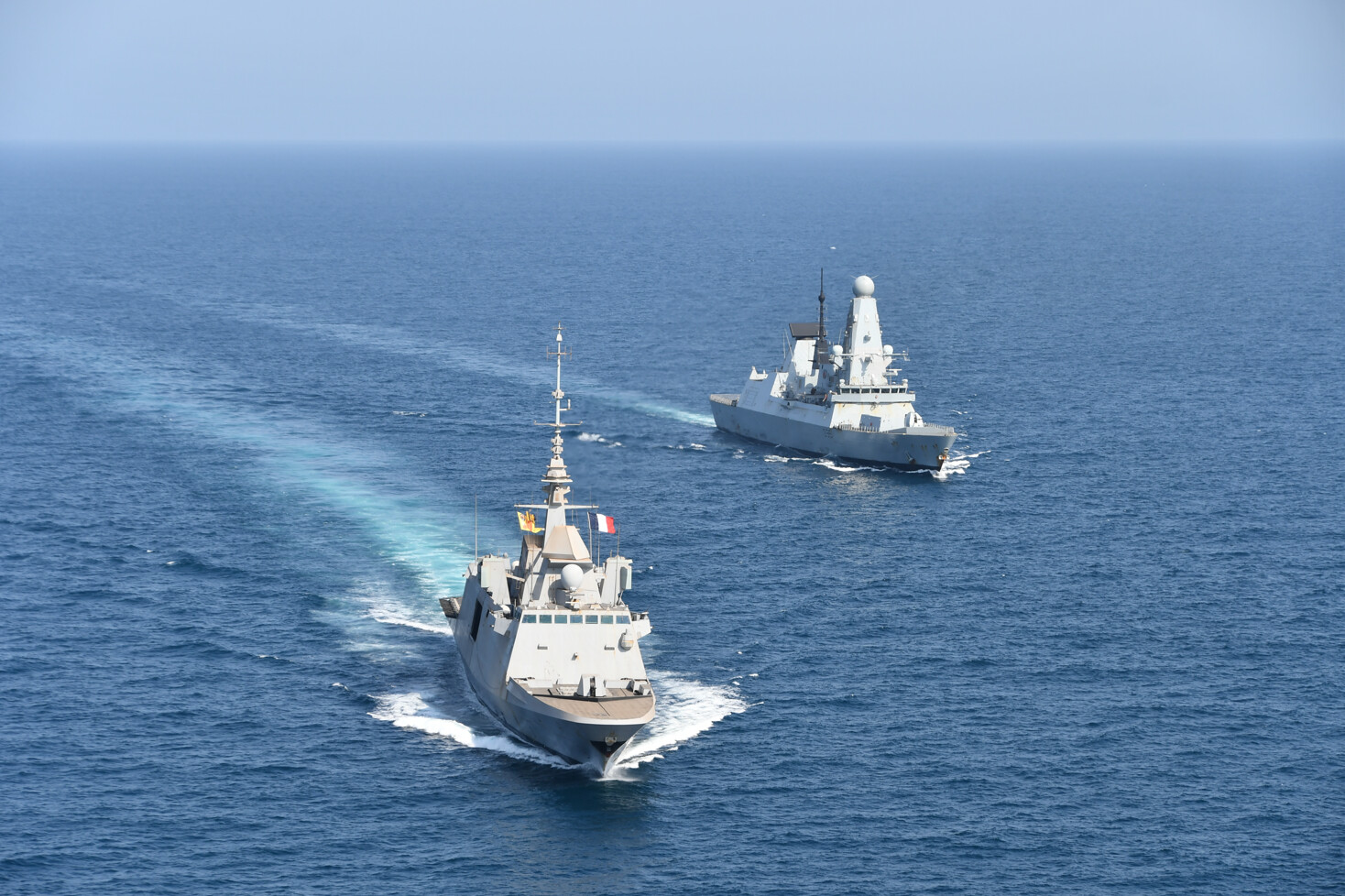
HMS Dragon, a Type 45 air-defence destroyer and the most capable surface combatant in the Royal Navy’s Gulf rotation, returned to Portsmouth on approximately 12 October after a seven-month deployment, and Admiral Sir Gwyn Jenkins, the Head of the Royal Navy, thanked the crew and their families “for their service and sacrifices” without making any announcement about when or whether a replacement would deploy. Dragon’s departure left RFA Lyme Bay — a Bay-class auxiliary dock ship configured as a mine countermeasures mothership, designed to support diving teams and remotely operated vehicles rather than to fight — as the only Royal Navy vessel operating near the Strait of Hormuz.
The arithmetic of Britain’s destroyer fleet explains why no replacement was named, and it is not encouraging. The Royal Navy owns six Type 45 destroyers in total; three are currently in extended overhaul, Dragon just returned from its rotation, and the remaining two must cover standing commitments from the North Atlantic to the Indo-Pacific, a spread that leaves no spare hull for the Gulf without creating a gap somewhere else that the Royal Navy cannot afford to open. France, operating under the same conditional coalition framework, has kept two frigates and two minehunters in the region throughout the crisis — a contrast London has no institutional answer to beyond acknowledging it.
RFA Lyme Bay can host autonomous mine-hunting systems and diving teams, and the UK pledged £115 million in May for mine-hunting drones and counter-drone systems as part of a broader force package that Defence Secretary John Healey announced at a forty-nation virtual summit. But Lyme Bay is not a warship in any sense that applies to what is currently happening in the strait: it cannot shoot down the drones and missiles that are striking tankers, it cannot enforce a maritime exclusion zone, and it cannot provide the area air-defence umbrella that a Type 45 was specifically built to supply — capabilities that the twelve-attacks-per-week tempo now demands and that Britain, for the first time in the crisis, has no asset in the region to deliver.
Why Has the Hormuz Coalition Never Activated?
In April, Prime Minister Keir Starmer and President Emmanuel Macron announced a strictly defensive multinational mission for the Strait of Hormuz that would begin “when conditions allow” — language that, in the briefing documents, meant after a ceasefire between the United States and Iran. In May, Healey pledged the force package at the virtual summit of more than forty nations: HMS Dragon, Typhoon jets, the autonomous mine-hunting systems, and the £115 million in new funding. The activation trigger for that entire apparatus is a ceasefire that does not exist, shows no sign of existing, and cannot materialise under current conditions because Washington has explicitly frozen its Iran posture until after the 3 November midterm elections.
The coalition’s membership record is thinner than its summit attendance suggests. Chatham House noted in a May assessment that only Bahrain and Iraq had formally joined the UK-France declaration as of late April, and that Gulf navies — the forces with the most at stake and the most relevant local capability — had not been given a path into the command structure, a design gap that made the mission look like a Western-led construct offered to the region rather than a shared enterprise that Gulf states might actually crew and operate. Forty defence ministers dialled into the virtual summit; two countries signed the declaration.
For Riyadh, the gap between the communiqué and the operational reality is not abstract — it is measured in the attacks that UKMTO counts every week and the escort capacity that the conditional coalition was supposed to provide but has never delivered. The Makkah defence agreement, activated in early October with Pakistani and Turkish force commitments, was Riyadh’s answer to the same strategic vacuum, but the Makkah pact addresses the air and missile threat over Saudi cities rather than the maritime threat in the Gulf’s shipping lanes, and no regional mechanism has emerged to fill the gap that the Hormuz coalition left by never arriving.
Two Allies, Two Counts, No Agreement
The transit data from the week of approximately 14 October exposed a discrepancy between the two Western institutions that should be jointly managing the Hormuz crisis, and neither side offered to reconcile it. CENTCOM commander Admiral Brad Cooper told reporters that four hundred merchant ships had transited the strait in seven days and declared that “the Strait of Hormuz is controlled by the United States and our regional partners, not Iran.” UKMTO, publishing figures for what appears to be the same period, recorded only 254 transits: 42 tracked by AIS — the automatic identification system that every commercial vessel is legally required to carry — and 212 listed as US-supplied “facilitated transits” that UKMTO stated it “cannot independently verify.”
“The Strait of Hormuz is controlled by the United States and our regional partners, not Iran.”
Admiral Brad Cooper, CENTCOM Commander, October 2026
The gap between 400 and 254 is not a rounding error, it is a disagreement about whether the waterway is functioning at a level that justifies the word “controlled.” Before the conflict, Hormuz handled 130 to 140 ships per day according to Reuters — roughly 910 to 980 per week. At UKMTO’s figure of 254 weekly transits, current traffic is running at approximately 26 per cent of the pre-war level; at CENTCOM’s 400, it reaches roughly 42 per cent. By either count the strait is operating at a fraction of its historical capacity, but Cooper’s framing requires the higher number to be credible, and the Western agency specifically tasked with verifying commercial maritime activity in this region says it cannot confirm it.
Iran’s response to Cooper’s assertion was not defensive but proprietary. IRGC senior adviser Mohammad Reza Naqdi declared the strait “closed” and said Iran’s armed forces maintain “full control,” while the IRGC Navy warned of a “decisive response” to any commercial vessel cooperating with US forces and stated that ships travelling “unauthorised” routes were responsible for their own fate. The IRGC-run Persian Gulf Strait Authority — designated by the US Office of Foreign Assets Control on 27 May — demands advance coordination before any vessel transits, creating a parallel regulatory regime that competes with established international maritime law, and a growing number of shipowners appear to be complying with Iran’s framework by simply not entering the waterway at all.
Can Washington Act Before 3 November?
On 8 October, President Trump answered the question himself: “We will not be attacking Iran at any time prior to the midterm elections.” He told reporters the Hormuz blockade remains “in full force,” a statement that had the unusual quality of acknowledging Iran’s position while simultaneously declaring that the United States would not challenge it militarily for at least twenty-six more days. CENTCOM has turned around 135 ships since the blockade began on 14 July according to CBS News, and Cooper claimed $25 billion in costs imposed on Iran through the US naval blockade plus $350 million in seized Iranian cryptocurrency financing — but none of those figures address the twelve attacks per week that UKMTO is counting inside the strait itself, where the cost is measured in hulls, lives and cargo rather than in sanctions pressure on Tehran.
Tehran has noticed the constraint and is calibrating its rhetoric to exploit it. Acting Defence Minister Majid Ibn Reza warned the United States in language explicitly tuned to the electoral calendar: “Your bombs will explode elsewhere; in your global reputation, the US economy, and even your electoral calculations.” Army commander Abdolrazaq Sayyari reinforced the pressure on 12 October, declaring that Iran would “strike again” if provoked further — a conditional escalation threat delivered at a moment when the condition sits entirely in Iranian hands, because Washington has told the region it will not act until November at the earliest, and Tehran has no reason to believe the calculus changes even then.
For Saudi Arabia, the 3 November line means that neither the American military response nor the American-backed Hormuz coalition will escalate against the source of the maritime attacks for more than three weeks, regardless of what happens to commercial shipping in the interim. Britain’s conditional coalition was supposed to be the European pillar that provided escort and mine-clearing capacity while CENTCOM handled the blockade — but with the American pillar frozen until after the midterms and the British pillar awaiting a ceasefire that no one is negotiating, the twelve weekly attacks that UKMTO records are happening inside a vacuum that both governments have chosen, for different reasons, not to fill.
How Bad Are Hormuz Flows Right Now?
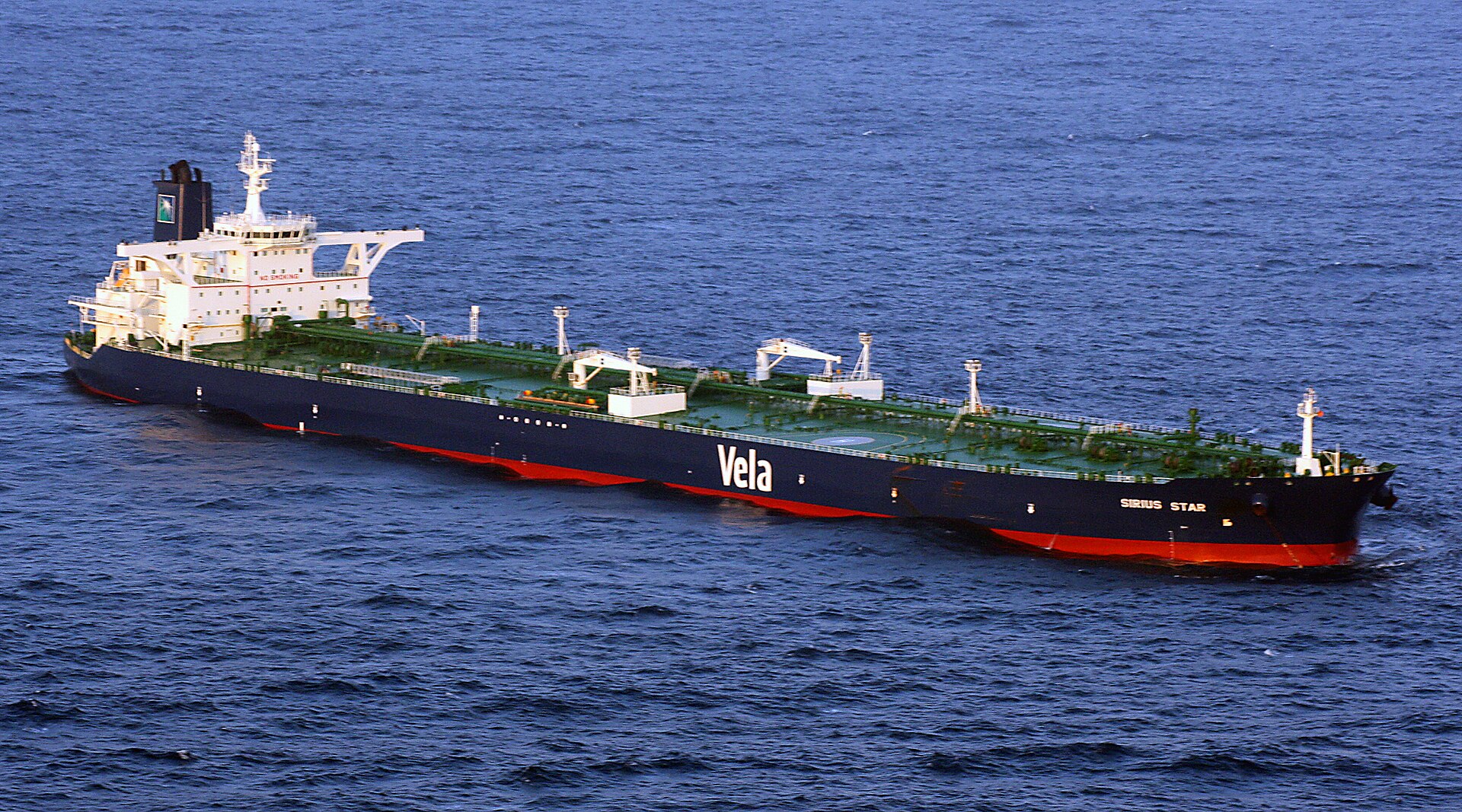
Kpler satellite tracking data cited by Al Jazeera on 17 October put oil flows through Hormuz at 11.6 million barrels per day over the seven days ending 13 October, against a pre-war baseline of 17.1 million barrels per day — a daily shortfall of 5.5 million barrels, or roughly 32 per cent of the volume that once moved through the world’s most consequential maritime chokepoint. Vessel transits have fallen even more steeply, running at approximately 70 per cent below pre-conflict levels according to Iran International’s reading of UKMTO data, which means the tankers still transiting are larger and carrying more crude per hull, concentrating risk on fewer, higher-value targets rather than spreading it across a broader fleet.
The insurance market has priced the strait as a war zone. War-risk premiums peaked at 5 to 10 per cent of hull value per voyage, against a pre-war baseline of 0.25 per cent, and the Joint War Committee of the Lloyd’s Market Association expanded its high-risk designation to cover the entire Persian Gulf — not just the strait, but the waterway behind it. A VLCC carrying crude from the Gulf to China now costs $1.2 million per day to charter, compared with roughly $80,000 per day before the conflict, a fifteen-fold increase that Saudi Arabia’s Asian customers absorb through wider price discounts and extended delivery windows. The US Development Finance Corporation launched a $40 billion reinsurance facility to keep ships moving, with half the risk assumed by the US government, but the facility addresses price rather than physical safety, and the mines and missiles in the waterway do not distinguish between insured and uninsured hulls.
| Indicator | Pre-War Baseline | Current (week ending 13–16 Oct 2026) | Source |
|---|---|---|---|
| Oil flows (barrels per day) | 17.1 million | 11.6 million (68%) | Kpler via Al Jazeera, 17 Oct |
| Daily vessel transits | 130–140 | ~36–57 (disputed) | Reuters; UKMTO/CENTCOM via gCaptain |
| War-risk premium (% of hull value) | 0.25% | 5–10% | Capmad / Lloyd’s List, 8 Oct |
| Gulf-to-China VLCC charter rate (per day) | ~$80,000 | $1.2 million | LSEG via bdnews24, 5 Oct |
| Weekly attacks on commercial vessels | 0 | 12 (UKMTO: undercounted) | UKMTO via Iran International, 16 Oct |
| Cumulative incidents since 28 Feb | — | 135 (76 killed or injured) | UKMTO via Iran International, 16 Oct |
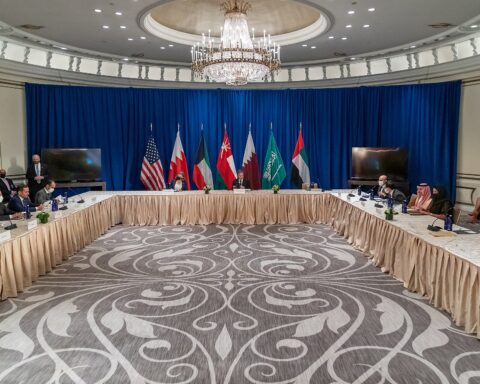
Secretary of State Marco Rubio said the strait is open and oil flows have “nearly recovered” — an assertion the Kpler data does not support at 68 per cent of baseline, and one that sits uneasily beside the JMIC threat assessment, which maintains the second-highest rating of SEVERE for Hormuz shipping. The EU-GCC summit in Riyadh on 24 October will be the next diplomatic venue where these numbers arrive on the table, and the question for every European delegation is whether the data they have seen in UKMTO’s weekly reports obligates them to do something about it or merely to acknowledge that they have read it.
Does the EU-GCC Summit Rescue Maritime Security?
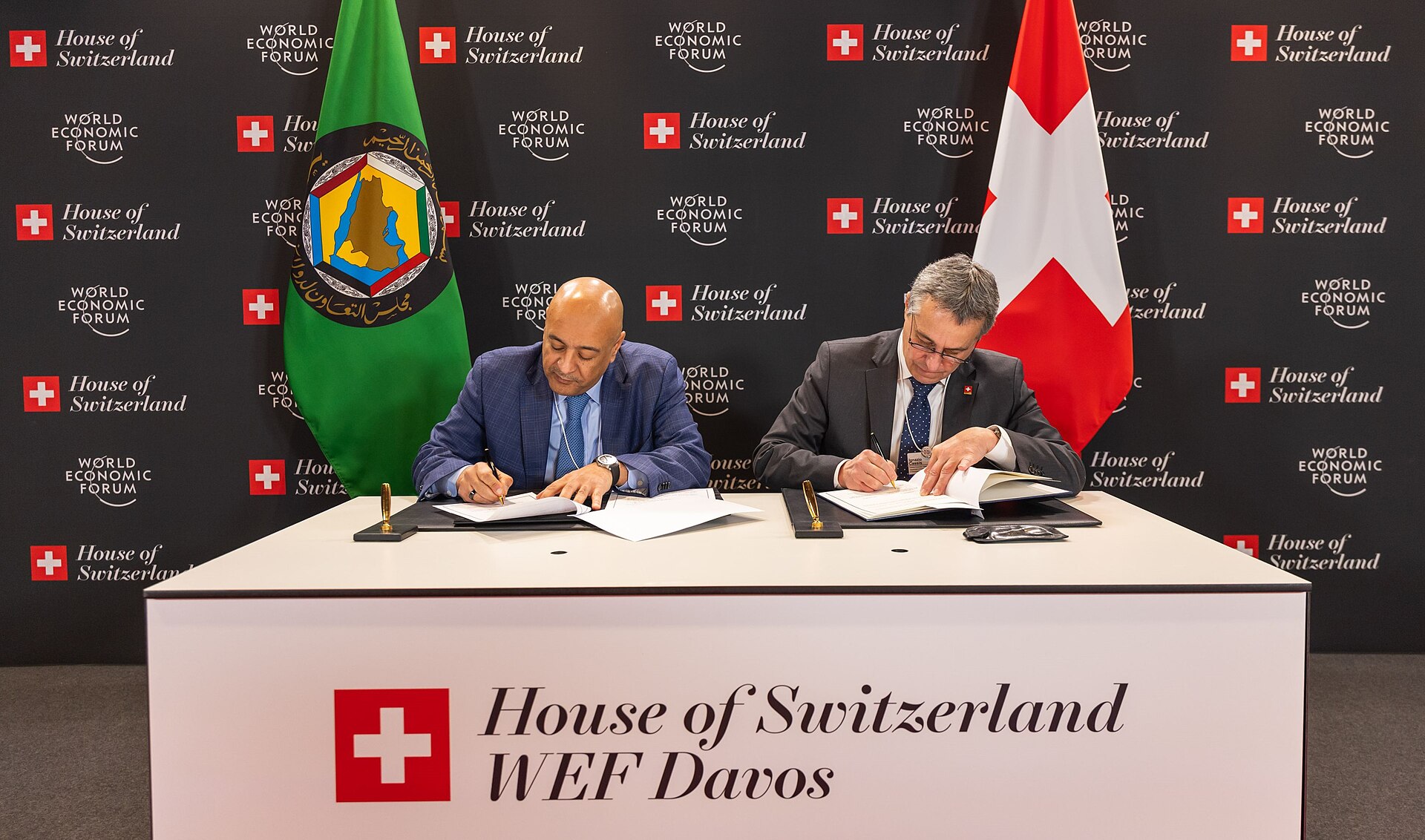
The European Parliament and GCC Speakers issued a joint statement on 16 October that placed maritime security and energy cooperation explicitly on the EU-GCC summit agenda for 24 October in Riyadh, condemned Iranian attacks on Gulf states, and invoked UN Security Council Resolution 2817 — the March resolution that passed 13-0-2, with China and Russia abstaining, affirming the right of free navigation and condemning attacks on Gulf maritime traffic. GCC Secretary-General Jasem Albudaiwi had already described the security of maritime corridors as “a shared imperative” at a September preparatory session, and the economic rationale is hard to dismiss: fuel accounts for more than 75 per cent of all EU imports from the GCC according to European Commission data, which means the strait’s dysfunction is not a Gulf problem that Europe observes from a distance but a supply-chain crisis that arrives at European refineries within weeks of every tanker that turns around.
The summit’s limitation is the same one that has hobbled every multilateral response to the Hormuz crisis since February: the EU can condemn, invoke and declare, but it cannot deploy a naval escort force on a timeline that matches twelve attacks per week. Resolution 2817 affirmed the right of navigation, yet a follow-up Bahrain draft that would have authorised enforcement measures was vetoed by Russia and China on 7 April, and eighty countries subsequently signed a joint statement calling for passage without tolls or conditions — the kind of overwhelming diplomatic consensus that Iran has treated as entirely irrelevant since it established the IRGC-run permit regime and declared the strait closed.
For Riyadh, the summit is useful as a venue to formalise European commitments that have so far existed only as bilateral pledges and press-conference language, and Britain’s strategic dialogue with the GCC earlier this month demonstrated both the appetite for partnership and its limits — long on rhetoric about enduring commitment, short on specific operational pledges. The test on 24 October is whether the summit produces a single new naval commitment to the waterway, or merely another reaffirmation of the conditional framework that has drawn forty signatories, eighty joint-statement endorsers, and zero activated warships.
What Riyadh Will Get From Britain
Britain’s institutional engagement with the Hormuz crisis should not be dismissed, because in several dimensions it is the most substantive European contribution on offer: UKMTO’s weekly data is the most transparent operational picture any Western government publishes on the strait, the RAF Voyager tanker deployed in September extends coalition air-patrol endurance over the Gulf, the mine-hunting drone commitment addresses a genuine tactical gap that no other European ally has offered to fill, and Healey’s May force package was the most detailed pledge any European defence minister made during the crisis. The difficulty — and it is structural, not merely a matter of political will — is that every operational element of that engagement is either conditional on a ceasefire that nobody is pursuing, departed to Portsmouth, pledged but not yet delivered, or so limited in capability that it cannot affect what is happening in the waterway.
Those one thousand British military personnel in the wider region and the RAF tanker overhead exist in a category Whitehall has been careful never to define publicly — present in the Gulf, certainly, but attached to pre-existing operations rather than the Hormuz mission, flying air-patrol support rather than strike or escort sorties, maintaining Britain’s regional footprint without expanding its maritime commitment by a single hull. UKMTO’s weekly data is the thread that connects presence to accountability: every Friday, the most transparent operational picture any Western government publishes on the strait shows in granular detail how much is going wrong, and the longer the count rises without a naval response from London, the harder it becomes to maintain that recording attacks and preventing them are equally credible forms of Gulf engagement.
What Saudi Arabia will receive from Britain, based on the pattern of the past six months, is data, diplomatic support at multilateral forums, intelligence sharing through bilateral and Five Eyes channels, and the quiet institutional machinery of a country that takes the Gulf seriously enough to run UKMTO from Dubai but not seriously enough to keep a warship within range of the strait it monitors. What it will not receive is a Royal Navy vessel with the capability to escort tankers, intercept the drones and missiles that have already reached the supertankers, or enforce a maritime exclusion zone against the IRGC Navy — which is to say, the things that a waterway sustaining twelve attacks per week actually needs from a country that calls itself a Gulf security partner.
HMS Dragon arrived in Portsmouth on approximately 12 October, and the Head of the Royal Navy thanked the crew for their sacrifices without saying what comes next. Four days later, in UKMTO’s Dubai office down the Gulf from the strait that Dragon had spent seven months patrolling, the weekly count went out: twelve vessels attacked, one lost, the true number unknown, and the majority of ships that were hit refusing to report it.
Frequently Asked Questions
What is UKMTO and what does it do?
UKMTO — United Kingdom Maritime Trade Operations — is a Royal Navy-run advisory service for commercial shipping, headquartered in Dubai and operating under British military command. It collects incident reports from merchant vessels, issues navigational warnings, and serves as the primary communication link between commercial shipping and naval forces in the Gulf region. UKMTO does not conduct patrols, escort convoys, or engage hostile forces; its function is intelligence collection and coordination rather than kinetic maritime security, making it an essential but non-combat component of the Western presence in the Gulf.
How many nations committed warships to the UK-France Hormuz coalition?
Despite the May 2026 virtual summit attracting defence ministers from more than forty countries, only Bahrain and Iraq formally joined the UK-France coalition declaration as of late April, according to a Chatham House assessment. Neither country operates a blue-water naval capability sufficient for strait escort or patrol operations. Several Gulf states with substantial navies, including Saudi Arabia and the UAE, have pursued separate bilateral and regional defence arrangements — most prominently the Makkah defence agreement — rather than joining the Western-led coalition structure, a pattern Chatham House attributed in part to Gulf navies not being offered a meaningful role in the coalition’s command framework.
Has Britain deployed the autonomous mine-hunting systems it pledged?
Defence Secretary Healey pledged autonomous mine-hunting drones and counter-drone systems backed by £115 million in new funding at the May 2026 virtual summit, but as of mid-October the specific platforms, deployment locations and delivery timeline have not been publicly confirmed. Britain’s existing mine countermeasures capability in the Gulf relies on RFA Lyme Bay as a mothership, which can host remotely operated vehicles for mine disposal but was designed for operations in lower-threat environments than the current Hormuz theatre, where Iranian mines have been laid under active IRGC naval cover.
What was Iran’s ceasefire roadmap for Hormuz?
Iranian Foreign Minister Abbas Araghchi presented a seven-day roadmap to the United States via Qatari mediation in September 2026, under which Iran would reopen the Strait of Hormuz in return for the US lifting its naval blockade, providing sanctions waivers, and releasing approximately $12 billion in frozen Iranian assets. The Wall Street Journal reported that Trump rejected the proposal, and with Washington’s Iran posture explicitly frozen until after the 3 November midterm elections, no diplomatic framework currently exists for Hormuz de-escalation — a vacuum that Iran’s acting defence minister has publicly acknowledged and calibrated Iranian policy around.