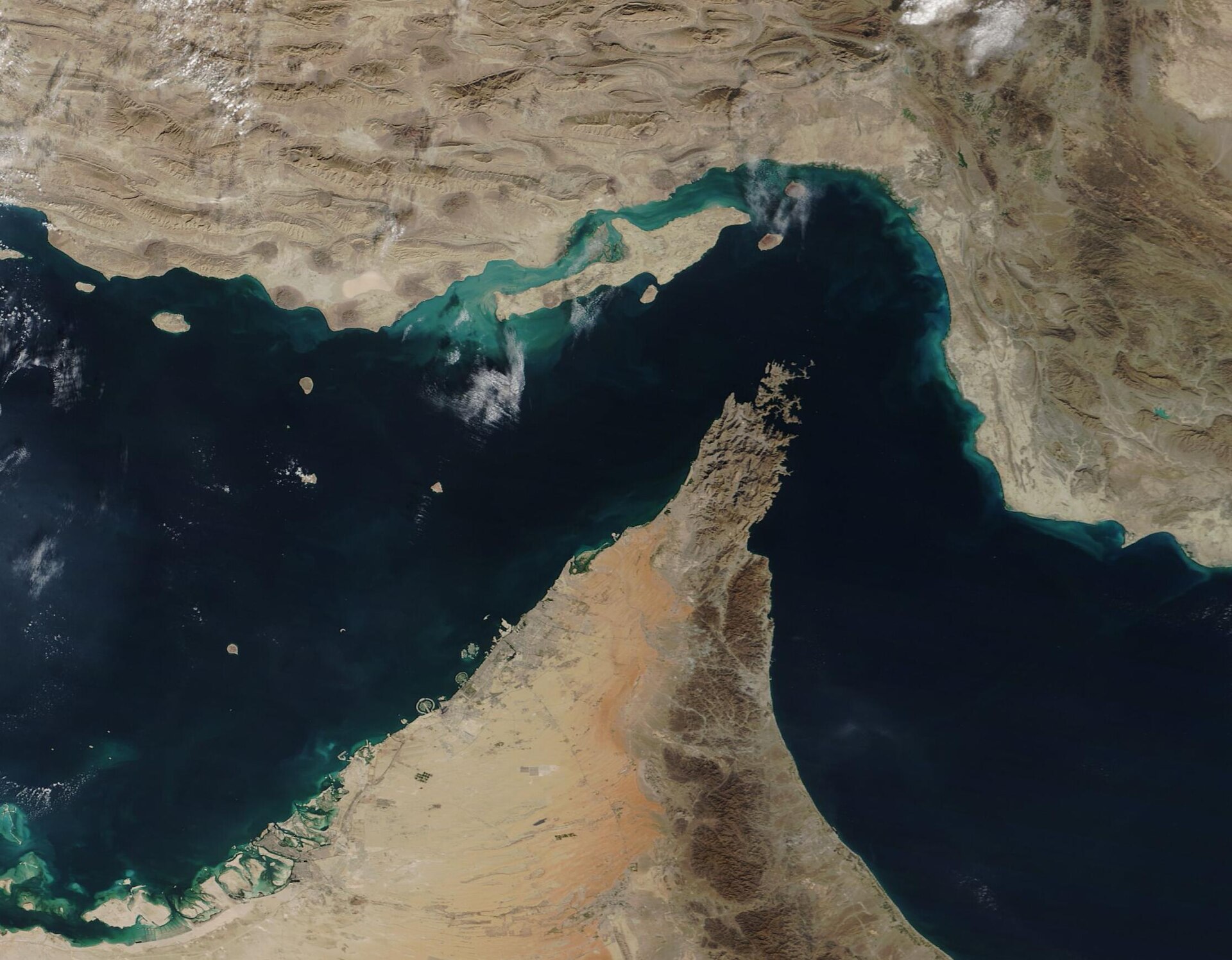

TEHRAN — Iran suspended all US-mediated MOU negotiations on June 1 and declared through its IRGC-affiliated Tasnim News Agency that the resistance front has resolved to activate Bab al-Mandab alongside the existing Hormuz blockade. Seventy to 75% of Saudi Arabia’s Yanbu crude exports — the bypass Riyadh built after Hormuz closed — must transit the strait Iran just named.
The announcement eliminates two assumptions simultaneously: that a deal was weeks away, and that Saudi Arabia had a functioning bypass for the crude that can no longer transit Hormuz. WTI surged more than 7% to above $94 per barrel within hours, but the price spike obscures a structural problem: Riyadh’s PIF-inclusive fiscal breakeven sits at $108-111 per barrel and liquid reserves are at a six-year low. There is no third artery.
Table of Contents
What Iran Said
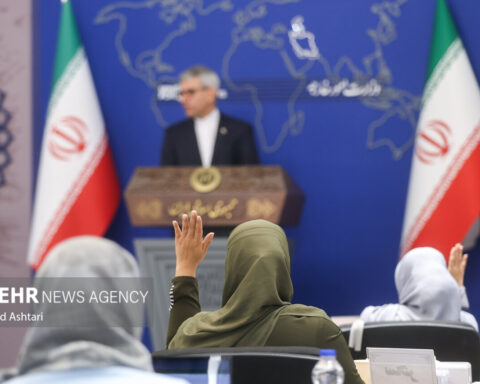
The suspension came through Tasnim, not through Foreign Ministry spokesperson Esmail Baghaei, who had spoken earlier the same day about engaging Washington with “distrust” over its “contradictory positions and Israel’s attacks on Lebanon.” Tasnim’s statement was explicit: “The Iranian negotiating team is suspending dialogues and exchange of texts through mediators… Lebanon was one of the preconditions for the ceasefire and this ceasefire has now been violated on all fronts, including Lebanon.” The phrase “through mediators” is load-bearing — it kills the Oman channel and the Pakistan courier simultaneously without formally closing a hypothetical direct line that never existed in practice.
“The resistance front and Iran have resolved to completely block the Strait of Hormuz and activate other fronts including the Bab al-Mandeb Strait, in order to punish the Zionists and their supporters.”
— Tasnim News Agency (IRGC-affiliated), June 1, 2026
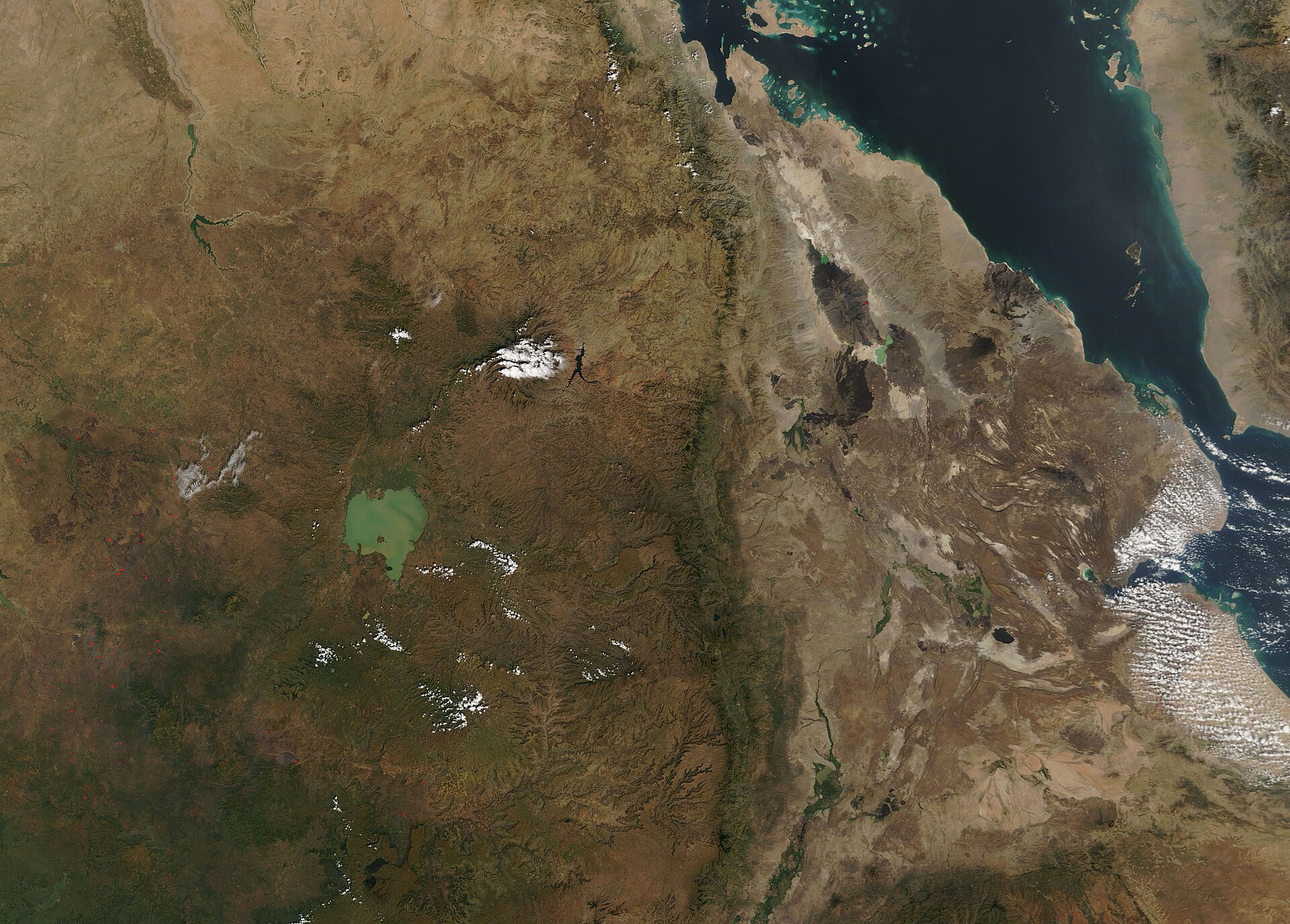
This is the first time Iran has publicly elevated Bab al-Mandab from a Houthi operational theatre to a unified resistance-front policy objective, framed not as a threat but as a resolution already taken. Former Foreign Minister Ali Akbar Velayati had previously described Bab al-Mandab as being “viewed by the unified command of the resistance front in the same strategic terms as the Strait of Hormuz,” but that was background positioning — June 1 converts it to announced doctrine.
The Middle East briefing 3,000+ readers start their day with.
One email. Every weekday morning. Free.
Mohammad Bagher Ghalibaf, Iran’s top negotiator, had signaled the collapse hours earlier. “The US blockade of Iran’s ports and Israel’s war in Lebanon are clear evidence of the US’ noncompliance with the ceasefire,” he said — language that pre-positioned the Lebanon trigger before Netanyahu’s Dahieh strike order gave Iran the specific event it needed. The trigger matters less than the channel: Tasnim is IRGC-affiliated, and the IRGC — not the diplomatic track — has been running a parallel text to the MOU since at least late May.
Why Did Iran Choose Tasnim Over the Foreign Ministry?
Channel selection is policy in Tehran. When the MFA’s Baghaei spoke on June 1, he used calibrated diplomatic language about “distrust” and “contradictory positions” — the vocabulary of a negotiator who expects to return to the table. When Tasnim published the suspension hours later, it used the vocabulary of a command structure that has already decided. The gap between those two statements is the gap between Araghchi’s foreign ministry and Mojtaba Khamenei’s IRGC-aligned decision apparatus, the same constitutional split that has defined Iran’s dual-track posture throughout the war.
The Lebanon framing gives Iran something the nuclear impasse never could: a clean diplomatic re-entry path. Iran’s conditions for resuming talks — “full Israeli withdrawal from Lebanon and cessation of all attacks in Gaza and Lebanon,” per Euronews — are demands that cost Iran nothing to make and nothing to waive. If Netanyahu de-escalates in Lebanon for his own reasons, Iran can resume negotiations without having conceded anything on enrichment, HEU stockpiles, or Hormuz sovereignty — the actual sticking points that killed the MOU draft. If he does not, Iran collects $2 million per transit through the PGSA each day the talks remain frozen, the same toll architecture that has been generating revenue since the blockade began.
Saudi Arabia’s diplomatic tools cannot reach the decision-maker. Riyadh’s channels run through the foreign ministry — four Bin Farhan-Araghchi meetings, the MBS-Pezeshkian Eid exchange — but Mojtaba Khamenei holds MOU ratification authority from an underground bunker, communicates by motorcycle courier, and answers to a constitutional process — and a set of eight personal conditions for the MOU, reported by Iran International — that Saudi Arabia has no access to at any point. The MOFA has been silent since Bin Farhan’s May 20 statement calling for Hormuz to be restored “to the state prior to February 28th 2026,” has issued no response to the June 1 suspension, and now faces the prospect that the export route it built to survive Hormuz depends on a chokepoint Riyadh cannot negotiate over.
How Exposed Is Yanbu?
Before the war, Yanbu loaded 1.3-1.4 million barrels per day — a secondary terminal behind Ras Tanura and Ju’aymah on the Persian Gulf coast. By March 2026, with Hormuz under Iranian blockade, Yanbu loadings had surged to a record 3.8 million barrels per day, the single largest Saudi logistical adjustment since the East-West Pipeline was built in the 1970s. The 1,200-kilometer Petroline from Abqaiq was pushed to an expanded nameplate capacity of 7 million barrels per day after associated NGL pipelines were converted to crude service, though Yanbu’s port terminals cap actual throughput at approximately 4.5 million barrels per day. The Petroline’s pipeline-to-port gap — seven million barrels from Abqaiq against three to four million that Yanbu can physically load — defines the hard ceiling on Saudi export capacity regardless of what happens at Bab al-Mandab.
The problem is where those barrels go after they leave Yanbu. According to ORF Middle East’s double-chokepoint analysis, 70-75% of Yanbu’s crude exports must transit Bab al-Mandab to reach Asian customers — the same buyers (India, China, South Korea) who take the majority of Saudi crude and who have no alternative receiving route that avoids either Bab al-Mandab southbound or Hormuz eastbound. There is no Pacific-facing Saudi pipeline, no deepwater Indian Ocean port, and no overland route that bypasses both straits. Saudi Arabia borrowed against a budget that assumed Yanbu worked; Iran just identified the single point of failure in that assumption.
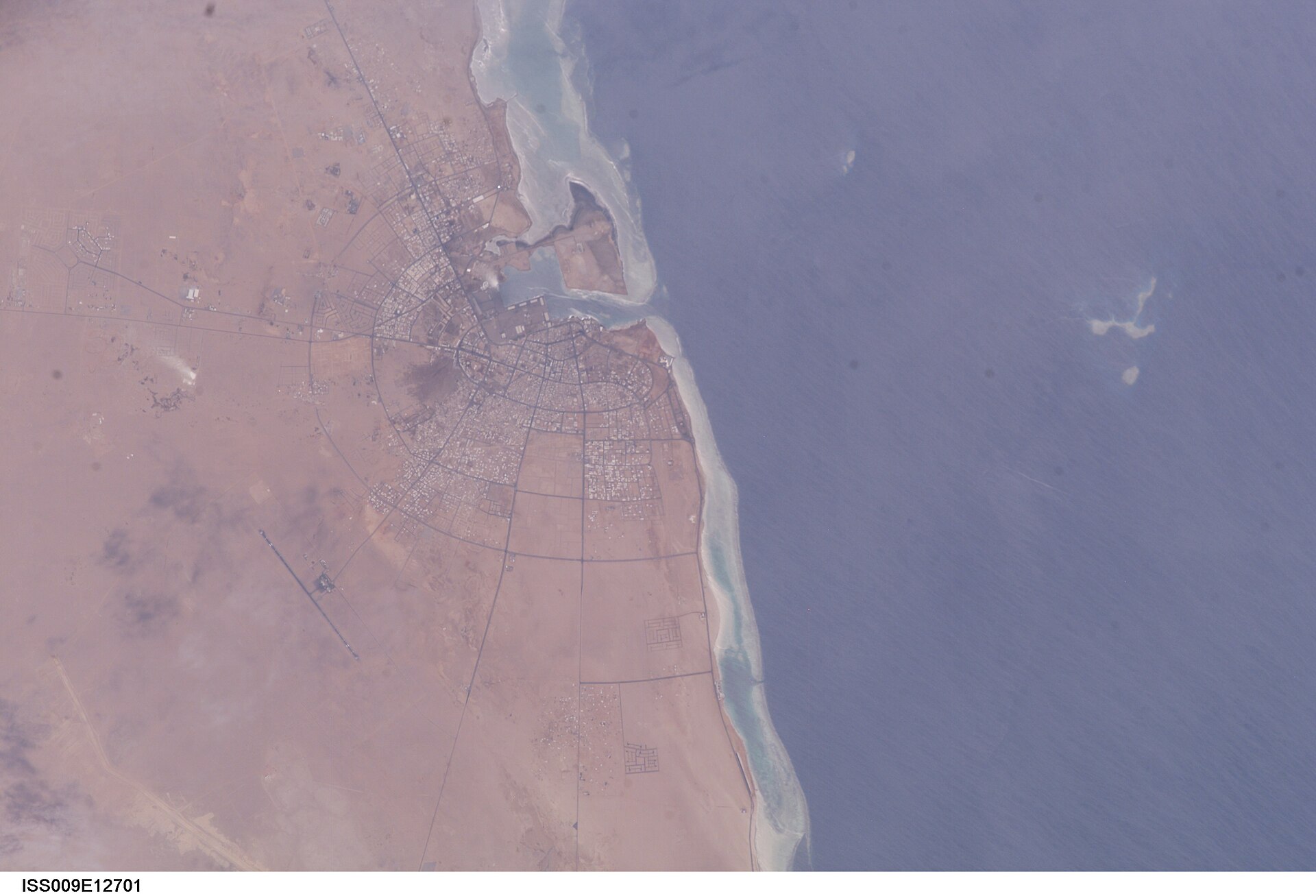
The physical vulnerability is not hypothetical. On March 19, 2026, an Iranian drone struck the Samref refinery at Yanbu — the first direct hit on Saudi Red Sea energy infrastructure in the history of the conflict — and though Aramco described the damage as having “minimal impact,” the strike demonstrated that Iran can reach Yanbu directly, not just threaten its downstream chokepoint. On April 9, a second Iranian drone hit an East-West Pipeline pump station and reduced throughput by 700,000 barrels per day for three days before repairs were completed.
The Cape Is Not a Bypass
The standard response to chokepoint disruption is re-routing via the Cape of Good Hope, and the standard rebuttal is arithmetic. Each VLCC round trip via the Cape adds 10-14 days of sailing time and $1.2-1.8 million in additional fuel costs — enough to pay a 20-person tanker crew for a year — before war-risk insurance premiums that Howden Re described in April 2026 as having shifted to “voyage-by-voyage,” meaning annual cover no longer exists for Gulf-loading vessels. At the peak of the 2023-24 Houthi campaign, additional war-risk premiums reached 0.7-1% of vessel value; a modern VLCC insured at $120 million would carry $840,000 to $1.2 million in additional premium per transit on top of the fuel surcharge.
Saudi Arabia exports roughly 6-7 million barrels per day. Of the 3.8 million currently routed through Yanbu, approximately 2.7-2.85 million barrels per day are Bab al-Mandab-dependent — a Houthi-scale disruption would strand that volume behind a pricing wall where the re-routing surcharge, applied across the full VLCC fleet, would cost customers hundreds of millions of dollars per month in additional transport costs that compress the netback price Aramco can charge. Those costs compress it at the worst possible moment: Brent closed May 29 at $91.37, already $17-20 below the $108-111 breakeven that includes PIF dividend commitments payable June 9.
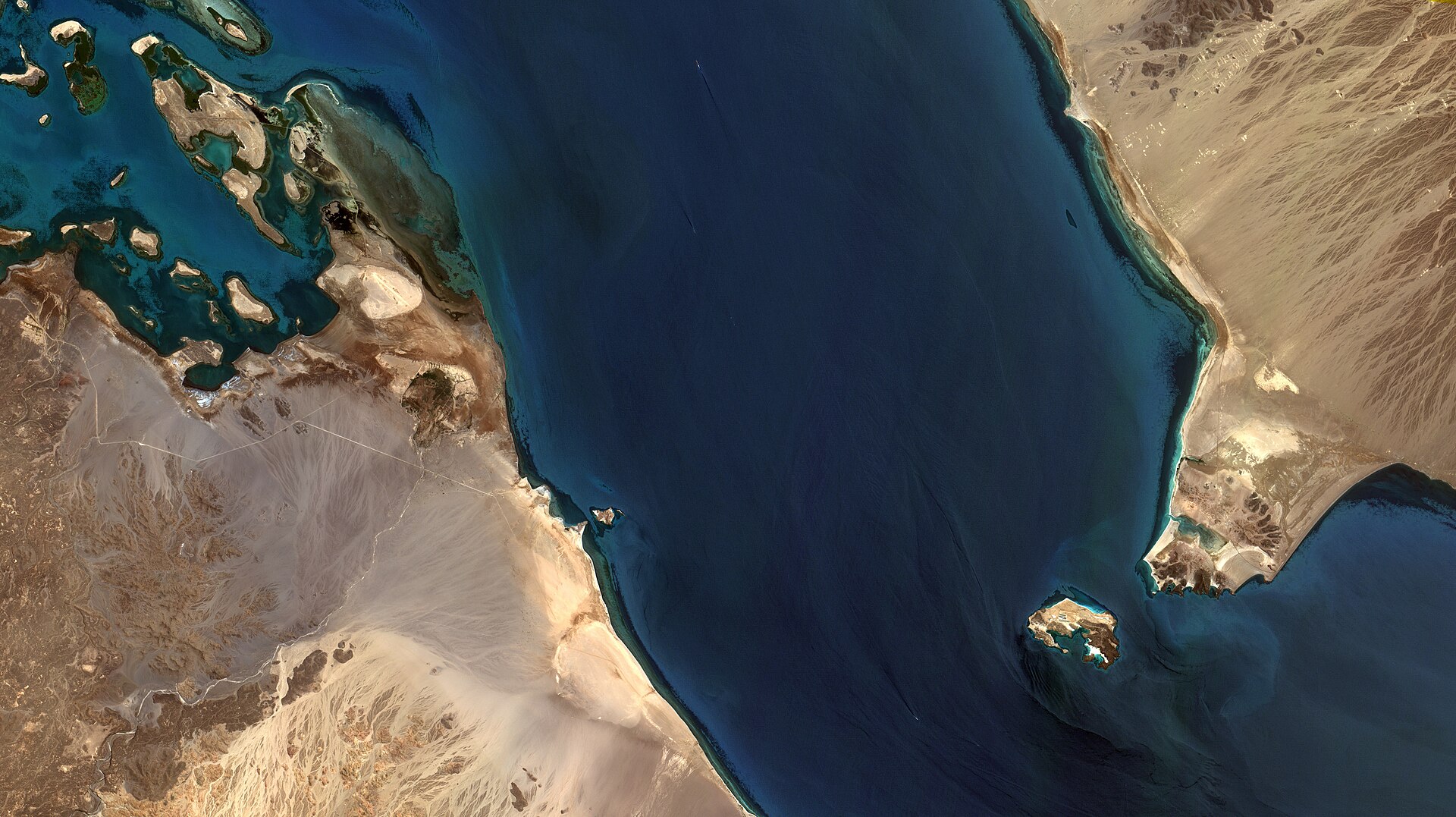
Bab al-Mandab carries approximately 4.2 million barrels per day of crude and petroleum liquids in normal conditions, according to the IEA, and current traffic through the strait has not recovered from the 2023-24 Houthi campaign — UKMTO vessel movement data shows roughly 20 transits per 24 hours, approximately 80-85% below the pre-2023 baseline. A combined Hormuz and Bab al-Mandab disruption threatens $10 billion per day in global trade, blocking roughly 30% of global container shipping and 22% of global oil supply, per ORF’s analysis. The Joint War Committee downgraded Bab al-Mandab from CRITICAL to MODERATE on May 5, 2026, but that assessment preceded Iran’s June 1 announcement by four weeks.
Can Saudi Arabia Absorb a Second Chokepoint?
The fiscal math does not leave room for a second export disruption. Saudi Arabia’s Q1 2026 deficit of SAR 125.7 billion ($33.5 billion) consumed 76% of the full-year deficit target of SAR 165 billion in 90 days, a burn rate that Goldman Sachs has since revised to a projected $80-90 billion full-year deficit representing 6 to 6.6% of GDP. Aramco’s base dividend of $21.89 billion is payable on June 9 — eligibility date June 1, the same day Iran suspended talks — and Q1 free cash flow of $18.6 billion already failed to cover it at a 0.85x ratio. PIF liquid cash sits at $15 billion, a six-year low at 1.6% of assets under management, and the National Debt Management Center is at approximately 90% of its borrowing capacity.
Saudi Arabia has 80-150 PAC-3 interceptors remaining after expending 2,400 rounds in 38 days of conflict — roughly 1.3 to 2.4 days of full-intensity coverage — and has received no Section 36(b) emergency waiver from Washington despite a $142 billion arms relationship. The air defense deficit and the fiscal deficit are now the same structural failure: a country that cannot protect its own airspace from Iranian drones that have already hit Yanbu twice also cannot protect its revenue from an Iranian chokepoint strategy that targets the export route it built to survive the first one. Camden, Arkansas, produces 620 PAC-3 rounds per year; Saudi Arabia’s 730-round order has an 18-month delivery floor that extends well past the point at which Q1 burn rates exhaust the remaining fiscal buffers.
The silence from Riyadh is itself data. Saudi Arabia endorsed diplomacy, went silent, and now faces the collapse of the diplomatic track it endorsed without having secured either a military hedge or a fiscal cushion sufficient to absorb what comes next: every day the talks remain suspended, Iran collects PGSA revenue from Hormuz transits while Saudi Arabia’s Q1 burn rate continues against a shrinking base of exportable barrels that can reach paying customers.
Background
The Houthi Red Sea campaign of 2023-2025 demonstrated that Bab al-Mandab can be functionally closed without a single mine or naval vessel. Houthi forces conducted approximately 150 attacks on commercial vessels in 2024, driving additional war-risk premiums to 0.7-1% of vessel value and triggering mass re-routing via the Cape of Good Hope that reduced strait traffic by 60-65% below baseline. The campaign paused in November 2025 following the Gaza ceasefire, with only seven commercial attacks recorded in all of 2025 — a strategic recalibration that preserved capability while reducing international pressure.
On March 14, 2026, fifteen days after the Iran-US war began, the Houthis declared “Hour Zero” — a formal operational alignment with Iran that the Stimson Center described as the most significant Houthi strategic repositioning since their 2014 takeover of Sana’a. The declaration signaled involvement but did not immediately produce Bab al-Mandab-scale operations, and Iran’s June 1 announcement elevates that alignment from latent to declared. The East-West Pipeline, built in the 1970s as a 1,200-kilometer link from Abqaiq to Yanbu, was originally designed as a strategic hedge against exactly this scenario — Gulf closure — but it was never designed to function as the sole export artery for a country that produces 9-10 million barrels per day, and its emergency conversion to maximum capacity in 2026 left no redundancy margin for the threat that just materialized at the other end.
No complete closure of Bab al-Mandab has occurred in modern history. The 2023-24 Houthi campaign functioned as a partial closure, reducing commercial traffic by roughly two-thirds at its peak before the November 2025 Gaza ceasefire recalibration. Iran’s June 1 statement — framing Bab al-Mandab as a unified resistance-front objective rather than a Houthi theatre — represents a qualitative shift from proxy disruption to declared state policy.
Frequently Asked Questions
Has Iran activated Bab al-Mandab operations or only announced intent?
As of June 1, this is an announced policy resolution, not a confirmed operational activation. The Tasnim statement described what “the resistance front and Iran have resolved to” do, using future-oriented language, and the Houthis have not yet resumed the scale of Red Sea attacks seen in 2024. The gap between announcement and execution could be days or weeks, but the shipping and insurance markets will not wait for kinetic confirmation — Howden Re had already moved Gulf coverage to voyage-by-voyage pricing before June 1, and a JWC re-listing of the Bab al-Mandab area as CRITICAL would trigger immediate premium surges and route diversions regardless of whether a single vessel has been attacked.
Can Saudi Arabia redirect Yanbu exports to customers that do not require Bab al-Mandab transit?
Mediterranean and European customers can receive Yanbu crude via the Suez Canal northbound, avoiding Bab al-Mandab entirely, but Europe takes only 10-12% of Saudi exports. Saudi Arabia’s Asian customers — India at 17-18%, China at 15-17%, South Korea at 8-9%, and Japan at 8-9% — account for roughly half of total exports and have no route from Yanbu that avoids either Bab al-Mandab southbound or Hormuz eastbound. No overland alternative exists: the Trans-Arabian Pipeline (Tapline) to Lebanon’s Sidon has been defunct since 1990, and the Iraq-Saudi IPSA pipeline was severed during the 1990 Gulf War and never restored.
What would a combined Hormuz and Bab al-Mandab closure mean for global oil supply?
The scenario has no modern precedent. The closest analogue is the 1973 Arab oil embargo, which removed approximately 7% of global supply and quadrupled prices over six months; a dual-chokepoint disruption would affect more than three times that volume simultaneously. The partial buffer that did not exist in 1973 — strategic petroleum reserves of approximately 1.2 billion barrels across IEA member states — would provide weeks of demand cover at best, not months, and cannot substitute for the 30% of container shipping that moves through those two straits and has no reserve equivalent.
What would Iran need to see to resume negotiations?
Iran’s stated threshold — full Israeli withdrawal from Lebanon and cessation of attacks in Gaza, per Euronews — is a demand Tehran can move any time it chooses. The structural preconditions Iran has not stated publicly are the harder ones: the eight conditions Mojtaba Khamenei attached to the MOU draft, per Iran International, include Hormuz sovereignty recognition and a ban on US naval presence in the Gulf — neither of which Washington has agreed to discuss. The Cairo Agreement precedent (September–November 2025) collapsed after ten weeks on the same sovereignty language, suggesting that even a Lebanon de-escalation would not resolve the issues that have blocked every prior framework. On June 1, Iran formally invoked the Lebanon clause as legal grounds for suspending all MOU talks — converting a long-standing precondition into an active tripwire, with the restart key now held by Netanyahu, not Washington or Riyadh.
How quickly could Houthi forces resume Red Sea operations at 2024 scale?
The 2025 pause was a strategic decision, not a capability constraint. Houthi forces struck Israeli soil 125 times between January and November 2025, per UN Panel of Experts figures, while conducting only seven commercial shipping attacks in the same period, demonstrating that the reduction in Red Sea activity reflected targeting priorities rather than degraded capacity. Ansar Allah’s “Hour Zero” declaration on March 14, 2026, formally re-aligned Houthi operations with Iranian strategic objectives, and the infrastructure for anti-shipping operations — coastal radar, drone launch sites, ballistic missile stocks — was never dismantled during the pause. Western intelligence assessments cited by the Stimson Center have consistently noted that Houthi anti-ship capabilities expanded during the 2025 lull through Iranian resupply via Omani and Somali channels.