RIYADH — Donald Trump posted on Truth Social on June 11 that an Iran deal had been “approved by all parties involved, including the United States, Israel, Saudi Arabia, UAE, Qatar, Turkey, Pakistan, Bahrain, Kuwait, Jordan, Egypt, and others.” The post simultaneously announced the cancellation of imminent U.S. strikes on Iran — strikes that NBC News reported were approximately three hours from launch. Within the same window, Iran’s Khatam al-Anbiya Central Headquarters declared the Strait of Hormuz universally closed to all vessel traffic, and CENTCOM confirmed it shot down two Iranian attack drones targeting commercial ships in the strait.
Iran’s Foreign Ministry spokesman Esmail Baghaei called reports of a finalized agreement “merely speculation.” Netanyahu’s office stated that Israel was “not a party to the memorandum of understanding.” Saudi Arabia’s Ministry of Foreign Affairs — which has not confirmed a single contact between Foreign Minister Prince Faisal bin Farhan and either Secretary of State Rubio or Foreign Minister Araghchi in June 2026 — has issued no statement of any kind regarding Trump’s claim that Riyadh approved a deal negotiated in rooms it never entered.
Table of Contents
- What Did Trump Claim — and How Close Were the Bombs?
- Iran’s Response: Speculation, Not Agreement
- Why Did Israel Say ‘Not a Party’ While Saudi Arabia Said Nothing?
- Hormuz Closed the Same Night the Deal Was Announced
- How Does the 2015 JCPOA Precedent Apply?
- What Does Attribution Cost When Sadara’s Grace Period Expires in 72 Hours?
- 105 Days Outside Every Negotiating Room
- June 22 and the Absent Approver
- Frequently Asked Questions
What Did Trump Claim — and How Close Were the Bombs?
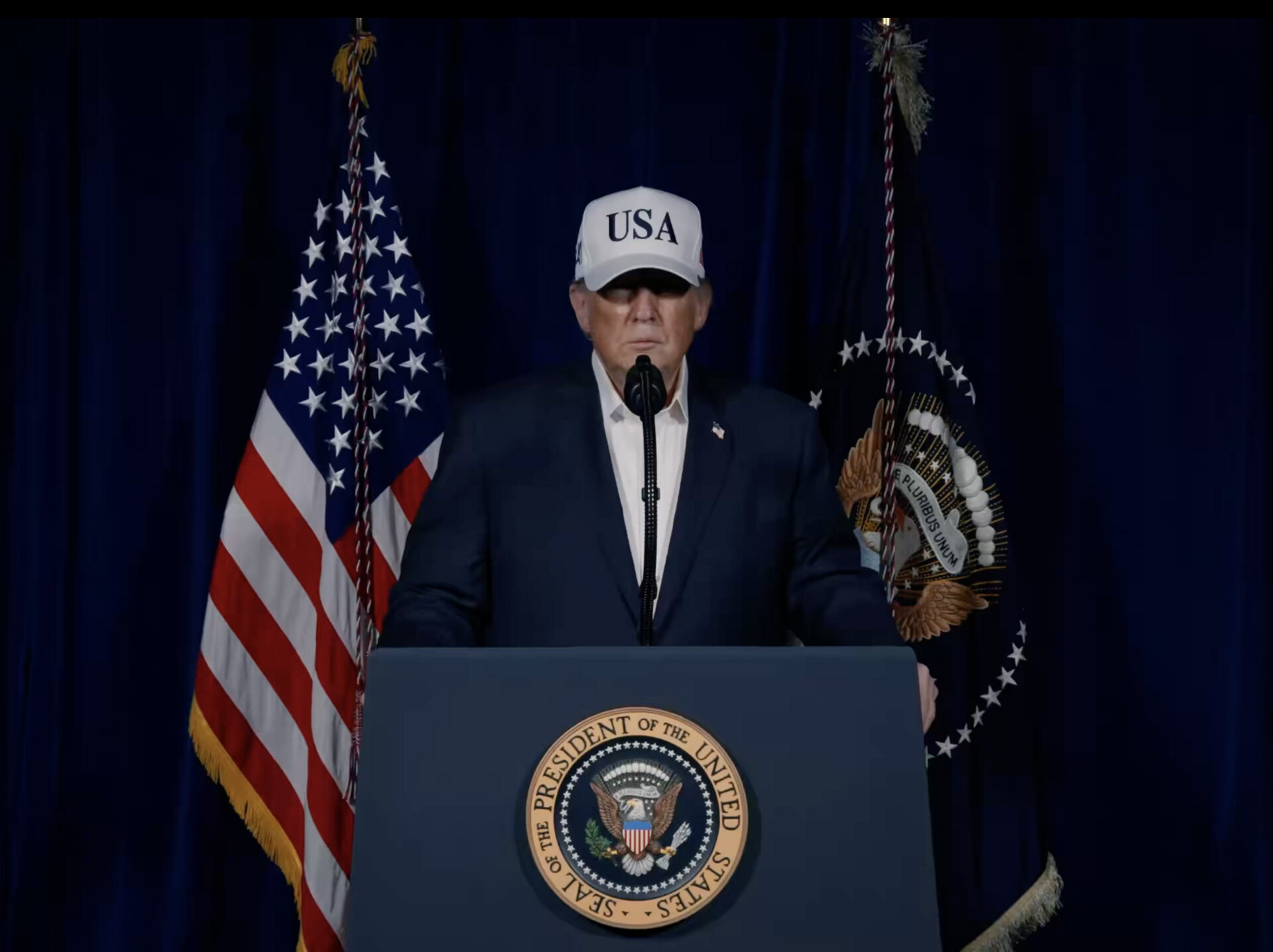
Trump’s Truth Social post on the evening of June 11 contained two interlocking claims. The first was procedural: “Based on the fact that discussions with the Islamic Republic of Iran have been brought to the highest level of Iranian leadership and approved, I have, as President of the United States of America, cancelled the scheduled strikes and bombings against Iran this evening.” The second was an attribution of multilateral consensus — the deal had been “approved by all parties involved,” followed by a list of twelve named countries and an unspecified number of “others.”
The list — the United States, Iran, Israel, Saudi Arabia, UAE, Qatar, Turkey, Pakistan, Bahrain, Kuwait, Jordan, and Egypt — applied the word “approved” uniformly. No distinction was drawn between parties that had negotiated terms, parties that had been consulted, and parties that had merely been informed. Saudi Arabia, which has held no seat in any of the three active mediation tracks for 105 days, received the same word as Qatar — which has been running one of those tracks and extended a $6 billion credit line to Iran on May 25.
“Based on the fact that discussions with the Islamic Republic of Iran have been brought to the highest level of Iranian leadership and approved, I have, as President of the United States of America, cancelled the scheduled strikes and bombings against Iran this evening.”
Donald Trump, Truth Social, June 11, 2026
The HOS Daily BriefThe Middle East briefing 3,000+ readers start their day with.
One email. Every weekday morning. Free.
NBC News reported that the U.S. military was approximately three hours from launching strikes when Trump issued the post. The deal claim and the stand-down order arrived inside the execution window of a kinetic operation. At an Alabama tele-rally later that evening, Trump told supporters: “Today we settled up with Iran. We made a great deal.” He told reporters in the Oval Office that he expected a signing “over the next few days.” No text, framework document, or signatory list has been released.
The sequence within the post matters. Trump did not announce a deal and then separately cancel military operations. He linked them syntactically: the cancellation was presented as a direct consequence of the approval. Every named party, including Saudi Arabia, was grammatically attached to both the deal and the military stand-down in a single compound sentence published to a social media platform.
Iran’s Response: Speculation, Not Agreement
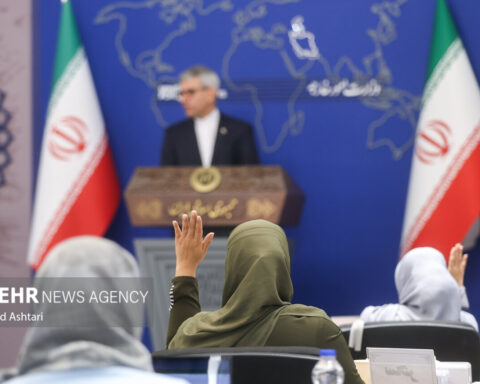
Iran’s formal position arrived within hours through multiple channels. Baghaei, speaking through IRNA and subsequently reported by Axios and NBC News, said Tehran had “not yet made a final decision on any deal.” He called reports of a finalized agreement “merely speculation.” But his denial contained an embedded accusation: “A large portion of the text had already been finalized, but the Americans kept changing their positions. Iran has proven that it does not compromise on what it has defined as its red lines.”
By attributing the deal’s incompletion to American inconsistency, Baghaei folded every party Trump listed as an “approver” into Washington’s negotiating failures. Saudi Arabia — which has confirmed neither that it saw a text nor that it endorsed one — is named by Washington as an approver and by Tehran as associated with an unfinished framework. The kingdom occupies a position in both narratives without having authored either.
The IRGC-affiliated Tasnim News Agency offered a separate frame: Trump “had announced an imminent deal 38 times in the last two months, and until Iran announces an agreement, any Trump statement should be considered similarly to the past ones.” The IRGC itself characterized Trump’s claim that he canceled strikes at Iran’s request as “a cover to escape war” — rejecting not just the deal’s finality but the premise that any military operation had been genuinely planned against Iran.
Baghaei’s dual framing — denial of finality, attribution of failure to Washington — creates different exposures for each named party. Israel publicly distanced itself within hours. Iran publicly denied the deal’s existence. Both placed positions into the diplomatic record that constrain future interpretations of their role. Saudi Arabia, named in the same sentence, has not placed any position into any record — diplomatic, media, or public. As of June 12, the kingdom’s response to being named among the deal’s approvers consists of the same silence that has characterized its broader posture throughout the conflict.
Why Did Israel Say ‘Not a Party’ While Saudi Arabia Said Nothing?
Netanyahu’s office responded to Trump’s Truth Social post with a formulation that accomplished more than most diplomatic communiques: Israel was “not a party to the memorandum of understanding.” The phrase was not a denial that a deal existed, nor a criticism of the negotiation, nor a rejection of the framework’s objectives. It was a legal distancing — a declaration of non-participation in whatever Trump was describing. A senior Israeli official elaborated to Channel 12: “To the best of our knowledge, Mojtaba Khamenei has not yet approved the agreement, and we are not aware of any finalized framework document.”
Israel’s response was layered. The official statement — “not a party” — established institutional position without creating obligations or endorsements. The Channel 12 briefing planted substantive factual claims — Mojtaba has not approved, no finalized document exists — into the media record through attribution to a named-level source. The formulation “not a party to the memorandum of understanding” was available to any of the twelve named governments. Within 24 hours of Trump’s post, only Israel had deployed it.
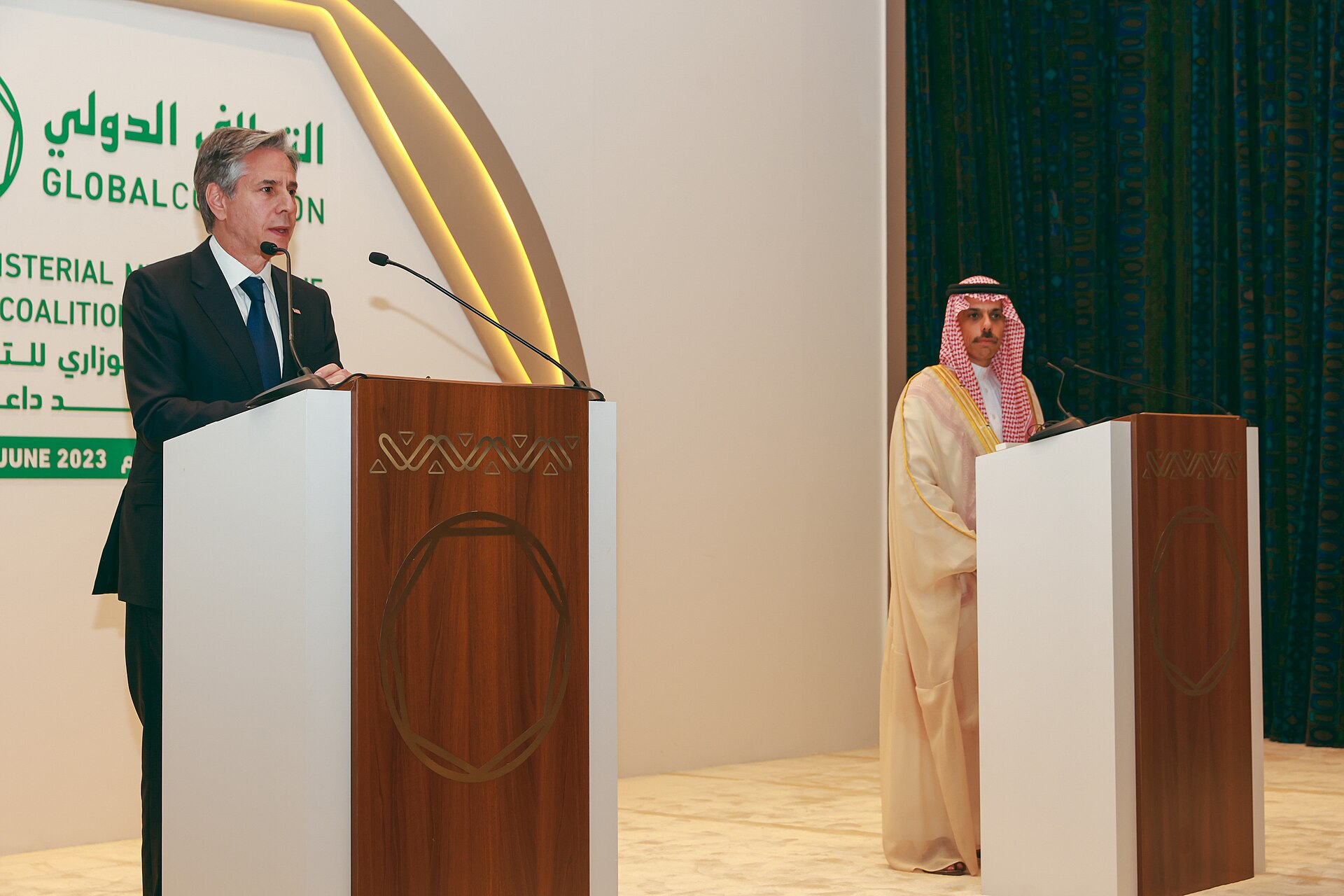
Saudi Arabia’s Ministry of Foreign Affairs has issued no equivalent statement, no alternative formulation, and no background briefing through Saudi-aligned outlets. Al Arabiya, Al Hadath, and the Saudi Press Agency carried coverage of Trump’s deal announcement without any Saudi government response attached. Prince Faisal bin Farhan, whose most recent confirmed contact with Secretary Rubio dates to January 2026, has not been quoted, paraphrased, or cited on background by any outlet — Saudi, American, or Gulf — regarding the June 11 attribution.
That broadcast asymmetry is the subject of a separate analysis. How Al Arabiya fills the MOFA’s silence on the Iran deal — carrying deal coverage that carries implicit Saudi endorsement while the Foreign Ministry issues nothing — examines the gap between what Saudi state media broadcasts and what Saudi diplomats will confirm.
Israel’s ability to respond quickly rested on access. Israeli officials could assess the deal’s status because Israel maintains direct channels to the Trump administration and, through intermediaries, to Iranian diplomatic counterparts. The Channel 12 briefing contained specific operational intelligence — that Mojtaba Khamenei had not approved the framework, that no finalized document existed — of a kind that requires real-time diplomatic access to produce. Saudi Arabia, excluded from all three mediation tracks and without a confirmed ministerial contact with Rubio since January, may not have possessed sufficient information about the deal’s contents to respond to Trump’s characterization — in any direction.
Hormuz Closed the Same Night the Deal Was Announced
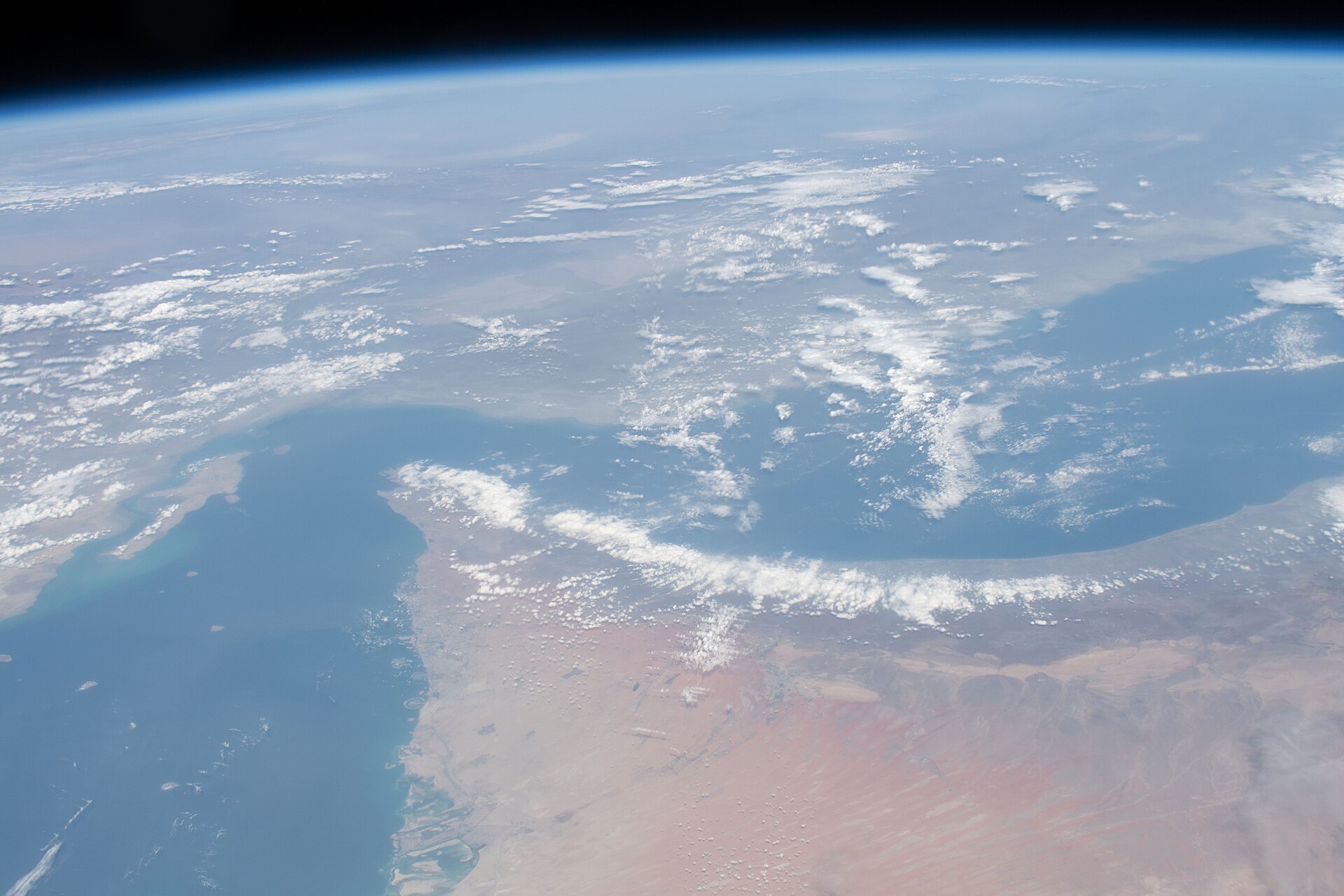
On the night of June 11 — the same night Trump posted his deal announcement — the Khatam al-Anbiya Central Headquarters issued a universal closure order for the Strait of Hormuz. The language was categorical: “From this moment, due to insecurity in the region, the Strait of Hormuz is declared closed to the passage of all vessels, including oil tankers and commercial ships, and any traffic will be targeted.” The word “all” marked an escalation from the IRGC’s previous selective enforcement, which had distinguished between flagged vessels and exempted categories. This order recognized no exemptions.
“From this moment, due to insecurity in the region, the Strait of Hormuz is declared closed to the passage of all vessels, including oil tankers and commercial ships, and any traffic will be targeted.”
Khatam al-Anbiya Central Headquarters, June 11, 2026
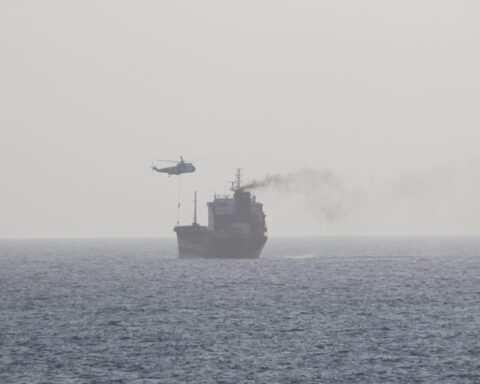
CENTCOM confirmed the operational environment matched the declaration. U.S. forces shot down “two Iranian one-way attack drones” that had targeted commercial ships transiting the strait. IranWire separately reported that the IRGC Navy struck “two violating ships that attempted illegal passage through the Strait of Hormuz,” though Iranian authorities released no vessel names, flag states, crew nationalities, or damage assessments. CENTCOM, in its confirmation of the drone intercepts, disputed that the closure was effective but did not address whether the engagement was consistent with the deal framework Trump had announced hours earlier.
For the entirety of the conflict, Iran’s stated precondition for any agreement has been secured passage of Iranian trade through the Strait of Hormuz, including the release of frozen assets. The universal closure order issued the same night as the deal announcement suspended that passage for all flags and all cargoes — the structural inverse of a precondition being met. Trump’s characterization of the agreement has not specified whether Hormuz reopening is a precondition, a deliverable, a phased commitment, or an aspiration. No named “approver” — including Saudi Arabia — has clarified the point.
How Does the 2015 JCPOA Precedent Apply?
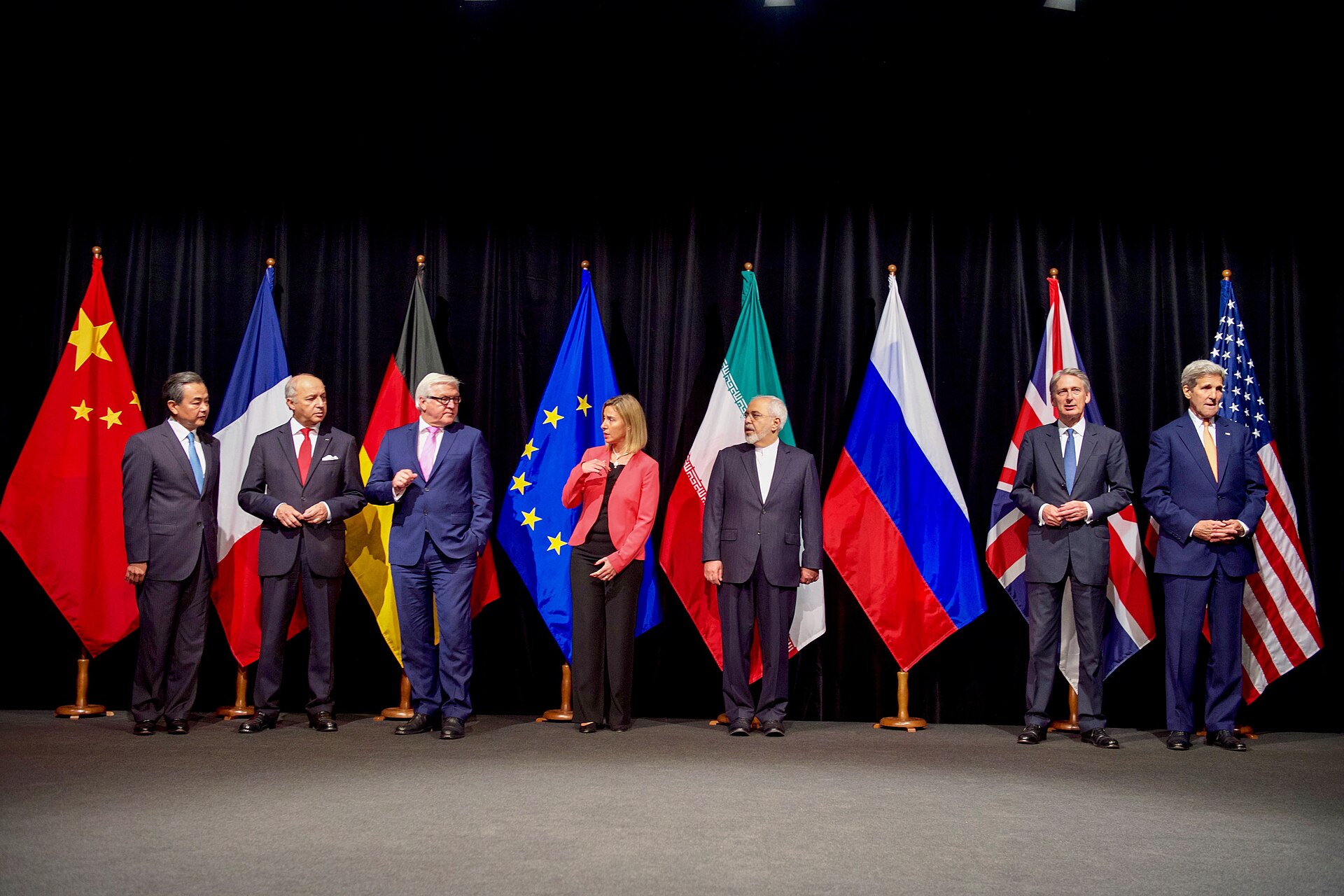
The closest structural parallel to Trump’s June 11 attribution is the 2015 Joint Comprehensive Plan of Action. Saudi Arabia was excluded from the P5+1 negotiations that produced the Iran nuclear deal. Riyadh opposed the agreement in private — through detailed backchannel contacts with Washington, through public statements by then-Foreign Minister Adel al-Jubeir, and through a diplomatic posture that left no ambiguity about the kingdom’s reservations. Washington nonetheless publicly characterized Saudi Arabia as among the deal’s regional supporters, with senior officials citing Gulf endorsement as validation of the framework — a characterization documented in Washington Institute and RUSI analyses of the period.
Saudi Arabia did not correct Carter’s characterization. The GCC formalized a collective endorsement at an August 2015 summit. The Gulf International Forum later described the posture as reflecting a calculation: Gulf states “did not want to be blamed for preventing such a deal.” The endorsement was nominal. Saudi Arabia subsequently ramped oil production, accelerated military operations in Yemen, and deepened sectarian confrontation across the region — actions legible as strategic dissent but never publicly framed by Riyadh as opposition to the JCPOA.
The template worked because Saudi Arabia in 2015 had spare production capacity, fiscal reserves, and proxy architectures that gave it instruments of silent dissent. In June 2026, those instruments are depleted. Brent crude closed at approximately $92 on June 11 against a Saudi fiscal breakeven of $108-111 (Goldman Sachs estimate). The Q1 fiscal deficit has reached 76% of Goldman Sachs’ full-year projection of SAR 300-330 billion. Saudi Arabia is not conducting military operations in any active theater and operates without a Status of Forces Agreement that would give it institutional standing in Washington. Trump’s deal announcement moved oil markets the following day: Brent dropped a further 4.2 percent to $89.15, widening Saudi Arabia’s fiscal exposure at $89 Brent to an estimated $150 million daily revenue gap.
The Abraham Accords offer a further precedent from the same administration. Trump repeatedly characterized Saudi Arabia as moving “toward” the normalization framework, even when Riyadh had explicitly conditioned participation on Palestinian statehood. Saudi Arabia did not join. But the public characterization — Saudi Arabia as imminent participant — persisted in media framing and diplomatic discourse for years, shaping negotiating dynamics that Riyadh had to navigate without having consented to the premise. The June 11 “approved” attribution follows the same structural logic: an American president publicly described Saudi Arabia’s position, and the American description became the baseline that other capitals now reference.
What Does Attribution Cost When Sadara’s Grace Period Expires in 72 Hours?
Sadara Chemical Company — the Aramco-Dow joint venture in Jubail — has all 26 production units offline. The $3.7 billion debt facility’s grace period expires on June 15, 72 hours after Trump’s announcement. Aramco guarantees $2.405 billion of the exposure; Dow guarantees $1.295 billion. Twenty-five or more banks hold the remaining risk. No creditor communication has been issued, and no financial wire service — Reuters, Bloomberg, or the Financial Times — has published coverage of the June 15 deadline.
The only path to restarting Sadara’s units runs through the Strait of Hormuz. Feedstock delivery, product exports, and the integrated supply chain that sustains a petrochemical complex at Jubail’s scale all require open strait passage — the same passage the Khatam al-Anbiya order declared closed on June 11. Aramco’s $21.89 billion dividend, paid June 9, already exceeded its $18.6 billion quarterly free cash flow — a 0.85x coverage ratio. If Sadara’s guarantee is called, Aramco’s share of that obligation arrives against a corporate balance sheet already paying out more than it generates.
Endorsing the deal — even tacitly, by not contradicting Trump — aligns Saudi Arabia with a framework that might reopen Hormuz but that Tehran says does not yet exist. Denying the deal distances Riyadh from the attribution but also from the only plausible diplomatic path to Hormuz reopening and Sadara’s restart. At current Brent levels, well below the kingdom’s fiscal breakeven, even a deal that fully reopened the strait would not close the gap that 105 days of war have opened.
105 Days Outside Every Negotiating Room
Saudi Arabia has been excluded from all three active mediation tracks since the conflict began. The Oman track — through which Iran and the United States exchanged the positions on Hormuz and frozen assets that Trump now characterizes as “approved” — was destabilized by Trump himself when he told his cabinet on May 28 to threaten Oman for brokering an Iran-Oman joint management protocol. The Pakistan track carried dual letters — one from Prime Minister Shehbaz, one from Army Chief Munir — to Tehran, both documented publicly before Riyadh could assess their content. The Qatar track, sustained in part by a $6 billion credit line to Iran, consulted Washington before the Qatari delegation flew to Tehran on June 10.
The exclusion extends beyond mediation into collective security. The GCC’s first collective defense invocation in the organization’s 45-year history — triggered by the IRGC’s eighteen-target operation against Kuwait and Bahrain on June 11 — named three countries as attacked parties: Bahrain, Kuwait, and Jordan. Saudi Arabia signed the collective defense clause. It was not among the countries for which the clause was invoked. Riyadh was not invited to the June 22 Washington follow-on meeting on Iran — a meeting that will convene the countries that participated in mediation alongside those that sustained direct military damage.
The kingdom’s sole operational channel to Tehran remains its daily communication with Iran’s ambassador in Riyadh, through which Saudi Arabia asserts that its territory is not being used for strikes against Iran. Iranian state and affiliated media have consistently characterized these daily contacts as evidence of Saudi subordination. Trump’s June 11 post — naming Saudi Arabia among the approvers of a deal negotiated through channels Riyadh does not access — adds an American-sourced attribution to the Iranian media record. Saudi Arabia’s pattern of acquiescence in multilateral forums, from the IAEA censure vote to the GCC defense invocation, has already provided Tehran’s information apparatus with a catalog of instances in which Riyadh signed on to positions that constrained its own freedom of action.
June 22 and the Absent Approver
The Washington follow-on meeting on June 22 will convene parties engaged in actual negotiation alongside countries that sustained direct military damage during the conflict. Saudi Arabia — publicly listed by the U.S. president as a deal approver eleven days earlier — will not be in the room. The participant list will formalize a distinction that Trump’s Truth Social post obscured: between countries named as approvers and countries that possess actual access to the process they are said to have approved.
Every other party has placed a position into the record. Israel deployed “not a party to the memorandum of understanding” — a formulation that insulates it from outcomes it did not negotiate. Iran characterized the deal as “merely speculation” and attributed its incompletion to American inconsistency. Tasnim, by cataloguing 38 prior deal announcements, constructed a framework in which any country listed alongside the 38th inherits the credibility record of the previous 37. Saudi Arabia’s diplomatic record on the June 11 attribution, as of June 12, contains no statement, no readout, no briefing, and no attributed or backgrounded comment in any outlet — Saudi, American, regional, or international.
Trump’s June 11 attribution is entering the archival record. Whether the deal materializes, collapses, or — as Iran’s concurrent Hormuz closure and drone strikes suggest — was never finalized to begin with, Saudi Arabia’s name will appear among the approvers in every wire service account, diplomatic summary, and negotiation brief that references June 11 — uncorrected by any statement filed in the 24 hours since Trump’s post.
What the MOU actually contains — and what nuclear terms it defers to a sixty-day phase two — is documented in Sixty Days for Nuclear Terms Nobody Has Written, including the contradictory American and Iranian descriptions of the same document and Saudi Arabia’s structural exclusion from the phase-two process.
Frequently Asked Questions
What would Saudi Arabia have to do to remove its name from the “approver” list in the diplomatic record?
There is no formal mechanism for retracting an attributed position from a presidential social media post. In practice, the options available to Riyadh narrow as time passes. A formal MOFA denial — stating that Saudi Arabia did not approve the framework — would need to be issued in Arabic and English, carried by the Saudi Press Agency, and amplified through diplomatic channels to register in the wire service record that other governments reference. Informal backgrounding through Gulf-aligned outlets like Al Arabiya or Al Hadath carries less archival weight. The 2015 precedent established that a named-country government’s silence, once it persists past the first news cycle, is treated by subsequent reporting as acquiescence. No Saudi official has indicated any statement is being prepared.
How did other named approving parties beyond Israel and Iran respond to Trump’s June 11 post?
Public responses from the remaining named parties have been limited. The UAE, which maintains a bilateral Status of Forces Agreement with the United States — unlike Saudi Arabia, which operates under a 1977 USMTM memorandum — has not issued a public statement but possesses institutional channels through which to clarify its position privately. Qatar, an active mediator with direct access to both Tehran and Washington, has not publicly confirmed or denied “approval” but is scheduled to participate in the June 22 Washington follow-on. Turkey and Pakistan, both of which maintain independent diplomatic channels to Tehran, have not issued formal responses. Kuwait and Bahrain — named as “approvers” while simultaneously being the targets of IRGC strikes on the same day — have not addressed the attribution, though both are confirmed June 22 participants and named attacked parties in the GCC collective defense invocation.
Does the June 15 Sadara deadline affect Saudi Arabia’s ability to respond to the attribution?
The temporal sequence constrains Saudi Arabia’s response in ways that have not been widely analyzed. The June 11 deal announcement, the June 15 Sadara debt grace expiry, and the June 22 Washington meeting create three consecutive decision points within 11 days. Any Saudi denial of the deal’s validity between June 11 and June 15 could alarm Sadara’s 25-plus creditor banks by implying that Hormuz reopening — the only path to restarting the joint venture’s 26 offline units — is less likely than Trump’s announcement suggested. A Saudi confirmation would carry different risks but could similarly destabilize creditor calculations by associating Riyadh with a deal Tehran denies. After June 15, the restructuring outcome — if the grace period expires without extension — would remove the fiscal incentive to tacitly endorse the deal and potentially free Riyadh to issue a distancing statement, though no Saudi official has indicated any such intention.
What is the legal significance of being publicly named as an “approving party” to an unsigned international agreement?
A memorandum of understanding is generally non-binding under both U.S. domestic law and international law as defined by the Vienna Convention on the Law of Treaties. Public attribution of “approval,” however, creates political and diplomatic effects distinct from legal ones. Being named as an approver establishes expectation baselines in subsequent negotiations — other parties cite the attributed endorsement as a starting point, and retracting it publicly carries costs. The 1981 Algiers Accords, which resolved the Iran hostage crisis through a multilateral framework that included publicly attributed endorsements from parties that did not directly negotiate, demonstrated that attributed positions, once entered into the diplomatic record, function as baseline commitments regardless of legal force. Saudi Arabia’s uncorrected silence on the June 11 attribution is entering that same category: diplomatically citable, politically constraining, and legally meaningless.
Pakistan PM Sharif made a more categorical declaration about the deal than Washington ever did: on June 12 he said the text was “final and agreed upon,” a claim that stands in direct contradiction with Vance’s concurrent characterization of the text as “still TBD.” The full three-way conflict between Islamabad’s public commitment, Washington’s hedge, and Tehran’s denial is documented in Sharif Calls the Iran Deal Text Final. Vance Says ‘Still TBD.’ By June 12, the signing had a venue (Geneva), a date (Sunday, June 14), and a named US signatory (Vice President Vance) — but Iran’s negotiating team still denied any approved text existed, and two sources told Axios that Khamenei had “likely not approved” the terms. The word Riyadh eventually said was delivered on June 13 through Pakistani FM Dar rather than directly — Saudi FM Faisal called Dar to welcome Pakistan’s mediation, ending twenty-four days of silence through the only channel Riyadh had structural access to; that architecture is examined in If Saudi Arabia Approved the Deal, Why Did Pakistan Have to Say So?