
RIYADH — Two publicly available, mutually exclusive versions of the Iran-United States memorandum of understanding now circulate in official channels, and Saudi Arabia — named by President Trump as one of twelve “approvers” — has no documented mechanism to determine which text it endorsed. Iran’s state news agency IRNA published a seven-point framework on June 12 that preserves Tehran’s enrichment rights and keeps all nuclear material on Iranian soil. Trump called the IRNA account “fake news” with “NOTHING to do with the terms that were agreed to, in writing.” The kingdom’s own May 13 123 Agreement with Washington was structured against expected constraints on Iranian enrichment that appear only in the US version of the MOU. If the IRNA text governs, Saudi Arabia holds the only formally adopted enrichment-permissive nuclear instrument in the region, with no Iranian counterpart constraint to balance it. The authentication deficit deepened further when Pakistan’s June 14 declaration credited Saudi Arabia with “immense contributions” to a deal Riyadh could not authenticate, verify, or enforce — the formal exclusion is documented in Saudi Arabia Was Thanked for a Deal It Cannot Enforce.
Table of Contents
- Two Texts, Two Nuclear Frameworks
- What Does the IRNA Seven-Point Text Say?
- How Does the US Framework Differ?
- The 123 Agreement Was Built Against One Version
- Why Can’t Saudi Arabia Verify Which Text Governs?
- What Did Saudi Arabia Waive in the Gold Standard?
- What Happens If the IRNA Version Prevails?
- The IAEA Vote and the Verification Void
- Geneva, Qalibaf, and the Signatory Problem
- Frequently Asked Questions
Two Texts, Two Nuclear Frameworks
On June 12, IRNA published what it described as seven “key areas” of the draft MOU between Tehran and Washington. The same day, Axios reported a US framework specifying terms that appear nowhere in the Iranian account. The divergence is not interpretive. The two documents describe mutually exclusive agreements on enrichment, Hormuz, and nuclear material disposition.
The IRNA text states that Iran would “assume no new nuclear obligations” under the memorandum, that its “peaceful nuclear program would remain unchanged,” and that a sixty-day phase two would address “Iran’s right to enrich uranium and retain enriched materials as part of a final agreement,” according to Middle East Monitor’s June 12 reporting. The Axios framework specifies a mechanism for uranium down-blending on Iranian soil under IAEA supervision and references a twelve-to-fifteen-year enrichment moratorium — a compromise between Iran’s five-year proposal and Washington’s twenty-year demand, as Foreign Policy confirmed on May 6.
One text preserves enrichment. The other constrains it. Both carry the same document name.
Trump responded on Truth Social calling the Iranian-published terms “fake news” and adding that Iranian negotiators were “very dishonorable people to deal with. With them, there is no such thing as dealing in good faith,” as reported by Al Jazeera and the Times of Israel on June 12. Araghchi, Iran’s foreign minister, stated on June 13 that Iran “insists on nuclear enrichment under any deal with US,” per Mizzima.
What Does the IRNA Seven-Point Text Say?
IRNA’s framework preserves Iran’s nuclear program in its current form, defers enrichment as a right to be codified in phase two, normalizes Hormuz transit through a regional framework with no US management role, and conditions further progress on sanctions relief and compensation for war-related damages. The text contains no enrichment moratorium, no mechanism for disposition of highly enriched uranium, and no reference to IAEA inspections beyond existing obligations.
The Middle East briefing 3,000+ readers start their day with.
One email. Every weekday morning. Free.
A separate Mehr News report, citing a source “close to Iran’s negotiating team,” included a demand that the US and its allies present reconstruction plans worth at least $300 billion — a figure absent from all US characterizations of the deal. On Hormuz, IRNA’s version specifies “normalizing transit through the strait after the war, ending the U.S. blockade, and removing threats to commercial shipping” with Tehran handling the strait “through a regional framework,” per Iran Mizzima’s June 13 reporting.
The IRNA text is silent on the 440.9 kilograms of highly enriched uranium that the IAEA Board has been unable to verify for more than ninety-seven days. CSIS identified HEU disposition and enrichment-freeze length as the two core unresolved verification problems in its analysis, “The Fragile U.S.-Iran Ceasefire: Issues to Watch.” The IRNA account addresses neither.
Mohammad-Baqer Qalibaf, the speaker of Iran’s parliament and a former Revolutionary Guards air force commander, framed the deal in enforcement terms on June 13. “Commitments made must be commitments kept,” he told PressTV. “No ifs, no buts, no excuses. You reap what you sow.” UANI assessed that Qalibaf “lacks authority to commit Iran without approval from the IRGC and supreme leadership.”
The IRGC-affiliated Tasnim News Agency called Trump’s deal announcement the “38th such announcement.” Fars News, also IRGC-affiliated, denied on June 12 that “any text had been approved” by Iran — directly contradicting Pakistan Prime Minister Sharif’s same-day declaration that the “final, agreed upon text” had been reached.
How Does the US Framework Differ?
The Axios framework describes a different agreement on every contested dimension. Hormuz reopens “immediately without tolls.” Iran removes mines within thirty days. Uranium stockpile disposition proceeds through a framework for down-blending on Iranian soil under IAEA supervision. Enrichment freeze terms — the twenty-year US demand, Iran’s five-year counter, and the twelve-to-fifteen-year compromise Foreign Policy documented — are deferred to a second comprehensive agreement but acknowledged as negotiating parameters. The “without tolls” formulation is the specific language Araghchi addressed on June 14, when he confirmed that Iran’s service fee architecture embedded in the MOU operates under a distinct legal category the prohibition does not cover.
The US version addresses the two problems the IRNA version does not touch: what happens to the existing HEU stockpile, and how long Iran must pause enrichment. The IRNA version addresses what the US version omits: compensation, sanctions relief as a precondition rather than a performance-based outcome, and Iranian management of the Strait of Hormuz. On Hormuz specifically, each side’s version encoded a different fee architecture — how the fee-versus-toll distinction made the deal structurally impossible.
CSIS noted in its analysis that “the administration has not mentioned any type of verification system to ensure Iran abides by a deal, and Iran has become more adept in building sophisticated centrifuges that would require extensive and intrusive inspections on the ground — a condition the current regime in Tehran is unlikely to accept.”
The Hill reported the State Department’s characterization on June 12 as a formal rejection: “US rejects Iranian draft memorandum of understanding.” Bloomberg confirmed Geneva as the signing venue while treating the text dispute as procedural. CBS News carried Sharif’s “final agreed text” alongside Fars’s denial in the same wire cycle — two incompatible claims attributed to named sources, separated by a semicolon.
| Provision | IRNA Seven-Point Text (June 12) | Axios / US Framework (June 12) |
|---|---|---|
| Enrichment | “No new nuclear obligations”; right to enrich retained | 12-15yr moratorium discussed; 20yr US demand |
| HEU stockpile (440.9 kg) | No mention | Down-blending on Iranian soil under IAEA supervision |
| Hormuz | Regional framework; no US management role; “service fees” | Reopens immediately without tolls; mines removed in 30 days |
| Underground facilities | No mention (Fordow at 70% capacity) | Not specified |
| Sanctions | Lifting US sanctions as precondition | Performance-based relief |
| Compensation | $300B reconstruction demand (Mehr News) | No mention |
| Phase two scope | “Right to enrich and retain enriched materials” | Comprehensive enrichment agreement |
| IAEA access | No enhanced access mentioned | Supervision for down-blending only |
The 123 Agreement Was Built Against One Version
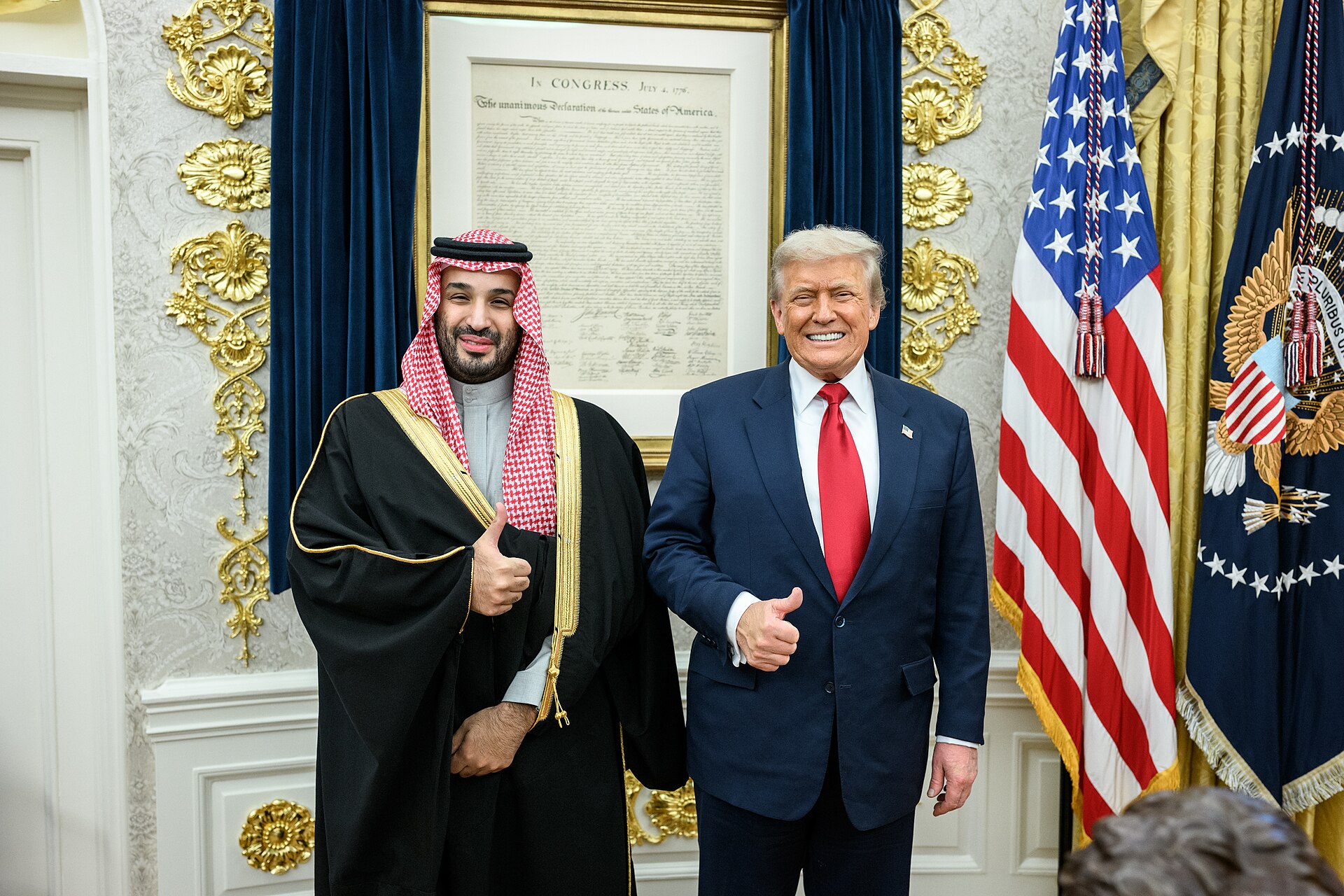
Saudi Arabia’s 123 Agreement with Washington, signed on May 13 alongside a $142 billion defense cooperation package during Trump’s Riyadh visit, was the first Gulf nuclear cooperation framework to omit all three pillars of the post-2009 “Gold Standard.” It contains no prohibition on uranium enrichment, no prohibition on plutonium reprocessing, and no precondition requiring Saudi Arabia to ratify the IAEA Additional Protocol before US nuclear export licenses are issued, according to the Arms Control Association’s March 2026 analysis.
The Biden administration had insisted on enrichment and reprocessing prohibitions as preconditions for any Saudi nuclear cooperation deal in 2023. Saudi Arabia rejected both conditions. The Trump administration dropped them in November 2025, substituting language about unspecified “additional safeguards and verification measures.” The Arms Control Association noted the substituted language lacked any specification of what those measures would require.
The strategic premise was legible: Saudi Arabia accepted enrichment permissions calibrated against a US-brokered framework that would simultaneously constrain Iran’s nuclear program. The kingdom’s enrichment rights would exist within a regional architecture where Iran’s were being curtailed — a structural asymmetry that made Saudi’s waiver of Gold Standard protections diplomatically defensible.
The timing reinforces the calibration. The 123 Agreement was formalized on May 13, during the same Riyadh visit where Trump described the broader deal architecture. The same week, Trump named Saudi Arabia an “approver” of the Iran MOU on Truth Social. Crown Prince Mohammed bin Salman stated in a 2018 CBS News interview that Saudi Arabia would pursue nuclear weapons if Iran did — a position the 123 Agreement quietly operationalizes by removing the legal barriers to enrichment that the Gold Standard had imposed on the UAE. Saudi Arabia’s enrichment permissions and its role as MOU endorser entered the public record within days of each other.
Why Can’t Saudi Arabia Verify Which Text Governs?
Saudi Arabia has no seat in any of the three documented mediation tracks between the United States and Iran. Pakistan’s dual-letter architecture — Prime Minister Sharif’s civilian diplomatic correspondence and Army Chief Munir’s separate IRGC back-channel — has been publicly documented, with thirteen thousand Pakistani troops serving simultaneously in Saudi Arabia’s Eastern Province under the Saudi Military Deployment Agreement. Oman’s bilateral Hormuz management talks with Iran were reported by Bloomberg on May 21, though Trump threatened on May 28 to “blow them up” if Oman continued brokering an Iran-Oman joint-management protocol, and Iran suspended US message exchanges through the Omani channel on June 1. Qatar dispatched a delegation to Tehran on June 10 after extending a $6 billion credit line to Iran on May 25, coordinating with Washington but not, per documented reporting, with Riyadh.
The kingdom’s only formal designation is “approver.” Trump used the term on Truth Social on June 11 when he named Saudi Arabia among twelve countries endorsing the deal. That designation appears in no signed instrument, no treaty annex, no formal diplomatic communiqué, and no exchange of notes. It exists on a social media post.
Saudi Arabia’s Ministry of Foreign Affairs has issued zero public statements on the Iran deal since its May 20 Gymnich communiqué — twenty-four days of silence as of June 13. In that period, IRNA published its seven-point text, Trump called it fake, Sharif declared the text final, Fars denied any text was approved, the IAEA voted Iran non-compliant for the first time in twenty years, and Vance was named to sign in Geneva. Saudi Arabia confirmed none of these developments and denied none of them.
The same verification void shapes a parallel asymmetry: Araghchi rejected on CBS the US demand to remove Iran’s HEU stockpile on June 13, while the Saudi 123 Agreement Washington signed in Riyadh one month earlier permits the enrichment it simultaneously demands Tehran surrender — a double standard examined in Washington Demands From Tehran What It Waived for Riyadh.
The structural parallel is the JCPOA itself. In 2015, US officials insisted the deal established no Iranian “right to enrich.” Iranian officials claimed the opposite. The Washington Institute documented Iran’s approach as a pattern of “deceptive nuclear messaging.” Both sides published the agreement under the same name while reading its enrichment language differently for years. The current dispute reprises that ambiguity — two versions, two contradictory readings — with a variable the JCPOA lacked: a Gulf state whose own nuclear permissions depend on which reading prevails.
What Did Saudi Arabia Waive in the Gold Standard?
The reference point is the United Arab Emirates’ 2009 123 Agreement — the so-called Gold Standard for Gulf nuclear cooperation with the United States. The UAE agreement established three conditions that became the benchmark for all subsequent Gulf nuclear frameworks: a prohibition on uranium enrichment, a prohibition on plutonium reprocessing, and ratification of the IAEA Additional Protocol as a precondition for US nuclear export licenses. These conditions were designed to prevent Gulf states from acquiring dual-use nuclear capabilities under the cover of civilian cooperation.
Saudi Arabia’s May 13 agreement waived all three, per the Arms Control Association.
| Gold Standard Pillar | UAE 123 Agreement (2009) | Saudi 123 Agreement (May 2026) |
|---|---|---|
| Enrichment prohibition | Required | Omitted |
| Reprocessing prohibition | Required | Omitted |
| Additional Protocol ratification | Required before export licenses | Omitted; unspecified “additional safeguards” substituted |
The Gold Standard was created in 2009 specifically to prevent the scenario that has now materialized: a Gulf state acquiring enrichment permissions without rigorous international monitoring. The UAE accepted the restrictions as the price of US nuclear cooperation. Saudi Arabia, seventeen years later, negotiated a framework that retired each of those restrictions — not by formally contesting the Gold Standard’s logic but by obtaining an agreement that simply did not include it.
The waiver’s diplomatic rationale was tied to the broader Iran deal architecture. A US framework constraining Iranian enrichment would make Saudi enrichment permissions a managed asymmetry — one country’s rights expanding as another’s contracted. That logic required the constraining framework to exist. The IRNA text does not contain one.
What Happens If the IRNA Version Prevails?
If the IRNA seven-point framework defines the operative terms — Iran assumes no new nuclear obligations, enrichment continues, all enriched material remains on Iranian soil — then the regional nuclear architecture takes a specific and unplanned shape. Iran retains its existing enrichment infrastructure, including the Fordow facility operating at approximately 70 percent capacity. The sixty-day phase two addresses “Iran’s right to enrich,” not an obligation to stop.
Saudi Arabia’s 123 Agreement, in that scenario, becomes the only formally adopted nuclear cooperation framework in the region that grants enrichment permissions through a bilateral US instrument. Iran’s enrichment exists as an asserted right — never formally granted by Washington, never constrained by an enforceable treaty provision, operating outside any agreed verification architecture. Saudi Arabia’s enrichment exists as a licensed privilege, documented in a signed 123 Agreement, explicitly permitted by the United States.
The symmetry the agreement was designed to avoid — two Gulf-region powers holding enrichment rights simultaneously, neither bound by Additional Protocol safeguards — materializes not through Saudi action but through the gap between two texts Saudi cannot authenticate. The IRNA version creates an Iranian enrichment baseline against which the Saudi 123 Agreement reads as enabling, not balancing.
The enrichment-freeze gap compounds the structural problem. The US demands a twenty-year freeze. Iran proposes five years. Foreign Policy reported that a twelve-to-fifteen-year compromise was discussed. The IRNA text contains no freeze of any duration. If phase two negotiations begin from the IRNA baseline, the freeze negotiation opens at zero.
The IAEA Vote and the Verification Void
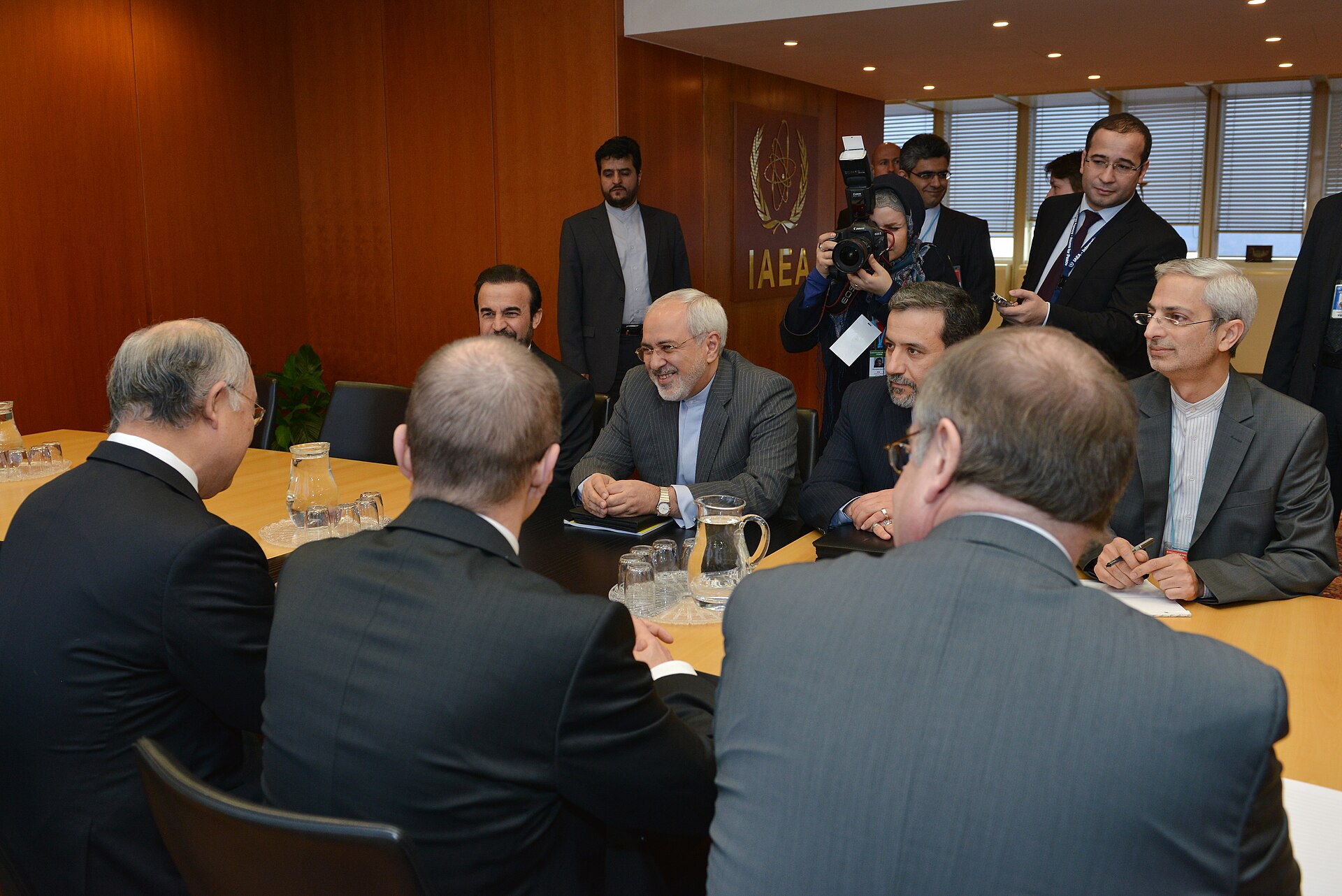
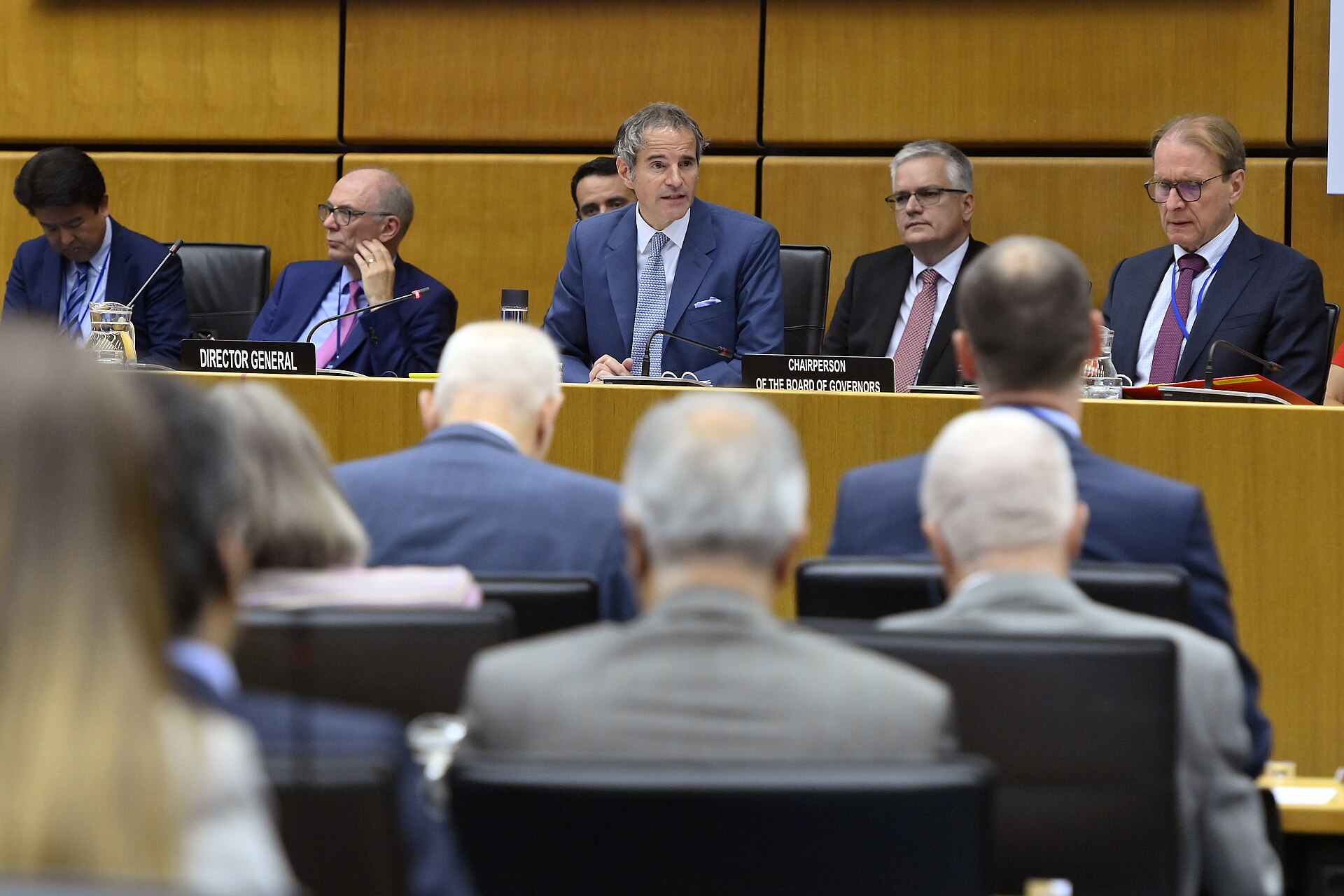
The IAEA Board of Governors voted 19-3 on June 12 for a non-compliance finding against Iran — the first such ruling in twenty years. The vote addressed Iran’s failure to provide adequate access to its nuclear facilities and to account for its HEU stockpile, which inspectors have been unable to verify for more than ninety-seven days as of June 12.
The IRNA text makes no mention of enhanced IAEA access. The US framework references IAEA supervision for uranium down-blending but does not specify inspection protocols for enrichment facilities, centrifuge production, or undeclared sites. Neither version addresses the core verification architecture the IAEA Board has just formally declared inadequate.
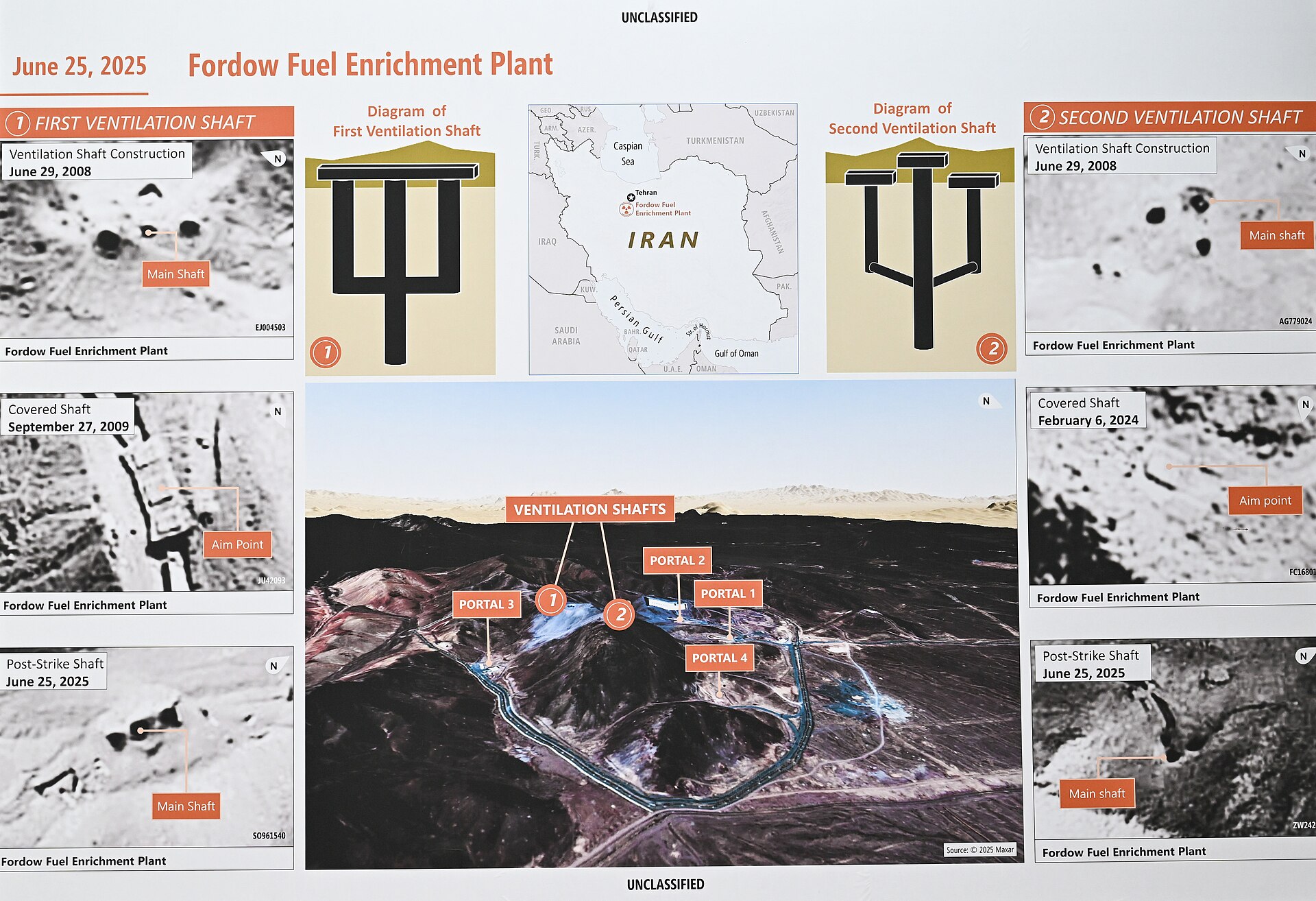
The Fordow enrichment facility — built inside a mountain near Qom, designed to withstand aerial bombardment, capable of enriching uranium to weapons-grade purity — continues to operate at approximately 70 percent capacity. The IRNA text’s commitment that Iran’s “peaceful nuclear program would remain unchanged” preserves Fordow’s operational status by implication. The US framework does not mention the facility by name.
The nineteen-to-three vote margin — with only Russia, China, and Iran’s rotating ally opposing — represented the broadest international consensus on Iranian nuclear non-compliance since the 2006 referral to the UN Security Council.
A mediating diplomat cited by Axios on June 12 said Khamenei had “likely not” approved the MOU. Iran’s foreign ministry spokesman Baghaei told IRNA that the country had “not yet reached final decision.” Saudi Arabia voted for the non-compliance resolution, endorsing a verification standard its own 123 Agreement does not require the kingdom to meet, for a country whose enrichment terms Riyadh cannot determine from any document it has seen.
Geneva, Qalibaf, and the Signatory Problem
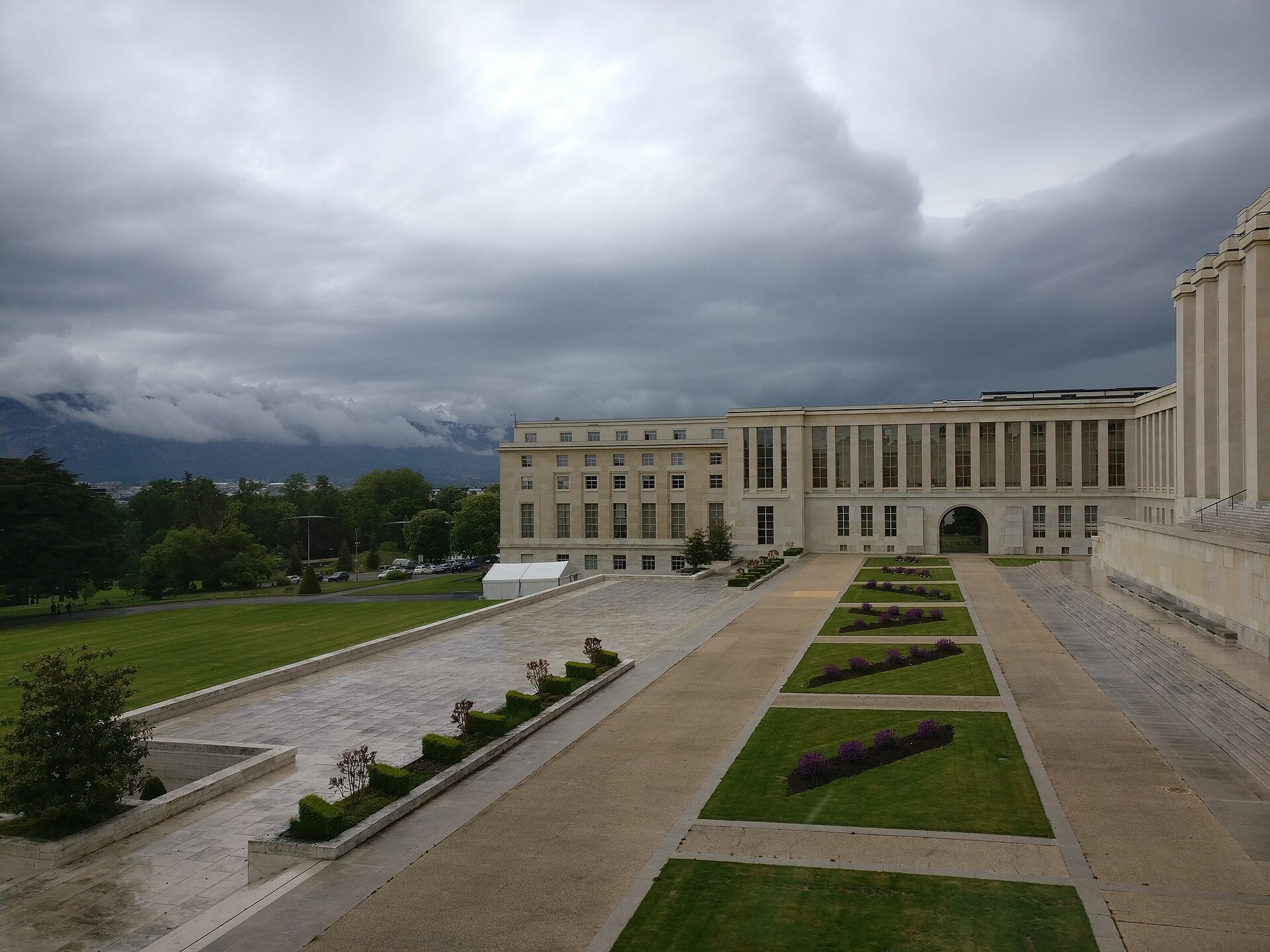
Trump named Vice President Vance as the US signatory for a ceremony in Geneva targeted for Sunday, June 14. Four USAF C-17 Globemaster III transport aircraft were pre-positioned in Europe on Thursday, per Bloomberg. The logistics of a signing ceremony were in motion. The text to be signed was not.
Qalibaf has been described by Fox News and Gulf News as Tehran’s potential “point man” for the Geneva ceremony. His background — IRGC air force commander, Tehran mayor, national police chief — positions him as a political figure with security-establishment credentials but without the Supreme Leader’s explicit mandate. UANI’s assessment was that he lacked the mandate from the IRGC and supreme leadership that the role would require. Baghaei’s statement from the same day — “not yet reached final decision” — confirms the gap. Iran subsequently confirmed Qalibaf as its designated signatory, placing the full institutional analysis of the mandate gap in Iran Names Parliament Speaker, Not Foreign Minister, to Sign Geneva MOU.
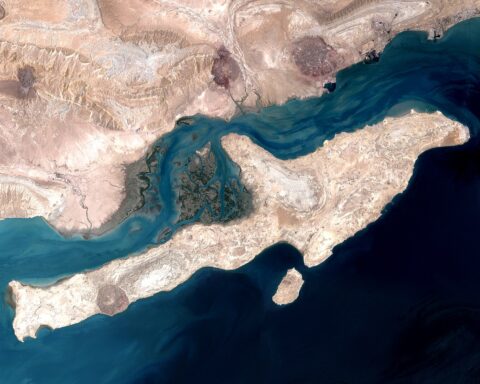
Brent crude fell more than 4 percent to $86.50 on June 13, the lowest since early March, on the market’s assessment that a deal was imminent. Saudi Arabia’s fiscal breakeven price sits between $108 and $111 per barrel, per Goldman Sachs and IMF estimates. The gap — $21 to $25 per barrel — reflects what the market has priced in from a deal whose terms remain formally undetermined. Iran’s Persian Gulf Security Agreement continues to collect an estimated $1 per barrel from vessels transiting the Qeshm-Larak corridor. The IRNA text preserves that revenue mechanism as a “regional framework.” The US text prohibits it as a toll.
If a ceremony occurs in Geneva, two signatories will represent two governments that have published two incompatible versions of the same document. The kingdom named as “approver” has sent no delegation, issued no statement in twenty-four days, holds no seat in any mediation track, and maintains no authenticated copy of the text it is meant to endorse. Saudi Arabia’s Ministry of Foreign Affairs last addressed the Iran talks on May 20.
The authentication problem deepened on June 16 when Trump publicly softened the uranium red-line at the G7 summit in Évian, describing enriched uranium removal as commercially worthless — hours after CIA Director Ratcliffe privately warned that Iran’s nuclear commitments cannot be trusted. The Évian uranium red-line retreat and the Ratcliffe intelligence gap mean Riyadh is now endorsing a deal whose terms are moving in Iran’s direction before Geneva even convenes.
Frequently Asked Questions
Has Saudi Arabia formally acknowledged its role as a deal “approver”?
No. Trump named Saudi Arabia among twelve “approvers” on Truth Social on June 11. Saudi Arabia’s Ministry of Foreign Affairs has not confirmed, denied, or referenced this designation in any public statement. No formal diplomatic instrument — treaty annex, joint communiqué, or exchange of notes — documents Saudi Arabia’s approver role. The designation exists exclusively on a social media post and has not been reproduced in any official US diplomatic communication accessible to the public record.
Could both versions of the MOU be partially accurate?
The JCPOA precedent suggests this is structurally possible. In 2015, the US and Iran signed the same agreement under the same name while reading its enrichment clauses in opposite directions for years. The Washington Institute documented Iran’s enrichment-language divergence from the JCPOA as a systematic pattern. The current MOU divergence is more fundamental: the IRNA text explicitly preserves enrichment rights and keeps material in-country, while the US framework explicitly requires down-blending and a multi-year moratorium. The JCPOA’s ambiguity was interpretive; the MOU’s is textual — the two versions cannot both be accurate because they prescribe contradictory outcomes for the same provisions.
What is the IAEA Additional Protocol that Saudi Arabia’s 123 Agreement omits?
The Additional Protocol, adopted in the 1990s after Iraq’s covert nuclear weapons program revealed gaps in standard IAEA safeguards, grants inspectors expanded access to nuclear facilities including the right to conduct short-notice inspections and to monitor undeclared sites. Iran ratified an Additional Protocol in 2003 but suspended its implementation in 2006 and formally ceased cooperation in 2021. The UAE’s Gold Standard 123 Agreement required Additional Protocol ratification before any US nuclear exports could begin. Saudi Arabia’s May 2026 agreement substituted unspecified “additional safeguards and verification measures” — meaning Saudi nuclear facilities would operate under a monitoring framework that has not been publicly defined, against a backdrop where the IAEA Board has just voted that Iran’s existing monitoring is inadequate.
What role does Pakistan play in the text authentication problem?
Pakistan operates a dual-letter architecture: Prime Minister Sharif handles civilian diplomatic correspondence while Army Chief Munir maintains a separate IRGC back-channel. Sharif declared on June 12 that the “final, agreed upon text” had been reached. Within hours, Iran’s Fars News denied any text was approved, and Araghchi described the talks as “never been closer” — proximity language, not confirmation. Pakistan’s declaration may reflect one channel’s understanding. Separately, approximately thirteen thousand Pakistani troops are contractually embedded in Saudi Arabia’s Eastern Province, creating a structural bind: Pakistan mediates between the US and Iran while its military is deployed in the territory it nominally helps protect.
The fiscal consequences of a Geneva signing that resolves none of Sadara’s underlying conditions are examined in Geneva Will Not Reopen Jubail — the $3.7 billion debt grace expires June 15, hours after the ceremony, and the MOU contains no provisions on Jubail’s operating status or Sadara’s debt service.
Has any country publicly identified which version of the MOU is authoritative?
No government has reconciled the two texts. The US State Department rejected the IRNA version on June 12, per The Hill. Iran’s spokesman Baghaei said Iran had “not yet reached final decision.” Pakistan declared a text final without specifying which version. Qatar, which dispatched a delegation to Tehran on June 10, has not published any text. The twelve “approvers” Trump named have not collectively or individually confirmed which document they endorsed. The structural impasse is not that the texts disagree — it is that no institution or process exists to determine which governs, and the signing ceremony logistics are advancing without that determination having been made. Iran later confirmed the deal would not be signed June 14, with spokesman Baghaei stating Sunday was off — and none of those authentication questions resolved before the ceremony was canceled. Riyadh eventually broke its twenty-four-day silence on June 13 not through a direct statement but through a Faisal-Dar phone call that blessed Pakistan’s mediation process without addressing the authentication gap; that endorsement architecture is examined in full here.