
YANBU — Houthi military spokesperson Yahya Saree claimed on October 24 that the group targeted “Aramco Company in Yanbu,” placing Saudi Arabia’s most important Red Sea oil hub under renewed threat while the Saudi-led coalition confirmed it intercepted two ballistic missiles fired toward Yanbu and Taif. No Saudi official or independent source has confirmed that any facility in Yanbu was physically struck, and the coalition provided no damage assessment beyond the interceptions.
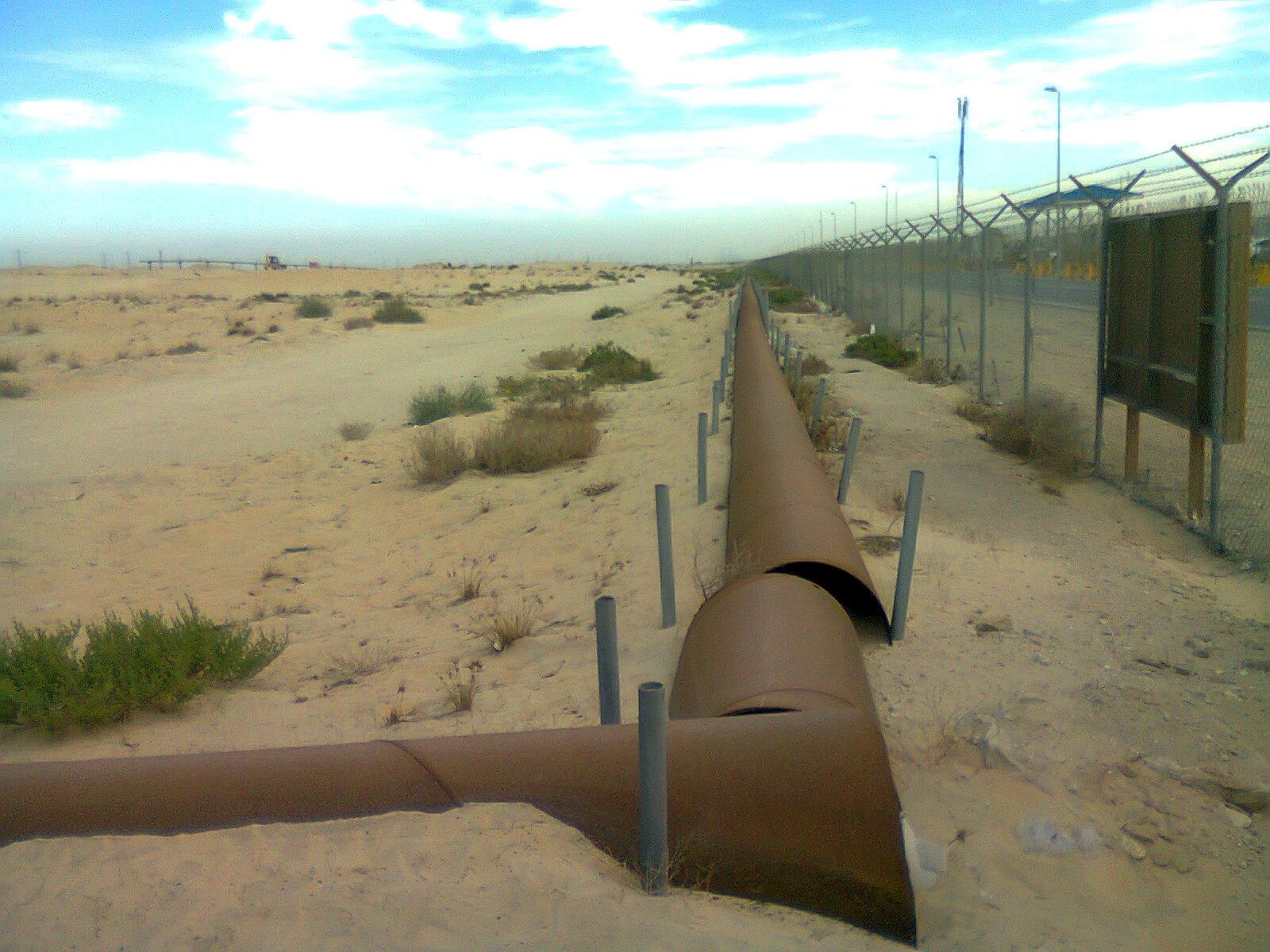
The claim matters because Yanbu has become Saudi Arabia’s primary crude export gateway since Iran’s Strait of Hormuz closure in July. The city hosts SAMREF, a 50/50 joint venture between Saudi Aramco and ExxonMobil that processes more than 400,000 barrels per day, and sits at the western terminus of the East-West pipeline, Saudi Arabia’s only functioning crude export route. A successful strike on either asset would cut the main artery keeping Saudi crude flowing to world markets.
Table of Contents
What Did the Houthis Actually Claim?
Saree’s statement, broadcast on October 24 and reported by France 24 the same day, listed seven simultaneous operations. The Houthis said they targeted King Khalid Airport in Riyadh, “Aramco Company in Yanbu,” Rabigh refinery, the East-West pipeline, and airports at King Fahd (Dammam), Najran and Khamis Mushait, according to the Daily Prabhat via ANI on October 25. Saree’s exact words on Yanbu were: “We targeted King Khalid Airport in Riyadh and Aramco Company in Yanbu,” the Daily Prabhat reported.
The House of Saud Daily Briefing
Saudi Arabia's news in 3 minutes, every morning. Free. See today's issue
The phrase “Aramco Company in Yanbu” is broad. Yanbu hosts at least three major Aramco-linked installations: SAMREF, the Yanbu Aramco Sinopec Refining Company (YASREF), and the crude export terminal at Yanbu Commercial Port. Saree did not name SAMREF or any specific refinery, according to both France 24 and Newsable Asia, which also carried the statement on October 25. The same-day Houthi claims against Rabigh and the East-West pipeline were covered separately.
Saree also warned airlines against resuming operations to Saudi airports, the Daily Prabhat reported. The warning repeated language from earlier Houthi statements in October and matched the group’s established pattern of claiming multiple targets in a single broadcast. Previous Houthi claims against “Aramco facilities in Yanbu” were made on September 19, coinciding with smoke near Riyadh airport, according to the Kathmandu Post via Reuters on September 20, and again on July 25, when the group said it struck Aramco sites at Yanbu and Jazan, according to the Long War Journal on August 6.
Coalition Says 2 Ballistic Missiles Destroyed
Maj. Gen. Turki Al-Malki, the Saudi coalition spokesperson, confirmed on October 24 that air defenses “intercepted and destroyed two ballistic missiles” fired toward Taif and Yanbu, according to Middle East Eye. Al Arabiya English, also on October 24, reported the same two interceptions and said Saudi Arabia issued civil defense alerts for Yanbu, Mecca, Jeddah and Taif. Asharq Al-Awsat reported three missiles targeting Riyadh, Taif and Yanbu were intercepted that day — one more than Al-Malki’s confirmed two-missile count; the accounts differ and the coalition’s official statement controls the headline figure.
Saudi Civil Defense issued the Yanbu alert and stated the danger had passed approximately 10 minutes later, France 24 reported on October 24. The speed of the all-clear suggests the interceptors worked — or that the incoming weapons fell short. Al-Malki’s statement named “the Houthi militia” as the source of the missiles. He did not describe them as Iranian-launched or attribute the attack to Tehran.
The interception pattern over Yanbu is not new. On September 24, the coalition intercepted six Houthi ballistic missiles aimed at Taif and Yanbu after issuing a Makkah civil defense alert, according to Tribune.com.pk. That earlier barrage came the day before France confirmed its deployment to the city. The October 24 interceptions were the latest in what has become a near-daily rhythm of ballistic missile and drone fire aimed at Saudi infrastructure throughout the month. The coalition has previously reported intercepting missiles at Taif and Yanbu on the same day.
Where Does the “Iran Struck SAMREF” Story Come From?
Unisba Media, an Indonesian-language outlet, ran a headline on October 16 attributing an Aramco attack to “Iran” directly and referencing the SAMREF facility. The report was one of several aggregated headlines from non-primary sources that circulated in mid-to-late October. Every corroborating English-language source from October 24-25 — France 24, Middle East Eye, Newsable Asia, Daily Prabhat via ANI, Al Arabiya English — attributes the Yanbu operation to the Houthis via Saree’s statement.
No second source identifies the October 24-25 Yanbu operation as a direct IRGC or Iranian state strike. The Saudi coalition’s own statement named “the Houthi militia.” No IRNA, PressTV or Tasnim claim of a direct Iranian strike on SAMREF in October 2026 was found in the deep research brief or competing coverage. The distinction is significant: Iran did conduct a direct military strike on SAMREF in March, and the IRGC issued pre-strike evacuation warnings for the facility at that time, according to OilPrice.com on March 19. In October, it was Saree — not the IRGC — who issued the operational claims.
The actor confusion matters for markets, diplomacy and military planning. A direct Iranian strike on a jointly owned Aramco-ExxonMobil facility would cross a different threshold than a Houthi ballistic missile barrage intercepted by coalition air defenses. On the available evidence, this was the latter. Readers and analysts tracking Iran’s evolving military posture should note that Iran’s own media did not claim this operation.
The Only Confirmed SAMREF Strike: March 19
The only confirmed physical strike on SAMREF came on March 19, 2026, when a drone hit the Aramco-ExxonMobil facility and coalition air defenses intercepted a ballistic missile aimed at Yanbu port the same day, Marine Insight reported on March 20. That attack was attributed to Iranian forces; the IRGC had issued pre-strike evacuation warnings for SAMREF and other Gulf facilities, according to OilPrice.com on March 19.
An industry source described the March 19 impact as “minimal,” Reuters reported via TimesLIVE on the same day. Crude loadings at Yanbu port paused briefly after the strike and later resumed, Marine Insight reported. The facility’s role in the Saudi export system made the attack significant regardless: SAMREF refines Saudi crude into gasoline — which accounts for 35 percent of its output — along with diesel, marine heavy fuel oil, propane and sulphur, according to OilPrice.com.
SAMREF is a 50/50 joint venture between Saudi Aramco and Mobil Yanbu Refining Company, an ExxonMobil subsidiary. In December 2025, Aramco, ExxonMobil and SAMREF signed an upgrade agreement for the facility, Saudi Gulf Projects reported. That the plant was being modernized while simultaneously becoming a frontline military target captures the tension running through Saudi Arabia’s energy predicament — spending billions to expand capacity at sites that Houthi missiles can reach.
Were French Air Defenses Engaged?
France announced on September 24 that it would send soldiers, radars and air defense systems to Yanbu. Macron said in a TF1 and France 2 television interview that the mission was “not to get us involved in any conflicts, but to protect this site,” Reuters reported. French Foreign Minister Jean-Noël Barrot separately described the mission as “strictly defensive.” The French Foreign Ministry confirmed in mid-October that “operational elements were being implemented.” Neither the French government nor the Saudi coalition has said whether French systems were engaged in any October 2026 interception over Yanbu.
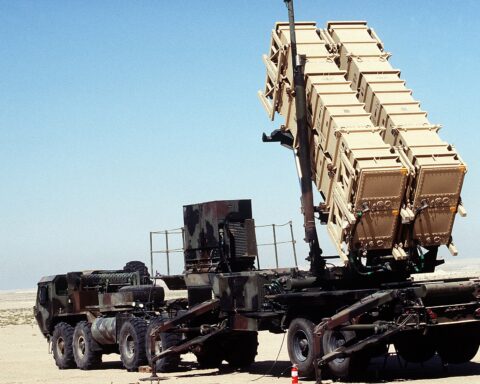
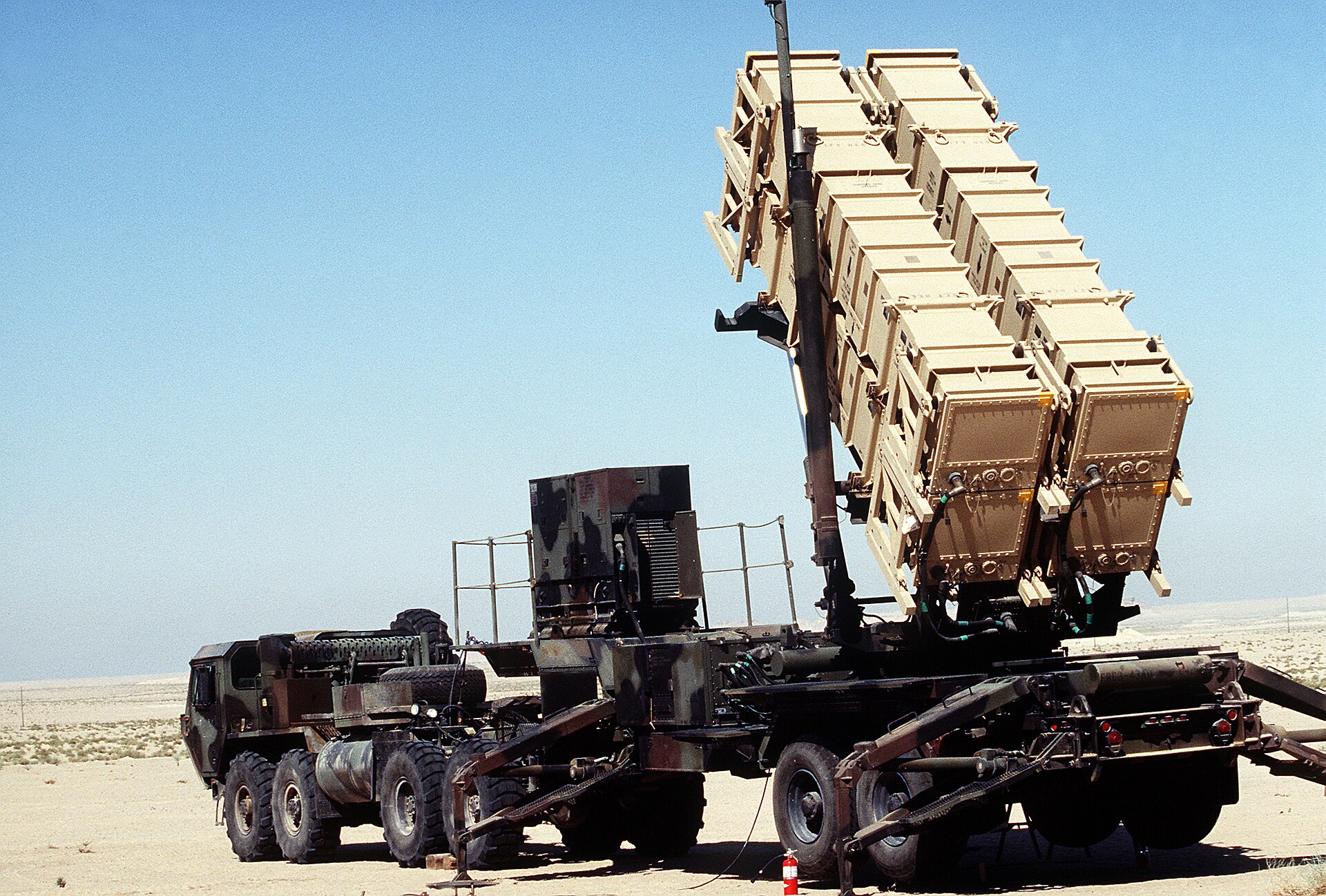
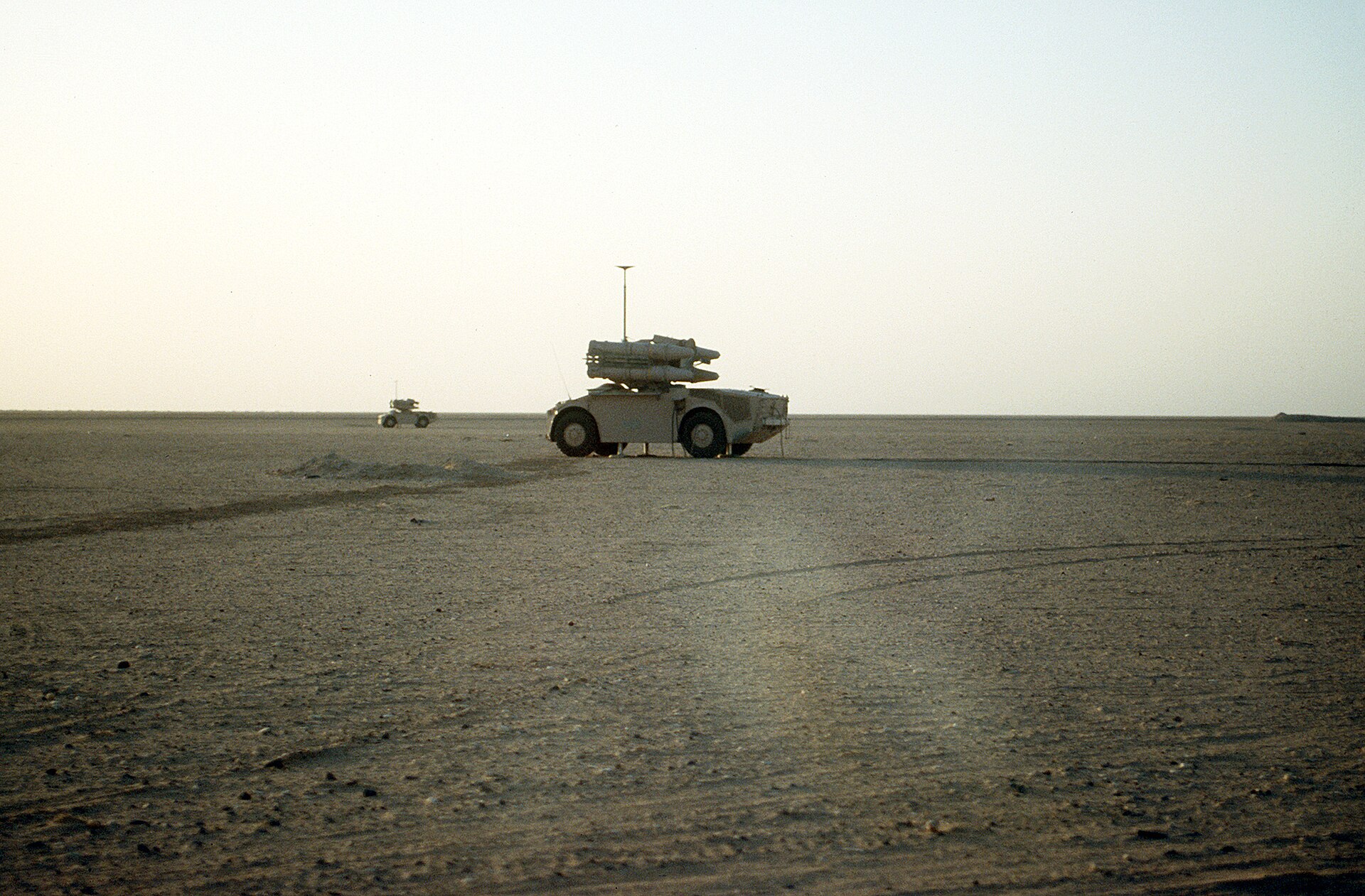
A Greek-operated Patriot battery has guarded Saudi energy sites, including Yanbu, since 2021, the Oman Observer reported in July 2026. The combination of Greek Patriots, French radars and whatever Saudi systems are deployed around Yanbu represents the densest concentration of allied air defenses at any Saudi oil facility. That two ballistic missiles were intercepted on October 24 without reported damage suggests the layered defense is functioning. But the coalition has not said which system — Saudi, French or Greek — performed the interceptions.
The silence matters because France’s deployment to Yanbu was politically contentious in Paris. If French Crotale or SAMP/T batteries fired in anger for the first time during this conflict, France would be a combatant in fact if not in name. The coalition’s decision to credit the interceptions to “air defenses” without nationality may be deliberate ambiguity.
Brent, the Pipeline and the Export Bottleneck
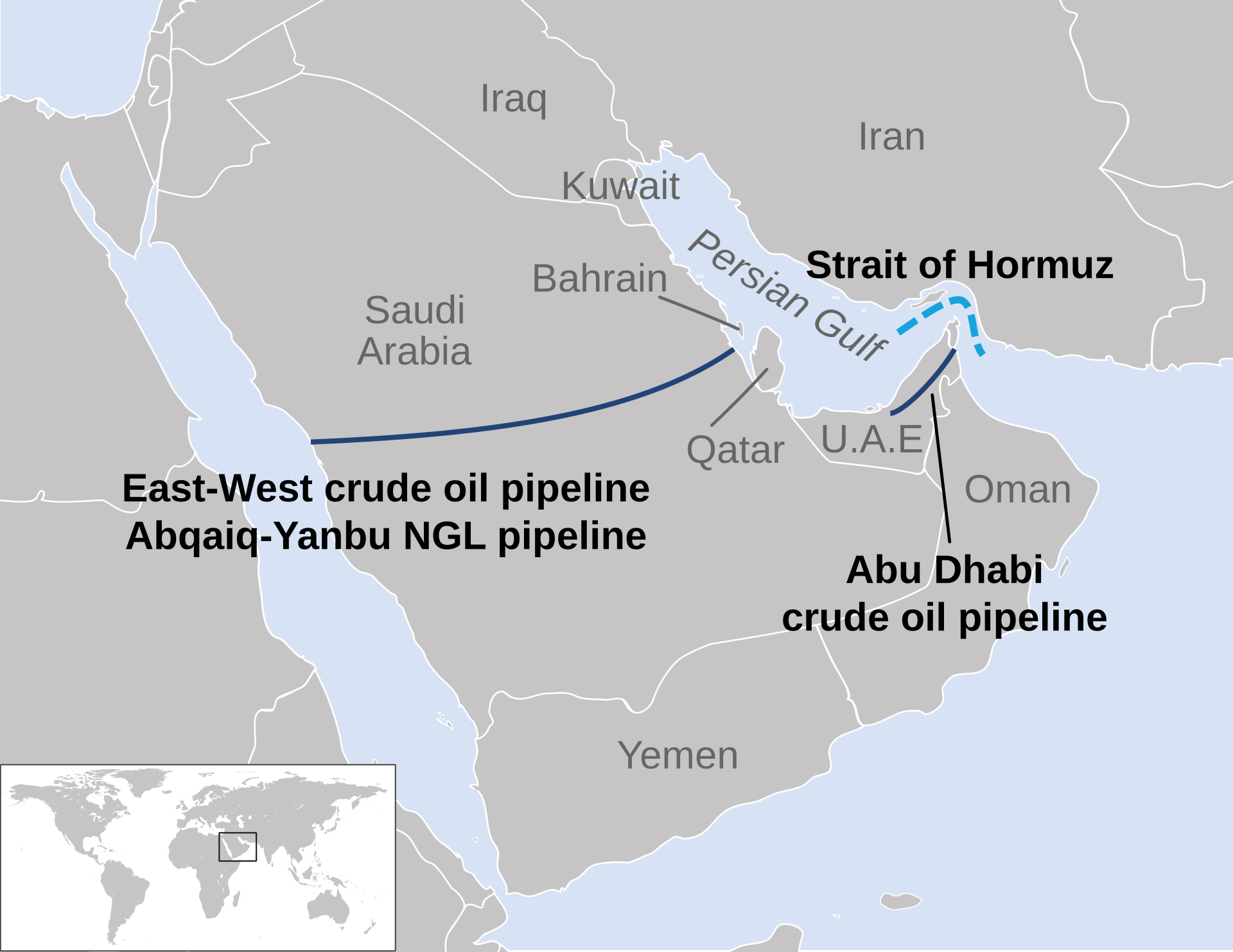
Brent crude stood at $116.72 on October 23 and briefly topped $117 intraday, a five-month high, according to Reuters via CNA. The benchmark had climbed from below $97 at the start of October, Reuters reported — a rise of more than 20 percent in three weeks driven by the escalation across Saudi Arabia’s oil infrastructure. Every barrel Saudi Arabia exports now moves through Yanbu or the Red Sea coast. The Strait of Hormuz has been closed since Iran’s July blockade, making the East-West pipeline and Yanbu port the sole functioning export corridor for the world’s largest crude exporter.
The pipeline’s throughput has risen to roughly 7 million barrels per day — well above pre-war levels — Aramco CEO Amin Nasser told Reuters. That volume represents the physical maximum for a pipeline system that was never designed to carry the kingdom’s entire export load. Any disruption — a missile strike on a pumping station, a drone hitting a compressor — would have an outsized impact because there is no backup route. Yanbu crude exports reached nearly 4 million barrels per day in March 2026 after the initial Hormuz disruption, according to Marine Insight.
The Houthis know this. Their October 24 claims combined Yanbu, Rabigh refinery and the East-West pipeline in a single operational broadcast, targeting every link in the chain that moves Saudi oil from the Eastern Province to the Red Sea. The same-day claims against Rabigh and the pipeline underscore how systematically the group has mapped the kingdom’s export vulnerability, following the insurance cascade that hit Hormuz tanker traffic and pushed all Saudi exports to the Red Sea coast. Aramco has not issued a statement on SAMREF’s operational status following the October 24 events, and current Yanbu loading levels have not been publicly disclosed.
Background: Yanbu as Saudi Arabia’s Last Export Window
Yanbu Industrial City sits on Saudi Arabia’s Red Sea coast, roughly 1,000 kilometres from the Eastern Province oilfields where Saudi crude is produced. Before the Iran conflict, it was a secondary export hub — useful but not critical. The Hormuz closure changed that overnight. With the Persian Gulf blocked, the East-West pipeline became the only land route for Saudi oil to reach a functioning port. Yanbu went from handling a fraction of exports to carrying the weight of the entire kingdom’s crude shipments.
The city’s infrastructure was not built for this. SAMREF and YASREF, the city’s two largest refineries, together represent the bulk of Saudi Arabia’s Red Sea refining capacity. The port’s loading capacity, while expanded after the March disruption, has never been publicly tested at the volumes now required. Saudi Arabia’s 2026 deficit has risen to 245 billion riyals — up from a budgeted 165 billion — as the export disruption has halved oil revenues, according to Reuters via Zawya on September 30. The kingdom cannot afford to lose Yanbu.
The broader pattern of Houthi strikes against airports and oil facilities in October shows the group escalating from civilian infrastructure to the kingdom’s economic lifeline. Whether the October 24 missiles would have reached SAMREF, the port terminal or another Aramco site without interception is a question the coalition has not answered.
Frequently Asked Questions
What is SAMREF and who owns it?
SAMREF — Saudi Aramco Mobil Refinery Company — is a refining complex in Yanbu Industrial City jointly owned by Saudi Aramco and Mobil Yanbu Refining Company, an ExxonMobil subsidiary. The 50/50 joint venture processes more than 400,000 barrels per day, producing gasoline, diesel, marine heavy fuel oil, propane and sulphur. An upgrade agreement signed in December 2025 was intended to expand its product range, according to Saudi Gulf Projects. ExxonMobil’s equity stake means any physical damage to SAMREF would directly affect a US-listed company’s assets, adding a corporate and potentially political dimension beyond the Saudi government’s own exposure.
Why have the Houthis made Yanbu a repeated target rather than other Saudi cities?
Yanbu is the terminus of the East-West pipeline, which now carries the kingdom’s entire crude export volume after the Hormuz closure. It hosts SAMREF, YASREF and a major crude loading terminal — meaning a single successful strike could simultaneously disrupt refining output and Red Sea export loadings. Riyadh and other cities represent political and civilian targets; Yanbu represents an economic chokepoint. The Houthis have combined Yanbu, Rabigh and the East-West pipeline in single operational broadcasts, suggesting the group is targeting the export chain as a system rather than individual facilities.
Could the Houthis reach SAMREF from Yemen?
Yes. Yanbu is within range of Houthi ballistic missiles — the group has repeatedly struck Riyadh, which lies further from northern Yemen than Yanbu does. The coalition’s interception of two ballistic missiles aimed at Yanbu on October 24 confirms the Houthis fired weapons capable of reaching the city. Whether those weapons had the guidance precision to strike a specific facility like SAMREF, as opposed to the broader industrial zone, is not publicly known.
What would happen to oil prices if SAMREF were struck and taken offline?
SAMREF’s 400,000 barrels per day of refining capacity represents processed products, not crude exports directly. A shutdown would remove significant gasoline and diesel supply from the market at a time when Middle Eastern refined product is in high demand. The broader risk is indirect: a confirmed strike on SAMREF would signal that Houthi weapons can penetrate Yanbu’s air defenses, raising the war-risk premium on all Saudi Red Sea crude loadings. Brent’s climb from below $97 to above $117 in October reflects precisely this escalation risk.
Is France now a combatant in the Saudi-Houthi war?
Legally, France maintains that its Yanbu deployment is “strictly defensive” and does not make it a party to the conflict. In practice, if French air defense systems engage incoming Houthi missiles — something neither Paris nor Riyadh has confirmed or denied — the distinction narrows. The Houthis have not publicly threatened France by name over the deployment, but have repeatedly warned foreign military assets in the kingdom that they operate at their own risk.
The House of Saud Daily Briefing
Saudi Arabia's news in 3 minutes, every morning. Free. See today's issue