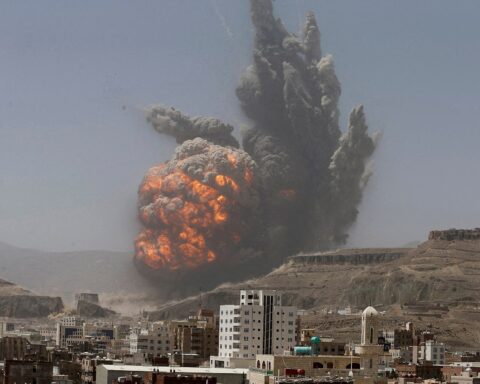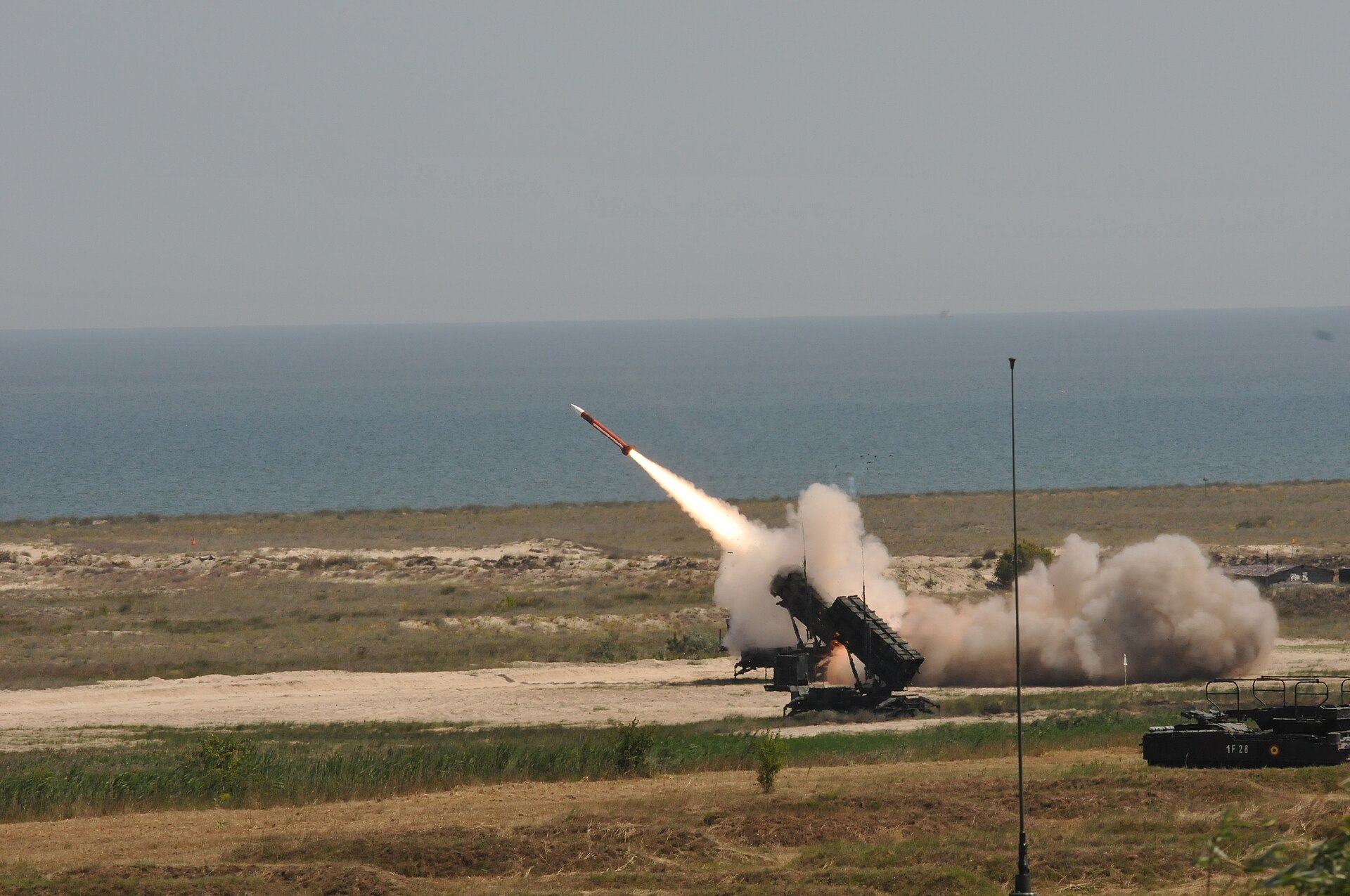

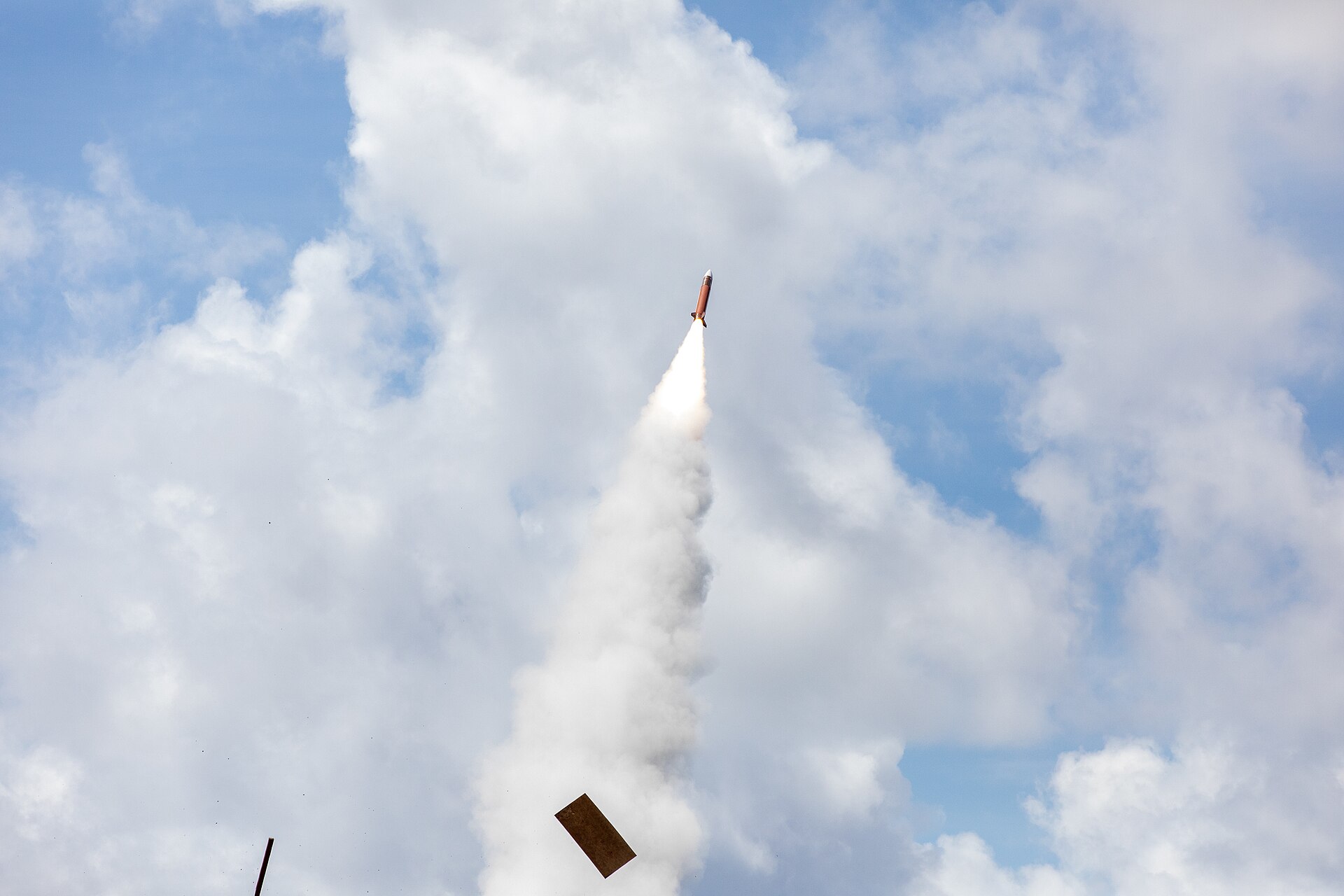
JEDDAH — Saudi Civil Defense confirmed on Saturday that two ballistic missiles launched by the Houthi militia toward the Makkah and Madinah regions were intercepted on October 24, 2026, with debris falling at four locations across western Saudi Arabia. One debris site, Wadi Al-Mughammas in Makkah Province, lies approximately 21 km from the Grand Mosque and 7 km from the plain of Arafat, Al Arabiya reported.
The interceptions came five days after the Houthi-run Saba news agency declared Saudi airspace “unsafe, except over Mecca and Medina” — a carve-out the group had first announced on October 11 when it exempted airports serving the two holy cities from its threat against Saudi aviation. Houthi military spokesman Yahya Saree called Saudi claims of targeting the holy cities “a great and grievous falsehood,” while the Gulf Cooperation Council, the Muslim World League, and Saudi Arabia’s most senior Grand Mosque authority condemned the attacks.
Table of Contents
Debris Falls Across Makkah Province, Jeddah, Taif, and Rabigh
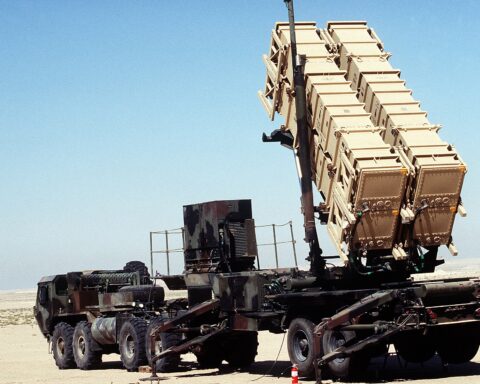
Saudi Civil Defense said it had implemented “the approved procedures for dealing with such incidents” following the interceptions and reported no casualties or material damage, the Arab Times Kuwait and Siasat Daily reported. Authorities identified the weapons as ballistic missiles but did not disclose the variant or the interceptor system used to engage them.
The House of Saud Daily Briefing
Saudi Arabia's news in 3 minutes, every morning. Free. See today's issue
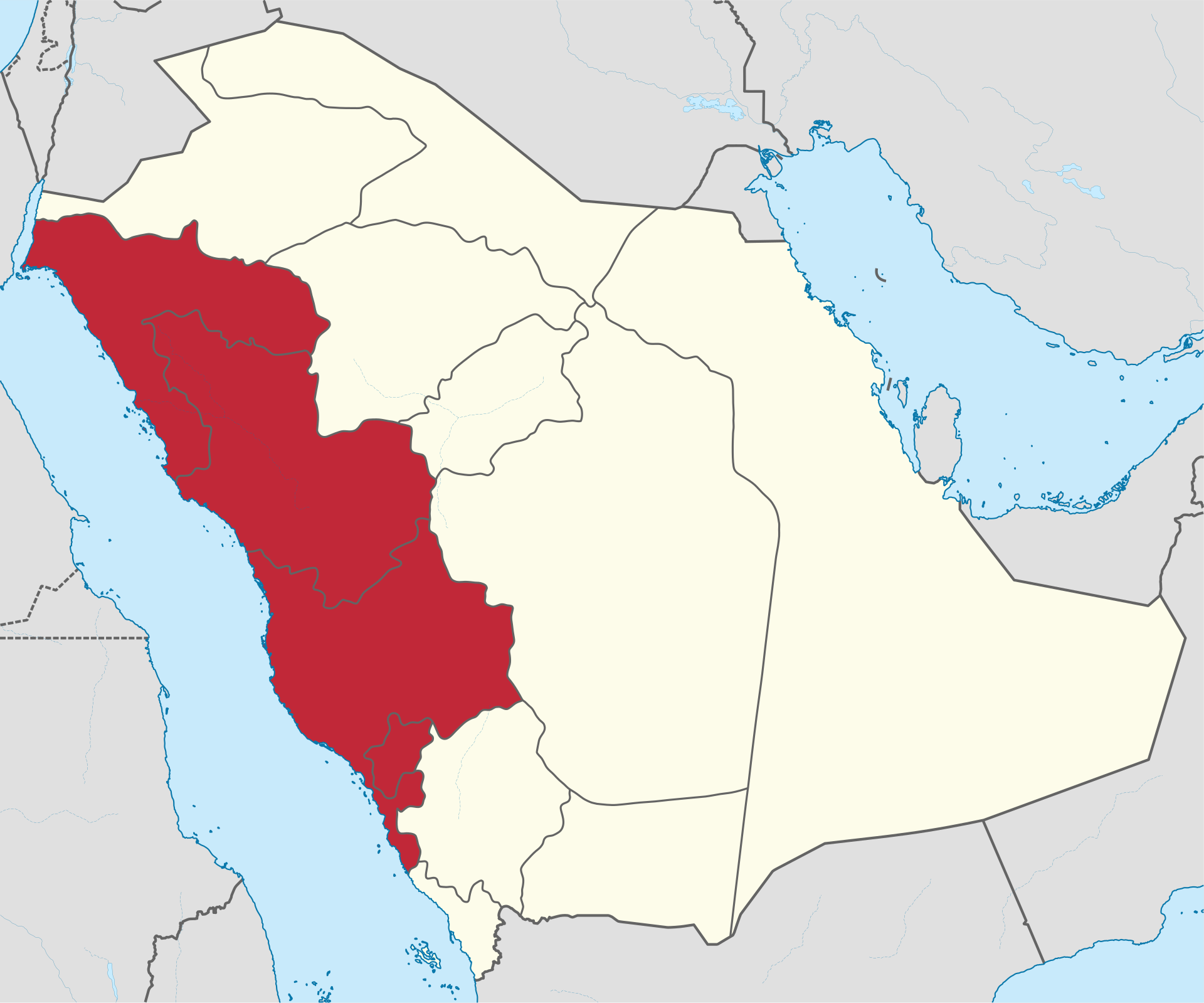
Debris was confirmed at four sites: Wadi Al-Mughammas in Makkah Province, the Al-Nuzha neighbourhood in Jeddah Governorate, Wadi Jalil in Taif Governorate, and a resort area in Rabigh Governorate, the Arab Times Kuwait and Gulf News reported. The four locations span the most populated corridor of western Saudi Arabia, from the Hejazi mountains at Taif to the Red Sea coast at Rabigh.
Al Arabiya reported that Wadi Al-Mughammas is approximately 21 km from the Grand Mosque (Masjid al-Haram), 16 km from Mina, and 7 km from the plain of Arafat, according to Siasat Daily. All three sites anchor the annual Hajj pilgrimage, drawing pilgrims from across the Muslim world to the Makkah region each year. Debris falling within that radius — particularly near Arafat, the station where every pilgrim must stand on the 9th of Dhul Hijjah — gave the interception a dimension that previous Houthi attacks on airports and oil infrastructure had not carried.
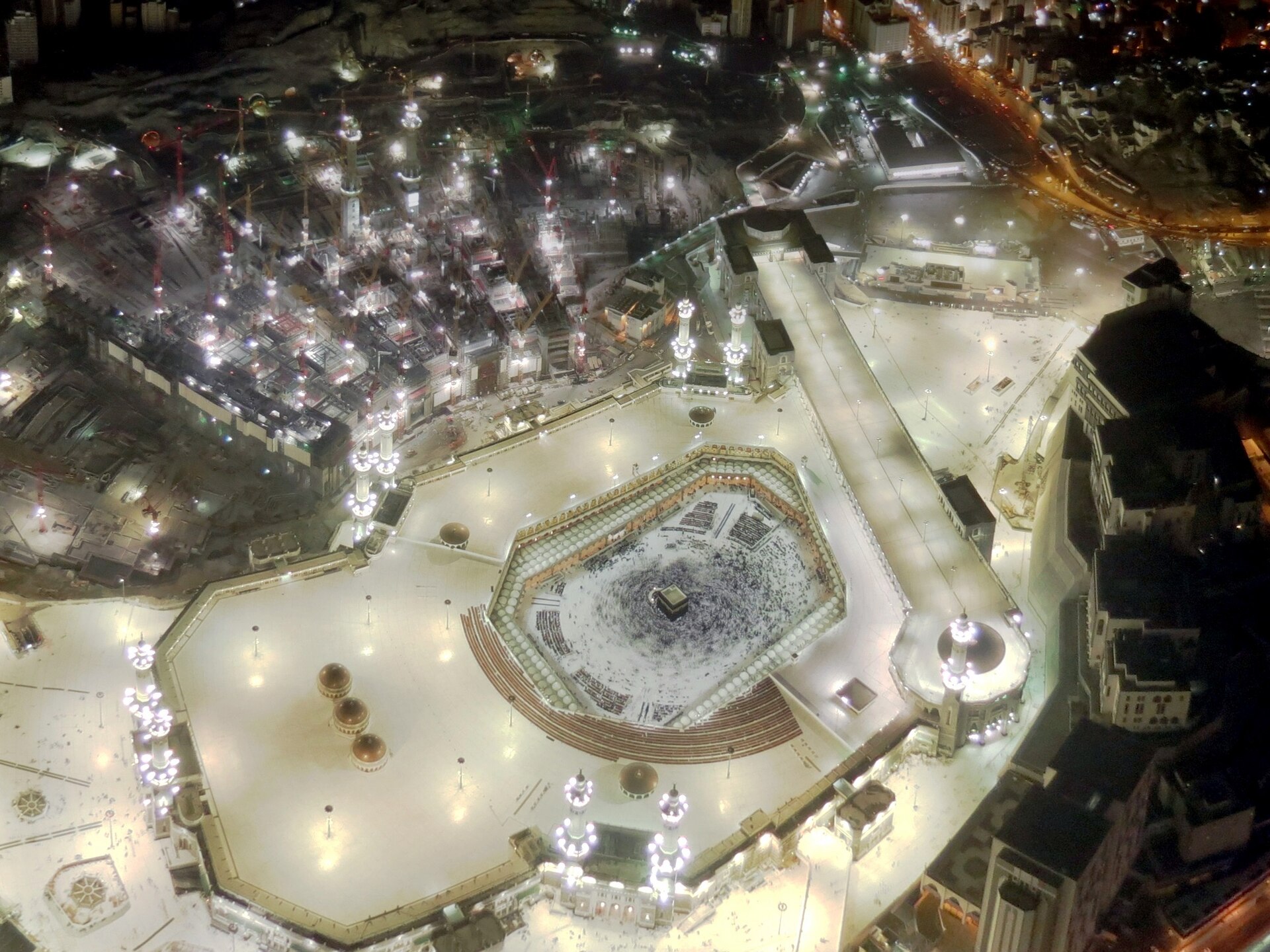
Jeddah, where debris fell in the Al-Nuzha neighbourhood, serves as the principal gateway for Hajj and Umrah pilgrims and is the largest city in Makkah Province. Taif and Rabigh — the other two debris sites — have been the locations of separate interceptions and civil defense alerts during the broader Houthi campaign against Saudi Arabia.
How Did the Houthis Respond?
Yahya Saree, the Houthi military spokesman, posted on X on October 24 that “the Yemeni Armed Forces confirm that what the Saudi enemy is promoting regarding our forces targeting the sacred areas in Mecca al-Mukarramah and Medina al-Munawwarah is a great and grievous falsehood,” the Sunday Guardian Live and Al Jazeera reported.
Saree said Houthi operations target “Saudi oil facilities, bases, and vital military sites,” not the holy cities. The group claimed seven separate operations against Saudi targets on October 24, including strikes on Riyadh airport, Aramco facilities in Yanbu, the Rabigh oil refinery and the East-West pipeline, King Fahd International Airport in Dammam, Najran Airport, and Khamis Mushait air base, Al Jazeera reported. All seven were described as retaliation for Saudi-led coalition airstrikes on Sanaa.
The denial sat against the group’s own declared exemption for the holy cities. On October 11, Saree issued a threat designating all Saudi airports as potential targets but explicitly excluded “airports serving Mecca and Medina,” CNN reported. On October 19, the Houthi-run Saba news agency went further, quoting a military source declaring that “Saudi airspace is unsafe, except over Mecca and Medina,” the Middle East Monitor reported. The two statements together constituted the most specific public commitment the Houthis had made to keeping their campaign away from Islam’s holiest sites.
Saudi Civil Defense’s announcement that missiles had been launched toward the Makkah and Madinah regions on October 24 presented a direct challenge to that commitment. In his response, Saree did not address the exemption or explain how ballistic missiles had produced debris in Makkah Province. He denied the premise — that any Houthi weapon was aimed at the holy cities — and pointed to seven other targets to account for the day’s operations.
Did the Houthis Target the Holy Cities Before October 24?
Saudi authorities had reported interceptions near the holy cities before October 24, each followed by a Houthi denial in identical language. On October 15, coalition spokesman Maj. Gen. Turki Al-Maliki announced the “interception and destruction of a cruise missile in the Medina region,” according to QNA and the Times of Israel. The Houthis denied any involvement. The October 15 intercept came four days before the Saba agency’s October 19 declaration exempting Makkah and Madinah — the exemption was formalized after, not before, a missile had been intercepted over Madinah.
Between those incidents, on September 29, a drone hit a power station in Madinah that supplies the Prophet’s Mosque, GDN reported on October 1. The coalition confirmed Houthi involvement in that strike, which caused physical damage to infrastructure serving Islam’s second-holiest site.
On September 16, Saudi Arabia said it downed a drone heading toward Makkah. The OIC General Secretariat condemned what it called “heinous attacks carried out by the Houthi group against the city of Makkah and the Madinah region,” describing them as “terrorism that runs counter to Islamic values and to international norms, principles, and law,” QNA reported. King Salman condemned the attempt by what he called the “terrorist militia,” according to Khaleej Times.
The pattern — Saudi interception announcement, categorical Houthi denial, institutional condemnation — repeated after each incident. On October 15 over Madinah, the Houthis denied it. On September 16 over Makkah, they denied it. On October 24, with debris at four sites across the Makkah region, Saree used the same formula: “a great and grievous falsehood.” What changed was the context. The October 24 missiles arrived after the group had staked its credibility on two public declarations — on October 11 and October 19 — that the holy cities were exempt from its campaign.
Condemnation From the GCC and Islamic Institutions
GCC Secretary-General Jassim Mohammed Al-Badawi condemned the October 24 launches and described the falling debris across Makkah, Jeddah, Taif, and Rabigh as “heinous” and “a blatant disregard for civilians,” Al Jazeera and Siasat Daily reported. The Muslim World League also condemned the incidents, according to Siasat Daily.
The security and sanctity of Makkah and Madinah are a red line that must not be breached.
Sheikh Abdulrahman Al-Sudais, President of Religious Affairs at the Grand Mosque and the Prophet’s Mosque
Al-Sudais condemned the attacks as violations of Islamic law and international humanitarian norms. He said the incidents would not undermine Saudi stability but would “strengthen the Kingdom’s resolve to protect the holy sites,” Gulf News reported on October 25. As president of religious affairs at Islam’s two holiest mosques, Al-Sudais holds one of the most visible clerical positions in the Muslim world. His statement placed the weight of the Grand Mosque’s institutional authority behind the Saudi account of events.
The OIC General Secretariat had issued its most recent confirmed public condemnation of Houthi targeting of the holy cities on September 16, in response to the drone incident over Makkah. In that statement, the OIC backed “all measures taken by Riyadh to deter aggression,” QNA reported. The GCC, the Muslim World League, and Al-Sudais’s office each responded to the October 24 interceptions within a day of Saudi Civil Defense’s announcement.
Background and Context
The October 24 interceptions near Makkah and Madinah occurred on the same day as six other Houthi operations against Saudi Arabia. Those seven claimed targets — military airports, Aramco facilities, and pipeline infrastructure — spanned the country from the Eastern Province to the Red Sea coast, according to Al Jazeera. The Houthis described the entire day’s operations as retaliation for coalition airstrikes on Sanaa.
Saudi Arabia, Turkey, and Pakistan signed the Makkah Joint Defense Pact on August 7, 2026, under which an attack on one signatory’s territory is treated as an attack on all three, Kuwait Times and AFP reported. Turkey submitted the agreement to its parliament for ratification on October 20, 2026, and ratification had not been completed as of that date, according to Al Jazeera. The pact was signed in the holy city, with the Houthi threat to the wider Makkah region and its civilian population forming part of the immediate backdrop.
The Houthi campaign has targeted Saudi cities, airports, and energy infrastructure with increasing frequency since early October. The October 24 offensive — with seven claimed operations against targets spanning the country — was one of the most geographically dispersed single-day barrages of the conflict.
The missile campaign continued beyond October 24. On October 25, coalition spokesman Maj. Gen. Turki Al-Maliki confirmed the interception of a ballistic missile launched by what he called “the terrorist Houthi militia toward Riyadh,” Gulf News reported. That interception was a separate event from the October 24 Makkah and Madinah incident.
Frequently Asked Questions
How close was the debris to Hajj pilgrimage sites?
Al Arabiya reported, via Siasat Daily, that debris at Wadi Al-Mughammas fell approximately 21 km from the Grand Mosque (Masjid al-Haram), 16 km from Mina, and 7 km from the plain of Arafat. Arafat is the station where all Hajj pilgrims must gather on the 9th of Dhul Hijjah, the single most critical day of the pilgrimage — no Hajj is valid without it. Mina, 16 km from the debris site, hosts the sprawling tent encampments where pilgrims stay during the days of Tashreeq that follow the standing at Arafat. The Grand Mosque itself, at 21 km, anchors the Tawaf and Sa’i rites. The debris fell within range of all three principal Hajj stations.
What weapons have the Houthis used near the holy cities?
Three different weapon types have been reported near Makkah and Madinah since September 2026. On September 16, Saudi Arabia intercepted a drone heading toward Makkah, according to Khaleej Times. On September 29, a drone hit a power station in Madinah, causing physical damage — the only confirmed impact on infrastructure near the holy cities, GDN reported. On October 15, a cruise missile was intercepted over the Madinah region, according to QNA. On October 24, two ballistic missiles were intercepted en route to the Makkah and Madinah regions, Saudi Civil Defense confirmed. The progression from drones to cruise missiles to ballistic missiles represents an escalation in the type of weapon reaching the vicinity of the holy cities.
What is the Makkah Joint Defense Pact?
Signed on August 7, 2026 by Saudi Arabia, Turkey, and Pakistan, the Makkah Joint Defense Pact treats an attack on any signatory’s territory as an attack on all three, Kuwait Times and AFP reported. The agreement was signed in the holy city of Makkah itself during a period of escalating Houthi attacks on western Saudi Arabia. Turkey submitted the pact to its parliament for ratification on October 20, 2026, and ratification had not been completed as of that date, according to Al Jazeera. The security situation in Saudi Arabia has continued to deteriorate since the pact was signed, with attacks extending to the immediate vicinity of the holy cities.
What were the Houthis’ stated targets on October 24?
Yahya Saree named seven targets in a post on X: Riyadh airport, Aramco facilities in Yanbu, Rabigh oil refinery, the East-West pipeline, King Fahd International Airport in Dammam, Najran Airport, and Khamis Mushait air base, Al Jazeera reported. The Houthis described all seven operations as retaliation for Saudi-led coalition airstrikes on Sanaa. Neither Makkah nor Madinah appeared on Saree’s published target list, though Saudi Civil Defense reported that two of the day’s ballistic missiles had been launched toward those regions.
The House of Saud Daily Briefing
Saudi Arabia's news in 3 minutes, every morning. Free. See today's issue