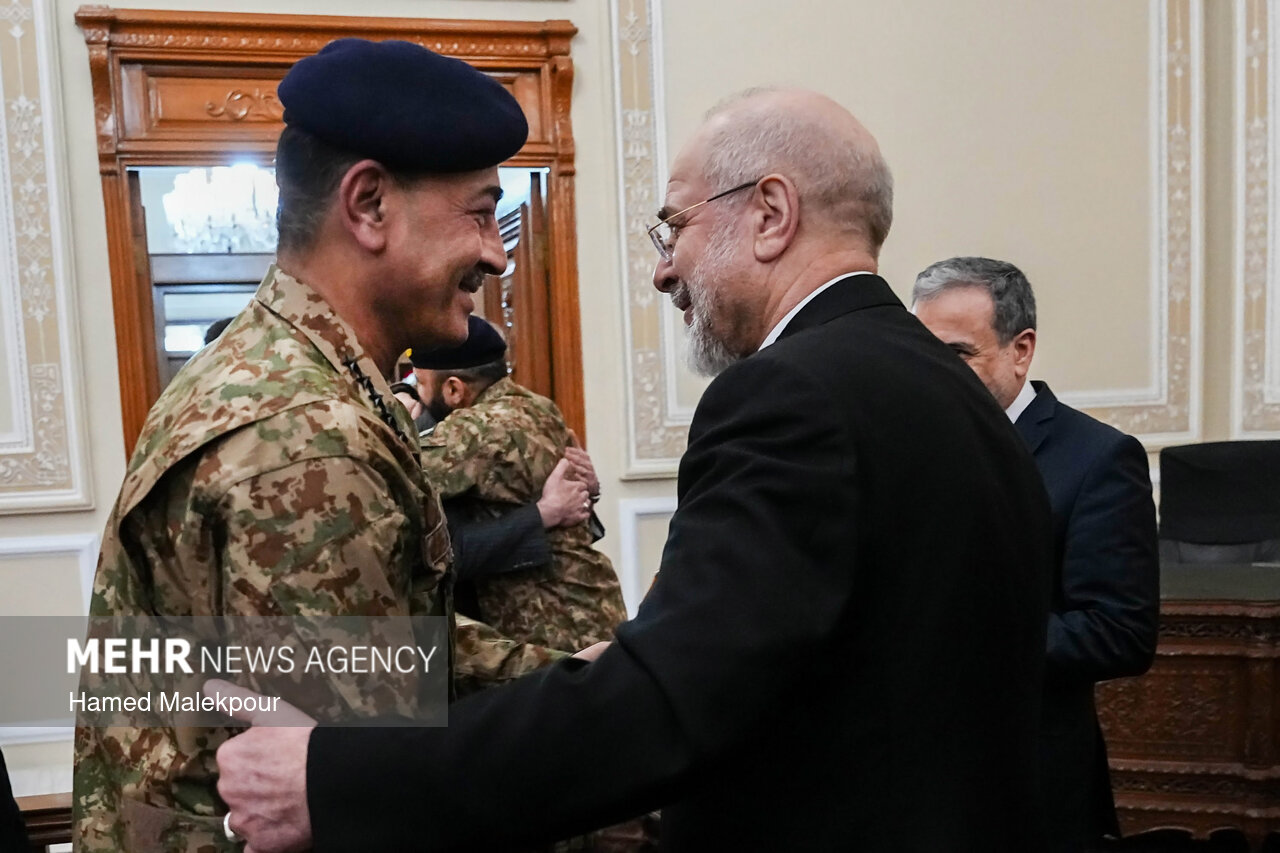
TEHRAN — Saudi Defence Minister Prince Khalid bin Salman met Iranian President Masoud Pezeshkian in Tehran on Monday alongside Pakistan’s army chief Field Marshal Asim Munir and Turkish intelligence director Ibrahim Kalin — the first high-level contact between all three Makkah pact signatories and Iran since Saudi Arabia became directly involved in the conflict, Reuters reported (IranIntl, October 26). An unnamed source told The National that Khalid arrived with “a clear mandate from the king and crown prince,” hours after coalition aircraft destroyed Houthi missile launchers in Sanaa.
The visit placed the defence and intelligence leadership of three countries bound by the Makkah Joint Defence Agreement — signed on August 7, committing members to use “all necessary means” against threats to their territorial integrity — across the table from Iran’s president and the secretary of its Supreme National Security Council (Kuwait Times/KUNA, October 26). Saudi Deputy Minister Rayed Krimly confirmed on X that the talks fell “within the framework of ongoing efforts to de-escalate tensions between the parties to the current crisis” and supported “mediation efforts undertaken by Qatar and Pakistan” (Krimly, X post, October 26). No joint communiqué had been issued by Monday afternoon (NBC News, Al Jazeera, The National, all October 26).
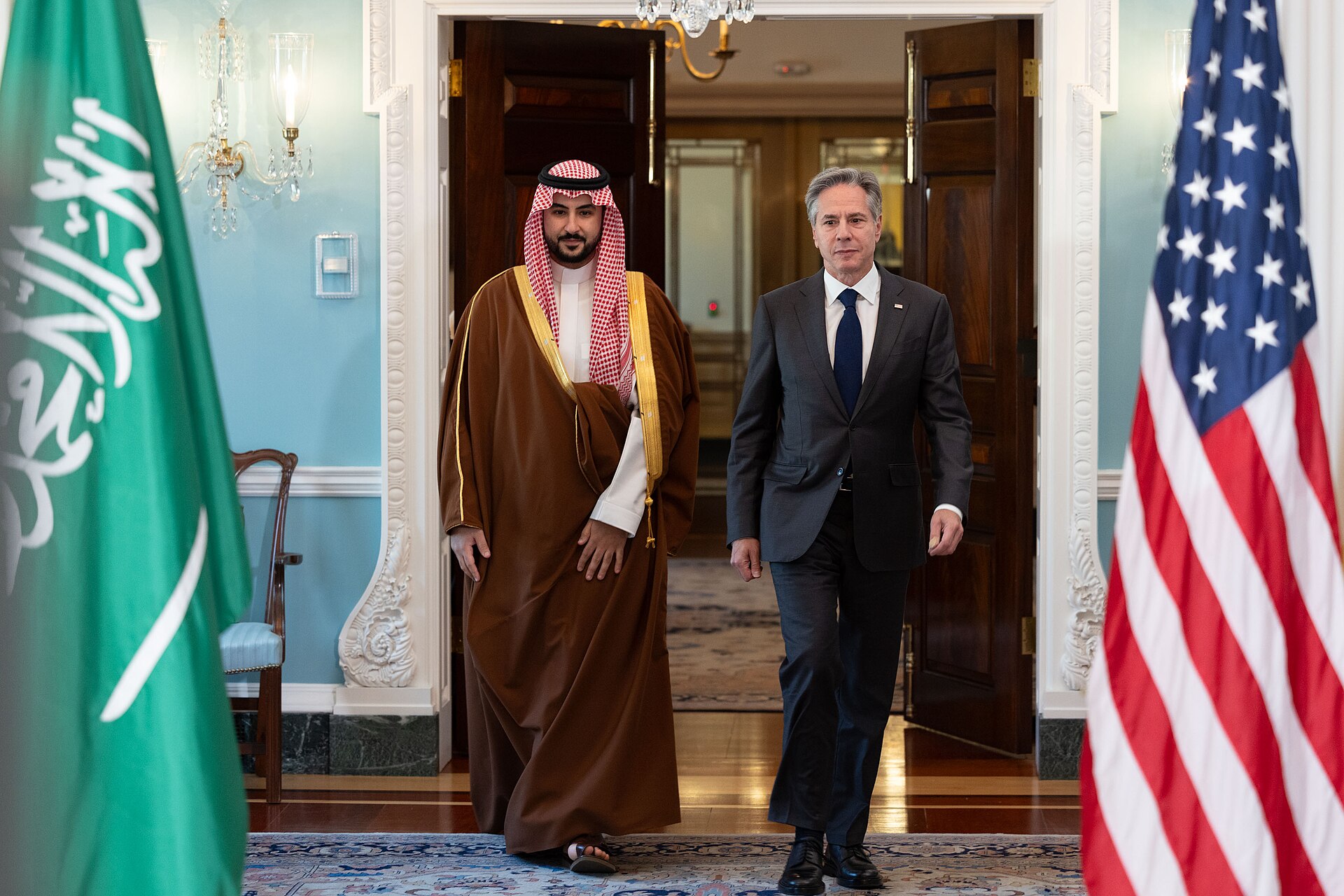
Table of Contents
Who Was in the Room
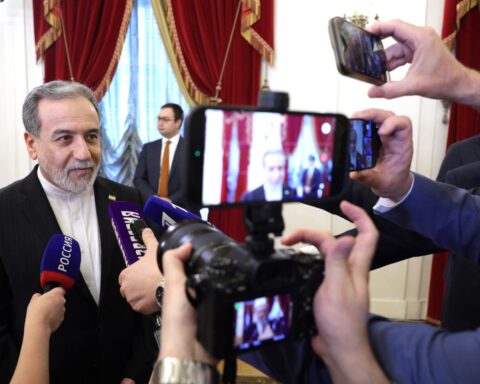
Ali Bagheri Kani, the SNSC Deputy for International Affairs, confirmed the lineup before the talks began: “Saudi Defence Minister Khalid bin Salman, Pakistani army chief General Asim Munir and Turkish intelligence chief Ibrahim Kalin will participate in this meeting” (Tasnim, October 26; Asharq al-Awsat, October 26). On the Iranian side, President Pezeshkian was joined by SNSC Secretary Mohsen Rezaei, the official who oversees Iran’s national security apparatus.
The House of Saud Daily Briefing
Saudi Arabia's news in 3 minutes, every morning. Free. See today's issue
| Side | Name | Role |
|---|---|---|
| Saudi Arabia | Prince Khalid bin Salman | Defence Minister |
| Pakistan | Field Marshal Asim Munir | Army Chief |
| Turkey | Ibrahim Kalin | Intelligence Director (MİT) |
| Iran | Masoud Pezeshkian | President |
| Iran | Mohsen Rezaei | SNSC Secretary |
The composition told its own story. Khalid bin Salman is not a foreign ministry envoy exchanging diplomatic niceties — he runs the ministry that is prosecuting the war against the Houthis. Munir commands the army that has deployed approximately 8,000 troops to Saudi Arabia, according to Reuters. Kalin leads Turkey’s National Intelligence Organisation, although Turkey’s parliament had still not ratified the Makkah agreement as of late October (Al Jazeera, October 6; Kuwait Times/KUNA, October 26).
Andreas Krieg, an analyst quoted by AFP, called Prince Khalid’s presence “hugely significant” and “a very, very strong signal that Riyadh is not passively waiting” (Gulf News, October 26). An unnamed Tehran source told The National that Riyadh recognised Iran as central to resolving the Yemen conflict — a concession that Saudi Arabia’s air campaign, however effective tactically, had not silenced the Houthi arsenal on its own (The National News, October 26).
Why Did Pakistan’s Army Chief Propose This Format?
The three-way delegation was Munir’s idea. Tasnim reported that Pakistan’s army chief proposed the joint meeting during a visit to Tehran the previous week, when he met Rezaei directly (Tasnim, October 26). That earlier trip established enough trust with Iran’s security council to produce something rare — an agreement to sit down with three foreign delegations at once, from a government that has historically preferred bilateral diplomacy it can control.
Pakistan occupies a singular position in this conflict. Its soldiers are on Saudi soil, deployed without a parliamentary vote in a decision that drew domestic criticism. Yet Islamabad also maintains working relations with Tehran and has served as a diplomatic channel between the two capitals. Munir’s calculation, embedded in the format he proposed, was that Pakistan’s dual credibility as military partner to Saudi Arabia and interlocutor with Iran made it the country best placed to get everyone into one room.
Qatar’s own diplomacy set the stage in the days before. A Qatari delegation was in Tehran on Sunday, working in coordination with the U.S. to de-escalate regional tensions (NBC News, October 26; The National News, October 26). Qatar’s Prime Minister and Foreign Minister Sheikh Mohammed bin Abdulrahman called Saudi Foreign Minister Faisal bin Farhan and Egyptian Foreign Minister Badr Abdelatty to press for de-escalation (The National News, October 26). The Qatari shuttle created the diplomatic opening; Munir’s format gave Saudi Arabia a way to walk through it with allies on either side rather than face Iran alone.
What Is on the Agenda?
Krimly’s public language kept the framing broad — “de-escalate tensions between the parties to the current crisis” — but two unnamed regional officials told NBC News that the Yemen war and Houthi strikes on Saudi Arabia were specifically on the table (NBC News, October 26). Iran’s Foreign Ministry spokesman Esmaeil Baghaei said the agenda would “undoubtedly address the most pressing threats to regional security” (NBC News, October 26; The National News, October 26).
Iran’s Foreign Minister Abbas Araghchi confirmed that indirect US-Iran talks were continuing through Pakistan and Qatar (The National News, October 26), adding a layer of complexity. Khalid’s delegation was not merely negotiating Saudi Arabia’s own security — it was operating within a wider web of mediation that included Washington at arm’s length. That gave the Tehran session broader significance, but it also constrained what could be offered without American assent.
Previous attempts at de-escalation had all failed — a broader diplomatic roadmap from Araghchi was rejected by Trump in September, and a Hormuz ceasefire brokered over the summer collapsed within weeks. Whatever Khalid brought to Tehran on Monday existed in the gap between what Iran has demanded and what Washington has been willing to accept, a space that has contracted with each failed overture.
How Is Iran Framing the Talks?
Iran’s public posture was carefully calibrated — openness with defiance woven through it. Baghaei called the meeting “a key development in shaping regional diplomacy” and said Iran “has not closed the door to diplomacy,” while in the same remarks accusing Washington of “repeated American calls for Iran’s complete surrender” (NBC News, October 26; The National News, October 26). Araghchi said similarly that Tehran’s policies had not changed despite growing talk of a new war (The National News, October 26).
Bagheri Kani, the SNSC Deputy for International Affairs, who announced the participant list, offered a sharper frame: Iran was providing its “experience ensuring national security during the war of aggression imposed by the US and the Israeli regime” (Tasnim, October 26). The language positioned Iran not as a party being pressured to the table, but as a veteran of external hostility offering counsel to neighbours facing similar threats. Whether Saudi Arabia’s delegation found that characterisation useful or insulting is among the details that may never become public.
“Do I make a deal with them or do I finish them off? That’s the only question.”
— President Donald Trump, Fox News Sunday Morning Futures (IranIntl, October 25)
Washington’s position offered the talks no breathing room. Trump had also said in the same Fox News interview that he “may do another little Epic Fury,” a reference to potential military action against Iran (IranIntl, October 25). Khalid’s delegation was navigating between Iranian defiance and American impatience, with the margin between those positions shrinking by the day.
Inside Iran’s parliament, the tone was harsher still. Legislator Ebrahim Rezaei said Saudi Arabia “has caused us major damages, and we are owed by the Saudis” (IranIntl, October 26). Lawmaker Fadahossein Maleki warned that Iran “is not far from accessing nuclear know-how” and could target sites in Arab countries (IranIntl, October 26). Neither speaks for the executive, but their comments reflect domestic currents that Pezeshkian’s government must navigate while sitting across from Khalid bin Salman.
Diplomacy Between Airstrikes
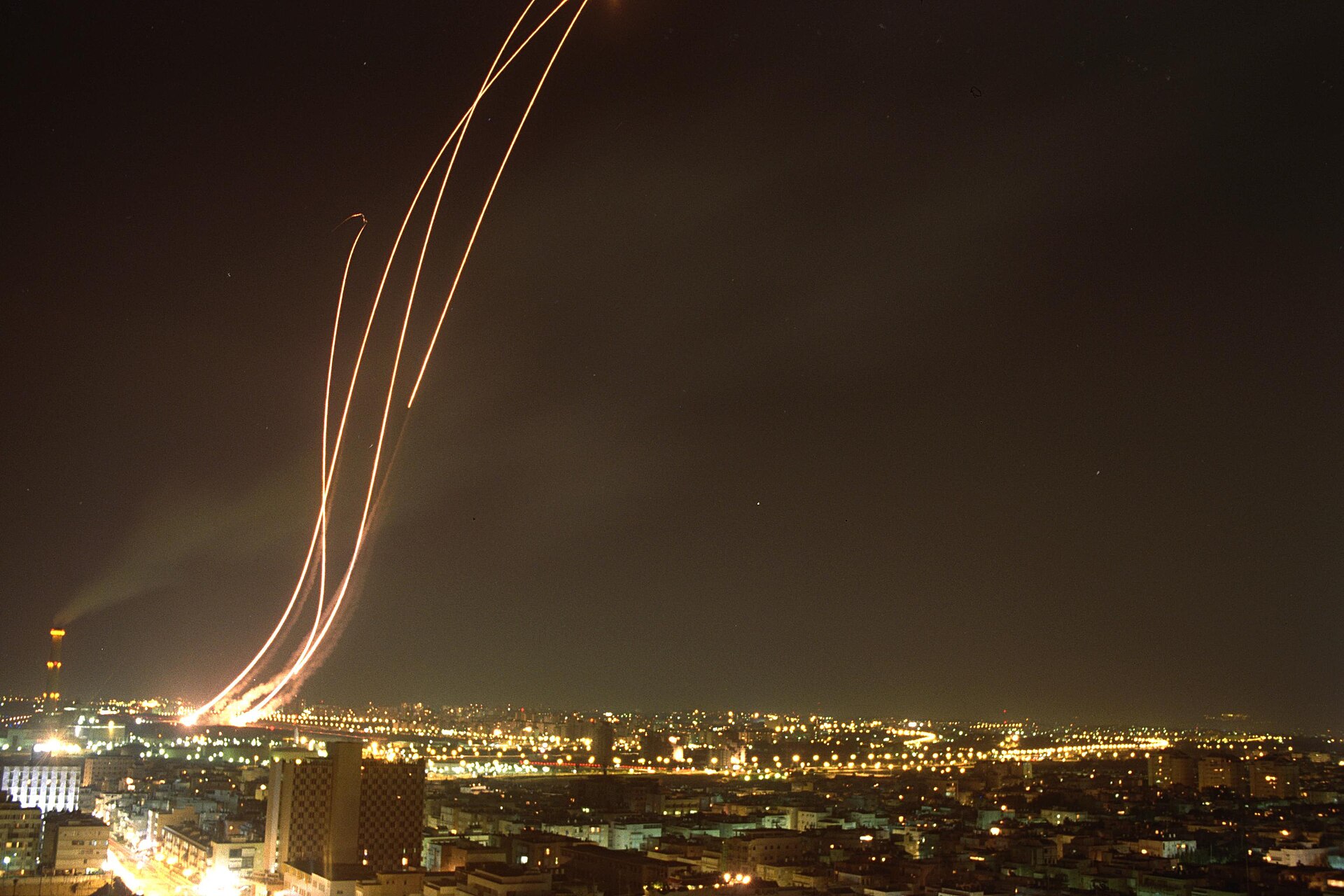
October 26 was not a day when the guns fell silent for diplomacy. Before the Tehran talks began, coalition forces destroyed Houthi missile launchers in Sanaa. Houthis claimed drone attacks on pumping stations along the East-West Pipeline the same morning, targeting infrastructure that carries Saudi crude from the Eastern Province to the Red Sea port of Yanbu. Iran fired a cruise missile at a vessel transiting the Strait of Hormuz, and the coalition struck the launch site at Sirik.
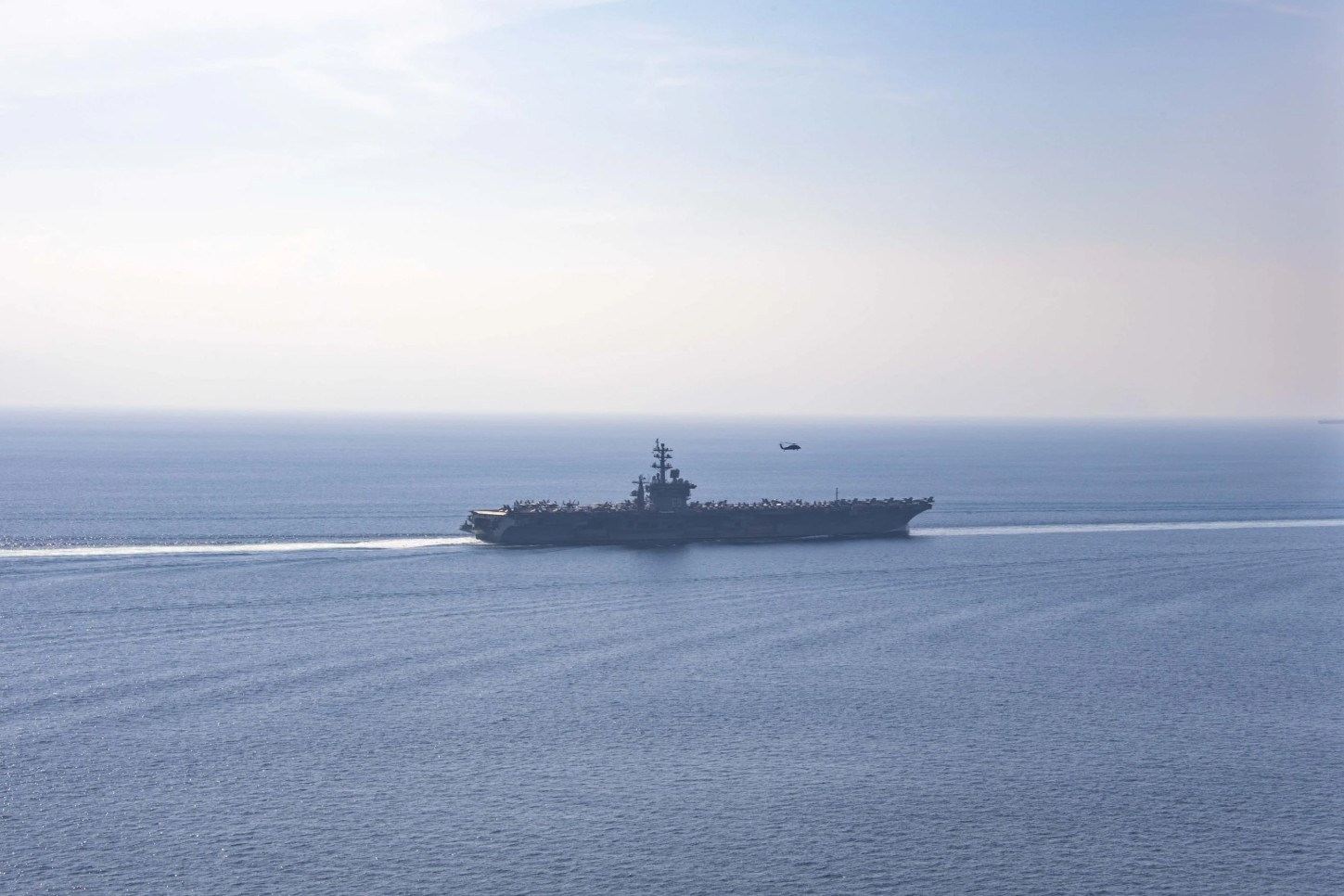
The economic toll extended well beyond the battlefield. Iran had restricted traffic through the Strait of Hormuz, leaving hundreds of vessels waiting to transit as of Sunday. Multiple airlines had refused to fly into Riyadh amid renewed Houthi threats to the airport, forcing the kingdom to postpone its flagship Future Investment Initiative summit to 2027. The Houthi campaign was no longer an abstract security challenge — it was cancelling conferences and grounding commercial flights into the Saudi capital.
Egypt’s parliament held a closed-door vote on deploying troops to Saudi Arabia the same day, expanding the coalition’s potential ground forces even as the diplomats sat in Tehran. Every military escalation strengthened Khalid’s hand at the negotiating table, and every hour without an agreement raised the risk that the next strike — from either side — would make the talks irrelevant.
Can the Talks Survive the Battlefield?
“This historic meeting in Tehran may be the last chance before escalation spirals out of control.”
— Analyst Hesham Alghannam (Yahoo/AP, October 26)
Alghannam’s assessment captured the fragility of the moment. The June agreement between Iran, Pakistan, and Qatar to reopen the Strait of Hormuz proved that deals are possible between these parties — and that they can disintegrate within weeks once fighting resumes (NBC News, October 26). Khalid’s delegation arrived with more leverage than the earlier mediators, backed by an active military coalition and a defence pact with force-deployment provisions, but the stakes of failure were correspondingly higher.
Structural gaps remained visible. Turkey’s unratified status in the Makkah pact meant one delegation at the table lacked full domestic authorisation for the agreement’s military commitments. No reporting indicated that Houthi representatives had been consulted or were present, leaving open whether any agreement between Saudi Arabia and Iran could be enforced on the ground in Yemen. The absence of a communiqué by Monday afternoon suggested the discussions were either still under way or had not yet produced language both sides would endorse (NBC News, Al Jazeera, The National, October 26).
Iran’s Araghchi had offered to “facilitate dialogue between Saudi Arabia and Yemen” (BBC, October 11), without a public Saudi response. Khalid showing up in Tehran in person — with a Pakistani field marshal and a Turkish spymaster beside him — was the response.
Background
The Makkah Joint Defence Agreement’s military committee authorised the deployment of Pakistani and Turkish forces to the kingdom (Al Jazeera, October 6), after the pact was signed on August 7. On October 11, Saudi Arabia, Egypt, Pakistan, and Turkey issued a joint condemnation of Houthi strikes on Saudi territory (CBS News, October 11).
The broader diplomatic track has been active but fragile. Iran’s SNSC Secretary Rezaei told Reuters in September that Tehran wanted the Saudi-Houthi war ended (Reuters, September 20). Araghchi presented a seven-day roadmap to Washington via Qatar the same month — a Hormuz reopening in exchange for the US lifting its blockade, sanctions waivers, and the release of approximately $12 billion in frozen Iranian assets — but Trump rejected it (Al Jazeera, September 25; WSJ, September 26). The pattern of collapsed proposals formed the backdrop against which Khalid’s delegation arrived in Tehran on Monday.
Frequently Asked Questions
Did the United States endorse the Tehran meeting?
No direct US endorsement of Monday’s session has been reported. However, Qatar’s Prime Minister was “working in coordination with the U.S. to de-escalate regional tensions” during his visit to Tehran on Sunday (NBC News, October 26), suggesting Washington was at least aware of the diplomatic track. Araghchi said indirect US-Iran talks were continuing through Pakistan and Qatar (The National News, October 26). Separately, Trump told The National on October 8 that he had ruled out military action against Iran before the November 3 midterm elections (The National, October 8), creating a finite diplomatic window.
Is there a separate Omani mediation channel?
Oman has historically served as a back-channel between Iran and its Gulf neighbours, including during the negotiations that led to the 2015 nuclear deal. No Omani representative was reported at the Tehran meeting on Monday. The status of a separate Omani ceasefire channel has been unresolved since mid-October, and it remains unclear whether the Makkah pact format has superseded or is running alongside Muscat’s own efforts.
Has Iran’s Supreme Leader endorsed the talks?
The confirmed Iranian participants were President Pezeshkian and SNSC Secretary Rezaei. No reporting has confirmed whether Supreme Leader Ali Khamenei’s office or the IRGC’s senior commanders attended or formally endorsed the session. The SNSC reports to the Supreme Leader under Iran’s constitutional structure, meaning Rezaei’s participation implies at minimum tacit approval from Iran’s highest authority — but the degree of that backing has not been made public.
Were Houthi representatives present or consulted?
No source has reported Houthi representatives being present at or consulted before the Tehran meeting. This is a significant gap, because any ceasefire or de-escalation arrangement involving Yemen would ultimately require Houthi compliance. Iran has previously offered to mediate between Saudi Arabia and the Houthis, but whether Tehran can or would enforce an agreement on its Yemeni allies remains untested. No mechanism has been made public for Tehran to bind the Houthis to terms agreed in their absence.
The House of Saud Daily Briefing
Saudi Arabia's news in 3 minutes, every morning. Free. See today's issue