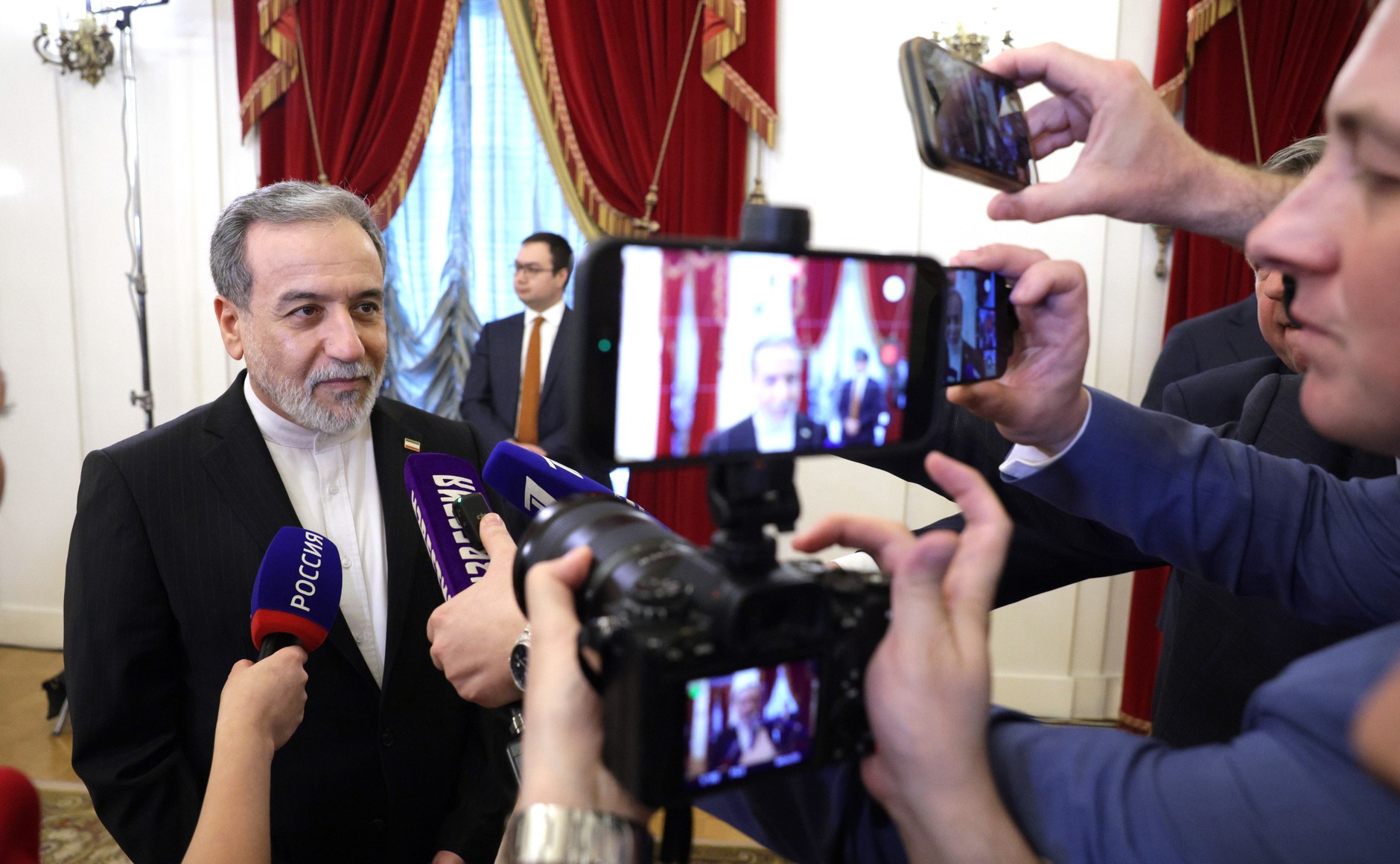

TEHRAN — Iran’s Foreign Minister Abbas Araghchi offered to mediate between Saudi Arabia and the Houthis on October 11, then repeated the offer on October 17, then announced on October 20 that neither side had responded. He knew they wouldn’t. That was the point.
The mediation offer Tehran extended and Riyadh ignored is not a failed peace initiative. It is a diplomatic instrument calibrated to fail — one that positions Iran as the reasonable party while the Houthis continue launching missiles at Saudi airports, oil facilities, and civilian infrastructure. Each day without a Saudi response, each Houthi attack that follows, each international news cycle that covers both: Tehran’s record grows. Iran tried. They didn’t.
Meanwhile, Egypt told Tehran privately that any troops authorized by parliament would only defend Saudi territory — they would not enter Yemen or fight the Houthis. Araghchi disclosed this conversation publicly on October 22, turning a private diplomatic assurance into a strategic signal. The message to Riyadh: your coalition partners have already drawn their red lines, and we know exactly where they are.
The House of Saud Daily Briefing
Saudi Arabia's news in 3 minutes, every morning. Free. See today's issue
What looks like diplomacy is actually positioning. Iran is building the case that when this war ends — and it will end — any settlement will have to go through Tehran. The mediation offer both sides will reject is how you become indispensable.
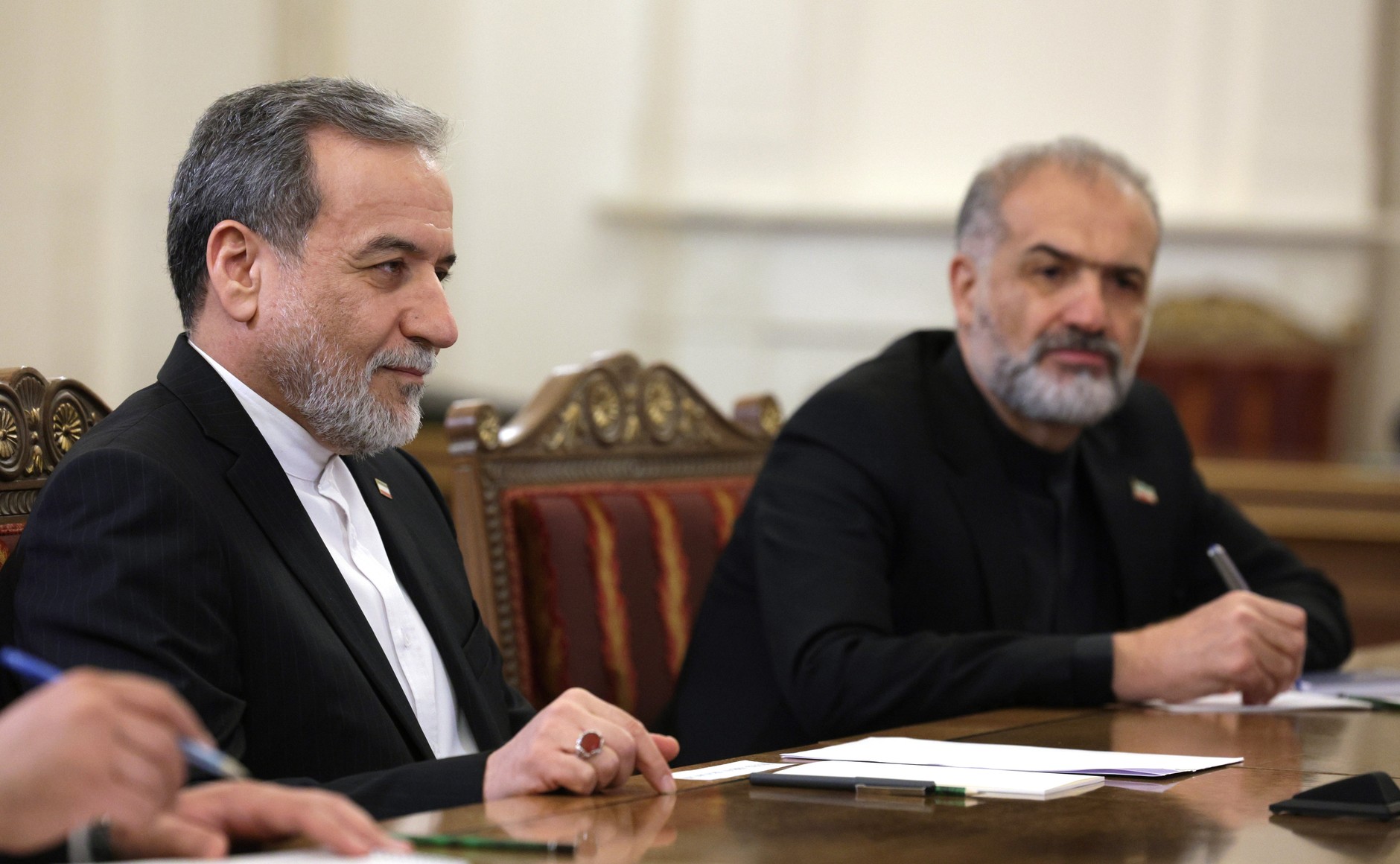
Table of Contents
- The Offer Nobody Accepted
- Why Did Saudi Arabia Stay Silent on Iran’s Mediation Offer?
- What Egypt Told Tehran — And Why Tehran Told Everyone
- The Houthis Said Nothing. That Was the Answer.
- Building a Paper Trail for the Endgame
- Who Can Actually Mediate Between Saudi Arabia and the Houthis?
- The Beijing Agreement Iran Already Broke
- Coalition Partners Draw Their Own Lines
- The Goal: Become Indispensable
- Frequently Asked Questions
The Offer Nobody Accepted
The timeline matters because the timing was deliberate. On July 26, Araghchi gave an interview to the Iran newspaper signaling Tehran’s interest: “We have declared our readiness to play a constructive role, and our friends in Saudi Arabia are aware of this.” It was a trial balloon, vague enough to deny, specific enough to register.
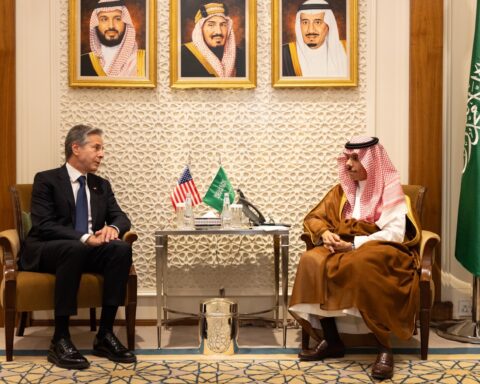
Then came the formal offer. On October 11, Araghchi called Saudi Foreign Minister Prince Faisal bin Farhan and offered to “facilitate dialogue between Saudi Arabia and Yemen” — phrasing that cast the Houthis as Yemen’s legitimate government while positioning Iran as a neutral broker. The BBC confirmed the offer. The Jerusalem Post confirmed that Saudi Arabia acknowledged the call happened but made no reference to any mediation proposal in its statement. Riyadh’s silence was loud.
Six days later, at the OIC Council of Foreign Ministers meeting in Baghdad, Araghchi repeated the offer publicly. A military solution was “not an option,” he said, then held bilateral meetings on the sidelines with Egyptian Foreign Minister Badr Abdelatty and Turkish Foreign Minister Hakan Fidan. The National reported the meetings. What they discussed remained private — until Araghchi decided otherwise.
By October 20, Araghchi went on Iraq’s Al Ekhbariya television and announced what everyone already knew: neither Saudi Arabia nor the Houthis had responded. Reuters covered the interview. So did the Jerusalem Post. The non-response was now international news, which was exactly the outcome Tehran wanted.
Why Did Saudi Arabia Stay Silent on Iran’s Mediation Offer?
Saudi Arabia rejected the mediation offer without formally rejecting it. The kingdom confirmed the October 11 phone call but stripped any reference to mediation from its readout — a diplomatic maneuver that acknowledged contact while refusing to dignify the proposal with a response. This was not an oversight. It was a statement.
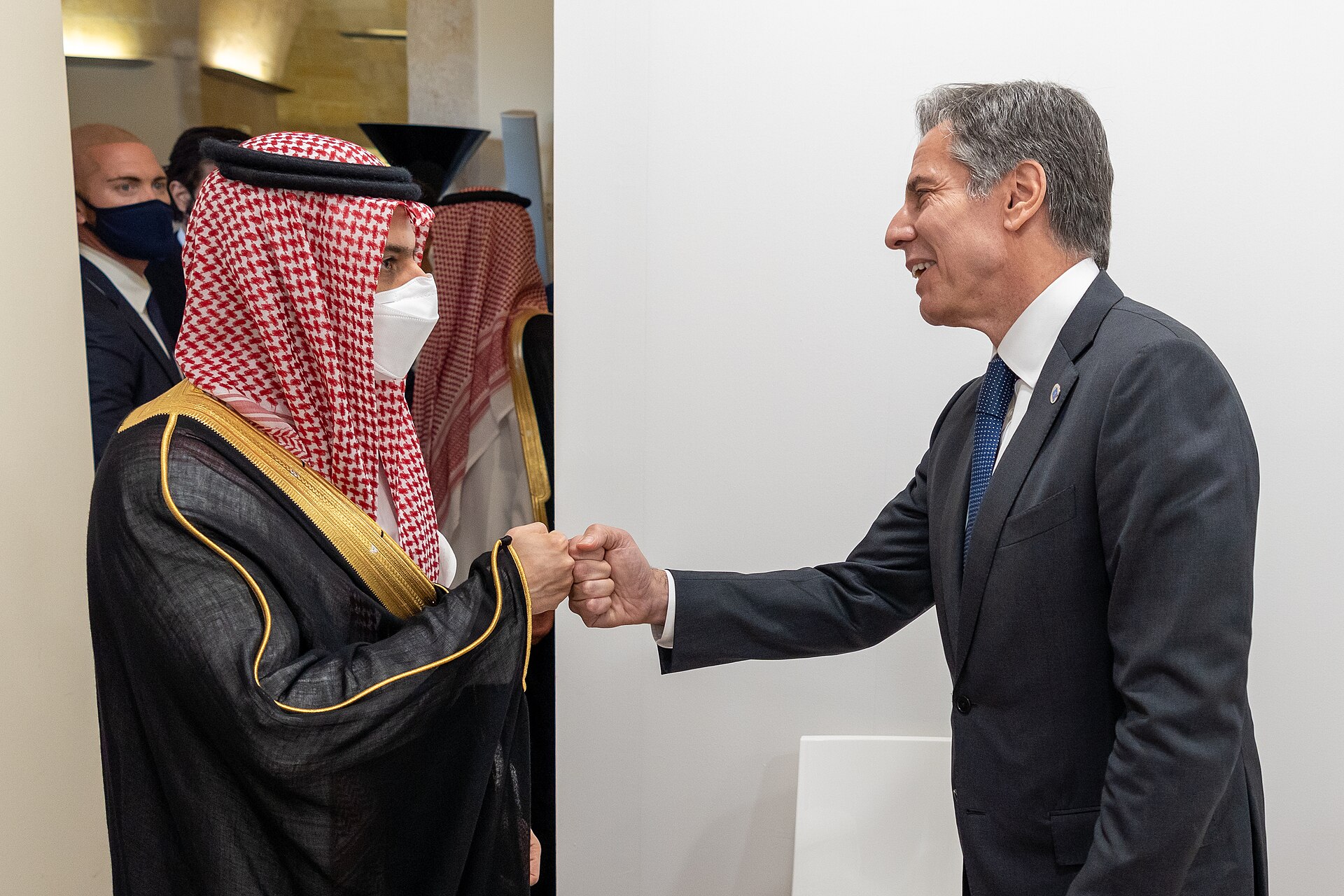
The reason is simple: Saudi officials believe Iran is the problem, not the solution. On October 15, Saudi Deputy Foreign Minister for Public Diplomacy Rayed Krimly held a briefing in Cairo and said it plainly: “We think the escalation by the Houthis at this later stage of the conflict is encouraged by Iran.” He accused Tehran of continuing to “arm, train and support the Houthi militia” in direct violation of the Beijing agreement both countries signed in March 2023.
Krimly also revealed that Saudi Arabia had already proposed direct talks with the Houthis — through Oman, in July 2026. The Houthis refused. This detail matters because it undercuts Iran’s narrative. Riyadh wasn’t avoiding dialogue. It was pursuing dialogue through a channel that didn’t hand Tehran a diplomatic victory. Oman, Krimly noted, “acts as a facilitator, and not as a mediator.” The distinction is meaningful: a facilitator enables talks between parties; a mediator shapes the outcome. Saudi Arabia wanted the former. Iran was offering the latter.
Yemen’s internationally recognized government made the case even more bluntly. At the OIC meeting in Baghdad on October 18, Foreign Minister Afrah al-Zouba rejected Iranian mediation outright: “Those who arm one side in a war cannot be mediators in that same war.” Asharq Al-Awsat published the quote. It was the clearest articulation of why Tehran’s offer was dead on arrival — and why Tehran made it anyway.
What Egypt Told Tehran — And Why Tehran Told Everyone
Egypt’s position was supposed to stay private. President Abdel Fattah el-Sisi asked parliament on October 17 to approve deploying air defense forces and logistical support to help Saudi Arabia intercept Houthi missiles and drones. Al Arabiya and Khaleej Times reported the request. The vote was postponed to October 26. But between the request and the vote, something else happened: Egypt communicated to Tehran that any deployment would be strictly defensive.
Araghchi disclosed this in an interview with Iraq’s Al-Iraqiya around October 22. Cairo, he said, had communicated that Egyptian forces “will not enter Yemen or engage in a war against Yemen.” TRT World, citing AFP, published his remarks. The same day, Sisi made a public statement confirming the limits: “The Egyptian military effort is intended to defend the Kingdom’s territory and does not include an attack on Yemen.”
The disclosure itself was the message. Tehran took a private diplomatic assurance — the kind governments exchange to prevent miscalculation — and made it public record. This accomplished several things simultaneously. It signaled to the Houthis that Egyptian forces posed no offensive threat to their positions in Yemen. It demonstrated to Riyadh that Iran had access to coalition partners’ private communications. And it created a wedge between Saudi Arabia and Egypt before a single Egyptian soldier had deployed.
Araghchi framed the disclosure as a warning: “We believe that any foreign presence or interference will only make resolving this issue more difficult.” The subtext was clearer. Iran knows what your allies are telling you privately. Iran knows their limits. And Iran will use that information when it suits Iranian interests. The mediation offer and the Egypt disclosure were part of the same strategy — building a position for a negotiation that hasn’t started yet.
The Houthis Said Nothing. That Was the Answer.
Search the record and you will find no Houthi statement acknowledging or responding to Iran’s mediation offer. Ansar Allah’s media operation is prolific — they announce attacks, claim victories, issue threats, and publish propaganda with industrial efficiency. Yet on Tehran’s offer to broker peace, they said nothing.
This silence is itself a position. The Houthis have spent years cultivating the image of an independent resistance movement, not an Iranian proxy awaiting instructions from Tehran. Acknowledging Iran’s mediation offer would undercut that narrative. It would imply that peace requires Iranian permission — which is precisely what Saudi Arabia and Yemen’s recognized government argue. So the Houthis stayed quiet and kept launching missiles.
The attacks during this period tell their own story. On October 22, a Houthi strike on King Fahd International Airport killed one person and injured eight, according to Saudi Arabia’s General Authority of Civil Aviation. On October 21, coalition forces intercepted drones near Riyadh. On October 20, strikes hit infrastructure across the Eastern Province. The Houthis were not pausing for diplomacy. They were not waiting for Iran’s mediation to produce results. They were operating on their own timeline, which is exactly what Tehran claims — and exactly what serves Tehran’s interests.
Andreas Krieg, a Middle East security analyst at King’s College London, captured the dynamic in an Al Jazeera interview on October 12: “Ansar Allah is not simply an Iranian proxy awaiting instructions.” This is true in the narrow sense that the Houthis make their own tactical decisions. But Krieg also said something else: “Iran is trying to turn Yemen from a military liability into a diplomatic asset.” The Houthis’ silence on mediation, combined with their continued attacks, serves that conversion. Tehran gets to offer peace while its partners wage war.
Building a Paper Trail for the Endgame
Every war ends. This one will too — through exhaustion, negotiation, or a change in the regional balance that makes continued fighting pointless. When that moment comes, whoever shaped the diplomatic record will shape the settlement. Iran understands this. The mediation offer is an investment in that future.
Consider what Tehran has now established. Iran offered to mediate on July 26 (signaled), October 11 (formal), October 17 (repeated at OIC), and October 20 (publicly announced). Each instance is documented by international media. Each instance shows Iran extending an olive branch. Each instance shows Saudi Arabia and the Houthis failing to respond. When historians write about this conflict — or when diplomats negotiate its end — Iran will point to this record. We tried. They refused.
The UN Secretary-General, European governments, and international organizations will eventually broker some kind of ceasefire or settlement. When they do, they will need Iran’s cooperation to make it stick. Tehran’s mediation offers create a paper trail that says: we were ready to help all along. This positions Iran not as the patron of the Houthis but as a constructive regional actor frustrated by others’ intransigence. The framing is audacious and, for anyone paying attention, transparent. But diplomatic records are written for audiences who aren’t paying close attention.
Negar Mortazavi, a senior non-resident fellow at the Center for International Policy in Washington, articulated the strategy in an Al Jazeera interview on October 12: “Iran is positioning itself as an indispensable party to a broader regional settlement.” The word “indispensable” is key. Tehran doesn’t need to succeed in mediating this conflict. It needs to make itself unavoidable in any future resolution. The offer that fails today becomes the currency that works tomorrow.
Who Can Actually Mediate Between Saudi Arabia and the Houthis?
If Iran cannot mediate because it arms the Houthis, who can? The question reveals why Tehran’s offer was always a strategic maneuver rather than a genuine peace initiative. The field of potential mediators is narrow, and Iran’s offer was designed to crowd it further.
Oman has served as the primary diplomatic channel between Saudi Arabia and the Houthis for years — including the July 2026 direct talks Riyadh proposed and Ansar Allah rejected. Muscat’s role is facilitation, not mediation. Oman provides a neutral venue and secure communications. It does not propose terms or pressure parties to accept them. This approach has produced temporary truces and prisoner exchanges but no lasting settlement.
The OIC Secretary-General, Ismail Ould Cheikh Ahmed, announced at the Baghdad meeting on October 17 that he would “activate the OIC’s mediation unit.” The National reported the statement. Whether the OIC has the capacity or credibility to broker a settlement between a member state (Saudi Arabia) and a group both Saudi Arabia and Yemen’s recognized government consider Iranian proxies remains doubtful. The organization has historically struggled to mediate conflicts involving major Gulf powers.
China brokered the March 2023 normalization between Iran and Saudi Arabia — a diplomatic achievement that surprised the region. Beijing has economic interests in both countries and pull with both governments. But China’s interest was in preventing open conflict between Iran and Saudi Arabia, not in resolving Yemen’s civil war. The Yemen file is messier, involves non-state actors, and offers fewer commercial benefits. Beijing’s appetite for that complexity is unclear.
The United States, now ordering non-emergency diplomats out of Saudi Arabia amid Houthi attacks, has limited credibility with Tehran and no relationship with the Houthis. Washington’s role has been military support for the coalition and pressure on Iran, not mediation. The current trajectory — US and Israeli planning for potential strikes on Iran — makes American mediation even less plausible.
The Beijing Agreement Iran Already Broke
Tehran’s mediation offer arrives three years after China brokered normalization between Iran and Saudi Arabia — an agreement that included, according to Saudi officials, an Iranian commitment to halt covert weapons shipments to the Houthis. That commitment, Krimly told reporters in Cairo on October 15, has been violated. Iran continues to “arm, train and support the Houthi militia.”
The Beijing agreement, signed March 10, 2023, was supposed to close the chapter of proxy warfare. Iranian and Saudi diplomats exchanged ambassadors. Direct communication channels opened — the same channels Araghchi used to make his mediation offer. Trade and investment discussions resumed. The regional cold war appeared to be thawing. But the agreement did not end Houthi attacks on Saudi Arabia, and it did not end Iranian support for the Houthis. It created a diplomatic framework that Tehran now uses to present itself as a partner while the military relationship with Ansar Allah continues.
Missiles, drones, and components have continued flowing from Iran to Yemen despite the Beijing agreement’s implicit requirement that they stop. Iran’s recent declaration of an offensive military doctrine and claims of a 1.5x larger missile arsenal suggest Tehran is escalating, not de-escalating, its regional military posture.
This is the contradiction at the center of Iran’s mediation offer. The same government offering to broker peace is the government arming one side of the war. The same foreign minister calling for dialogue is the foreign minister whose ministry oversees relationships with the IRGC’s Quds Force, which coordinates with the Houthis. Araghchi maintained on Al-Iraqiya that the Houthis make their own decisions — a claim designed to create distance between Tehran and Ansar Allah’s attacks. But independence in tactics does not mean independence in supply chains. The missiles hitting Saudi airports are Iranian designs. The drones are Iranian technology. The mediation offer is Iranian strategy.
Coalition Partners Draw Their Own Lines
Egypt is not the only coalition partner with limits. Pakistan deployed approximately 8,000 troops to Saudi Arabia without a parliamentary vote — a deployment Reuters reported and Islamabad has declined to discuss publicly. The silence itself signals discomfort. Pakistan’s relationship with Iran is delicate; shared borders and shared religious minorities create sensitivities that don’t apply to countries further from Tehran’s orbit.
Sisi’s request to Egypt’s parliament was for air defense and logistical support — not ground troops, not offensive operations, not a commitment to enter Yemen. The parliament’s vote, postponed to October 26, will likely approve a carefully circumscribed deployment. Cairo remembers the last time Egyptian forces fought in Yemen: the 1960s intervention that became Nasser’s Vietnam, draining military resources and achieving nothing. Sisi has no intention of repeating that history.
The coalition Saudi Arabia assembled to confront Houthi attacks is broad on paper and constrained in practice. Each partner has drawn lines Iran can see and exploit. Araghchi’s disclosure of Egypt’s position was a demonstration: Tehran knows where those lines are. The mediation offer was another demonstration: Tehran can position itself as the peace-seeking party while coalition partners struggle to coordinate an effective response.
The Goal: Become Indispensable
Iran’s strategy is not to win the war in Yemen. It is to ensure that Iran cannot be excluded from ending it. The mediation offer, the disclosure of Egypt’s limits, the public framing of non-responses as obstruction — all serve this goal. Tehran is building the case that any regional settlement must include Iranian participation.
Aramco has evacuated its Dhahran headquarters. Brent crude has hit $114 while Saudi Arabia struggles to ship its oil. The EU-GCC Summit and the Future Investment Initiative have been postponed as Houthis fire missiles at Riyadh. The costs of this war are mounting for Saudi Arabia in ways that will eventually force a political resolution. Iran is positioning to be at that table.
The seven-day roadmap Araghchi proposed via Qatar in late September was a different negotiation — Hormuz reopening in exchange for US sanctions relief and roughly $12 billion in frozen assets, per Al Jazeera’s reporting on September 25. Trump rejected it, according to Hurriyet’s report on the Wall Street Journal’s account. But the Yemen mediation offer operates in the same strategic logic: create proposals that establish Iran as a negotiating party, whether or not the immediate proposal succeeds.
Esmaeil Baghaei, Iran’s Foreign Ministry spokesperson, framed the offer in humanitarian terms: “We do not want hostilities to continue between two Muslim countries.” Middle East Eye published the quote. The framing is convenient. It positions Iran as a peacemaker while the IRGC continues to arm the force attacking those two Muslim countries. But diplomatic framing is not about accuracy. It is about creating narratives that serve future negotiations.
The UN Security Council affirmed Saudi Arabia’s right to self-defense and condemned Houthi strikes. But condemnation does not stop missiles. Eventually, someone will have to negotiate with the people launching them. Iran is making sure that negotiation runs through Tehran.
“Iran is positioning itself as an indispensable party to a broader regional settlement.”
— Negar Mortazavi, Center for International Policy, Al Jazeera, October 12, 2026
The mediation offer was never meant to succeed. It was meant to be made, recorded, and rejected — creating the conditions for Iran to shape whatever comes next. Saudi Arabia’s silence is a tactical response to a strategic move. But the longer the war continues, the stronger Iran’s position becomes. That is the calculation Araghchi is making. Every missile that hits a Saudi airport, every day without a ceasefire, every coalition fracture that Tehran can exploit — all of it makes Iran more indispensable to the endgame.

Frequently Asked Questions
Did the Houthis formally reject Iran’s mediation offer?
No. Ansar Allah issued no public statement acknowledging or responding to Iran’s mediation offer as of October 22, 2026. Their silence contrasts with their prolific media operation, which regularly announces attacks and issues threats. The absence of any response — while launching major strikes throughout October — suggests the Houthis prefer to maintain the appearance of operational independence from Tehran. A formal rejection would acknowledge Iranian authority over their decisions; silence preserves their narrative as an autonomous resistance movement.
Has Iran mediated any previous conflicts successfully?
Iran played a role in negotiating the release of Western hostages in Lebanon during the early 1990s, though its influence there stemmed from relationships with Hezbollah that mirror its current ties to the Houthis. More recently, Tehran facilitated the March 2023 Beijing agreement with Saudi Arabia, though China served as the primary broker. Iran has not successfully mediated a conflict in which it was also a military patron of one side — the exact dynamic that Yemen’s Foreign Minister Afrah al-Zouba cited when rejecting Iranian mediation.
What would happen if Saudi Arabia accepted Iran’s mediation offer?
Acceptance would validate Iran’s framing as a neutral broker rather than a party to the conflict. It would likely require direct negotiations between Saudi officials and Houthi representatives with Iranian facilitation — elevating both Iran’s regional status and the Houthis’ political legitimacy. Any agreement reached through Iranian mediation would give Tehran ongoing influence over implementation, since Iran would be positioned to enforce (or undermine) compliance by either side. Saudi officials appear to have concluded that these costs outweigh any potential benefits.
Why did Iran disclose Egypt’s private assurances publicly?
The disclosure established a precedent with lasting consequences that go beyond the Egypt case. Any government that passes private assurances to Tehran now knows those assurances may become public at Iran’s discretion. This raises the cost of back-channel diplomacy: the private communications that normally allow rivals to manage escalation and prevent miscalculation are harder to sustain when one party may publish them strategically. For Saudi Arabia, that means coalition partners may start calibrating their private communications with Tehran — telling Iran less, or saying nothing at all — which ironically limits Riyadh’s ability to use quiet diplomacy to constrain its own allies’ behavior.
Could China mediate the Yemen conflict as it did the Iran-Saudi normalization?
China’s March 2023 success relied on both Iran and Saudi Arabia wanting to reduce bilateral tensions and Beijing having economic weight with both governments. Yemen presents different challenges: the Houthis are a non-state actor without formal relations with Beijing, the conflict involves multiple parties beyond Iran and Saudi Arabia, and the commercial benefits to China are less clear. Beijing’s interests run through Gulf oil imports and regional stability, not through Yemen’s internal politics. China might facilitate Iran-Saudi discussions about Yemen, but direct mediation of the Houthi conflict would require engaging actors Beijing has no established relationship with.
The House of Saud Daily Briefing
Saudi Arabia's news in 3 minutes, every morning. Free. See today's issue