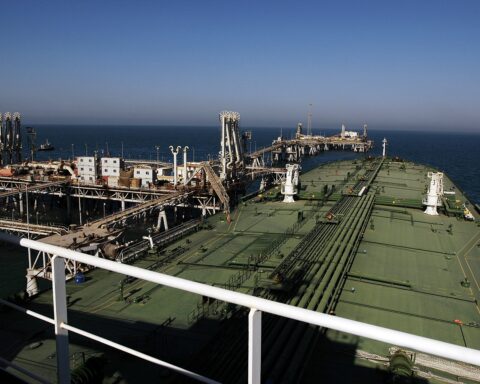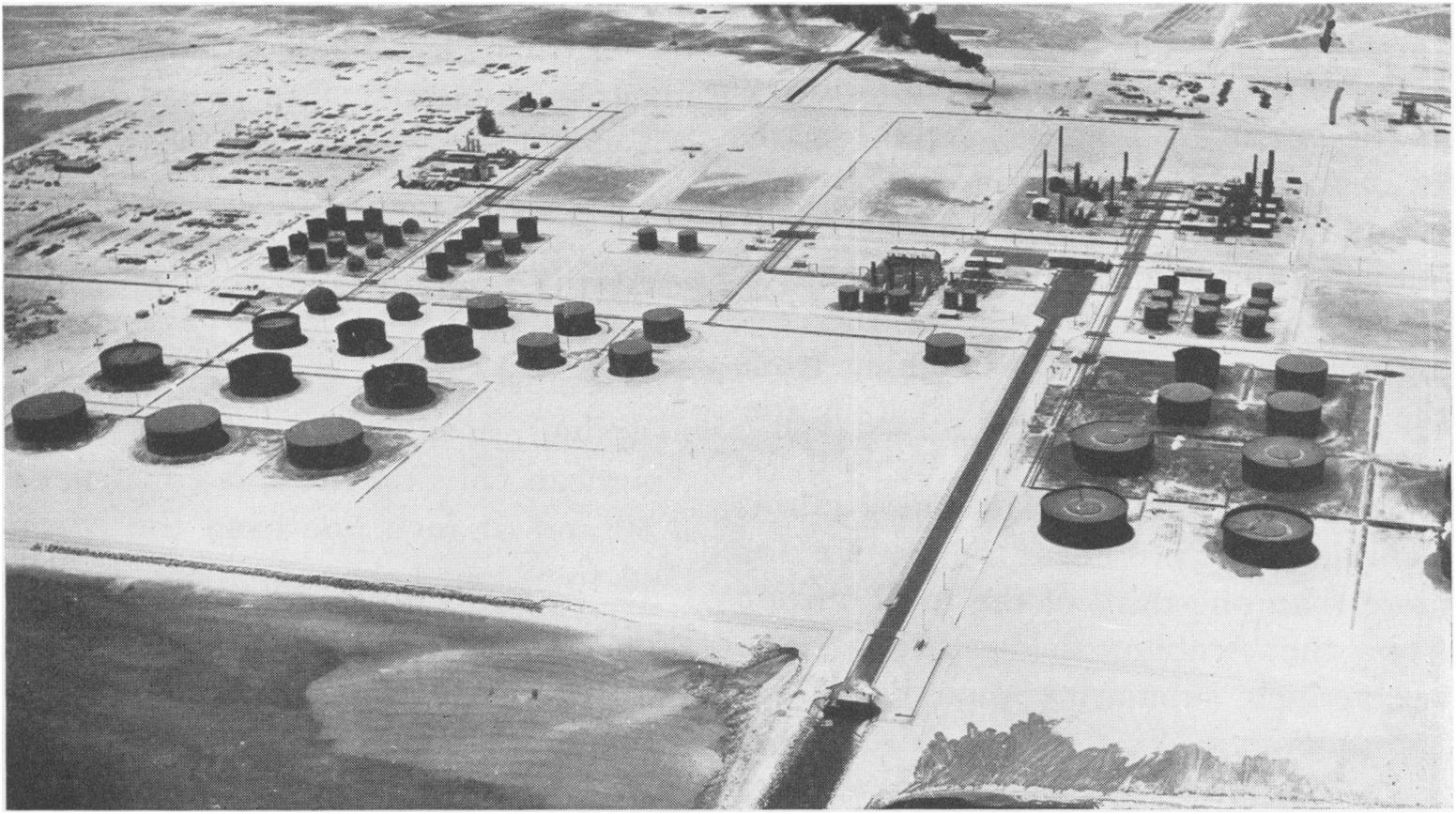

DHAHRAN — Houthi military spokesman Yahya Saree claimed on Tuesday that Yemeni armed forces fired a ballistic missile at Saudi Arabia’s Ras Tanura refinery — the kingdom’s largest, with a capacity of 550,000 barrels per day — and said the missile hit its target and caused large fires at the site. Aramco, which issued a detailed public statement within hours of a separate fire at the adjacent Ras Tanura export terminal on the same day, has not responded to requests for comment on the refinery missile claim, according to Business Recorder, Energy News Beat, and the Siasat Daily.
The silence is doing more work than any press release could. Oil prices climbed on Wednesday, partially reversing the previous session’s slide that had come on the back of diplomatic hopes from the failed Tehran ceasefire talks. A 550,000 bpd refinery is not a marginal facility — it processes roughly 5 percent of Saudi Arabia’s pre-war crude output for domestic consumption and product exports, and any sustained damage would compound the supply crisis that has already seen Saudi loadings fall more than 70 percent since the Strait of Hormuz was declared closed.
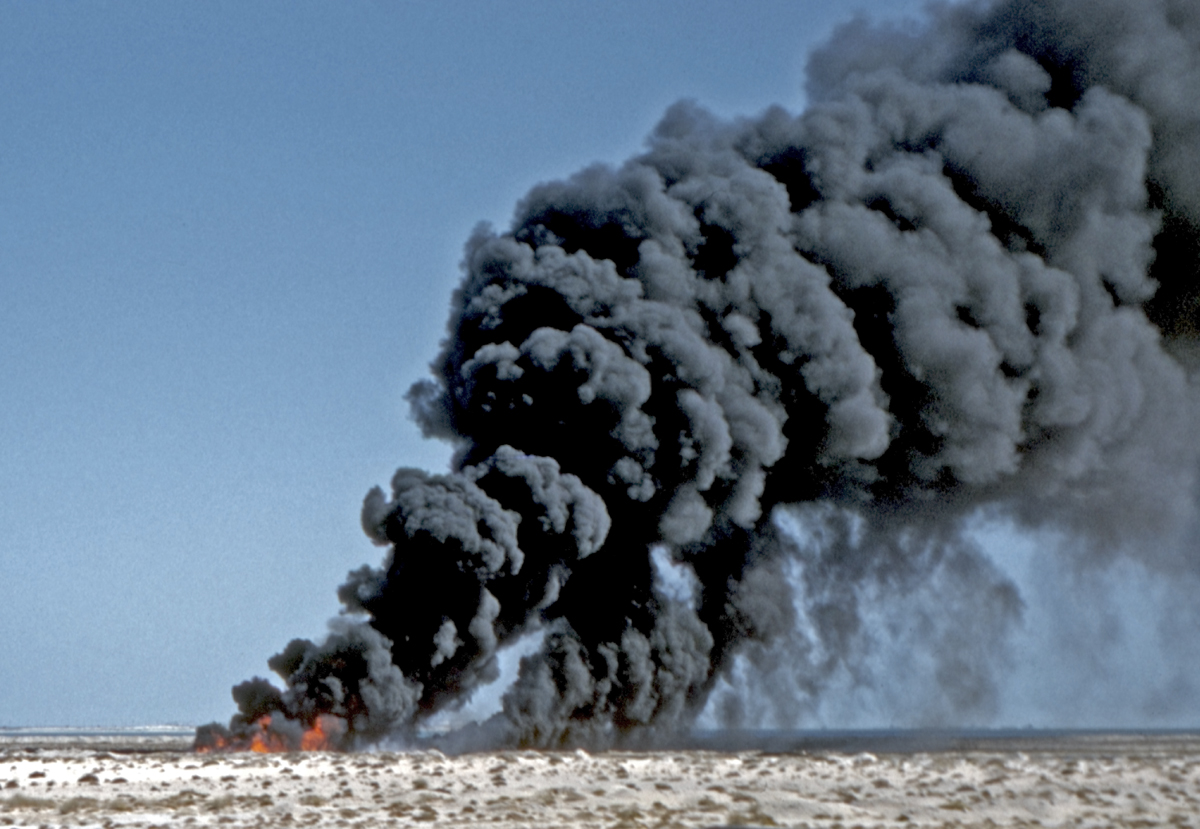
Table of Contents
Three Versions of the Same Night
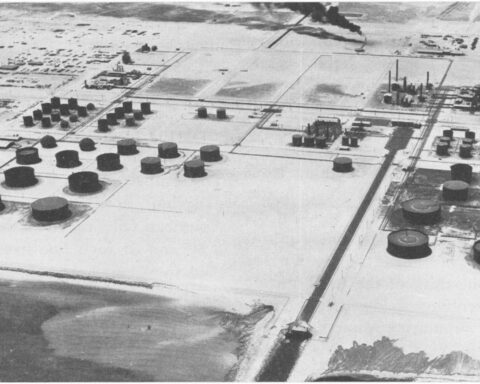
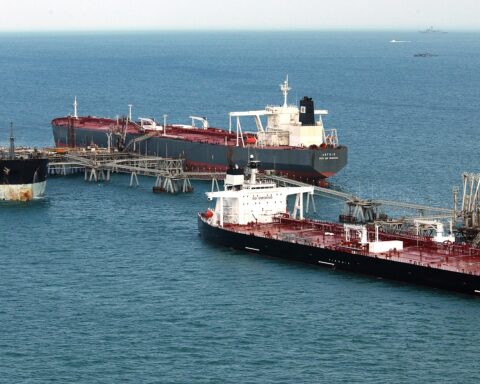
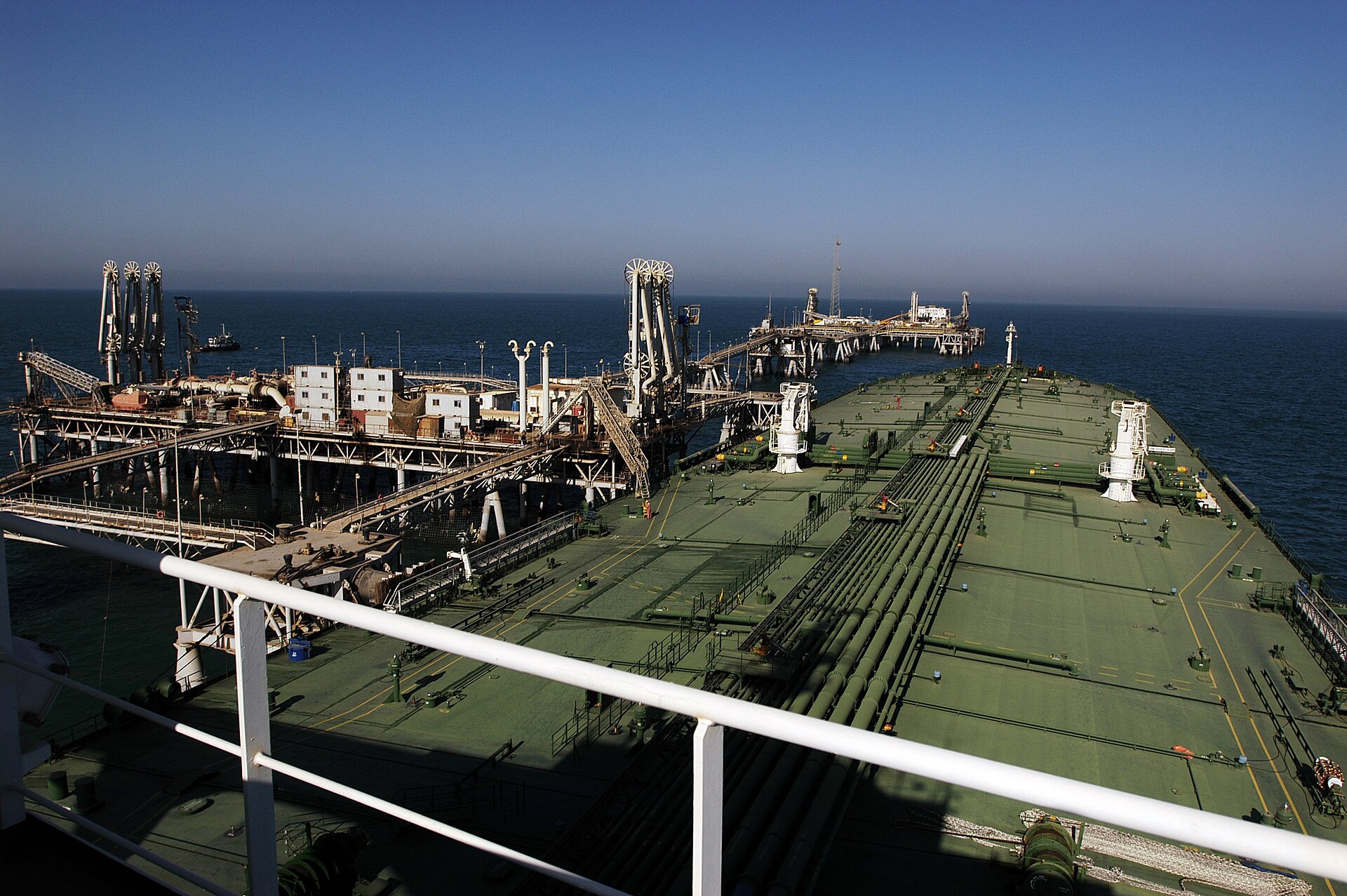
Ras Tanura sits on a narrow peninsula jutting into the Persian Gulf northeast of Dhahran, and its industrial complex combines two distinct operations: Saudi Arabia’s largest crude distillation refinery — also the oldest in the Gulf, according to MEED — and a major crude export terminal that handles tanker loadings for global markets. On Tuesday, October 27, both parts of the complex featured in the news, but through different lenses, from different sources, with different levels of official confirmation.
The House of Saud Daily Briefing
Saudi Arabia's news in 3 minutes, every morning. Free. See today's issue
The Saudi-led coalition said it intercepted and destroyed three ballistic missiles aimed at the Eastern Province and four drones targeting southern Saudi Arabia on Tuesday, according to OilPrice.com and the Siasat Daily. The coalition’s statement did not directly link those interceptions to the Ras Tanura complex and did not confirm whether any missile penetrated the defences. Separately, Saudi Civil Defense issued an air raid alert in Riyadh on Tuesday, then said the threat had passed; falling debris from intercepts damaged a building, a construction site, and a vehicle in the capital, OilPrice.com reported.
Saree’s claim, posted on X and reported by Reuters via KSL.com, was specific: the target was the Ras Tanura refinery, not the terminal, and the missile “struck its target accurately.” The same day, Saree also claimed a ballistic missile hit Saudi Arabia’s Defence Ministry in Riyadh and a drone struck Abha airport, according to WION News — Saudi authorities confirmed neither of those additional claims.
Saudi Arabia’s Al Hadath channel offered a different account: the fire at Ras Tanura was “due to shrapnel falling during an interception operation,” according to Newsquawk — framing the blaze as debris from a successful intercept rather than a direct missile hit. Bloomberg, citing an anonymous person familiar with the matter, reported that a fire near the Ras Tanura terminal had been contained, but attributed it to the terminal rather than the refinery and offered no damage assessment, as reported by KSL.com and Türkiye Today.
NASA FIRMS satellite data from Tuesday detected heat signatures at the Ras Tanura export terminal, according to the World Ports Organization as cited by Energy News Beat. The satellite data supports the existence of a fire at the terminal — it does not confirm damage to refinery processing units, which sit in a separate section of the complex. Maritime security agency Vanguard said “the extent of damage and any impact on oil-loading operations remain unclear,” per Energy News Beat.
Why Has Aramco Gone Quiet on the Refinery Claim?
When a fire broke out at the Ras Tanura export terminal earlier on October 27 — an event already reported as a coalition missile interception — Aramco responded publicly through Argaam within hours: the fire was “fully contained,” eight workers were injured, and “operations were not affected.” That statement covered the terminal fire. It said nothing about the separate Houthi claim that a ballistic missile struck the refinery itself.
Multiple outlets, including Business Recorder, Energy News Beat, and the Siasat Daily, reported that Aramco “didn’t immediately respond to a request for comment” on the refinery missile claim. No statement from the Saudi Energy Ministry on the refinery has been found either. The gap between the two responses — quick and detailed on the terminal, absent on the refinery — is the most conspicuous feature of the official record so far.
The 2019 Abqaiq attack offers a partial precedent for how Aramco handles strikes on critical infrastructure when the damage is real. On September 14, 2019, drone and missile strikes on the Abqaiq processing facility and the Khurais oil field suspended 5.7 million bpd — approximately half of Saudi output at the time, according to Argaam and The National News. Aramco was initially silent, then promised “a progress update in around 48 hours.” Full production was restored by the end of September 2019. The overnight attack, satellite-confirmed fire, and initial corporate silence all echo the current situation, though the scale of the Abqaiq disruption dwarfed anything claimed at Ras Tanura.
There is also a more recent comparison within the same complex. On March 2, 2026, drone interception debris caused a limited fire at the Ras Tanura refinery. The Saudi Energy Ministry said the blaze was “immediately contained,” with “no injuries or fatalities” and “no impact on supply,” according to the Saudi Press Agency. In that case, an official statement came quickly and was specific about damage — the opposite of what is happening now with the October 27 refinery claim.
How Did Oil Markets Respond?
Brent crude futures rose $1.31, or 1.2 percent, to $115.19 a barrel on Wednesday, October 28, according to Business Recorder citing Reuters. WTI crude climbed roughly $1.43 to approximately $101.33. The gains partially reversed Monday’s slide — Brent had settled at $113.88 on October 27, down $1.93 or 1.67 percent, as diplomatic hopes from the Saudi-led Tehran talks briefly softened prices, Energy News Beat reported citing Reuters.
The rebound reflected more than just the Ras Tanura claim. American Petroleum Institute data showed US crude stocks fell 2.03 million barrels in the week ending October 23, against analyst expectations of a 15,000-barrel build, according to Business Recorder — a draw that tightened the supply picture independently of events in the Eastern Province. UBS analyst Giovanni Staunovo told Reuters that “preliminary data pointing to a decline in US crude inventories is adding to the positive momentum” of oil prices.
“Oil prices remain elevated as the market waits for greater clarity on President Trump’s next move toward Iran.”
— ING commodity strategists, via Reuters, October 28, 2026
The broader context makes any disruption to Saudi refining capacity more consequential than it would have been six months ago. The IRGC declared the Strait of Hormuz closed on October 26, with tanker transits dropping to four per day. Iran has expanded its tanker blockade to the Gulf of Oman, pushing Saudi crude loadings sharply below pre-crisis levels. The OPEC+ emergency meeting set for November 1 will address a Saudi production quota of 10.5 million bpd that the kingdom cannot physically export through its normal Gulf routes. SEB analyst Bjarne Schieldrop, according to Reuters, said prices carry a risk premium tied to a possible US or Israeli attack on Iran layered on top of the supply disruption.
Against that backdrop, traders are pricing uncertainty, not confirmed damage. The market moved on the Houthi claim and on Aramco’s failure to deny it — the absence of a statement functioning as its own kind of signal, even if an unintentional one.
The Houthi Claim Pattern
The Houthis have established a consistent pattern of claiming more than independent evidence confirms, and any assessment of the Ras Tanura refinery claim has to account for that record. Saree’s October 27 announcements included not just the Ras Tanura refinery but also a ballistic missile hit on Saudi Arabia’s Defence Ministry in Riyadh and a drone strike on Abha airport, according to WION News and the Siasat Daily. Saudi authorities confirmed none of the additional claims.
Earlier in the current escalation, the Houthis claimed strikes on the Rabigh refinery and the East-West pipeline on October 25 — an event covered by this site — and have repeatedly claimed attacks on Aramco facilities at various locations since the conflict intensified. The pattern is consistent: Saree announces strikes on multiple high-value targets simultaneously, making it difficult for Saudi authorities to address each claim individually without inadvertently confirming the ones they do not deny.
Iranian state broadcaster IRIB cited Arab media in reporting that the Ras Tanura refinery “was reportedly targeted by missiles,” according to Newsquawk — a more cautious framing than Saree’s claim of a direct hit, which suggests even Tehran’s state media is hedging on the specifics. The distinction between “targeted” and “struck” is not semantic in this context: a ballistic missile that is intercepted on approach is a different event, with different consequences, from one that penetrates air defences and hits refinery processing equipment at a facility of that scale.
Ras Tanura and the Saudi Refinery War
Ras Tanura is both the largest and oldest refinery in the Gulf, according to MEED, and its output serves primarily domestic supply alongside some product exports. The facility sits within a broader complex that includes the crude export terminal — a dual function that makes it one of the most strategically dense pieces of oil infrastructure on earth, with refining and export operations occupying the same narrow peninsula.
The refinery has been hit before in this war. The March 2, 2026 drone interception debris fire was contained quickly, with the Saudi Energy Ministry confirming “no impact on supply” via the Saudi Press Agency. But the pattern of attacks on Saudi refining capacity since the Iran-Saudi conflict began in February has been relentless: drones caused the March Ras Tanura fire, a drone hit the SAMREF refinery at Yanbu on March 19 according to Marine Insight, overnight attacks forced the 460,000 bpd SATORP refinery at Jubail to close on April 7-8 according to The New Arab, and the 400,000 bpd Jazan refinery has been shut since a July 27 Houthi strike damaged its IGCC complex, according to IIR via Hydrocarbon Processing.
The cumulative effect on Saudi production has been severe. OPEC data put Saudi crude output at 6,967 thousand bpd in March, down from 10,882 thousand bpd in February, according to Hellenic Shipping News. The IEA estimated Saudi output had dropped by 2.3 million bpd by August 2026, according to Reuters. Each refinery taken offline adds to a domestic fuel supply problem that compounds the export crisis — Saudi Arabia needs refined products for its own population, and every barrel it cannot refine domestically is a barrel it must either import or divert from crude exports.
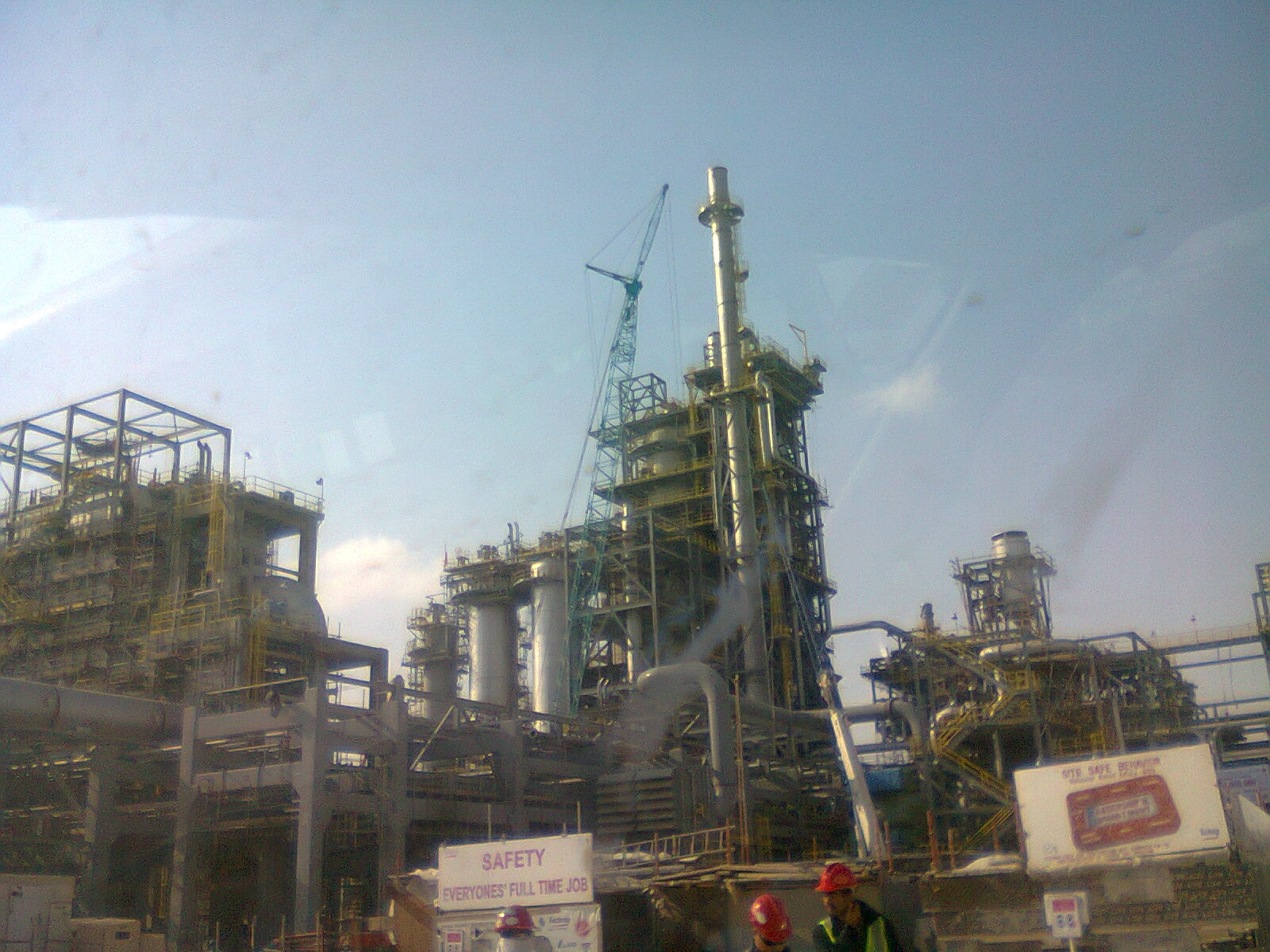
The October 27 events at Ras Tanura — the confirmed terminal fire with Aramco’s rapid response, the unconfirmed refinery missile claim with Aramco’s silence — fit a broader pattern in which the information gap between Houthi claims and Saudi confirmations has become structural. US forces capable of striking Iran within 96 hours of a presidential order are positioned in the region, but the question of what actually happened inside the Ras Tanura refinery on Tuesday night remains, for now, unanswered by the only entity that knows for certain.
Frequently Asked Questions
What is the difference between the Ras Tanura refinery and the Ras Tanura terminal?
The Ras Tanura complex combines two operations on the same peninsula: Saudi Arabia’s largest crude distillation refinery, which processes oil primarily for domestic use, and a separate crude export terminal that loads tankers for international markets, according to MEED. The terminal fire on October 27 drew a public Aramco response confirming containment and injuries. The Houthi claim of a ballistic missile strike targets the refinery — a different part of the complex with different strategic implications, since refinery damage affects domestic fuel supply while terminal damage affects export capacity.
How does the Ras Tanura refinery claim compare to the 2019 Abqaiq attack?
The September 14, 2019 strikes on Abqaiq and Khurais suspended 5.7 million bpd — approximately 50 percent of Saudi output at the time, according to Argaam. Aramco went quiet initially before issuing a damage update within roughly 48 hours; full production was restored by late September. The current Ras Tanura refinery claim, even if fully confirmed, would involve 550,000 bpd — roughly a tenth of the Abqaiq disruption. The parallel is in the information pattern: overnight attack, satellite-detected fire, and initial corporate silence before any damage assessment reaches the public.
Has the Ras Tanura refinery been attacked before in this conflict?
On March 2, 2026, drone interception debris caused a limited fire at the refinery. The Saudi Energy Ministry confirmed the fire was “immediately contained” with “no injuries or fatalities” and “no impact on supply,” via the Saudi Press Agency. Unlike the current situation, the March incident drew a swift and specific official response the same day.
What would confirmed damage to the Ras Tanura refinery mean for Saudi domestic fuel supply?
Saudi Arabia’s remaining operational refineries are already under severe strain. SATORP at Jubail (460,000 bpd) has been offline since April 7-8, according to The New Arab, and the 400,000 bpd Jazan complex has been shut since a July 27 strike damaged its IGCC unit, according to IIR via Hydrocarbon Processing. Confirmed damage to Ras Tanura would remove a further large portion of Saudi processing capacity — adding a domestic fuel shortage to the export crisis already caused by the Hormuz closure and tanker blockade. Crude export rerouting cannot compensate for lost domestic refining capacity.
When might Aramco or the Saudi government issue a statement on the refinery claim?
There is no announced timeline. In the 2019 Abqaiq attack, Aramco went silent initially before committing to a damage update within 48 hours, according to Argaam. In the March 2026 Ras Tanura incident, the Energy Ministry responded the same day via the Saudi Press Agency. The current silence — more than 24 hours after the Houthi claim — does not conform to either precedent, though it is possible the company is still assessing damage or that the claim does not warrant a response because no missile reached the refinery. Neither explanation has been offered publicly.
The House of Saud Daily Briefing
Saudi Arabia's news in 3 minutes, every morning. Free. See today's issue