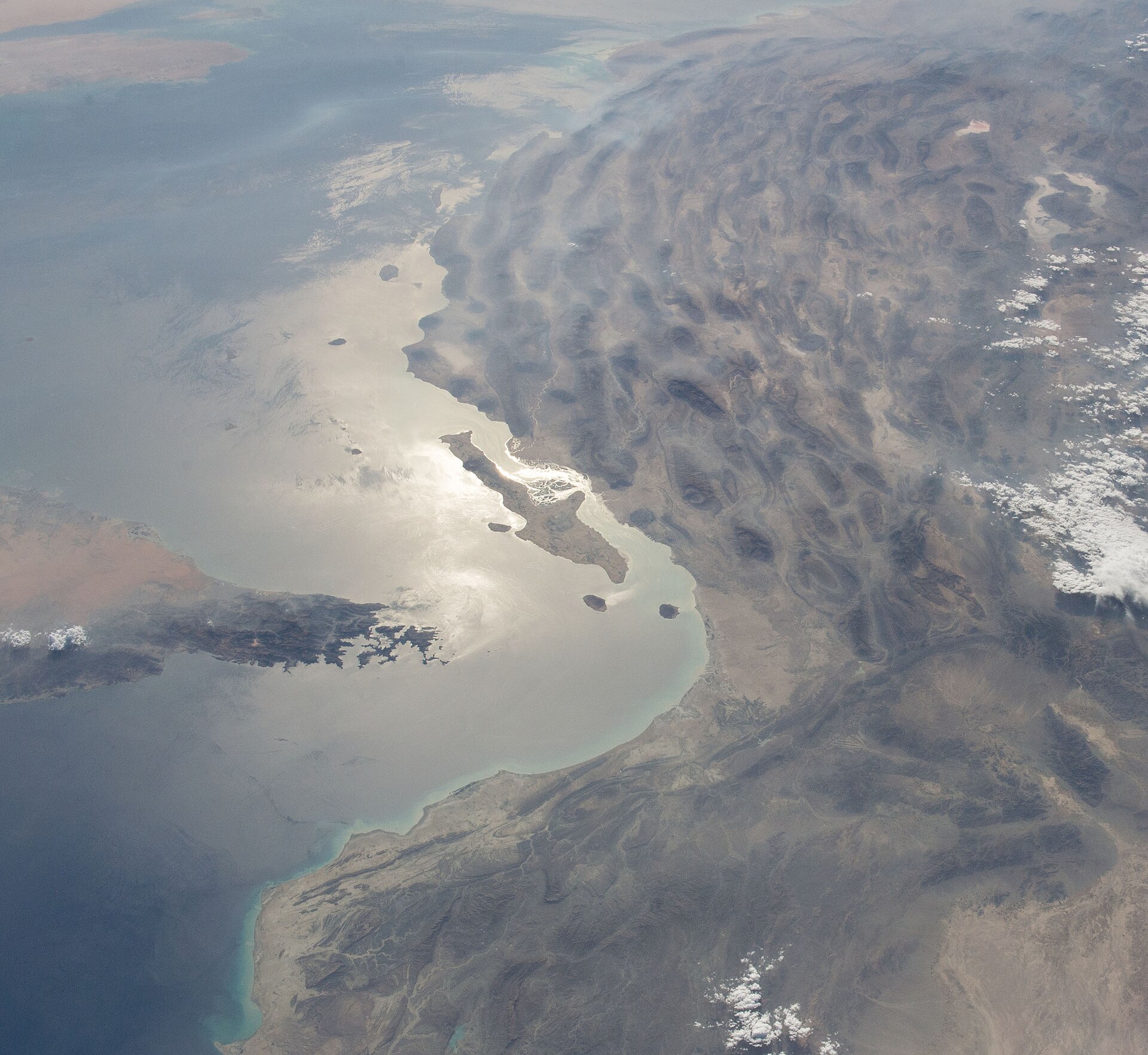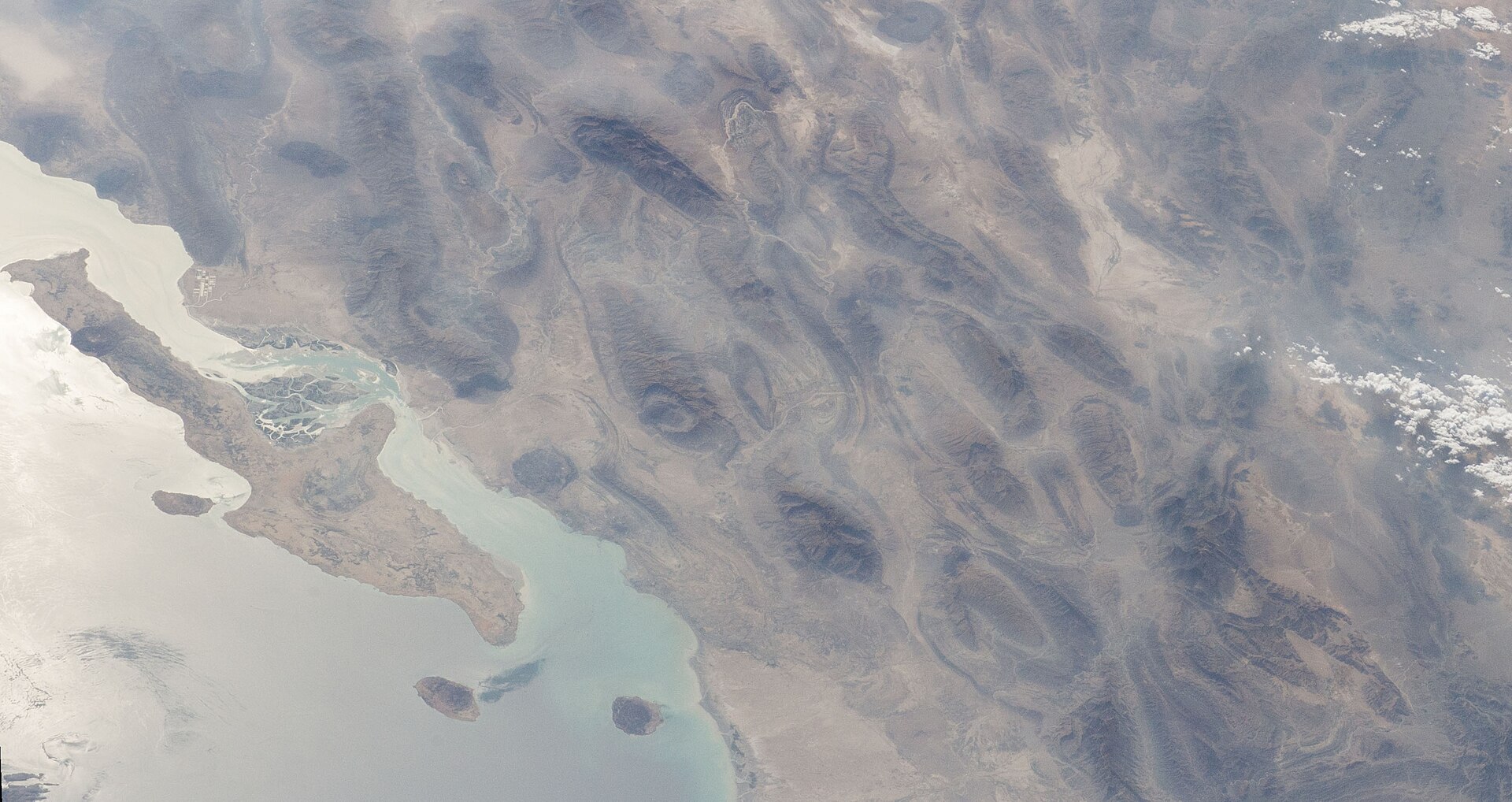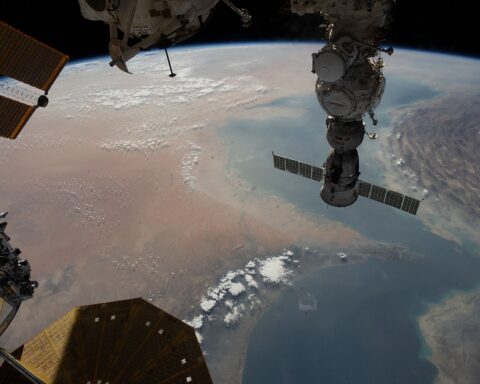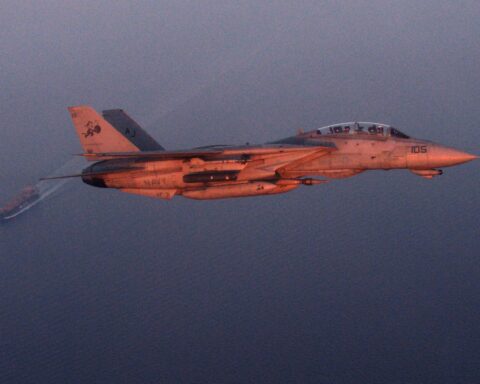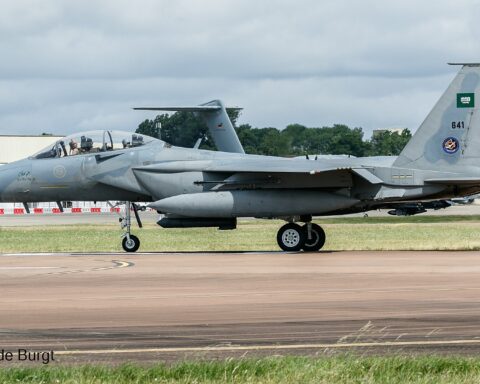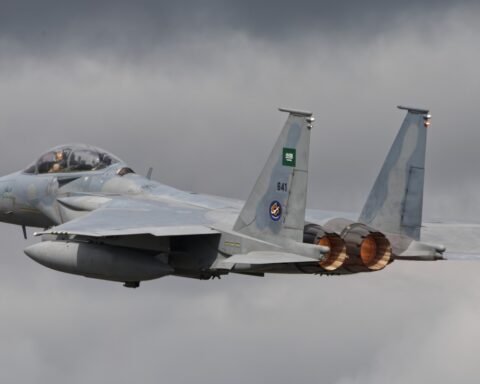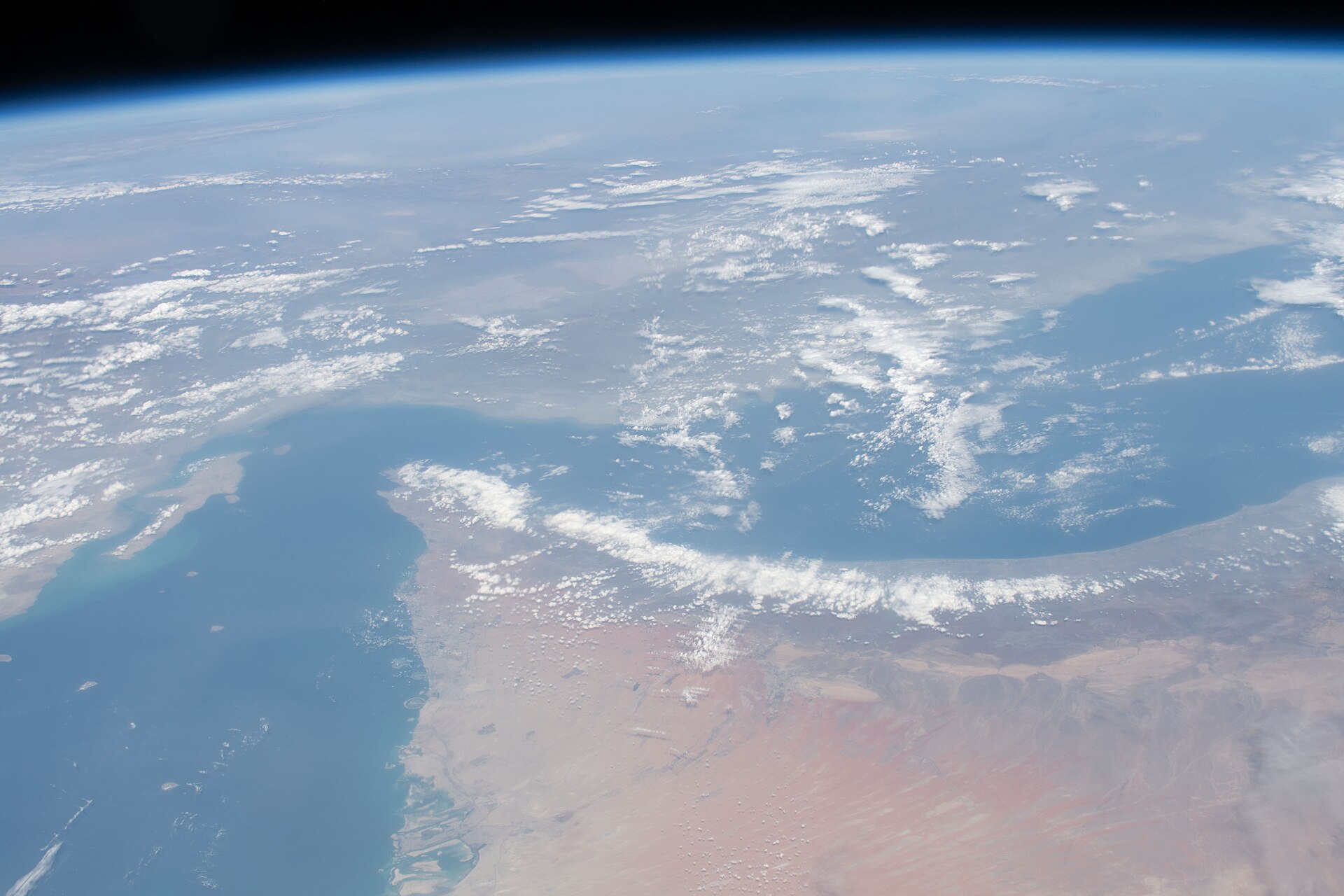

TEHRAN — Iran’s Islamic Revolutionary Guard Corps fired surface-to-air missiles at a US military aircraft over the Strait of Hormuz on Monday, prompting the United States to strike the missile launcher on Qeshm Island, three US officials told NBC News and CNN. No official statement identified the type of aircraft targeted or confirmed whether it was damaged.
The strike was the first US military action against Iranian targets since early September, according to Asharq Al-Awsat, and it came while Foreign Minister Abbas Araghchi’s two-day Hormuz reopening proposal sat without a response from Washington or Riyadh, according to HNGN. President Trump’s self-imposed moratorium on strikes against Iran was set to expire on Tuesday, the day of the US midterm elections.
The House of Saud Daily Briefing
Saudi Arabia's news in 3 minutes, every morning. Free. See today's issue
Table of Contents
What Happened Over the Strait of Hormuz on Monday?
A US official told NBC News that Iran’s IRGC used “surface-to-air missiles against US assets” over the strait on Monday. The US military responded by striking an Iranian missile launcher on Qeshm Island, with the stated objective of taking out the launcher, a second US official told NBC News. The Wall Street Journal first reported the US strikes; CNN and NBC News subsequently confirmed them through three anonymous US officials.
Iranian state news agency IRNA reported five explosions on Qeshm Island. Further blasts were heard in Bandar Lengeh, a port on the Iranian mainland coast near the strait, and residents told IRNA that two aircraft flew over the island during the strikes, according to Business Standard.
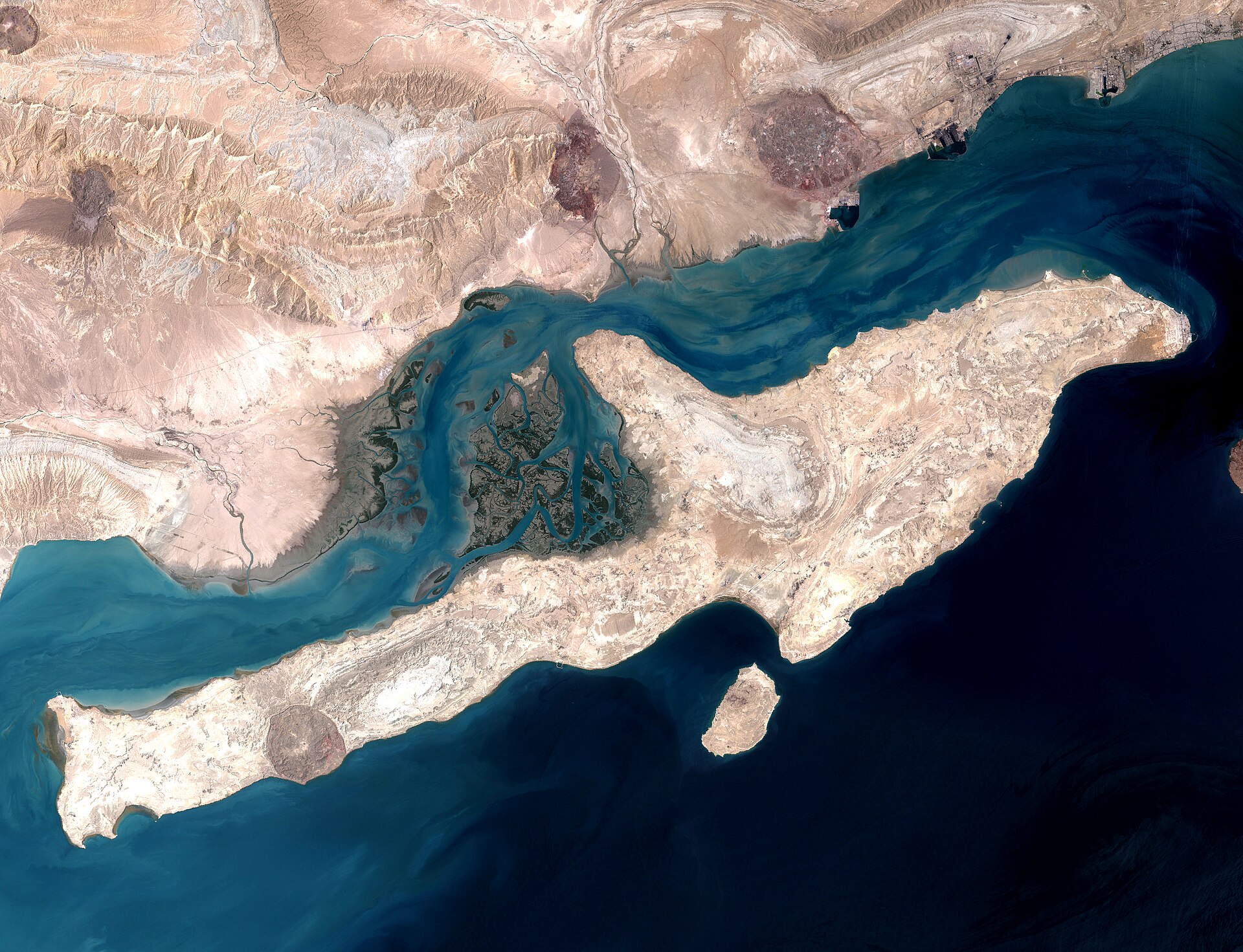
US officials characterised the action as limited. A US official told Fox News, as reported by Tribune Pakistan, that the operation was “not the start of new expanded strikes by the US.” The Pentagon referred requests for comment to US Central Command, which did not respond, and no formal CENTCOM statement on the engagement had been issued at the time of publication, according to Tribune Pakistan.
The previous US strikes on Iranian targets before the Qeshm engagement took place in early September, according to Asharq Al-Awsat. The two-month gap coincided with Trump’s self-imposed moratorium on strikes against Iran.
Iran’s Claims and Counter-Claims
The IRGC’s Aerospace Force separately claimed to have downed two US MQM-170 reconnaissance drones south of Qeshm Island using electronic warfare systems, bringing the total number of MQM-170 drones it claims to have captured or destroyed to four, according to Tasnim News Agency via Tribune Pakistan. In a separate statement, the IRGC said it had destroyed the 55th US MQ-9 drone “over the airspace east of the Strait of Hormuz” using what it called a “newly developed air defense system,” according to WANA. Neither claim could be independently verified.
The US military had already rejected an earlier IRGC Navy claim from late October that it had seized an MQM-170 intact, according to Tribune Pakistan. The pattern of Iranian drone-downing announcements has been a recurring element of the conflict, with Washington disputing specific assertions while declining to provide its own accounting of losses.
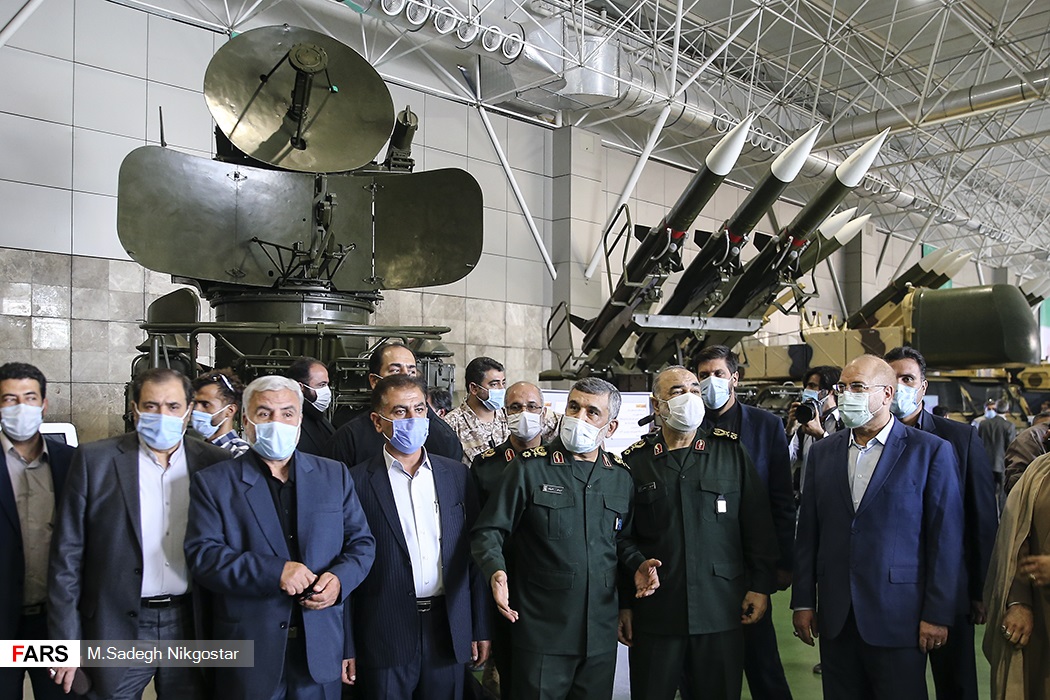
Mohammad Bagher Ghalibaf, Iran’s parliament speaker and lead negotiator, said Iran had delivered “a firm and rational response” and that “the ball is now in America’s court to prevent a war,” according to NBC News. Ghalibaf said Iranian forces were at “the highest readiness level” and warned that a renewed US or Israeli attack “would not be limited geographically.”
Does This Break Trump’s Strike Moratorium?
Trump announced approximately October 8 that the US “will not be attacking Iran at any time prior to the midterm elections” on November 3, according to The National. The Qeshm strikes occurred on November 2 — one day before the moratorium was set to expire.
The “defensive” characterisation by US officials appears intended to distinguish the action from the offensive operations Trump had paused. The framing — that Iran fired first, and the US responded to protect its aircraft — places the engagement outside the scope of the moratorium, at least in the administration’s telling. No senior named US official had publicly made that argument at the time of publication.
Trump himself, speaking before the strikes were publicly confirmed, told reporters that “Iran wants to make a deal” and that a deal “could happen,” according to CBS News. Vice President JD Vance said the US had “had a number of good conversations with the Iranians” and that he felt “pretty good about the prospects for potentially coming to a negotiated settlement,” according to NBC News. The optimism coexisted with the fact that, hours earlier, the IRGC had fired surface-to-air missiles at a US aircraft over the strait.
The Diplomatic Track and the Dual Signal
The engagement occurred while several diplomatic channels remained nominally active. Araghchi’s two-day Hormuz reopening offer, a shortened version of an earlier seven-day proposal, required the release of approximately $12 billion in frozen Iranian assets, oil export waivers, and US recognition of a shipping route coordinated with Oman, according to HNGN. As of Tuesday morning, no US or Saudi acceptance had been made public.
Araghchi wrote on X on Tuesday that intensive shuttle diplomacy was underway through Qatari and Pakistani mediators, and that talks with Saudi Arabia on regional security arrangements without foreign military presence were ongoing, as reported by Tribune Pakistan. Iran’s Foreign Ministry spokesman Esmaeil Baqaei said Deputy Foreign Minister Kazem Gharibabadi had visited Doha for Qatari-mediated exchanges, according to the same outlet.
An unnamed senior Iranian official told Reuters that a deal was “far” off and that Tehran would not accept Washington’s “excessive demands,” as reported by Tribune Pakistan. The gap between Araghchi’s public shuttle diplomacy and this anonymous bluntness captured a tension visible across all of Iran’s messaging since the war began.
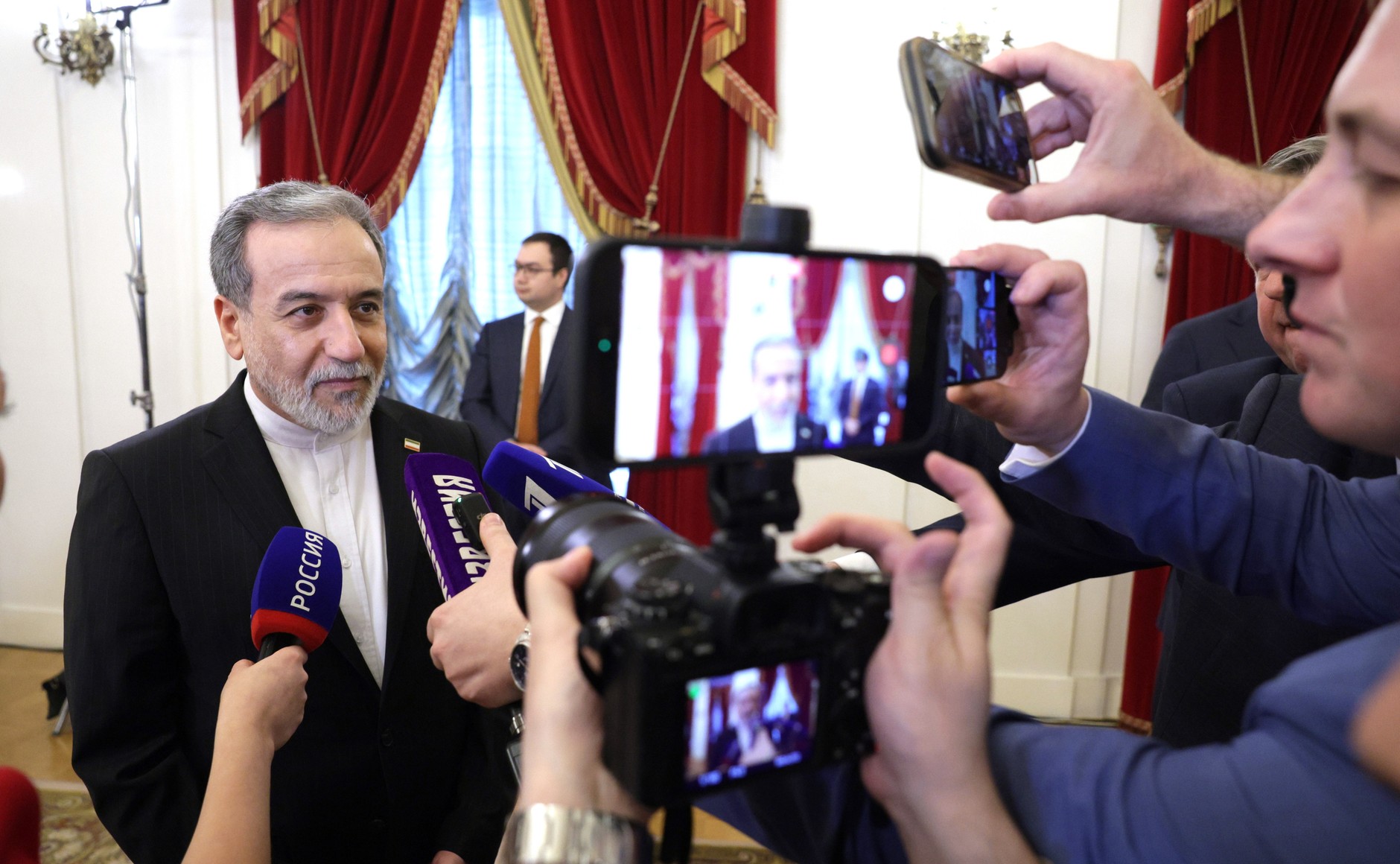
That tension has a structure. On October 31, Supreme Leader Mojtaba Khamenei met Iran’s three most senior military commanders in what Axios reported was the first publicly disclosed meeting of its kind since the conflict began. Khamenei ordered the IRGC to prepare an “immediate, impactful, and geographically unrestricted response” to any future US or Israeli attacks, according to The Week India. On the same day, Araghchi described Vice President Vance’s letter to Mohsen Rezaei — which offered a negotiating framework that would include the nuclear issue — as “a positive step,” according to the same outlet.
Analysts at the Jerusalem Center for Security and Foreign Affairs, writing in the Eurasia Review on November 2, framed this pattern not as institutional rivalry between the IRGC and the foreign ministry but as a deliberate coordinated strategy. Iran’s Chief of Staff Ali Abdollahi had separately floated the concept that Iran “might not wait for hostile action to begin,” language the Eurasia Review described as part of a calculated posture rather than a policy break.
Daniel Byman of the Center for Strategic and International Studies described the broader conflict in April as “a struggle of political endurance and bargaining leverage.” IRGC leaders, Byman wrote, “believe they can outlast U.S. economic and military pressure,” and Hormuz remains Iran’s “best lever” in negotiations. The IRGC’s decision to fire surface-to-air missiles at a US aircraft while Araghchi’s deal was still nominally on the table fits that framing: the dual track is the strategy, not a breakdown in it. No Iranian official statement directly addressed the contradiction between the November 2 air engagement and the simultaneously active Hormuz reopening offer.
What Comes After the Moratorium Expires?
With the moratorium expiring on Tuesday, the question is whether the Qeshm exchange escalates or subsides. Vance’s letter to Rezaei, sent at Trump’s direction in late October, offered a negotiating framework that would include nuclear discussions alongside the Hormuz crisis, according to the Khaleeji Times, citing the Wall Street Journal. Vance offered to lead the US side. Iran confirmed receipt of the letter but had not issued a formal reply as of Tuesday.
The absence of a formal reply, combined with the IRGC’s decision to engage a US aircraft, suggests Tehran is in no hurry to close. Admiral Brad Cooper, the CENTCOM commander, said in late October that the IRGC was “gone from Hormuz” — but Iran warned that mines remained. Monday’s SAM engagement demonstrated that even without a permanent naval presence in the strait, Iran retains the means to threaten US aircraft operating over it.
The parallel with June 2019 is imperfect but relevant. When Iran’s air defenses shot down a US RQ-4A Global Hawk surveillance drone near the Strait of Hormuz that year, Trump approved retaliatory strikes on Iranian missile defense systems and then cancelled them minutes before launch. In 2026, the US struck back at the launcher rather than standing down.
The structural difference matters. In 2019, Tehran read the cancellation as evidence that Washington would absorb costs rather than escalate — a conclusion that, according to Byman’s CSIS analysis, contributed to the IRGC’s confidence in the Hormuz blockade strategy seven years later. Whether Monday’s strike resets that calculation depends on what follows it. The midterm results will determine whether Trump faces domestic political pressure to escalate, de-escalate, or continue the ambiguity.
CENTCOM has estimated the total US cost of the 2026 Iran conflict at at least $47.1 billion, according to CBS News. The moratorium’s expiry removes one constraint on US military action, but the administration’s insistence on calling Monday’s strike defensive — and Trump’s and Vance’s continued talk of a deal — suggest Washington is not yet ready to abandon the prospect of negotiation.
Frequently Asked Questions
What type of aircraft did Iran fire surface-to-air missiles at?
No US official, wire service, or named journalist has confirmed the type of US military aircraft targeted by the IRGC’s surface-to-air missiles over the Strait of Hormuz on Monday. All US-side accounts describe the target only as “a US aircraft” or “US assets.” In the closest historical parallel, the June 2019 shoot-down near Hormuz involved an unmanned RQ-4A Global Hawk surveillance drone. Whether the November 2 target was manned or unmanned has not been publicly established.
How did IRGC officials respond to Admiral Cooper’s Hormuz assessment?
After CENTCOM commander Admiral Brad Cooper flew over the Strait of Hormuz on October 25 — his command published footage and declared the IRGC “gone” from the waterway on October 30 — IRGC Spokesman Brigadier General Hossein Mohebbi posted an image of Cooper’s aircraft on X with a caption noting Brent crude at $117 per barrel, according to Tasnim News Agency on October 26. The public taunt framed the blockade’s economic impact as more relevant than CENTCOM’s tactical claim, a message reinforced days later when the IRGC fired on a US aircraft over the same waters.
What happened in the earlier Qeshm explosions on November 2?
Earlier on Monday, before the SAM engagement was publicly reported, witnesses on Qeshm Island reported multiple explosions. US officials subsequently confirmed to the Wall Street Journal that the United States had struck the island, according to NBC News and CBS News. The IRGC’s firing of surface-to-air missiles at a US aircraft, reported separately by NBC through anonymous US officials, provides the first public explanation of what triggered the US response.
Was the Iranian missile launcher confirmed destroyed?
US officials told NBC News they struck the launcher with the objective of taking it out, but no formal battle damage assessment has been released. CENTCOM had not issued any statement on the engagement as of Tuesday morning, and the Pentagon directed all inquiries to CENTCOM, which did not respond, according to Tribune Pakistan. Independent satellite imagery or Iranian government confirmation of the launcher’s status had not emerged at the time of publication.
Iran’s dual-track response to the strike emerged later that morning: parliament speaker Ghalibaf warned of a “new battlefield” while President Pezeshkian said Khamenei had granted diplomatic authorities.
The House of Saud Daily Briefing
Saudi Arabia's news in 3 minutes, every morning. Free. See today's issue