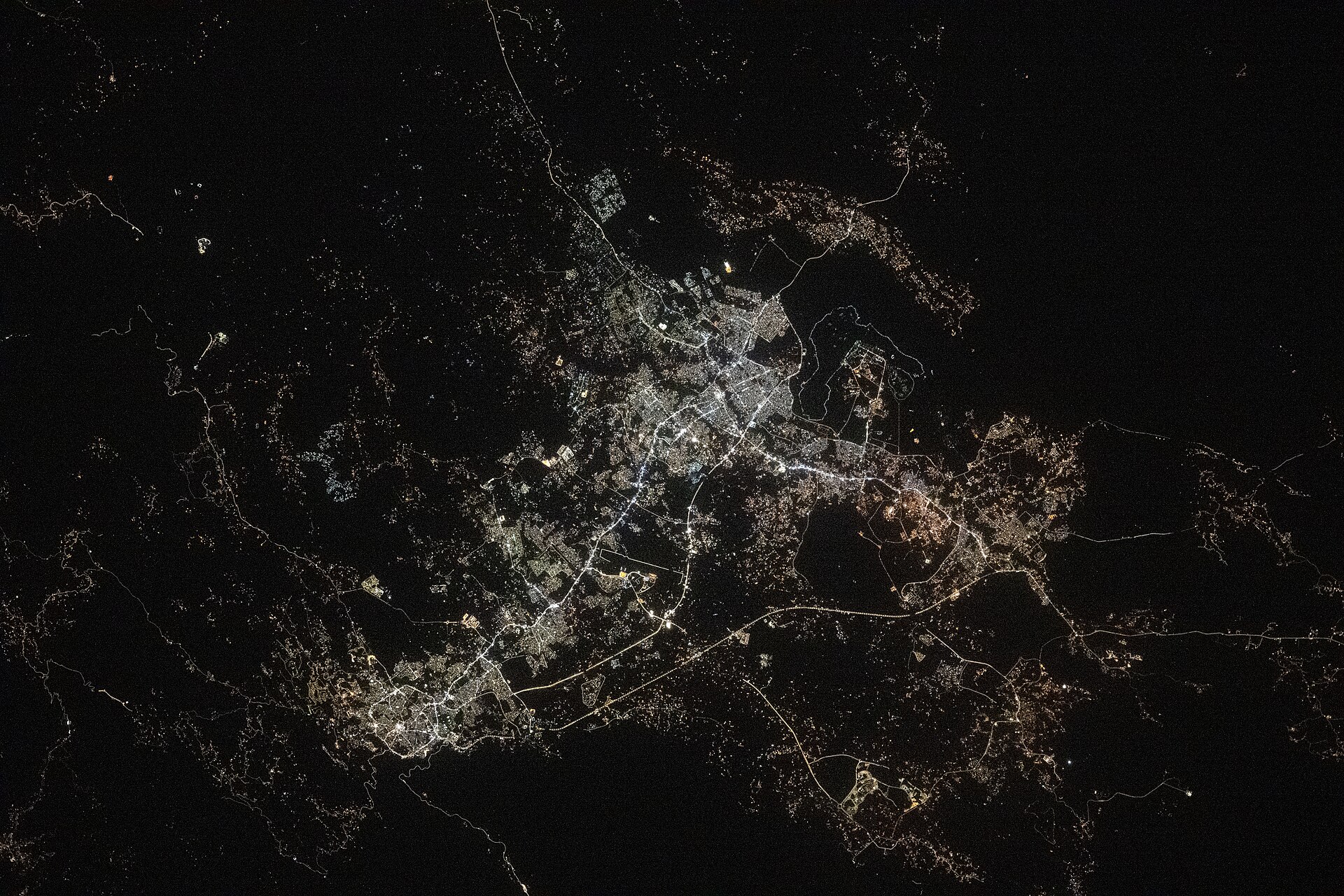
RIYADH — Sheikh Saeed, a 40-year-old Starbucks worker at King Khalid International Airport, has died from injuries sustained in the October 10 Houthi strike on the facility, the Indian Embassy in Riyadh announced on X on November 4, according to Telangana Today. His death brings the toll from that single attack to 14, according to the Siasat Daily — two of them Indian nationals, killed at the airport through which 2.46 million Indian residents of Saudi Arabia enter and leave the country.
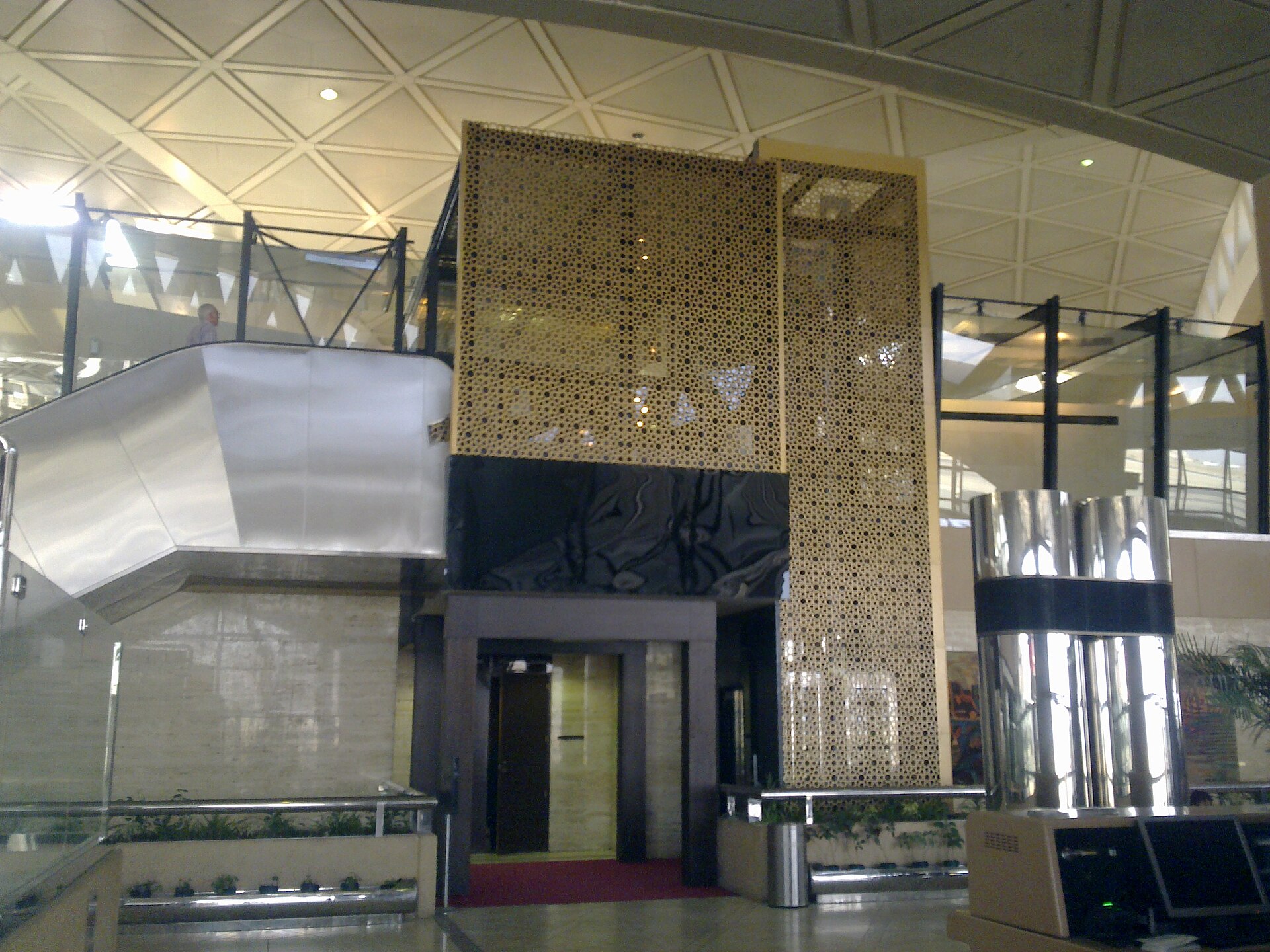
Saeed is the second of 11 injured Indian nationals to die, following Mohammed Yousuf Ali, 46, an IT engineer from Hyderabad who was at KKIA with his family en route for Umrah, according to Gulf News. Gulf News reported on November 4 that 24 Indians have now been killed across the West Asia conflict since February 2026, 15 of them seafarers — but the airport deaths fall on a different population, because every Indian worker who flies to or from Saudi Arabia passes through facilities the Houthis have declared legitimate targets.
The House of Saud Daily Briefing
Saudi Arabia's news in 3 minutes, every morning. Free. See today's issue
Table of Contents
Who Was Sheikh Saeed?
Sheikh Saeed lived in Sailani Baba Colony in Kamareddy district, Telangana, and worked at a Starbucks outlet inside King Khalid International Airport, according to Telangana Today, which also gives his age as 40. Siasat gives his age as 36; Arab News places him in Nizamabad district rather than Kamareddy. He was among 11 Indian nationals injured when the Houthi strike hit the airport on October 10, the Indian Embassy in Riyadh said on October 11, as reported by Tribune India. The Embassy’s November 4 post said: “With a heavy heart, we share that another Indian national, critically injured in the 10 October attack…”
Saeed is survived by a wife, two daughters, one son, and two brothers who also work in Saudi Arabia, Telangana Today reported. His family consented to burial in Riyadh rather than repatriation of his remains. The Embassy added: “We have been by his family’s side throughout, and we remain with them now.”
The first Indian to die from the attack was Mohammed Yousuf Ali, 46, an IT engineer from Mehdipatnam, Hyderabad, who was at KKIA with his family en route for Umrah, according to Gulf News. Ali died on October 11; his sons Aman Ali, 18, and Wasi Ali, 16, were also injured — Aman underwent knee surgery and Wasi lost three toes, Gulf News reported. Indian Ambassador Vipul attended Ali’s funeral in Riyadh on October 12, according to the Khaleej Times. Ali’s sons remain among the Indian nationals whose lives were upended by a single strike whose death toll has continued to climb for nearly a month.
What Killed 14 People at KKIA?
On October 10, a projectile struck King Khalid International Airport, killing 12 and wounding 309, according to the General Authority of Civil Aviation as reported by Al Jazeera; the BBC put the injured at 308. The Houthis claimed responsibility. Spokesman Yahya Saree said on October 11: “Take our warnings seriously, and Saudi Arabia bears responsibility for any failed interceptions,” according to Al Jazeera.
A nationality breakdown published by the Siasat Daily on November 4 lists the 14 dead as 4 Saudi nationals, 2 Bangladeshis, 2 Indians, and 1 each from the United States, Egypt, Jordan, Syria, Palestine and Sudan. Secretary of State Marco Rubio confirmed a US citizen was among the dead on October 10, CBS News reported. Mohammed Yousuf Ali’s death on October 11 raised the toll to 13, the BBC reported, and Sheikh Saeed’s death has now raised it to 14.
The day after the mass-casualty strike, a separate projectile hit KKIA’s Terminal 4 on October 11, killing a Pakistani resident and injuring 11, the BBC reported. The airport was shut down entirely and did not resume scheduled Saudi carrier service until October 25, when Terminals 1 and 2 reopened, according to AeroCorner. Most foreign airlines had not returned as of that date, and the death toll was still rising in Riyadh’s hospital wards — a reminder that the cost of October 10 was not fully paid on October 10.
24 Indians Dead in West Asia Since February
Gulf News reported on November 4 that 24 Indian nationals have been killed in the West Asia conflict since February 2026, with 15 of them seafarers. The two airport deaths at KKIA and the October 21 Dammam attack — in which 1 Indian national was killed and 2 were injured at King Fahd International Airport, according to BusinessToday India — represent an aviation threat that had until now fallen disproportionately on sailors in the Gulf of Oman and the Strait of Hormuz. The dead include dock workers, cargo crew and now a Starbucks barista and an IT engineer headed to Mecca with his teenage sons. India’s Ministry of External Affairs has counted approximately 2.46 million Indian nationals in Saudi Arabia in recent years — a figure from pre-2026 reporting; a January 2026 MEA dataset cited by Newsmeter puts the total closer to 2.75 million — the largest Indian diaspora in the Gulf.
On November 2, an Indian-flagged cargo vessel was struck off Oman, killing 1 seafarer; 13 crew were rescued by the Oman Coast Guard, Indian Opinion reported. Indian consulates in Jeddah and Makkah have opened 24-hour control rooms providing food and medicine to stranded nationals, Gulf News reported. The maritime and the aviation threats are now running simultaneously, and the population exposed to them is one and the same.
Indian airlines have pulled back sharply. Air India, Air India Express and IndiGo extended cancellations of Saudi-bound flights to November 14, while Akasa Air cancelled Jeddah routes to November 18 and Riyadh routes to November 30, Gulf News reported on November 4. Even after KKIA’s October 25 reopening, most foreign carriers had not returned, and the airport had recorded mass flight cancellations during its three-week shutdown. For workers whose contracts depend on reaching Saudi Arabia and returning home, the combination of airport attacks, airline suspensions and Houthi threats amounts to an indefinite blockade by other means.
Has New Delhi’s Response Changed?
After Mohammed Yousuf Ali’s death on October 11, External Affairs Minister S. Jaishankar posted on X: “Deeply grieved at the loss of life of an Indian national in the Riyadh attack,” adding that the Embassy would extend “all possible assistance,” as reported by Gulf Today. The Indian Embassy said on October 11 that it was “in touch with the family and will provide all support for ensuring the early repatriation of mortal remains,” according to Tribune India.
The tone hardened after the October 21 Dammam attack, when the Ministry of External Affairs condemned “continued attacks on civilian and energy infrastructure” as “completely unacceptable” and said they “must cease immediately,” according to BusinessToday India. Ambassador Vipul said India “has consistently condemned attacks on civilian facilities and infrastructure such as airports, offices and energy installations as well as holy cities of Makkah and Madinah,” according to Arab News. The language tracked upward from grief to condemnation in 10 days.
As of October 23, the Embassy reported that 2 of the 11 injured Indian nationals remained in ICU, 2 were in general wards and 7 had been discharged, Indian Opinion reported, citing an Embassy update. No formal MEA statement addressing Sheikh Saeed’s death has been identified; the Embassy’s X post was the sole immediate public response as of November 4.
What remains absent from India’s posture is any signal that New Delhi has engaged with the Houthis or intermediaries on the safety of Indian workers in Saudi Arabia. India has condemned strikes, organized consular support and coordinated repatriation — but no Indian official has indicated whether any channel exists to communicate with the group responsible for the attacks that have killed 2 Indian nationals and injured at least 9 more. That silence grows harder to sustain with each body brought out of a Saudi hospital.
Houthis Warn KKIA ‘Remains a Military Target’
When KKIA resumed service on October 25, the Houthis responded the same day: “King Khalid Airport in Riyadh remains a military target,” Agenzia Nova reported. The group’s stated rationale is retaliation for Saudi-led airstrikes in Yemen, including strikes on Sanaa airport, and Saudi support for Yemen’s government, according to the Daily Jagran. The warning was explicit and public — not a veiled threat but a declaration that the facility through which millions of passengers transit remains in the crosshairs.
The campaign has extended well beyond Riyadh. In September, the coalition said Houthi missiles and drones targeted Khamis Mushait, Abha and Jazan, injuring at least 73 civilians across four cities, according to The National. In October, strikes hit multiple Saudi airports and Yanbu’s export terminal, and Mehr News Agency reported blasts and missile attacks in southern Saudi Arabia on November 2. Houthi operations have since continued against Dammam and Abha and Khamis Mushait, and on November 4 the group made a fresh Houthi claim targeting King Khalid International Airport with a ballistic missile, again without Saudi confirmation.
The Saudi-led coalition has struck Houthi missile and drone stockpiles in Yemen, and the broader war has degraded both of Saudi Arabia’s oil export corridors. But the cycle of attack, shutdown, partial reopening and renewed threat shows no sign of breaking — and each time KKIA’s doors reopen, the 2.46 million Indians who depend on it face the same calculation.
Brief Background
The Houthi air campaign against Saudi airports escalated after the Saudi-led coalition launched Operation “Dawn of Yemen” on October 4, with CNN reporting the offensive was spearheaded by Yemen’s government forces. The coalition said 100 jets flew in the initial wave, according to the Oman Observer. Strikes on KKIA and Abha on October 6–7 killed 3 and wounded 36, the BBC reported, and further attacks on KKIA on October 8 killed 3 Saudis, including Saudia captain Hamoud Ali Al Kalthami, according to GDN. The October 10 strike was the deadliest single incident of the month.
The broader conflict has simultaneously pressured Saudi Arabia’s energy exports, with the Strait of Hormuz disrupted by the Iran standoff and Red Sea shipping under Houthi interdiction since the Houthis declared a maritime blockade on July 20, according to Al Jazeera. For the Indian workers and Umrah pilgrims who depend on functioning Saudi airports, the military calculus that produced Operation Dawn of Yemen has also produced the conditions that killed Sheikh Saeed.
Frequently Asked Questions
How many people have died across all Saudi airport attacks since October 1?
By October 16, the Saudi-led coalition reported 17 total killed across all airport attacks since the start of the month, according to the Global Arab Network. This figure covers strikes on multiple dates, including October 6–8, 10 and 11. The October 10 KKIA strike is the deadliest single incident, with its toll having risen to 14 as wounded victims have died in hospital.
Did Saudi Arabia identify the weapon that hit KKIA on October 10?
The Saudi-led coalition described the projectile as “unidentified,” according to Al Jazeera on October 11. The Houthis claimed the strike and called the weapon a ballistic missile, but GACA confirmed casualties without characterizing what hit the airport or saying whether air defenses engaged it. The gap between the coalition’s description and the Houthis’ claim has not been publicly resolved.
Are the Houthis acting independently in targeting Saudi airports?
Saudi Arabia and the coalition have consistently described the Houthis as an Iran-backed group. In July 2026, the coalition blamed “terrorist militias affiliated with Iran” for drone attacks from Iraq on Saudi oil facilities, according to Gulf Times and QNA. The Houthis frame their strikes as retaliation for Saudi airstrikes on Yemen, and Iran has not publicly commented on the targeting of civilian airports.
Is Sheikh Saeed’s exact date of death known?
No. The Indian Embassy announced his death on November 4, but neither the Embassy’s X post nor reporting by Telangana Today specifies when he died. Saeed had been hospitalized since October 10 — at least 25 days — and the Embassy said it had “been by his family’s side throughout.” His family consented to burial in Riyadh, Telangana Today reported.
The House of Saud Daily Briefing
Saudi Arabia's news in 3 minutes, every morning. Free. See today's issue