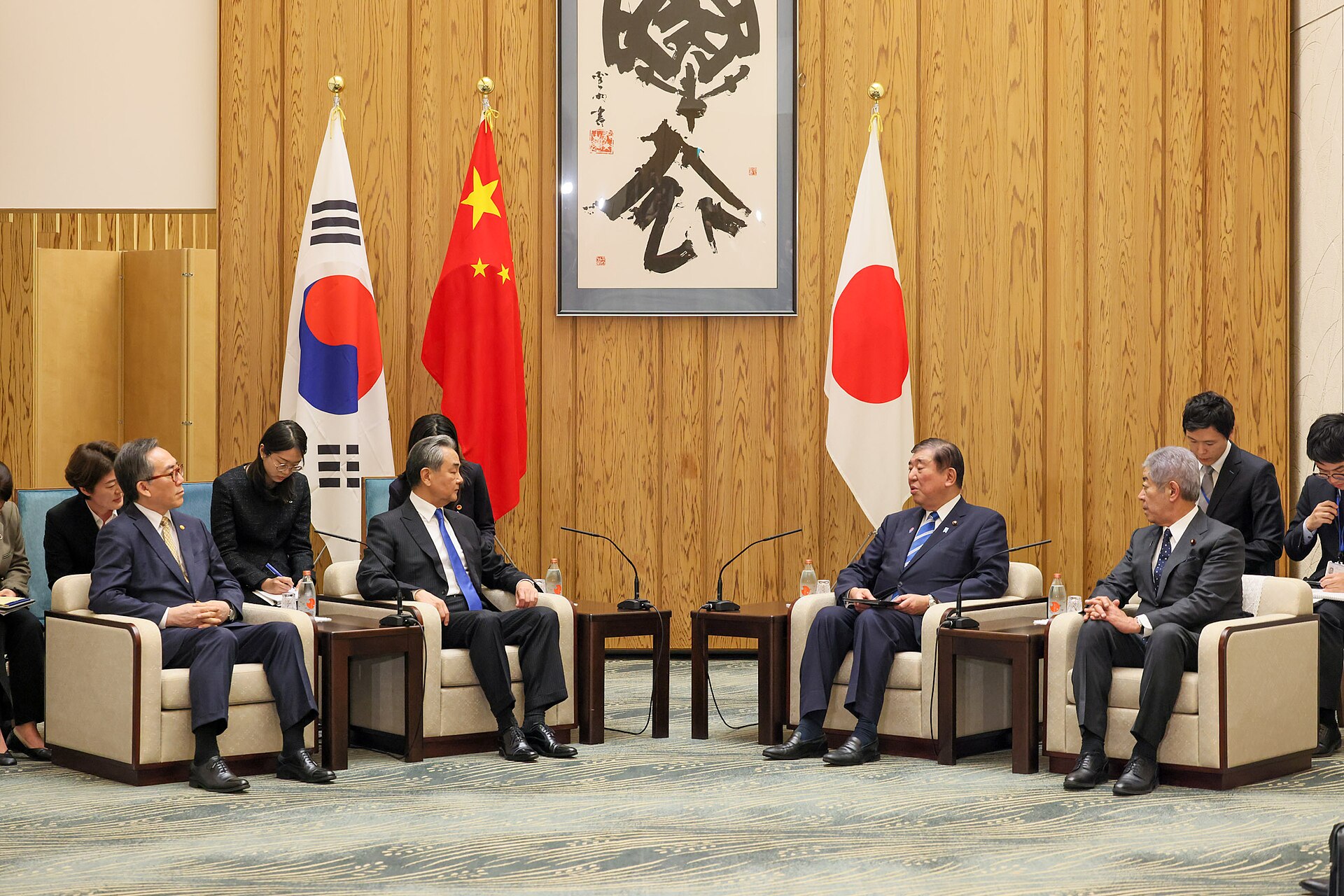

BEIJING — Crown Prince Mohammed bin Salman sent a written message to Chinese President Xi Jinping on November 2, 2026, covering “bilateral relations, ways to develop them, and issues of common interest,” the Saudi Press Agency reported. The message was delivered in person by Saudi Minister of State and National Security Adviser Musaed bin Mohammed Al-Aiban during a meeting in Beijing with Wang Yi, the Politburo member who directs China’s Central Foreign Affairs Commission, according to SPA and Arab News.
The outreach came on the same day that Wang Yi separately met Ali Bagheri Kani, deputy secretary of Iran’s Supreme National Security Council, and that President Xi hosted Oman’s Sultan Haitham for a state visit — placing Saudi and Iranian envoys in Beijing simultaneously, Al Jazeera reported. Twelve days later, GCC Secretary-General Jasem Albudaiwi told the UN Security Council that Iran had fired more than 7,000 missiles and drones at Gulf member states since the conflict began on February 28, according to Sabq — a measure of how rapidly the security situation has worsened since the message was delivered.
The House of Saud Daily Briefing
Saudi Arabia's news in 3 minutes, every morning. Free. See today's issue
Table of Contents
What Was in the MBS Message to Xi?
The Saudi Press Agency disclosed only summary language — “bilateral relations, ways to develop them, and issues of common interest” — and did not specify whether the message contained particular diplomatic requests, such as pressure on Iran at the Security Council or guarantees on crude trade continuity. Neither Asharq Al-Awsat nor Arab News, which both carried the SPA wire on November 2, reported additional detail on the message’s contents.
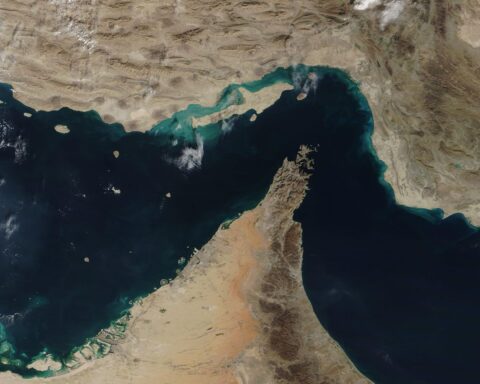
Wang Yi’s response, however, carried its own signals. China described Saudi Arabia as “an important comprehensive strategic partner” and called for protecting “regional energy supplies and shipping lanes,” according to a China Ministry of Foreign Affairs readout published by EIN Presswire on November 2. The shipping-lanes language was pointed: at the time of the meeting, the IRGC had already declared the Strait of Hormuz closed in July 2026, and mines were damaging tankers in the strait on a near-daily basis.
China also announced that special envoy Zhai Jun would visit Iran, Oman, and Saudi Arabia during November, according to the same MOFA readout. Whether that visit has taken place remains publicly unconfirmed.
Beijing’s November 2 Diplomatic Blitz
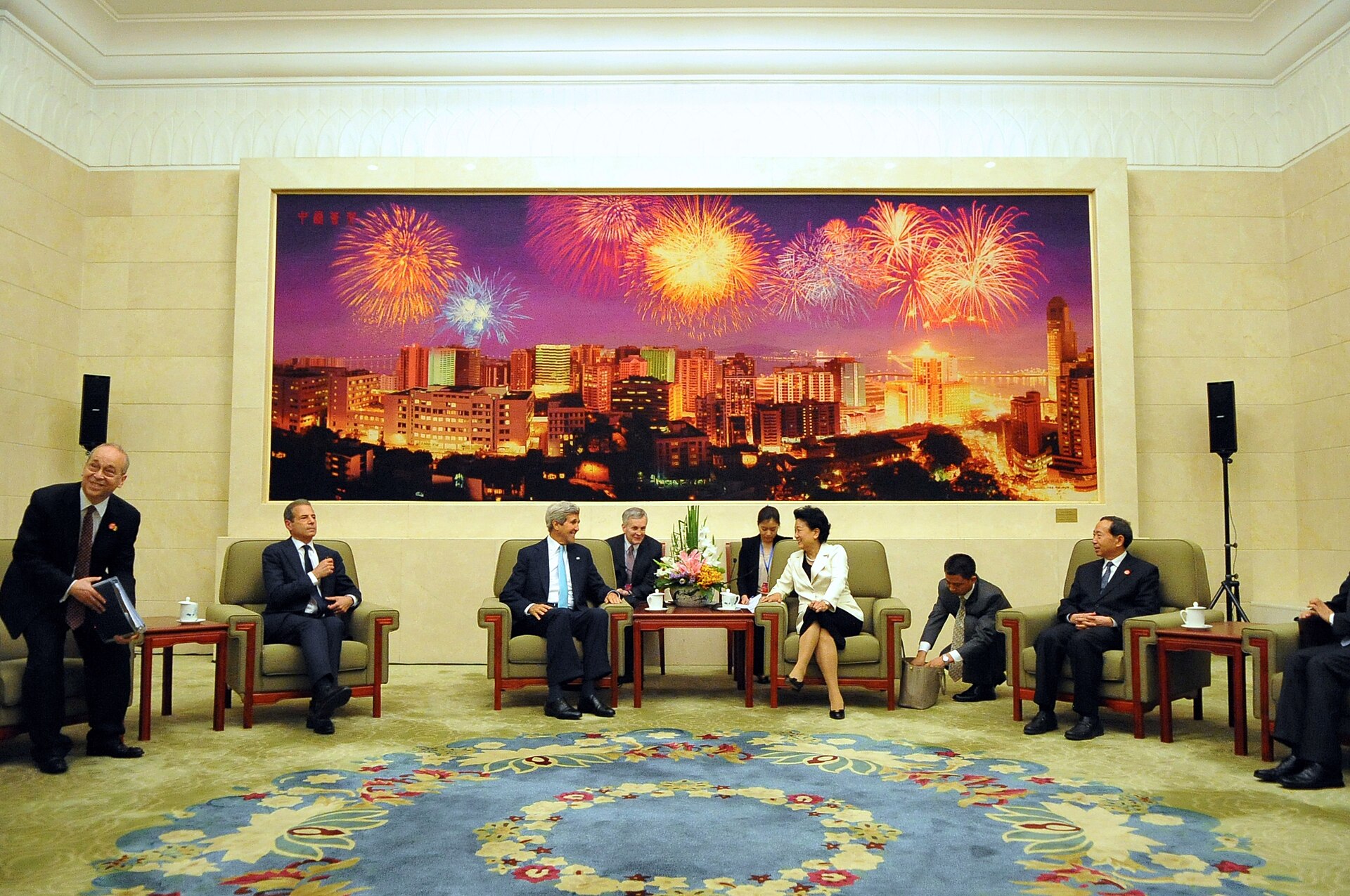
The scale of Beijing’s diplomatic scheduling on November 2 was itself the story. In a single day, Xi received Sultan Haitham of Oman for a state visit and signed 14 cooperation agreements with the sultanate, Al Jazeera reported. Wang Yi took the Saudi and Iranian delegations separately. The Seoul Economic Daily described the manoeuvring as China courting “Saudi, Oman and Iran as it seeks Mideast mediator role.”
For Tehran, the timing served a different purpose. Iran’s Majlis Speaker Mohammad Bagher Ghalibaf wrote on his official website, as reported by Al-Monitor on November 12, that China would help end the “neither war nor peace” status between Iran and the United States. That confidence rested on a record: Beijing had vetoed a Security Council resolution on Hormuz in April 2026 and had abstained on a resolution condemning Iranian attacks on Gulf states in March 2026, according to the US-China Economic and Security Review Commission.
The Saudi delegation arrived in Beijing knowing this. Al-Aiban’s mission was to deliver a message from MBS at a moment when China was the only major power maintaining active diplomatic contact with both Riyadh and Tehran — and doing so on the same day, in the same city, through the same interlocutor.
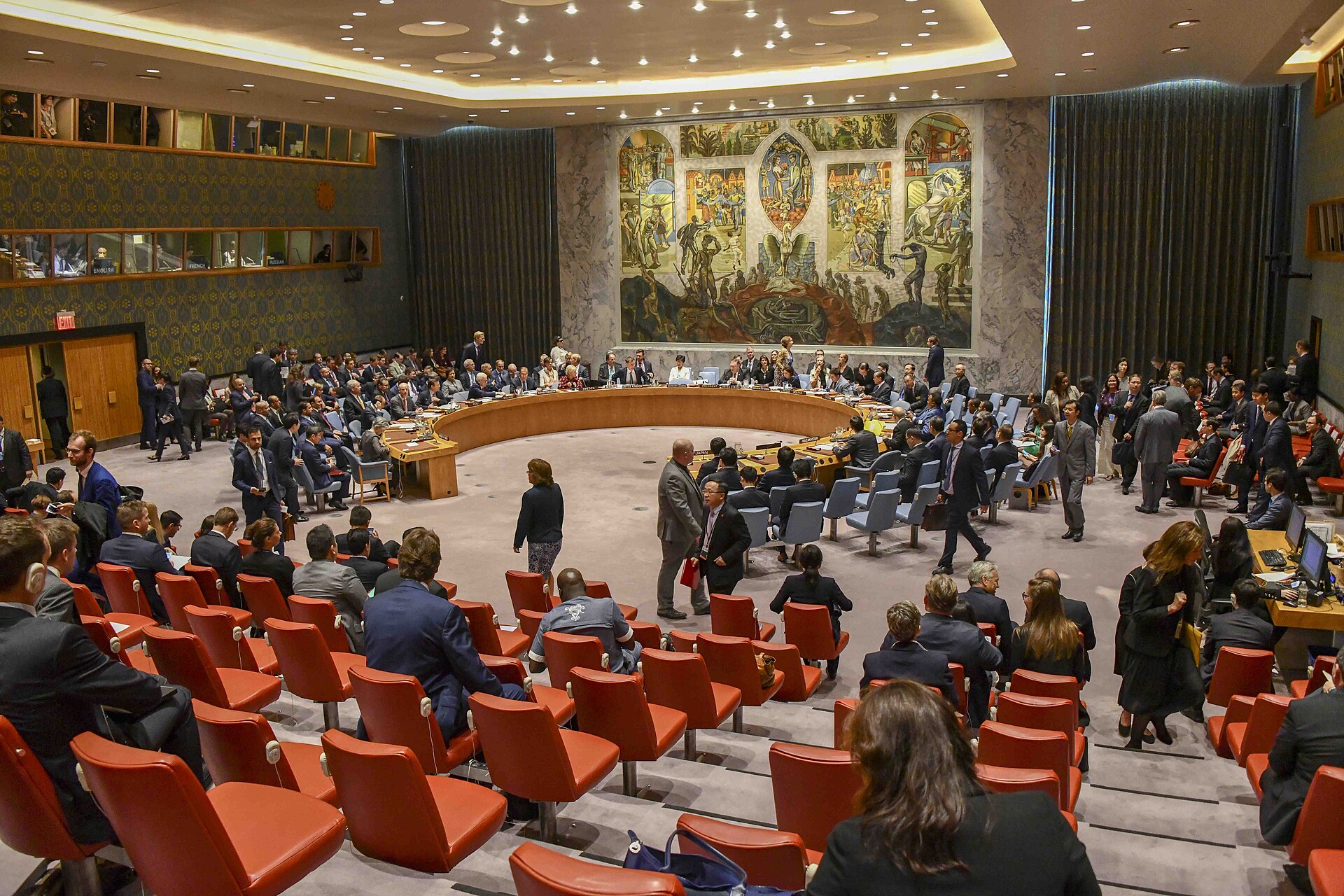
Why Does China’s Security Council Record Matter for Saudi Arabia?
China has used its Security Council position to shield Iran from coordinated international action while verbally supporting Saudi Arabia’s security concerns. The pattern is documented in the US-China Economic and Security Review Commission’s 2026 timeline of China’s role during the conflict.
On March 11, 2026, China abstained on a Bahrain-sponsored resolution condemning Iranian attacks on Gulf states. Chinese Ambassador Fu Cong told the Council that “China does not endorse Iran’s attacks against the Arab Gulf States” but that the resolution “did not reflect the conflict’s root causes in a balanced way,” according to the USCC record. The abstention prevented the resolution’s failure but denied it the unanimous weight Riyadh sought.
On April 7, 2026, China went further: it joined Russia in vetoing a resolution calling for cooperative action to reopen the Strait of Hormuz, in an 11-2 vote with 2 abstentions. Fu Cong said passing it would “send an extremely wrong message and have very serious consequences,” according to the same USCC timeline. The veto effectively blocked any Security Council mandate for multilateral naval operations to clear Iranian mines or enforce freedom of navigation.
On November 12, 2026 — ten days after the MBS message was delivered — China voted in favour of UN Security Council Resolution 2837, which renewed Houthi-linked sanctions for one year. The vote passed by consensus.
The record leaves Saudi Arabia in a bind familiar to any state seeking Chinese support against an Iranian threat: Beijing will condemn attacks in language, but it will not permit the Security Council to authorise consequences for them.
Saudi Crude Exports to China and the Pipeline Factor
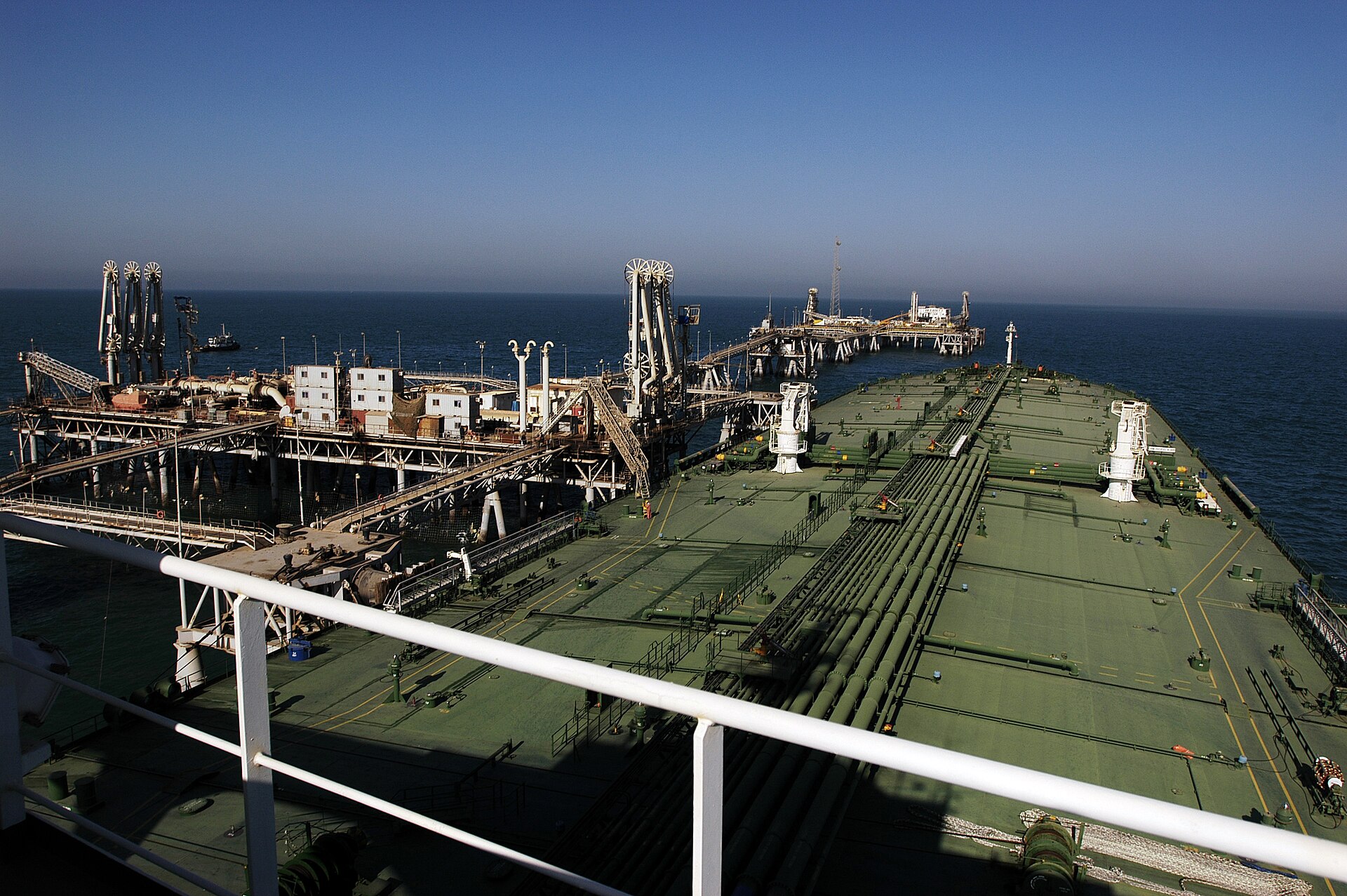
Before the conflict began, Saudi Arabia supplied approximately 22 percent of China’s crude oil imports, making China the kingdom’s single largest buyer, according to Al Jazeera citing Kpler data. In the first nine months of 2026, Saudi crude exports to China fell 27.6 percent, dropping Saudi Arabia from second to third place among Chinese crude suppliers — behind Russia and Brazil — according to customs data cited by the Daily Beirut and other outlets.
China simultaneously remained Iran’s dominant oil customer, purchasing roughly 90 percent of Iranian crude exports, according to Reuters and Kpler. Chinese imports of Iranian crude averaged approximately 1.4 million barrels per day in 2025 but fell sharply by mid-2026, Reuters reported on August 24, citing Kpler tracking data. The drop reflected both physical disruption and American sanctions pressure: Washington sanctioned Hengli Petrochemical, a major Chinese refiner, for processing Iranian crude in April 2026, according to the Washington Post. The US separately sanctioned Qingdao Haiye, a Chinese oil terminal operator, for importing Iranian crude in May 2026, according to the State Department. In May 2026, Bloomberg reported that Beijing had instructed major banks to halt new lending to five sanctioned Iran-linked refiners ahead of Trump-Xi talks.
Saudi Arabia’s main bypass around the Hormuz chokepoint — the East-West Pipeline to Yanbu on the Red Sea — was restarted on September 22, 2026, after earlier drone attacks had shut it down. The first post-restart cargo was bound for China, Reuters reported. But the pipeline has come under repeated fire since. Houthis claimed drone strikes on the East-West Pipeline and KKIA on November 13, and Yanbu-linked infrastructure was hit on November 12 — threatening the very export route that Saudi Arabia had restarted to keep Chinese customers supplied.
What Has China Said About Hormuz?
China’s Foreign Ministry spokesperson Mao Ning said on November 4, 2026 — two days after the Al-Aiban meeting — that Beijing’s “pressing priority is to avoid resumption of conflicts in the Middle East” and that China would work toward “a proper and comprehensive settlement on the opening of the Strait of Hormuz,” according to the MOFA briefing transcript published on fmprc.gov.cn. She added that both Saudi and Iranian officials “highly commended President Xi Jinping’s initiatives and propositions on promoting peace and security in the Middle East.”
The language mirrored Xi’s April 2026 phone call with MBS, during which Xi said normal passage through Hormuz “serves the common interests of regional countries and the international community,” according to Global Times, citing Xinhua. MBS told Xi that Saudi Arabia was ready to strengthen communication and coordination with China to maintain the ceasefire and ensure the safety and freedom of navigation in the strait, Global Times reported. That call also marked what Xi noted as the 10th anniversary of the Saudi-China Comprehensive Strategic Partnership, established during his January 2016 Riyadh visit.
Wang Yi has used similar language with Iranian counterparts. During Iranian Foreign Minister Abbas Araghchi’s Beijing visit in May 2026, Wang urged all parties to “take effective measures to reopen the Strait of Hormuz at an early date,” Al Jazeera reported. The verbal pressure has produced no visible result: Iran has listed seven conditions for reopening and the IRGC warned of an “unlimited response” over the strait on November 13.
“I don’t think China has much incentive to change its approach towards Iran.”
— Henry Tugendhat, analyst, Al-Monitor, November 12, 2026
Tugendhat assessed that China could serve as a possible “guarantor” of an Iran-Gulf agreement without military commitment but that Beijing’s ties to Iran and the Houthis “could undermine its credibility with Gulf states,” he told Al-Monitor. Wang Yi’s March 4, 2026 call with Saudi Foreign Minister Faisal bin Farhan captured the tension in a single sentence: “No matter the justification, the indiscriminate use of force is unacceptable,” Wang said, according to a China MOFA readout cited by the Washington Institute. The statement condemned the violence without naming Iran as its source.
Background
The Saudi-Chinese relationship has deepened in formal stages over the past decade. Xi’s January 2016 visit to Riyadh established the Comprehensive Strategic Partnership, aligning Vision 2030 and the Belt and Road Initiative. In December 2022, Xi returned to Riyadh and signed a Comprehensive Strategic Partnership Agreement that included biennial head-of-state summits, as Asharq Al-Awsat reported.
China’s most consequential Gulf intervention before the current conflict was the March 2023 Beijing Agreement, which brokered the resumption of Saudi-Iranian diplomatic relations after a seven-year break. That agreement’s spirit has been under severe strain since the conflict erupted on February 28, 2026, following the killing of Supreme Leader Ali Khamenei. Mojtaba Khamenei succeeded his father as Supreme Leader on March 8, 2026.
As of November 14, the diplomatic picture has grown more fractured. Tankers continue to hit mines in the strait. Saudi Foreign Minister Faisal bin Farhan was in Brussels on November 14 for the EU Foreign Affairs Council. Iran has rejected talks and insists on its seven conditions for reopening Hormuz. And regional defence pacts are proliferating — Qatar and Turkey signed a mutual defence agreement on November 13 — while Washington’s own negotiations with Tehran collapsed the same day, with the IRGC launching drones at US forces in Bahrain hours later.
Against that backdrop, the November 2 message from MBS to Xi reads less as a routine diplomatic courtesy and more as an attempt to test whether Beijing’s position has moved — or whether China will continue to offer words of partnership to Riyadh while blocking consequences for Tehran at the Security Council.
Frequently Asked Questions
Did Saudi and Iranian delegations meet each other in Beijing on November 2?
No source has confirmed a direct meeting between Saudi NSA Al-Aiban and Iran’s Bagheri Kani in Beijing. The two held separate bilateral sessions with Wang Yi. China’s March 2023 Beijing Agreement, which brokered the Saudi-Iran rapprochement, involved trilateral talks — but the November 2 meetings appear to have been conducted in parallel, not jointly. Whether China briefed either delegation on the other’s positions is not publicly known.
Did Saudi Arabia’s foreign minister visit Beijing separately during the conflict?
Yes. Saudi Foreign Minister Prince Faisal bin Farhan made a two-day visit to Beijing on June 30 and July 1, 2026, meeting Chinese Vice President Han Zheng, according to The National and the China Ministry of Foreign Affairs readout. The visit came at Wang Yi’s invitation and took place during the first US-Iran ceasefire period, before the truce collapsed on July 8. The two sides committed to “boosting economic ties,” The National reported — establishing that bilateral engagement continued even as China’s Security Council posture remained contested in Riyadh.
Has any other Gulf state sent a similar message to Xi during the conflict?
The most direct parallel was Oman: Sultan Haitham met Xi in person on November 2 — the same day as the MBS message was delivered — and signed 14 cooperation agreements with Beijing, Al Jazeera reported. The UAE and Qatar have separately sustained diplomatic contact with Beijing during the conflict, with their officials engaging Chinese counterparts on Hormuz navigation and bilateral trade, according to media reporting from both capitals. Beijing has positioned itself as interlocutor for every GCC capital without publicly siding with any party in the conflict.
What is Iran’s stated position on China’s mediation role?
Tehran has publicly welcomed Chinese engagement. Iranian officials described China as a key mediator during the March 2023 Beijing Agreement negotiations that briefly restored Saudi-Iranian diplomatic relations, according to contemporary Iranian state media. In November 2026, Majlis Speaker Ghalibaf wrote on his official website, as reported by Al-Monitor, that China would help end what he called the “neither war nor peace” status — expressing a degree of confidence in Beijing that Saudi officials have not matched publicly.
When did the US last sanction Chinese entities for purchasing Iranian oil?
The most recent major actions were in April and May 2026. In April, the US Treasury sanctioned Hengli Petrochemical, a major Chinese refiner, for processing Iranian crude, according to the Washington Post. In May, the State Department separately sanctioned Qingdao Haiye, a Chinese oil terminal operator, for importing Iranian crude. In May 2026, Bloomberg reported that Beijing instructed banks to stop new lending to five sanctioned Iran-linked refiners ahead of a Trump-Xi meeting — a concession that did not extend to halting Iranian crude imports outright.
The House of Saud Daily Briefing
Saudi Arabia's news in 3 minutes, every morning. Free. See today's issue