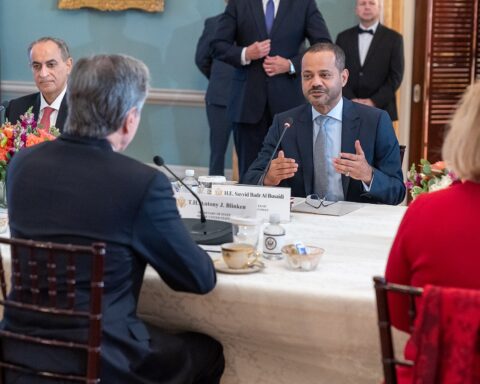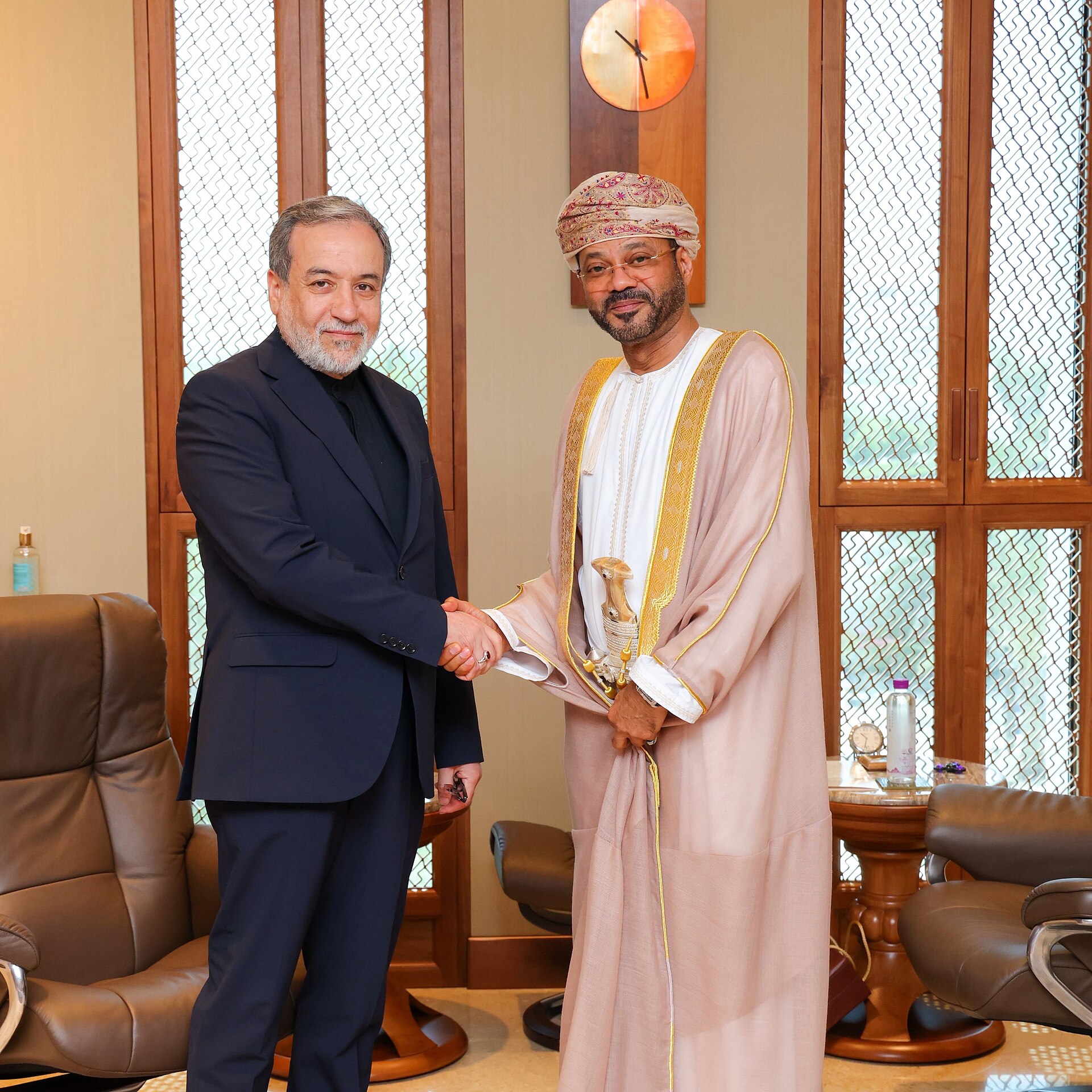

MUSCAT — Iran’s Foreign Minister Abbas Araghchi met Oman’s Foreign Minister Badr bin Hamad Al Busaidi in Muscat on November 17, 2026, in what both sides described as a discussion on bilateral ties and regional de-escalation. No joint communiqué was issued, no concrete agreement was announced, and no timeline for further steps was produced, according to Middle East Eye, EdNews.net, and Anadolu Agency.
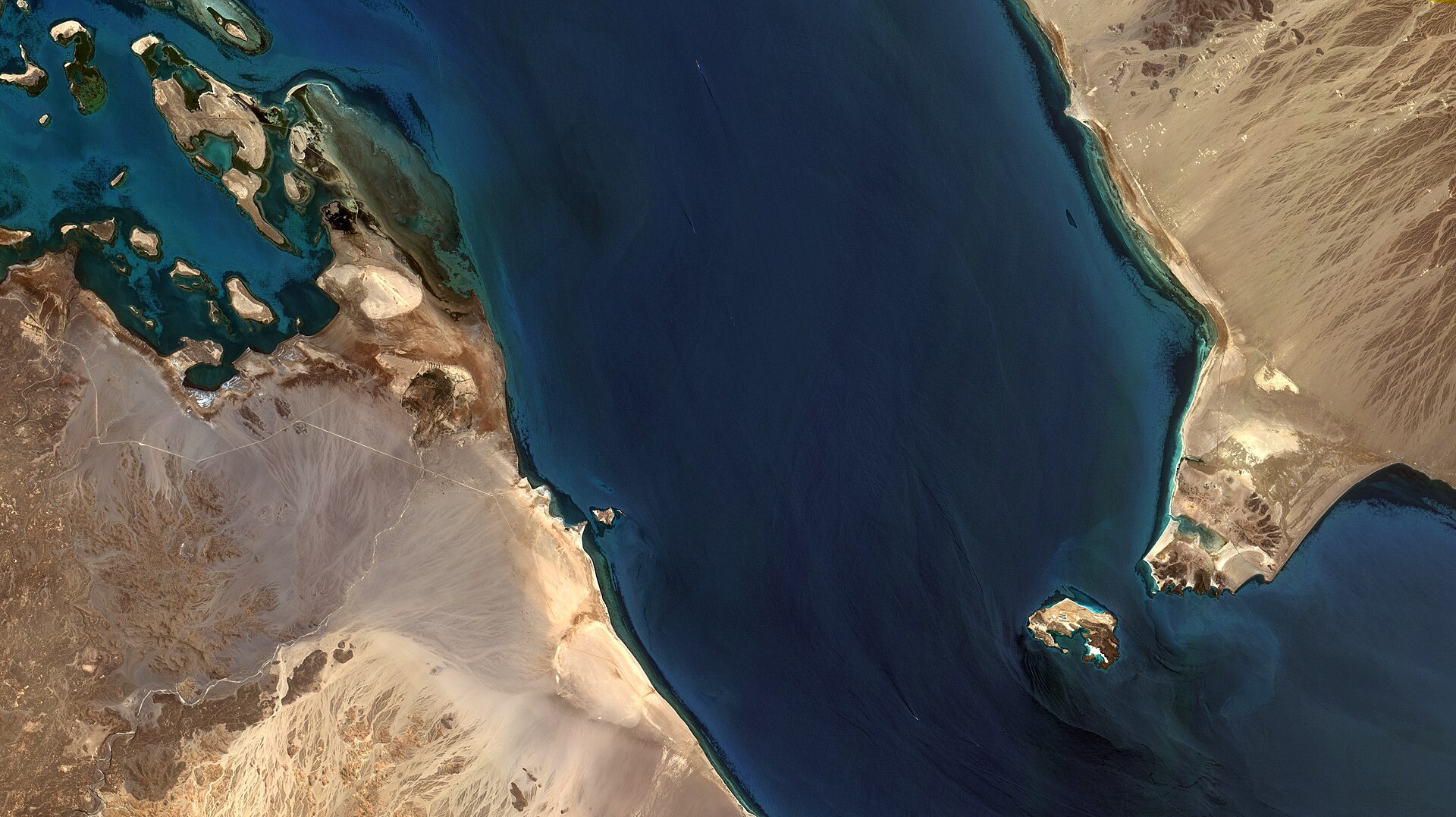
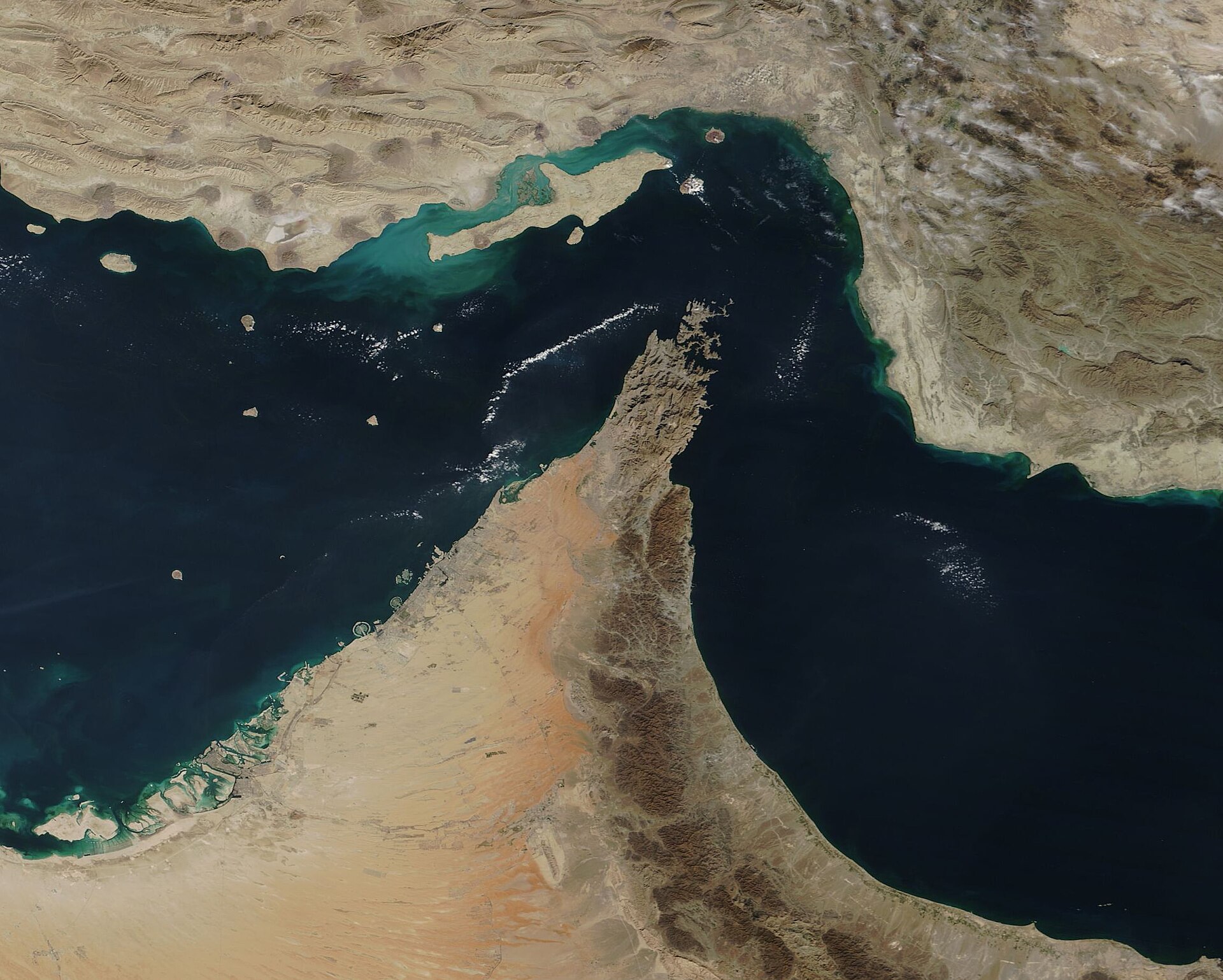
The meeting followed months of Oman-brokered diplomacy under the Islamabad Memorandum framework signed on June 17, which outlined a path toward reopening the Strait of Hormuz. With the strait under closure or restriction since Iran re-closed it on July 12, and with the Joint Maritime Information Center estimating pre-war traffic at 138 ships per day, the absence of a tangible outcome means Gulf shipping disruption continues with no resolution date. For Saudi Arabia — which needs Hormuz reopened to restore its eastern crude-export route but is not a direct party to the Araghchi-Busaidi track — the result amounts to a continuation of the status quo: diplomatic channels remain open, but the strait does not.
The House of Saud Daily Briefing
Saudi Arabia's news in 3 minutes, every morning. Free. See today's issue
Table of Contents
What Did Both Sides Say After the November 17 Meeting?
Both governments released readouts within hours of the meeting. Neither produced a joint statement.
Busaidi posted on X that the two sides “reviewed the steady course of Oman–Iran relations and practical ways to deepen cooperation between our two countries,” according to his official account as confirmed by EdNews.net on November 17. He said they had “exchanged views on the latest diplomatic efforts underway to address regional challenges” and “reaffirmed the importance of continued dialogue and consultation in support of de-escalation and peaceful solutions.” Busaidi described the session as “constructive.”
The Iranian readout, published by Mehr News Agency on November 17, was shorter. Araghchi and Busaidi discussed “bilateral ties” and “the regional situation,” and agreed to “strengthen consultation and cooperation among regional countries” and “maintain regional peace and stability,” Mehr reported. Araghchi also “congratulated Oman on its upcoming national day and called for cooperation in all fields.”
The divergence between the two readouts carries weight. Busaidi’s statement referenced “diplomatic efforts underway to address regional challenges” — language that acknowledges an active mediation process. The Mehr News readout contained no reference to maritime corridors, the Strait of Hormuz, or any specific diplomatic proposals. Busaidi’s readout had three distinct elements: bilateral relations, regional diplomacy, and de-escalation. Iran’s readout compressed everything into standard bilateral terms.
Ali Vaez of the International Crisis Group has characterized the Hormuz arrangement as one driven by Iran and Oman rather than by Iran and the US, according to Intellinews. That framing helps explain why a bilateral Araghchi-Busaidi readout can sound cordial while the fundamental US-Iran impasse — which determines whether Hormuz actually reopens — remains unchanged.
How Does the November 17 Language Compare to November 5?
The readout language from November 17 represents a retreat from the terms both sides used just 12 days earlier.
On November 5, following a phone call between Araghchi and Busaidi, the Oman Ministry of Foreign Affairs issued a readout that explicitly referenced “the unhindered resumption of navigation through the Strait of Hormuz” and “the safety of maritime corridors,” according to the Times of Oman and the Oman FM’s official website (fm.gov.om) on November 5. That language was specific, outcome-oriented, and directly addressed the central question of Hormuz navigation.
None of those phrases appeared in either readout from November 17. The Busaidi X post replaced explicit Hormuz language with the broader formulation “de-escalation and peaceful solutions.” The Mehr News readout dropped maritime references entirely.
This regression is meaningful. When a mediator moves from naming the specific issue — Hormuz navigation — to using vaguer diplomatic language, it typically signals one of two things: the parties have agreed to lower the temperature publicly while negotiating privately, or the talks have failed to advance and the mediator is managing expectations. The absence of a joint statement points toward the latter.
The November 5 readout also included references to “respecting state sovereignty” and diplomatic options to contain tensions, phrasing that indicated both sides were still engaging with the substance of the Hormuz dispute. The November 17 readout, by contrast, reads like a holding statement — confirmation that the channel exists, without evidence that it is producing results.
Oman’s Mediation Track and the Islamabad Framework
The November 17 meeting is the latest in a series of Araghchi-Busaidi contacts stretching back to at least April 2026. On April 26, both foreign ministers met in Muscat, with Sultan Haitham also in attendance. Araghchi wrote on X that “as only Hormuz littoral states, our focus included ways to ensure safe transit that is to benefit of all dear neighbors and the world,” as confirmed by Gulf News on April 27.
The diplomatic track gained institutional structure with the Islamabad Memorandum, signed on June 17, 2026. The 14-point framework included 60-day toll-free Hormuz passage, a US blockade lift within 30 days, and Iran-Oman talks on the future administration of Hormuz under Article 5, according to Iran International on June 17. The agreement briefly reopened the strait before Iran re-closed it on July 12; the United States reinstated its naval blockade two days later, on July 14.
A subsequent in-person meeting in Muscat on July 11 focused on Article 5 implementation. Araghchi told Tehran Times that “Iran has so far kept its word, unlike the so-called US Treasury Secretary, who is violating Page 9 of the MoU.” Framework talks in Tehran on August 25–26 attempted to revive the process, with Busaidi outlining a provisional 7-nautical-mile transit corridor and a joint demining plan. He said he hoped the temporary corridor “would be announced soon,” according to Atalayar on August 26 and Middle East Monitor on August 25.
None of those proposals materialized. The United States threatened to bomb Oman over its Hormuz talks with Tehran, according to CNBC on August 17. Araghchi submitted a seven-day roadmap via Qatar on September 25 that called for the US to lift its blockade, provide sanctions waivers, and release approximately $12 billion in frozen Iranian assets, according to Al Jazeera on September 25. Trump rejected the plan and said the blockade remains “in full force,” according to The National on October 8.
Anna Jacobs, an analyst quoted by The National on August 21, observed that Oman “cannot afford to abandon mediation.” That assessment explains why Muscat continues to host sessions even when the substance does not advance — and why both sides continue to attend them.
Where Does Saudi Arabia Stand?
Saudi Arabia is not a party to the Araghchi-Busaidi track. Riyadh did not sign the Islamabad Memorandum, and the Article 5 Hormuz administration talks are structured as a bilateral Iran-Oman process. Saudi interests are represented only indirectly, through Oman’s role as mediator.
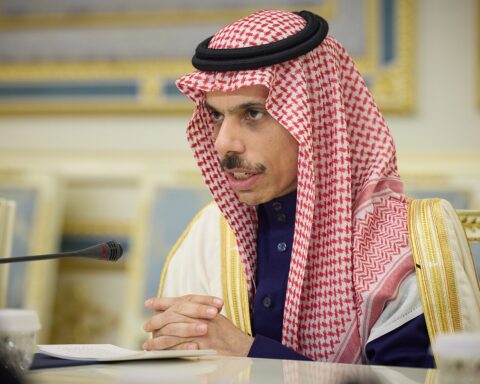
The day before the Muscat meeting, Saudi Foreign Minister Prince Faisal bin Farhan called the foreign ministers of both Qatar and Egypt on November 16, according to Anadolu Agency on November 17. The timing — the same day Araghchi arrived in Muscat — suggests Riyadh was working a parallel diplomatic track rather than waiting on the Oman channel.
This pattern has been consistent. Prince Faisal sought European naval escorts and pressure on Iran in Brussels on November 15. He met China’s envoy Zhai Jun in Riyadh on November 13 to discuss Yemen and the Houthis. The GCC has separately brought Iran’s campaign of missile and drone strikes before the United Nations, framing the conflict in terms that favour collective Arab action over bilateral Iranian diplomacy.
Riyadh has also maintained its own direct channel with Tehran. Araghchi called Prince Faisal on August 2 to discuss the recent regional escalation and efforts to address it, according to Arab News on August 2. But the channel has not produced visible results. Araghchi told Prince Faisal on October 11 that Iran was ready to “facilitate dialogue between Saudi Arabia and Yemen,” according to the BBC on October 11. Neither Riyadh nor the Houthis responded to the offer publicly, and Araghchi later acknowledged as much, according to Middle East Monitor on October 21.
Saudi Arabia has not commented on the November 17 Araghchi-Busaidi meeting. No Saudi government statement was found in any source reviewed.
For the Kingdom, the outcome — no breakdown but no progress — may be the most tolerable version of failure. A collapse of the Oman channel would leave Riyadh with no indirect path to Hormuz negotiations. An actual deal might contain terms Riyadh cannot accept. The ambiguous middle ground, where Oman keeps both sides talking without binding commitments, preserves Saudi options while delivering nothing concrete.
Araghchi’s Pre-Muscat Positioning
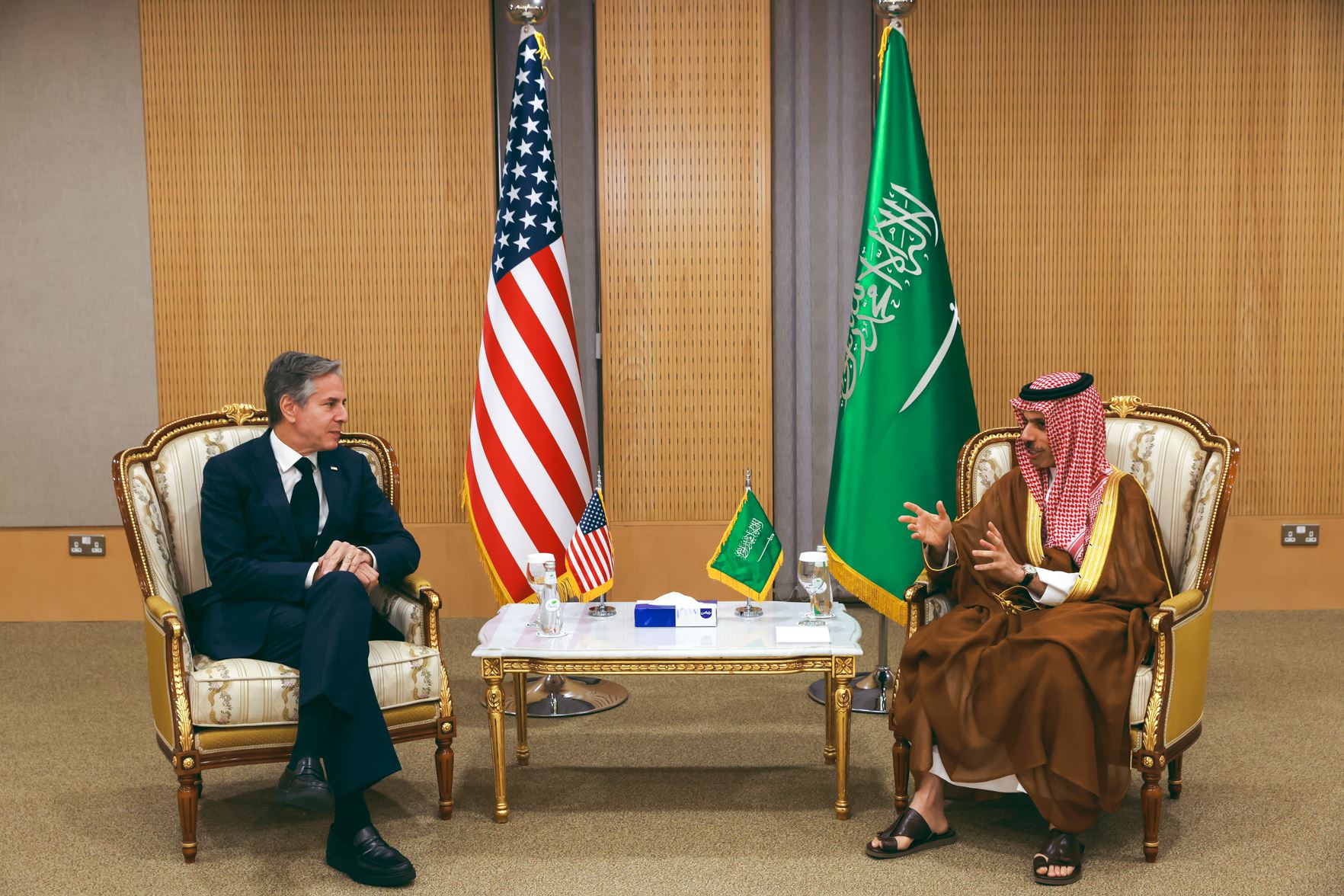
Araghchi arrived in Muscat from Islamabad, where he had attended the 30th ECO Council of Ministers meeting on November 15–16, according to Anadolu Agency and Muscat Daily on November 16–17. Iran’s FM spokesman Esmaeil Baqaei confirmed the Muscat trip on November 15, according to Muscat Daily and Al Arabiya on November 16.
In Islamabad, Araghchi claimed that a “10-country regional bloc” supported Tehran’s proposal to reopen Hormuz within two days, according to Anadolu Agency on November 17. No independent confirmation of this claim was found in any other source. It is an Iranian assertion that should be understood in the context of Tehran’s public positioning ahead of the Muscat talks.
Iran’s broader stance remains unchanged. Araghchi has said Hormuz stays closed until the United States accepts the terms of his seven-day deal — the same package of blockade lift, sanctions waivers, and frozen-asset release that Trump rejected in October, according to The National on October 8. Mohsen Rezaei, Secretary of Iran’s Supreme National Security Council, reinforced that position on November 10, saying there would be “no negotiations,” according to Al-Mayadeen.
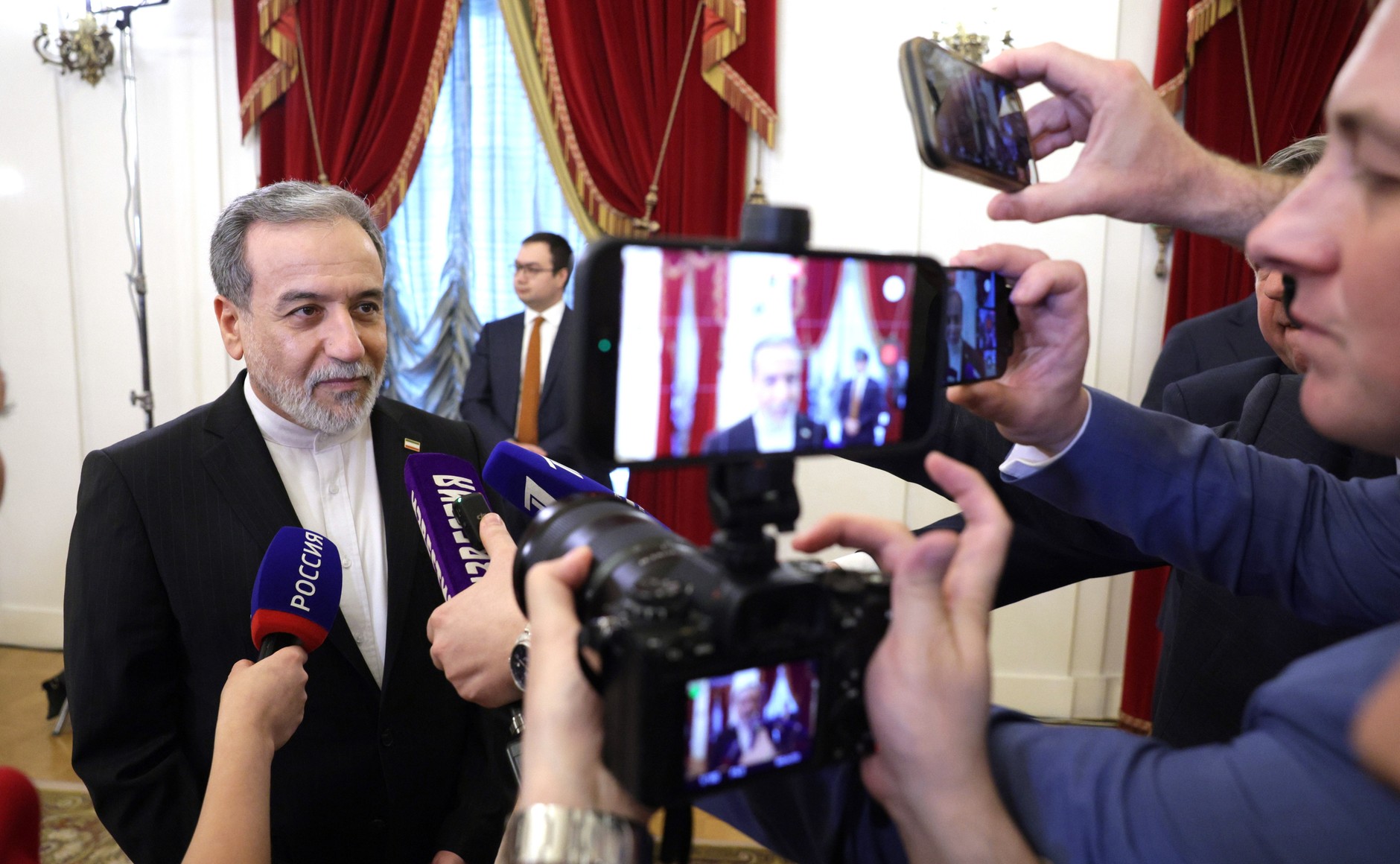
The gap between Iran’s public demands and the modest language of the November 17 readout reveals the limits of what Oman’s mediation can achieve. Muscat can get both parties into a room and produce shared vocabulary about de-escalation. It cannot bridge the distance between Iran’s conditions and what Washington is willing to offer.
Background
Oman has served as the primary intermediary between Iran and outside parties since the crisis began, drawing on a mediation tradition that includes brokering the early rounds of US-Iran nuclear talks in Geneva in February 2026, according to Gulf News on February 18. Sultan Haitham bin Tariq’s government has balanced its US security partnership — Oman hosts American military facilities — with its historically close relationship with Tehran.
The concurrent closure of the Bab el-Mandeb strait, where Houthi forces retook coastal positions, means both of the Gulf’s maritime chokepoints are now contested. Saudi Arabia has relied on the East-West Pipeline to route crude exports to Europe through its Yanbu terminal on the Red Sea, but that pipeline was itself targeted by drone strikes launched from Iraq in September 2026, according to SPA and Al Jazeera. With mines continuing to strike tankers in Hormuz, the Kingdom’s export infrastructure faces pressure on multiple fronts.
Frequently Asked Questions
Has Sultan Haitham met Araghchi during the November 17 visit?
No source has confirmed or denied whether Sultan Haitham bin Tariq received Araghchi on this trip. During previous Muscat visits on April 26 and July 11, the Sultan met the Iranian foreign minister directly, according to Gulf News and Tehran Times. The absence of any mention of a royal audience in either the Busaidi or Mehr News readout on November 17 suggests the meeting was confined to foreign-minister level, though this has not been stated explicitly.
What is Article 5 of the Islamabad Memorandum?
Article 5 establishes a framework for Iran-Oman bilateral talks on the future administration of the Strait of Hormuz, according to Iran International’s reporting on the June 17, 2026 memorandum. Under this provision, Oman and Iran would negotiate how the strait is managed once it reopens — including toll arrangements and navigation rules. The United States, Saudi Arabia, and other Gulf states are not parties to these talks, which is why the Araghchi-Busaidi channel operates separately from US-Iran negotiations.
Did the United States react to the November 17 meeting?
No US government statement on the Araghchi-Busaidi meeting was found in any source reviewed as of November 17. Washington’s formal position on Hormuz preceded the meeting and had not changed. The question of US recognition matters because the Araghchi-Busaidi channel cannot deliver what Iran demands — a blockade lift and sanctions relief — without Washington’s direct participation. That structural limit is why Muscat can sustain the dialogue without being able to resolve it.
What happened to the provisional Hormuz transit corridor proposed in August?
During framework talks in Tehran on August 25–26, Oman proposed two routes — a northern corridor through Iranian territorial waters and a southern one through Omani waters — according to Israel National News citing Axios. Araghchi said he could not approve the proposal on the spot and took it back to Tehran. Neither corridor has been implemented, and neither the November 5 nor the November 17 readout referenced the proposal, suggesting it remains stalled.
Can Oman’s mediation succeed without US involvement?
Vali Nasr of Johns Hopkins SAIS has observed that the United States “cannot win militarily at this level and cannot resolve the issue diplomatically without a political cost at home,” according to Intellinews. This assessment suggests that any durable resolution requires US participation — which the Araghchi-Busaidi bilateral track structurally excludes. Oman can maintain a channel between Tehran and the outside world, but it cannot deliver the US blockade lift or sanctions relief that Iran demands as preconditions for reopening Hormuz.
The House of Saud Daily Briefing
Saudi Arabia's news in 3 minutes, every morning. Free. See today's issue