Changed: True
ANTALYA — The foreign ministers of Turkey, Pakistan, Saudi Arabia, and Egypt convened their third quadrilateral meeting on April 17 at the Antalya Diplomacy Forum, five days before the Iran-US ceasefire expires on April 22 — and on the same day that Iran’s Deputy Foreign Minister Saeed Khatibzadeh, present at the forum, told reporters: “We are not accepting any temporary ceasefire.”
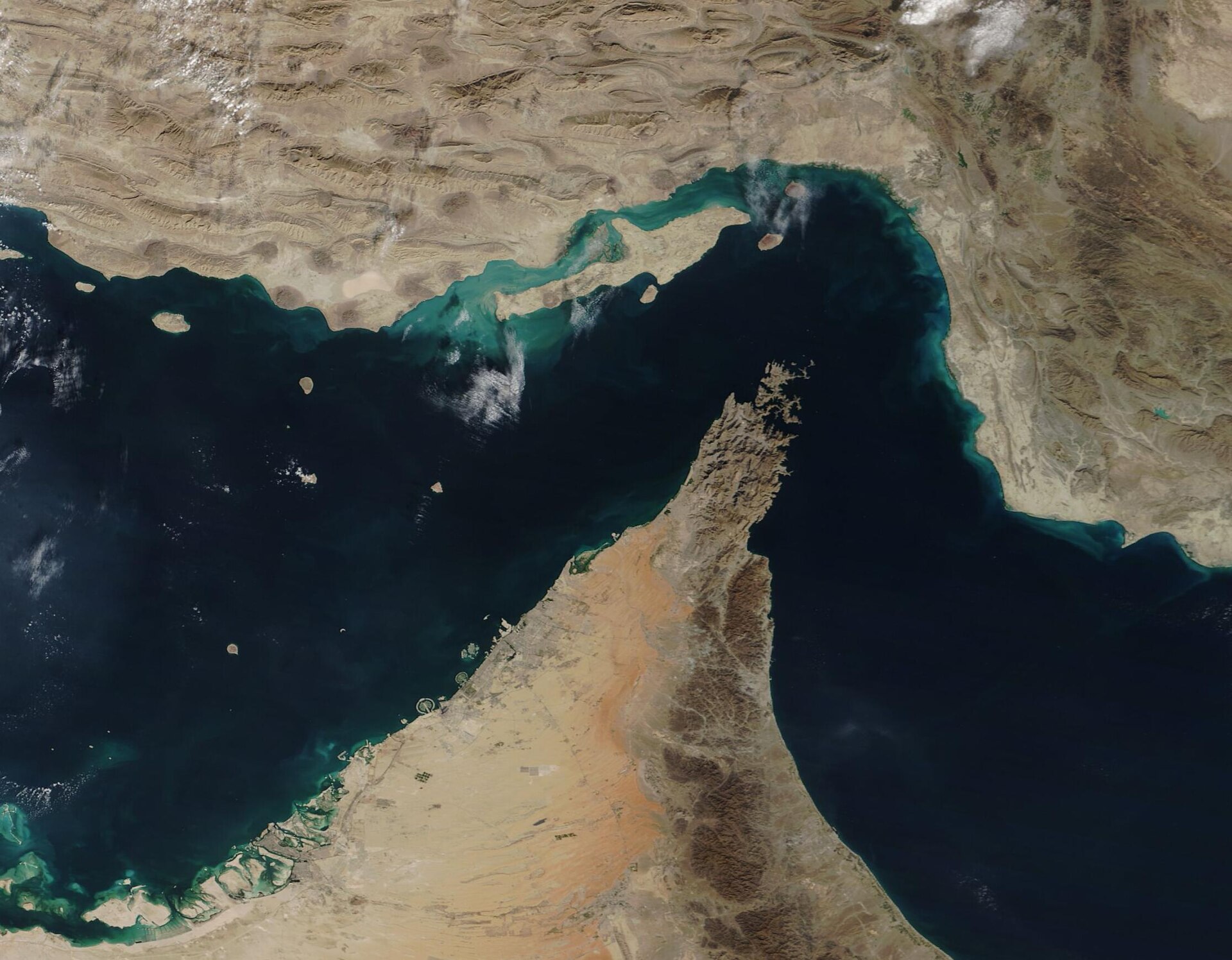
The statement landed inside a venue that has no power to override it. The Antalya Diplomacy Forum, now in its fifth edition, produces no binding communiqué. The Islamabad Accord that the quad is attempting to extend contains no enforcement clause. And the Iranian military commander who controls operational ceasefire compliance — Maj. Gen. Ali Abdollahi, head of Khatam al-Anbiya Construction Headquarters — told Pakistan’s army chief Asim Munir on April 16, one day before the forum opened, that Iran’s armed forces “would not allow any exports or imports to continue in the Persian Gulf, Sea of Oman and Red Sea” if the US naval blockade persists.
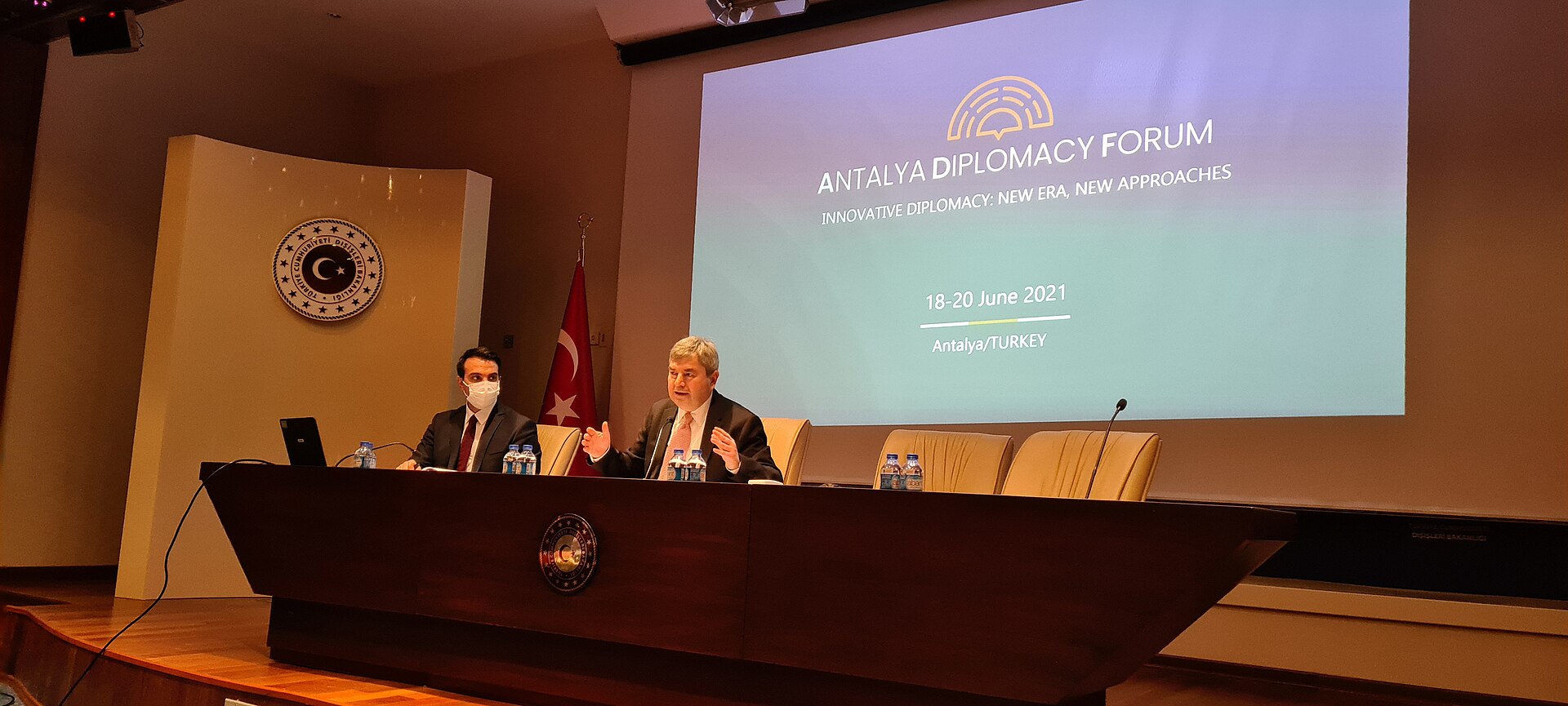
Table of Contents
Three Meetings in Thirty Days
The Turkey-Pakistan-Saudi Arabia-Egypt quadrilateral has met three times since mid-March: Riyadh on March 18-19, Islamabad on March 29, and now Antalya. A deputy-foreign-minister preparatory session was held in Islamabad on April 14, three days before this round. The pace — roughly one meeting every ten days — reflects both urgency and the absence of results durable enough to slow the schedule.
The format remains deliberately informal. Participants have explicitly rejected language describing the quad as an “institutional” body or “alliance,” in part to avoid provoking Washington. Turkey, the host, has positioned the Antalya Diplomacy Forum’s broader convening — over 150 countries, more than 20 heads of state, some 40 foreign ministers, and roughly 5,000 attendees under the theme “Mapping Tomorrow, Managing Uncertainties” — as the backdrop. The quad meeting sits inside it but is not governed by it.
President Erdogan set the tone on opening day: “I believe the window of opportunity opened by the ceasefire should be used in the most effective way to establish lasting peace.” He added: “No matter how deep the disagreements may be, we must not allow words to be replaced again by weapons.” Turkish Foreign Minister Hakan Fidan was more specific, describing the Strait of Hormuz as an “international free passage zone” and warning that “new unilateral rules or military impositions in the Strait of Hormuz could trigger a fresh wave of escalation.”
The Middle East briefing 3,000+ readers start their day with.
One email. Every weekday morning. Free.
Saudi Foreign Minister Faisal bin Farhan arrived in Antalya having last spoken to Iran’s Araghchi by phone on April 13. No confirmed in-person meeting between Faisal and any Iranian official at the forum has been reported as of April 17. The channel between Riyadh and Tehran remains at the phone-call level — Turkey has facilitated a Saudi-UAE direct communication line with Iran, but it is not a treaty instrument, and it has not produced one.
What Khatibzadeh Actually Said — and Who He Didn’t Say It To
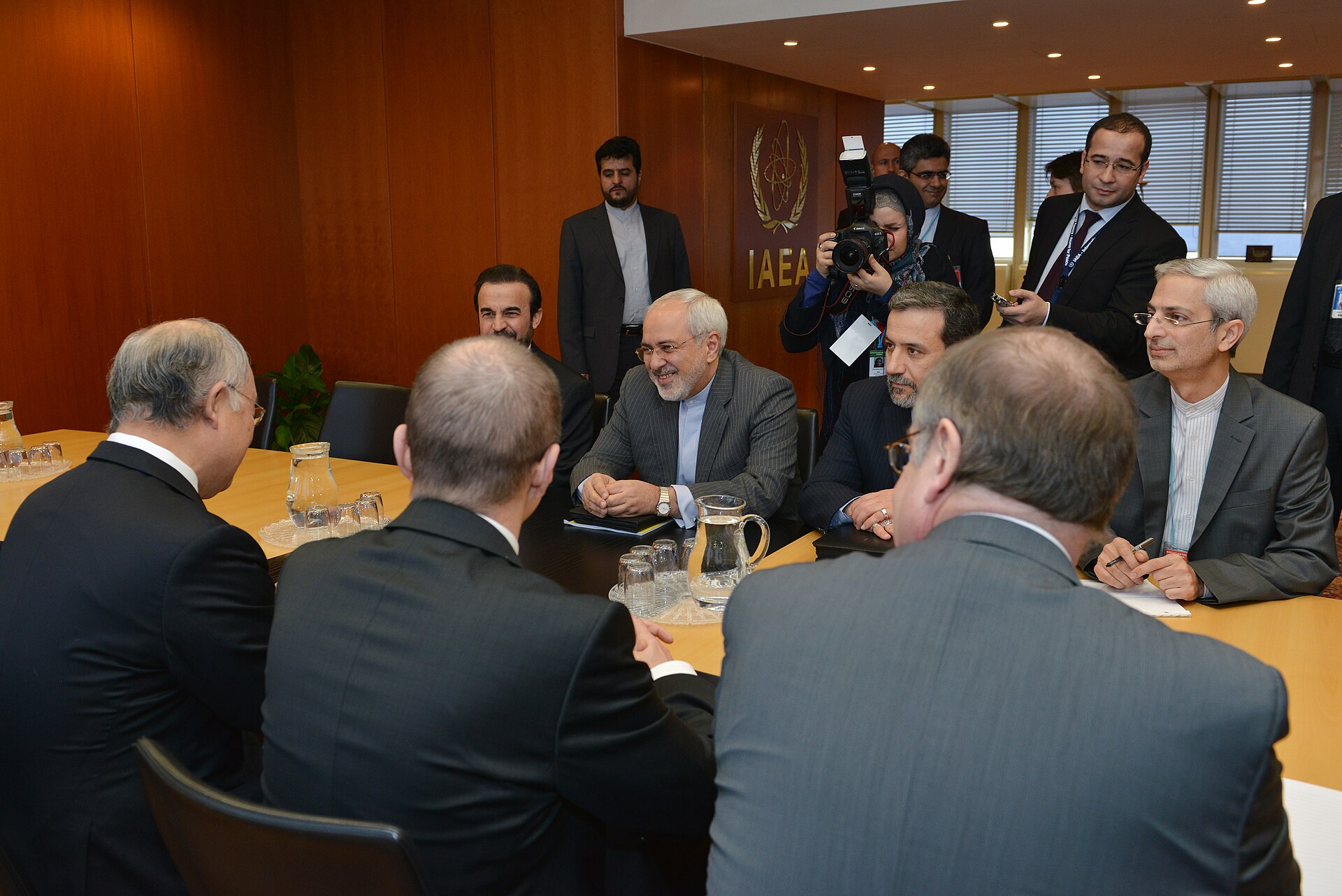
Tehran sent its deputy foreign minister to Antalya, not Araghchi. The rank signal is deliberate: Iran is present at the forum but not at decision-making level. Khatibzadeh is a spokesperson-turned-diplomat whose previous role was as Foreign Ministry spokesman — a communicator, not a negotiator with authority to concede.
His statement at the forum was precise in its maximalism. “We are not accepting any temporary ceasefire” is not a rejection of extension mechanics. It is a rejection of the ceasefire’s category. Khatibzadeh demanded that any agreement extend “from Lebanon to the Red Sea,” a scope that encompasses Israeli military operations in Lebanon and Houthi-US naval engagements — theaters over which the Turkey-Pakistan-Saudi-Egypt quad has zero authority and no mandate.
The demand is structurally incompatible with what the room can deliver. Israel has already declared the Islamabad Accord does not include Lebanon. The Red Sea is a US-Houthi operational domain. Iran is asking four foreign ministers to guarantee outcomes in conflicts where none of them holds a veto.
Iran’s UN envoy Amir-Saeid Iravani reinforced the frame from New York on the same day: “Stability in the Strait of Hormuz depends on full respect for Iran’s sovereignty and rights.” The US blockade, he said, constitutes a “flagrant breach” of the UN Charter Article 2(4). The language positions any extension as contingent on American withdrawal — a condition the quad cannot impose on Washington.
Abdollahi’s Message to the Mediator
The most consequential pre-Antalya signal did not come from the diplomatic corps. On April 16, Maj. Gen. Ali Abdollahi received Pakistan’s army chief Asim Munir at Khatam al-Anbiya headquarters — the same command structure that President Pezeshkian publicly accused on April 4 of deviating from the Islamabad delegation’s mandate and wrecking the ceasefire from inside.
Abdollahi used the meeting to deliver what amounted to a conditional termination notice. “If the US continues its illegal naval blockade,” he told Munir, “this action would constitute a prelude to a violation of the ceasefire. Iran’s armed forces would not allow any exports or imports to continue in the Persian Gulf, Sea of Oman and Red Sea.” The statement was reported by Pakistani outlets Bol News and Pakistan Today.
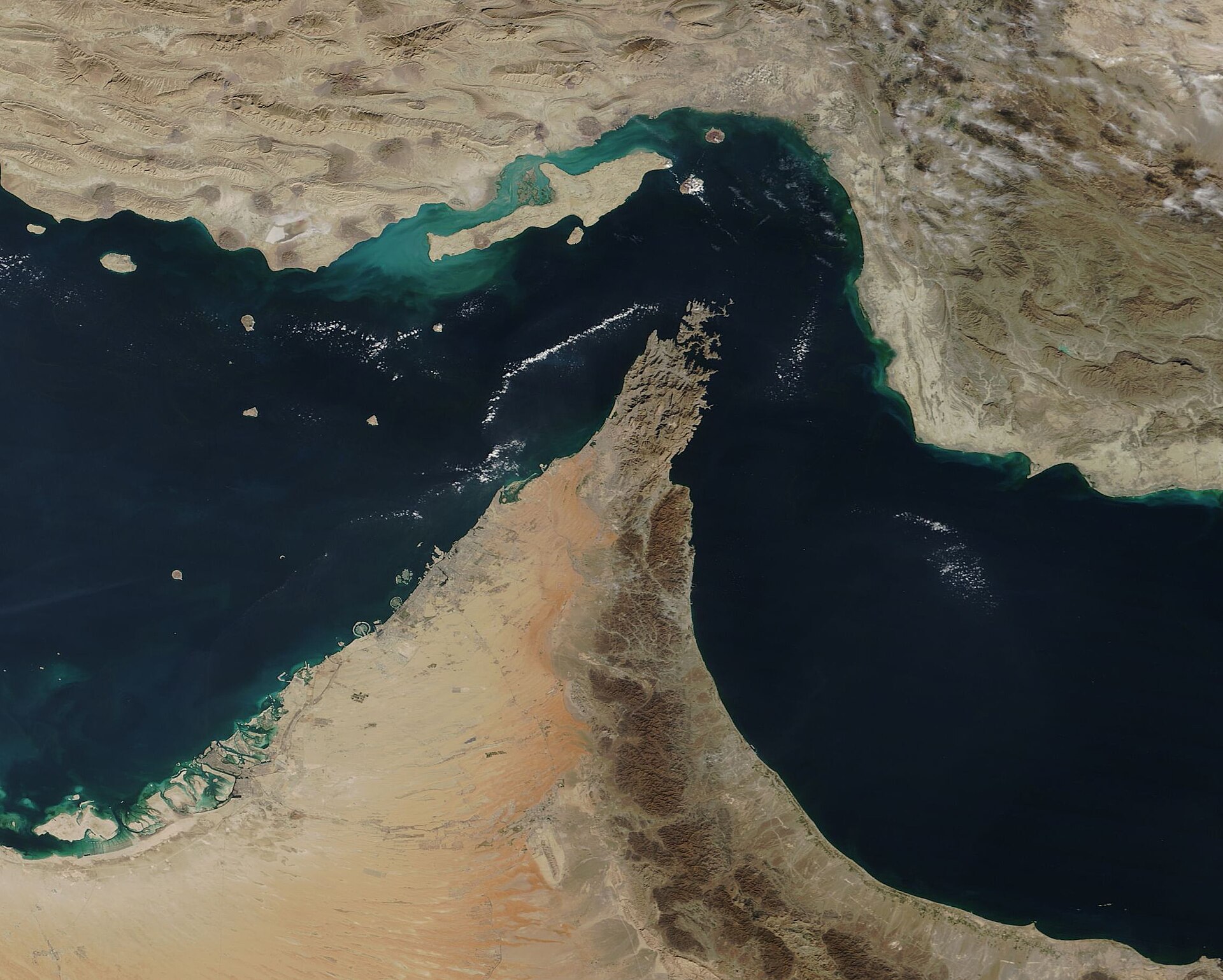
The timing compresses into a single paradox: Pakistan’s principal mediator heard Iran’s operational commander threaten to end the ceasefire, then traveled to Antalya the next day to participate in a forum dedicated to extending it. Munir visited the command structure of the officers whom Pezeshkian has publicly identified as the enforcement problem. Abdollahi received him — and immediately made the visit an instrument of coercion rather than mediation.
This is the authorization ceiling that has defined Iran’s war posture since March. Pezeshkian has no constitutional authority over the IRGC under Article 110. Khamenei, who does, has been absent for 44 days and counting. Ahmad Vahidi — who carries an INTERPOL red notice for the 1994 AMIA bombing — demanded that Zolghadr be placed on the Islamabad negotiating team and refused to negotiate on missiles. As the Jerusalem Post observed: “While Pezeshkian apologizes, Vahidi’s IRGC continues to launch attacks against Gulf states, signaling to the world, Iran’s neighbors, and the Iranian public that diplomats do not hold the reins of power.”
Can Antalya Produce What Islamabad Could Not?
The Islamabad Accord is a two-party instrument between the United States and Iran, mediated by Pakistan, with no enforcement mechanism or dispute-resolution clause. When Israel declared on April 12 that the accord did not include Lebanon, Ghalibaf called it a violation — and nothing happened. That was the accord’s first substantive test.
The question at Antalya is whether the quad can supply what the accord lacks: either a fourth signatory that gives the instrument broader legitimacy, or a new instrument altogether. The answer, structurally, is no. The Antalya Diplomacy Forum’s governance model explicitly does not produce binding intergovernmental decisions. Previous editions — 2022 on Russia-Ukraine, 2024 on “Advancing Diplomacy in Times of Turmoil” — generated dialogue, not enforcement architecture.
What the quad can produce is a coordinated diplomatic position. Luca Nevola, senior analyst at ACLED, has outlined the divergence within the broader Gulf coalition: Saudi Arabia’s minimum conditions are Hormuz reopening and guarantees against direct attacks. The UAE, Kuwait, and Bahrain demand dismantling Iran’s long-range strike capabilities — a structurally different ask that goes beyond any ceasefire extension. Egypt and Turkey share no direct Gulf exposure but have leverage through mediation access and geographic position.
Pakistan’s role as the ceasefire’s sole enforcement mechanism has been stretched to breaking point by Abdollahi’s April 16 threat. If the mediator’s own interlocutor uses their meeting to threaten termination, the mediation channel has been converted into a transmission line for ultimatums — not a structural failure but a functional inversion.
Iran’s Same-Day Hormuz Concession
On the same day that Khatibzadeh rejected any temporary ceasefire at Antalya, Iran declared the Strait of Hormuz “completely open” for the remaining ceasefire period. Bloomberg and Al Jazeera reported the announcement on April 17.
The timing is not coincidental. The declaration offers a tactical concession — transit access during a period Iran did not create and cannot unilaterally extend — while Khatibzadeh’s maximalist demands establish that the concession expires with the ceasefire on April 22. Open Hormuz is the carrot; “no temporary ceasefire” is the stick. Both were deployed at the same venue on the same day. The Lebanon ceasefire that enabled this sequence was the product of the Saudi Crown Prince’s private call to Trump on April 16, in which MBS linked a Lebanon truce directly to Hormuz reopening.
Fidan acknowledged the dynamic without naming it. “Any disruption to freedom of navigation is not something parties want to see,” he said. His framing of Hormuz as an “international free passage zone” directly contradicted Iravani’s sovereignty-based claim from New York — a rare public divergence between a mediator-state and one of the parties it is mediating for. Turkey is hosting Iran diplomatically while rejecting Iran’s legal position on the waterway that defines the crisis.
Saudi Arabia’s posture at Antalya reflects a calculation that Paris articulated more explicitly this week: Hormuz reopening is the floor, not the ceiling. Faisal bin Farhan was reported on April 15 to have told regional interlocutors: “The era of relying on the US has ended. How can Trump protect us when he cannot even protect his own country?” The remark suggests Riyadh is building its Antalya position around the assumption that the blockade is not a permanent instrument and that Gulf security will require a framework Washington does not control.
The Security Platform Turkey Is Building Around the Ceasefire
Parallel to the ceasefire extension effort, Turkey has tabled a regional security platform proposal. Bloomberg and Turkish media reported on April 16 that the platform would include arms co-production, intelligence sharing, joint training, and coordinated diplomatic positions — while explicitly excluding both Iran and Israel and stopping short of mutual defence commitments.
The exclusions define the architecture’s purpose. A platform that includes Saudi Arabia and Egypt but excludes Iran is not a mediation instrument — it is a hedging structure. By omitting mutual defence language, Turkey avoids triggering NATO consultations while offering Gulf states something the US alliance has failed to deliver: defence cooperation with a state that shares a border with Iran and has the region’s second-largest military.
The Turkish Defence Ministry issued a supporting statement: “We will continue to provide all the support we can to ensure that the ongoing temporary ceasefire turns into a permanent one.” The language accepts the ceasefire’s current temporary character — the opposite of Khatibzadeh’s position at the same forum.
Saudi Arabia’s absence from the Paris conference this week and its presence at Antalya is itself a positional statement. Riyadh is choosing the quad format over Western-led multilateral venues. Whether this reflects preference for Turkey’s mediation style, discomfort with French diplomatic ambitions in the Gulf, or a simpler calculation about which room contains the actors who matter — or all three — the pattern is consistent across the three rounds.
What Happens in Five Days?
The ceasefire expires on April 22. Both the United States and Iran rejected a formal extension as of April 16. Indonesia’s first Hajj departure — 221,000 pilgrims — is also scheduled for April 22, and the Hajj arrival cordon seals on April 18, tomorrow. The convergence of dates creates what amounts to a kinetic-threshold ceiling: resuming hostilities after the ceasefire expires would mean doing so during the Hajj transit window, when 1.2 to 1.5 million pilgrims are moving through Saudi airspace and ground infrastructure. The four scenarios Saudi Arabia faces if talks fail or produce an ambiguous outcome turn on decisions made in a room Riyadh was not invited to join.
James M. Lindsay of the Council on Foreign Relations has noted that “economic pressure takes time to hit home” — the US blockade’s coercive effect operates on a timeline mismatched with the ceasefire’s remaining days. If the blockade is the principal American lever, five days is not long enough for it to force Iranian concessions through economic pain. If it is not the principal lever, the question becomes what is.
The Antalya quad’s deliverable, if it produces one, will likely be a joint statement urging extension — a statement that Iran has pre-emptively rejected through Khatibzadeh, that the IRGC has conditionally overridden through Abdollahi, and that the forum’s own structure cannot make binding. The gap between the quad’s diplomatic ambition and its institutional capacity is not a bug in the process. It is the process.
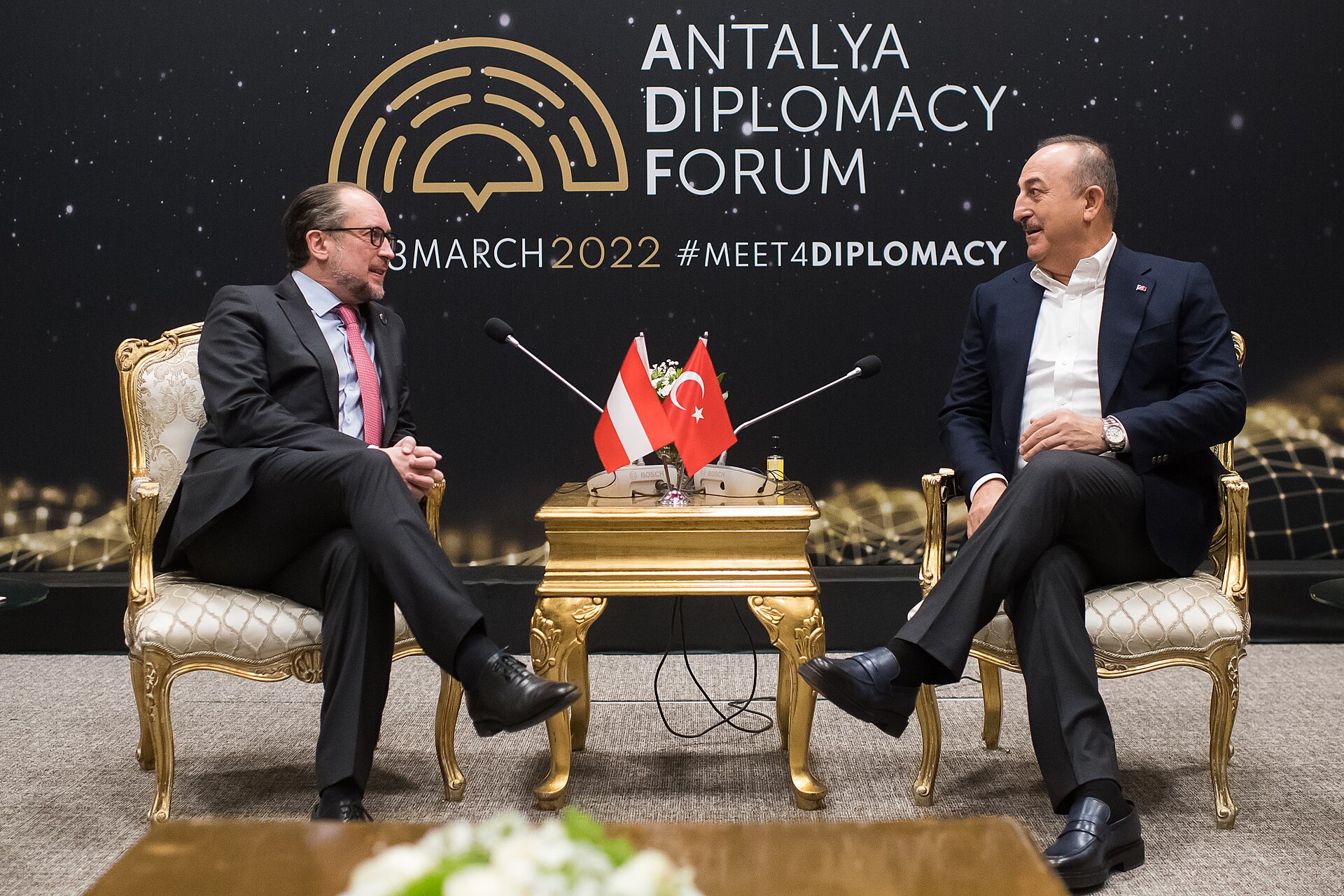
Erdogan urged the room to “be prepared and vigilant against Israel’s attempts to dynamite the negotiation process.” He did not address the possibility that the negotiation process arrived in Antalya already carrying the explosive — placed there not by Israel but by the structural reality that Iran’s diplomatic delegation and its military command are operating on different instructions, from different authorities, toward different outcomes.
Frequently Asked Questions
Has Saudi Arabia engaged directly with Iran at the Antalya forum?
No confirmed bilateral meeting between Saudi Foreign Minister Faisal bin Farhan and any Iranian official at Antalya has been reported as of April 17. Their last confirmed contact was a phone call on April 13, facilitated through a Turkish-brokered communication channel. Turkey has enabled a Saudi-UAE direct line to Iran, but it operates at the phone-call level, not through treaty-level instruments or in-person negotiation.
Why did Iran send a deputy foreign minister rather than Araghchi?
Rank in diplomatic delegations signals intent. Khatibzadeh is a former Foreign Ministry spokesman — a communicator by institutional training, not a negotiator empowered to make concessions. Araghchi, who led the Islamabad talks and has been in direct contact with both Saudi and US counterparts, would have signaled willingness to negotiate at decision-making level. His absence signals the opposite: Iran is present to deliver a position, not to revise one. This mirrors the pattern at Islamabad, where Vahidi ensured the delegation’s authority was constrained before it arrived.
What is the Islamabad Accord’s enforcement mechanism?
There is none. The accord is a two-party ceasefire between the US and Iran, with Pakistan as mediator. It contains no dispute-resolution clause, no signatory beyond the two principals, and no verification regime. When Israel declared on April 12 that the accord excluded Lebanon and Ghalibaf called this a violation, no institutional mechanism existed to adjudicate the claim. The quad format at Antalya is an attempt to build diplomatic infrastructure around this gap — but the forum itself has no binding authority.
Could the quad add a fourth signatory to the Islamabad Accord?
Theoretically, Turkey or Egypt could attach as guarantors, converting a bilateral instrument into a multilateral one. In practice, this would require both US and Iranian consent — and Khatibzadeh’s April 17 statement rejecting any “temporary ceasefire” suggests Iran views the accord’s bilateral character as a feature, not a deficiency. A broader signatory base would create enforcement obligations Iran’s military leadership has shown no willingness to accept. The quad’s own participants have avoided “alliance” or “institutional” language to preserve flexibility — the same flexibility that prevents the format from producing binding commitments.
What is the connection between the Hajj timeline and ceasefire dynamics?
The Hajj arrival cordon seals on April 18, one day into the Antalya forum. Indonesia’s first departure of 221,000 pilgrims is scheduled for April 22 — the same day the ceasefire expires. Pakistan’s 119,000 pilgrims begin arriving April 18. With 1.2 to 1.5 million pilgrims transiting Saudi airspace and ground infrastructure through late May, any resumption of hostilities after April 22 would risk strikes during active pilgrimage operations. Saudi Arabia holds the title of Custodian of the Two Holy Mosques — assumed by King Fahd in 1986 precisely to assert sovereign religious authority. A war that endangers Hajj would test that custodianship in ways no previous conflict has.
The Quadrilateral’s inability to produce a binding outcome was confirmed when Iran cancelled the April 20 Islamabad round on April 18, citing a framework precondition no mediator has authority to resolve. Iran’s Deputy Foreign Minister’s cancellation of the April 20 session — and the IRGC’s simultaneous firing on an Indian tanker — collapsed whatever diplomatic space the Antalya format had created.
The third session of the Antalya Quadrilateral — held April 18 as IRGC gunboats fired on the Sanmar Herald — is covered in The Quartet That Cannot Reach Iran.
Turkey’s formal proposal at Antalya — a post-war security architecture built around a Turkey–Saudi–Egypt–Pakistan platform, with US benediction and Iran excluded by design — is analysed in Turkey’s Antalya Security Pact: A Post-War Middle East Architecture Without Iran or Israel.