
Correction, October 12, 2026: An earlier version of this article said Iranian missiles struck Saudi territory during the congressional review period; the attacks in that period were by the Houthis. It said every 2019 resolution against arms sales to Saudi Arabia failed; in 2019 Congress passed three resolutions of disapproval, which President Trump vetoed. It gave the wrong introduction date for S.J.Res. 216 (September 16) and said three resolutions had been filed; we found two. It also included unsourced details on a 1986 vote, Patriot production, Saudi F-35 delivery dates, a $142 billion package, a Defence Intelligence Agency assessment and Chinese telecoms installations, an Israeli Air Force objection and F-35 configuration limits, a Marco Rubio bill, Senate committee meetings with Prince Faisal, an October 1 Shura Council address, and quotations attributed to Senator Markey, Defence Security Asia and CriticalThreats. These have been corrected or removed.
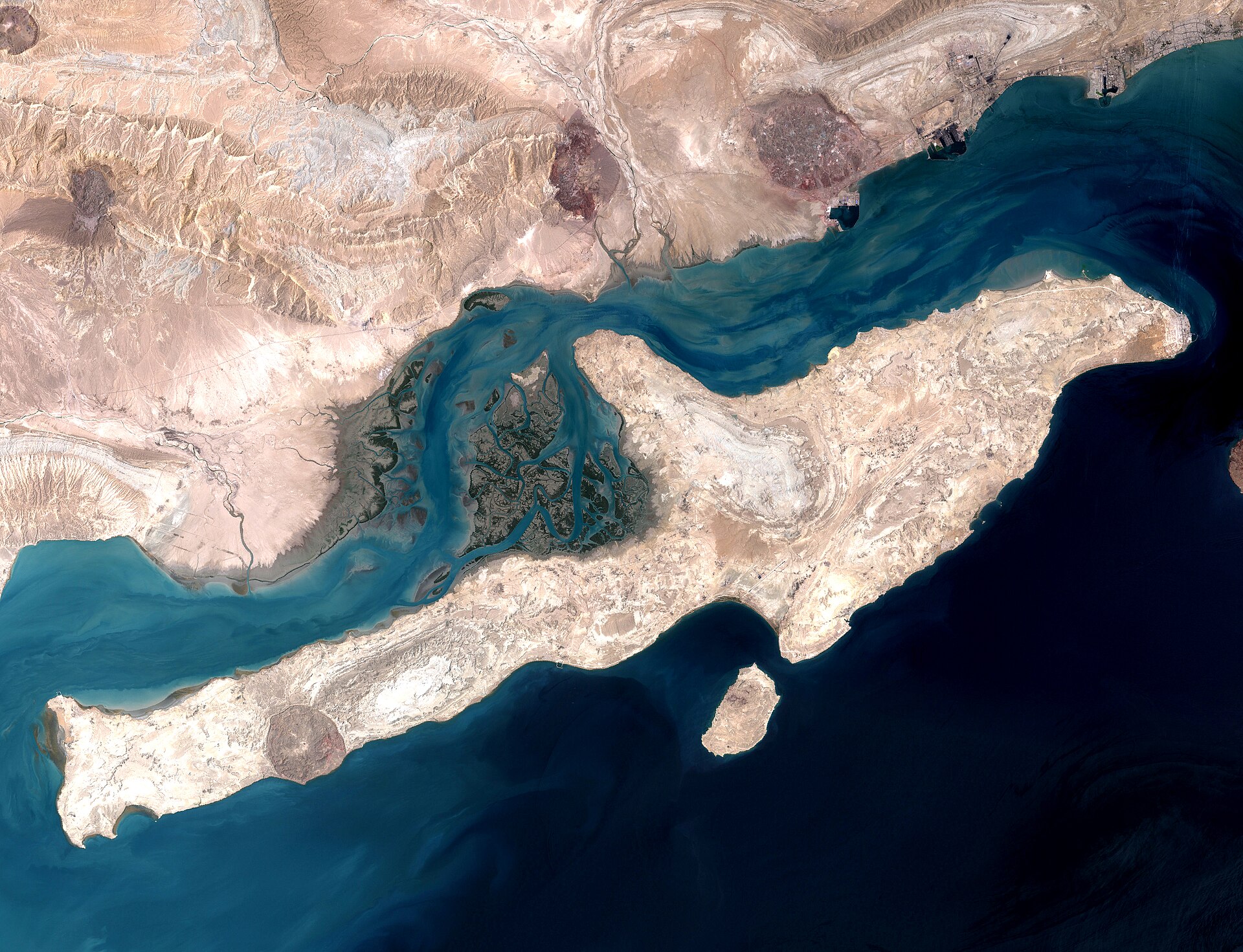
WASHINGTON — The State Department notified Congress on September 17 of a proposed $24.3 billion sale of 48 F-35A Lightning II fighters to Saudi Arabia. In the eleven days since — while Houthi missiles and drones have struck Saudi territory, while Saudi PAC-3 interceptor stocks were estimated in May to be 86 per cent depleted, while the Strait of Hormuz remains disrupted — no floor vote has been scheduled in either chamber, no committee markup has been called, and only one senator, Rand Paul of Kentucky, has introduced a joint resolution of disapproval targeting the sale. In the entire history of the Arms Export Control Act, Congress has never successfully blocked a proposed arms sale through the joint-resolution mechanism.
Paul’s resolution sits in the Senate Foreign Relations Committee without a date. A resolution filed by Democratic Senators Ed Markey, Bernie Sanders and Jeff Merkley addresses a separate $5 billion package of bombs and guidance kits rather than the F-35 deal, and the 30-day review clock expires around October 17. The structural arithmetic of a Republican-majority Congress working with the administration that approved the sale makes this review window a courtesy rather than a checkpoint, and barring something without precedent in American legislative history, forty-eight stealth fighters will be approved by silence.
Table of Contents
How Does Congress Actually Block an Arms Sale?
Under the Arms Export Control Act’s Section 36(b), the State Department must formally notify Congress of any proposed Foreign Military Sale above a certain threshold, and Congress then has 30 days to pass a joint resolution of disapproval. The word “joint” is where the process stalls, because a joint resolution requires passage in both chambers in identical form and must survive a presidential veto — meaning opponents need two-thirds supermajorities in both the House and the Senate to override.
The practical effect, across dozens of major sales to Saudi Arabia, Israel, the UAE, and other partners, is that the mechanism has never once produced a successful block. The closest Congress has come in recent years was in 2019, when both chambers passed three resolutions disapproving arms sales to Saudi Arabia, the UAE and others. President Trump vetoed them on July 24, 2019, and the Senate override votes failed 45–40, 45–39 and 46–41, far short of two-thirds.
The September 17 notification covered 48 F-35 fighters and 49 Pratt & Whitney F135-PW-100 engines — 48 installed, one spare — along with communications and cryptographic equipment, munitions and aircraft support, spare parts, training and simulators, software, and logistics and engineering services, according to the text of Paul’s resolution. The Trump administration used the normal review process, a decision that reads as confidence: the standard procedure was never the obstacle, and the clock, once started, runs in the seller’s favour.
The Middle East briefing 3,000+ readers start their day with.
One email. Every weekday morning. Free.
What Has the Senate Done in Eleven Days?
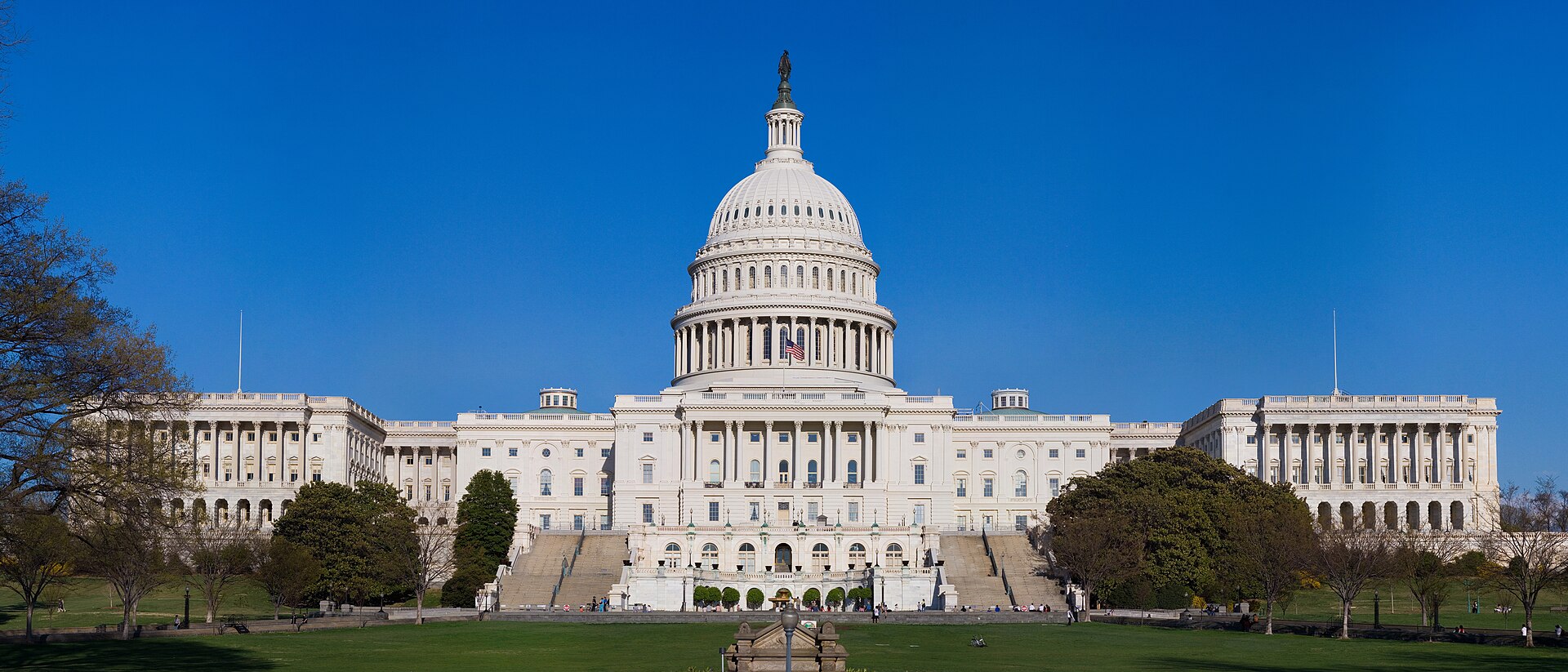
Two joint resolutions of disapproval on Saudi sales were introduced in September, and the gap between what they target and what they leave alone tells the story as clearly as their text. S.J.Res. 216, introduced by Senators Ed Markey, Jeff Merkley, and Bernie Sanders on September 16, takes aim at a separate sale of JDAM guidance kits and general-purpose bombs — part of the broader Saudi defence relationship, but not the F-35 deal. S.J.Res. 217, introduced by Rand Paul on September 24, is the resolution targeting the F-35 sale, according to the resolution texts published on GovInfo.
Both resolutions have been referred to the Senate Foreign Relations Committee, and neither has a markup date. Paul’s resolution merits scrutiny not because it can pass — it cannot — but because it isolates what opposition to a Saudi arms sale looks like when nobody else is willing to provide it. Paul objects to arms transfers to Riyadh on a principle he has held for years, and his filing tells you about his foreign-policy convictions and almost nothing about the Senate’s collective judgment on whether Saudi Arabia should fly the most advanced fighter in the American inventory. The senators who have debated America’s Gulf posture throughout the war — who have watched US installations in several countries absorb Iranian strikes — have chosen not to file their own resolutions against the F-35 sale, not to request hearings, and not to push the committee toward a markup.
The silence from Democrats who have spent years publicly opposing Saudi arms sales carries particular weight when set against the F-35 notification their resolution did not target. The eleven days that followed represent the Senate’s answer to a question it decided not to ask out loud.
The Wrong Fighter for the War Saudi Arabia Is Fighting
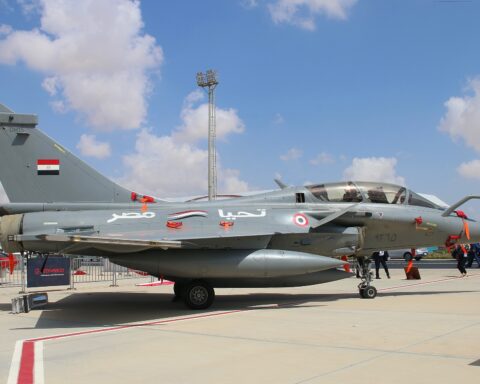
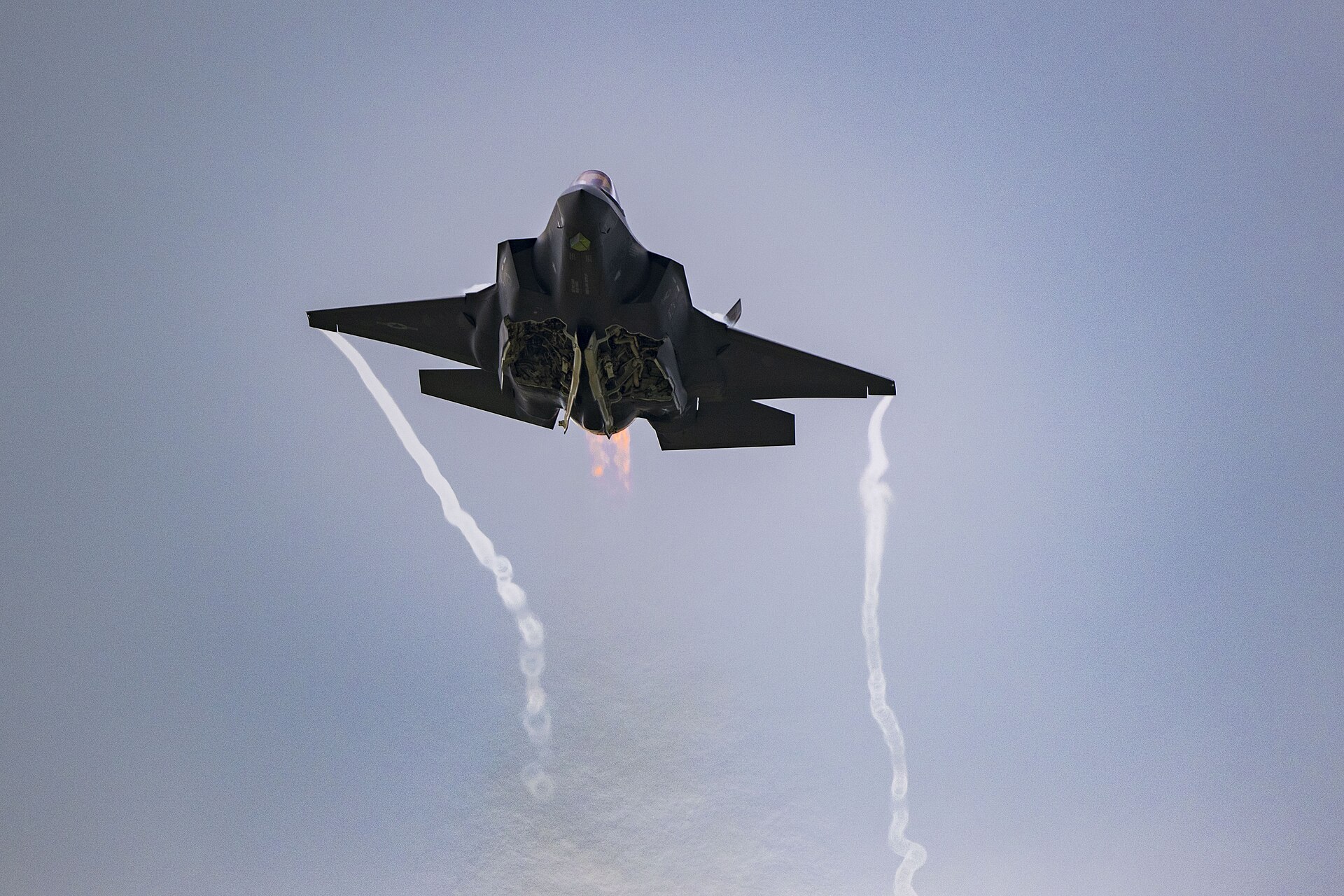
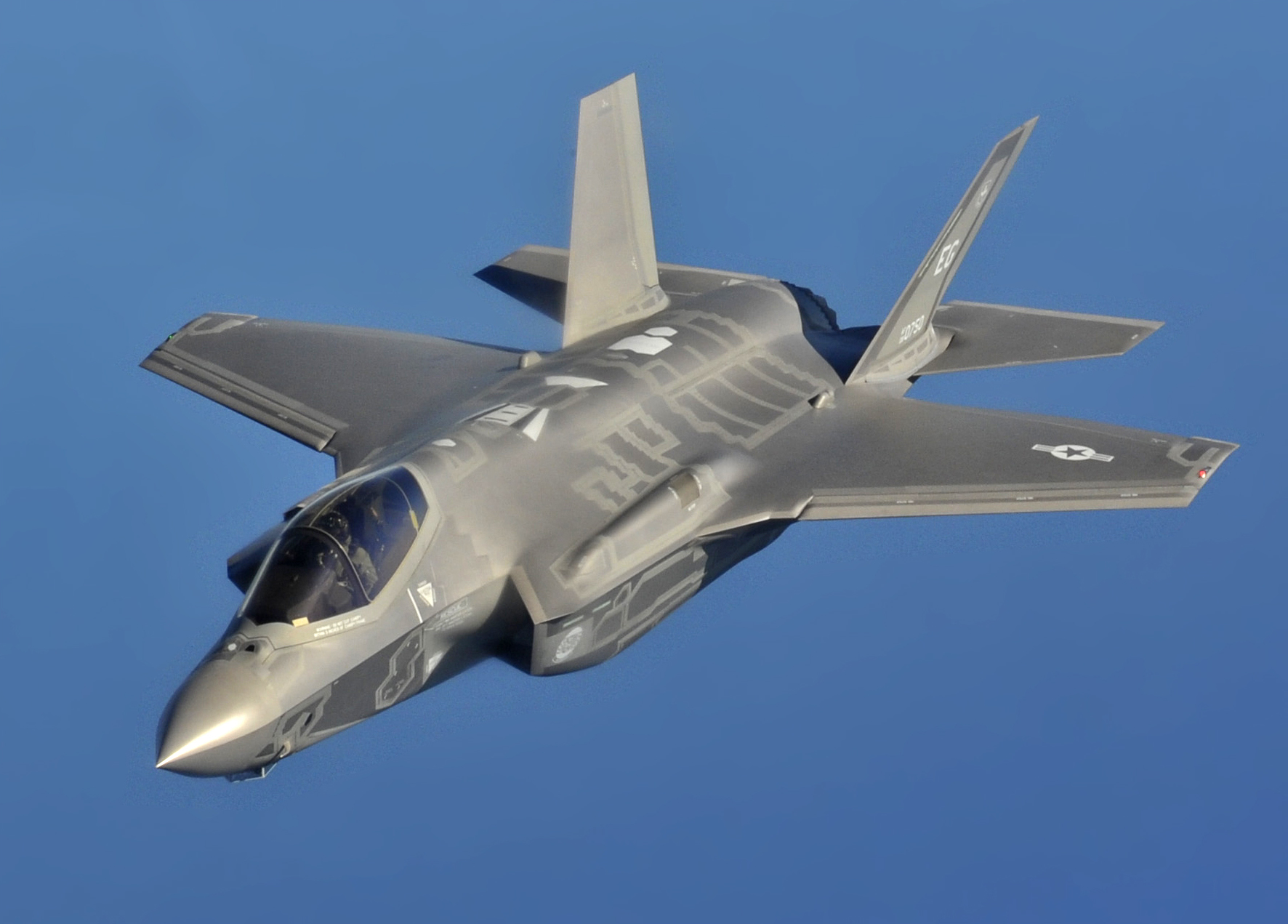
The F-35A is a fifth-generation stealth fighter built for offensive air superiority and deep-strike missions, a platform designed to establish dominance in contested airspace against near-peer opponents. It is not a counter-drone system, not an interceptor, and not the answer to a threat environment defined by Iranian ballistic missiles, Houthi UAVs, and a Saudi air-defence inventory that has been nearly exhausted.
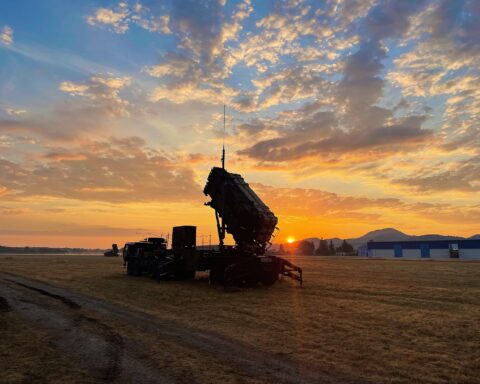
The mismatch between what Riyadh needs and what the sale delivers is arithmetical. Saudi forces fired approximately 2,400 PAC-3 interceptors against 894 aerial threats between March 3 and April 7, leaving approximately 400 missiles, according to Defence Security Asia’s estimates. The air-defence architecture that was supposed to protect Saudi airspace has been consumed by a conflict the F-35 was never designed to fight, and the $9 billion sale of up to 730 replacement interceptors approved in January has no announced delivery schedule.
No hearing has been scheduled to ask whether a future-force acquisition makes sense for a country whose present-force stockpile has been gutted, and no committee has demanded that DSCA explain the logic of a $24.3 billion fighter purchase when the weapons Saudi Arabia needs today are on backorder. That gap extends beyond hardware: Washington has refused Saudi requests for airstrikes in Yemen twice in recent weeks, and what the kill-chain gap means for the Saudi-backed Yemeni ground offensive is that it must proceed without American strike support.
The F-35 sale was authorised under the US-Saudi Strategic Defense Agreement signed in November 2025, which also covered nearly 300 M1 Abrams tanks, according to The Aviationist — an agreement that, as HOS has reported, commits the United States to sell weapons to Saudi Arabia, not to use them on Riyadh’s behalf. The jets fit the agreement’s commercial logic precisely: they extend the dependency relationship by decades, because the F-35 requires American maintenance, software updates, spare parts, and permission to integrate weapons, locking Saudi Arabia into the Lockheed Martin and Pratt & Whitney supply chain for the operational life of the aircraft.
Does Israel’s Edge Change Anything?
The proposed sale faced the hurdle of US legal obligations to preserve Israel’s qualitative military edge in the region: Congress amended the Arms Export Control Act in 2008 to require that any Middle Eastern arms sale not erode Israel’s ability to maintain a technological and operational advantage, according to The Aviationist.
Congress holds that statutory obligation, yet it has not convened a hearing to assess how the sale preserves Israel’s edge, whether any constraints on the Saudi aircraft are permanent, or whether they would survive future Saudi lobbying once the aircraft are delivered and the dependency is established.
Why the Arithmetic Makes Silence Inevitable
Republicans hold the majority in both chambers of Congress, the Trump administration approved the sale and notified Congress through the normal 30-day process, and the president would veto any joint resolution of disapproval that reached his desk. Opponents would need two-thirds supermajorities in both the House and the Senate to override — a threshold no attempt to block a Saudi arms sale has cleared.
| Year | Sale | Value | Congressional Action | Result |
|---|---|---|---|---|
| 2019 | Sales to Saudi Arabia, UAE and others | — | Congress passed 3 resolutions of disapproval | Trump vetoed; Senate override failed |
| 2026 | 48 F-35A to Saudi Arabia | $24.3B | S.J.Res. 217 (Paul) in committee | No markup (Day 11 of 30) |
In 2019, both chambers passed three resolutions disapproving arms sales to Saudi Arabia, the UAE and others. President Trump vetoed them on July 24, 2019, and Senate override votes failed 45–40, 45–39 and 46–41. The bipartisan outrage existed, the procedural grievance was real, and the votes for an override were not there.
The Trump administration’s choice in 2026 to use the normal review process was itself a measure of how little resistance it anticipated. Inaction is the default outcome of the 30-day window. A Republican-majority Congress working in alignment with an administration whose broader Saudi strategy centres on arms sales was never going to produce the supermajority needed to override a veto on a deal the president considers a centrepiece of his Middle East agenda.
When the review window opened on September 17, the question was not whether Congress would block the sale but whether anyone would force a vote that creates a public record of where each member stands on giving Riyadh the F-35 while Saudi air defences are depleted. Paul answered for himself on September 24, and the other 534 members of Congress have answered by choosing a silence that doubles, under the AECA’s rules, as consent.
What Washington Believes Saudi Arabia Is For
Trump had said publicly before the notification that the US agreed to sell Saudi Arabia 48 F-35s, according to The Aviationist. The sale was not a wartime reaction or an emergency decision forced by Iranian escalation; it was a commercial and strategic arrangement whose timeline predated the conflict. The F-35 notification belongs to the same period in which the broader Strategic Defence Agreement was being shaped, an agreement that also covered nearly 300 Abrams tanks and of which the 48 fighters are a single line item.
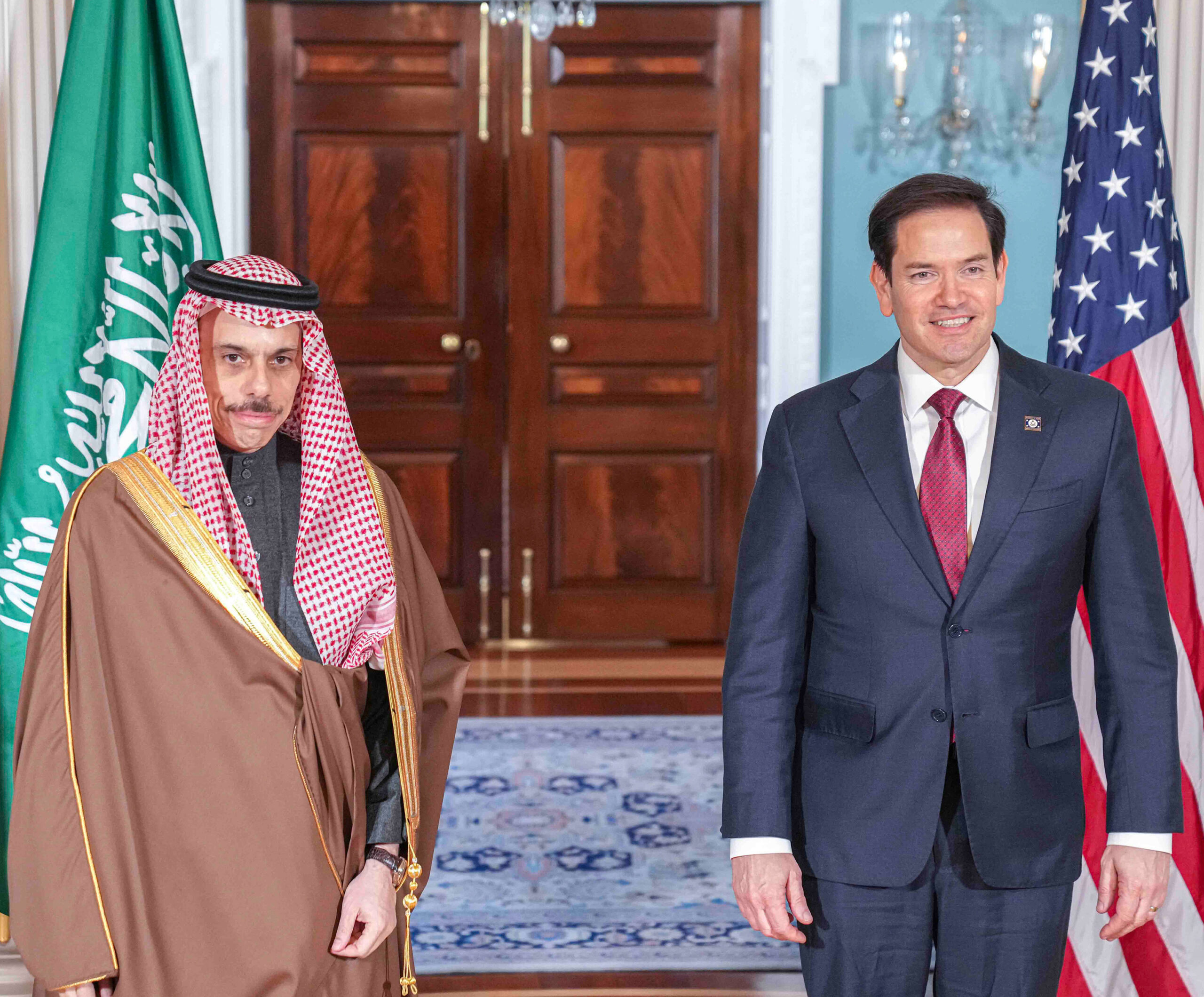
Congress’s silence on that line item — one of the most technologically sensitive weapons in the American inventory — reads less as oversight failure and more as consensus. A country whose military installations were under active attack might warrant the kind of emergency floor debate that Ukraine’s war produced in both chambers. A country whose interceptor stockpiles were nearly exhausted might prompt urgent appropriation hearings on production capacity. Instead, the legislative branch treated the F-35 notification as a commercial transaction requiring neither examination nor discussion, a posture consistent with Washington’s broader categorisation of Saudi Arabia as a defence-market client rather than a treaty ally. Faisal bin Farhan came to Washington personally; he met Rubio on September 28 and departed without a single publicly announced deliverable.
The review window closes around October 17. Rand Paul sits alone in committee without a markup date, representing an opposition that is principled, consistent, and numerically irrelevant. When the clock runs out, forty-eight F-35s will proceed toward a country that is struggling to defend itself with the weapons it already owns, approved by a legislature that watched a war for eleven days and found nothing worth saying.
Frequently Asked Questions
What is the difference between S.J.Res. 216 and S.J.Res. 217?
S.J.Res. 216, introduced by Senators Markey, Merkley, and Sanders on September 16, targets a separate sale of JDAM guidance kits and general-purpose bombs to Saudi Arabia, not the F-35 deal. S.J.Res. 217, introduced by Rand Paul on September 24, addresses the F-35 sale. The distinction is revealing because the Democratic senators most publicly associated with opposing Saudi arms transfers concentrated their legislative effort on the cheaper munitions package rather than the generational fighter-aircraft programme, which carries almost five times the price tag.
What happened when Congress opposed Saudi arms sales in 2019?
Both chambers passed three joint resolutions disapproving arms sales to Saudi Arabia, the UAE and others. President Trump vetoed all three on July 24, 2019, and the Senate override votes failed 45–40, 45–39 and 46–41. The episode proved that even bipartisan majorities could not produce the votes to block Saudi arms transfers, and it gave the Trump administration in 2026 the confidence to use the standard 30-day process.
Could a future administration restrict the Saudi F-35 programme after the review window expires?
Yes, through several channels. Congress retains the ability to restrict funding for specific sales through annual defence-appropriation legislation even after the AECA review period closes. A future president could suspend or cancel a Foreign Military Sales case. More practically, the F-35’s decades-long maintenance and upgrade cycle — encompassing software updates, spare parts, engine overhauls, and potential Block 4 access — gives every subsequent administration continuous leverage over the aircraft’s operational capabilities without needing to reverse the original sale.
The arms sale debate unfolded while Iran held a separate card: a seven-day Hormuz reopening proposal routed through Qatar that Trump rejected inside forty-eight hours. Saudi Arabia — the country most dependent on Strait revenues — could not endorse, oppose, or broker that proposal, a structural paralysis that outlasted the congressional debate over the F-35 itself. The fiscal pressure that follows from route dependency became concrete in October: Aramco’s November OSP cut Asia to a six-year low, pricing Arab Light at minus $5 per barrel against the Dubai/Oman average as Bab el-Mandeb remained under Houthi threat.