
Correction, October 12, 2026: An earlier version of this article said Pakistan had deployed 30,000 to 40,000 troops to Saudi Arabia; Reuters reported about 8,000. It also described the Bab el-Mandeb offensive as a unilateral Saudi operation of more than 100,000 troops; the offensive is led by Yemeni government forces with Saudi support, and no troop figure has been confirmed in sources we could open. It said Britain had refused a Saudi request for airstrikes, when Britain agreed to a Saudi request for defensive refuelling and no airstrike request was reported. It said the Houthis held Perim Island, misdated the September 2015 Safer base attack, gave unsourced casualty figures for it, and misdated the Houthi claim on an Aramco site in Riyadh (October 3), President Trump’s October 8 statement on Iran and the October 5 Makkah pact activation. It also included details of a Saudi–US defence ministers’ call, two Saudi operational plans, 200 shared targets, Houthi weapons ranges and strike counts, and quotations attributed to Axios, the Soufan Center, the Washington Institute, Aviation Week and Modern Diplomacy that we could not source. These have been corrected or removed.
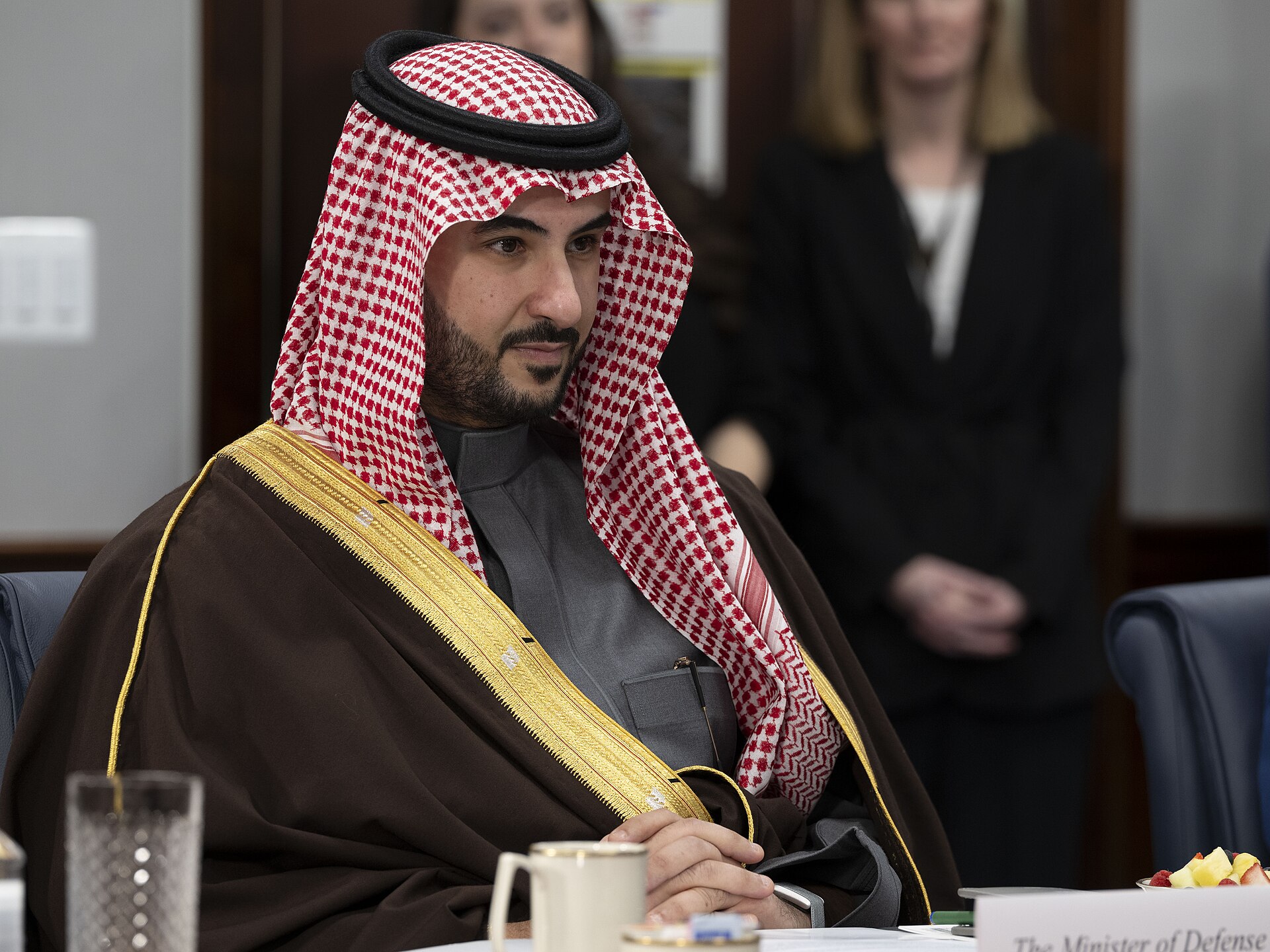
RIYADH — Saudi Arabia is backing a Yemeni ground offensive to retake the Bab el-Mandeb strait from Houthi forces after Washington declined, for a second time in recent weeks, Saudi requests for American airstrikes. The crown prince pressed the case, and the defence ministry led by Prince Khalid bin Salman now faces the consequence: the refusal means Riyadh must suppress Houthi defences and support ground forces from the air on its own, with Washington offering intelligence and support rather than strikes.
Intelligence and support are not the same as strikes — target lists compiled at a headquarters are not targeting data pushed to a cockpit in real time, and the distinction between the two is the distinction between an air force that shapes a battlefield and one that merely bombs it. The offensive relies on a force composed predominantly of Yemeni fighters under Saudi oversight, backed by dozens of Saudi airstrikes against Houthi positions.
The House of Saud Daily Briefing
Saudi Arabia's news in 3 minutes, every morning. Free. See today's issue
Table of Contents
- What Has Riyadh Put on the Table?
- Why Does Saudi Arabia Need Bab el-Mandeb by November?
- What Does ‘Without American Air Support’ Actually Mean?
- The Architecture That Was Never Saudi Arabia’s to Keep
- Who Fights the Ground War the Emirates Abandoned?
- The Kill Box the Houthis Built While Riyadh Bombed
- What Did the Safer Base Tochka Teach Saudi Ground Planners?
- Airstrikes and No Decision
- Frequently Asked Questions
What Has Riyadh Put on the Table?
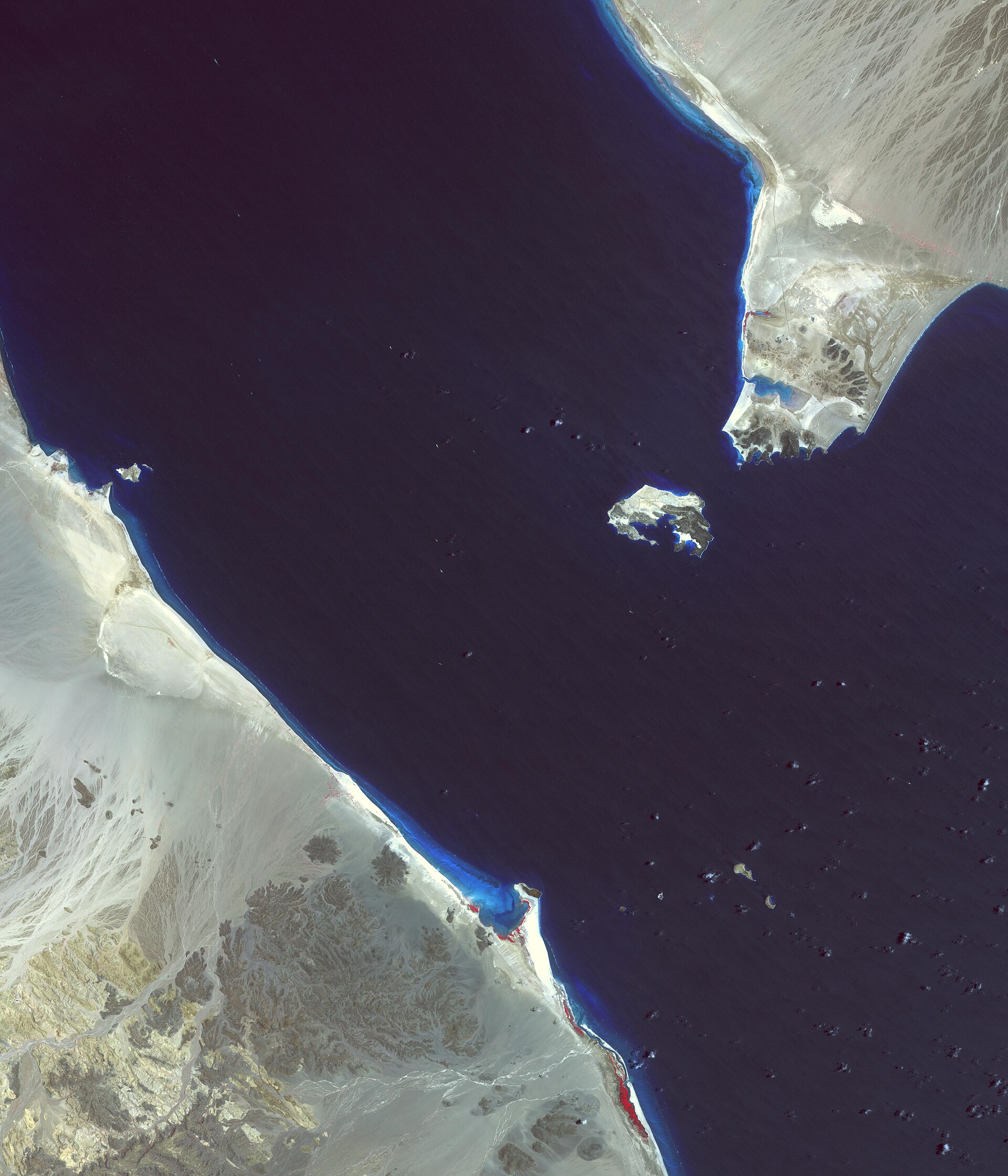
Yemen’s presidential council head Rashad al-Alimi announced the offensive in a televised speech on Sunday, saying it aimed to reclaim Houthi-held territory and restore state authority across the country. The Saudi-led coalition pledged its full support. The immediate prize is the Red Sea coast near Bab el-Mandeb, which the Houthis seized in a lightning offensive last month.
The troops are predominantly Yemeni — government forces and allied factions backed by Saudi Arabia, not Saudi regular army units. The crown prince asked the United States to become directly involved in Yemen; Washington declined and offered intelligence and support instead, Axios and CBS reported, according to The National. Trump declined two such appeals in September, CNN reported.
Washington is not offering to fight alongside Saudi Arabia, a posture that provides no American strike capability during the phase of an offensive — the opening suppression of coastal defences, the establishment of forward positions, the first contact with an entrenched enemy — when close air support decides whether an advance continues or stalls.
Why Does Saudi Arabia Need Bab el-Mandeb by November?
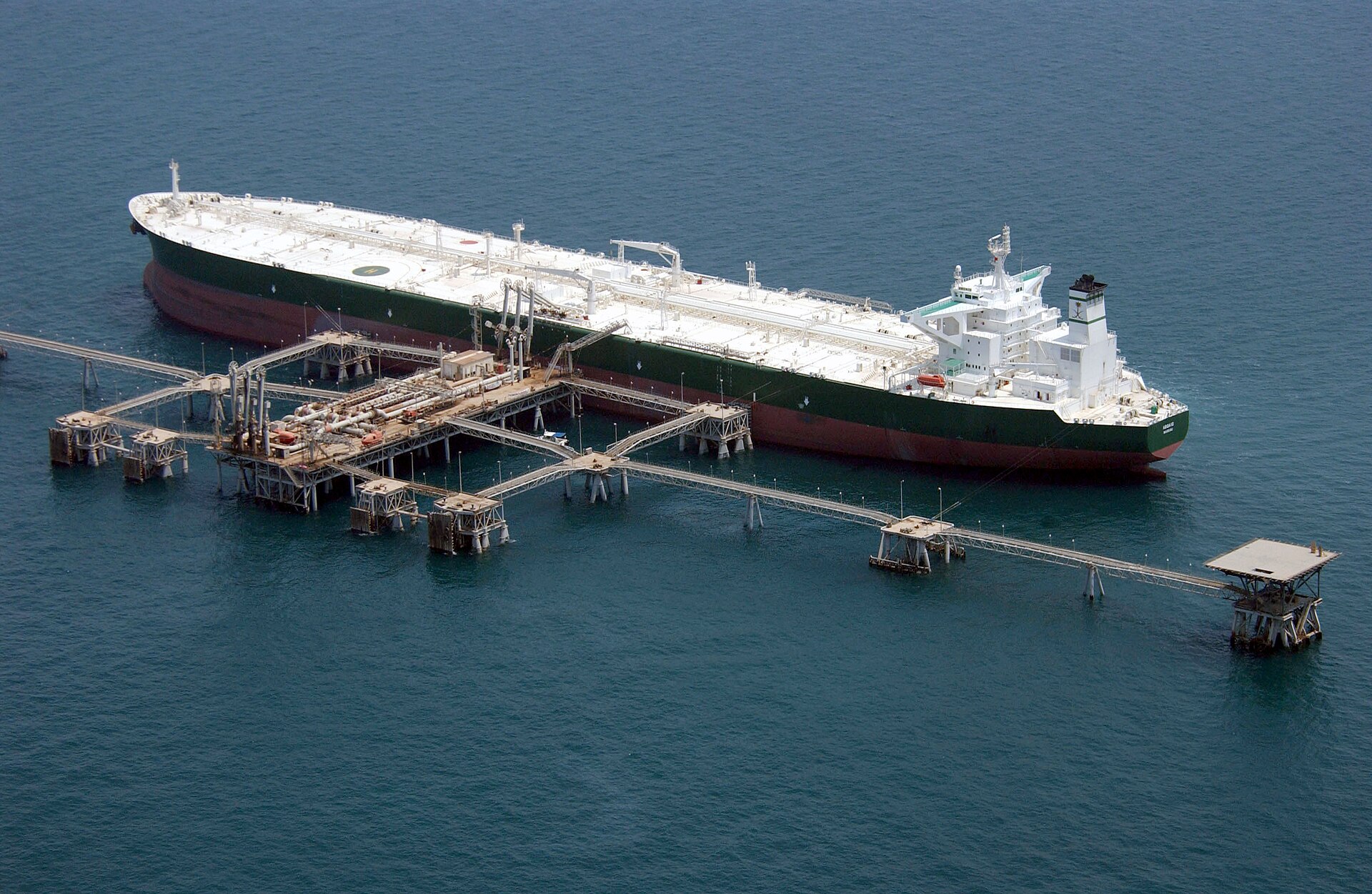
The urgency driving the offensive timeline is not ideological; it is hydraulic. With the Strait of Hormuz disrupted by the US-Iran war, Riyadh rerouted about four million barrels per day of crude through the East-West pipeline to the port of Yanbu on the kingdom’s western coast. That pivot depended on the Red Sea staying open — and in July the Houthis declared a blockade on Saudi shipping.
The Houthis seized the Red Sea port of Mokha around September 10 and strategic islands in the Bab al-Mandeb strait in mid-September; AFP counted more than 500 people killed in the fighting by September 10. The Houthis understood, as clearly as Riyadh did, that whoever holds the coast holds a chokepoint that usually carries about 12 percent of global oil trade.
The fiscal consequences are already visible and accelerating. The finance ministry now forecasts the economy will contract by 3.6 per cent in 2026, with the deficit reaching 245 billion riyals, about $65.3 billion, and non-oil activity grew just 0.6 per cent in the second quarter. Every day that Bab el-Mandeb remains contested extends a fiscal crisis that threatens not merely the treasury but the capital expenditure pipeline — construction awards, PIF commitments, Vision 2030 megaprojects — that underpins Mohammed bin Salman‘s entire domestic political contract with a population that traded political participation for material prosperity.
What Does ‘Without American Air Support’ Actually Mean?
The phrase “without American air support” has been reported as a political fact — Washington said no — but its operational meaning is considerably more specific than the political framing suggests. A ground offensive needs three things from the air that the Royal Saudi Air Force has not had to supply entirely on its own.
The first is targeting intelligence delivered at sensor-to-shooter speed — the real-time integration of signals intelligence, drone surveillance, and satellite imagery into the cockpit of a strike aircraft so that pilots can engage moving targets, including enemy forces in contact with friendly ground troops, within the minutes-long window that close air support demands. The second is SEAD/DEAD capability — suppression or destruction of enemy air defences — which in the Yemeni context means degrading the Houthi radar, missile systems, and drone launch infrastructure covering the coastal approach corridor before ground forces begin their advance. The third is persistent ISR: continuous surveillance of Houthi force movements, logistics, and command nodes through a network of drones, signals intercepts, and reconnaissance aircraft. Washington has offered intelligence support; it has not offered strikes.
The Trump administration’s refusal comes from a president who has otherwise restored the Saudi relationship and approved large arms packages, including a possible $5 billion sale of bombs and guidance kits in September. But it leaves the air force without American strikes at precisely the moment when the tempo of a contested coastal advance demands the fastest possible sensor-to-strike loop.
Riyadh did not stop at Washington. In September, Britain agreed only to a Saudi request for air-to-air refuelling, which London described as strictly defensive, to keep Saudi Typhoon jets in the air longer. No ally has offered offensive air support: the kingdom will launch this offensive with its own kill chain or it will not launch it at all.
The Architecture That Was Never Saudi Arabia’s to Keep
The Royal Saudi Air Force’s E-3 AWACS fleet — the airborne early warning platform that provides the command-and-control backbone for complex air operations — is an American-built system designed to work alongside the US Air Force. When the American side of that network is not engaged, the Saudi node loses part of the data, fusion and targeting coordination it was built to share.
The dependency extends beyond the E-3. The RSAF has gained combat experience over the course of the Yemen campaign — genuine institutional knowledge, built by Saudi pilots flying real combat missions — but that experience base was constructed with American enabling architecture in place, and the skills were developed in tandem with American systems rather than as a replacement for them.
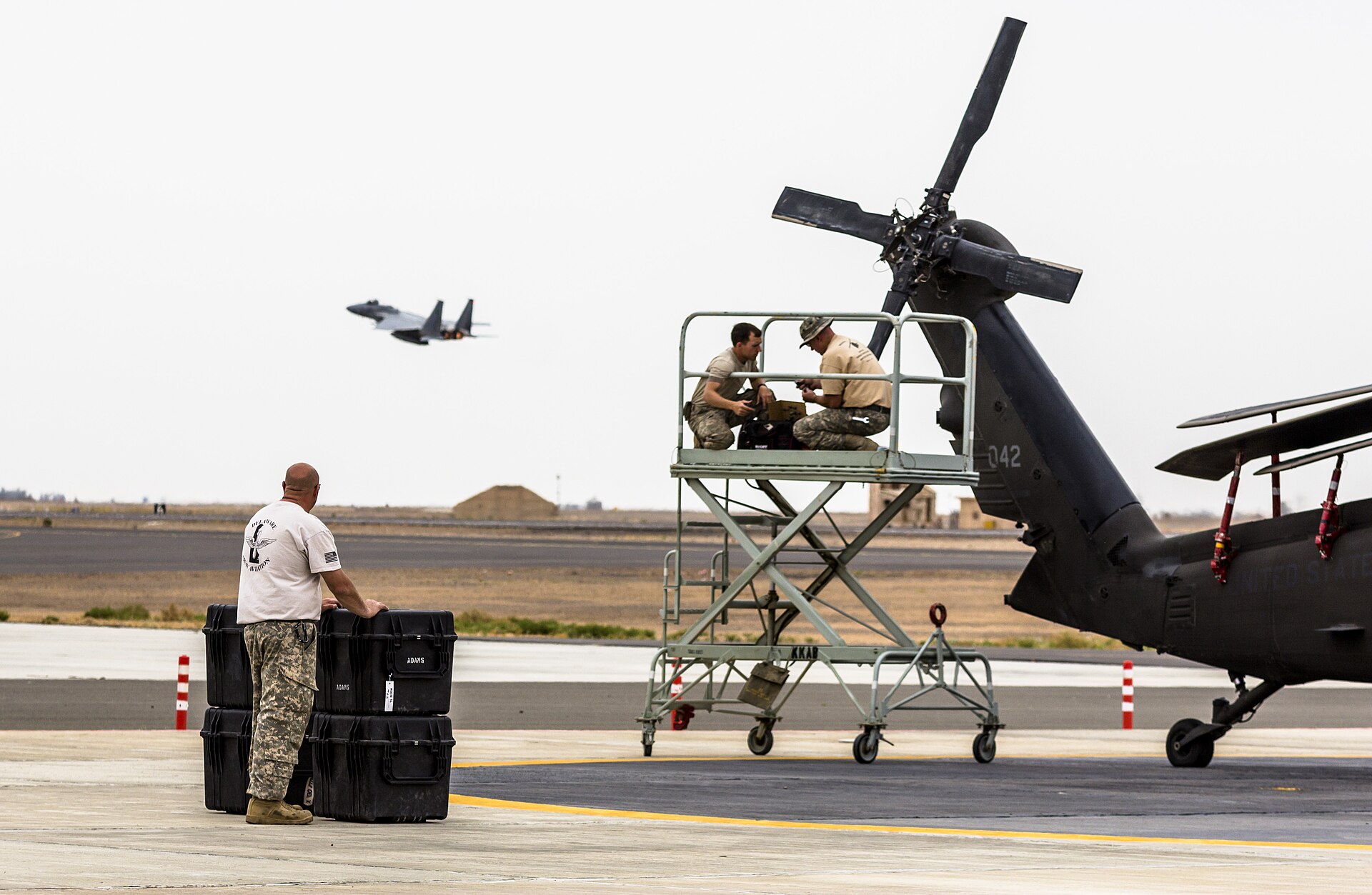
As the ground offensive moves toward Bab el-Mandeb, the advancing column will need close air support within minutes of contact with Houthi forces — not the hours-long cycle of a degraded intelligence pipeline, not the approximation of targeting data delivered from a briefing room rather than a sensor pod. The RSAF can put aircraft in the sky, and it can drop ordnance on fixed coordinates provided days earlier; what it cannot independently replicate is the integrated system that identifies a target, confirms it is hostile rather than friendly, and delivers a weapon on it before the tactical moment passes.
Who Fights the Ground War the Emirates Abandoned?
The offensive’s reliance on Yemeni forces carries an implicit assumption about coalition composition that the reporting has not interrogated closely enough. Saudi Arabia’s contribution to the Yemen war has been overwhelmingly air-delivered, and much of the ground fighting in earlier years relied on partners, notably the UAE.
The UAE is no longer available to fill that role, and the fracture is structural rather than diplomatic. In late December 2025, coalition aircraft struck weapons and vehicles unloaded at Mukalla from ships that had sailed from the UAE, and the UAE said it would withdraw its remaining forces from Yemen. The UAE-backed Southern Transitional Council announced its dissolution on January 9, 2026, and a partner that had fought alongside Saudi Arabia in Yemen removed itself from the order of battle.
Pakistan has deployed troops, reported by Reuters at about 8,000, to defend Saudi Arabia’s own territory, but Islamabad has not committed combat forces to Yemen, a position consistent with Pakistan’s 2015 parliamentary resolution urging neutrality in Yemen. The offensive’s troops, then, are predominantly Yemeni: fighters drawn from the various anti-Houthi factions whose combat record is uneven, whose chain of command runs through multiple intermediaries, and whose capacity to sustain cohesion under the pressure of an opposed coastal advance against a fortified enemy remains untested.
The Kill Box the Houthis Built While Riyadh Bombed
The Houthi coastal advance carries a vulnerability of its own. By moving from protected mountain positions to the exposed Red Sea coast, Houthi forces have placed themselves in what the military calls a “kill box” — open terrain where massed forces can be identified and struck from the air.
The logic is sound, but the premise demands capabilities that Saudi Arabia no longer possesses in integrated form — the aircraft, the targeting data, and the ordnance must arrive at the speed the kill box demands, because exposed forces on flat terrain are vulnerable only to an air force that can find, fix, and finish targets in the time it takes an enemy battalion to disperse or dig in. Without US strikes, Saudi Arabia possesses the aircraft and the ordnance but not the real-time targeting integration, which means the kill box exists as a theoretical opportunity while the capability to exploit it exists only in a degraded form that may be too slow to matter.
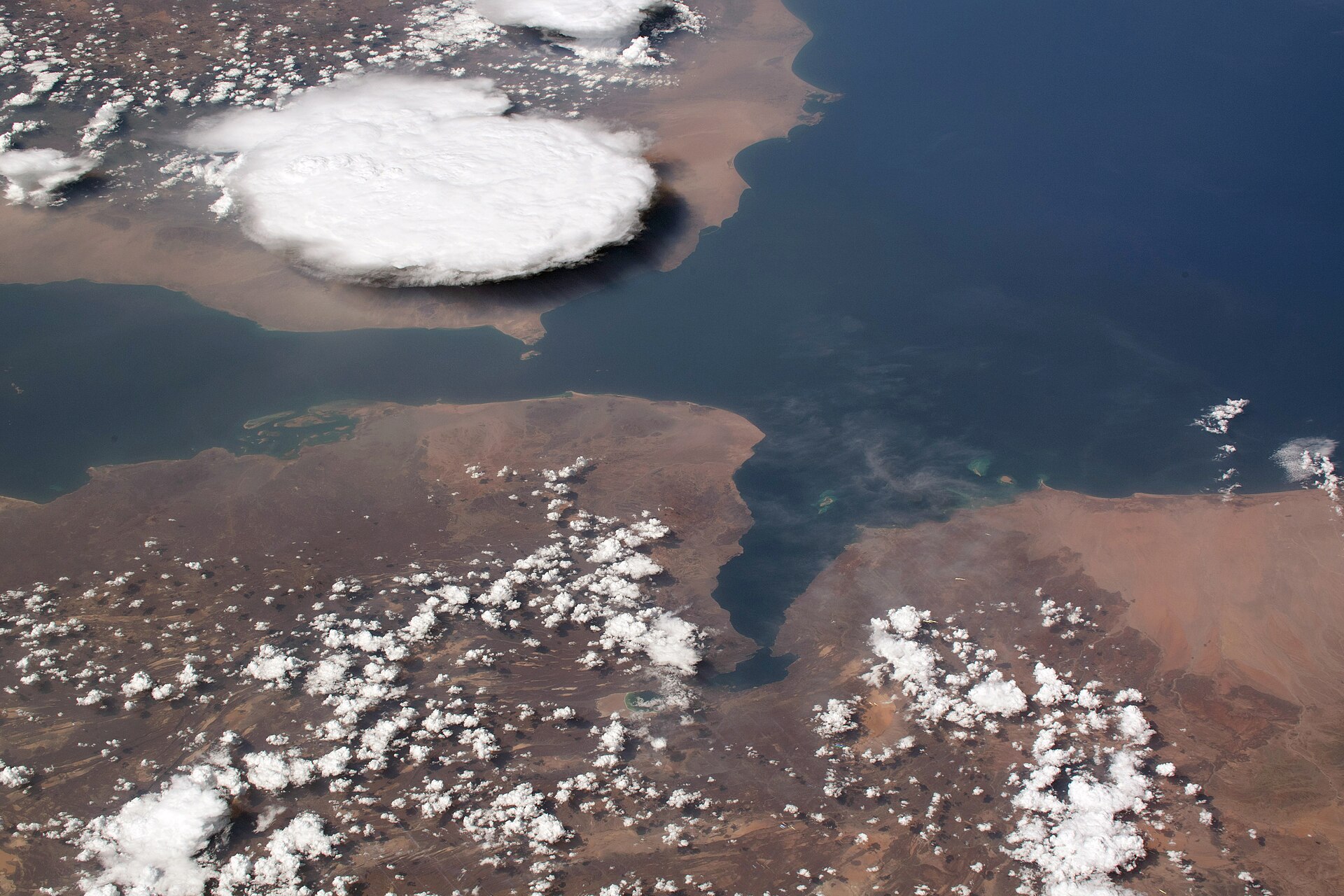
The Houthis, meanwhile, have not merely occupied the coast. With Iranian assistance, they have built up a large arsenal of missiles, including ballistic weapons, as well as a range of drones, according to CNN.
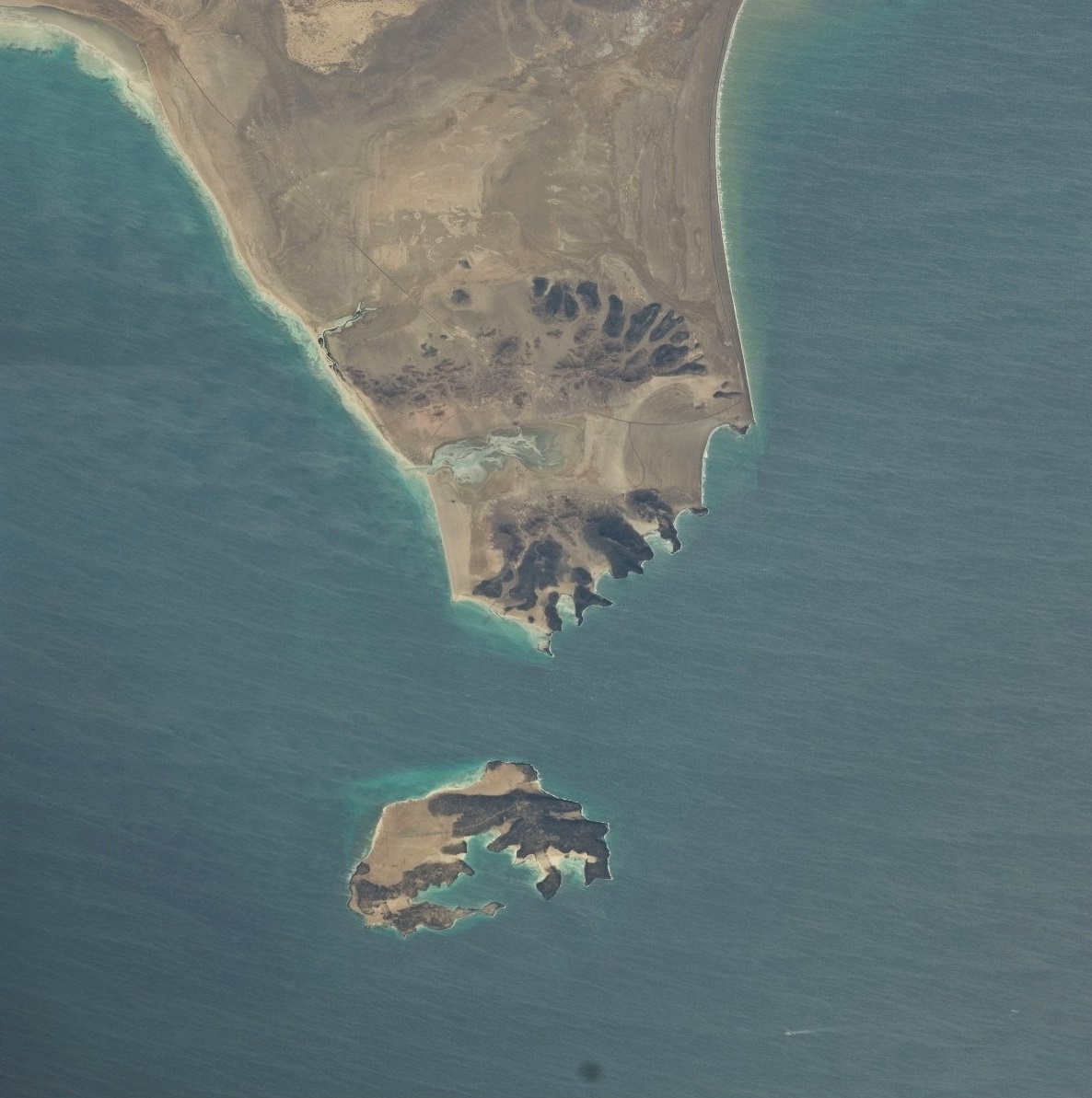
Any ground column advancing along the Red Sea littoral toward the strait will move through terrain that is flat, largely unsheltered, and within range of that arsenal from the moment it departs its assembly area. Dozens of Saudi airstrikes have not prevented the Houthis from taking the coast. Retaking the strait’s islands requires an amphibious or air-assault operation against defended island objectives.
What Did the Safer Base Tochka Teach Saudi Ground Planners?
On September 4, 2015, a single OTR-21 Tochka ballistic missile struck the Safer military base in Marib province during a coalition assembly, killing more than 100 coalition personnel, among them Emirati and Saudi troops, in one of the deadliest single coalition casualty events of the war. They died because a single ballistic missile landed among concentrated troops at a known assembly point, and the attack shaped a level of institutional caution that prioritised air-delivered firepower and proxy forces over the direct exposure of Saudi military personnel to the kind of massed fire that Yemen’s terrain and the Houthis’ missile inventory could deliver.
The Tochka that struck Safer was a Soviet-era system — crude by contemporary standards and fired without the benefit of real-time target acquisition. The Houthi arsenal today is a generation beyond it, and the Houthis have had weeks to prepare for the force concentration that any large offensive necessarily creates.
The defence agreements were signed and the joint security frameworks were announced — and when the crisis arrived, Saudi Arabia’s leaders found themselves planning a ground offensive with Yemeni proxy forces, degraded air cover, no coalition partner willing to commit ground troops, and an American ally that had declined to participate. The suppression-of-enemy-air-defences capability that would ordinarily be tasked with degrading Houthi missile systems before the ground force steps off is the one capability that every defence agreement Saudi Arabia has signed presumes will be available, and the one capability that no signatory has offered to provide.
Airstrikes and No Decision
The air campaign’s intensity is not in question, and neither is the RSAF’s willingness to sustain a tempo that would strain most regional air forces — all while managing a threat environment in which Houthi strikes reach deep inside Saudi territory even as the coastal positions absorb daily punishment.
But air campaigns do not take territory, a lesson the United States spent two decades relearning in Afghanistan and Iraq and that Saudi Arabia is confronting in compressed form along Yemen’s Red Sea coast. The bombardment has not prevented the Houthis from seizing the coast and islands in the strait, and has not produced the conditions — suppressed enemy defences, disrupted command and control, isolated forward positions from supply lines — that would allow a ground force to advance through contested coastal terrain with manageable risk.
The structural shift — the Red Sea now shaping Saudi Arabia’s foreign policy as much as Hormuz — makes this offensive not merely a military operation but an existential priority for a kingdom whose revenue, whose reform programme, and whose crown prince’s domestic legitimacy all depend on the ability to move crude oil to market. Riyadh did not ask Washington for strikes because it wanted American air support for its own sake; it asked because the offensive is far harder without it, and the kingdom’s leadership appears to have concluded that backing the offensive without American strikes is preferable to not backing it at all — a calculation that Riyadh’s diplomatic efforts in Washington have failed to alter.
The Houthis appear to have read the situation with the clarity that comes from holding terrain your adversary needs: on October 3 they claimed a missile and drone attack on an Aramco facility in Riyadh, which the coalition called “misleading,” as smoke rose near the site. The force Riyadh intends to dislodge from the coast can reach the capital while defending the strait, and the question Riyadh put to Washington — answered with intelligence and support rather than strikes — is the same question that every forward air controller and every pilot overhead will confront on the first morning of the advance: who closes the kill chain when the Americans are not on the frequency? Four days later, Houthi attacks killed three people at King Khalid Airport.
On October 8, Trump announced a pre-midterm pause on US strikes against Iran, adding an electoral variable to the kill-chain calculus. The reversal’s effect on who closes the kill chain during the pause is the next question the coalition has not answered.
The broader question of Saudi Arabia’s assembled defence architecture — beyond the kill chain — is examined in What Defends Saudi Arabia When Washington Cannot Answer.
Frequently Asked Questions
How many Saudi regular troops will deploy to Yemen for the offensive?
No troop numbers have been published. The offensive is led by Yemeni government forces and allied factions backed by Saudi Arabia; CNN later reported that Riyadh has stopped short of any major deployment of its own troops.
Could Egypt join the Saudi-led coalition for this offensive?
Cairo has not publicly committed forces to Yemen. Egypt’s presidency said in September that Saudi and Gulf security is inseparable from Egypt’s, and Egypt joined Saudi Arabia, Pakistan and Turkey in condemning the October airport attacks, but it has announced no military contribution.
What is Perim Island and why does it control Bab el-Mandeb?
Perim Island, also known as Mayyun, sits at the narrowest point of the Bab el-Mandeb strait. The Houthis seized islands in the strait during their September offensive, according to Al Jazeera, though the reports we have opened do not name the islands. Control of islands in the strait allows radar, missile systems and observation posts to cover vessels transiting it, and retaking them would require amphibious or helicopter-borne assault capability.
Has the United States left open the possibility of joining the offensive later?
Washington has declined US strikes for now and offered intelligence and support instead. The problems that might eventually draw American re-engagement — an advance that stalls in Houthi kill zones, high casualties among Saudi-backed forces, or a Houthi missile strike that hits a visible Saudi target — are precisely the conditions that early-phase SEAD and close air support are designed to prevent, not respond to. By the time those conditions materialise, the operation’s opening momentum will already have been spent.
The Makkah Alliance activation on October 5 answered that question with Pakistani and Turkish deployments under a newly appointed secretary-general — the first time the pact has converted a treaty obligation into an operational force.
The House of Saud Daily Briefing
Saudi Arabia's news in 3 minutes, every morning. Free. See today's issue