Correction, October 12, 2026: An earlier version of this article said the Strait of Hormuz had been continuously closed for 213 days; shipping was disrupted from February, a June agreement provided for reopening, and Iran declared the strait closed again in July. It misdated Prince Faisal’s meeting with Secretary Rubio (September 28, not 29) and said he flew to Washington the day after Trump rejected Iran’s proposal, when the rejection was reported on September 25. It misdescribed the proposal’s timetable, described Operation Project Freedom as a Saudi operation that grounded 43 US aircraft, and wrongly said Iran had not struck Prince Sultan Air Base. It also included unsourced quotations attributed to President Trump, Iran’s foreign minister on CNN and NBC, an IRGC spokesman and CSIS; a quoted Faisal-Rubio readout we could not find; unsourced figures for fiscal breakevens, exports, Aramco’s first-half profit, pipeline pumping stations, insurance and shipping costs; claims that NEOM and the Mukaab had been defunded and that Abqaiq had been struck; and statements about a Jeddah Process and an IRGC list of seven conditions. These have been corrected or removed.
RIYADH — Iran put a seven-day Hormuz reopening proposal on the table, routed it through Qatar, and watched Donald Trump reject it inside forty-eight hours, according to the Wall Street Journal. Saudi Arabia — the country most dependent on the Strait for fiscal survival — has taken no public position on it.
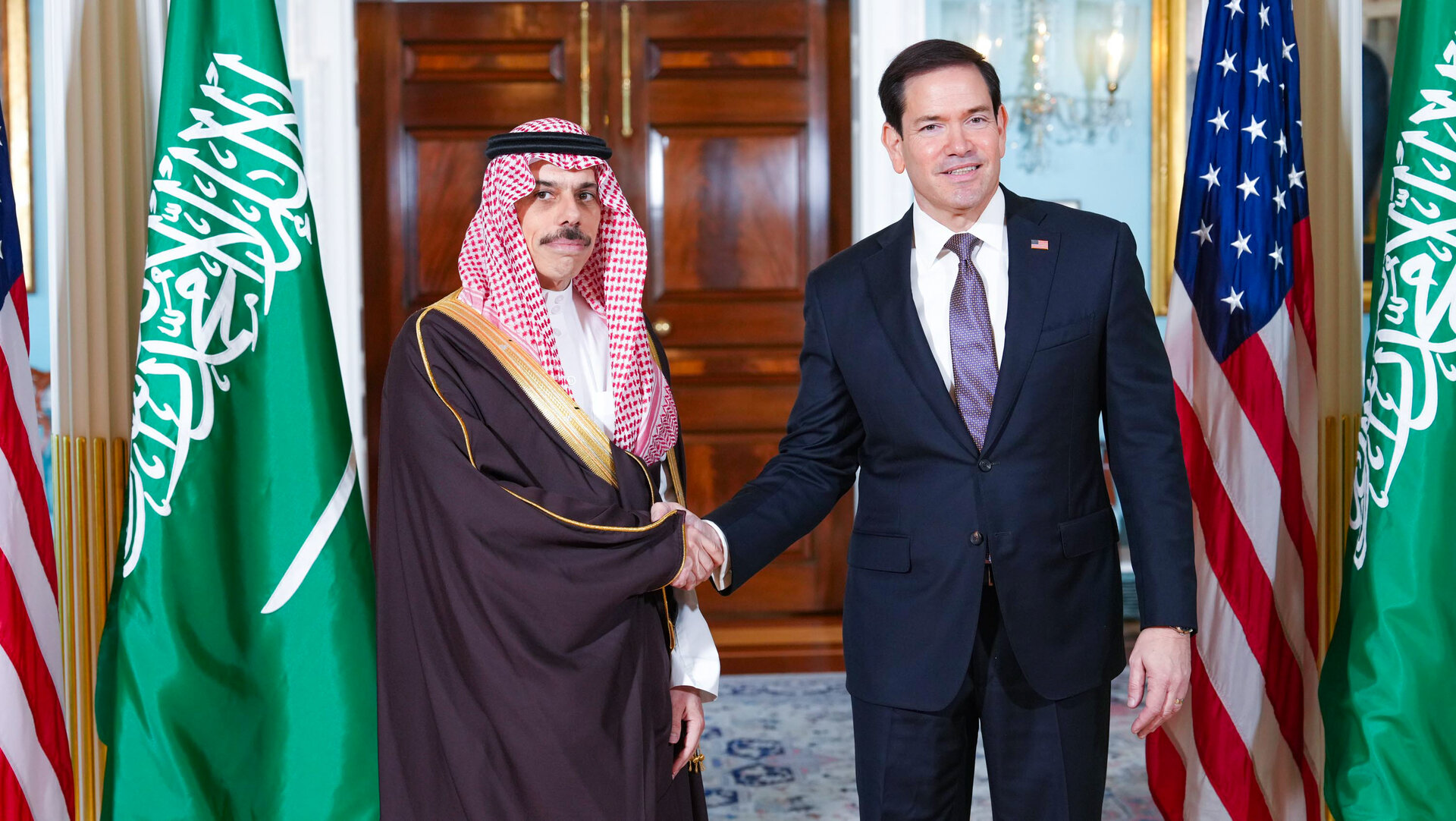
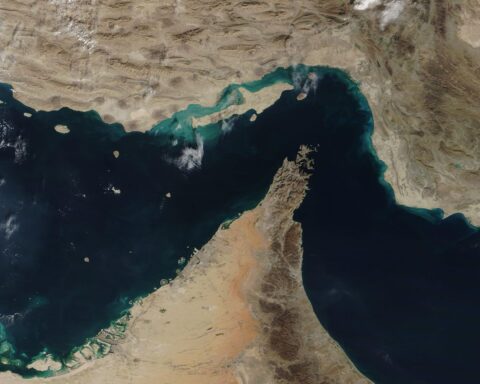
Prince Faisal bin Farhan sat down with Secretary of State Marco Rubio in Washington on September 28 and emerged with a summary that did not mention the only active proposal that might reopen the Strait — no conditional acceptance, no counter-offer, not even a formulaic call for dialogue. The kingdom is in its seventh month of war-driven disruption at Hormuz, leaning on a pipeline that was itself attacked on September 11, and it has no public position on the last diplomatic mechanism available. The reason is structural, not tactical. Saudi Arabia cannot endorse the Iranian proposal, cannot oppose it, and cannot broker an alternative — a triple bind that is not a policy choice but the shape of the trap.
The House of Saud Daily Briefing
Saudi Arabia's news in 3 minutes, every morning. Free. See today's issue
Table of Contents
- What Did Iran’s Seven-Day Hormuz Proposal Actually Offer?
- Trump Rejected the Deal and Kept the Blockade
- Why Can Saudi Arabia Not Endorse the Proposal?
- The Pipeline That Cannot Replace the Strait
- Why Did Faisal Go to Washington That Week?
- The Tracks That Bypassed Riyadh
- What Happens When the Midterms Pass?
- The Fiscal Walls Closing In
- Seven Months and No Position
- Frequently Asked Questions
What Did Iran’s Seven-Day Hormuz Proposal Actually Offer?
Iran’s Foreign Minister Abbas Araghchi detailed the proposal at the United Nations on September 25, saying it had been conveyed to Washington through Qatar. The United States would lift its naval blockade, waive sanctions on Iranian oil sales, and release an estimated $12 billion in frozen assets. Initial steps would take four to five days, Iran would reopen the Strait on day six, and talks would begin on day seven.
The proposal also sought a wider regional ceasefire covering Lebanon and Yemen — a scope expansion that guaranteed opposition from a White House that has treated each theatre as a separate leverage point. The plan closely mirrors the memorandum of understanding Tehran and Washington signed on June 17 after Qatari and Pakistani mediation, which collapsed within weeks. Araghchi said it would be “better” to reach a deal before the US midterms.
Qatar’s role as carrier was deliberate. Araghchi said the proposal had been conveyed through Qatar, signalling Iran’s confidence in the Doha channel’s access to Washington. Qatar’s foreign minister spoke with President Pezeshkian about de-escalation and the conditions for renewed dialogue, and Qatar and other regional mediators continued efforts to restart talks during the General Assembly, according to the Wall Street Journal.
Trump Rejected the Deal and Kept the Blockade
The dismissal was quick. The Wall Street Journal reported on September 25 that Trump had rejected the proposal, citing US officials, and that Washington told Iran and mediators he had no intention of lifting the blockade. The administration believes continued economic pressure could secure an agreement on terms more favourable to the United States and Gulf Arab countries, the Journal reported.
The deeper disagreement is over scope. Iran offered to settle the acute crisis — the Strait and the blockade — with nuclear talks to follow, while Washington wants nuclear terms on the table. Iran offered to discuss the tourniquet; Trump insisted on surgery before he would consider loosening it.
Araghchi offered both registers at once. “The choice now rests with the United States,” he said, adding that Iran “will not surrender its sovereign rights under pressure” and that if Washington was serious, “everything is now prepared.” The framing places the entire burden of the next move on Washington. If Trump accepts, Iran gains relief. If Trump refuses, Iran claims the United States chose war.
Why Can Saudi Arabia Not Endorse the Proposal?
Endorsing the proposal validates the principle that coercive closure of an international waterway is a legitimate negotiating instrument. Every future Iranian leverage play — whether over Hormuz, the Bab al-Mandeb, or any other chokepoint — would then carry Saudi acceptance as precedent. A kingdom that conceded once that blockade produces concessions cannot credibly object when the tactic is used again.
Two weeks after that September proposal was rejected, Iran applied the same logic to a different audience: Tehran’s dual-track approach to Saudi Arabia — record Hormuz tanker attacks followed by an Araghchi phone call offering dialogue — reprises precisely the structure that produced the 2023 Beijing deal.
Saudi Arabia has spent decades framing Hormuz as a global commons requiring unconditional freedom of navigation. The Faisal-Rubio meeting on September 28 did not move beyond that principle: the State Department summary listed regional security, Iran, Gaza, Lebanon and Sudan, and announced no Saudi position on Iran’s specific conditions. That silence is carefully agnostic — it demands reopening without engaging Iran’s terms, because engaging them would concede the principle.
The problem is that agnosticism is not a position when the revenue is haemorrhaging. Brent briefly topped $108 a barrel on September 24, but the kingdom cannot capture that price at full volume: the IEA estimated Saudi crude supply at 5.97 million barrels per day in August, down from 8.24 million in July. The Saudi economy contracted 4.8 per cent in real terms in the second quarter, and the 2026 deficit, budgeted at 165 billion riyals, has been revised to 245 billion.
Endorsing the Iranian proposal would buy time. It would also buy a precedent that Saudi Arabia would spend decades paying for. That is the first wall of the trap: the right answer for the next six months is the wrong answer for the next sixty years.
The Pipeline That Cannot Replace the Strait
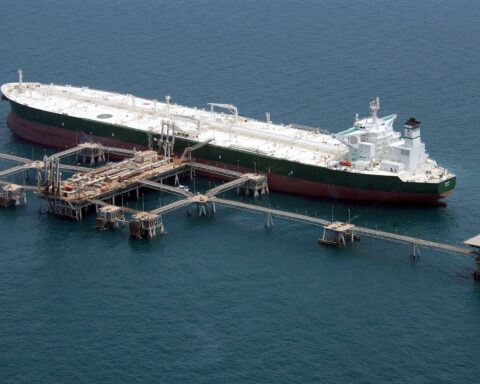
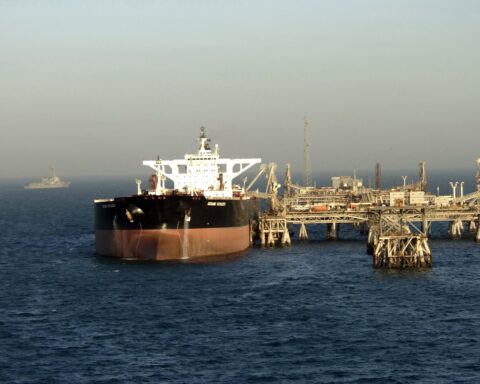
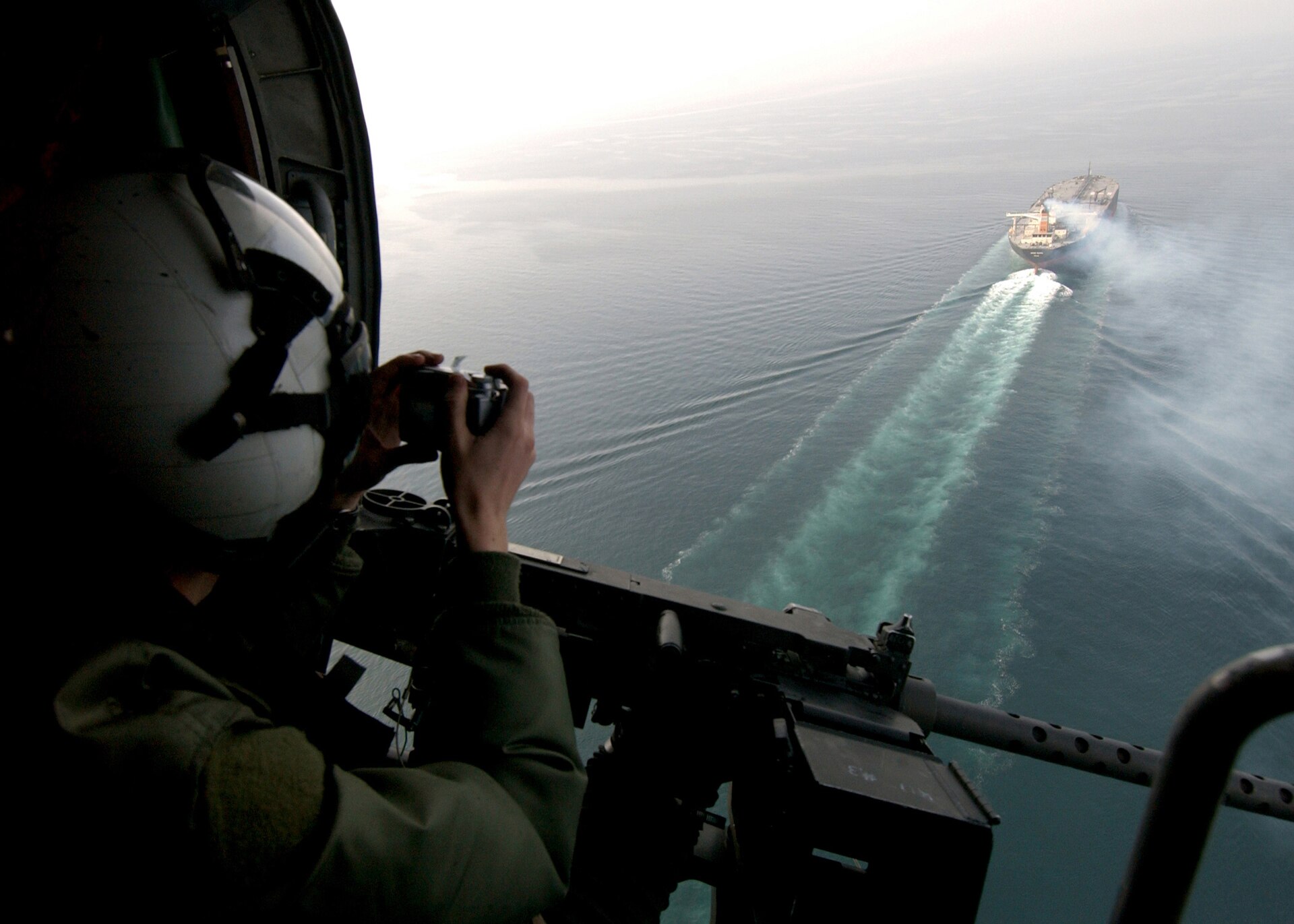
Saudi Arabia’s operational bypass for Hormuz is the East-West pipeline, connecting the Eastern Province to Yanbu on the Red Sea. In March 2026 it was moving its full capacity of about 7 million barrels per day, with Yanbu crude exports of about 5 million barrels per day, according to Bloomberg via Reuters — a capacity figure that sounds like resilience until it is examined as a ceiling.
On September 11, drone strikes damaged three pumping stations, shutting the pipeline entirely. It restarted on September 22, and Reuters reported a return to full capacity could take six weeks or more. The attack proved what the engineering had always implied: a single corridor carrying the kingdom’s export survival is not redundancy — it is a single point of failure.
Ras Tanura was hit by a drone fire in March. The pipeline’s intake sits inside a threat envelope that Saudi air defences can no longer reliably cover. Defence outlets estimated in May that the kingdom’s PAC-3 stockpile, about 2,800 rounds before the conflict, had been depleted by roughly 86 per cent — around 400 rounds remaining after about 2,400 were used between March 3 and April 7. When Prince Sultan Air Base lost its deterrent posture early in the conflict, the air defence gap became structural, not cyclical.
The pipeline is not a Hormuz replacement. It is a Hormuz tourniquet — and tourniquets work until the next wound. Macron sent troops to Yanbu to protect the Red Sea terminal, but French presence secures the port, not the exposed infrastructure feeding it.
Why Did Faisal Go to Washington That Week?
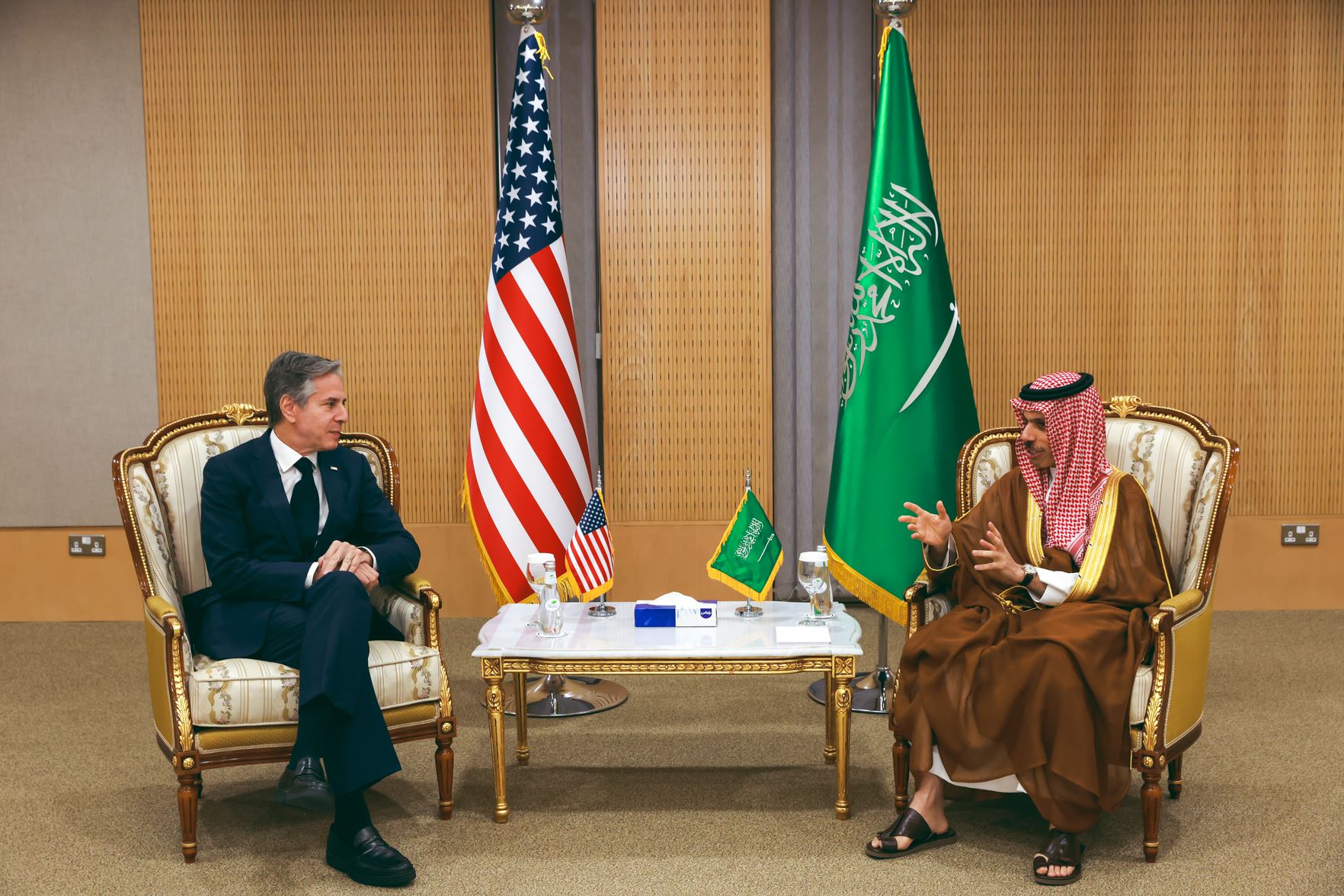
Prince Faisal met Rubio in Washington on September 28, three days after Trump’s rejection of the Iranian proposal was reported. The State Department said they discussed regional security and stability, including Iran, Gaza, Lebanon and Sudan.
The Iranian proposal — the single most consequential diplomatic development of the week — did not feature in any public readout from either side. This is not how a country with leverage behaves. When Riyadh holds cards, it plays them visibly: Mohammed bin Salman‘s direct calls to Trump, Faisal’s own interventions at multilateral forums, the kingdom’s willingness to use oil production as a bargaining instrument. The September 28 meeting produced nothing visible on the one issue that will determine whether Saudi Arabia enters 2027 as a functioning petrostate or a deficit economy burning through reserves.
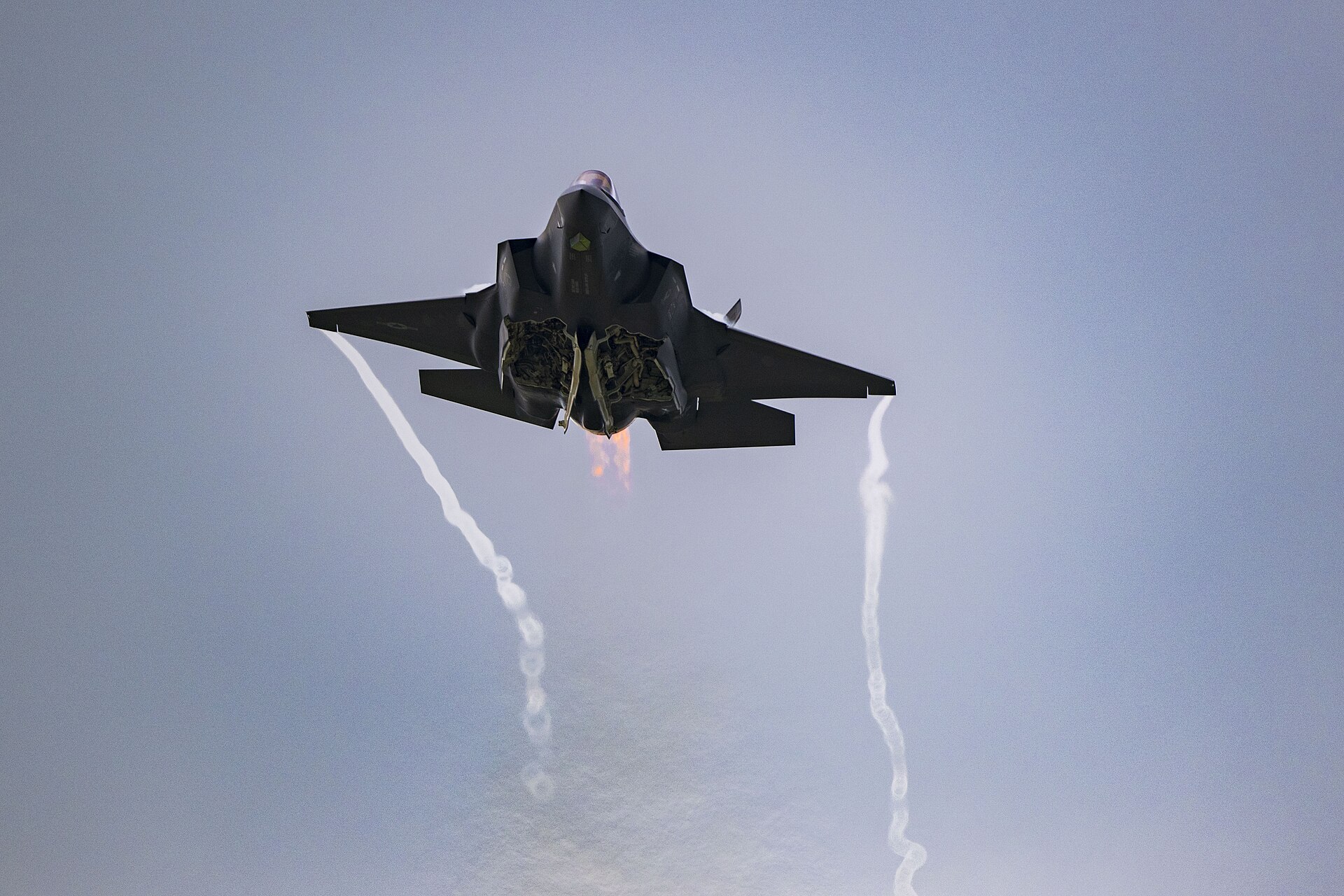
The trip’s real function was reassurance, not negotiation. Faisal was not in Washington to shape Trump’s Hormuz policy. He was there to confirm that the bilateral relationship had not deteriorated further while the $24.3 billion F-35 sale sat eleven days into congressional review. The Hormuz question is too dangerous for Saudi Arabia to raise publicly — and too important for it to leave alone. Faisal flew home without a public commitment on a track that addresses the Strait. The full account of what he sought and did not receive is in Faisal Came to Washington and Left Without an Answer.
The Tracks That Bypassed Riyadh
Saudi Arabia’s exclusion from the main diplomatic channels is not new, but the Iranian proposal crystallised it. There are currently three identifiable tracks capable of mediating a Hormuz resolution, and Riyadh leads none of them.
The first is the Islamabad track. Pakistan announced the June 2026 Memorandum of Understanding between the US and Iran — the agreement Iran’s September proposal closely mirrors. Pakistan’s prime minister credited Saudi Arabia, Qatar, Turkiye and Egypt with helping. Riyadh helped; it did not lead.
The second is the Qatar channel. Iran chose Qatar as the carrier for the September proposal. Qatar maintains working relations with Tehran and has a material financial interest in Hormuz reopening through its LNG exports. Qatari and other regional mediators continued efforts to restart talks after the rejection, and the channel remains active without Saudi leadership.
The third is the direct US-Iran channel, which operates through intermediaries but does not include Saudi Arabia as a node. Araghchi met US envoy Steve Witkoff on the sidelines of the General Assembly on September 22 — a bilateral exchange between Washington and Tehran. When Iran tabled the peace Saudi Arabia postponed, the kingdom’s exclusion was diplomatic. Now it is structural. Saudi Arabia cannot broker an alternative because it has no back-channel to Tehran capable of generating or modifying a Hormuz proposal, and its Washington channel is consumed by arms sales and Houthi operations rather than Strait diplomacy.
What Happens When the Midterms Pass?
The Wall Street Journal reported that Trump told aides he expects to resume bombing Iran after the November midterm elections — a report published on September 25. If accurate, the diplomatic window is not a negotiation but a pause in a military campaign timed to a domestic electoral calendar.
Trump rejected Iran’s proposal not because the terms were unacceptable in principle but because accepting them before the midterms would deprive him of a campaign narrative and after the midterms would deprive him of a military option he intends to exercise. The rejection serves both calendars simultaneously: it sustains the confrontation through the election while preserving the option to escalate once the votes are counted.
For Saudi Arabia, this timeline converts a difficult situation into an impossible one. The kingdom is in its seventh month of Hormuz disruption, running exports through a pipeline that was shut down for eleven days in September and can be shut down again, with air defences that cannot reliably cover the infrastructure and no announced resupply. Riyadh did not start this war and cannot end it — and now the war’s trajectory is being set by a midterm calendar in which Saudi Arabia has no vote, no candidate, and no influence.
If Trump resumes bombing after November and the conflict intensifies, the pipeline becomes a higher-value target, the Houthi campaign in the Red Sea escalates, and every remaining Saudi export route operates under threat simultaneously. Washington is scheduling escalation through a post-midterm military timeline. Saudi Arabia is scheduling nothing — because it has nothing to schedule.
The Fiscal Walls Closing In
The numbers describe a kingdom that is rich enough to survive the crisis and too exposed to survive its extension. Aramco reported second-quarter net income of $32.69 billion on an average realised crude price of $108.1 a barrel. But Aramco’s profitability and Saudi Arabia’s fiscal health are not the same metric.
Aramco is profitable; the state is running a widening deficit. Oil sector GDP fell 24.7 per cent year on year in the second quarter despite high per-barrel prices, because revenue is a function of price multiplied by flow — and flow is what the war has cut. The kingdom’s deficit is widening not because oil is cheap but because oil cannot move.
Vision 2030’s fiscal architecture is contracting in real time. Work on NEOM’s The Line has been halted until after 2030, and the 2029 Asian Winter Games at Trojena were postponed indefinitely.
The constraint is not price — it is flow. Saudi Arabia is earning high per-barrel prices on too few barrels, with the Strait disrupted, a pipeline that was shut down for eleven days in September, and an air defence network running short of interceptors. Hormuz reopening is the only mechanism that resolves the paradox, which makes the fate of the only active proposal to reopen it a question of fiscal survival — not diplomatic preference.
Seven Months and No Position
King Salman‘s government has now presided over seven months of Hormuz disruption without taking a public position on the mechanism most likely to reopen it. The Faisal-Rubio meeting was the closest Riyadh came to engaging the subject, and the principle it rests on — freedom of navigation — is not a policy. It names what Saudi Arabia wants without naming how to get it.
The silence is the empirical signature of the triple bind. A government with a viable position would use it. Saudi Arabia’s options are not difficult choices between acceptable alternatives — they are contradictions. Endorsing Iran’s terms legitimises coercive closure as a negotiating instrument, setting a precedent that would haunt the kingdom for decades. Opposing Iran’s terms endorses a status quo the kingdom cannot sustain fiscally for long. Brokering an alternative requires diplomatic channels the kingdom does not possess — not in Islamabad, not in Doha, and not in the direct US-Iran exchange that constitutes the only active bilateral contact.
Riyadh cited the defence agreement that guarantees no defence. Trump rejected the plan and Riyadh received the schedule. Now Iran has offered seven days, and Saudi Arabia — the country that needs those seven days more than any other actor in the region — cannot say yes, cannot say no, and cannot ask for different terms. Whatever Faisal’s Washington visit eventually produces — on the Houthi track or the F-35 sale — none of it addresses the Strait.
When the Pentagon confirmed Iran strikes were on hold, Riyadh’s calendar became Washington’s calendar. The midterm pause is not a Saudi strategy — it is a Saudi sentence. The last active off-ramp is now a dead end that Riyadh can see from the shoulder but cannot reach from any lane it occupies. Iran will resend its terms. Qatar will revise and relay. Washington will calculate based on a November date that has nothing to do with Hormuz and everything to do with Ohio, Pennsylvania, and Nevada. And Saudi Arabia will repeat the only word available to a country trapped between three walls — nothing at all.
Frequently Asked Questions
Has Saudi Arabia ever publicly commented on Iran’s diplomatic proposals during the conflict?
No public Saudi position on the September proposal was found. During the 2026 war, Riyadh has tended to speak through multilateral instruments — Islamic summit language, GCC and joint statements — and bilateral readouts that reference principles rather than specific proposals.
Could Saudi Arabia bypass Hormuz entirely through Red Sea exports?
The Red Sea route through Yanbu carried about 5 million barrels per day of crude in March, but the Bab al-Mandeb strait at the Red Sea’s southern exit faces its own Houthi threat, and the Houthis declared a blockade on Saudi shipping in July. Freight costs have soared: a very large crude carrier from the Gulf to China cost $1.2 million a day in early October, against about $80,000 a year earlier. Full reliance on the Red Sea corridor would require more pipeline and terminal capacity than the kingdom now has.
Why did Iran choose Qatar over Oman as mediator for this proposal?
Iran said the proposal was conveyed through Qatar. Qatar has acted as a mediator throughout the conflict — it helped broker the June memorandum alongside Pakistan — and maintains working relations with Tehran. Qatar also has direct financial exposure: about a fifth of the world’s traded oil and gas passed through Hormuz before the war, and Qatar is one of the world’s largest LNG exporters.
What is the current status of US military forces at Prince Sultan Air Base?
In May 2026, Saudi Arabia warned it could deny US aircraft its airspace and Prince Sultan Air Base during the US Operation Project Freedom, which Trump then paused. US forces at the base were hit by Iranian attacks in March, when AP reported at least 29 US troops wounded in a week of attacks.
The Makkah Joint Defence Agreement, Riyadh’s institutional answer to this vulnerability, has no joint command, no standing forces, and no activation mechanism.
The House of Saud Daily Briefing
Saudi Arabia's news in 3 minutes, every morning. Free. See today's issue