
ADEN — On July 4, 2026, Saudi coalition spokesperson Turki al-Maliki named four targets — Hodeidah port, Ras Isa oil terminal, As-Salif, and Sanaa Airport — and pledged to strike them with “unprecedented determination and force.” Forty-eight hours passed without a single munition leaving a launch rail. The silence would have surprised no one who had watched the coalition’s pattern over the previous four years, but it carried a meaning that extended beyond another failed threat.
The Houthis have spent those years building something al-Maliki’s targeting lists cannot reach: a maritime coercion system anchored not in the ships they sink or the missiles they fire, but in the crews they capture. The Galaxy Leader’s 25 crew members spent 430 days in detention before their release was tied to the Gaza ceasefire in January 2025. The Eternity C’s surviving crew were filmed on camera in Houthi custody in July 2025, coached to deliver a political message about Israeli trade, and held for five months before Oman flew them to Muscat. Al-Maliki can name every port in Yemen, but he cannot name a single weapon in the Saudi arsenal that dismantles a coercion machine built on hostage diplomacy, Omani back-channels, and a camera lens.
Table of Contents
- What Does the Houthi Maritime Coercion Machine Look Like in 2026?
- The Galaxy Leader: 430 Days and a Ceasefire Price Tag
- How Did the Eternity C Turn Crew Detention Into Propaganda?
- Why Is Hodeidah the Wrong Target?
- What Stopped al-Maliki From Striking After July 4?
- Can Oman’s Private Release Channel Hold the System Together?
- What the Houthis Do After an Unexecuted Threat
- Frequently Asked Questions
What Does the Houthi Maritime Coercion Machine Look Like in 2026?
The Houthi maritime campaign began as anti-ship missile fire and progressed through drone boats, limpet mines, and multi-vector engagements that combined all three with small-boat swarms. By mid-2025, it had matured into something more sophisticated than kinetic disruption: a layered system in which crew detention, propaganda production, and third-party mediation each served a distinct function. The sinking of the ship was no longer the primary objective — the crew that survived the sinking became the instrument.
Three cases between November 2023 and December 2025 established the template. The Galaxy Leader, seized in November 2023, produced the longest maritime crew detention in the campaign — 430 days for 25 sailors — and its resolution was bound not to naval negotiations but to the Gaza ceasefire. The Magic Seas, a 63,301 DWT Liberian-flagged bulk carrier attacked on July 6, 2025, approximately 51 nautical miles southwest of Hudaydah in a four-hour multi-wave assault involving gunfire, missiles, RPGs, and unmanned surface vessels, sank too quickly for the Houthis to board and extract its 22 crew, who were rescued by the Emirati merchant vessel Safeen Prism. The Eternity C, attacked over three days from July 7 to July 9, 2025, sank slowly enough for the Houthis to capture 11 of its crew, kill four others, and produce a propaganda video that became the clearest articulation of the crew-as-message model.
| Galaxy Leader | Magic Seas | Eternity C | |
|---|---|---|---|
| Date | Nov 19, 2023 | Jul 6, 2025 | Jul 7–9, 2025 |
| Flag state | Bahamas | Liberia | Liberia |
| Total crew | 25 | 22 | 25 |
| Crew killed | 0 | 0 | 4 |
| Crew detained | 25 | 0 | 11 |
| Days in detention | 430 | 0 | ~150 |
| Release mechanism | Gaza ceasefire / Oman | At-sea rescue (Safeen Prism) | Oman mediation (Royal Air Force) |
| Propaganda output | Ship displayed publicly | None | Filmed crew testimony |
The pattern visible across these three operations is not random escalation. The Washington Institute observed in a 2025 policy brief that “the Houthis may feel that they do not face any credible military threats from enemies foreign or domestic, which is a recipe for overconfidence and risk-taking.” Crisis24’s analysis reached a complementary conclusion: “The absence of an international naval presence in the southern Red Sea likely encouraged the group to proceed with the attacks… a calculated escalation designed to show capability and aggressiveness with maximum impact.”
Both assessments identified the permissive environment correctly, but neither named the specific instrument that permissiveness enabled. The captured crew member — alive, filmable, releasable on Houthi terms through Omani intermediaries — carries coercive power that no airstrike on Hodeidah’s port cranes can neutralize, and the Galaxy Leader was the case that proved it.
The Middle East briefing 3,000+ readers start their day with.
One email. Every weekday morning. Free.
The Galaxy Leader: 430 Days and a Ceasefire Price Tag
The Galaxy Leader, a vehicle carrier seized by Houthi naval forces on November 19, 2023, established three precedents that every subsequent crew detention has followed. Its 25 crew — Filipinos, Ukrainians, Mexicans, and Romanians — were held for 430 days, making it one of the longest maritime detentions in modern asymmetric warfare. Their release on January 22, 2025, was not the product of naval rescue, flag-state diplomacy, or shipowner negotiation; it was tied directly to the Gaza ceasefire, with Oman serving as the mediating state.
The first precedent was structural: crew release was conditioned on a political outcome that had nothing to do with the crew themselves. The Galaxy Leader’s sailors were not held for ransom in any traditional sense, and their detention was indexed to a geopolitical event — the ceasefire — over which the shipowners, flag state, and crew-supplying nations had zero influence. The crew’s value to the Houthis was not as hostages to be traded for money or prisoner exchanges but as political collateral whose release would be legible as a concession linked to the Houthis’ stated war aims. When the ceasefire came, the crew came with it, and the Houthis claimed the release as evidence that their Red Sea campaign had achieved its objective.
The second precedent was procedural: Oman, not the United Nations or any Western navy, served as the intermediary. The Sultanate’s geographic position at the mouth of the Strait of Hormuz, its longstanding neutrality in Gulf disputes, and its existing back-channel relationships with Sanaa made it the only credible mediator. No other state had both the access to Houthi decision-makers and the willingness to facilitate a release without imposing public conditions that the Houthis would reject.
The third precedent was temporal: 430 days demonstrated that the Houthis could sustain a long-duration detention without meaningful military consequence. No rescue operation was attempted, and no naval blockade of Houthi-controlled ports was imposed as a pressure mechanism. The coalition had threatened Hodeidah because it cannot threaten Iran, but neither the threat nor the port it was directed at had any bearing on crew held in Sanaa. The detention endured until the political conditions for release aligned — not because of external pressure, but because of its absence, a dynamic that the Eternity C’s captors would apply with considerably more sophistication six months later.
How Did the Eternity C Turn Crew Detention Into Propaganda?
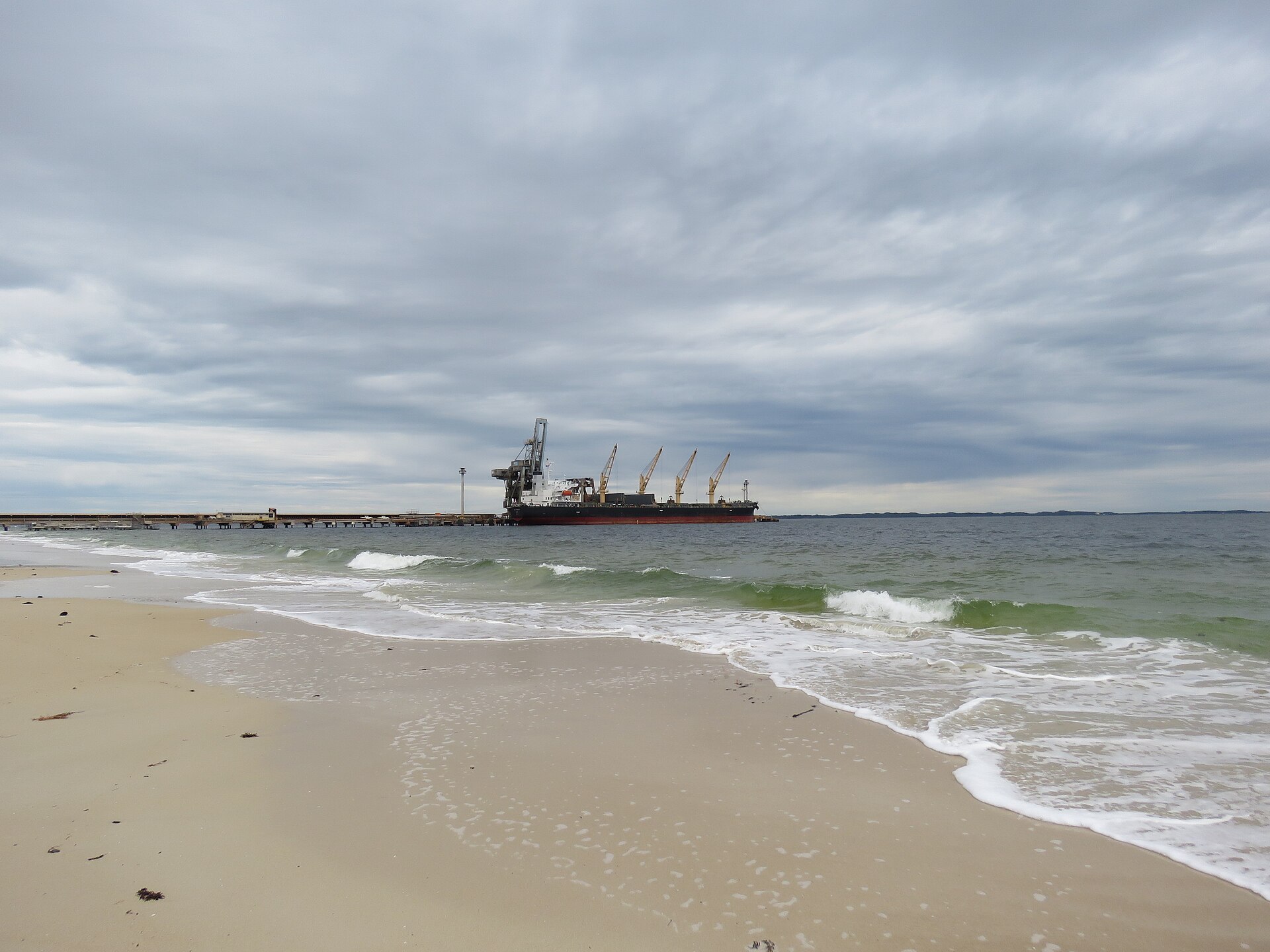
The Eternity C refined the Galaxy Leader’s template by adding a propaganda dimension that made crew detention self-amplifying. The Liberian-flagged bulk carrier, managed by Greece-based Cosmoship, was attacked in a three-day sequence beginning on the afternoon of July 7, 2025. The first strike damaged the vessel; a second attack on the night of July 8 proved fatal; the ship sank the following morning.
Houthi military spokesman Yahya Saree claimed the attack was carried out with “an unmanned boat and six cruise and ballistic missiles” and stated that the vessel had been “headed toward the Israeli port of Eilat.” The Eilat claim was verifiably false — the Eternity C had just completed a World Food Programme humanitarian delivery to Berbera, Somalia, and was en route to Jeddah, Saudi Arabia, for refueling, carrying no cargo bound for Israel. CNN, Safety4Sea, and the Philippine News Agency each confirmed the ship’s WFP mission and its Jeddah destination. The U.S. State Department condemned the attack as one of several “unprovoked Houthi terror attacks on civilian cargo vessels” that resulted in “the tragic loss of three mariners, with many others injured,” and Philippine government sources later confirmed a fourth crew member killed.
The attack left four Filipino crew dead and 11 captured — nine Filipinos, one Indian, and one Russian — who were taken to Sanaa and held for approximately five months before their December 2025 release. During their detention, the Houthis produced a video in which crew members, visibly under duress, delivered a scripted message directed at the global shipping industry.
“Please stop your trading or any transaction to Israel because Red Sea is safe, but if you have any transaction or trading to Israel you will get in a problem.”Eternity C crew member, filmed in Houthi custody, July 2025 (Ynet News)
The video converted captive crew into spokespeople for the Houthis’ stated targeting rationale — that any vessel connected to Israeli trade was a legitimate target — while ignoring that the Eternity C itself had no Israeli connection whatsoever. By framing future attacks as preventable through commercial decisions rather than military ones, the recording shifted the burden of risk from navies to shipping companies, creating a coercive logic in which the industry itself was positioned as responsible for its own victimization. The resulting footage circulated through Ynet News, gCaptain, and Riviera Maritime among other outlets, amplifying the Houthis’ message through international maritime media that would normally report on attacks against shipping rather than distribute the attacker’s messaging on the attacker’s terms.
Saree simultaneously claimed that the Houthis had “responded to rescue a number of the ship’s crew, provide them with medical care, and transport them to a safe location” — a statement that reframed detention as humanitarian assistance and captors as rescuers. The Eternity C propaganda circulated through international maritime media for months after the ship reached the seafloor, and when al-Maliki issued his targeting declaration exactly one year later, on July 4, 2026, he named the same ports the Houthis had already learned to operate without.
Why Is Hodeidah the Wrong Target?
Al-Maliki’s July 4 targeting declaration named Hodeidah port, Ras Isa oil terminal, As-Salif port, and Sanaa Airport — each a piece of physical infrastructure, subject to satellite observation and precision-guided munitions, and each irrelevant to the Houthi maritime coercion machine that has made crew detention, not port operations, the campaign’s center of gravity. The structural mismatch between the coalition’s threat and the Houthis’ actual capability runs deeper than misidentified targets.
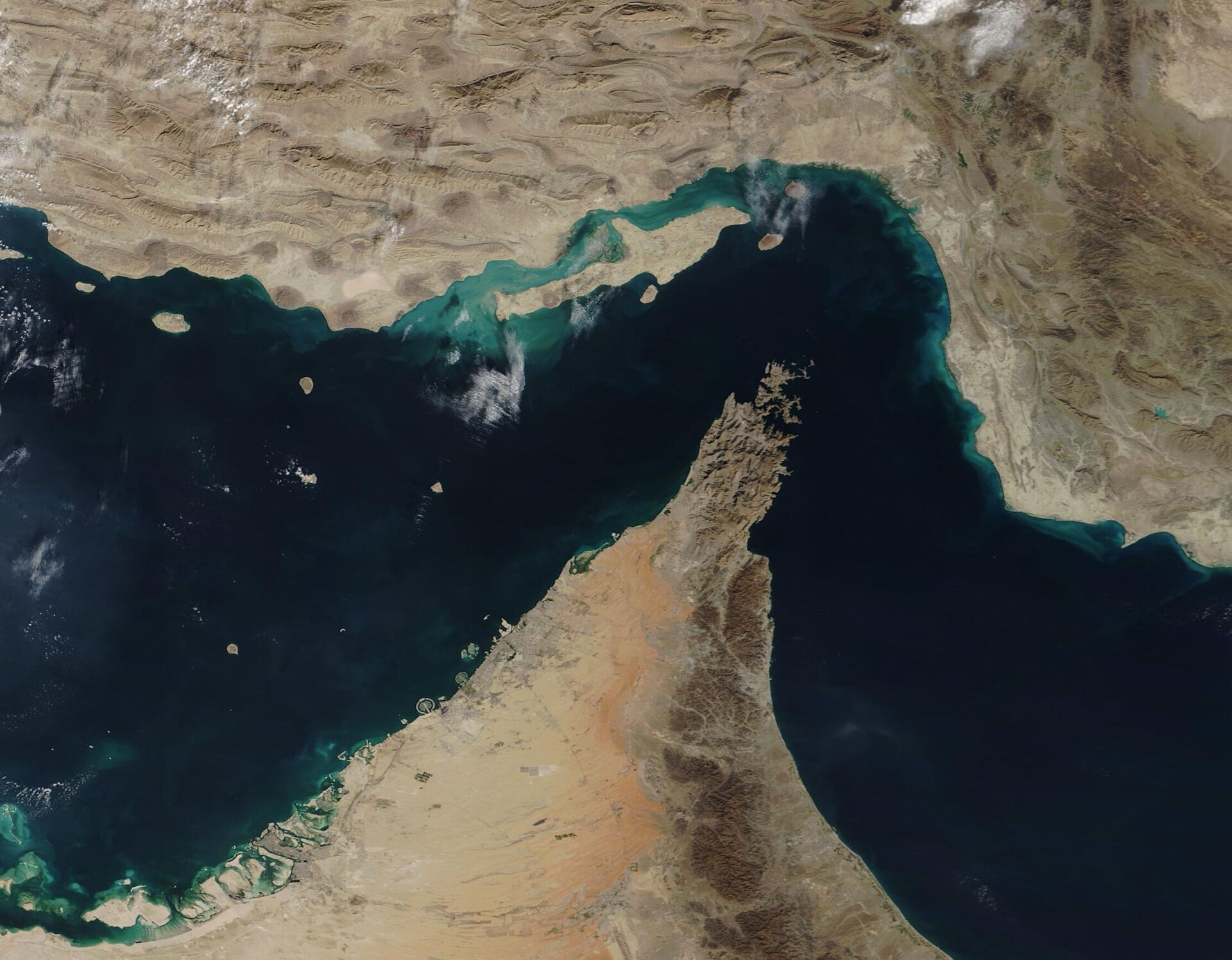
The Houthis’ maritime attacks in the southern Red Sea do not require Hodeidah port to function. The Magic Seas was struck approximately 51 nautical miles southwest of Hudaydah by a combination of small boats, missiles, and unmanned surface vessels — assets that do not depend on the port’s cranes, quays, or container facilities. The Eternity C was engaged with “an unmanned boat and six cruise and ballistic missiles,” according to Saree, in waters where launch platforms can be dispersed across a coastline extending hundreds of kilometers. Destroying Hodeidah’s port infrastructure would degrade Yemen’s primary food-import channel — responsible for 70 percent of the country’s imports and 80 percent of its humanitarian aid, according to United Nations data — without degrading the Houthis’ ability to launch anti-ship weapons from mobile platforms or conduct small-boat operations from any point along the coast.
The coalition has named targets it cannot hit before, and what distinguishes the July 4 declaration is not the specific infrastructure al-Maliki identified but the widening gap between the type of capability the coalition threatens to destroy and the type of capability the Houthis actually employ. Crew detention has no coordinates that a JDAM can reach, and the Omani back-channel that has twice secured crew release operates entirely outside Yemeni territory — meaning the pillars of Houthi maritime coercion exist beyond the range of any weapon the coalition possesses. Striking the four named targets would eliminate none of these instruments while producing a humanitarian catastrophe in a country already classified as the world’s worst food crisis, and it leaves Oman as the only actor positioned to manage the consequences when the next crew is taken.
What Stopped al-Maliki From Striking After July 4?
The coalition’s non-response to its own July 4 targeting declaration was not a failure of nerve. It was a structural impossibility produced by three overlapping constraints, none of which al-Maliki acknowledged and none of which will resolve before the Houthis’ coercion machine adds another iteration to its pattern.
The first constraint is diplomatic. The United States–Iran Memorandum of Understanding, signed on June 17, 2026, is at Day 19 of its 60-day term, and a funeral pause covering July 4 through July 9 — acknowledged by President Trump, who stated publicly that the United States “gave them a week off for a funeral” — has frozen whatever residual appetite existed for escalatory action in the southern Red Sea. The coalition cannot strike Houthi targets during a period in which Washington has explicitly suspended confrontational postures, because Saudi Arabia’s air defense architecture depends on American maintenance, logistics, and the integrated battle management system that flows through US personnel at Prince Sultan Air Base. Offensive action without American operational support is not a political choice Riyadh is unwilling to make — it is a technical capability Riyadh does not possess.
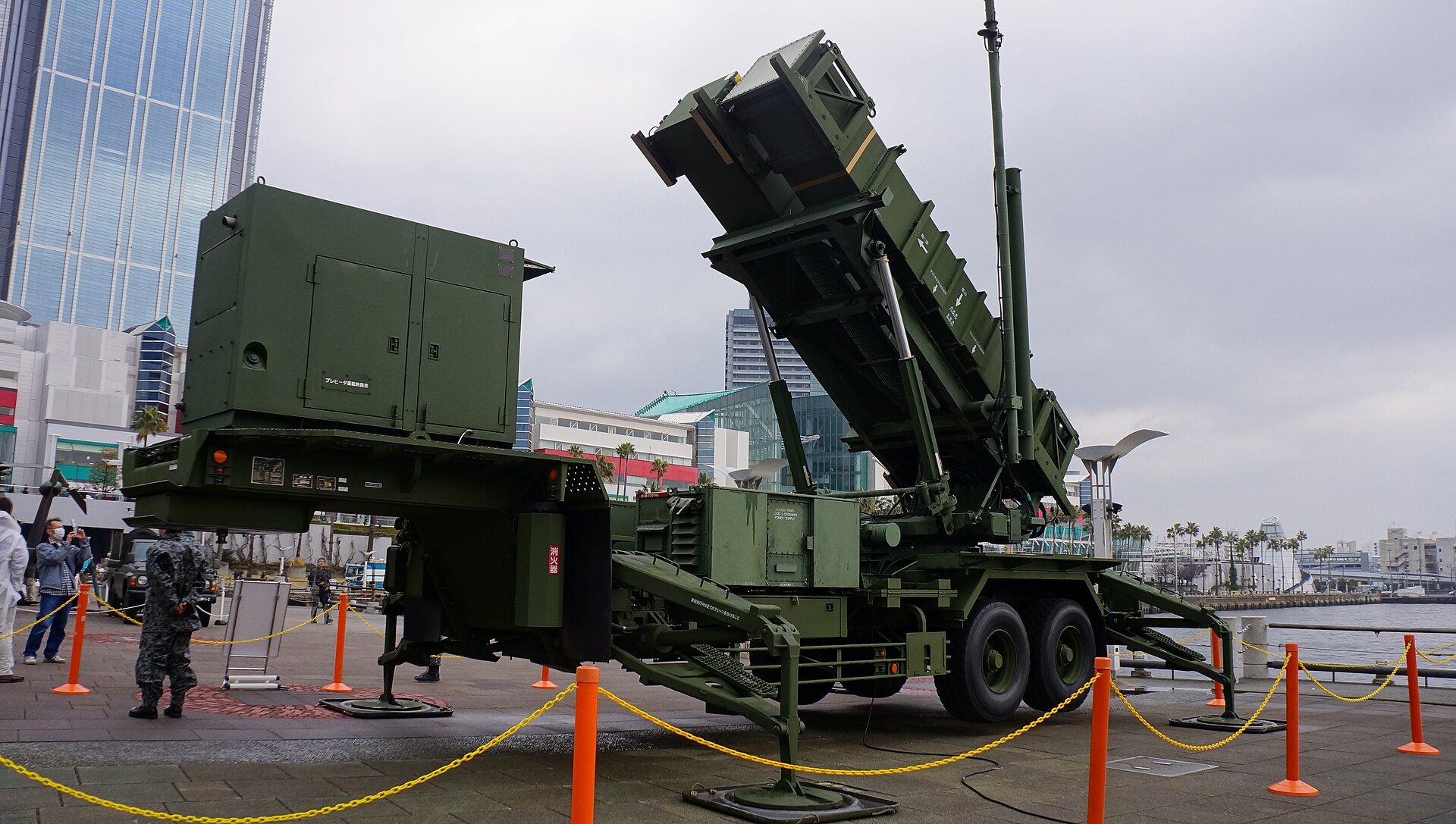
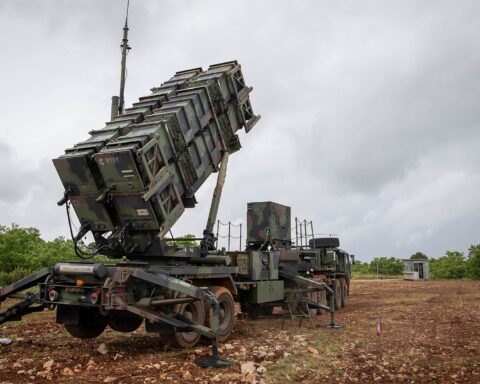
The second constraint is material. Saudi Arabia’s Patriot PAC-3 inventory stands at approximately 400 interceptors of an original stock of roughly 2,800 — an 86 percent depletion rate that represents the most severe air defense erosion any Gulf state has sustained since the war began. Lockheed Martin’s Camden, Arkansas, production facility manufactures approximately 620 rounds per year, with demand from the United States, NATO allies, and other customers competing for that output, and no meaningful resupply will reach Riyadh before mid-2027 at the earliest.
The kingdom has bought the wrong missiles — the $3.1 billion M-SAM-II deal with South Korea’s LIG Nex1 intercepts at 15-to-20-kilometer altitude, while the IRGC’s Zolfaghar ballistic missiles arrive in terminal phase below 10 kilometers, the envelope that only PAC-3 covers. THAAD hardware remains at Prince Sultan Air Base, but its AN/TPY-2 fire-control radars were destroyed in February and March 2026, leaving the system effectively non-functional, and offensive action against Houthi targets invites retaliation against Saudi infrastructure at a moment when the kingdom’s defensive capacity is at its lowest point since the war began.
The third constraint is humanitarian. Hodeidah and As-Salif are not simply Houthi-controlled ports; they are the entry points for 70 percent of Yemen’s commercial imports and 80 percent of its humanitarian aid, according to United Nations data. Striking them closes those channels, producing a famine acceleration that the United Nations, the United States, and Saudi Arabia’s own diplomatic positioning cannot absorb. The coalition threatened the ports before the Houthis sank the ships, and the humanitarian calculus was the same then as it is now — al-Maliki’s July 4 statement treated the four targets as military objectives while the international community treats them as civilian lifelines, and that gap has not closed in four years.
Can Oman’s Private Release Channel Hold the System Together?
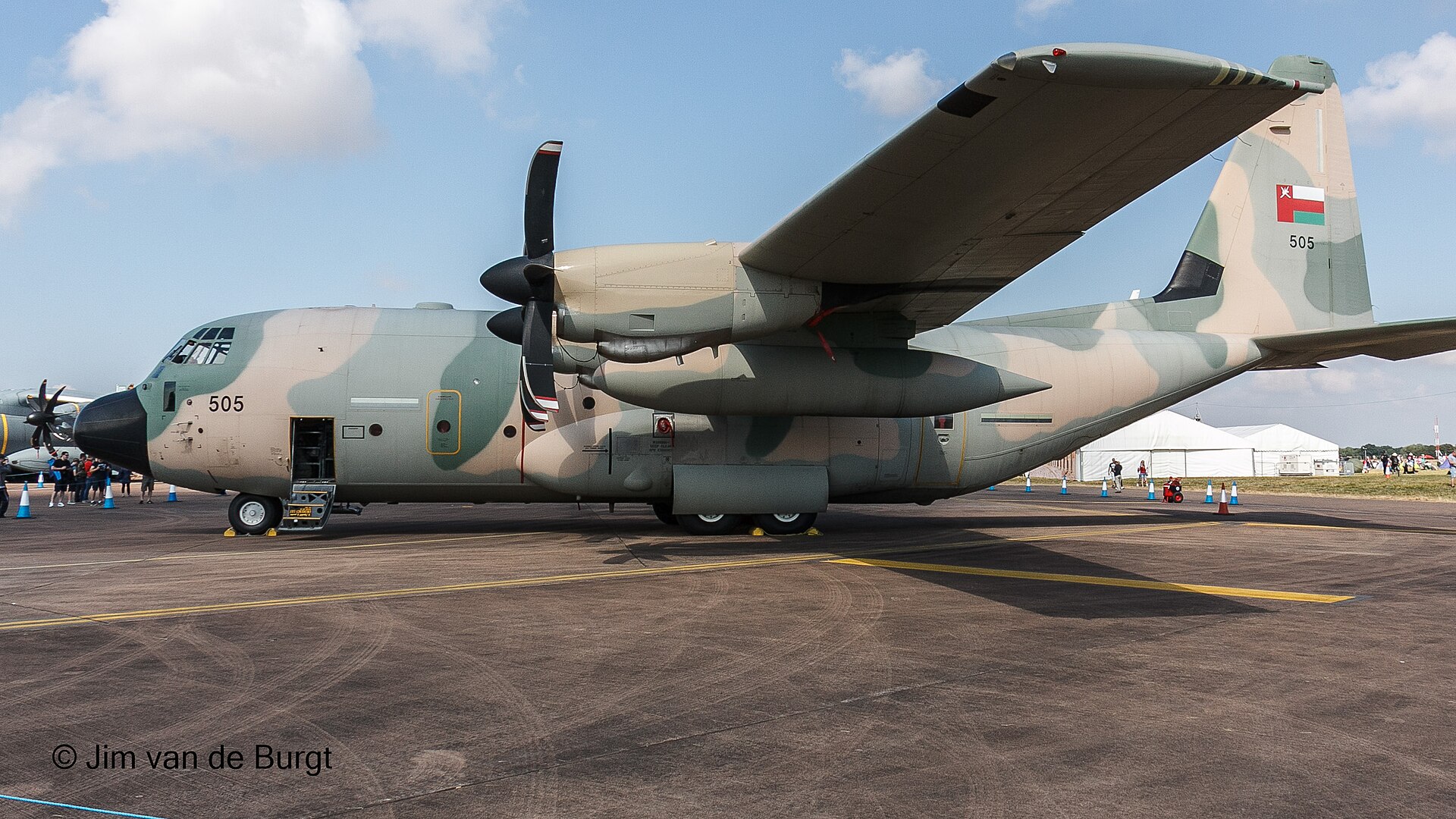
Oman has now mediated the release of detained maritime crew twice — the Galaxy Leader’s 25 sailors in January 2025 and the Eternity C’s 11 survivors in December 2025. In both cases, the Royal Air Force of Oman flew the released crew from Sanaa to Muscat, and in both cases the Sultanate conducted the mediation without public conditions, formal negotiations, or Security Council involvement. The Omani channel is not a peace process and not a negotiating framework — it is a private extraction mechanism that operates on Houthi terms and exists only because Muscat maintains the access that no other state can replicate.
The channel’s effectiveness depends on three conditions, each of which is under strain. The first is Oman’s continued neutrality in the broader Gulf confrontation — Muscat is simultaneously co-developing the Persian Gulf Service Authority’s fee regime with Iran, with the PGSA’s August 18 activation date for $5.5 million per day in transit fees sitting 43 days away, while managing the back-channel on which crew releases depend. Those two roles are not inherently contradictory, but they place Oman inside the architecture of Iranian maritime coercion at the same time it serves as the primary mediator for victims of Houthi maritime coercion. Whether that balance survives a confrontation between the PGSA fee structure and American sanctions policy remains untested, given that OFAC designated the PGSA on May 27.
The second condition is Houthi willingness to release crew at all. The Galaxy Leader’s crew were released because the Gaza ceasefire provided a politically legible moment for the Houthis to claim success, and the Eternity C’s crew were released after five months through a less visible process whose specific conditions have not been made public. Neither release was compelled by military pressure or international legal mechanisms — both occurred when the Houthis determined that release served their interests better than continued detention. If that calculation shifts, and the Houthis conclude that permanent detention carries more coercive weight than conditional release, Oman’s channel delivers nothing regardless of how many Royal Air Force aircraft Muscat stations at Seeb.
The third condition is the absence of a competing channel. No Western government has established direct communication with the Houthis on crew release, and the United Nations Mission to support the Hodeidah Agreement expired on March 31, 2026, removing the last institutional framework that provided neutral verification in Houthi-controlled territory. Flag states, shipowners, and crew-supplying nations have no alternative pathway to Sanaa, and Oman’s monopoly on crew-release mediation is a product of other actors’ absence rather than any formal mandate — a monopoly that makes the entire system as fragile as Muscat’s willingness to sustain it, while the Houthis, who have watched al-Maliki’s July 4 threat expire without consequence, are already recalibrating.
What the Houthis Do After an Unexecuted Threat
The coalition’s failure to follow through on al-Maliki’s July 4 declaration is not an isolated event. It is the latest entry in a pattern that the Houthis have learned to decode empirically: the coalition announces targets, the announcement is not followed by strikes, and the Houthis treat the gap between declaration and action as a signal of how far the coalition will actually go. Each unexecuted threat recalibrates Houthi risk assessment downward and expands the operational space in which they can act without consequence.
The July 5 ground assault in Hodeidah — a Houthi sniper-drone-mortar operation against the 14th Infantry Brigade at Jabal Dabbas that killed 15 government troops — arrived less than 24 hours after al-Maliki’s declaration. The Houthis had already assessed that no kinetic response was forthcoming, and escalated on the ground in the very governorate that al-Maliki had named as a target — testing his declaration in real time and confirming its emptiness before the 48-hour mark.
Three weeks after the Magic Seas and Eternity C attacks in July 2025, the Houthis formally expanded their targeting doctrine to encompass any vessel from any company doing business with Israeli ports, regardless of the vessel’s flag state, cargo, or destination. The doctrine expansion was itself a product of the same threat-decoding process: the Houthis attacked two ships, faced no meaningful military reprisal, absorbed the State Department’s condemnation as cost-free rhetoric, and broadened their self-declared targeting authority to match the permissive environment their own operations had confirmed. The nationality-agnostic doctrine that now governs Houthi maritime operations was not an ideological declaration issued from a position of confidence — it was an operational conclusion drawn from the empirical absence of deterrence.
The MOU’s 60-day window expires on August 18, 2026, the same date the PGSA’s fee structure activates with $253 million in accumulated charges already outstanding and a daily accrual rate of $5.5 million. The Houthis will enter that transition with a validated crew-detention capability, an expanded targeting doctrine, and a confirmed understanding that coalition threats do not produce coalition action. Al-Maliki’s July 4 statement did not deter the Houthis from anything — it provided them with another data point in a model that has consistently rewarded escalation and punished restraint, and the next test of that model will be determined by the Houthis’ operational timeline, not by a press conference from Riyadh.
Frequently Asked Questions
What happened to the Magic Seas crew after the attack?
All 22 crew members — 17 Filipinos, one Romanian, one Vietnamese, and three Sri Lankan armed guards — were rescued by the Emirati merchant vessel Safeen Prism, which responded to the distress signal during the four-hour engagement on July 6, 2025. The crew were transferred to Djibouti and repatriated to their home countries within weeks. No Magic Seas crew were detained by the Houthis, because the ship — a 63,301 DWT bulk carrier managed by Greece-based Stem Shipping, carrying iron and fertilizers from China to Turkey — sank too rapidly for the Houthis to execute a boarding and extraction, a contrast with the Eternity C’s three-day sinking that gave them the operational window they needed to capture survivors.
Has any international body taken enforcement action against Houthi crew detention?
IMO Secretary-General Arsenio Dominguez condemned the July 2025 attacks, stating that “the resumption of deplorable attacks in the Red Sea constitutes a renewed violation of international law and freedom of navigation,” but concluded that “constructive dialogue is the only solution.” The IMO sets standards and issues advisories but possesses no enforcement mechanism — it cannot impose sanctions, authorize naval operations, or compel member states to act. UNSC Resolution 2624, which established the Houthi sanctions regime, designates the group for arms embargo violations rather than maritime hostage-taking, creating a gap between the international legal framework’s recognition that crew detention violates international law and its capacity to prevent or punish the practice.
How does the PGSA August 18 deadline compound the crew detention problem?
The Persian Gulf Service Authority’s fee structure activates when the MOU’s 60-day toll-free window closes on August 18, 2026, imposing $5.5 million per day on vessels transiting the Strait of Hormuz, with $253 million already accrued from the pre-MOU period. This creates a dual-chokepoint coercion model in which Iran and the PGSA extract fees at Hormuz while the Houthis extract crews in the southern Red Sea, meaning shipping companies face financial extraction at one end of the Arabian Peninsula and physical risk at the other. The two mechanisms are not formally coordinated, but they reinforce each other by compounding the cost of any route that passes through both chokepoints and making alternative routing around the Cape of Good Hope relatively more attractive despite the additional 10-to-14-day transit time and fuel costs.
What is the current status of international naval patrols in the southern Red Sea?
The U.S.-led Operation Prosperity Guardian, launched in December 2023 to protect Red Sea shipping, saw its operational tempo decline through 2024 and 2025 as participating navies reduced their commitment and reallocated assets to other theaters. By mid-2025, Crisis24 assessed that “the absence of an international naval presence in the southern Red Sea likely encouraged” the Houthis to attack the Magic Seas and Eternity C. The European Union’s Operation Aspides, focused on defensive escort rather than offensive strikes, continues to operate in a limited area of the Red Sea and Gulf of Aden but does not provide persistent deterrent coverage in the waters where the Houthis have conducted their attacks. No coalition or international naval force currently maintains the sustained presence required to interrupt Houthi small-boat and unmanned surface vessel operations at their launch points along the Yemeni coast.