VIENNA — The International Atomic Energy Agency has not verified Iran’s near-weapons-grade uranium stockpile in ninety-three days, and President Trump is demanding a removal timeline for material whose quantity, location, and physical condition are formally unknown to every inspector on the planet. The last confirmed figure — 440.9 kilograms of 60%-enriched uranium, enough for more than ten nuclear weapons — was physically verified on June 13, 2025, and reported in IAEA GOV/2026/8 one day before Iran disabled every surveillance camera, removed every seal, and barred all inspectors on February 28, 2026.
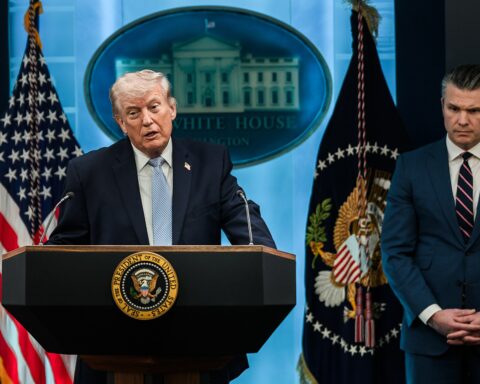
Trump’s demand that the Iran memorandum of understanding specify “how the US gets the material and the timing” collapses the MOU’s own Phase 1/Phase 2 sequencing to create a removal deadline for material the IAEA says it “cannot provide any information” about. The White House phrase — “No dust, no dollars” — describes a precondition for uranium that cannot currently be verified to exist in the form demanded, at the location assumed, or in the quantity last recorded, while Saudi Arabia’s fiscal survival depends on this deal reaching signature and Brent crude sits $17–20 per barrel below Riyadh’s breakeven.
Table of Contents
- What Did the IAEA Last Verify About Iran’s Uranium?
- What Happened on February 28, 2026?
- The Isfahan Tunnels and the Uranium Nobody Can Inspect
- How Close Is 440 Kilograms of 60% Uranium to a Weapon?
- Why Does Trump’s Edit Collapse the MOU’s Own Timeline?
- Can the IAEA Restore a Credible Baseline?
- Iran Offered to Downblend and That Solves Nothing Without a Verified Starting Point
- Saudi Arabia Is Staking Its Fiscal Survival on an Unanchored Number
- What Does a Deal Without a Baseline Actually Guarantee?
- Frequently Asked Questions
What Did the IAEA Last Verify About Iran’s Uranium?
The IAEA’s last physically verified figure is 440.9 kilograms of uranium enriched to 60% U-235, recorded during an on-site inspection on June 13, 2025, and published in GOV/2026/8 on February 27, 2026. That quantity — enough near-weapons-grade material for more than ten nuclear weapons if further enriched to 90% — has not been independently measured, sampled, or visually confirmed by any international inspector since the day it was recorded, nearly twelve months ago.
The 440.9-kilogram component sat within a total enriched uranium stockpile of 9,874.9 kilograms in all forms and enrichment levels, a mass that exceeds the JCPOA’s 202.8-kilogram limit by a factor of nearly fifty and that has been accumulating beyond treaty compliance since at least 2020. The 60% fraction is the one that matters for proliferation math — at that enrichment level, the further step to weapons-grade requires approximately 564 separative work units, roughly 1% of the total enrichment effort Iran has already invested in reaching 60%. Matthew Bunn at Harvard’s Belfer Center put the durability of that investment plainly in Arms Control Today’s May 2026 issue: “after decades of effort by thousands of people, Iran has an array of material, equipment, and expertise that, although damaged, cannot be fully bombed away.”
The same publication’s June 2026 issue contains a further layer of irony: Arms Control Today’s Sharon Squassoni formally declared the US-Saudi 123 Agreement a “gilded sweetheart deal” that drops enrichment prohibitions and IAEA Additional Protocol requirements for Riyadh — meaning Washington is simultaneously demanding a uranium removal timeline from Iran for material it cannot verify, while exempting its closest Gulf partner from the verification architecture that would make any such timeline meaningful.
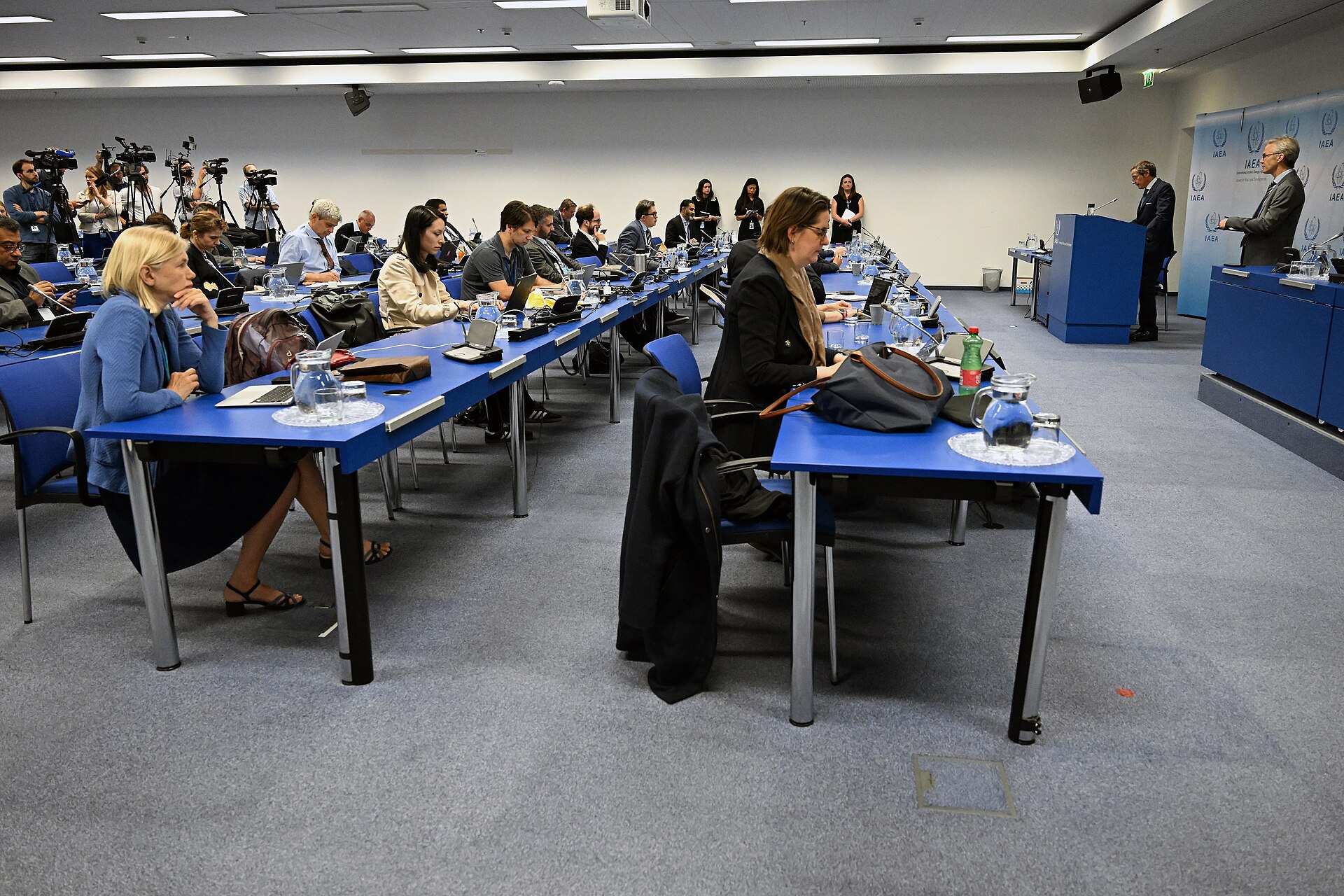
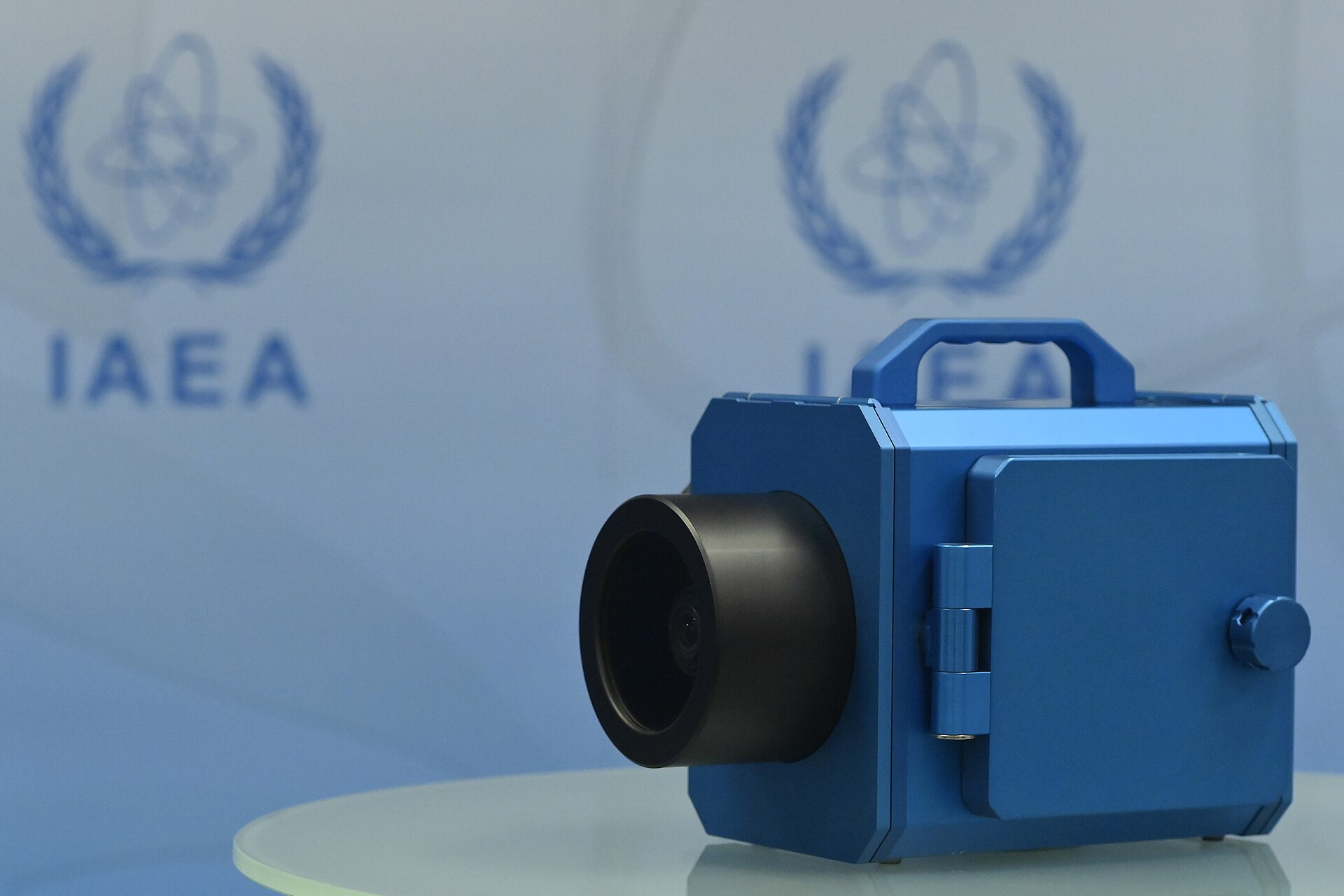
The IAEA’s term for what was lost is “continuity of knowledge” — the unbroken chain of physical inventories, environmental samples, surveillance footage, and tamper-evident seals that allows the Agency to confirm, at any given moment, that a declared quantity of nuclear material is where it should be. GOV/2026/8 used language the Agency rarely deploys in formal Board reports: the loss of continuity “needs to be addressed with the utmost urgency,” an urgency that has now gone unaddressed for ninety-three days, during which the stockpile’s only verified custodian has been Iran itself.
The Middle East briefing 3,000+ readers start their day with.
One email. Every weekday morning. Free.
Every subsequent reference to Iran’s HEU stockpile — in MOU drafts, White House briefings, Netanyahu’s demands for “full dismantlement,” think-tank estimates — traces back to this single data point, frozen at the moment it was recorded and unrevised since. The number has become a consensus fiction: everyone uses it because no one has anything more current, and no one has anything more current because the one institution with the authority and mandate to produce an update has been locked out of the country for ninety-three days and counting.
What Happened on February 28, 2026?
On February 28, 2026, Iran suspended all remaining IAEA access to its four declared enrichment facilities — Natanz, Fordow, Isfahan, and a pilot fuel enrichment plant — disabling surveillance cameras, removing tamper-evident seals, and barring inspectors from every declared nuclear site in the country. GOV/2026/8, published one day earlier, was the last document produced with any physical verification behind it, making it the final snapshot before the screen went dark.
The shutdown was not an escalation from zero access — Iran had already stopped allowing IAEA monitoring of centrifuge component manufacturing in February 2021, a gap that predates the war by more than four years. But February 28 was categorically different: it severed every remaining thread of independent verification, including the passive surveillance infrastructure (cameras and tamper-evident seals) that had allowed the Agency to maintain at least nominal continuity of knowledge even during periods of restricted inspector access. Before that date, the IAEA could say the material was accounted for; after it, the Agency’s own formal language is that it “cannot provide any information on the current size, composition or whereabouts of the stockpile.”
The trigger was geopolitical, not technical. The twelve-day US-Iran war that began June 13, 2025 had already damaged declared nuclear sites, and the Cairo Agreement signed September 9–10, 2025 was the only post-war framework for restoring IAEA access — it lasted roughly ten weeks before Iran declared it null and void on November 20, 2025, citing the reimposition of UN sanctions. The pattern matters for any MOU clause that depends on restored access: Tehran has demonstrated, repeatedly, that IAEA cooperation is a position it occupies when sanctions relief is on offer and vacates the moment the balance of pressure shifts.
That ten-week lifespan is the only empirical data point for how long an IAEA access framework survives contact with Iran’s negotiating logic. The MOU’s nuclear verification clauses would need to endure far longer than ten weeks to produce a credible baseline — yet they are subject to the same conditional architecture, in which Iran did not merely suspend cooperation in November 2025 but terminated the Cairo Agreement by formal letter and declared it void as a class, establishing a precedent that verification frameworks are disposable instruments rather than durable institutional commitments. The suspension ended the IAEA’s ability to track Iran’s stockpile; what it could not end was the physical reality of where the most sensitive material went before the cameras died.
The Isfahan Tunnels and the Uranium Nobody Can Inspect
Approximately 200 kilograms of Iran’s near-weapons-grade uranium — nearly half the verified HEU stockpile — is almost certainly underground at Isfahan, and the IAEA cannot confirm that either. Based on satellite imagery from June 9, 2025, four days before the war began, the Agency tracked eighteen blue containers entering a tunnel complex at the Isfahan facility, estimating that the material was moved underground for hardening against the airstrikes that followed. IAEA Director General Rafael Grossi told Bloomberg and Foreign Policy in April 2026 that the material “was stored there in June 2025 when the 12-day war broke out, and it has been there ever since,” but added that inspectors “haven’t been able to inspect or to reject that the material is there and that the IAEA seals remain there.”
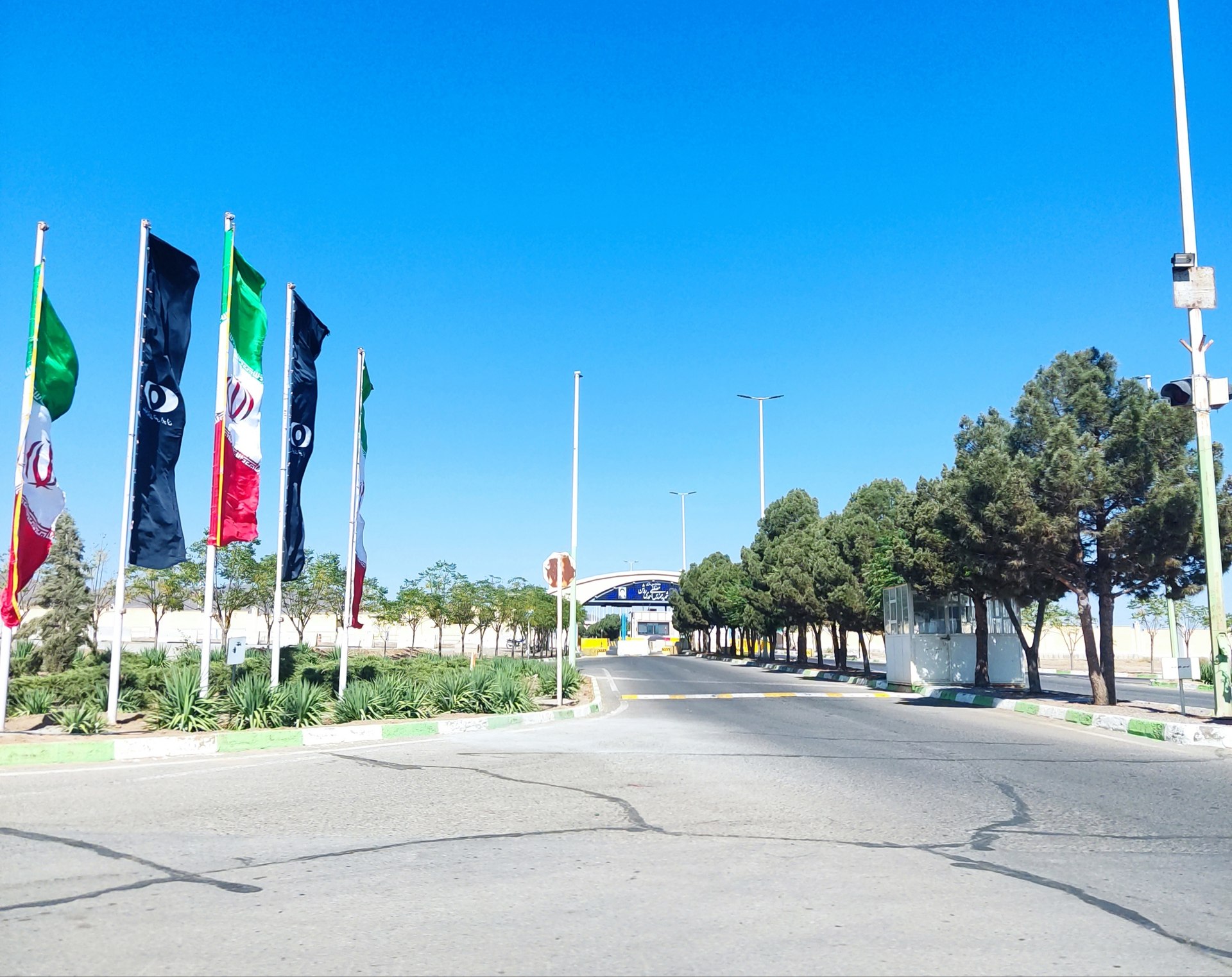
The ambiguity is not incidental. Grossi also told Bloomberg that “Iran could access its stockpile of near-weapons-grade uranium if it decides to retrieve the material thought to be entombed at sites bombed by the US” — and the word “thought” is doing extraordinary work in that sentence, because the world’s senior nuclear safeguards authority is using the language of estimation, not verification, about the location of material sufficient for multiple nuclear weapons. The sealed tunnels at Isfahan are simultaneously the strongest physical barrier to retrieval and the strongest barrier to independent confirmation that the material is intact, undiverted, and in the form last recorded.
The tunnels also create a nested verification problem that Trump’s edit does not acknowledge. Even if the IAEA regained access tomorrow, assessing the Isfahan material would require radiation surveys of the tunnel complex (which may have been damaged or irradiated by US strikes), verification that the containers are intact and unopened, environmental sampling to determine whether material has been moved or processed, and comparison against the pre-war physical inventory — a process that would take weeks under cooperative conditions, and for which Iran has demanded as a precondition the very “clear framework” that its own Atomic Energy Organisation head says the IAEA lacks.
For Trump’s MOU edit — which demands a timeline specifying “how the US gets the material and the timing” — the Isfahan problem is not a detail to be resolved in Phase 2 but a structural impediment to the demand itself. Christine Wormuth, former US Secretary of the Army, described the physical recovery scenario as “a very complex and high risk military operation” in April 2026, a characterization that applies whether the tunnels are sealed, irradiated, or both. The material Trump wants moved may require thousands of troops to access, at a site that may be contaminated, containing uranium whose enrichment level may have changed — and every one of those uncertainties exists because no inspector has been inside for ninety-three days, and the material inside remains, by any proliferation calculus, dangerously close to weapons-grade.
How Close Is 440 Kilograms of 60% Uranium to a Weapon?
Close enough that the distance is measured in political will, not physics. Iran has already completed roughly 99% of the enrichment work required to reach weapons-grade; the final step requires only that Tehran decide to take it.
The twelve-day war damaged declared facilities without eliminating Iran’s breakout capacity, only complicating the timeline. The enrichment infrastructure is distributed across Natanz, Fordow (buried under a mountain near Qom), Isfahan, and at least one pilot facility, and the centrifuge knowledge base exists independently of the hardware — it cannot be bombed away.
The monitoring gap extends beyond the ninety-three-day access suspension. Iran stopped allowing IAEA oversight of centrifuge component manufacturing in February 2021 — more than four years before the war began — meaning the Agency’s understanding of Iran’s current centrifuge capacity is itself based on incomplete data. The 564-SWU estimate assumes a specific centrifuge configuration; if Iran has built, installed, or modified machines during that four-year manufacturing blackout, the actual enrichment work needed to reach 90% could be lower and the breakout timeline shorter.
What the blackout means in proliferation terms is that the 564-SWU calculation may itself be outdated. If Iran has continued enrichment activities during the verification gap — and the IAEA explicitly states it cannot confirm whether “Iran has suspended all enrichment-related activities” — then the starting point for any removal or dilution timeline would differ from the one in every current MOU draft. The negotiators are working from a number that is at best frozen, at worst fictional, and in either case unverifiable without the access that Iran has conditioned on concessions the MOU has not offered — which raises the question of what, exactly, Trump’s edit to the deal is supposed to accomplish.
Why Does Trump’s Edit Collapse the MOU’s Own Timeline?
The MOU as drafted separates the deal into two phases: Phase 1 covers immediate steps — sanctions architecture, financial flows, security framework — within a sixty-day window, while Phase 2 addresses nuclear disposition including HEU removal. Trump’s edit, reported by Axios on May 31, demands that Phase 1 include “how the US gets the material and the timing,” pulling the nuclear track’s most technically complex and politically explosive clause forward into the phase that was deliberately designed to be achievable without resolving the hardest questions first.
The edit does not merely change the order; it makes Phase 1 contingent on resolving a problem that the IAEA has formally declared unresolvable without access. As reported earlier today, the MOU now demands a timeline for material no external party can verify, at locations no inspector can reach, in quantities no instrument has confirmed since June 2025. The White House’s internal framing — “No dust, no dollars,” meaning HEU removal before Iran receives financial relief — compounds the structural problem by creating a precondition that requires a verified baseline to operationalize, while the IAEA’s formal position is that no such baseline exists.
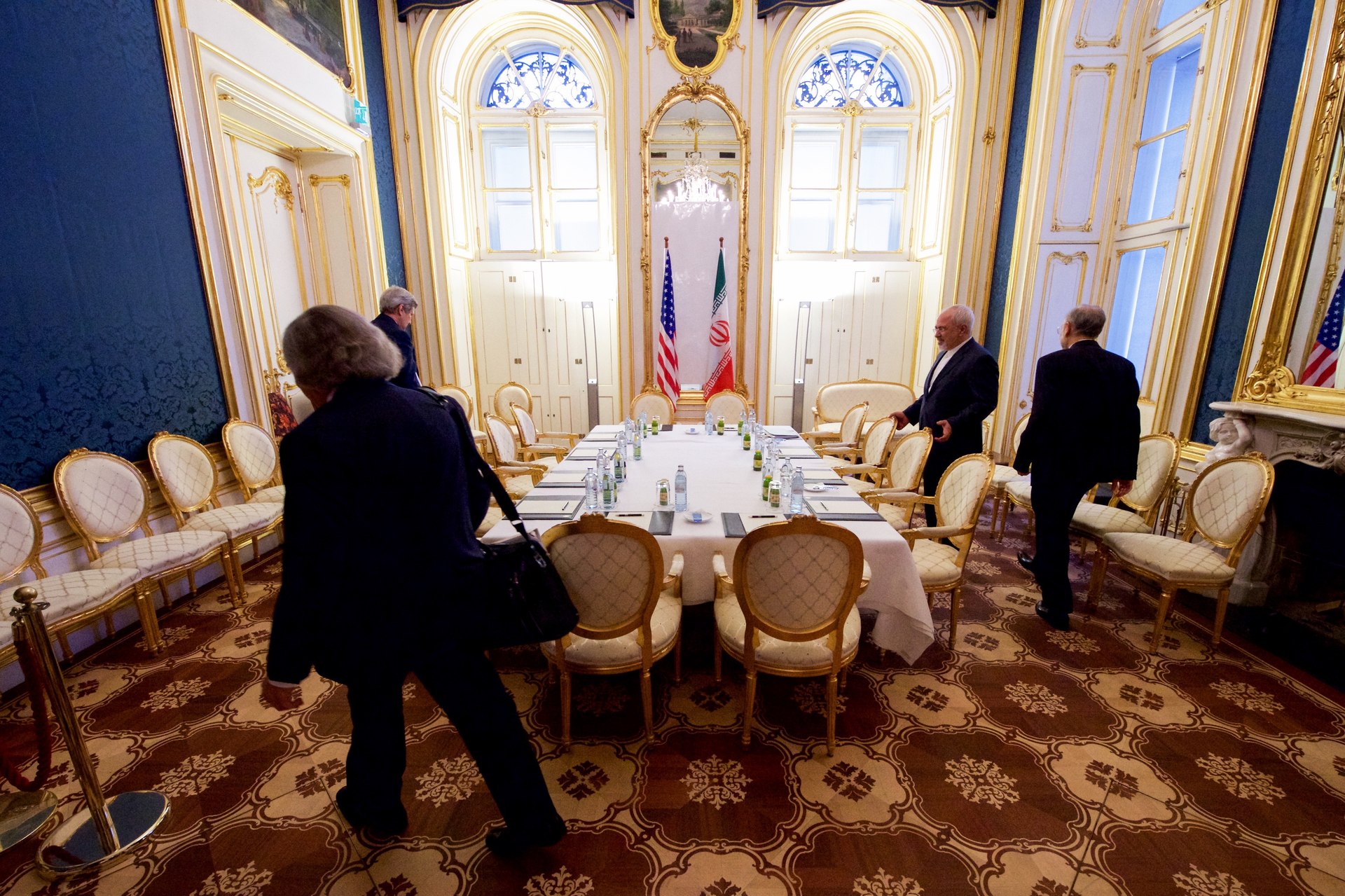
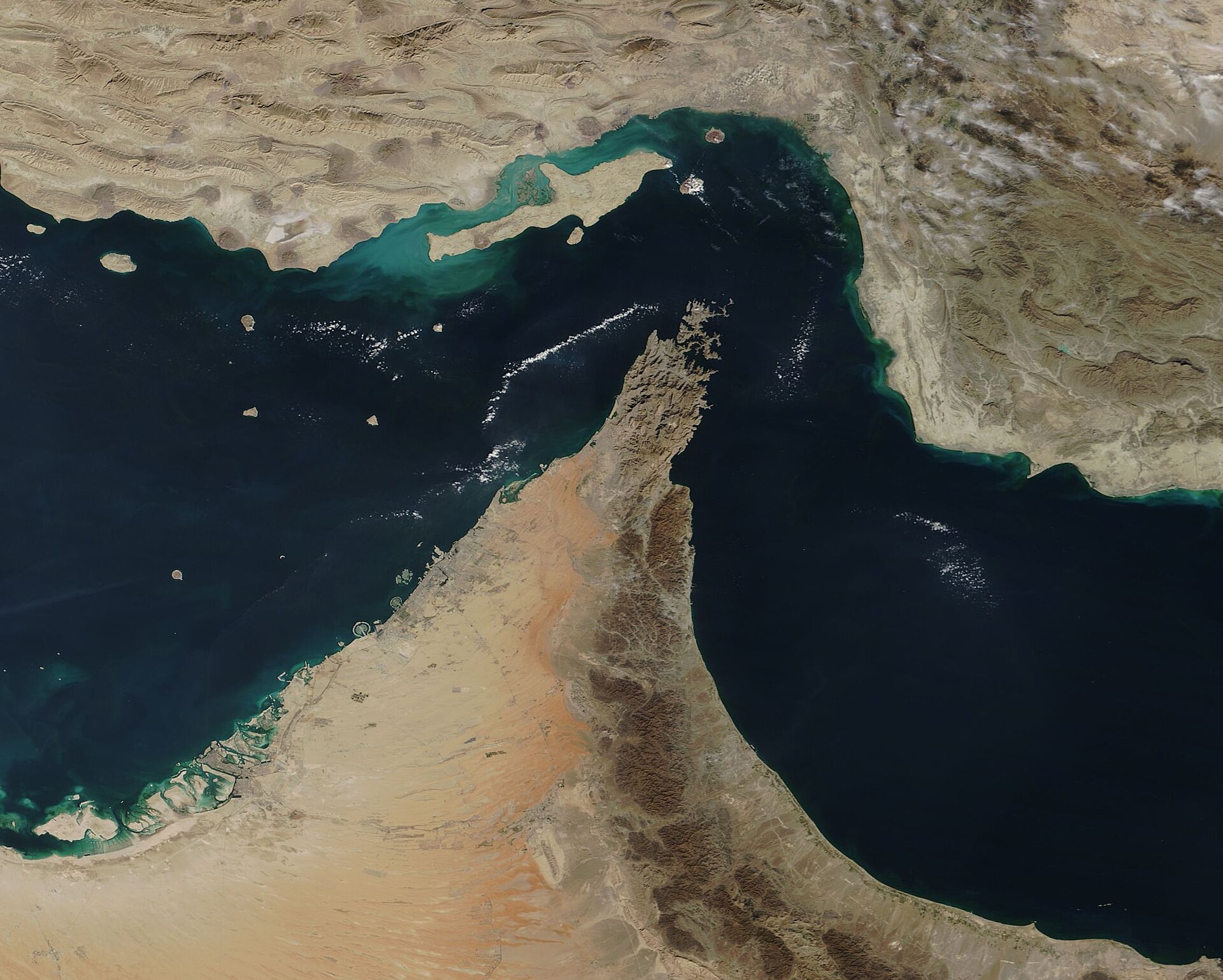
Tehran’s response has been categorical refusal. Foreign Minister Abbas Araghchi told reporters at the BRICS foreign ministers’ meeting in New Delhi that the enriched material issue is at “deadlock” and being “postponed” until later stages, while PressTV quoted him explicitly: “Transfer of enriched uranium not on agenda, US cannot be trusted.” Meanwhile, IRGC-affiliated Fars News circulated a competing draft placing Hormuz under “Iran’s management,” and IRGC forces opened fire on four vessels near Hormuz hours after Vice President Vance acknowledged the deal was “not there yet” on the enrichment question — a kinetic punctuation mark on a diplomatic impasse.
Trump simultaneously promised Israeli Prime Minister Netanyahu that the final deal would require “full dismantlement” and removal of all HEU — terms the MOU text does not contain, the IAEA cannot currently verify, and Iran has publicly refused. The domestic political pressure reinforces the structural impossibility: Senate Republicans including Cotton, Cruz, Wicker, and Graham have signaled opposition to any MOU that leaves enrichment infrastructure intact, echoing the 2015 Cotton letter that told Tehran a future president could unilaterally exit the JCPOA. Trump’s edit imposes verification conditions the IAEA cannot meet, on a timeline the physics does not support, for material Iran has categorically refused to transfer — and whether the edit is a genuine policy demand or a constructed off-ramp, the effect is identical. The Arms Control Association warned in April that defining inspection and monitoring mechanisms is “arguably the most important component of an effective deal” but “did not appear to be a priority issue during the first round of talks”; five rounds and one hundred and six days later, it still isn’t.
Can the IAEA Restore a Credible Baseline?
Technically yes, but not on any timeline compatible with MOU negotiations. IAEA Director General Grossi described the task as “absolutely possible, and terribly difficult” at the Munich Security Conference on February 13, 2026 — two weeks before Iran shut the door entirely. By April, he was publicly insisting that verification “must precede any agreement,” a shift from guarded optimism to institutional insistence that tracked the blackout’s deepening from weeks to months.
Restoring a credible baseline is not the same as resuming inspections. The IAEA would need physical access to all four declared facilities, environmental sampling to detect undeclared activities, re-installation and verification of surveillance cameras, fresh physical inventory measurements at every location where enriched material was last recorded — including the Isfahan tunnels — and enough time to reconcile the current physical reality with the last verified data from June 2025. For a distributed stockpile across sites that were bombed, sealed, and in some cases hardened underground, that process takes weeks at minimum and cannot be compressed under the political time pressure of an MOU signature deadline.
The Cairo Agreement offers a cautionary template for what happens when verification frameworks meet Iranian negotiating logic. Signed September 9–10, 2025 as the only post-war IAEA access arrangement, it lasted approximately ten weeks before Tehran declared it void — terminated by formal letter the moment UN sanctions were reimposed, which is exactly the kind of pressure the MOU’s Phase 1 is designed to manage. If access is restored as part of an MOU framework, the IAEA will see only what Iran chooses to show, on Iran’s timeline, with Iran retaining the demonstrated ability and political willingness to revoke access whenever the negotiating environment shifts.
Erin Dumbacher, the Stanton nuclear security fellow at the Council on Foreign Relations, identified the deeper structural risk in May 2026: the United States could “withdraw from the region without a comprehensive diplomatic settlement due to domestic pressure or other factors, potentially leaving Iran with enough fissile material and expertise to sprint to weaponization on its own timeline.” Any “restored access” under MOU terms would not be verification in the safeguards sense but a politically managed disclosure — Iran controlling when the IAEA sees what it chooses to reveal, with the ratification authority Saudi Arabia cannot reach retaining the sole power to approve or revoke that access from an underground bunker in Tehran. Iran has already indicated what kind of arrangement it would consider.
Iran Offered to Downblend and That Solves Nothing Without a Verified Starting Point
Iran’s counter-proposal to the removal demand is in-country downblending: diluting the 60%-enriched uranium back to 3.67% (the JCPOA limit) rather than transferring it abroad. Araghchi has stated the position explicitly — “Transfer of enriched uranium not on agenda, US cannot be trusted” — while Mohammad Eslami, head of Iran’s Atomic Energy Organisation, told Tasnim that Tehran would not permit inspections of struck facilities until the IAEA establishes “a clear framework,” arguing that the Agency lacks protocols for assessing nuclear sites that have been attacked. The objection is technically novel and procedurally convenient in equal measure.
The downblend option sounds like a compromise, but its viability depends entirely on a verification framework that does not exist. To confirm that Iran has downblended the full quantity — or whatever the current quantity is, since even the 440.9-kilogram figure may no longer be accurate — rather than a fraction, the IAEA would need exactly the access it currently lacks: inspectors present throughout the dilution process, a verified starting figure to measure against, and confidence that no material has been diverted to undeclared locations during the ninety-three-day gap. Without a verified baseline, Iran could downblend a portion and retain undeclared material, and the IAEA would have no data to contradict the declared figures — it would be accepting a self-reported number from a state that severed its own verification chain.
The JCPOA precedent illuminates how far the current situation has drifted from any functional analogy. In December 2015, Iran shipped 11,000 kilograms of low-enriched uranium at 3.67% to Russia — a transfer conducted under full IAEA access, with a verified baseline, consensual state participation, no active conflict, and at an enrichment level far below weapons-usable thresholds.
| Condition | JCPOA LEU Shipment (Dec 2015) | Current HEU Scenario (May 2026) |
|---|---|---|
| IAEA access | Full, continuous | None for 93 days |
| Verified baseline | Yes, current at time of transfer | Last verified June 13, 2025 |
| Enrichment level | 3.67% (low-enriched) | 60% (near-weapons-grade) |
| Quantity | 11,000 kg | 440.9 kg verified + unknown current |
| Conflict status | No active conflict | Post-war, declared sites damaged |
| State consent | Consensual, negotiated | Categorically refused |
| Recipient state | Russia (agreed framework) | None proposed or willing |
| Supreme Leader position | Approved JCPOA | Directive: HEU stays in Iran |
Every row in that table moves in the wrong direction, and the MOU as edited by Trump does not create a mechanism to reverse any of them. The downblend offer is only as strong as the verification framework underpinning it, and that framework does not exist, has not been proposed in any MOU draft, and depends on access Iran has conditioned on receiving the sanctions relief that “No dust, no dollars” explicitly withholds until the material is gone — leaving the state most financially exposed to the deal’s outcome with no path to verification and no seat at the table where it might demand one.
Saudi Arabia Is Staking Its Fiscal Survival on an Unanchored Number
Riyadh has no seat at the MOU negotiations, no channel to the ratification authority in Tehran, and no influence over the IAEA verification timeline — yet Saudi Arabia’s fiscal trajectory is more exposed to the deal’s outcome than any party at the table. Brent crude closed May 29 at $91.37 per barrel, sitting $17–20 below the PIF-inclusive fiscal breakeven of $108–111 and presiding over a Q1 2026 deficit of SAR 125.7 billion ($33.5 billion) that has already consumed 76% of the full-year SAR 165 billion target in ninety days. Saudi Arabia borrowed for a budget that no longer exists, and the MOU’s collapse or indefinite delay removes the one diplomatic pathway that could stabilize crude markets before the deficit becomes structurally irreversible.
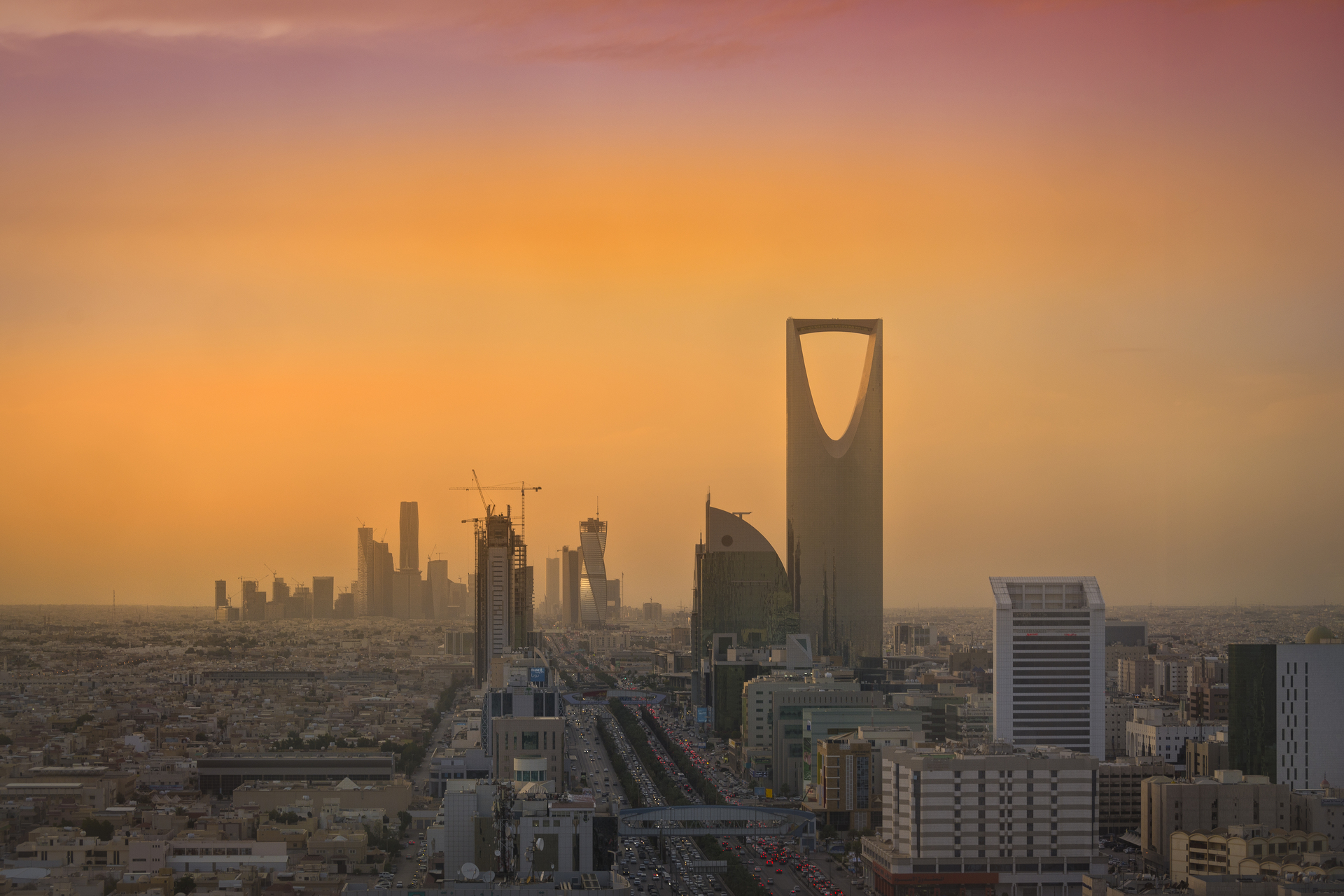
The fiscal mathematics create a perverse dependency on both outcomes. If the MOU is signed, Goldman Sachs models 800,000 barrels per day of Iranian crude returning to global markets within six months, pushing Brent toward a “Quick Peace” scenario of $80 by end-2026 and $65 through 2027 — further below breakeven than today’s price and deeper into the deficit spiral that has already driven PIF cash to a six-year low of $15 billion. If the MOU collapses, the PGSA toll system continues extracting $2 million per transit through Hormuz while Saudi Arabia hemorrhages Asian market share it will not recover, and Aramco’s quarterly dividend already exceeds its free cash flow at a coverage ratio of 0.85x. Saudi Arabia needs the deal to land at a price level that exists in no analyst’s model: high enough to fund the budget, low enough to not require Iranian crude flooding the market, and anchored to verification terms the IAEA cannot currently provide.
The unanchored number — 440.9 kilograms, measured once, nearly a year ago, at facilities now sealed and unmonitored — is the load-bearing element of Saudi Arabia’s implicit bet on the MOU. If the deal’s HEU removal clause is satisfied with a figure Iran self-reports and the IAEA accepts under political pressure rather than physical verification, Riyadh will have staked its post-oil transition, its sovereign wealth trajectory, and its remaining debt capacity on a deal whose central technical claim was never independently confirmed during the only window when confirmation was possible. If the clause fails because the verification gap proves insurmountable, the deal stalls indefinitely and Saudi Arabia’s $17–20 per barrel shortfall compounds by roughly $150–180 million per day.
What Does a Deal Without a Baseline Actually Guarantee?
Trump’s edit demands a timeline for material the IAEA cannot locate, in quantities the IAEA cannot confirm, at facilities the IAEA cannot enter. The deal’s central technical claim was verifiable only during a window that closed ninety-three days ago and has not reopened. Every MOU draft, every presidential demand, every Senate opposition letter, and every Israeli condition traces back to a single figure recorded once, nearly a year ago, by inspectors who have not been inside the country since. Whether that number still describes anything real is the question no one at the table can answer — and the one question on which the entire architecture depends.
On the same day this verification blackout passed its ninety-third day, Trump went on Fox News and declared that Iran had already “agreed” to forgo nuclear weapons — a claim delivered hours after the IAEA reported a “record” Iranian HEU stockpile that no inspector has physically confirmed in ninety-three days. Why the IAEA record finding and Trump’s “agreed” declaration cannot both be true.
Frequently Asked Questions
Could Iran have enriched uranium beyond 60% during the ninety-three-day blackout?
It is technically possible but strategically unlikely at significant scale. Iran’s advanced IR-6 centrifuges at Fordow — buried under approximately 80 meters of rock near Qom — survived the June 2025 airstrikes largely intact according to IISS assessments and could theoretically produce 90%-enriched uranium in small quantities within weeks. However, breakout to weapons-grade at volume would require reconfiguring cascade arrangements, a process detectable through atmospheric sampling even without on-site inspectors, and would constitute an unambiguous escalation during active MOU negotiations that could trigger renewed military action. The IAEA’s remote environmental monitoring programs, while significantly degraded since February 28, retain some satellite-based detection capability for gaseous emissions associated with high-enrichment operations.
Has any state ever voluntarily transferred near-weapons-grade uranium under comparable conditions?
No comparable precedent exists in the history of nuclear nonproliferation. The closest analogues — South Africa’s voluntary disarmament (1989–1991), Kazakhstan’s Project Sapphire (1994, in which the US covertly airlifted 600 kg of HEU with full host-state cooperation), Belarus’s return of Soviet-era weapons to Russia (1996), and Libya’s 2003 renunciation — all occurred in peacetime, with functioning verification regimes, identified recipient states, and uncoerced state consent. Iran has categorically refused transfer, exists in a state of post-war hostility with any likely recipient, and has conditioned any cooperation on sanctions relief the MOU has not committed to provide — making it the first case in which a state is being asked to surrender near-weapons-grade material under active diplomatic coercion, without baseline verification, and against an explicit supreme leader directive.
What role could Russia play in removing Iran’s enriched uranium?
Russia is the only state with operational experience receiving Iranian nuclear material at scale, having accepted delivery of 11,000 kilograms of LEU under the JCPOA in December 2015. However, the 2026 geopolitical context makes Moscow a far less reliable partner than it was seven years ago: Russia’s ongoing war in Ukraine, Western sanctions on its financial and energy sectors, and its commercial nuclear cooperation with Iran (including Bushehr reactor fuel supply) create competing incentives that did not exist during the JCPOA transfer. Any Russia-mediated arrangement would also require a separate bilateral framework between Moscow and Tehran, effectively adding a third negotiating track to a US-Iran process that has already stalled over two — and Russia has shown no interest in volunteering for a role that would complicate its own relationship with an active nuclear customer.
What happens if the IAEA formally certifies it cannot establish a verified baseline?
The IAEA Board of Governors would face a choice between accepting a politically negotiated figure — effectively endorsing Iran’s self-reported data without independent verification — and referring the matter back to the UN Security Council under its statutory authority, which would complicate MOU implementation and potentially trigger the same sanctions architecture the deal is designed to unwind. Grossi’s April 2026 insistence that verification “must precede any agreement” suggests the Agency is positioning against political pressure to certify an unverified baseline. However, the Board has historically deferred to diplomatic momentum: in 2015, it closed the “possible military dimensions” investigation into Iran’s pre-2003 weaponization research despite incomplete technical answers, prioritizing the JCPOA’s broader diplomatic framework over full forensic resolution — a pragmatic compromise whose 2026 equivalent would leave the MOU’s HEU clause functionally unanchored from the start.
How does the IAEA verification gap affect nuclear proliferation risk across the Gulf?
The blackout creates what strategists describe as a Schrödinger’s proliferation problem: Gulf states must plan for the worst case — that Iran has advanced toward weaponization — without the IAEA data to confirm or rule it out. Saudi Crown Prince Mohammed bin Salman stated in a 2018 CBS interview that “if Iran developed a nuclear bomb, we will follow suit as soon as possible,” a commitment that does not require confirmed Iranian weaponization to trigger, only the perception of it, which the verification gap enables by default. The UAE’s existing 123 Agreement with the United States includes a “gold standard” enrichment renunciation clause, but Egypt, Turkey, and Saudi Arabia retain latent enrichment ambitions that a perceived Iranian breakout could accelerate — creating regional proliferation pressure not from an actual weapons test but from a verification failure that leaves every neighboring state unable to distinguish between Iranian restraint and Iranian concealment.
Each 72-hour courier cycle compounds that problem directly: with every delay in receiving the toughened MOU text, the IAEA’s unverified 93-day window stretches further, and the baseline keeps shifting. The 72-hour delay meaning the baseline keeps shifting — as Trump’s amended MOU travels by motorcycle courier to a bunker unreachable by phone or email — is the verification gap’s diplomatic twin: both the number and the reply are unknowable until someone delivers paper by hand.