
TEHRAN — Iran’s Strait of Hormuz toll scheme has been operational for 36 days and has collected zero dollars. Sixty transit permits issued, eight payment requests sent to vessel operators, not a single payment received, according to Iran International — a record of commercial failure so complete that the supreme leader’s office has begun discussing whether to strip the revenue-collection role from Ali Akbar Ahmadian Zolghadr, the SNSC secretary who oversees it. The scheme was supposed to generate the revenue that justified the IRGC’s chokepoint control. Without it, the Iranian state is running a blockade at full operational cost and zero fiscal return, and the one internal argument for pragmatism — that Hormuz control could fund the war economy — is dead.
n
The toll’s failure matters beyond its balance sheet. Pezeshkian had staked what remains of his domestic credibility on the proposition that coercive sovereignty over Hormuz could be monetized, buying time against an economy his own Central Bank warns could reach 180% inflation with a 12-year recovery horizon. That proposition has been tested and answered. What remains is a coercive apparatus with no commercial incentive to moderate. The IRGC absorbed the reputational cost, the diplomatic isolation, and the international legal condemnation of claiming “full authority” over the strait — and received nothing in return.
n
Table of Contents
n
The Middle East briefing 3,000+ readers start their day with.
One email. Every weekday morning. Free.
- n
- The Arithmetic of Failure
- Why Has No Shipping Company Paid Iran’s Hormuz Toll?
- The Legal Case Against Iran’s Toll
- What Does Zero Revenue Mean for Iran’s Internal Power Struggle?
- The Pezeshkian Trap
- The April 17 Reversal
- How Does the Toll Failure Affect Ceasefire Negotiations?
- Who Controls Hormuz If the Toll Fails?
- Frequently Asked Questions
- n
n
n
n
n
n
n
n
n
n
n
n
n
The Arithmetic of Failure
n
The numbers are unambiguous. Since March 13, when the IRGC began enforcing its toll regime, 142 vessels have transited the Strait of Hormuz. Of those, 67% carried direct Iranian affiliation — Iranian-flagged, Iranian-owned, or operating under IRGC coordination. The proportion has risen since; 90% of recent transits are Iranian or Iranian-affiliated. The toll was never designed to extract payment from Iran’s own fleet. It targeted the remaining 10-15% of non-Iranian, non-Chinese commercial traffic — a pool that, by mid-April, had shrunk to almost nothing.
n
Iran International reported on April 16 that “weak management of the process” explained the zero-collection outcome. The framing is generous. India’s government stated explicitly that no fees were paid for Indian vessel passages through the coordinated route. Hapag-Lloyd confirmed it has no vessels waiting to enter the strait and continues to avoid it entirely. Maersk is “closely monitoring” — the shipping industry’s diplomatic synonym for staying away.
n
CMA CGM and Frontline, two of the world’s largest container and tanker operators, declined to comment on the toll at all. Their silence, in an industry that typically engages publicly with port fees and transit charges, tells its own story.
n
n
| Metric | Figure | Source |
|---|---|---|
| Total vessel transits | 142 | Lloyd’s List |
| Iranian-affiliated transits | ~95 (67%) | Lloyd’s List |
| Transit permits issued | ~60 | Iran International |
| Payment requests sent | 8 | Iran International |
| Revenue collected | $0 | Iran International |
| Vessels paying yuan tolls | 2 (unconfirmed by Iran) | Lloyd’s List |
| IRGC toll rate per vessel | Up to $2 million | Bloomberg |
| Current daily throughput (April 17) | 5-6 cargo ships, 1 tanker | Lloyd’s List/situation map |
n
n
The revenue projections that accompanied the toll’s announcement look absurd in retrospect. Bloomberg-cited estimates of $600-800 million per month assumed near-normal traffic volumes — roughly 60-70 laden transits per day. Actual throughput on April 17 was five to six cargo ships and a single tanker. Umud Shokri, writing in Iran International on April 14, put realistic annual revenue at $1-2 billion “even under optimistic assumptions,” a figure that itself assumed traffic levels several multiples above what currently exists. At 90%-below-normal volumes and a zero-percent collection rate, the realistic monthly revenue is not $600 million. It is nothing.
n
Why Has No Shipping Company Paid Iran’s Hormuz Toll?
n
No major shipping company has paid Iran’s Hormuz toll because doing so would expose vessel operators to US anti-terrorism sanctions, EU restrictive measures, and potential criminal liability. The IRGC remains designated as a Foreign Terrorist Organization by the US State Department, and any payment — whether in dollars, yuan, or cryptocurrency — constitutes material support to a designated entity. The toll’s payment architecture, routed through Kunlun Bank via CIPS or through Bitcoin and USDT wallets linked to Iranian-affiliated firms, does not insulate payers from this liability.
n
Claire McCleskey of Clarity Compliance Consulting told Lloyd’s List that “the IRGC remains a Foreign Terrorist Organization, as designated by the US State Department.” Manny Levitt of Holland & Knight went further: even the now-expired General License U — which had provided a narrow compliance pathway for certain Iran-related transactions — may not have covered toll payments to the IRGC, and UK and EU sanctions apply independently of any US license. Material support to Foreign Terrorist Organizations carries separate anti-terrorism liability under US law, a category of risk that no publicly traded shipping company can absorb.
n
The toll scheme also fails on its own commercial terms. The IRGC charges up to $2 million per vessel for transit — a figure orders of magnitude above any comparable maritime fee. The Suez Canal, which maintains a 193-kilometer artificial waterway at enormous operational cost, charges $200,000-$700,000 per transit. Iran is charging comparable or higher rates for passage through a natural strait while providing no navigational service. As Mark Nevitt, a retired Navy JAG commander now at Emory University, wrote in Just Security: the fee is “neither linked to any service nor applied without discrimination — it is a selective toll imposed for purely coercive purposes.”
n
The discrimination is explicit. The parliamentary legislation codified on March 31 — 18 days after the toll began operating, an inversion of the normal relationship between law and enforcement — bars US- and Israel-linked vessels at any price while exempting Russian, Chinese, Indian, Iraqi, and Pakistani traffic through diplomatic arrangement. India has confirmed it paid nothing.
n
n
The Legal Case Against Iran’s Toll
n
The international legal consensus against the toll is unusually unified. Arsenio Dominguez, the IMO Secretary-General, stated between April 9 and April 12 that “countries do not have the right to introduce tools or payments or charges on these straits,” calling the scheme “illegal” and warning it would set a “dangerous precedent.” The IMO Legal Committee, meeting in London, heard member nations oppose the toll; the UAE explicitly welcomed the condemnation.
n
Nevitt’s analysis in Just Security identifies three distinct UNCLOS violations. Article 37 qualifies Hormuz as an “international strait” — a classification that guarantees non-impeded passage for all vessels. Article 26 prohibits states from levying charges on foreign vessels “merely for passage” and permits fees only for “specific services rendered to the transiting vessel, applied without discrimination.” Iran meets neither condition. Third, Iran cannot invoke the Montreux Convention analogy — that treaty governs the Turkish Straits under a specific multilateral framework that has no parallel at Hormuz.
n
Iran has not ratified UNCLOS. This does not provide the legal shelter Tehran’s parliamentary advocates suggest. Transit passage through international straits is recognized as customary international law, binding on all states regardless of treaty ratification. Nevitt described it as “a foundational right under customary international law and UNCLOS” that “is not a privilege that Tehran may selectively grant or monetize.”
n
Oman — Iran’s most sympathetic Gulf neighbor and the country that shares the strait’s southern shore — rejected the scheme. Transport Minister Said Al-Maawali stated that Oman had “signed all international maritime transport agreements” that prohibit transit fees and could not agree. When your closest geographical partner in controlling a waterway tells you the fee is illegal, the legal argument is over.
n
n
Countries do not have the right to introduce tools or payments or charges on these straits. This is illegal and should be rejected by the international community.
n
Arsenio Dominguez, IMO Secretary-General, April 9-12, 2026n
n
n
The only conceivable legal workaround, identified by maritime analyst C. Uday Bhaskar, involves charging for demining services — fees rendered for a “specific service” could be permissible under Article 26. But this requires Iran to admit it mined the strait, accept liability for the mines, and then charge the vessels it endangered for removing the hazard. No state has attempted this argument with a straight face.
n
What Does Zero Revenue Mean for Iran’s Internal Power Struggle?
n
The toll scheme’s commercial failure has collapsed the only remaining fiscal argument for the IRGC’s Hormuz operation. When the scheme launched in March, it served dual purposes inside Tehran’s fractured decision-making apparatus: the IRGC got sovereignty assertion and chokepoint control; Pezeshkian got a revenue stream he could point to as evidence that confrontation was generating income, not just burning reserves. That bargain required the toll to collect money. It has not.
n
Iran International reported on April 16 that the supreme leader’s office — operating through intermediaries during Khamenei’s now 49-day public absence — has discussed removing Zolghadr from the toll’s revenue-collection role and reassigning oversight to Pezeshkian. The proposal is exquisitely punitive. Zolghadr, the SNSC secretary, simultaneously blocked the Islamabad ceasefire negotiations (his “deviation from delegation’s mandate” report on April 14 triggered the walkout) and failed to collect a single dollar from the toll operation he oversees. Handing the bankrupt scheme to a president who has zero IRGC authority under Article 110 transfers blame without transferring power.
n
The Central Bank’s assessment of the broader economy makes the toll failure more consequential. In a memo reported by Iran International and Israel Hayom on April 13-14, the bank warned Pezeshkian that inflation could reach 180%, that rebuilding the war economy would take 12 years, and that unemployment had risen by approximately two million since hostilities began. Food prices are up 40% since the war started; bread and grain prices have risen 140%, cooking oil 200%. Pezeshkian has privately assessed “total economic collapse within 3-4 weeks” without a ceasefire.
n
Against that backdrop, a toll scheme producing zero revenue is not a bureaucratic embarrassment. It is the evaporation of Pezeshkian’s last domestic argument — that IRGC confrontation could be channeled into something that generates income rather than simply consuming it.
n
The Pezeshkian Trap
n
Pezeshkian’s position has narrowed to a corridor with no exit. On April 4, he publicly accused Vahidi and Abdollahi of wrecking ceasefire negotiations — an extraordinary step for an Iranian president, naming IRGC-aligned officials as saboteurs. The accusation was accurate. Zolghadr’s report on April 14, documenting “deviation from the delegation’s mandate” at Islamabad, confirmed that the SNSC apparatus had deliberately undermined the talks Pezeshkian’s Foreign Ministry was conducting.
n
But accuracy did not produce authority. Article 110 of Iran’s constitution vests command of the armed forces in the supreme leader, not the president. Pezeshkian can accuse IRGC commanders of sabotage on national television. He cannot order them to stop. The FDD’s assessment that “five men run Iran” does not include Pezeshkian among them. Nader Izadi of the University of Rhode Island documented a 35-point swing toward public support for IRGC political involvement since April 2024 — the domestic constituency for military restraint, such as it was, has eroded.
n
The proposal to hand Pezeshkian oversight of the toll scheme completes the trap. If he accepts, he inherits an operation that the IRGC built, that international law condemns, that no shipping company will pay, and that the IRGC retains operational control over regardless of nominal oversight. If the scheme continues to collect nothing — and it will — the failure accrues to Pezeshkian’s ledger. If he refuses, he confirms his irrelevance.
n
Vahidi, meanwhile, holds an INTERPOL red notice for the 1994 AMIA bombing in Buenos Aires. He sits on the SNSC. His operational deputy, Abdollahi, commands Khatam al-Anbiya — the IRGC’s construction and logistics empire. Pakistan’s intelligence chief Munir visited Khatam al-Anbiya headquarters on April 16, the day Iran International broke the zero-revenue story. The enforcement architecture that Pakistan is building to salvage ceasefire prospects runs through commanders that Pezeshkian has publicly accused and cannot control.
n
n
The April 17 Reversal
n
The zero-revenue reality surfaced publicly through the Araghchi episode on April 17-18. Foreign Minister Araghchi declared Hormuz “completely open” on April 17, a statement consistent with the Lebanon ceasefire framework and his ministry’s diplomatic posture at Islamabad. Within hours, the IRGC’s joint command reversed him through Tasnim News Agency, stating the strait had “returned to previous state, strict management and control.”
n
The IRGC media apparatus did not merely contradict Araghchi. It disciplined him. Tasnim called his tweet “a bad and incomplete tweet that created misleading ambiguity about the reopening of the Strait of Hormuz.” Fars News Agency demanded officials “explain the reason for your lack of explanation,” warning that the narrative gap had given “the enemy and hostile media” an opening. Mehr News Agency accused Araghchi of providing “the best opportunity for Trump to go beyond reality, declare himself the winner of the war and celebrate victory.”
n
Parliamentary Speaker Ghalibaf — himself a former IRGC Aerospace Force commander (1997-2000) — validated the override with operational language: “Social media don’t govern the Strait of Hormuz.” Lawmaker Mahmoudi threatened impeachment. The reversal took less than a day.
n
What the IRGC media ecosystem did not report was the toll’s zero-collection record. Tasnim, Fars, and Mehr focused exclusively on Araghchi’s messaging failure, not on the commercial failure of the scheme they had championed. The omission is telling. The IRGC can publicly humiliate the foreign minister for suggesting Hormuz might reopen. It cannot publicly acknowledge that its toll regime — the sovereignty assertion it fought internally to impose — has produced nothing.
n
How Does the Toll Failure Affect Ceasefire Negotiations?
n
The toll’s failure removes the fiscal incentive for restraint that Pezeshkian and the Foreign Ministry represented in internal deliberations. At Islamabad, Araghchi reportedly came “inches away” from a memorandum of understanding before Vance walked out. The toll revenue — had it materialized — would have given pragmatists an answer to the IRGC’s maximalist position: Hormuz control generates income; a managed reopening under Iranian terms is better than an international blockade that generates nothing.
n
That argument is now empirically refuted. The IRGC controls Hormuz, charges $2 million per transit, and has collected zero dollars. The logical next move for IRGC hardliners is not to lower the price or broaden exemptions — it is to argue that the toll was always a distraction from Hormuz’s real value, which is coercive leverage over Gulf oil exporters and their Western customers. Revenue was Pezeshkian’s frame. Sovereignty and pressure are Vahidi’s.
n
The ceasefire’s structural problem — what previous reporting has called the authorization ceiling — grows more rigid when the pragmatic alternative fails on its own terms. Pezeshkian cannot argue that restraint pays when his showcase revenue scheme has produced a blank ledger. Zolghadr’s potential removal, if it occurs, would not signal moderation. Zolghadr blocked the ceasefire and failed to monetize the blockade. His replacement, operating under the same Article 110 constraints, would inherit the same structural incentives — with the additional lesson that trying to make Hormuz commercially productive was a waste of institutional effort. The parallel nuclear track — where Iran’s unmonitored HEU stockpile and Saudi Arabia’s stalled 123 Agreement converge — is examined in Iran’s Nuclear Clock and Saudi Arabia’s Closing Window.
n
The ceasefire expires April 22. Four days remain. The US blockade effective April 13 applies to Iranian ports and toll-collecting vessels but not to all Hormuz transit, a calibrated scope that gives Iran a path to de-escalation without formal capitulation. Whether anyone in Tehran’s decision-making apparatus is positioned to take that path — with Khamenei absent, Pezeshkian powerless, and the toll scheme’s failure confirming the IRGC’s conviction that compromise yields nothing — is the operative question.
n
| Estimate | Projected Revenue | Assumptions | Source |
|---|---|---|---|
| Iranian-aligned commentary | $40-100 billion/year | Full traffic, universal compliance | Tasnim/Mehr News, March 2026 |
| Bloomberg-cited analysts | $600-800 million/month | Near-normal traffic volumes | Bloomberg, April 2026 |
| Umud Shokri (realistic) | $1-2 billion/year | Partial traffic, partial compliance | Iran International, April 14 |
| Actual collection (36 days) | $0 | N/A | Iran International, April 16 |
n
n
n
Who Controls Hormuz If the Toll Fails?
n
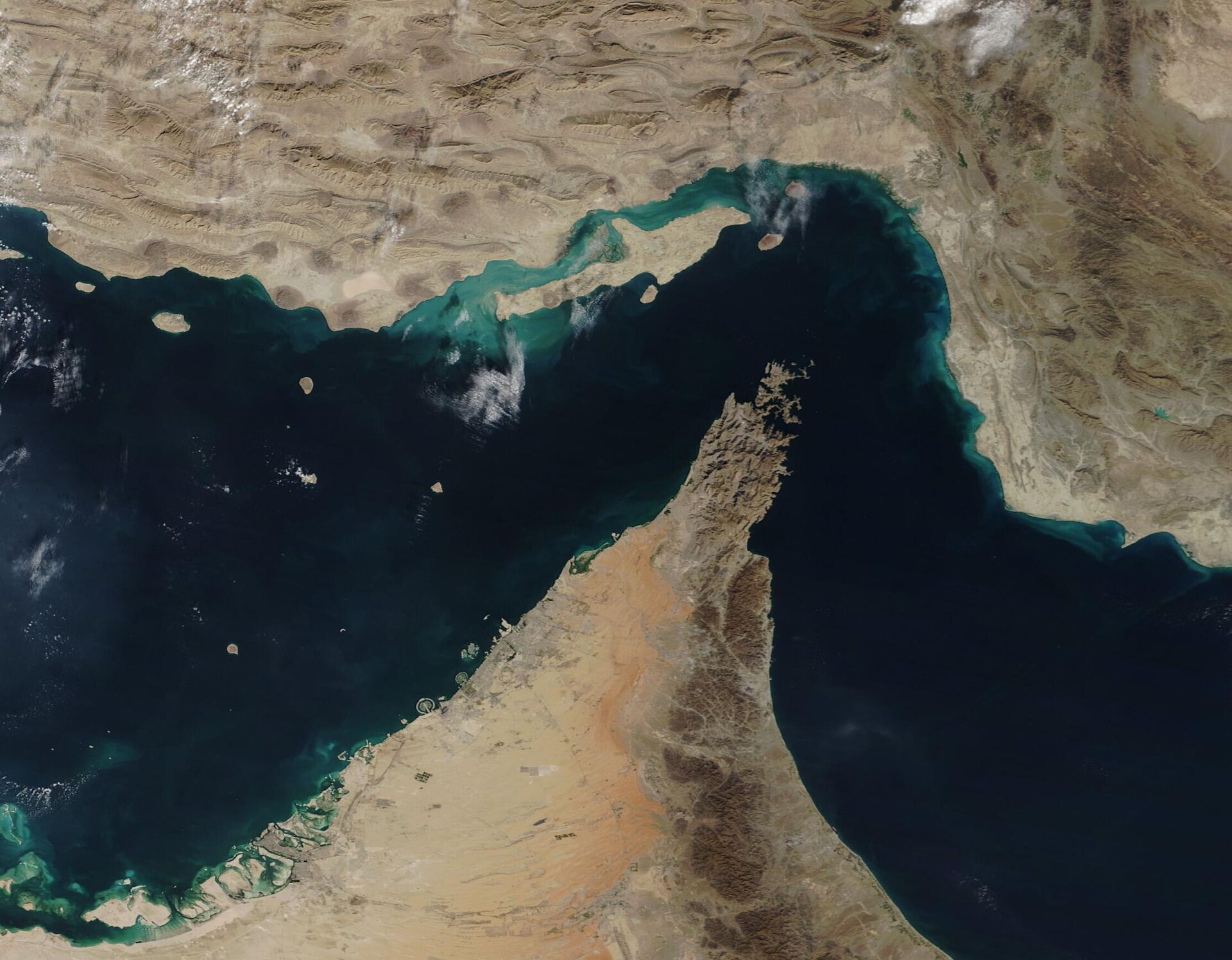
The toll scheme’s collapse does not mean the IRGC has lost control of the strait. It means the IRGC controls the strait without generating revenue from it — a distinction that matters for Iranian domestic politics but not for the 150-plus tankers anchored outside the Persian Gulf waiting for conditions to change.
n
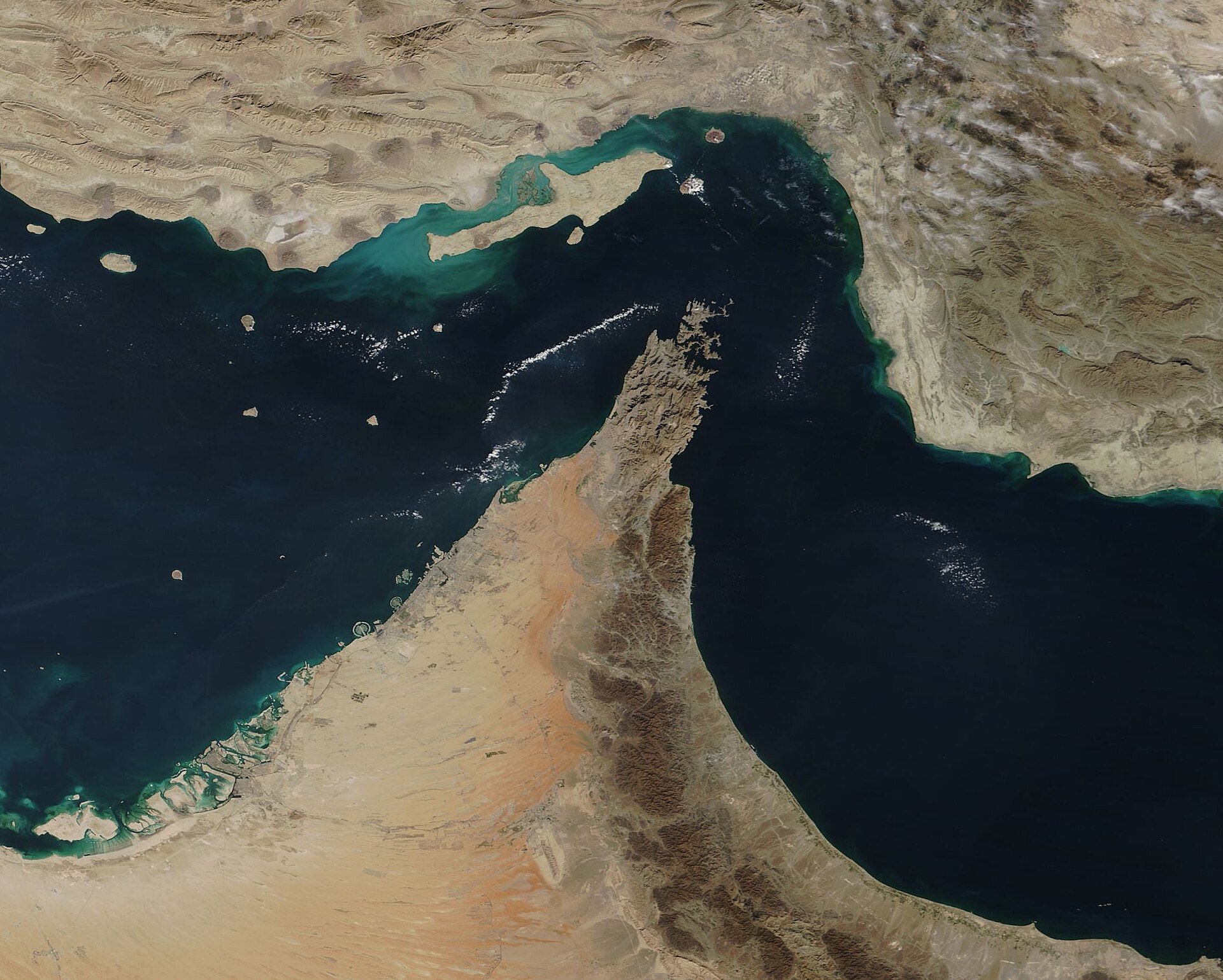
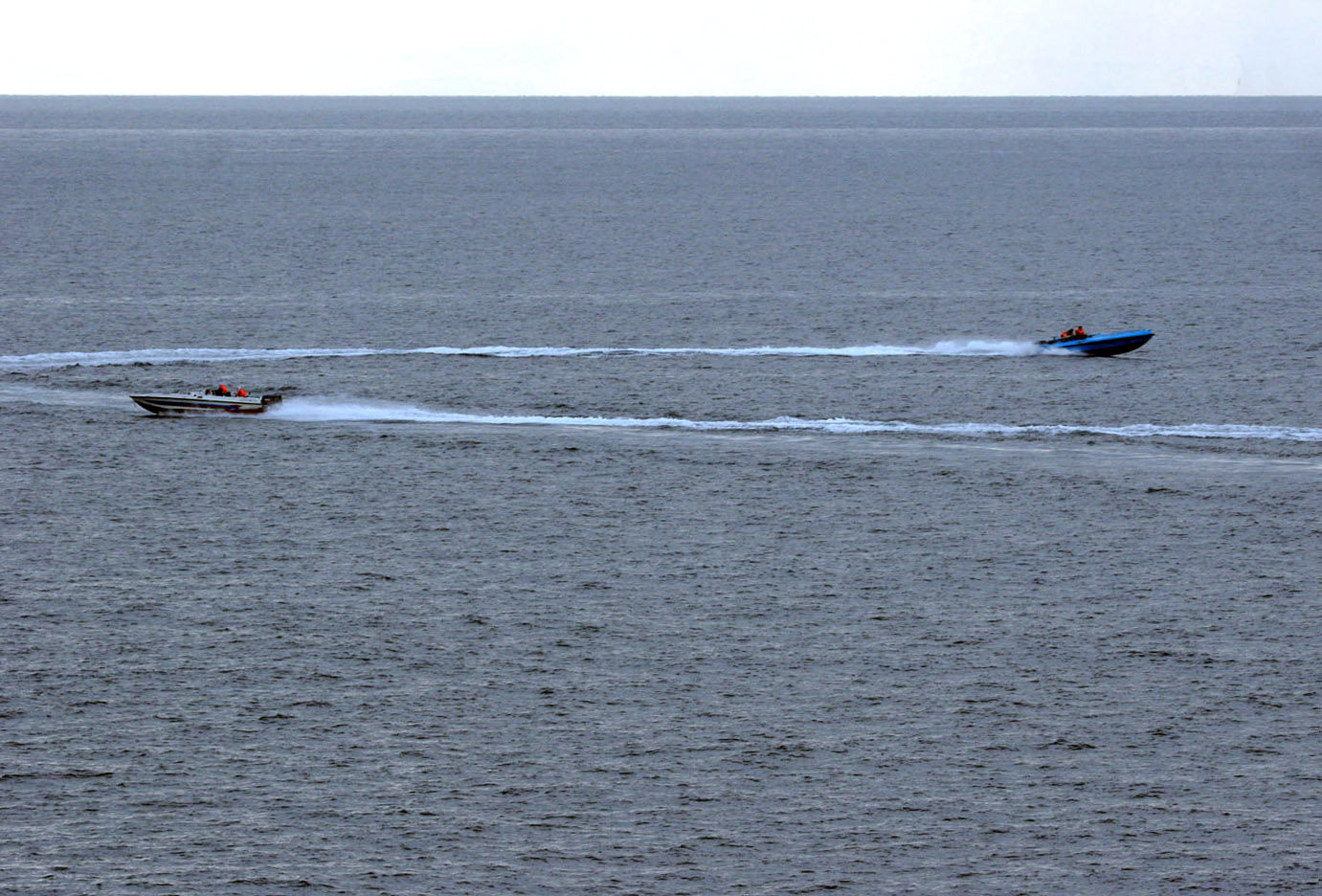
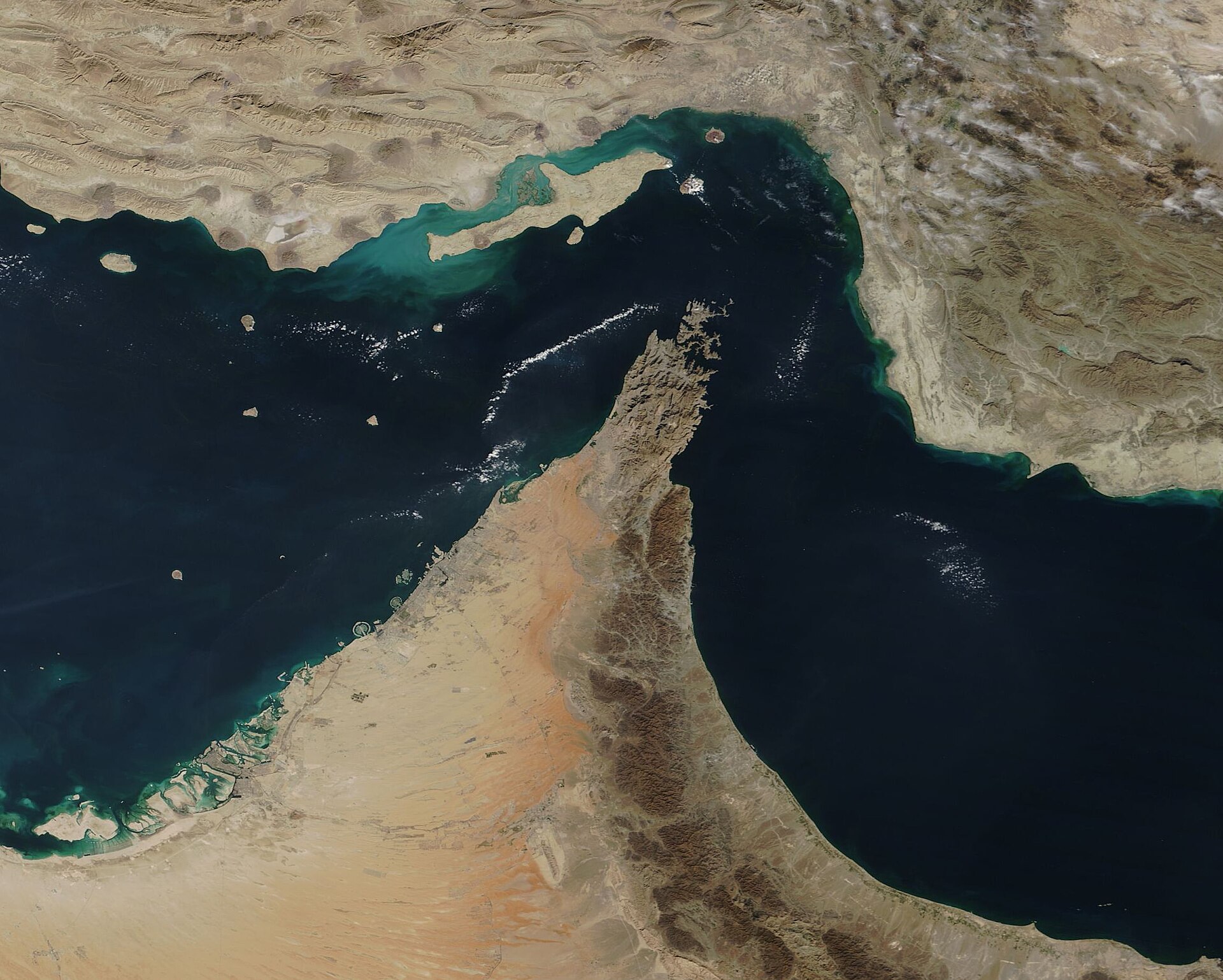
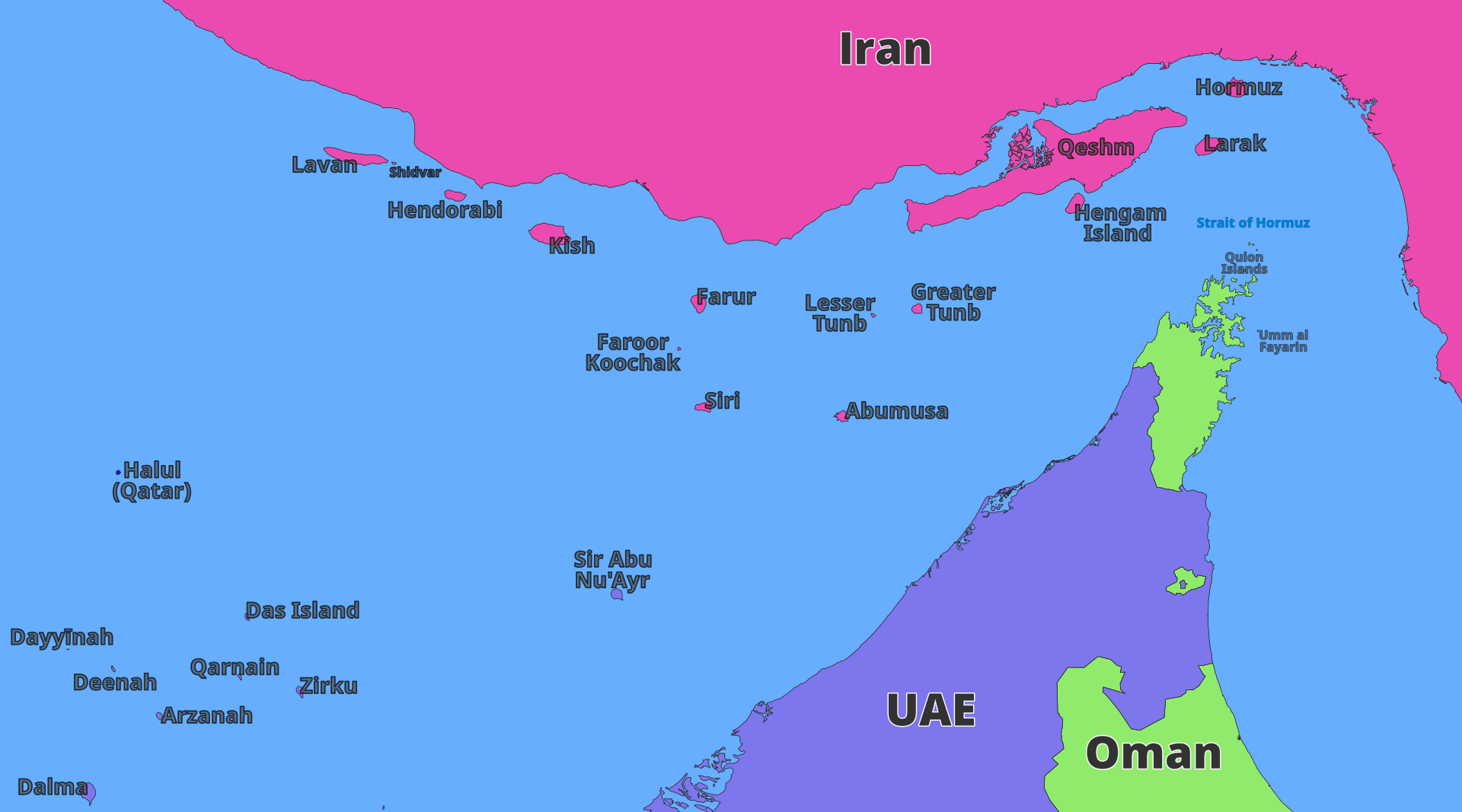
The IRGC Navy declared “full authority to manage the Strait” on April 5 and again on April 10. Vessels transit through a five-nautical-mile corridor between Qeshm and Larak islands, inside Iranian territorial waters, after receiving VHF-broadcast passcodes from IRGC controllers. The operational infrastructure remains intact. Admiral Tangsiri, the IRGC Navy commander, was killed on March 30; no named successor has been announced in 19 days. The command is headless but operational — decentralized authority that continues to function because the individual units need no top-down authorization to turn vessels away.
n
Actual throughput on April 17 — Lloyd’s List recorded five to six cargo ships and one tanker — represents roughly 3.8 million barrels per day against a pre-war flow of approximately 21 million bpd of petroleum products. The IRGC has achieved an 82% reduction in Hormuz traffic without collecting a dollar in toll revenue. By any military measure, the chokepoint operation is working. By any fiscal measure, it is not.
n
The 1980s offer a precedent. During the Tanker War and Operation Earnest Will (1987-1988), Iran attempted to control and selectively disrupt Hormuz traffic. It never successfully monetized that control either. The difference in 2026 is that Iran formalized the attempt through legislation, built payment infrastructure through Kunlun Bank and cryptocurrency wallets, set specific per-vessel rates, and still could not convert coercion into commerce. The gap between the capacity to obstruct and the capacity to monetize is a structural feature of Hormuz geography: you can make the strait dangerous, but you cannot make it profitable, because the ships you can threaten are the same ships whose operators cannot legally pay you.
n
An unnamed Iranian deputy foreign minister told Al Jazeera: “We are now in a state of war, and wartime conditions cannot be governed by peacetime rules.” Wartime conditions at Hormuz have produced wartime traffic volumes approximately 90% below pre-war normal — and toll revenues of zero.
n
Saudi Arabia’s East-West Pipeline bypass now carries the bulk of Saudi exports through Yanbu, with an effective ceiling of 4-5.9 million bpd against a pre-war Hormuz throughput of 7-7.5 million bpd for Saudi crude alone. The bypass is imperfect — a structural gap of 1.1-1.6 million bpd that the Trump “joint venture” proposal and various diplomatic frameworks have tried to address. But it means the primary economic victim of Hormuz disruption is Iran itself, which has lost its own export capacity through the strait while failing to tax anyone else’s.
Even with Brent at $101.91 on April 22, the Yanbu ceiling means Saudi Arabia is earning $93 million per day less than its pre-war baseline — the arithmetic behind that paradox is analysed in Saudi Oil Revenue Falls $93 Million a Day Below Pre-War Baseline Despite Brent Crossing $101.
n
n
Transit passage is a foundational right under customary international law and UNCLOS. It is not a privilege that Tehran may selectively grant or monetize.
n
Mark P. Nevitt, Emory University / retired Navy JAG Commander, Just Security, April 2026n
n
n
Frequently Asked Questions
n
Has any country formally recognized Iran’s right to charge Hormuz tolls?
n
No country has formally recognized the toll. Russia and China, which benefit from diplomatic exemptions, have avoided endorsing the legal framework while accepting preferential transit arrangements. Pakistan, which is attempting to mediate the broader conflict, has not commented on the toll’s legality. The closest Iran came to a legal endorsement was the parliamentary National Security and Foreign Policy Committee’s March 31 vote advancing the legislation domestically — a unilateral act with no international legal weight. The IMO’s Legal Committee meeting in London saw broad opposition, with the UAE explicitly welcoming the Secretary-General’s condemnation.
n
What payment methods did Iran set up for the toll, and why haven’t they worked?
n
Iran established two payment channels: yuan-denominated transfers through Kunlun Bank via CIPS (China’s alternative to SWIFT), and cryptocurrency payments in Bitcoin or USDT through firms with Iranian affiliation. Lloyd’s List reported that at least two vessels made yuan payments, though Iran has not confirmed these. The channels failed commercially because they do not resolve the underlying sanctions exposure. Paying the IRGC — regardless of currency or routing — constitutes material support to a US-designated Foreign Terrorist Organization. OFAC’s General License U, which expired at 12:01 AM EDT on April 19 without renewal, never clearly covered toll payments even when active. UK and EU sanctions apply independently, creating a compliance thicket that no major shipping company’s legal department will approve.
n
Could Iran restructure the toll to make it legally viable?
n
Maritime analyst C. Uday Bhaskar identified one narrow pathway: charging for demining services, which could qualify as a “specific service rendered” under UNCLOS Article 26. This would require Iran to formally acknowledge it mined the strait — accepting liability under international humanitarian law — and then charge the vessels it endangered for hazard removal. No state has attempted this legal construction. More fundamentally, the toll’s discriminatory structure (exempting allies, barring adversaries) violates Article 26’s non-discrimination requirement regardless of how the fee is characterized. A restructured toll applied uniformly to all vessels, at a rate proportional to service cost, and administered by a non-sanctioned entity would be a different instrument entirely — and would contradict the IRGC’s stated purpose of using Hormuz control as sovereign leverage.
n
How does the toll failure compare to Iran’s 1980s Hormuz operations?
n
During the 1980-1988 Iran-Iraq War and specifically during Operation Earnest Will (1987-1988), Iran attacked commercial shipping in the Persian Gulf — hitting 190 vessels between 1984 and 1988 — but never attempted to formalize or monetize chokepoint control through a toll mechanism. The 2026 scheme represents Iran’s first effort to convert Hormuz disruption into a structured revenue stream, complete with parliamentary legislation, designated payment infrastructure, and per-vessel pricing. Its failure at the collection stage, despite far more sophisticated financial and operational architecture than existed in the 1980s, suggests the problem is structural rather than administrative: the same sanctions regime that makes Hormuz disruption strategically valuable to Iran makes toll collection commercially impossible.
n
What is Zolghadr’s role and why might he be removed?
n
Ali Akbar Ahmadian Zolghadr serves as secretary of Iran’s Supreme National Security Council, a body that under Article 176 of the constitution coordinates defense and security policy under the supreme leader’s authority. He oversees both the toll scheme’s implementation and Iran’s ceasefire negotiating posture. His April 14 report documenting “deviation from the delegation’s mandate” at Islamabad — a reference to concessions Araghchi reportedly offered without SNSC authorization — triggered the walkout that collapsed the latest ceasefire round. He is simultaneously responsible for the toll’s commercial failure and the ceasefire’s diplomatic failure. The proposal to reassign toll oversight to Pezeshkian does not remove Zolghadr from the SNSC or reduce his authority over negotiations; it transfers the toll’s fiscal embarrassment to a president who lacks constitutional authority over the IRGC forces actually operating the scheme.
n
The toll’s commercial impotence has now been accompanied by a reversion to direct coercion: IRGC gunboats fired on a tanker without VHF warning on April 18, less than 18 hours after Araghchi declared Hormuz “completely open.” Gunboat enforcement, unlike toll collection, requires no payment infrastructure or Iranian banking access — confirming that the zero-revenue toll was never the operational centre of gravity. The logic of direct coercion advanced further on April 19, when USS Spruance fired on and boarded the Iranian container ship Touska in the Gulf of Oman — the first physical vessel seizure under Operation Epic Fury — demonstrating that the US blockade had shifted from administrative interdiction to kinetic enforcement.
n
The revenue that Iran has failed to collect contrasts sharply with the $105-per-barrel ceasefire surplus that US producers and Gulf-route refiners are capturing: the full fiscal asymmetry is mapped in Trump’s $200 Oil and the War America Considers Cheap.
n
Iran subsequently confirmed a first toll deposit into the Central Bank on April 23, ending the zero-collection streak — though the money trail leads through IRGC payment channels rather than a conventional banking pathway, and the IRGC seized two vessels the same day the deposit was announced.
n