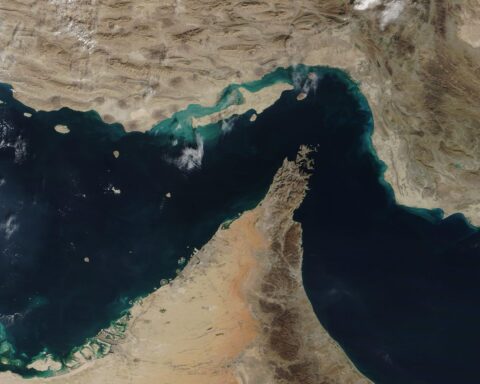

DHAHRAN — Brent crude closed at $101.91 on April 22, its biggest single-day rally since the ceasefire was first announced, and Saudi Arabia is losing money on every barrel it cannot ship through the Strait of Hormuz. The price jumped more than 3 percent after the IRGC seized two foreign vessels in the strait and Tehran cancelled the next round of Islamabad talks, but the rally that should feel like vindication instead exposes an arithmetic problem that no amount of geopolitical risk premium can fix: Saudi Arabia is earning higher prices on catastrophically lower volume, and the gap between what Brent says and what the treasury receives has become the war’s most consequential number.
At 7.25 million barrels per day — the IEA’s estimate of Saudi March production, down from 10.4 million bpd before the war — the kingdom’s estimated daily oil revenue sits at roughly $739 million, which is $93 million per day less than what it earned at $80 Brent and full output in February. The price is up $22 a barrel; the revenue is down. And on the same day Brent crossed $101, Riyadh’s National Debt Management Center completed a SAR 16.95 billion ($4.52 billion) domestic sukuk issuance whose longest tranche matures in 2041 — fifteen years from now, a maturity horizon that does not describe bridge financing for a short disruption.
Table of Contents
What Drove the April 22 Rally
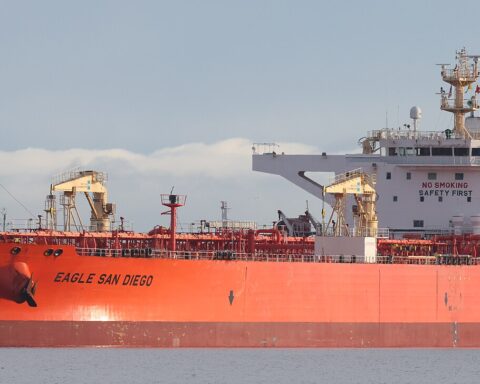
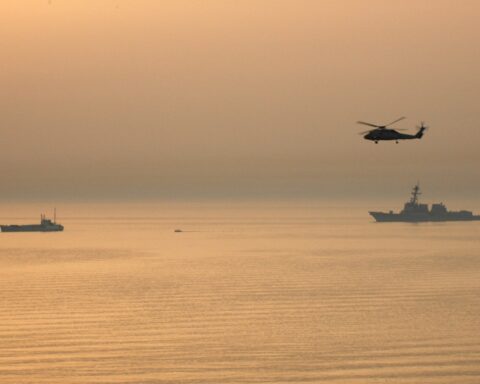
The immediate catalysts arrived in sequence and each one closed a door. The IRGC Navy seized two vessels — the MSC Francesca, a Panama-flagged container ship, and the Epaminondas, sailing under Liberian flag — claiming both had “endangered maritime security by operating without the required authorization and by tampering with navigation systems,” according to a statement carried by Tasnim. Parliament Speaker Mohammad Bagher Ghalibaf, whose own IRGC Aerospace Force command background (1997-2000) gives his pronouncements operational weight that a civilian politician’s would lack, declared that reopening the strait is “impossible” while the US naval blockade continues, per Euronews.
Then the Islamabad track collapsed. JD Vance’s planned second round of talks was suspended after Tehran refused to send negotiators, with Foreign Ministry spokesperson Esmail Baghaei citing “contradictory messages, contradictory behaviors, and unacceptable actions of the American side,” according to NBC News. Iranian presidential adviser Mahdi Mohammadi went further, telling Time that Trump’s ceasefire extension “means nothing” and “is certainly a ploy to buy time for a surprise strike.” The combined effect — physical seizures in the waterway and diplomatic refusal in the negotiating room — gave oil traders exactly the confirmation they had been hedging against: that Hormuz’s closure is hardening, not softening, into a new structural baseline.
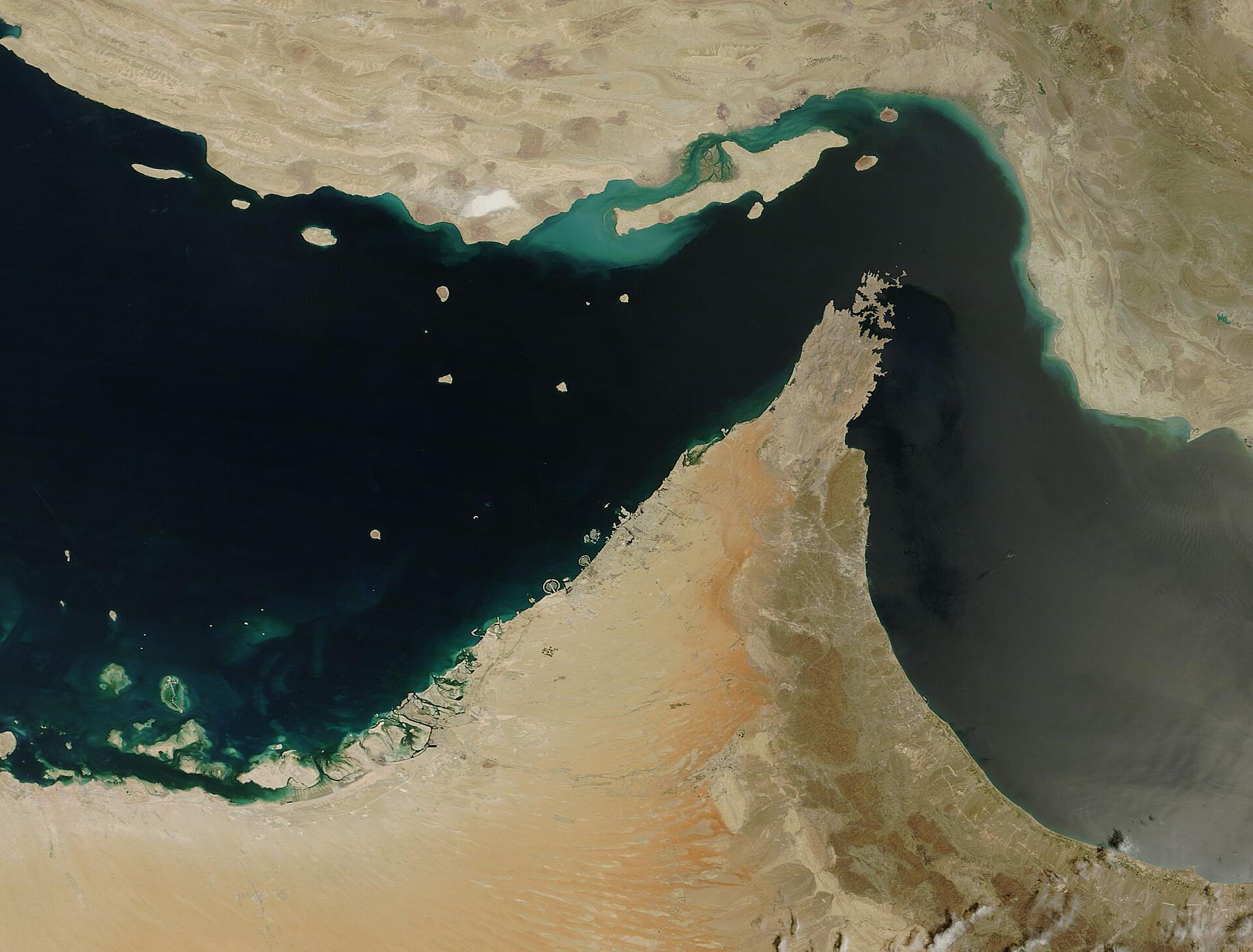
Bob McNally, founder of Rapidan Energy Group, had already framed Iran’s strategic patience in terms that the April 22 events vindicated. “They are ready to eat grass for six months to keep their chokehold on this jugular to wait for those oil prices to go even higher and eventually equities to go lower,” McNally told CNBC. “They think they are going to end up surviving this conflict having taught a lesson and maybe even with some control over the Strait of Hormuz.” When asked whether markets were delaying the price signals that might push the president toward resolution, McNally’s answer to OPB was two words: “Yes. Yes, it is.”
Why Higher Prices Mean Lower Revenue
The arithmetic is simple enough that its implications should be impossible to miss, yet none of the competing coverage on April 22 — not CNBC, not Investing.com, not PBS NewsHour — performed it. Saudi Arabia produced approximately 10.4 million bpd before the war began in late February, generating roughly $832 million per day at prevailing Brent prices near $80. By March, output had collapsed to 7.25 million bpd according to the IEA, a 30 percent decline that represents the sharpest monthly production drop in Saudi history outside deliberate OPEC cuts. At $101.91 Brent, those 7.25 million barrels generate approximately $739 million per day — a $93 million daily shortfall against the pre-war baseline, despite a $22 per barrel price increase.
The Middle East briefing 3,000+ readers start their day with.
One email. Every weekday morning. Free.
To match pre-war daily revenue at current output, Saudi Arabia would need Brent at approximately $114.76 per barrel, a threshold that has not been breached since the earliest days of the Hormuz closure when panic pricing briefly spiked above $109. The PIF-inclusive fiscal break-even, which Bloomberg Economics puts at $108-111 per barrel, already assumes pre-war production levels — an assumption that the IEA’s data renders obsolete. At current output, the effective break-even is substantially higher, and at $101.91, the kingdom is running a daily oil revenue deficit of roughly $43-65 million against even the pre-war break-even calculation.
| Scenario | Output (bpd) | Price Needed to Match Pre-War Revenue ($832M/day) | Gap vs. $101.91 Brent |
|---|---|---|---|
| Pre-war baseline | 10.4M | $80.00 | — |
| March 2026 (IEA) | 7.25M | $114.76 | -$12.85 |
| Yanbu export ceiling | ~5.0M | $166.40 | -$64.49 |
| PIF break-even (pre-war volume) | 10.4M | $108-111 | -$6-9 |
The February production figure tells its own story. Saudi Arabia notified OPEC of 10.882 million bpd that month, up 8 percent from January, in what now reads as a deliberate pre-war stock-build — filling every available storage tank and loading berth before Hormuz closed. The subsequent plunge to 7.25 million in March was not a production failure but a shipping impossibility: the crude was there, the ports on the Gulf coast were not accessible, and the East-West Pipeline’s Yanbu terminus cannot physically handle the full pre-war export volume.
What Is the Yanbu Ceiling and Why Does It Outlast the War?
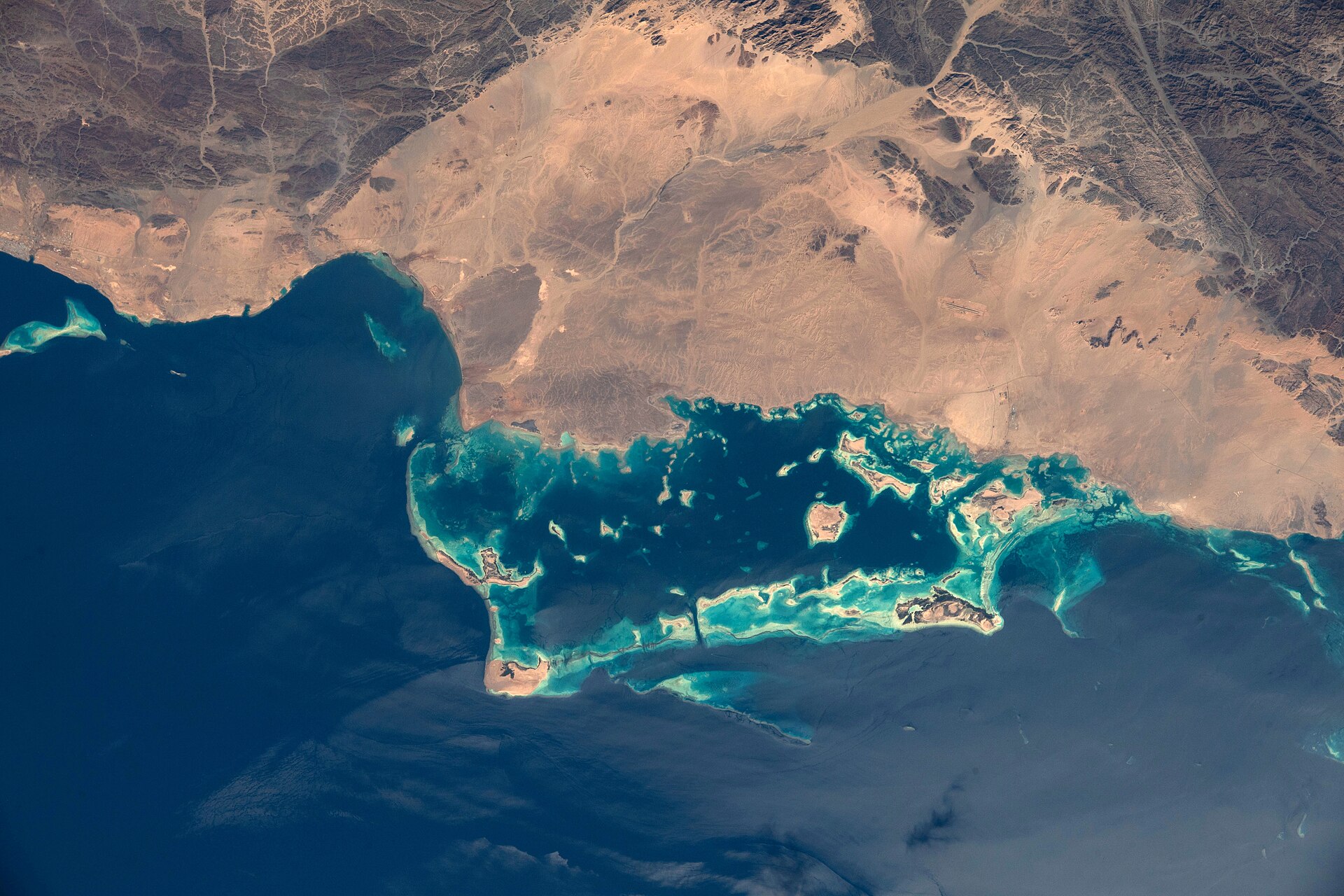
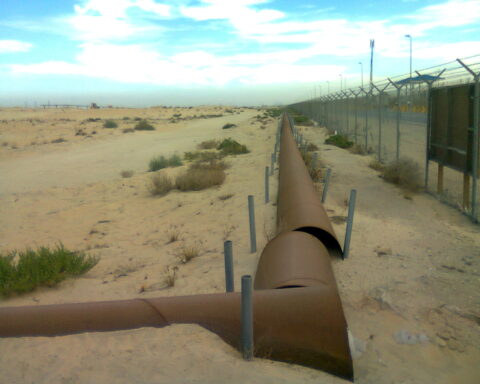
Saudi Arabia’s Petroline, the East-West Pipeline running 1,200 kilometers from the Eastern Province to the Red Sea port of Yanbu, has a rated capacity of 7 million bpd. But rated pipeline capacity and actual port loading capacity are different things, and Yanbu’s effective export ceiling — constrained by berth availability, loading arms, and tanker scheduling — sits between 4.0 and 5.9 million bpd according to port throughput data. The pre-war Hormuz throughput for Saudi crude alone was 6.3-7.1 million bpd, which means the Yanbu bypass leaves a structural gap of 1.1 to 2.1 million bpd that cannot be routed to market without new port infrastructure that would take years to build.
This is the constraint that distinguishes the 2026 crisis from the 2019 Abqaiq-Khurais attacks, when 5.7 million bpd was knocked offline on September 14 and fully restored within two weeks. That disruption was an engineering problem — damaged equipment that Aramco’s maintenance teams could repair. The 2026 shortfall is a geography problem: the crude exists, the pipeline exists, but the Red Sea port cannot load it fast enough. Kpler data showing Saudi Asia-bound exports down 38.6 percent reflects this bottleneck in action. Even if Hormuz reopened tomorrow, Rory Johnston of Commodity Context told CNBC that Brent would drop $10-20 immediately on speculative positioning unwind before anchoring in the $80-90 range — but production restoration would lag because of infrastructure damage at facilities like Khurais, where 300,000 bpd remains offline with no announced restoration timeline.
The Yanbu ceiling also reframes the IRGC’s April 8 strike on a Petroline pumping station, which occurred on the day the ceasefire was nominally supposed to take effect. That strike did not need to destroy the pipeline to be strategically effective — it only needed to remind Riyadh that its sole remaining export artery runs overland through territory within range of Iranian precision munitions, converting a geographic constraint into a vulnerability. The diplomatic consequences of that ceiling are direct: Japan PM Takaichi called MBS directly to request expanded crude supply, and Saudi Arabia had no physical means to deliver it.
The $4.52 Billion Sukuk and the 15-Year Horizon
Saudi Arabia’s National Debt Management Center completed a SAR 16.95 billion ($4.52 billion) domestic sukuk issuance in April, structured across five tranches maturing in 2031, 2033, 2036, 2039, and 2041, according to the NDMC via Argaam. The 2041 tranche is the detail that matters, because governments issuing debt to cover temporary disruptions do not borrow on 15-year tenors. Bridge financing for a crisis expected to resolve within months would cluster at the short end — two to three years, perhaps five. A tranche maturing in 2041 is Riyadh pricing the possibility that fiscal stress persists well into the next decade, or at minimum, that the structural damage to the export model requires a long recovery arc regardless of when the shooting stops.
This issuance sits within a broader borrowing program that has accelerated sharply. In January 2026, Saudi Arabia raised $12 billion in international bonds, attracting $37 billion in orders — evidence that global credit markets still regard the kingdom’s debt as investable, but also evidence that the kingdom needed $12 billion in a single placement. The NDMC’s full-year 2026 borrowing plan totals $57.86 billion, covering a pre-planned $44 billion deficit plus $13.87 billion in maturing debt, according to Reuters and Arab News. That $44 billion deficit was budgeted before the war; it assumed $80 Brent and 10 million bpd output.
How Wide Is the Real Deficit?
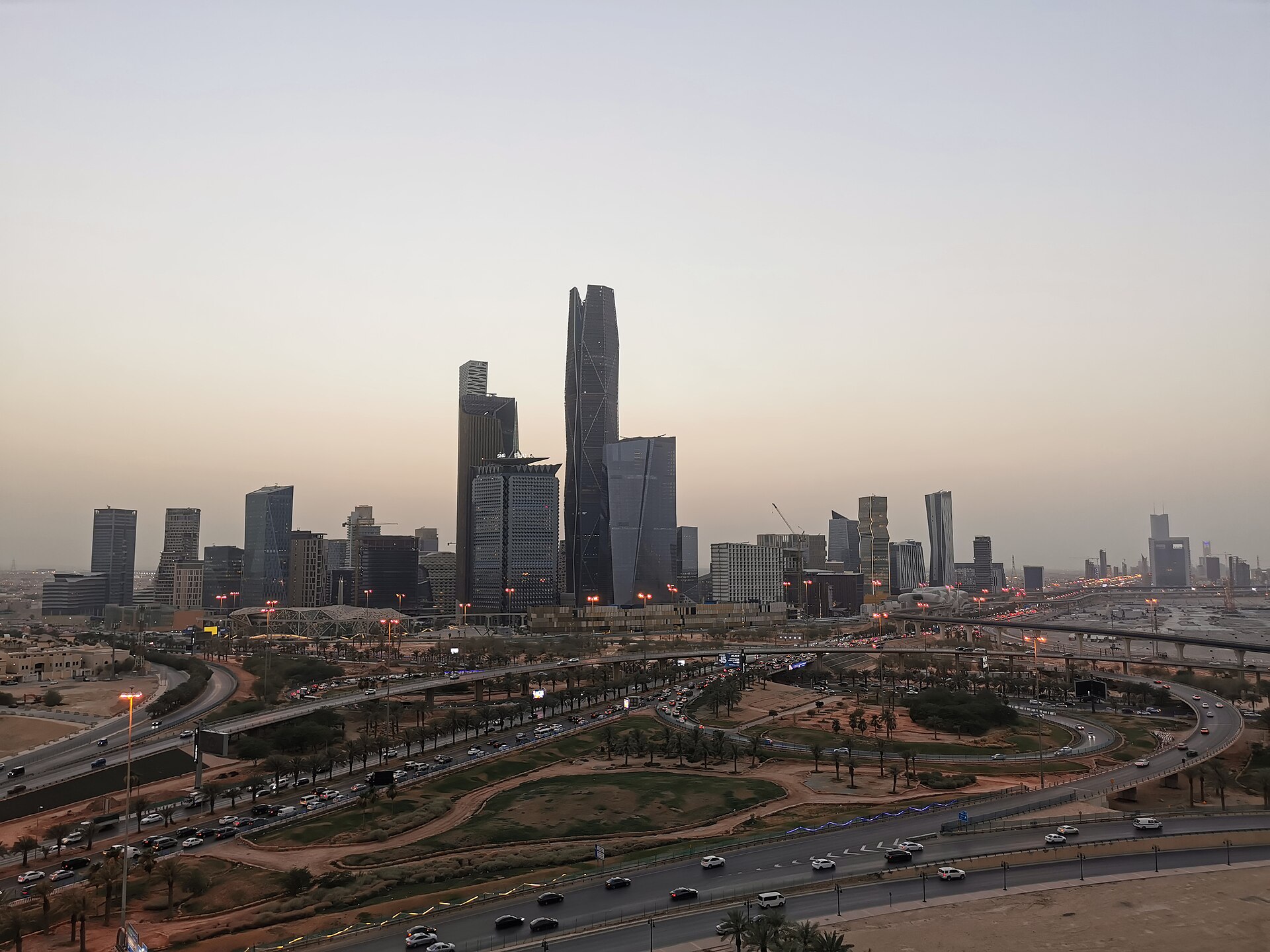
Goldman Sachs projects the war-adjusted 2026 Saudi deficit at 6.6 percent of GDP, roughly double the official 3.3 percent forecast, implying a gap of $80-90 billion rather than the budgeted $44 billion — a $36-46 billion annual shortfall that the NDMC’s borrowing plan was not designed to cover. At that drawdown rate, Goldman estimates Saudi reserves approach the approximately $350 billion level that ratings agencies treat as an informal floor within roughly 12 months, a timeline that would put the fiscal pressure point in early-to-mid 2027. That arithmetic has begun to register in Riyadh’s diplomatic calculations: Saudi Arabia is now privately lobbying Washington to lift the blockade, concluding that eleven days of cordon have produced zero Iranian concessions while costing the kingdom $93 million a day it cannot recover.
The IMF’s central-government-only fiscal break-even of $86.60 per barrel, which Brent has exceeded since mid-March, creates a misleading impression of fiscal comfort because it excludes the Public Investment Fund’s capital calls and the off-balance-sheet spending that Bloomberg’s $108-111 figure captures. At $101.91 Brent, Saudi Arabia clears the IMF threshold by $15 but misses the PIF-inclusive threshold by $6-9, and neither figure accounts for the volume collapse — they both assume pre-war output. The kingdom is, in effect, running three simultaneous deficits: the price gap below break-even, the volume gap below capacity, and the war cost that neither metric captures.
Amrita Sen, director of market intelligence at Energy Aspects, told CNBC that oil prices are “likely to have a higher floor” due to the Hormuz disruption, with shippers remaining “super cautious.” But a higher floor at reduced volume is the problem, not the solution. Goldman’s extended Hormuz closure scenario projects Brent averaging $120 per barrel in Q3 2026, which would push daily revenue at 7.25 million bpd to roughly $870 million — finally exceeding the pre-war baseline, but still below the PIF-inclusive break-even revenue rate when adjusted for war expenditures that the official budget never anticipated.
Is the Market Pricing the Right War?
Russ Mould, investment director at AJ Bell, told Investing.com that “markets are still pricing in a relatively speedy and peaceful settlement” despite the escalation on April 22. The evidence supports his skepticism. US crude inventories rose 1.9 million barrels in the week ending April 22, against analyst expectations for a draw, suggesting that American refiners are not yet bidding aggressively for replacement barrels — a posture consistent with expectations that the disruption is temporary. US gasoline prices are up roughly 40 percent since late February, according to Investing.com, but that increase reflects the disruption’s first-order effects; a market pricing a permanent Hormuz closure would have pushed retail fuel prices substantially higher.
Rory Johnston framed the disconnect in terms that capture the market’s cognitive dissonance. “The oil market right now is in the midst of this almost like ‘Schrodinger’s cat’ of the largest oil supply shock in the history of the oil market,” Johnston told OPB. The IEA’s own assessment — that the combined Gulf production cuts of more than 14 million bpd constitute “the largest supply disruption in the history of the global oil market” — has been rendered into consensus language without consensus pricing. Brent at $101 for a disruption that the IEA calls historically unprecedented is either a bet that resolution is imminent or a failure of price discovery, and the April 22 seizures and the Islamabad collapse make the former interpretation increasingly difficult to sustain.
For Saudi Arabia, the market’s optimism is a double-edged instrument. Lower prices reduce the fiscal pain, but they also reduce the pressure on Washington to resolve the crisis — the dynamic that McNally identified when he confirmed that delayed price signals are, in effect, delaying political resolution. At $101.91, Brent is high enough to cause headlines about consumer pain but not high enough to trigger the kind of emergency response that $130 or $150 would demand. Saudi Arabia occupies the worst position on that spectrum: paying the costs of war while receiving neither the revenue of high prices nor the diplomatic urgency that truly extreme prices would create.
Background
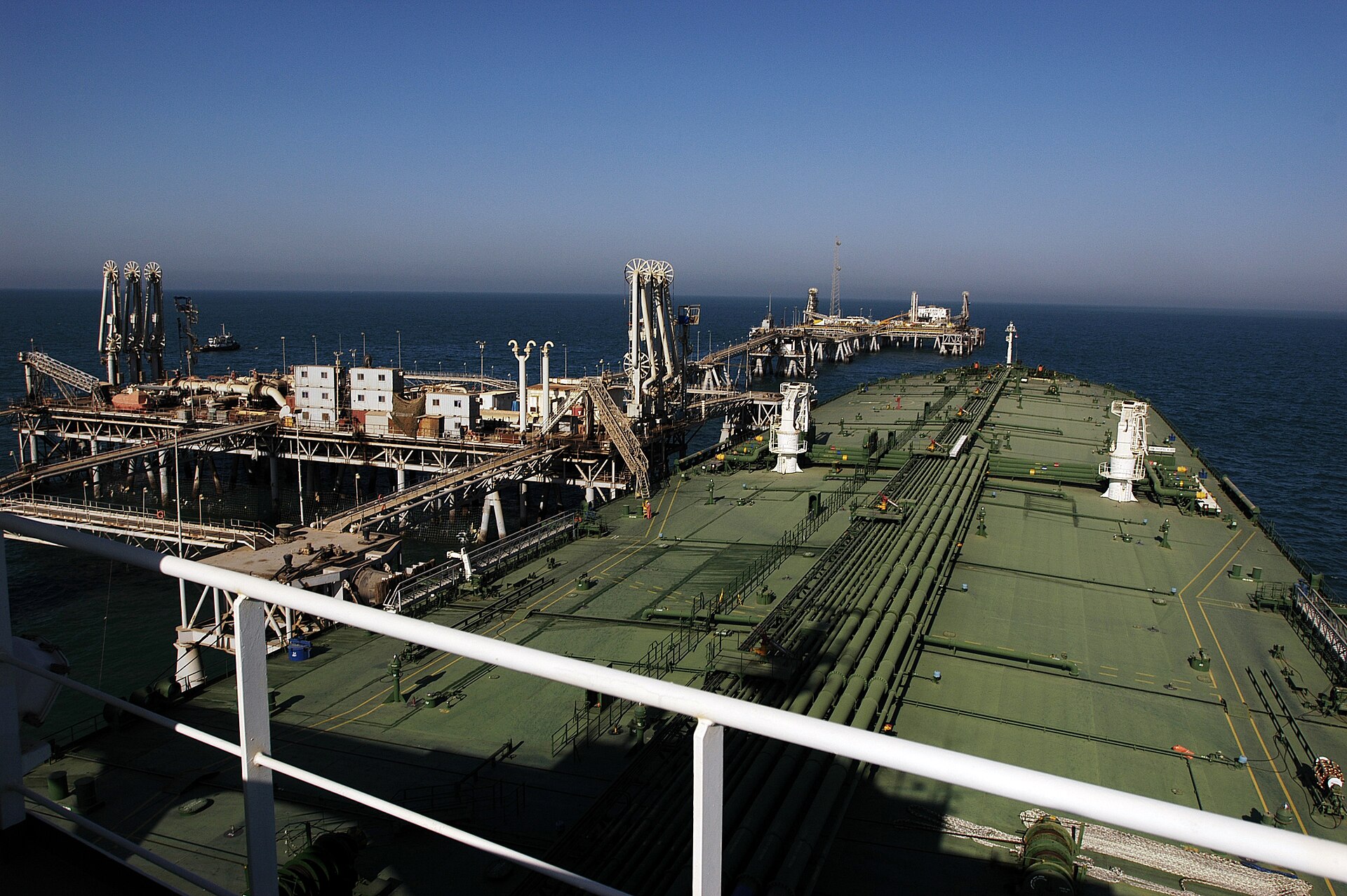
The Iran-Saudi conflict, now in its 54th day, has produced the most severe oil supply disruption since the 1973 Arab embargo, which cut approximately 5 million bpd and triggered a 300 percent price spike. The 2026 disruption is broader in absolute terms — the IEA’s 14 million bpd combined Gulf cut dwarfs the 1973 figure — but the existence of the Strategic Petroleum Reserve, which did not exist in 1973, and alternative supply routes like the East-West Pipeline have so far prevented a proportionate price response.
The IRGC Navy’s declaration of “full authority” over Hormuz, issued without a named commander after Admiral Tangsiri was killed on March 30, has been enforced through selective transit permissions, vessel seizures, and the imposition of a toll system that has collected zero dollars in 36 days. The expiry of OFAC General License U on April 19 without renewal added a sanctions dimension to the supply disruption, while the ceasefire — set to expire April 22, the same day as the price rally — has no extension mechanism, according to the Soufan Center.
Frequently Asked Questions
Why can’t Saudi Arabia simply pump more oil through the East-West Pipeline to compensate?
The Petroline pipeline has a rated capacity of 7 million bpd, but rated capacity is not the binding constraint. Yanbu’s port infrastructure — loading berths, marine terminal arms, tanker scheduling, and draft limitations for VLCCs — creates a bottleneck between 4.0 and 5.9 million bpd of actual export throughput. Expanding port capacity would require new berths, deepwater channel dredging, and additional storage tanks, a construction program that typically takes 3-5 years even on an accelerated timeline. No formal Yanbu expansion contract has been announced.
How does the April 22 sukuk compare to Saudi Arabia’s pre-war borrowing?
The $4.52 billion issuance is roughly in line with quarterly domestic issuance rates from 2024-2025, but the maturity structure has shifted. Saudi domestic sukuk issuances have historically concentrated at the 5-7 year range, while the April 2026 issuance extends to 15 years (2041 tranche), suggesting the NDMC is locking in longer-duration funding at current rates rather than rolling short-term instruments — a strategy consistent with expectations of prolonged fiscal stress. The bid-to-cover ratio on the domestic issuance has not been disclosed, making it difficult to assess whether domestic demand is tightening.
What would happen to Saudi revenue if Brent reached Goldman’s $120 Q3 scenario?
At 7.25 million bpd and $120 Brent, estimated daily revenue would reach approximately $870 million — roughly $38 million above the pre-war baseline. However, war-related expenditures including air defense missile replenishment (PAC-3 interceptors cost approximately $4-6 million each, and Saudi stocks are estimated at 14 percent of pre-war levels), infrastructure repair at Khurais and other damaged facilities, and elevated military operating tempo would consume much of that surplus. The net fiscal position at $120 Brent and wartime output is approximately break-even before PIF capital calls, not surplus.
Could Saudi Arabia use its OPEC+ quota flexibility to offset the Hormuz closure?
Saudi Arabia’s April OPEC+ quota is 10.2 million bpd, roughly 3 million barrels above actual March output — meaning the kingdom has ample quota headroom but no physical export capacity to use it. This is an unusual inversion: typically, OPEC+ quotas constrain output below capacity, but in 2026, export logistics constrain output below quota. The unused quota does, however, give Riyadh political cover within OPEC+ to resist any pressure for coordinated cuts, since the kingdom can argue it is already producing well below its authorized level through no choice of its own.
What is the significance of the 1973 comparison?
The 1973 Arab oil embargo removed approximately 5 million bpd from global supply and triggered a 300 percent price increase ($3 to $12 per barrel). The 2026 disruption has removed more than 14 million bpd from Gulf production according to the IEA, nearly triple the 1973 volume, yet prices have risen roughly 27 percent from pre-war levels rather than quadrupling. The difference is structural: the existence of the US Strategic Petroleum Reserve (created in response to 1973), shale production flexibility, East-West Pipeline bypass capacity, and global spare capacity outside the Gulf have cushioned the shock. The question is whether those buffers are being depleted faster than the market recognizes — SPR drawdowns, for instance, reduce the cushion available for future shocks. China’s structural position as the dominant buyer of Saudi crude and creditor of Iran has simultaneously made it the indispensable Hormuz broker; the diplomatic and security implications for Riyadh are examined in Beijing Didn’t Choose to Broker the Hormuz Crisis — the Crisis Chose Beijing.
The mine-clearance constraint that defines when Saudi exports can fully recover—and the fiscal arithmetic of a six-month Hormuz delay—is analyzed in The Six-Month Sentence: How the Hormuz Mine-Clearing Timeline Defines Saudi Arabia’s Fiscal Horizon.
Saudi Arabia’s PAC-3 interceptor depletion — now at roughly 14 per cent of pre-war stocks — is one driver behind the 10-year defence cooperation agreements Ukraine signed with Saudi Arabia, the UAE, and Qatar in late March 2026, offering cost-competitive interceptor drones as a stopgap while Patriot production backlogs stretch into 2027.
The corporate architecture that allows Aramco to report a 57% quarterly profit surge while the Saudi state borrows $57.86 billion is analyzed in Aramco’s Q1 2026 War-Price Paradox: 57% Profit Surge, 30% Production Loss, and the IPO Architecture That Separates Them.
Trump’s April 23 declaration that he is under no time pressure to end the Iran crisis converts the revenue shortfall analyzed here into an open-ended emergency: “Don’t Rush Me” — Trump Converts Saudi Arabia’s Short War Into an Open-Ended Fiscal Emergency examines what a timeline-free Hormuz closure means for the kingdom’s $58 billion borrowing plan and Aramco’s June pricing.