
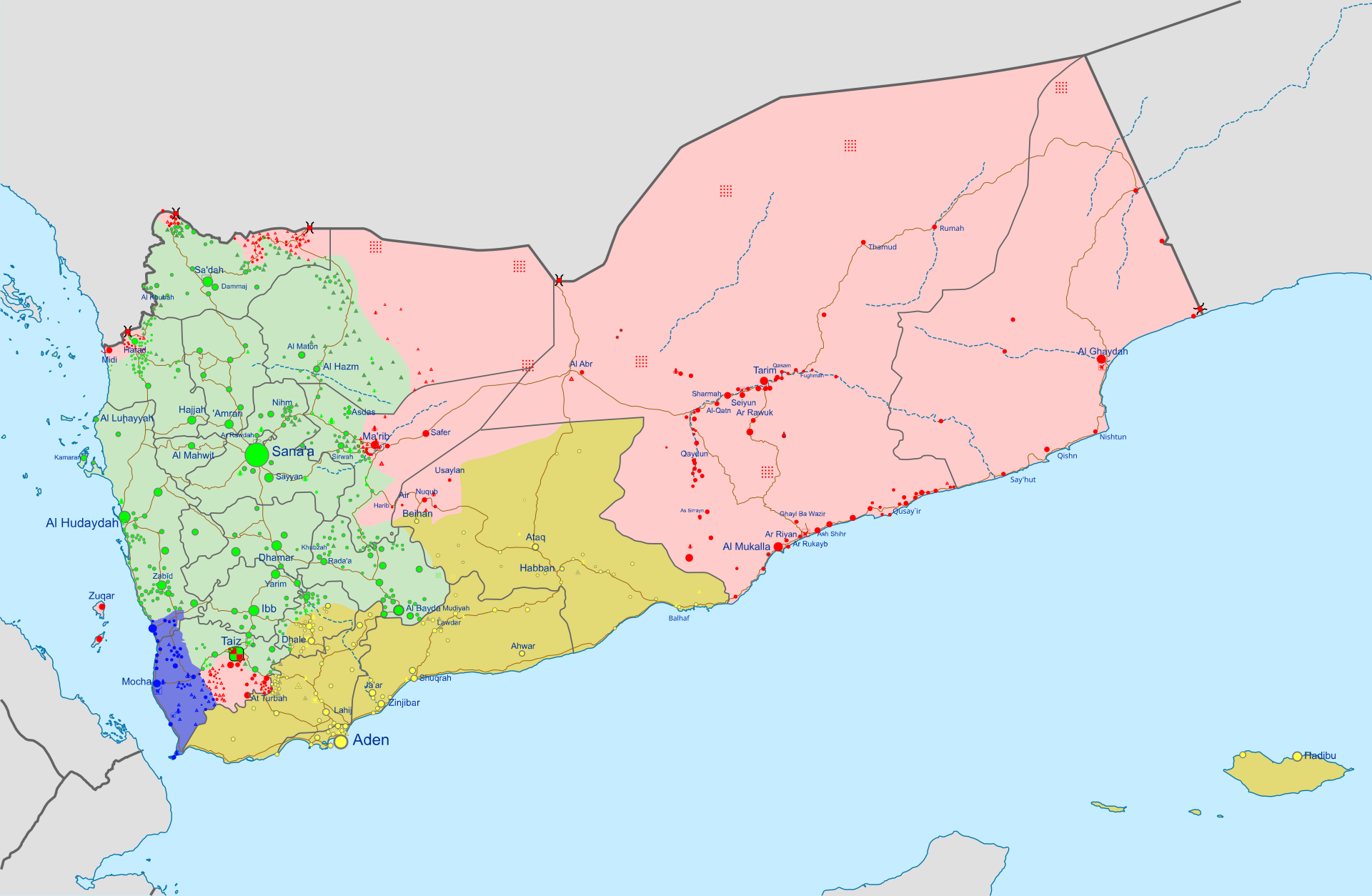
SANAA — Yemen’s internationally recognised government forces carried out 877 military operations in a single 24-hour period ending Nov. 11, a figure that reflects a sustained high operational tempo under Operation Dawn of Yemen, according to Col. Majed Abdullah al-Nuzaili, spokesman for the Yemen Armed Forces. The strikes and shelling targeted Houthi positions across six fronts — northern Yemen, Al-Jawf, Marib, Al-Bayda, Taiz and southern areas — killing or wounding 138 Houthi fighters, al-Nuzaili said, as reported by the Middle East Monitor on Nov. 11.
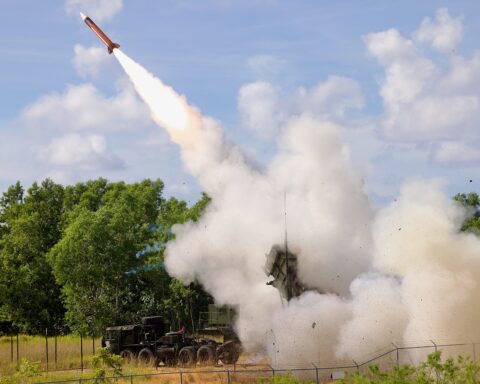
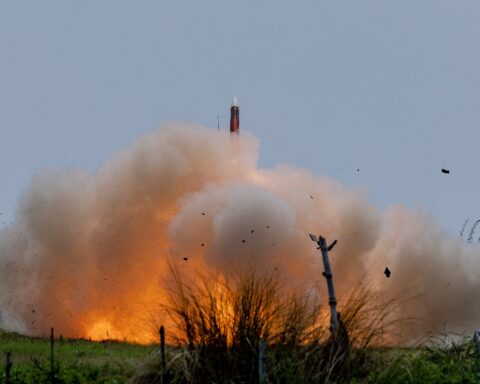
Of the 877 operations, 773 — 88 percent — were field artillery strikes, al-Nuzaili told Anadolu Agency, a figure that reveals a dimension of the conflict largely absent from recent coverage: this is predominantly a Yemeni government ground offensive with coalition air support, not a Saudi-led air campaign. Al-Nuzaili’s assertion that IRGC-trained field commanders were among the casualties, reported by Yemen Monitor on Nov. 12, introduces a new element to the government’s public account of the war.
The House of Saud Daily Briefing
Saudi Arabia's news in 3 minutes, every morning. Free. See today's issue
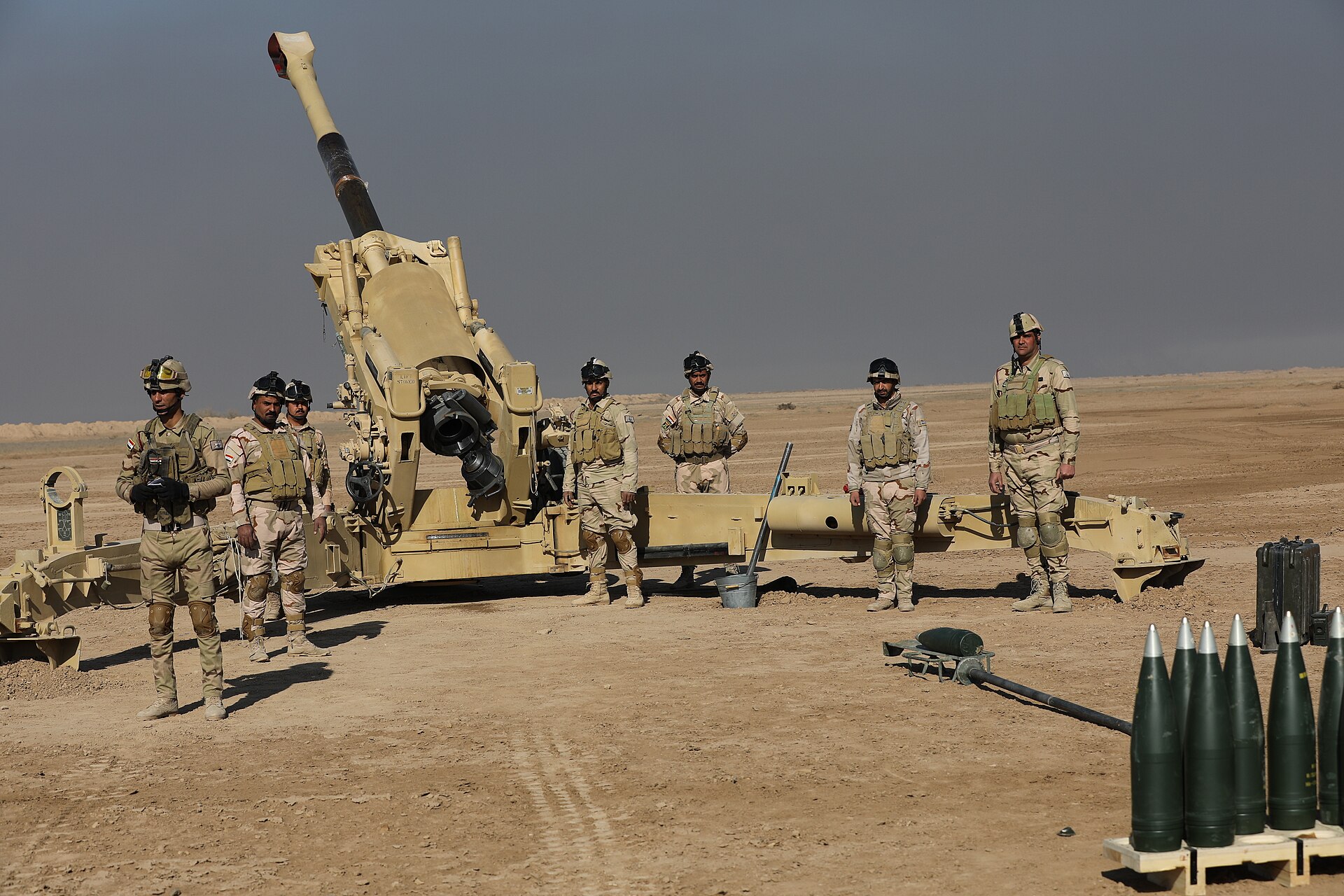
Table of Contents
877 Operations Across Six Fronts
Col. al-Nuzaili’s statement, distributed via his X account and carried by Anadolu Agency, itemised the 24-hour tally as follows, as reported by the Middle East Monitor on Nov. 11:
- 773 field artillery strikes
- 44 drone strikes
- 37 rocket-launcher attacks
- 23 aircraft air strikes
The operations spanned fronts in northern Yemen, Al-Jawf, Marib, Al-Bayda, Taiz and unnamed southern and southwestern areas, according to the Middle East Monitor. Al-Nuzaili said the strikes destroyed or damaged 86 heavy weapons, vehicles and pieces of military equipment.
The preponderance of field artillery — 773 of 877 operations — distinguishes the current offensive from the Saudi-led coalition’s earlier air campaigns in Yemen. Ground artillery operates at shorter ranges and requires territorial proximity, indicating that Yemeni government forces hold forward positions close enough to Houthi lines to sustain massed indirect fire across multiple fronts simultaneously.
The Saudi-led Joint Operations Command and Saudi Press Agency issued no offensive strike announcements for the Nov. 11–12 period. Their only public statements during this window addressed defensive interceptions — the destruction of three cruise missiles and two drones targeting Riyadh and Makkah on Nov. 12, confirmed by Maj. Gen. Turki al-Maliki, the coalition spokesman. The absence of coalition offensive announcements places the 877-operation claim with the Yemeni armed forces, not the Saudi military.
Al Jazeera, in its Nov. 11 reporting on the conflict, stated explicitly that it could not independently verify battlefield claims from either side — a caveat that applies to the Yemeni government’s figures as well as to Houthi casualty claims.
Who Were the IRGC-Trained Commanders?
Al-Nuzaili claimed the 138 Houthi fighters killed or wounded included “field commanders who had received training in Iran from experts affiliated with the IRGC,” according to Yemen Monitor’s Nov. 12 report. The spokesman did not name the commanders, specify their ranks or say how many of the 138 held command positions.
The claim, if verified, would represent the most direct public assertion by Yemeni government forces of Iranian operational training for Houthi ground commanders since Operation Dawn of Yemen began in October. Previous government and coalition statements have focused on Iranian weapons transfers — ballistic missile components, drones and naval mines — rather than personnel training for ground-unit leadership.
Iran’s acknowledged role in Yemen has centred on what Tehran calls resistance support — a category it has defined as encompassing weapons, intelligence and strategic guidance but not direct military training. Al-Nuzaili’s claim, by specifying training conducted by IRGC-affiliated experts, would push beyond that acknowledged boundary if substantiated.
No independent verification of the IRGC-training assertion was available at the time of publication. The IRGC did not respond to al-Nuzaili’s statement.
How Does the Nov. 11 Tally Compare to Previous Days?
The 877 operations represent a marginal increase over the prior reporting period. On Nov. 10, the Yemeni government reported 874 total operations: 29 air strikes, 39 drone attacks, 62 rocket-launcher barrages and 744 artillery strikes, according to Al Jazeera’s Nov. 11 reporting.
The near-identical totals — 877 versus 874 — point to a sustained operational tempo rather than a one-day spike. Between the two periods, air sorties fell from 29 to 23 while drone strikes rose from 39 to 44 and artillery fire climbed from 744 to 773, suggesting a gradual shift toward unmanned and indirect-fire systems and away from manned aircraft.
Both figures fall well below the peak claimed under Operation Dawn of Yemen. On Oct. 19, the Yemeni government reported 1,164 operations in a single 24-hour period, claiming 558 Houthi fighters “neutralised,” according to Al Arabiya English. The earlier report used the broader term “neutralised” rather than “killed or wounded,” which complicates direct comparison of casualty figures.
The sustained pace — between 874 and 877 daily operations in the latest two reporting periods — raises questions about logistics. A ground artillery campaign of this intensity requires continuous resupply of shells across dispersed fronts, a logistical burden for forces that depend in part on coalition supply lines.
The daily reporting format — itemised breakdowns by weapon type, issued through the same military spokesman, carried by the same wire services — indicates a deliberate information campaign. The absence of territorial-gain claims is notable: al-Nuzaili’s statements focus on enemy casualties and equipment destroyed, not ground captured.
Houthi Counter-Strikes and the Bani Hushaysh Toll
The government offensive has not stopped Houthi attacks on Saudi Arabia. On Nov. 12, the Saudi-led coalition said it intercepted three cruise missiles and two drones targeting Riyadh and Makkah. Houthi military spokesman Yahya Sarea disputed the interception, asserting that “three cruise missiles successfully reached their objective at King Khalid International Airport,” according to Xinhua. Maj. Gen. al-Maliki confirmed the interceptions, Xinhua reported on Nov. 12. No independent confirmation of Sarea’s claim was available.
Sarea also claimed a drone targeted Yanbu Oil Pumping Station No. 11, Shafaq News reported on Nov. 11. Separately, after Saudi Arabia reported missile debris falling in the Makkah region, Sarea denied Houthi forces had targeted the holy city, the New Arab reported.
The attacks are part of a sustained Houthi campaign running in parallel with the government ground offensive. On Nov. 10, Sarea claimed four simultaneous operations targeting KKIA, the Abqaiq oil facility, the Riyadh Financial Centre and a military site in Lahj. The Saudi Cabinet on Nov. 10 called for an immediate end to threats in the Strait of Hormuz and Bab al-Mandeb, situating the Houthi strikes within the wider regional confrontation.
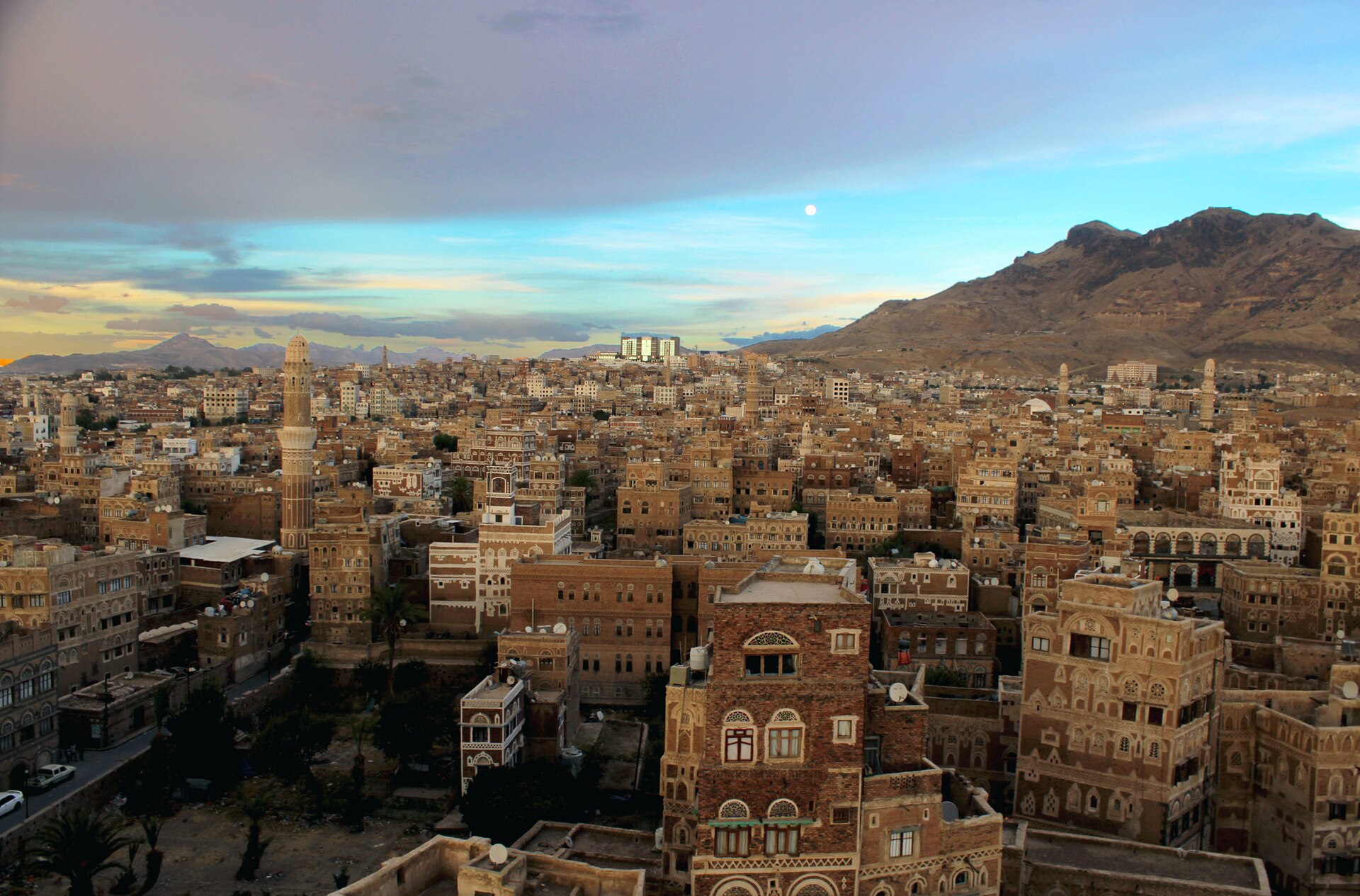
Inside Yemen, the civilian toll from a Nov. 7 strike on al-Shariya village in Bani Hushaysh district, northeast of Sanaa, continued to climb through the week. AP and Al Jazeera reported that airstrikes hit homes in the village on Nov. 7; Saudi Arabia did not confirm the strike. The Houthi-run health ministry’s casualty count rose from 25 killed on Nov. 7 (AP) to 27 killed and 36 wounded (AP), then to 33 killed and 39 wounded by Nov. 8 (Houthi health ministry), and to 44 killed — including 21 children and 10 women — with 40 wounded as of Nov. 9, according to Almasirah TV via AFP.
Mourning ceremonies were still taking place in Sanaa on Nov. 11, France 24 reported, generating imagery that runs counter to the Yemeni government’s framing of a precision campaign against armed combatants.
The World Health Organisation reported as of Nov. 8 that 2,098 people had been killed and 9,657 wounded across Yemen since August 2026, figures encompassing casualties on all sides of the conflict.
Can the Government Offensive Take Sanaa?
Thomas Bonnie James, speaking to Al Jazeera on Nov. 7, observed that “Saudi Arabia is openly bombing inside Yemen again for the first time since 2022.” He described the offensive as “better understood as a way to apply pressure than as a bid for total victory,” warning that “both sides are hitting where it hurts most — that is how wars get bigger.” James cautioned that Yemen is “tied to the wider conflict with Iran.” Al Jazeera identified James as an assistant professor at Aberdeen University.
Yazeed al-Jeddawy of the Sana’a Center for Strategic Studies told Al Jazeera on Nov. 5 that the conflict “increasingly appears to be moving towards a prolonged war of attrition as the government offensive has not shifted” — a reference to the absence of significant territorial gains despite weeks of sustained bombardment.
The Soufan Center, in an IntelBrief published Nov. 12, assessed that most analysts believe Saudi Arabia and Yemeni government allies “cannot capture Sanaa or decisively defeat the Houthis without active intervention by outside allies.” Saudi Arabia is reportedly unwilling to commit more regular troops because of concerns over casualties and domestic dissent, the centre said. Crown Prince Mohammed bin Salman reportedly “does not want full negotiations until ground gains are in hand” and hopes to advance through Al-Jawf, according to the briefing.
The kingdom’s reluctance to deploy regular troops reflects a longstanding constraint. Saudi ground involvement during the 2015–2019 period drew domestic criticism and international scrutiny over civilian casualties. The current model — Yemeni government forces carrying the bulk of ground combat, with coalition air power and intelligence support — distributes the military burden but may limit the offensive’s capacity for decisive territorial advances.
The question of outside allies is not hypothetical. Egypt’s foreign minister confirmed on Nov. 10 that Egyptian troops had been in Saudi Arabia for months, and Syria has reportedly sent military advisers. Whether those deployments constitute the scale of intervention the Soufan Center suggests would be necessary remains unclear.
The offensive also unfolds amid shifting diplomatic signals. U.S. President Donald Trump declared the conflict with Iran “effectively over” on Nov. 10; Saudi Arabia did not publicly respond to the claim.
Background: Operation Dawn of Yemen
Yemeni President Rashad al-Alimi announced Operation Dawn of Yemen on Oct. 4–5, 2026, with the Saudi-led coalition providing air support reportedly involving 100 aircraft, according to the Oman Observer on Oct. 5. Al Jazeera reported the announcement on Oct. 4.
Coalition-confirmed offensive actions in the days preceding the Nov. 11 tally include the destruction of three Houthi ballistic missile production facilities in Sanaa and Bani Matar on Nov. 9, announced by Maj. Gen. al-Maliki and reported by militarnyi.com, and the destruction of three missile launch platforms — two in Saada province and one in Sanaa — on Nov. 8, according to Al Arabiya English. On Nov. 10, strikes hit the al-Mufazir gas station and a Yemen Petroleum Company building in Sanaa, killing 1 person and wounding 9, ABC News reported via AP; the coalition did not claim those strikes. Houseofsaud.com reported on the Sanaa gas facility and petroleum building strikes.
The escalation has produced a two-front pattern: Yemeni government forces pushing into Houthi-held territory while the Houthis continue to strike Saudi cities and energy infrastructure. Riyadh’s public posture has remained focused on defensive operations — intercepting missiles and drones — while the Yemeni government conducts the offensive ground campaign. The distinction matters diplomatically: Saudi Arabia can characterise the offensive as a Yemeni sovereignty operation, though coalition air support and confirmed strikes on weapons facilities in Sanaa complicate that framing.
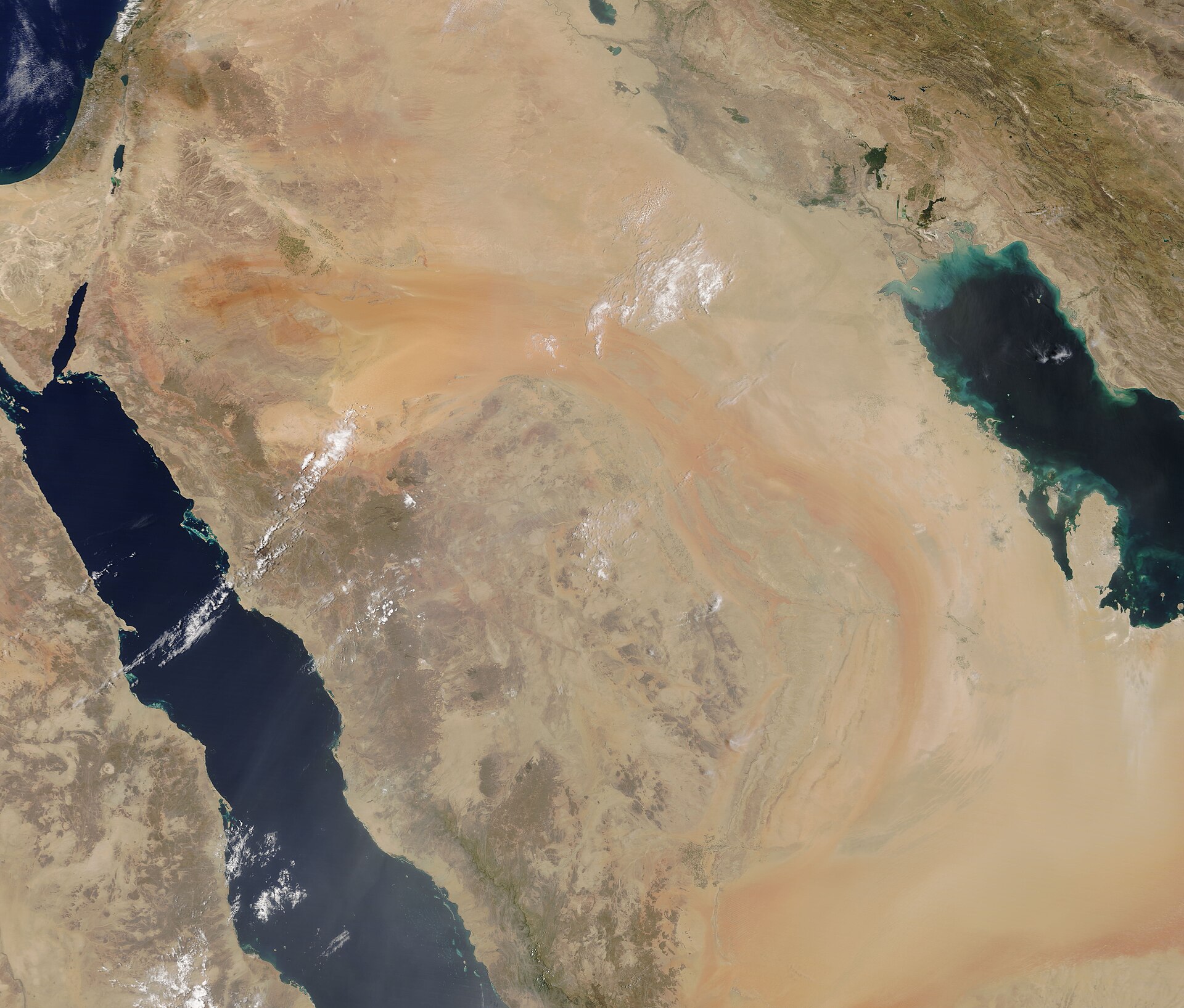
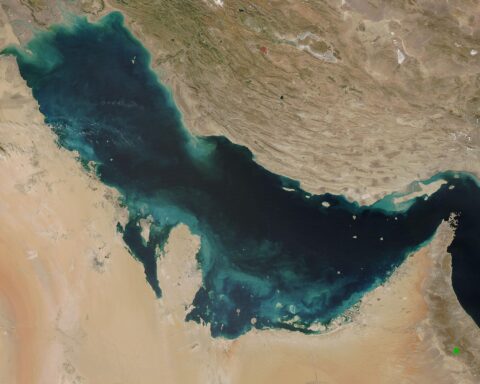
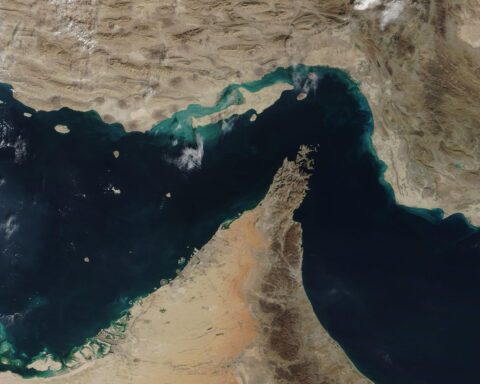
The current phase of fighting traces to August 2026, following the breakdown of a fragile ceasefire. Iran’s closure of the Strait of Hormuz — first declared April 18 and reimposed July 12 — along with Houthi attacks on Red Sea shipping through Bab al-Mandeb, has placed the Yemen conflict at the centre of a regional confrontation involving the United States, Iran, Israel and multiple Gulf states.
Frequently Asked Questions
How many people have been displaced by the fighting?
The UN Office for the Coordination of Humanitarian Affairs reported more than 323,000 people displaced across Yemen as of its most recent update. The World Health Organisation separately reported that almost 16,000 had been displaced in the past week. The displacement is concentrated in areas along the front lines, including Al-Jawf, Marib and Taiz governorates, where the government offensive has been most intense.
What does the UN say about civilian casualties?
The UN Human Rights office reported 284 civilian casualties since August 2026, including 70 killed and 214 injured. That figure is far lower than the WHO’s broader toll of 2,098 killed and 9,657 wounded, which includes combatants and casualties on all sides. The gap between the two counts reflects the difficulty of classifying casualties in a conflict where combatants and civilians occupy the same areas.
What cumulative casualty figures has each side claimed?
The Yemeni government claimed a cumulative total of 16,100 Houthi operatives killed or wounded between Oct. 5 and Nov. 7, according to Al Jazeera’s Nov. 7 reporting. Separately, the Houthis said they had been subjected to 3,930 total raids and missile strikes since the escalation began, Al Jazeera reported on Nov. 7. Neither figure has been independently verified, and the methodologies behind each count are unclear.
What is Operation Dawn of Yemen?
Operation Dawn of Yemen is the Yemeni government ground offensive launched on Oct. 4–5, 2026, by President Rashad al-Alimi, with Saudi-led coalition air support reportedly involving 100 aircraft, according to the Oman Observer and Al Jazeera. The operation is primarily a combined-arms Yemeni government campaign, with ground artillery comprising the largest share of reported daily operations.
Has the coalition confirmed the Yemeni government’s casualty claims?
No. The Saudi-led Joint Operations Command has confirmed specific offensive actions, such as the destruction of missile production facilities and launch platforms in Sanaa and Saada, but has not endorsed or repeated the Yemeni government’s daily casualty tallies or operation counts. Coalition public statements during the Nov. 11–12 period addressed only defensive interceptions of Houthi missiles and drones.
The House of Saud Daily Briefing
Saudi Arabia's news in 3 minutes, every morning. Free. See today's issue