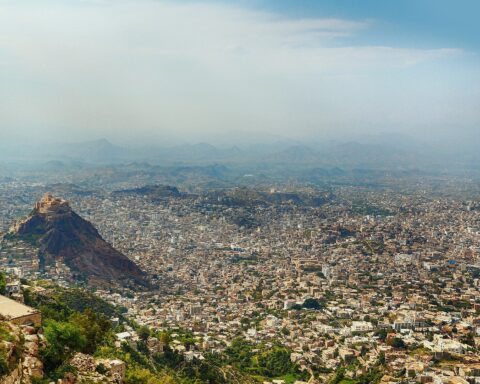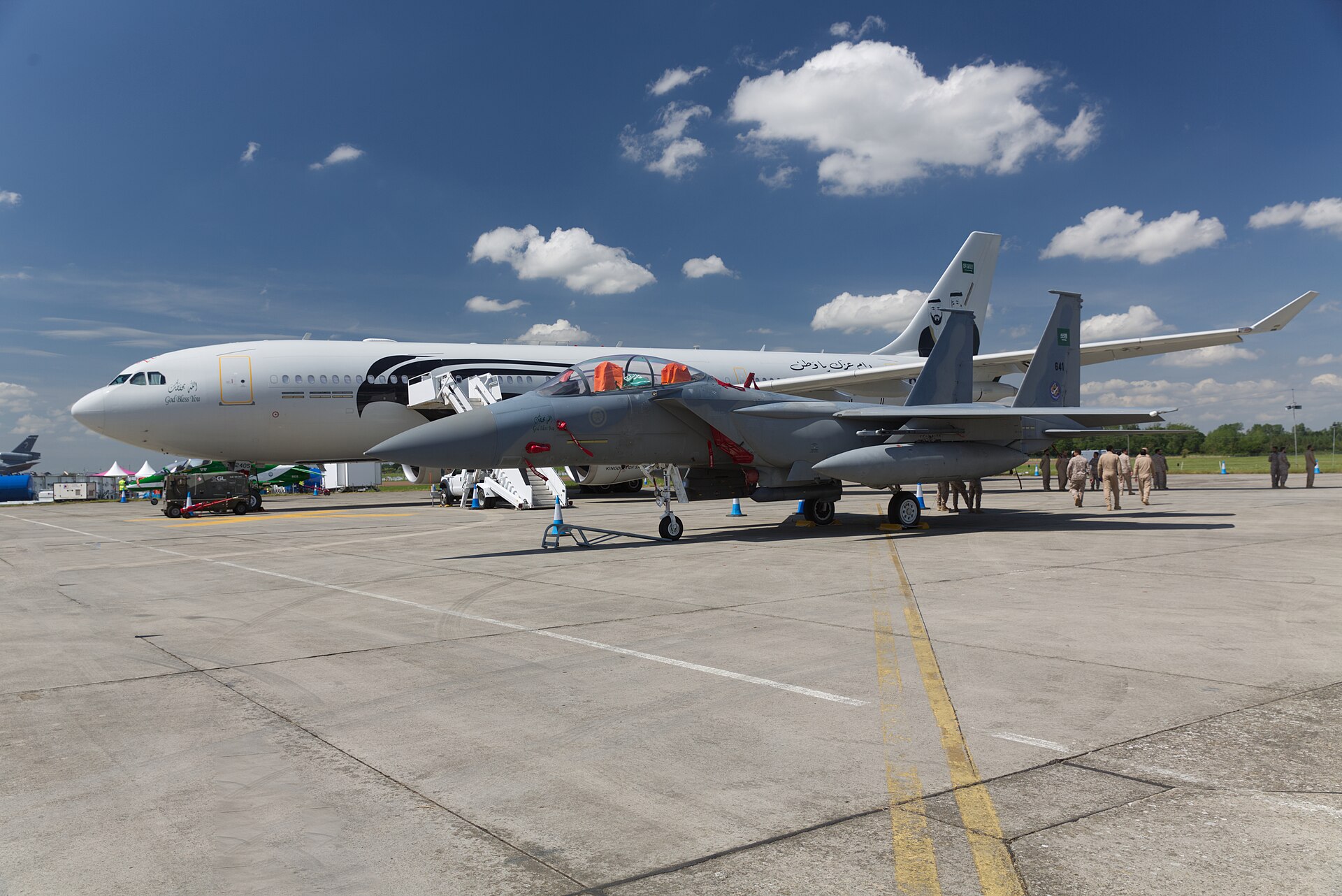

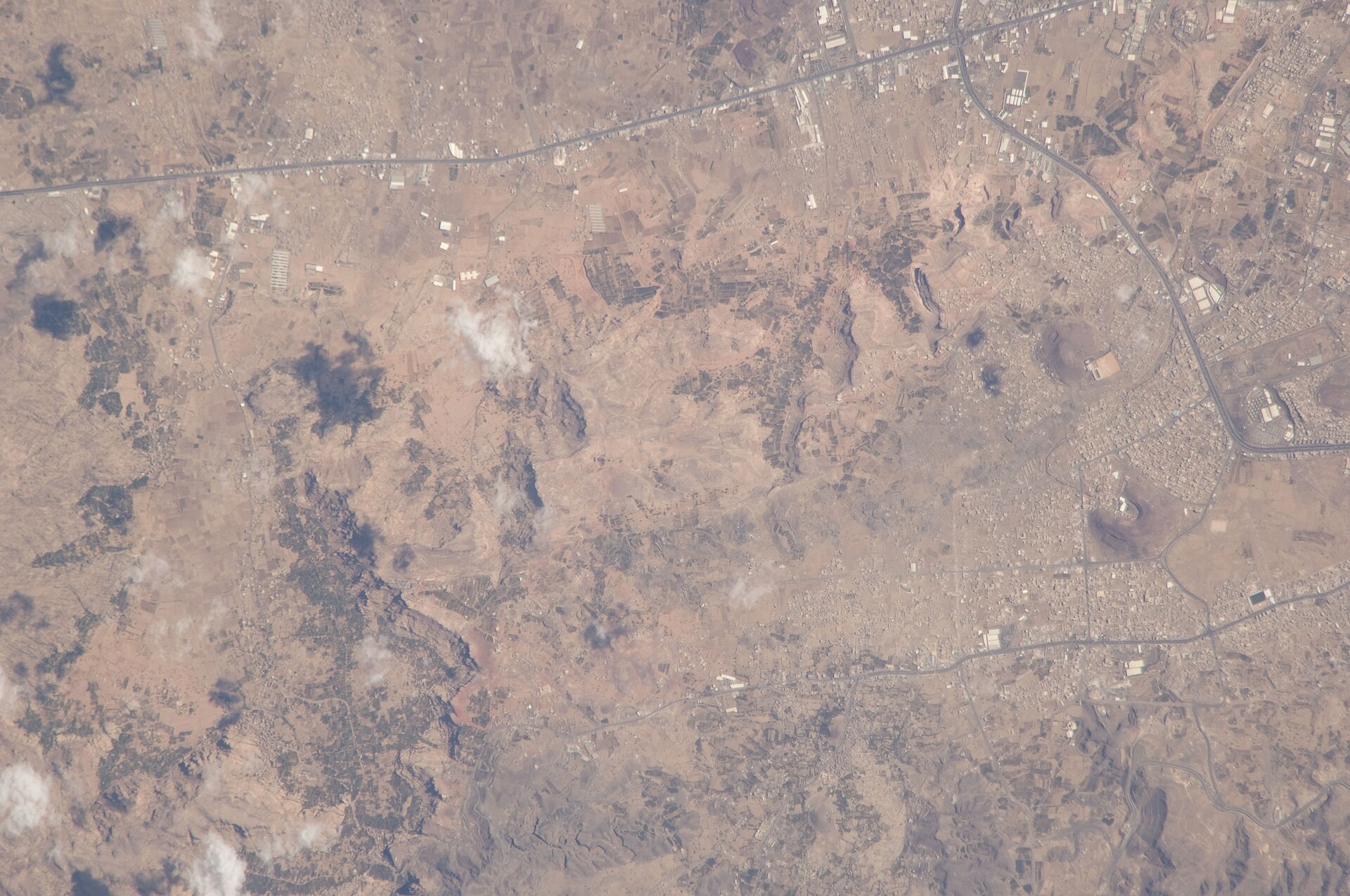
SANAA — Iranian state news agency Mehr News reported that Saudi forces struck Yemen’s capital Sanaa late on November 14, 2026, in what would mark a continuation of intensifying coalition air operations over the Houthi-held city during a week that has seen dozens of confirmed raids and hundreds of claimed strikes across multiple Yemeni governorates. The report, aggregated by Breaking The News at approximately 23:12 UTC, provided no details on specific targets, casualties, or damage, and as of this writing no independent news service, wire agency, or Saudi military statement has confirmed the strike.
If verified, the reported strike would extend a pattern of escalating coalition air operations against Sanaa that has defined the past five days — a period during which the Saudi-led coalition confirmed destroying a Houthi ballistic missile launch platform in the capital on November 9, coalition strikes on the capital’s fuel infrastructure the following day drew internationally reported casualties, and by November 11 the two sides were making sharply competing claims about the intensity of a campaign that neither could fully document. The tempo has only accelerated: Houthi sources claimed 72 Saudi-led air strikes across Yemen in the 24 hours ending on November 14, a figure that, while unverified, suggests a campaign operating at sustained intensity.
The House of Saud Daily Briefing
Saudi Arabia's news in 3 minutes, every morning. Free. See today's issue
- What Did Mehr News Report About the November 14 Strike?
- Sanaa Under Fire: The November Escalation Pattern
- What Has the Saudi-Led Coalition Confirmed About Sanaa Operations?
- Operation Dawn of Yemen and the Fight for the Capital
- How Have Houthis Responded to Coalition Strikes?
- The Human Toll
- Background
- Frequently Asked Questions
What Did Mehr News Report About the November 14 Strike?
The Mehr News report, carried by the Breaking The News aggregation service at 23:12 UTC on November 14, stated that Saudi forces struck Yemen’s capital Sanaa. The report contained no information about which district or facility was targeted, offered no casualty figures, and did not specify whether the strike involved manned aircraft, drones, or cruise missiles. No photographs or video accompanied the initial report.
As of approximately 23:20 UTC, no second primary source had confirmed the reported strike. The Associated Press, Reuters, Al Jazeera, Al Arabiya, and the Saudi Ministry of Defence had not issued statements or reports referencing a November 14 strike on Sanaa specifically. Mehr News is an Iranian semi-official news agency whose editorial line has consistently covered Houthi claims and coalition military activity in Yemen, and its reports on the Yemen conflict have frequently preceded — or, in some cases, diverged from — reporting by independent international outlets.
The absence of independent confirmation does not mean the strike did not occur. Confirmed coalition raids on Sanaa earlier this month were initially reported by Houthi and Iranian media hours before international wire services or coalition spokespeople addressed them. But it does mean the specific details of what happened in Sanaa on the night of November 14 remain unestablished, and readers should treat this as a developing report that may be updated as additional sources weigh in.
Sanaa Under Fire: The November Escalation Pattern
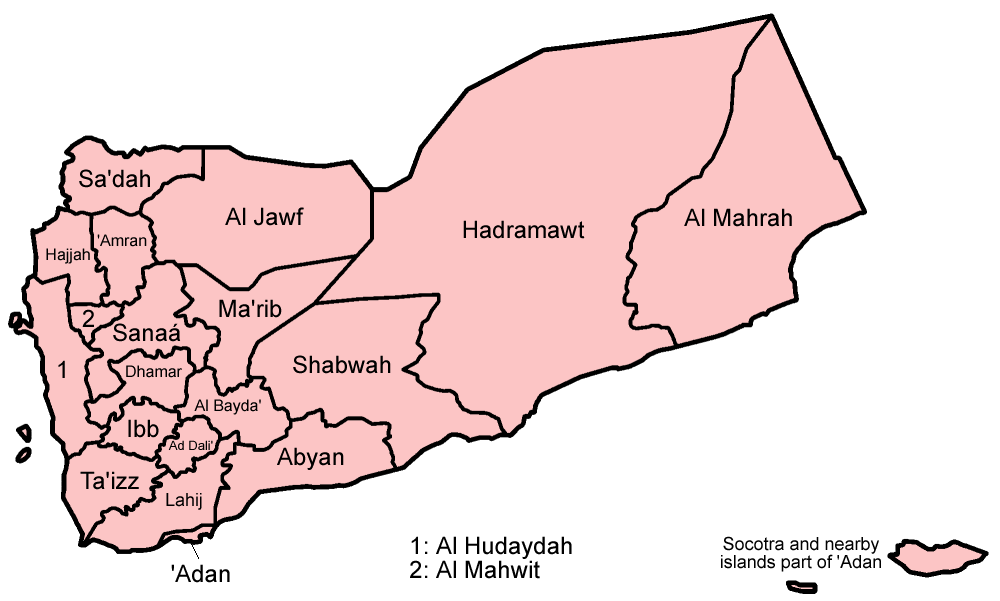
Whatever the November 14 report ends up confirming, the broader pattern is not in dispute: Sanaa has been struck repeatedly and with increasing frequency since Operation Dawn of Yemen began on October 5. The capital is the Houthi movement’s political and military nerve centre — the seat of their unrecognised government, their command-and-control infrastructure, and, according to Saudi coalition spokesman Major General Turki al-Maliki, the location of underground weapons storage facilities concealed beneath civilian infrastructure.
The confirmed strikes on Sanaa this month tell a clear story of escalation. On November 9, the Saudi-led coalition confirmed that its aircraft had completely destroyed a Houthi ballistic missile launch platform in Sanaa — the same platform the coalition said was used to fire a missile at Saudi Arabia’s Eastern Province earlier that day, according to the Voice of Emirates. That strike marked a statement of operational intent: the coalition was not merely intercepting inbound threats but actively hunting launch infrastructure inside the Houthi capital.
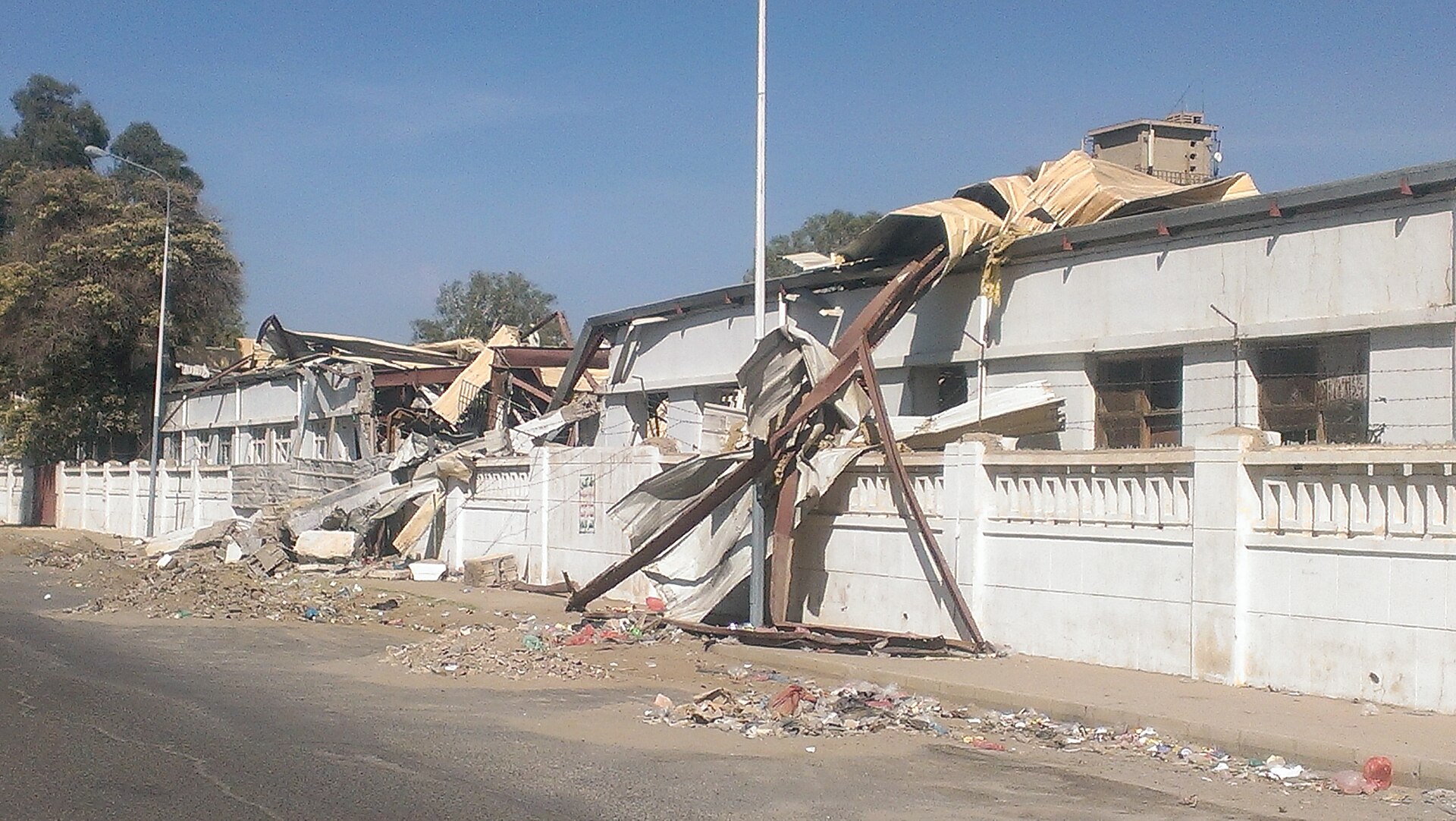
The next day brought strikes on Sanaa’s fuel infrastructure. Houthi media and the Saba news agency attributed strikes on the al-Mufazir gas station in the Jadar district of northern Sanaa and the Yemen Petroleum Company building on Southern al-Sittin Street in the al-Wahda district to Saudi Arabia, reports carried by Reuters and the AP. The Associated Press reported one person killed and nine wounded, and the Saudi-led coalition did not confirm or deny responsibility for those specific strikes. Hours after the November 10 raids, Houthis fired missiles at Riyadh — both ballistic and cruise variants — launched a ballistic missile at southern Saudi Arabia, and sent a drone over the Eastern Province, all of which the coalition said it intercepted, according to Reuters, the AP, and Al Jazeera.
By November 11, the claimed intensity had surged dramatically. Houthi military spokesman Yahya Saree said the coalition had carried out 109 strikes and missile attacks in 24 hours across Sanaa and five other governorates, a figure Al Jazeera reported but noted was unverified. The internationally recognised Yemeni government’s spokesman, Majed Abdullah al-Nuzaili, offered a competing and significantly lower count — 29 airstrikes and 39 drone attacks — while claiming 190 Houthi fighters had been killed or wounded, numbers Al Jazeera likewise described as unverified. The gap between those figures — 109 operations versus 68 — illustrates the fog that envelops this conflict’s daily reporting, where each side inflates its account of the other’s aggression while minimising its own losses.
What Has the Saudi-Led Coalition Confirmed About Sanaa Operations?
The coalition’s confirmed public statements about Sanaa operations remain more limited than the total volume of reported strikes would suggest. Major General Turki al-Maliki’s most detailed public statement about a Sanaa strike this autumn concerned the October 13 raid on the al-Sabah oil facility, during which he accused Houthis of using the facility’s “underground fuel depots to store missiles and drones,” according to Al Jazeera. The coalition said it had issued a civilian evacuation order before that strike and reported no casualties from the operation, though a separate October 13 strike on a site in Sanaa’s Hamadan district killed one person and wounded twelve, per CBS News and Al Jazeera.
The November 9 destruction of the ballistic missile launch platform in Sanaa is the coalition’s most recent confirmed strike on the capital, reported by the Voice of Emirates. Since then, the coalition has confirmed conducting strikes across Yemen but has not publicly addressed individual Sanaa targets for the November 10 or subsequent strikes. This pattern — confirming strikes that can be framed as targeting Houthi weapons infrastructure while declining to comment on raids that hit fuel depots, gas stations, or other dual-use facilities — has been consistent throughout the current escalation cycle.
The coalition’s targeting record inside Sanaa extends back further than November. October 9 raids targeted what sources described to Yemen Liveuamap as Houthi intelligence headquarters and military sites in Sanaa where leaders and foreign experts were said to be meeting, and the Jabal Al-Nahdayn area south of Sanaa — which overlooks the Presidential Palace and hosts weapons and missile storage according to Sheba Intelligence — was struck at least once in the current cycle on October 1.
Operation Dawn of Yemen and the Fight for the Capital
The strikes on Sanaa — confirmed and reported alike — take place within the framework of Operation Dawn of Yemen, launched on October 5 by the internationally recognised Yemeni government with Saudi-led coalition backing. Rashad al-Alimi, head of Yemen’s Presidential Leadership Council, has stated that the operation’s aim is “removing Houthi control of state institutions and retaking Sanaa,” according to the Middle East Monitor. That objective makes the capital not merely one target among many but the declared strategic endpoint of the entire campaign.
That strategic logic explains why Sanaa has drawn strikes against targets that extend well beyond active missile launchers. The al-Sabah oil facility, the Yemen Petroleum Company building, gas stations, intelligence headquarters, and the Jabal Al-Nahdayn weapons storage complex all represent the infrastructure that sustains Houthi governance and military capability in the capital. Degrading that infrastructure from the air — even at the cost of civilian casualties that generate international condemnation — appears to be the coalition’s theory of how to create conditions for the ground advance that Operation Dawn of Yemen’s name and stated objectives imply.
Whether this approach can achieve its stated goal remains an open question. Air campaigns can destroy fixed infrastructure and disrupt command networks, but the Houthi movement has shown resilience through years of coalition bombardment by dispersing its networks and relocating assets to underground facilities, and retaking Sanaa requires ground forces capable of holding its districts. The Yemeni government’s claim of 877 military operations in a single 24-hour period, while unverified, suggests that ground fighting is intensifying alongside the air campaign — but the gap between claiming operations and controlling Sanaa’s districts remains vast.
How Have Houthis Responded to Coalition Strikes?
The Houthi response to strikes on their capital has followed a consistent and intensifying pattern: each confirmed raid on Sanaa has been met with retaliatory strikes, or attempted strikes, deep into Saudi territory. After the November 10 strikes on Sanaa’s fuel infrastructure, Houthis fired both ballistic and cruise missiles at Riyadh, launched a ballistic missile at southern Saudi Arabia, and sent a drone over the Eastern Province — all intercepted by the coalition, according to Reuters, the AP, and Al Jazeera. The message from Houthi commanders has been explicit: strikes on the capital will be answered with strikes aimed at Riyadh.
Houthi military spokesman Yahya Saree had warned when the coalition struck Sanaa on October 13 that any Saudi attack on Sanaa would face a “firm and painful” response in Riyadh, and specifically threatened to target Aramco’s Dammam headquarters, King Khalid International Airport, and a Riyadh refinery, according to the AP. Those threats have been at least partially acted upon in the days since. Houthis claimed three drones hit King Khalid International Airport and the East-West Pipeline on November 13, and claimed five strikes on Saudi targets including Khamis Mushait and Sharurah, with the coalition confirming two interceptions.
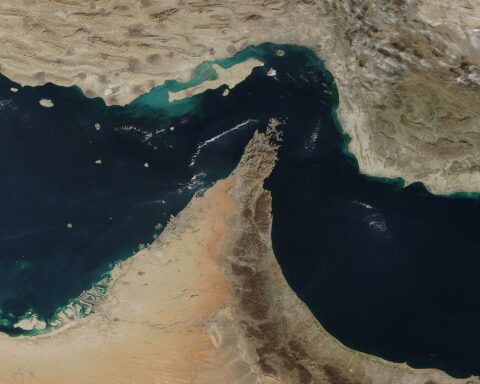
The cycle is self-reinforcing and shows no sign of breaking. Coalition strikes on Sanaa generate Houthi retaliatory launches, which provide the coalition with fresh justification for further strikes on launch infrastructure, which then generates further retaliation. The UN Security Council’s extension of Yemen sanctions through 2027, adopted amid this very escalation, has done nothing visible to slow the tempo on either side. Nor has the Saudi Cabinet’s call for an immediate end to threats in the Strait of Hormuz and Bab al-Mandeb — a statement directed at Iran that implicitly acknowledges how deeply the Yemen conflict has become entangled with the wider regional confrontation over Iran’s refusal to reopen the Strait of Hormuz until seven conditions are met.
The Human Toll
The World Health Organisation reported that at least 2,098 people had been killed and 9,657 wounded in Yemen since August, as of November 8, with more than 320,000 displaced, according to Al Jazeera. Those figures encompass casualties from coalition air operations, Houthi ground offensives, government counter-offensives, and the general violence of a country at war — they do not isolate the cost of strikes on Sanaa specifically, and the true total is almost certainly higher given the difficulty of counting in active conflict zones.
In Sanaa itself, the confirmed human impact this autumn includes one killed and nine wounded in the November 10 fuel infrastructure strikes according to the Associated Press, and one killed and twelve wounded in a separate strike on a site in Sanaa’s Hamadan district around October 13, per Houthi health ministry reports carried by multiple outlets. A Houthi mass funeral held on November 11 and 12 mourned 43 people alleged to have been killed in a Saudi airstrike, as reported by CNN and the Egypt Independent. For November 14 specifically, no casualty information of any kind is available.
The toll extends across both sides of the conflict and well beyond the capital. The Taiz Human Rights Center documented 51 killed and 85 wounded from Houthi attacks in Taiz governorate alone between November 1 and 12, according to the Middle East Monitor — a reminder that civilians face lethal violence from all parties in this war. What makes Sanaa different is scale and symbolism: strikes on a capital city whose population numbers in the millions carry consequences — political, humanitarian, and strategic — that raids on military positions in rural governorates do not, and each confirmed or reported strike on Sanaa raises the stakes for every party involved in what has become a rapidly intensifying military confrontation across multiple fronts.
Background
Yemen’s current escalation began in earnest when the Saudi-led coalition launched Operation Dawn of Yemen on October 5, 2026, with the internationally recognised government’s stated goal of retaking Houthi-held Sanaa. The Houthi movement, formally known as Ansar Allah, has controlled Sanaa since 2014 and has used the capital as its base for missile and drone attacks against Saudi Arabia throughout the broader conflict. The current round of hostilities occurs against the backdrop of a wider regional crisis centred on Iran’s closure of the Strait of Hormuz and escalating military confrontations between Iran, the United States, and Gulf states — a context that has transformed the Yemen conflict from a largely bilateral Saudi-Houthi confrontation into one strand of a multi-front regional war.
Frequently Asked Questions
Did Saudi Arabia confirm striking Sanaa on November 14?
No. As of approximately 23:20 UTC on November 14, the only source reporting a strike on Sanaa that evening was Iranian state news agency Mehr News, aggregated by Breaking The News at 23:12 UTC. The Saudi Ministry of Defence, major wire services including the Associated Press and Reuters, and regional outlets including Al Jazeera and Al Arabiya had not confirmed the report. The coalition has confirmed earlier Sanaa strikes this month, including the November 9 destruction of a ballistic missile launch platform.
How many times has Sanaa been struck in November 2026?
The exact count is unclear because the Saudi-led coalition does not confirm every individual strike and Houthi claims have not been independently verified. Confirmed incidents include the November 9 destruction of a missile launch platform and the November 10 strikes on the al-Mufazir gas station and Yemen Petroleum Company building that killed one and wounded nine according to the AP. Houthi military spokesman Yahya Saree claimed 109 coalition strikes across Sanaa and six governorates in a 24-hour period on November 11, a figure Al Jazeera reported but noted was unverified.
What specific targets has the Saudi-led coalition publicly acknowledged striking in Sanaa?
The coalition has publicly acknowledged two categories of Sanaa target in the current cycle: active missile launch infrastructure and dual-use civilian-military facilities. On November 9, spokesman Major General Turki al-Maliki confirmed the destruction of a ballistic missile launch platform. On October 13, he defended the al-Sabah oil facility strike by citing the facility’s “underground fuel depots to store missiles and drones,” according to Al Jazeera. The coalition issued a civilian evacuation order before the al-Sabah strike and said it caused no casualties from the targeted facility itself, though a separate October 13 strike on a site in Sanaa’s Hamadan district killed one person and wounded twelve, per CBS News and Al Jazeera. The coalition has not publicly commented on the November 10 strikes on the al-Mufazir gas station or the Yemen Petroleum Company building.
What has been the humanitarian impact of the Yemen conflict since August?
The WHO reported at least 2,098 killed and 9,657 wounded in Yemen since August as of November 8, with more than 320,000 displaced, according to Al Jazeera. Separately, OHCHR recorded 70 killed and 214 injured in verified civilian casualties — a narrower count than the WHO’s total because it applies a higher individual verification standard. Both figures predate the most intense phase of the November campaign and are likely undercounts. In Taiz alone, the Taiz Human Rights Center documented 51 killed and 85 wounded from Houthi attacks between November 1 and 12, per the Middle East Monitor.
The House of Saud Daily Briefing
Saudi Arabia's news in 3 minutes, every morning. Free. See today's issue