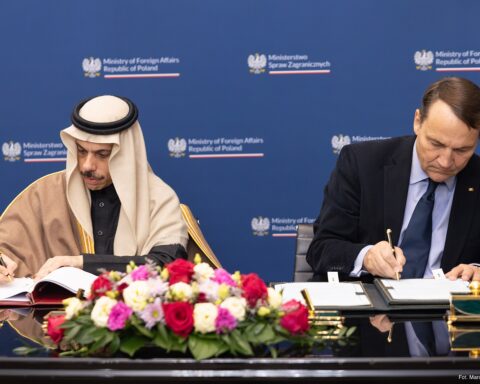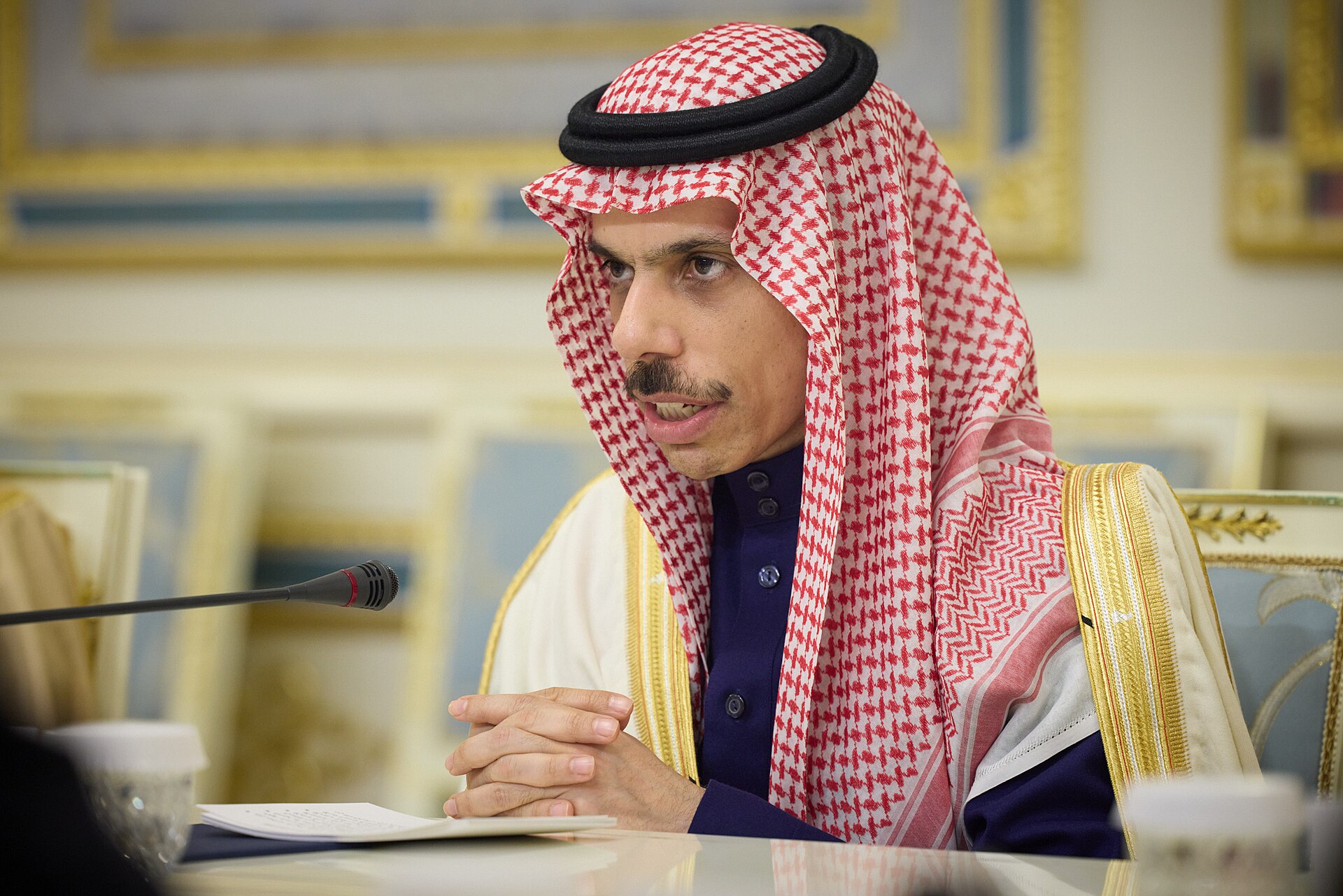

BRUSSELS — Saudi Foreign Minister Prince Faisal bin Farhan arrived in Brussels on November 14 for a round of bilateral meetings with European counterparts ahead of the EU Foreign Affairs Council on November 16, according to the Saudi Press Agency. The visit marks the most direct Saudi-European diplomatic contact since the October 12 FAC, at which EU ministers addressed what the Council called “escalating tensions in the Gulf and the Red Sea.”
Prince Faisal’s presence in Brussels comes four weeks after the European Council postponed the planned EU-GCC summit in Riyadh, four days after he joined a Saudi-Qatari-E4 ministerial meeting in Paris that pledged support for “restoring safe passage through the Strait of Hormuz,” and amid active Houthi strikes on Saudi cities that have killed and wounded hundreds since October. Saudi Arabia has been making a specific set of requests to European governments: naval escorts for Hormuz, an expanded mandate for the EU’s Aspides naval mission, pressure on Iran’s nuclear programme, and a rescheduled leaders’ summit. The November 16 FAC, chaired by EU High Representative Kaja Kallas, will determine how far Europe is prepared to go.
The House of Saud Daily Briefing
Saudi Arabia's news in 3 minutes, every morning. Free. See today's issue
Table of Contents
- Bilateral Meetings Ahead of the November 16 FAC
- What Is Saudi Arabia Asking Europe For?
- Can Europe Expand Aspides to the Strait of Hormuz?
- The Postponed EU-GCC Summit and Strategic Partnership Talks
- From Paris to Brussels: The G7 and E4 Meetings
- How Has Iran Responded to EU-GCC Coordination?
- Frequently Asked Questions
Bilateral Meetings Ahead of the November 16 FAC
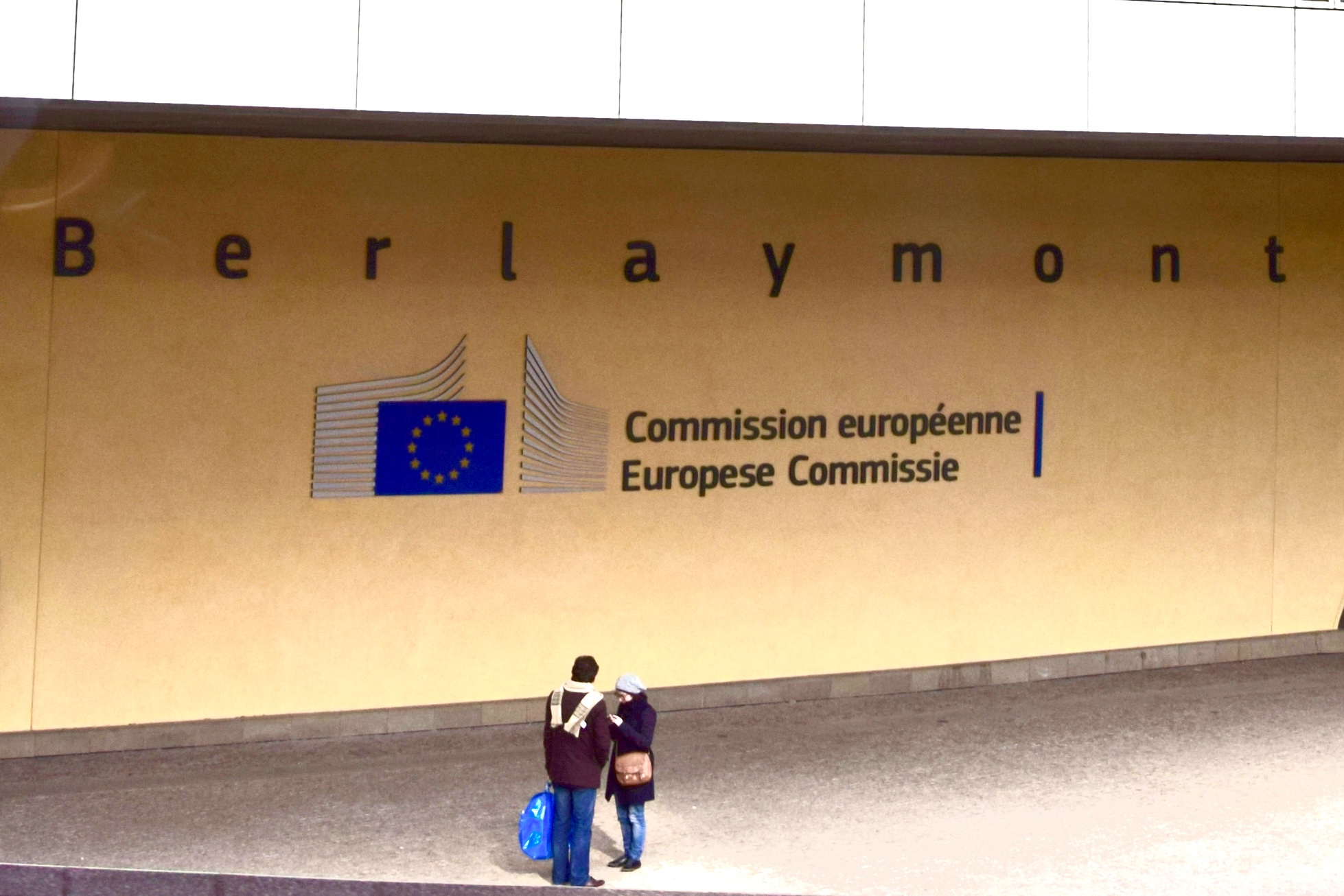
Prince Faisal arrived in Brussels on November 14, two days before the scheduled Foreign Affairs Council meeting, according to the Saudi Press Agency. The November 16 FAC agenda includes the Middle East, with a focus on EU-Syria cooperation, as well as Ukraine and sanctions against Russia, according to a preview published by the Latvian Ministry of Foreign Affairs. A separate Defence FAC is scheduled for November 17, according to the EU Council meeting calendar.
The specific content of Prince Faisal’s bilateral meetings on November 14 and 15 has not been publicly reported. No readouts had been published as of November 15. What is known is the diplomatic context: the last FAC, held on October 12, addressed “escalating tensions in the Gulf and the Red Sea, including attacks against Saudi Arabia and disruption of maritime security and freedom of navigation, notably in the Strait of Hormuz and the Bab al-Mandab Strait,” and stressed “the importance of de-escalation and pursuing diplomatic efforts towards a negotiated outcome,” according to the EU Council’s published meeting summary.
Prince Faisal’s Brussels schedule follows a week of intensive European diplomacy. On November 9–10, he attended the G7 Foreign Ministers’ Meeting in Paris, where he held bilateral talks with the British, French, German, and Korean foreign ministers, according to Arab News. On November 10, he participated in a Saudi-Qatari-E4 joint ministerial meeting — involving France, Germany, Italy, and the United Kingdom — that issued a statement affirming “support for mediation efforts, restoring safe passage through the Strait of Hormuz in accordance with international law, and preventing Iran from acquiring nuclear weapons,” as reported by Saudi Gazette.
What Is Saudi Arabia Asking Europe For?
Saudi Arabia’s diplomatic campaign in Europe centres on four requests that Prince Faisal and other Saudi officials have articulated at successive forums since the summer of 2026. Each addresses a gap between what Europe has said and what it has done.
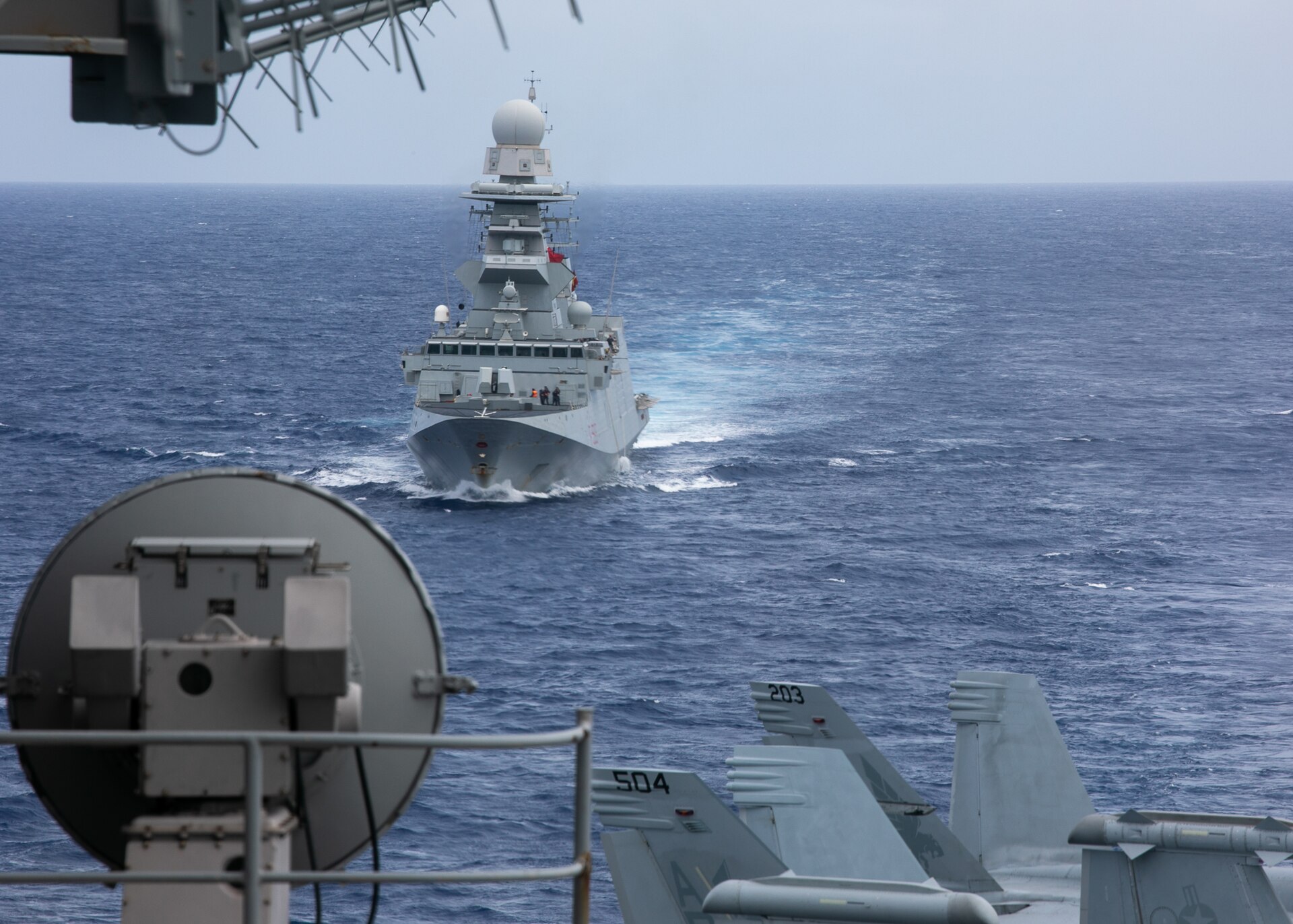
Naval escorts through the Strait of Hormuz. EU High Representative Kaja Kallas said in May 2026 that post-war Hormuz security “mostly needs more ships” from Europe, according to the Associated Press. The EU’s EUNAVFOR Aspides mission has 3 vessels in the Red Sea and holds a “non-executive” monitoring role for Hormuz — meaning it tracks traffic but does not escort commercial ships through the strait, according to AP. Prince Faisal and Italian Foreign Minister Antonio Tajani issued a joint declaration in Rome on July 29–30 calling for the protection of Hormuz and Red Sea commercial shipping and acknowledging EUNAVFOR Aspides, according to Arab News Japan. France and the United Kingdom are separately considering a naval force to escort ships through Hormuz, to be stationed in Omani waters, according to AP.
Expanded Aspides mandate. Moving Aspides from a monitoring role to an executive one — authorising it to conduct mine-clearance and escort operations in Hormuz — requires unanimous approval from all 27 EU member states, according to gCaptain. German Foreign Minister Johann Wadephul said in July he was “very sceptical that extending Aspides to the Strait of Hormuz would provide greater security,” according to The National. Belgium’s Foreign Minister Maxime Prevot said Belgium “is ready to take on responsibilities” on Hormuz mine-clearance, and Belgium “remains committed to providing mine-clearance expertise to a defensive naval mission in the Strait” once conditions allow, according to The National.
Pressure on Iran’s nuclear programme. The November 10 E4 joint ministerial statement in Paris included a pledge to prevent “Iran from acquiring nuclear weapons,” according to Saudi Gazette. Saudi Arabia has been pushing this message in parallel with its maritime requests, linking the two under a broader Iran containment framework.
A rescheduled EU-GCC leaders’ summit. The Riyadh summit, originally set for October 24, was postponed by the European Council on October 15, with no new date announced. Kallas said at the time, “You will hear when there is something to announce,” according to Reuters. No rescheduled date has been publicly confirmed.
Cinzia Bianco, an analyst at the European Council on Foreign Relations, wrote in October that European concrete defensive support is “a basic entry requirement for a maturing partnership” between the EU and Gulf states, according to The National.
Can Europe Expand Aspides to the Strait of Hormuz?
The Aspides mandate currently runs to February 28, 2027, with €15 million in additional funding approved, according to AP. Expanding its area of operations to include the Strait of Hormuz would require a unanimous vote by all 27 EU member states — a procedural barrier that has so far prevented any formal expansion proposal.
The debate within Europe has exposed clear divisions. Wadephul’s scepticism about extending Aspides contrasted with the Belgian and Dutch positions. Netherlands Foreign Minister Tom Berendsen said in July that “a solution is in the European interest as soon as possible” and that the Netherlands is “in continuous contact with Gulf partners, the US, and others,” according to The National. Prevot said Belgium was ready to provide mine-clearance expertise. EU Commissioner Dubravka Suica, responsible for the Mediterranean portfolio, said the EU aims to “step up relations with the Gulf” and wants a role in the regional security system following the US-Iran conflict, according to The National.
The alternative under discussion — a Franco-British force stationed in Omani waters, operating outside the EU command structure — would bypass the unanimity requirement but raise questions about EU institutional coherence. Oman has reported 17 incidents and the evacuation of more than 300 seafarers, and proposed a voluntary navigational support arrangement modelled on the Malacca Strait system, according to The National.
At the July 13 GCC-EU High-Level Forum in Brussels, a joint statement condemned Iranian attacks on GCC states and vessels, rejected any state’s claim to sovereignty or control over Hormuz, opposed transit tolls and fees, demanded Iran comply with the UN Convention on the Law of the Sea and UN Security Council Resolution 2817, and pledged “close coordination to protect navigation, commercial shipping, and sailors,” according to the Qatar News Agency.
The Postponed EU-GCC Summit and Strategic Partnership Talks
The EU-GCC summit had been scheduled for Riyadh on October 24, co-chaired by Crown Prince Mohammed bin Salman and European Council President Antonio Costa, according to The National. Costa’s invitation letter, dated October 6, described the summit as a chance to “showcase the EU as a reliable and long-term partner” to Gulf states, calling for “deeper and more ambitious” partnerships, according to The National. King Salman had personally invited the Kuwaiti Emir and Bahrain’s King, according to Asharq Al-Awsat, and the UAE President, according to the UAE Ministry of Foreign Affairs.
The European Council postponed the summit on October 15 with no new date. The postponement followed a Houthi attack on King Khalid Airport on October 8 and a Houthi missile and drone strike on Riyadh and Dhahran on October 13–14 that injured 4 people and damaged 15 homes, according to Reuters. EU-GCC trade has grown roughly 30 percent over the last decade, with imports up about 54 percent and exports up about 20 percent, and fuel accounting for more than 75 percent of EU imports from GCC states, according to The National.
Had it proceeded, the summit would have been the second EU-GCC leaders’ meeting, following the first in Brussels in October 2024 — itself the first since the 1989 EU-GCC cooperation agreement. The EU received a mandate in July 2025 to negotiate bilateral strategic partnership agreements with all 6 GCC states. Qatar launched SPA talks in December 2025 and Bahrain in July 2026, according to The National. Saudi Arabia’s SPA negotiations have not yet formally opened.
Separately, the EU-GCC Regional Security Dialogue was held in Riyadh on October 8, described by the European External Action Service as taking place “in the run-up to the upcoming EU-GCC Summit” — a summit that was postponed one week later.
From Paris to Brussels: The G7 and E4 Meetings
Prince Faisal’s Brussels trip is the second leg of a European diplomatic tour that began in Paris. On November 9–10, he attended the G7 Foreign Ministers’ Meeting, where he held bilateral talks with British, French, German, and Korean foreign ministers, according to Arab News. The G7 meeting gave Prince Faisal access to foreign ministers who collectively represent the largest European contributors to Gulf security: France, which confirmed troops, radars, and air defences for Yanbu in September, according to Al Jazeera; and Britain, which sent an RAF Voyager tanker to support Saudi air defence the same month, according to The National.
The E4 joint ministerial on November 10 in Paris brought Saudi Arabia and Qatar together with France, Germany, Italy, and the United Kingdom. The joint statement backed Qatari mediation on the Hormuz crisis, affirmed safe passage through the strait in accordance with international law, and pledged to prevent Iran from acquiring nuclear weapons, according to Saudi Gazette. The format — grouping the 4 largest EU foreign policy actors with the 2 Gulf states most directly involved in Hormuz diplomacy — operated outside the formal EU institutional framework, reflecting the difficulty of achieving 27-state consensus through Brussels channels.
The diplomatic trail from Paris to Brussels mirrors Prince Faisal’s pattern of bilateral engagement before multilateral meetings. He met US Secretary of State Marco Rubio in Washington on September 28, according to The National. At the UN General Assembly, Prince Faisal told delegates that the international community had been “absent” in confronting threats to peace and security, according to The National.
How Has Iran Responded to EU-GCC Coordination?
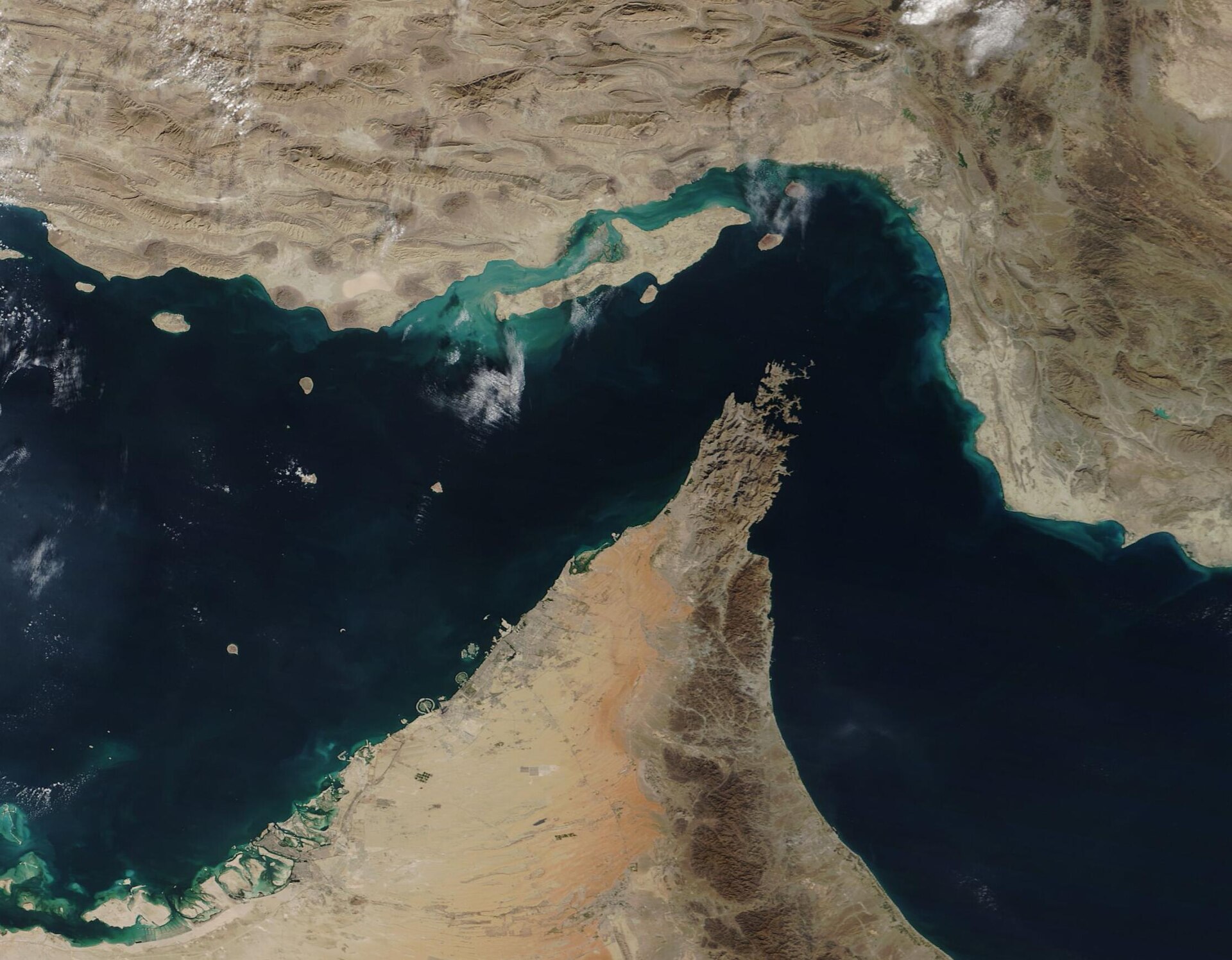
Iran has rejected the EU-GCC diplomatic alignment on Hormuz at every stage. Iranian Foreign Ministry spokesman Esmaeil Baghaei dismissed the July GCC-EU joint statement on Hormuz as “interventionist and unfounded claims,” according to The New Arab. Iran summoned heads of mission from EU member states to protest the joint communiqué, with Deputy Foreign Minister Majid Takht-Ravanchi calling in envoys over the bloc’s position on three disputed islands — Greater Tunb, Lesser Tunb, and Abu Musa — and comments on Iran’s nuclear programme, according to The New Arab and Iran Daily.
Iran has maintained that its closure of the Strait of Hormuz — originally declared on April 18 and re-declared on July 12 after a brief reopening — is non-negotiable, stating the strait would not reopen until seven conditions were met, according to Iranian state media. The IRGC Aerospace Force warned on November 13 of an “unlimited response” over the strait, according to Al-Mayadeen.
The GCC has responded with its own escalation at the United Nations. The GCC told the UN that Iran had fired more than 7,000 missiles and drones at Gulf states, a figure presented in a formal submission. Crown Prince Mohammed bin Salman sent a written message to Chinese President Xi Jinping as China hosted Saudi and Iranian envoys, according to official Saudi media, reflecting Riyadh’s parallel diplomatic track with Beijing.
Iran has also refused to accept the EU-GCC position that UNCLOS transit rights through Hormuz cannot be suspended by any coastal state — the legal framework underpinning the July joint statement’s demand that Iran comply with UNCLOS and UNSCR 2817, according to the QNA summary of the joint communiqué.
Background: Saudi Arabia’s Case to Europe
Saudi Arabia’s diplomatic pressure on Europe predates the current crisis but has intensified since Iranian attacks on Gulf states began in March 2026. Prince Faisal said on March 19 that the kingdom “reserved the right to take military actions if deemed necessary,” according to Reuters. By September, with Houthi strikes hitting Riyadh, Makkah, and other cities, he had escalated his public criticism of the international response at the UN General Assembly, according to The National.
The European response has been incremental. The US approved a possible $24.3 billion sale of 48 F-35A fighter jets to Saudi Arabia in September, according to The Aviationist, but no European government has committed warships to escort commercial traffic through Hormuz, and the Aspides mandate expansion remains stuck on the unanimity requirement.
The gap between European statements and European action is the central tension in Prince Faisal’s Brussels visit. The October 12 FAC conclusions called for “de-escalation and pursuing diplomatic efforts.” The July GCC-EU joint statement pledged “close coordination to protect navigation.” The E4 ministerial affirmed “safe passage through the Strait of Hormuz.” Saudi Arabia has made its requests plain. The November 16 FAC will show whether the 27 member states can agree on a collective response, or whether the Franco-British bilateral track and the E4 format remain the primary channels for Gulf security cooperation.
Frequently Asked Questions
What is EUNAVFOR Aspides and where does it operate?
EUNAVFOR Aspides is a European Union naval operation launched to protect commercial shipping in the Red Sea and Gulf of Aden. It currently operates with 3 vessels and holds a “non-executive” monitoring role for the Strait of Hormuz, meaning it can observe but not conduct escort or mine-clearance operations there. Its mandate runs to February 28, 2027, with €15 million in additional funding, according to AP. Any expansion to include executive operations in Hormuz requires a unanimous vote by all 27 EU member states.
Which EU member states have deployed military assets to the Gulf?
France confirmed troops, radars, and air defences for the Saudi port city of Yanbu in September 2026, according to Al Jazeera. Britain sent an RAF Voyager aerial refuelling tanker to support Saudi air defence operations the same month, according to The National. Belgium has pledged mine-clearance expertise for a future Hormuz naval mission, according to The National. France and the UK are separately considering a joint naval escort force to be stationed in Omani waters, operating outside the EU institutional framework, according to AP.
What is the E4 format and how does it differ from the EU FAC?
The E4 refers to France, Germany, Italy, and the United Kingdom — the 4 largest European foreign policy actors. The E4 format allows these states to negotiate alongside Gulf partners outside the formal EU institutional framework, avoiding the 27-state unanimity requirement that governs EU foreign policy decisions. The November 10 E4 meeting in Paris included Saudi Arabia and Qatar as partners. Britain’s participation is possible because the E4 operates independently of EU structures, unlike the FAC, which it left after Brexit.
Has a new date been set for the EU-GCC summit?
No. The European Council postponed the Riyadh summit on October 15, 2026, and has not announced a replacement date. EU High Representative Kaja Kallas said at the time of postponement, “You will hear when there is something to announce,” according to Reuters. The summit would have been the second EU-GCC leaders’ meeting, after the first in Brussels in October 2024. Six bilateral strategic partnership agreements are in various stages of negotiation; Qatar and Bahrain have formally launched talks, while Saudi Arabia’s have not yet opened, according to The National.
What legal framework governs transit through the Strait of Hormuz?
The GCC-EU joint statement issued in Brussels on July 19, 2026, cited both the UN Convention on the Law of the Sea and UN Security Council Resolution 2817 as the binding legal basis for transit rights through Hormuz, according to the Qatar News Agency. UNCLOS guarantees transit passage through international straits and prohibits coastal states from suspending such passage. Iran has refused to accept this position, maintaining that its closure of the strait is a sovereign act. The dispute over whether Hormuz transit rights can be unilaterally suspended remains the core legal disagreement between Iran and the EU-GCC bloc.
The House of Saud Daily Briefing
Saudi Arabia's news in 3 minutes, every morning. Free. See today's issue