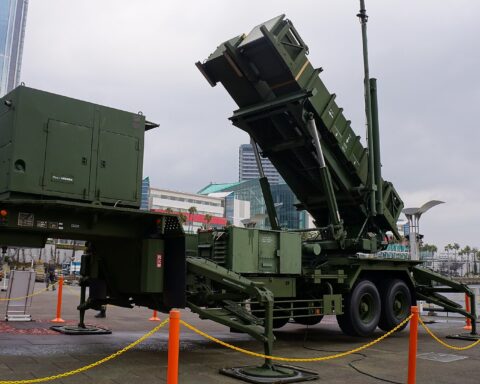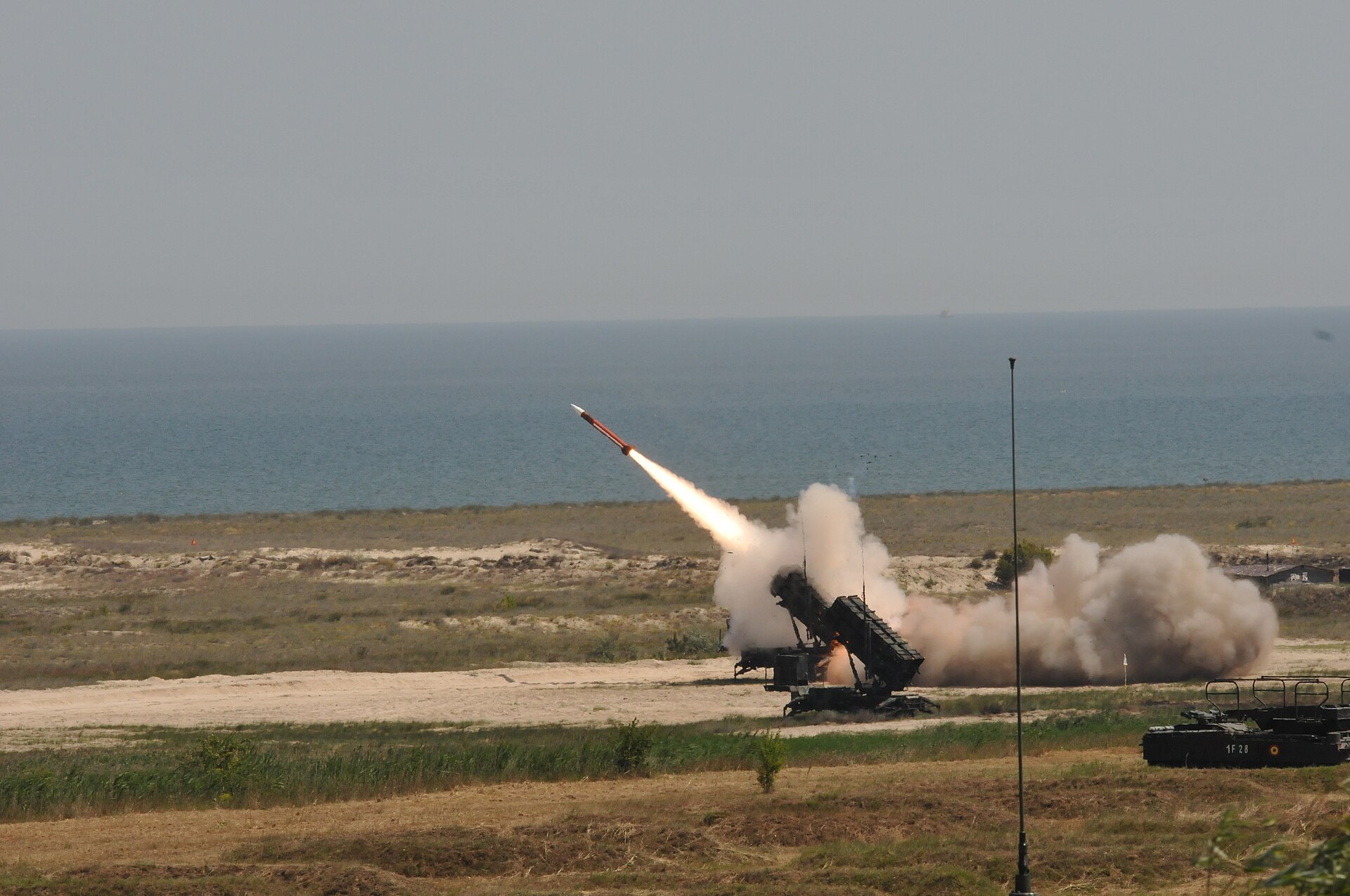

RIYADH — The Saudi-led coalition announced on Sunday that air defences intercepted and destroyed three drones over the Mecca and Medina regions on November 15 — two in the Makkah area and one near Madinah — attributing the attacks to “terrorist militias.” Houthi military spokesman Yahya Saree denied any involvement hours later, calling the coalition’s account “a blatant lie and fabrication” on Telegram, according to the Middle East Eye.
The intercepts added Islam’s two holiest cities to a day that already included two ballistic missiles aimed at Riyadh and drones intercepted over the Eastern Province. Gulf News reported that coalition defences engaged six drones and two ballistic missiles across the kingdom on Sunday. No casualties or structural damage were reported at any of the holy-city sites, according to the Peninsula Qatar and Gulf News.
The House of Saud Daily Briefing
Saudi Arabia's news in 3 minutes, every morning. Free. See today's issue
Table of Contents
What Did the Coalition Say About the Mecca and Medina Intercepts?
Coalition spokesman Maj. Gen. Turki al-Maliki made two separate announcements on X. The first confirmed that two drones had been “intercepted and destroyed” in the Makkah region, attributing them to “terrorist militias,” according to the Peninsula Qatar. The statement, posted on Sunday, provided no details about the drones’ intended targets, flight paths, or types.
A subsequent post announced the interception of a third drone in the Madinah region. The Arabic text read “اعتراض وتدمير طائرة مسيرة بمنطقة المدينة المنورة” — interception and destruction of a drone in the Madinah area — according to Siasat.com. That announcement used the broader “terrorist militias” formulation without naming the Houthis specifically.
English-language outlets filled in the attribution themselves. Gulf News and Anadolu Agency identified the attackers as “Yemen’s Houthi group,” though this was editorial characterisation rather than the language of the coalition’s Madinah statement. Anadolu Agency initially reported two drones over Mecca, then updated the total to three for Mecca and Medina combined.
Neither statement included information about intercept locations within the regions, flight trajectories, or the air-defence systems involved. The coalition’s practice since September has been to confirm interceptions without disclosing operational specifics, leaving the precise proximity of each drone to urban areas or holy sites unaddressed. The distinction matters: a drone intercepted at the edge of the Makkah administrative region is a different event from one brought down over the city itself.
Saree’s Denial and Counter-Claims
Saree’s response, posted on Telegram on November 15 and reported by the Middle East Eye at 18:24 GMT, went beyond a standard denial. In Arabic, his formulation was “وهذا كذب وافتراء” — the word “افتراء” (iftira) conveying slander or fabrication, a stronger accusation than simple falsehood, according to Siasat.com. He stated that the group’s operations target “منشآته النفطية وقواعده العسكرية فقط” — Saudi oil facilities and military bases only.
The statement carried an accusatory edge aimed at Riyadh itself. Saree said the Saudis should “accept defeat on the battlefield” rather than “hide behind” the holy cities, according to Siasat.com. This framing — that Saudi Arabia invokes Mecca and Medina to deflect from military setbacks — has been a fixture of Houthi messaging since the first Makkah interception claim in September. Each coalition holy-city announcement has produced a near-identical denial.
Saree’s Telegram post also contained a series of operational claims: 75 Saudi-led airstrikes and missile attacks in the previous 24 hours, the shootdown of a Saudi CH-4 reconnaissance drone over Al Jawf, and a cumulative total of 5,095 Saudi strikes since the escalation began, according to Siasat.com. None of these figures have been independently verified.
The Houthis had claimed on November 14 that 72 coalition air strikes hit targets across Yemen in 24 hours, a figure that itself awaits independent confirmation. The combination — blanket denial of any holy-city operations paired with unverifiable counter-claims about coalition strikes — has repeated with minor variations after each incident since September.
November 15 Across the Map
The holy-city intercepts were one element of a day that stretched Saudi and allied air defences across the country’s full geography. Coalition forces had destroyed two ballistic missiles aimed at Riyadh and intercepted drones over the Eastern Province in the hours before the Makkah and Madinah announcements.
The activity was not confined to Saudi Arabia. The IRGC claimed it launched six drones at the US helicopter base at Al-Rifaa in Bahrain on the same day, with US forces saying all were intercepted. A day earlier, the US Embassy in Riyadh had issued a nationwide security alert warning American citizens of the Houthi threat and advising them to review personal security plans — one indicator of the environment facing anyone assessing travel to Saudi Arabia at the moment.
The Houthis had claimed strikes on King Khalid International Airport and the East-West pipeline on November 13, a day before their 72-strike claim and two days before the holy-city events. The geographic spread of the engagements — Mecca, Medina, Riyadh, the Eastern Province, and Bahrain within 24 hours — tracked with an escalation cycle that has accelerated across mid-November.
Why Do Attacks Near the Holy Cities Draw Wider Condemnation?
The Grand Mosque in Mecca and the Prophet’s Mosque in Medina hold a status shared by no other places in the Islamic world. They draw millions of pilgrims annually for Hajj and year-round Umrah, and any perceived threat generates a diplomatic response that extends well beyond the Yemen conflict’s usual audience of Gulf states and Western powers.
When the coalition first reported a Makkah drone interception on September 15, the Organisation of Islamic Cooperation condemned it as a “heinous attack” constituting “terrorism that runs counter to Islamic values and to international norms, principles, and law,” according to TRT World. The OIC expressed “full solidarity with Saudi Arabia” and called on the international community to act. Pakistani Prime Minister Shehbaz Sharif told the UN General Assembly on September 25 that any threat to Mecca and Medina was “a red line that must never be crossed,” according to Al Jazeera.
Within Saudi Arabia, Sheikh Abdulrahman Al Sudais, president of religious affairs at the Grand Mosque and Prophet’s Mosque, said in October that “the security and sanctity of Mecca and Medina are a red line that must not be breached” and described the attacks as “a criminal approach with malicious intent toward Muslims and their holy sites,” according to Gulf News. He said the attacks “would not undermine Saudi stability.” The coalition’s own red-line language dates to September 16, when al-Maliki declared “the security of the Two Holy Mosques and the pilgrims is a red line” and the coalition “will not hesitate to take the necessary and deterrent measures against the Terrorist Houthi Militia,” according to Al-Monitor.
No new red-line statement specific to the November 15 intercepts was found from Saudi officials as of filing. The declared red line has been invoked to describe events across three months, none of which — apart from the October 1 Medina power-station strike — has produced confirmed damage inside a holy-city area. Saudi Arabia’s Foreign Ministry said in September that the kingdom reserves the “legitimate right to take all necessary measures” to protect the holy sites and its territory, according to Asharq Al-Awsat.
Dr. Yoel Guzansky, an analyst at Israel’s Institute for National Security Studies, has argued that targeting the holy cities is “completely contrary to the Houthis’ interests,” according to Ynetnews. He noted that no confirmed impacts in the cities had occurred and suggested Saudi Arabia has an incentive to link the Houthis to the holy sites to build international legitimacy — but warned that doing so repeatedly without confirmed damage could raise questions about whether the kingdom can protect them.
From September to November: A Contested Record
The November 15 intercepts continue a sequence that began on September 15, when the coalition announced the first Makkah drone interception of the current escalation cycle, according to Al-Monitor. The Houthis denied it, the OIC condemned it, al-Maliki declared the red line, and Saudi Civil Defense issued an emergency alert that was later lifted. The sequence — announcement, denial, condemnation — has repeated after every subsequent holy-city event, with the gap between each round narrowing as the conflict intensifies.
On October 1, a drone struck a transformer at a Medina power station that serves the Prophet’s Mosque, knocking it out of service, Gulf News reported. It remains the only confirmed physical damage to infrastructure in a holy-city area during this cycle — and the only incident where the debate over whether a drone reached its target was settled by evidence on the ground. On October 25, missile debris fell in the Mecca, Jeddah, Taif, and Rabigh areas after coalition interceptions, according to Gulf News, and the Houthis again denied targeting the holy cities. Al Sudais made his red-line statement in response to that incident.
On November 12, debris from two Houthi missiles fell in the Makkah region, and the coalition destroyed three cruise missiles and two drones targeting Riyadh and Makkah. Three days later came the events reported here: three more drones over the holy-city regions, another denial from Saree, and no confirmed impact on the ground.
Iran’s Foreign Ministry has questioned earlier holy-city claims. Spokesman Esmaeil Baqaei said in September that the interception reports were “not enough on their own to blame any particular party,” according to Siasat. No Iranian government statement on the November 15 intercepts was found.
The coalition has cited a July 27, 2017 ballistic missile fired toward Makkah as the first Houthi attempt on the holy city, according to Asharq Al-Awsat. Nine years later, the dispute over whether the Houthis are deliberately sending drones toward Islam’s holiest places — or whether the coalition is assigning that intent to build a case for international support — remains unresolved.
Frequently Asked Questions
Did Saudi Arabia issue civil defence alerts for Mecca or Medina on November 15?
No civil defence alerts specific to Mecca or Medina on November 15 were reported by any outlet reviewed. When the first Makkah drone interception occurred on September 15, Saudi Civil Defense issued an emergency alert for the area that was later lifted, according to Al-Monitor. The November 15 announcements were made through the coalition’s X account without an accompanying public warning system activation.
Has any drone or missile struck the Grand Mosque or Prophet’s Mosque?
No confirmed strike has reached either mosque. The closest confirmed impact was the October 1 drone strike on a transformer at a Medina power station that serves the Prophet’s Mosque, Gulf News reported. That attack is also the only holy-city incident where the coalition confirmed Houthi attribution by examining drone wreckage, according to Gulf News — every other event has rested on pattern attribution rather than physical evidence. On October 25, missile debris fell across the Makkah region after interceptions but no structural damage to the mosque complex was reported, according to Gulf News.
Has the OIC condemned the November 15 intercepts specifically?
No OIC statement specific to the November 15 intercepts was confirmed as of filing. The OIC General Secretariat condemned the September 2026 Makkah incident and described it as “terrorism that runs counter to Islamic values.” The Muslim World League also condemned repeated attacks on Makkah and Madinah in September and after subsequent incidents, according to Asharq Al-Awsat. Whether either body issues a November 15-specific response may depend on whether the incidents produce confirmed damage or casualties.
What is Iran’s position on the holy-city interception claims?
No Iranian government statement specific to November 15 was found. In September, Foreign Ministry spokesman Esmaeil Baqaei went beyond simple scepticism, raising the possibility of what he described as “false flag tactics to divide Muslim nations,” according to Siasat. The framing positioned Iran as a defender of Islamic unity rather than a party to the attacks — a posture Tehran has maintained in state media commentary on each subsequent holy-city event.
The House of Saud Daily Briefing
Saudi Arabia's news in 3 minutes, every morning. Free. See today's issue