RIYADH — Seven international airlines have extended or deferred Gulf route operations into 2027 following attacks that struck a Saudi refinery and killed two Italian nationals in Kuwait on November 26, triggering temporary Kuwaiti airspace restrictions.
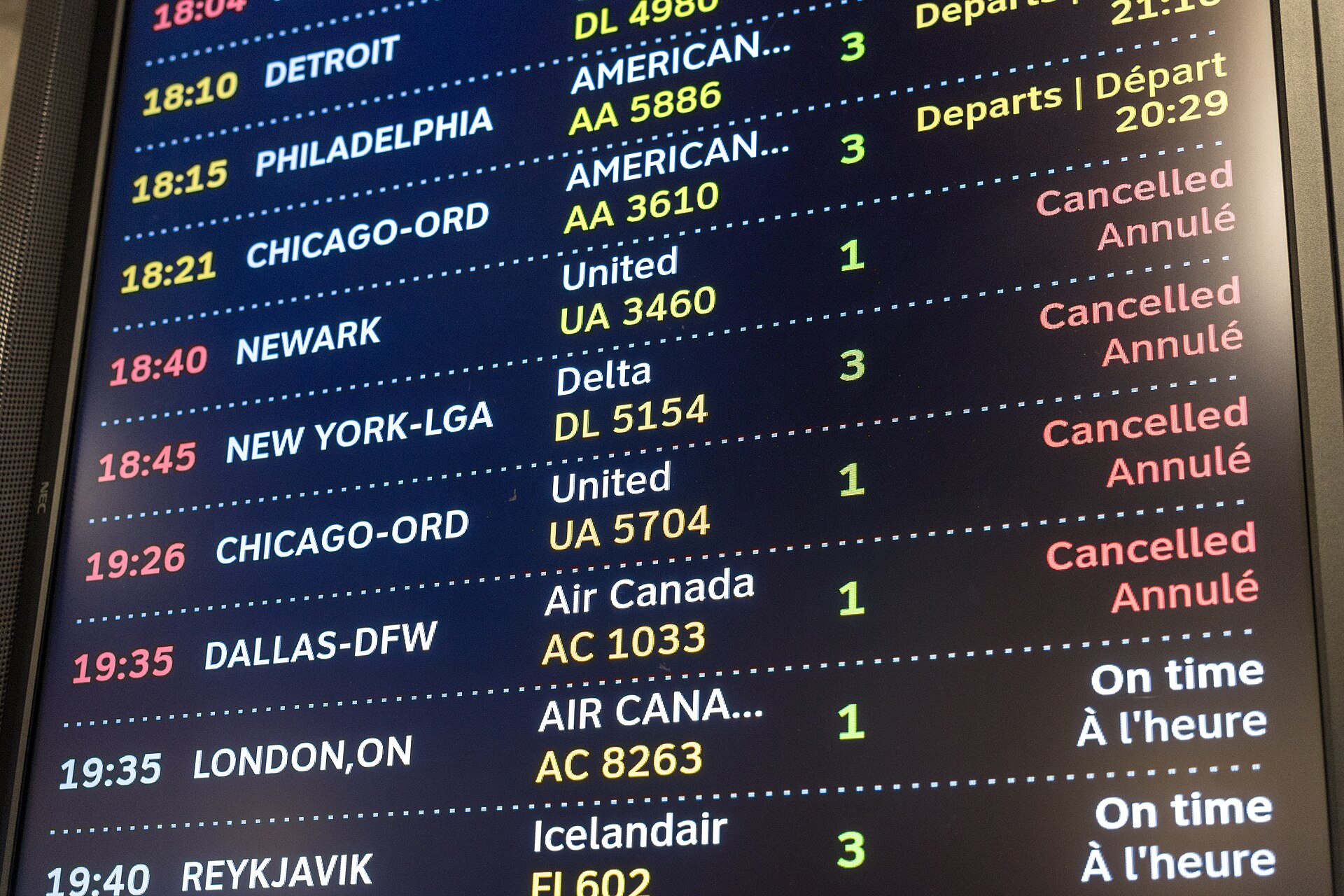
British Airways, Lufthansa, Air France, Cathay Pacific, Scoot, Delta Air Lines, and Singapore Airlines have all set suspension or deferral dates running past January 1, with the longest — Scoot’s Singapore–Jeddah service — cancelled through the end of February 2027, according to airline statements compiled by The National. The decisions came atop an existing disruption that had already cancelled 45 percent of Saudi Arabia’s scheduled departures in October, according to Cirium data reported by Gulf Business.
The House of Saud Daily Briefing
Saudi Arabia's news in 3 minutes, every morning. Free. See today's issue
Two planned new long-haul routes into Riyadh, announced under Saudi Arabia’s Vision 2030 aviation targets, have now been deferred before they ever launched. A third existing route — British Airways’ London–Jeddah service — has been permanently abandoned.
Table of Contents
Which Airlines Have Extended Past January?
The suspensions vary in scope and duration but share a common feature: none of the seven carriers has set a return date earlier than January 4, 2027. Several have pushed into the second quarter.
| Airline | Route | Status | Return / Launch Date |
|---|---|---|---|
| British Airways | London Heathrow–Riyadh | Suspended | January 11, 2027 |
| British Airways | London Heathrow–Jeddah | Permanently discontinued | — |
| British Airways | London Heathrow–Abu Dhabi | Suspended | Winter 2027–28 |
| Lufthansa Group | All group flights to Riyadh | Suspended | After January 7, 2027 |
| Air France | Paris–Riyadh | Suspended | January 4, 2027 |
| Cathay Pacific | Hong Kong–Riyadh | Suspended | After January 31, 2027 |
| Scoot | Singapore–Jeddah | Cancelled | After February 28, 2027 |
| Delta Air Lines | Atlanta–Riyadh (new route) | Launch deferred | March 2027 |
| Singapore Airlines | Singapore–Riyadh (new route) | Launch deferred | March 28, 2027 |
Source: Airline statements reported by The National, November 23, 2026
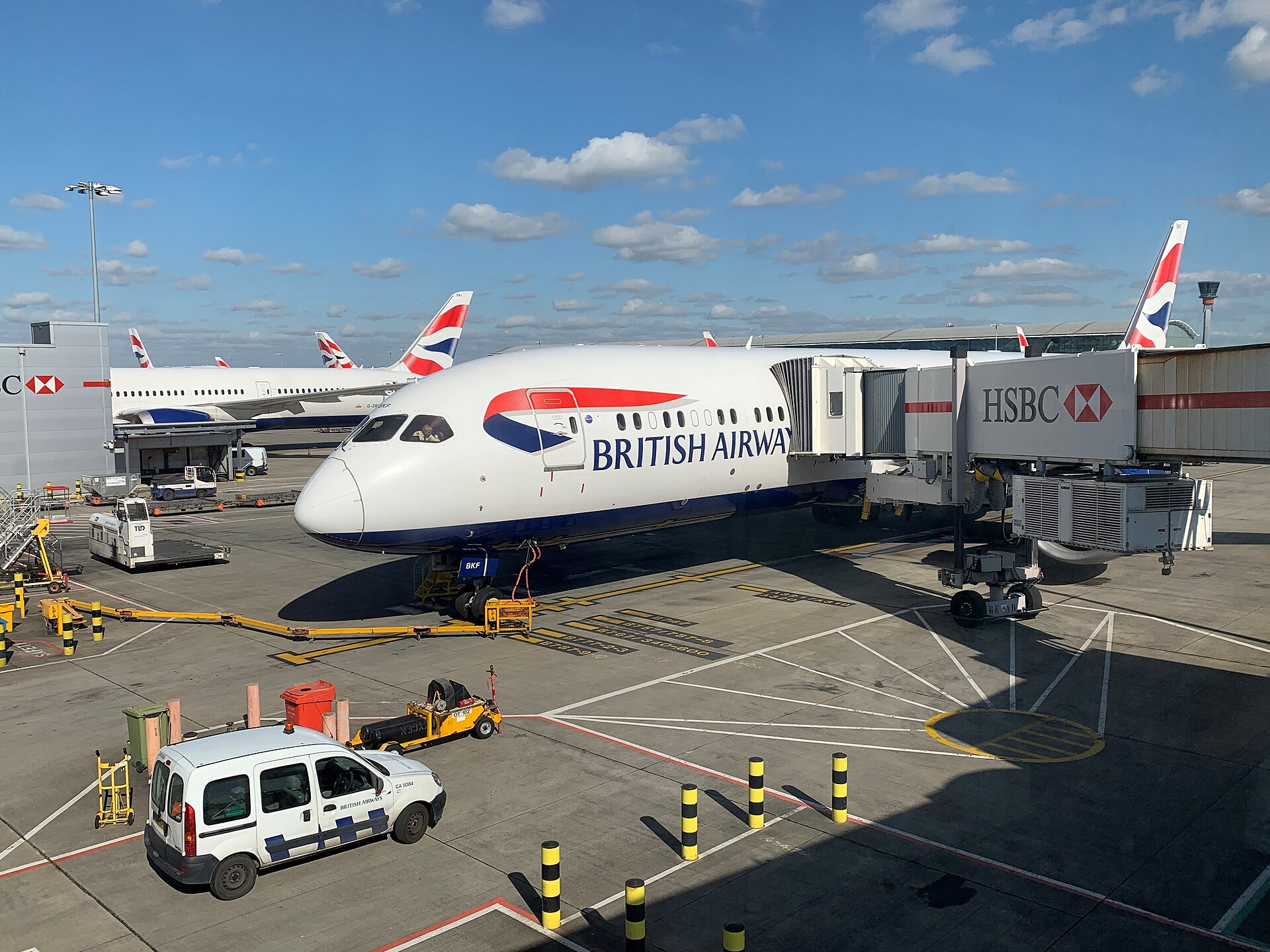
British Airways moved its London Heathrow–Riyadh restart from November 3 to January 11, 2027, suspended Abu Dhabi services until winter 2027–28, and permanently discontinued London–Jeddah, The National reported November 23.
“Due to current developments in the Middle East, the airlines of Lufthansa Group has suspended their flights to Riyadh up to and including 7 January.”
— Lufthansa Group statement to The National, November 23, 2026
Lufthansa reinstated Munich–Dubai on November 25 while holding its Riyadh suspension firm — a distinction that shows carriers now treat the two Gulf hubs as separate risk zones. British Airways had already resumed London Heathrow–Dubai in early November, The National reported.
Air France set a January 4 return for its Riyadh service, according to The National, though a photo caption in the same report cited December 12. Cathay Pacific cancelled all Riyadh passenger flights through January 31, the longest hard suspension among carriers already operating the route.
KLM extended Riyadh and Dammam cancellations to January 10, 2027, according to the airline’s official statement updated November 23. “KLM is currently not flying through the airspace of Iran or Iraq,” the airline said in a statement cited by The National. “We also do not fly over several countries in the Gulf region.” KLM, Singapore Airlines, and Air Canada maintained suspensions on Dubai routes into 2027, Avi-Go and the International Travel and Health Insurance Journal reported, meaning the disruption extends beyond Saudi Arabia to the broader Gulf hub network.
IndiGo, India’s largest carrier, said it was continuing to “closely monitor developments and assess the situation,” according to a statement cited by The National.
How Deep Is the Cancellation Rate?
Cirium data for October 8–25 measured the operational damage: 7,802 of 17,299 scheduled Saudi departures were cancelled or marked no-fly — a 45.1 percent rate. For Riyadh’s King Khalid International Airport alone, the rate reached 85.96 percent: 4,071 of 4,736 scheduled departures, Cirium data cited by Gulf Business showed.
The number of suspended carriers has only grown since the October attack wave. OAG data showed Middle East seat capacity in October was down 5.7 percent year-on-year, representing 2.2 million fewer seats, CNBC reported via Arabian Gulf Business Insight. That regional figure understates the Saudi-specific impact, since it includes carriers operating through UAE and Qatari hubs that have largely continued service. The KKIA figure left Riyadh’s primary international airport functionally closed to most foreign carriers for the better part of a month.
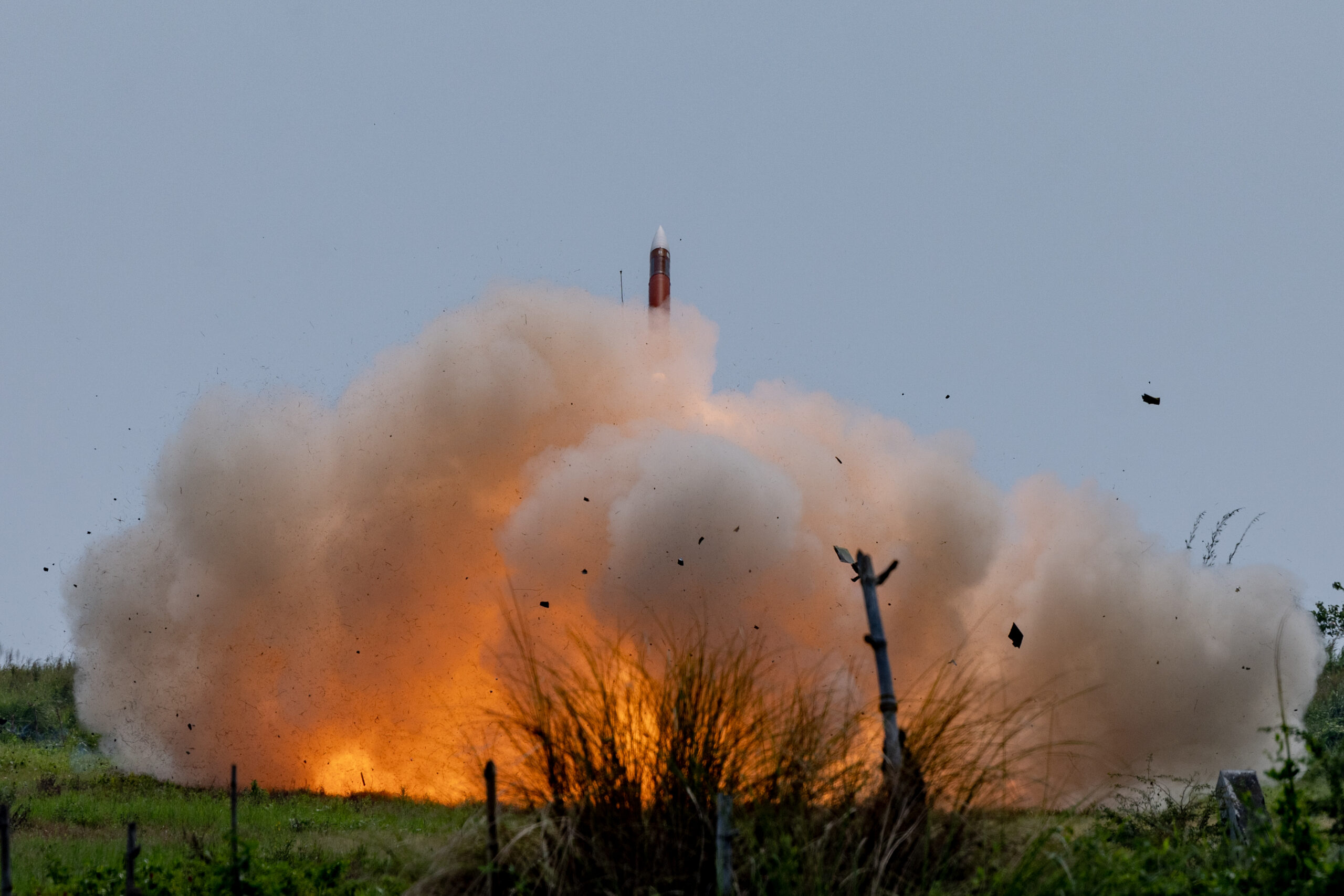
The November 26–27 attacks — a Houthi strike on Jazan refinery that killed one worker, a fatal Iranian drone attack in Kuwait, and continued intercepts over Riyadh — have added pressure on carriers already reviewing their positions on a rolling basis.
The Insurance Barrier
Even if the military situation were to stabilize, an insurance bottleneck would slow any resumption. War-risk aviation premiums have risen 50 to 500 percent since the conflict began on February 28, with some Gulf exposures now being declined outright, insurance broker Lockton told Avi-Go.
Airport cover capacity in the Gulf fell from approximately $1 billion to $200 million, insurance broker Marsh told Skift — a five-to-one contraction that leaves Gulf airports carrying a fraction of the liability coverage international carriers’ own insurers require before authorizing operations.
IATA’s June 2026 annual outlook projected combined airline net profit of $23 billion for the year — roughly half the previously projected $41 billion — with the Middle East conflict and fuel costs cited as the primary drags, according to an IATA press release.
“The situation remains dynamic and further changes are possible. Guests are encouraged to check the latest status of their flight.”
— Etihad Airways statement cited by The National, November 23, 2026
Each new attack resets the underwriting clock. Insurers who had been weighing incremental rate adjustments now face the November 26–27 wave: a refinery strike, a fatal drone attack on a NATO ally’s nationals, and continued ballistic missile and drone intercepts over the Saudi capital.
What Does This Mean for Vision 2030 Aviation Targets?
Saudi Arabia has stated a Vision 2030 target of 150 million air passengers annually by 2030, with new long-haul routes as a centerpiece of the strategy. The aviation suspensions cut directly against that ambition. Delta’s Atlanta–Riyadh nonstop, originally set for October 23, and Singapore Airlines’ direct service, now pushed to March 28, 2027, have both been deferred by at least five months before carrying a single passenger, The National reported. British Airways’ permanent abandonment of London–Jeddah removes an existing route entirely.
The postponement of the 10th FII Summit from October 2026 to October 2027 had already signaled that Saudi Arabia’s events calendar was contracting under the weight of the conflict. The aviation suspensions extend that contraction to the country’s physical connectivity with Europe, East Asia, and North America — the long-haul markets the Kingdom’s tourism and financial-center ambitions depend on.
King Salman’s activation of the SANED wage-support program to cover 60 percent of private-sector wages acknowledged that the conflict’s economic effects have reached the broader service economy. Aviation, hospitality, and event-management workers are among the most directly exposed. Saudi Arabia’s 2027 budget projects 12.8 percent GDP growth, but that forecast rests partly on assumptions about connectivity and foreign visitor arrivals that the current suspension data does not support.
Regulatory Warnings Keep Tightening
The European Union Aviation Safety Agency revised six Conflict Zone Information Bulletins on November 16, covering Saudi Arabia’s Jeddah FIR, Iran, Iraq, Lebanon, Jordan, the Persian Gulf, and the Gulf of Oman — all valid through January 31, 2027, Travelerstoday.com reported. The bulletins are advisory, not mandatory, but European carriers treat them as de facto operational constraints.
France went further on November 25, issuing a NOTAM limiting French operators in most of the Jeddah FIR — a step beyond the EASA advisory level, according to Safe Airspace. The timing preceded the Houthi strike on Jazan refinery by less than 24 hours.
The FAA issued a caution notice on Saudi airspace in force through at least December 10, CNBC reported via AGBI. Safe Airspace, which aggregates flight-safety advisories from multiple national authorities and pilot unions, maintains a Level 1 “Do Not Fly” recommendation for Saudi airspace — the most restrictive category — citing Houthi missile and drone activity.
Kuwait temporarily restricted its airspace on November 26 following the Iranian drone attack that killed two Italian nationals at a critical infrastructure site, Avi-Go and the International Travel and Health Insurance Journal reported. Kuwait, first attacked on February 28, has seen its Ali Al Salem air base repeatedly targeted throughout the conflict.
The Attacks That Grounded the Network
The airline suspensions trace to a specific escalation. Houthi attacks on KKIA between October 6 and 11 killed at least 14 people and wounded hundreds. On October 6–7, strikes on KKIA and Abha killed three and wounded 36, BBC reported. On October 10, a KKIA strike killed at least 12 and wounded more than 300, Al Jazeera and BBC reported. On October 11, a projectile hit Terminal 4, killing one Pakistani national and injuring 11, while Dammam airport was also attacked, CNN reported.
EASA widened its Saudi airspace warning on October 9, two days after the initial strikes, Fortune reported. The New York Times noted the airport strikes “threaten Riyadh’s events calendar.” Within two weeks, British Airways, Lufthansa, and Air France had all suspended Riyadh services. What began as short-term pauses have since rolled into multi-month extensions — the pattern that produced the current January-through-March deferral dates.
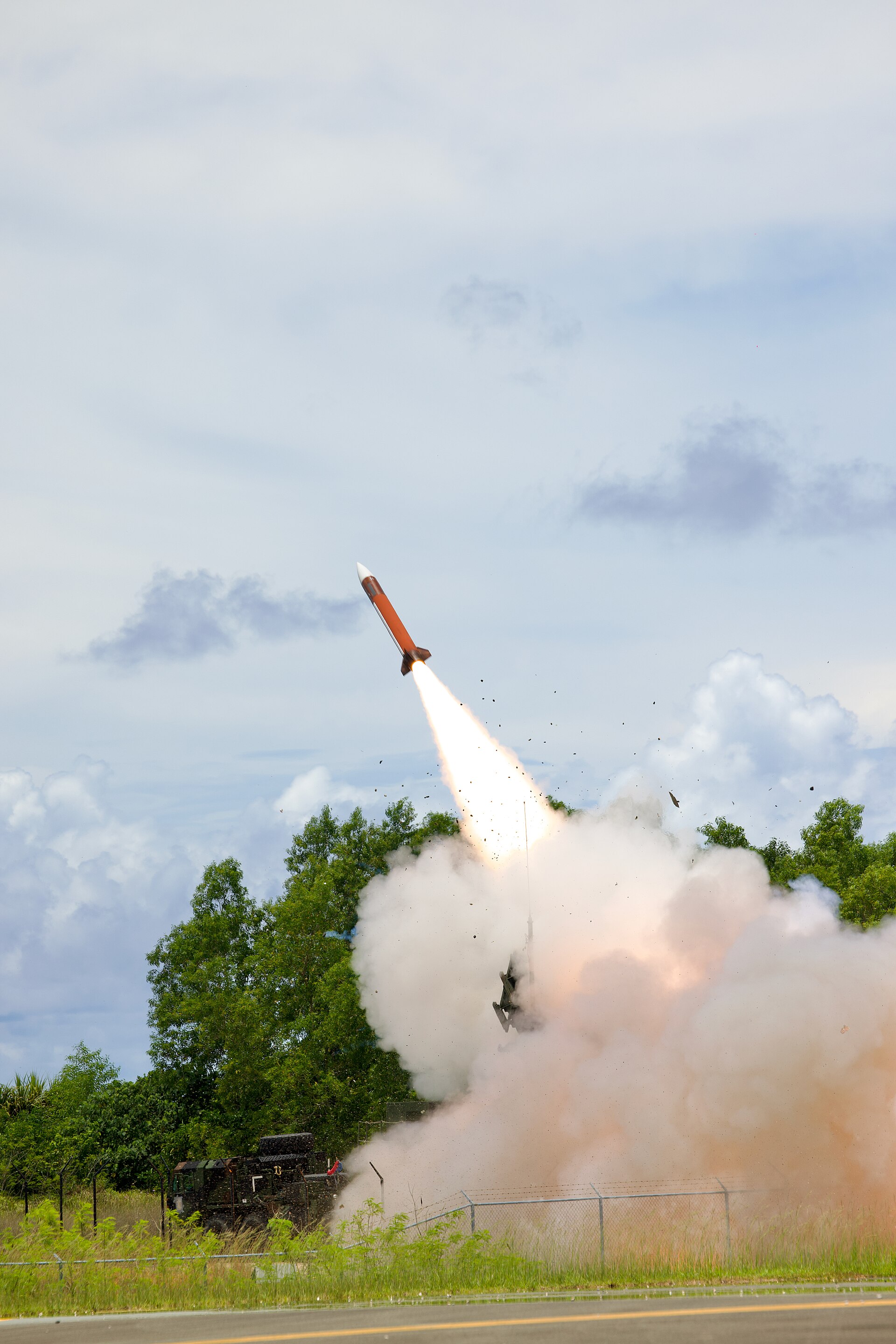
The November wave compounded the disruption. The coalition intercepted two Houthi ballistic missiles targeting Riyadh on November 26. Houthis struck Jazan refinery the same day, killing one worker, the Saudi Energy Ministry confirmed. Iranian drones killed two Italian nationals in Kuwait. On November 27, the coalition intercepted two more Houthi drones targeting Saudi Arabia.
Saudi Arabia intercepted 209 Houthi aerial threats between September 24 and November 24, the Saudi Embassy in Washington said, as cited by Avi-Go. Reuters counted Houthi claims of attacks on Saudi airports on eight days in October and six days in November, according to an Al-Monitor factbox.
The Houthis have warned they would strike Saudi Arabia’s Red Sea ports if the coalition struck Hodeidah. By November 25, they had struck Jizan port and threatened Jeddah and other Saudi Red Sea ports, Al Jazeera reported. Brent crude rose 8.1 percent in four days as the attacks on Saudi energy infrastructure escalated.
Frequently Asked Questions
Can passengers still fly to the Gulf via Dubai?
Some carriers have resumed Dubai services while maintaining Saudi suspensions. Lufthansa reinstated Munich–Dubai on November 25, and British Airways resumed London Heathrow–Dubai in early November, The National reported. However, KLM, Singapore Airlines, and Air Canada maintained Dubai route suspensions into 2027, Avi-Go and ITIJ reported, so the UAE hub is not universally accessible either. Passengers should verify individual carrier status before booking connecting itineraries through Dubai or other Gulf airports.
When is the earliest regulatory path to resumption?
EASA’s current Conflict Zone Information Bulletins for Saudi Arabia and the Persian Gulf expire January 31, 2027. Any resumption by European carriers before that date would require either an EASA revision or individual airline risk assessments that override the advisory — unlikely given the insurance constraints described by Lockton and Marsh. The FAA’s caution notice runs through at least December 10, but US carriers have independently set longer deferral dates: Delta’s Atlanta–Riyadh launch is not scheduled until March 2027.
How does the hajj 2027 season factor in?
The hajj pilgrimage in 2027 is expected to fall in approximately June–July. If the current suspension pattern persists, Saudi Arabia would face reduced commercial aviation capacity during the world’s largest annual religious gathering. The EASA bulletins’ January 31 expiry and rolling airline reviews suggest carriers will reassess well before the hajj season, but the pace of that reassessment depends on the conflict trajectory and the insurance market’s willingness to restore Gulf capacity.
What about travel insurance for existing Saudi bookings?
Most standard travel insurance policies exclude losses arising from conflict in zones subject to government warnings, according to IATA and industry guidance. Travelers with existing Saudi bookings should check whether their carriers are offering rebooking or refund options — Etihad directed passengers to check flight status at its website, The National reported — and whether their policies include specific conflict-zone coverage, which some specialist brokers still offer at elevated premiums.
The House of Saud Daily Briefing
Saudi Arabia's news in 3 minutes, every morning. Free. See today's issue