RIYADH — The Saudi-led coalition named four strike targets on July 4 — Hodeidah port, Ras Isa oil terminal, As-Salif port, Sanaa International Airport — and promised “unprecedented determination and force” against threats to the Kingdom. In the five days since, the Houthis have sunk two commercial vessels, killed at least three seafarers, detained six crew members as hostages, and published a propaganda video of the captives begging shipping companies to stop trading with Israel — all without absorbing a single retaliatory strike from the coalition that threatened them.
The declaration was not a warning that failed on execution; it was a warning that could not have succeeded on any timeline. It was issued from an alliance whose PAC-3 interceptors are 86 percent depleted, whose E-3G AWACS battle management aircraft was destroyed in March and never replaced, whose American partner is actively weighing withdrawal of the 2,300 troops who keep the remaining air defense systems operational, and whose four-year restraint from striking Hodeidah port infrastructure — where 70 percent of Yemen’s imports and 80 percent of its humanitarian aid transit — makes any escalation a humanitarian catastrophe before it becomes a military operation. The Houthis read every one of those constraints correctly, and their response was not caution but acceleration.
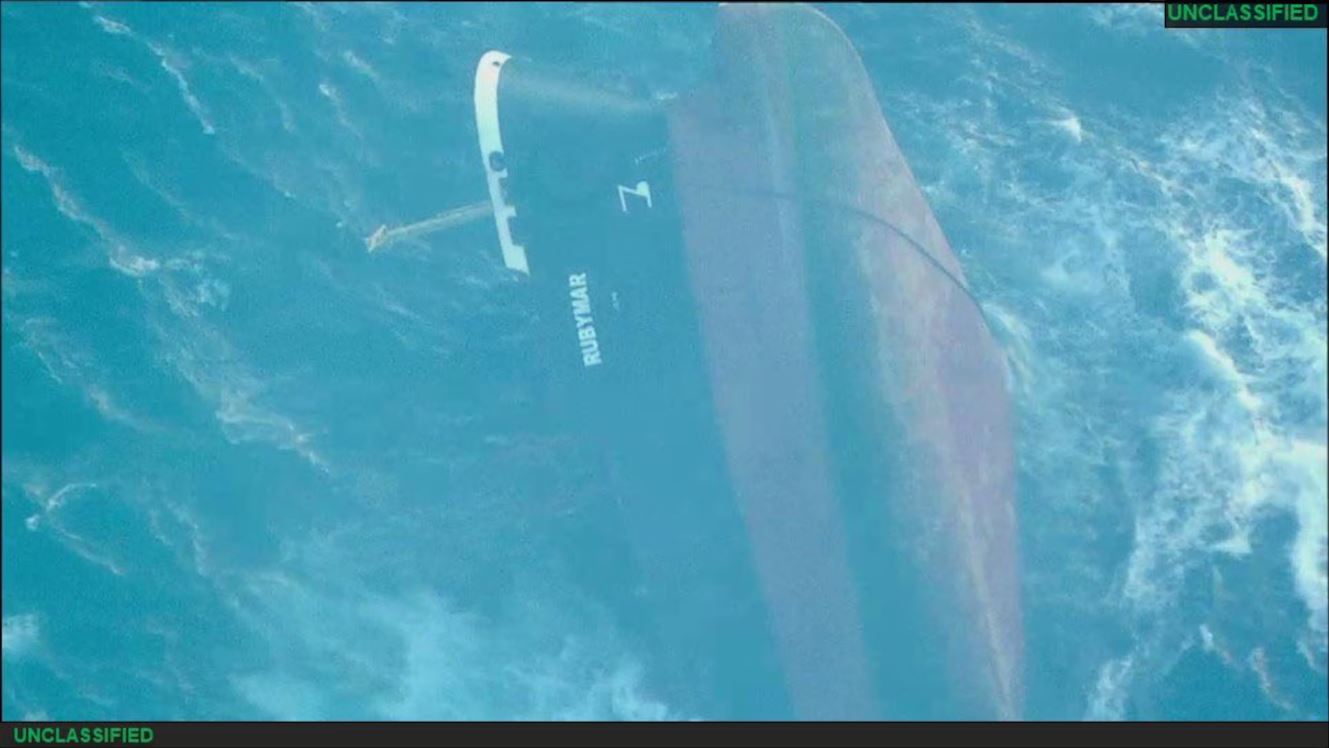
Table of Contents
- Two Ships, Four Days, Zero Strikes
- Why Was the July 4 Declaration Dead Before It Was Delivered?
- The PAC-3 Arithmetic
- What Does the Magic Seas Attack Reveal About Houthi Capability?
- The Eilat Immunity Exploit
- Can the Coalition Strike Hodeidah After UNMHA?
- How Does Fleet-Level Targeting Change the Red Sea?
- The Funeral Window and the Coercion Calendar
- Frequently Asked Questions
Two Ships, Four Days, Zero Strikes
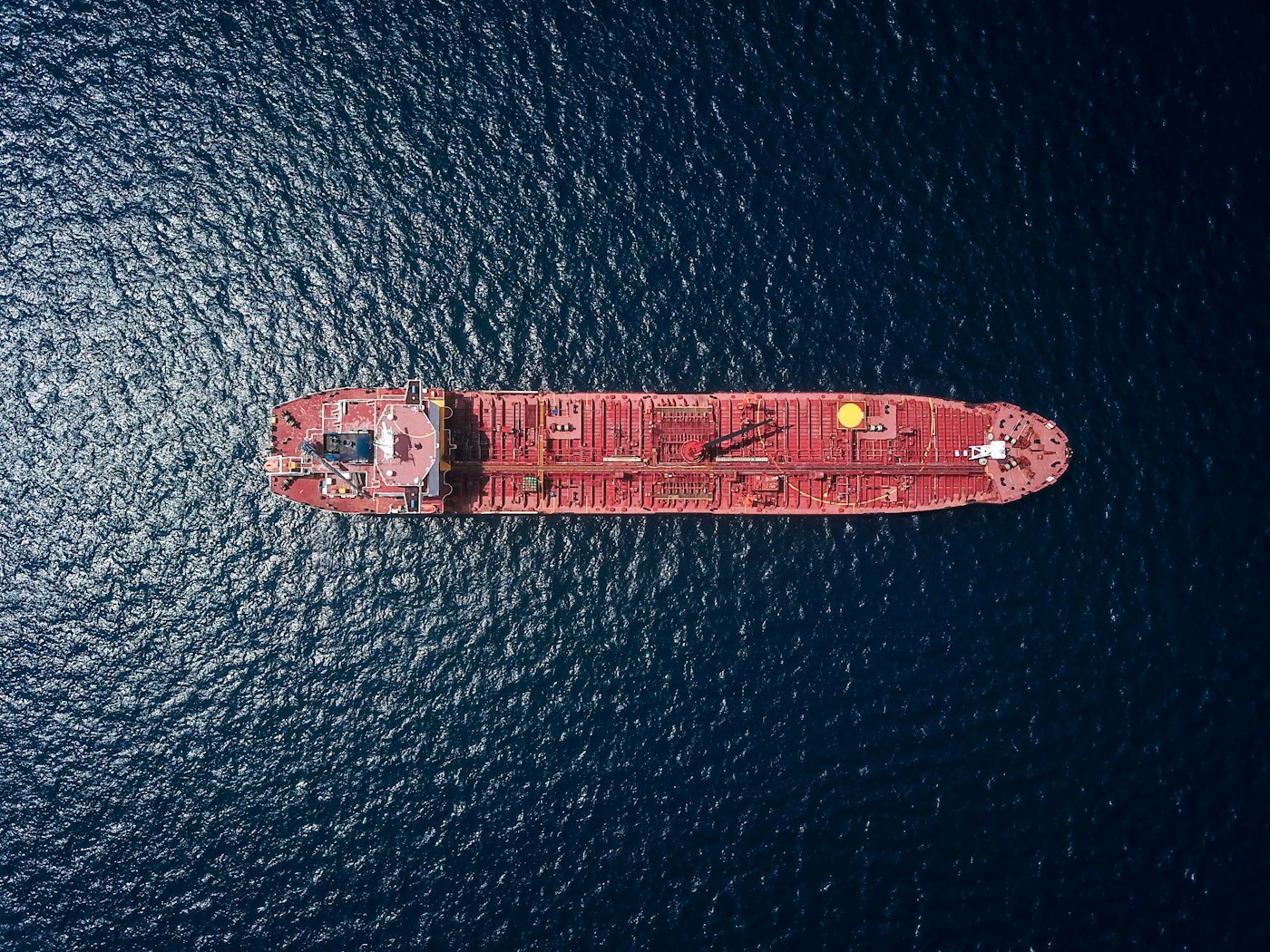
On July 6, less than 48 hours after al-Maliki’s declaration, the Liberian-flagged, Greek-owned bulk carrier Magic Seas was swarmed southwest of Hodeidah by eight high-speed skiffs firing at least twenty RPG rounds, accompanied by four unmanned surface vessels — two of which were neutralized by the ship’s onboard security team while the other two collided with the hull. The vessel was then struck by three anti-ship missiles, after which Houthi fighters boarded it, planted explosives, and detonated them, sending the Magic Seas to the bottom of the Red Sea in what Houthi media broadcast as a deliberate scuttling rather than an incidental sinking. All 22 crew — 17 Filipino, one Romanian, one Vietnamese, and three Sri Lankan security personnel — were rescued, but the Houthis had made their point with enough ordnance to overwhelm a vessel that was actively defending itself.
Three days later, the Liberian-flagged bulk carrier Eternity C, operated by Greece’s Cosmoship and bound — the Houthis claimed — for the Israeli port of Eilat, was attacked on July 7 with sea drones and RPGs, struck again on the night of July 8 with what Houthi military spokesman Yahya Saree described as “an unmanned boat and six cruise and ballistic missiles,” and sank on July 9 after its crew abandoned ship. The human cost was immediate: at least three killed (CNN’s count; Ynet reported four), ten pulled from the water by rescue vessels, and six detained by Houthi forces — drawn from a complement of 21 Filipinos, one Russian national, and a three-person security detail comprising one Greek and one Indian national. The Houthis published a hostage video in which a detained crew member, reading from what maritime security analysts described as a heavily scripted statement, told the camera: “Please stop your trading or any transaction to Israel because Red Sea is safe, but if you have any transaction or trading to Israel you will get in a problem.”
“Please stop your trading or any transaction to Israel because Red Sea is safe, but if you have any transaction or trading to Israel you will get in a problem.”
Detained Eternity C crew member, Houthi hostage video, July 2026
Between those two sinkings, the coalition that had pledged unprecedented force did not execute a single airstrike on any of the four locations al-Maliki had named — and the Houthis were not only sinking ships at sea but pressing ground offensives on the Yemeni mainland. On July 5, Houthi forces attacked Jabal Dabbas in Hays district, Hodeidah governorate, killing 15 government troops from the 14th Infantry Brigade in a coordinated sniper-drone-mortar assault — the kind of ground operation that a coalition with functioning offensive capability would have answered from the air. The gap between declaration and action was not a deliberate escalation pause or a diplomatic holding pattern; it was structural incapacity dressed in the language of strategic patience.
The Middle East briefing 3,000+ readers start their day with.
One email. Every weekday morning. Free.
| Magic Seas (July 6) | Eternity C (July 7–9) | |
|---|---|---|
| Flag / Owner | Liberian / Greek-owned | Liberian / Cosmoship (Greece) |
| Weapons deployed | 8 skiffs (20+ RPGs), 4 USVs, 3 anti-ship missiles, boarding + explosives | Sea drones, RPGs, 1 unmanned boat, 6 cruise and ballistic missiles (Houthi claim) |
| Crew | 22 (17 Filipino, 1 Romanian, 1 Vietnamese, 3 Sri Lankan security) | 25 (21 Filipino, 1 Russian, 1 Greek security, 1 Indian security, 1 unspecified) |
| Casualties | 0 killed; all 22 rescued | 3–4 killed; 10 rescued; 6 detained |
| Houthi targeting rationale | “Enemy-supporting” Red Sea transit | Eilat destination; fleet-level Israel association |
| Outcome | Deliberate scuttling by boarding party | Sank after second attack; hostage video published |
| Coalition strikes in response | Zero | Zero |
Why Was the July 4 Declaration Dead Before It Was Delivered?
Three compounding structural constraints — an 86 percent PAC-3 interceptor depletion, the unreplaced destruction of the E-3G Sentry AWACS, and the pending withdrawal of 2,300 American personnel from Prince Sultan Air Base — made the coalition’s July 4 threat declaration operationally hollow before spokesperson Turki al-Maliki finished reading it. The coalition named Hodeidah as a strike target while possessing neither the interceptor depth to absorb the retaliatory missile salvos a Hodeidah strike would guarantee, nor the airborne command infrastructure to coordinate a complex multi-axis strike package, nor the institutional cover of a UN monitoring mission that previously provided at least a procedural framework for port-area operations.
Al-Maliki’s full statement — that “the coalition will respond with unprecedented determination and force to any and all attempts to target the Kingdom, its citizens and residents and national assets, or any attempt to violate the sovereignty of the brotherly Republic of Yemen” — contained an expansive threat whose geographic scope exceeded every capability the coalition currently holds. A strike on Hodeidah port infrastructure would trigger retaliatory salvos against Saudi cities and energy assets — the precise scenario that Saree explicitly threatened on July 3, warning of “a comprehensive response targeting airports and vital interests on land and at sea” — and the Kingdom would have to absorb those salvos with a depleted interceptor inventory, no airborne early warning or battle management, and American technicians who might be ordered home before the second wave arrives.
“The coalition will respond with unprecedented determination and force to any and all attempts to target the Kingdom, its citizens and residents and national assets.”
Turki al-Maliki, Saudi-led coalition spokesperson, July 4, 2026
The Project Freedom incident in May — when Saudi Arabia grounded 43 US warplanes at Prince Sultan Air Base for four days, prompting a failed reversal attempt by Trump via direct call to Mohammed bin Salman — demonstrated that the PSAB relationship is no longer a functioning military alliance but a coercive dependency that either side can weaponize. The legal vacuum left by the void 1976/1977 SOFA means US force-protection obligations are unenforceable, and the PAC-3 resupply threat that forced Saudi Arabia to reopen the runways confirmed that Washington holds the maintenance chain as a political instrument, not a military guarantee. A coalition that cannot control its own primary air base without American permission is not a coalition that can launch a sustained air campaign against fortified port infrastructure defended by an adversary with operational cruise missile capability.
The PAC-3 Arithmetic
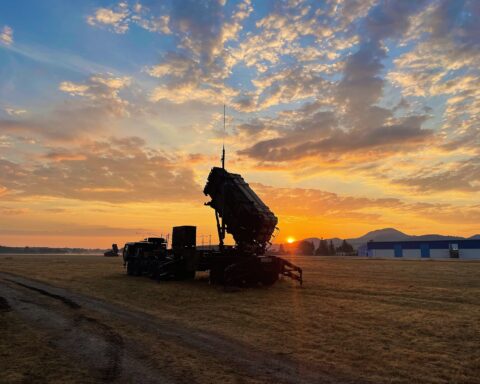
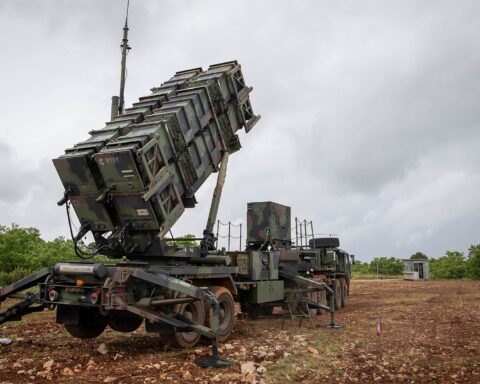
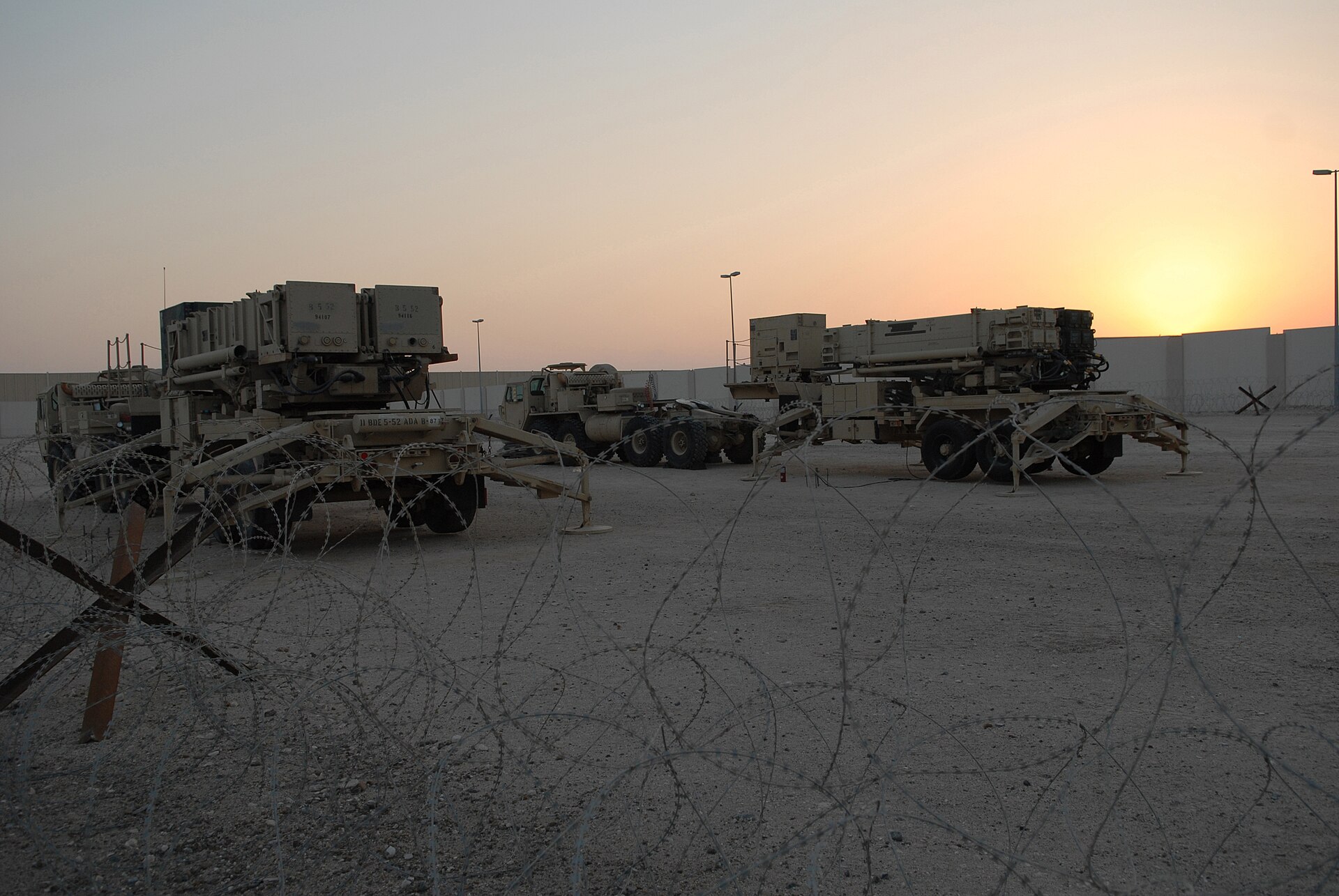
Saudi Arabia’s original PAC-3 stockpile of approximately 2,800 interceptors has been reduced to roughly 400 through two years of sustained Houthi missile and drone campaigns — a drawdown rate that outpaces the Camden, Arkansas production line’s annual output of 620 rounds by a factor that makes resupply before mid-2027 mathematically impossible. The $3.1 billion M-SAM-II deal with South Korea’s LIG Nex1, which was supposed to diversify Saudi Arabia’s air defense supply chain, has a first delivery date no earlier than 2028 according to Janes — and even when it arrives, its 15-to-20-kilometer intercept ceiling leaves it structurally incapable of engaging IRGC Zolfaghar-class ballistic missiles that arrive in terminal phase below 10 kilometers, the altitude band where only the PAC-3 operates.
The 400 remaining PAC-3 rounds are not concentrated at a single site but distributed across the Kingdom’s defended locations — Riyadh, the eastern oil infrastructure, the western Red Sea coast, NEOM — which means the effective inventory at any single defended point is a fraction of the headline number. A major Houthi retaliation package, of the kind Saree has explicitly and repeatedly threatened, would not need to overwhelm the entire network; it would only need to saturate one defended sector for long enough to get warheads through, and 400 interceptors distributed across a country the size of western Europe do not provide the magazine depth to guarantee that won’t happen. The UAE learned this lesson when only two of its ten THAAD batteries were operational at the time of its last major attack, and Saudi Arabia’s arithmetic is worse.
The destruction of the E-3G Sentry AWACS compounds the interceptor shortage in ways the raw numbers alone understate. Without airborne battle management, Saudi ground-based radars operate in a degraded coordination mode — each battery tracking its own sector without the fused air picture that an AWACS provides — which means a coordinated Houthi attack arriving on multiple azimuths simultaneously would stress the command architecture at the same moment it stresses the missile inventory. Hegseth’s congressional testimony acknowledged the PAC-3 depletion; what it did not acknowledge is that the depletion interacts with the AWACS loss to produce a compound vulnerability significantly worse than either factor in isolation, and the ceasefire framework is the only thing currently preventing that compound vulnerability from being tested.
What Does the Magic Seas Attack Reveal About Houthi Capability?
The layered weapons mix deployed against the Magic Seas — eight manned skiffs with RPGs, four unmanned surface vessels, three anti-ship missiles, and a boarding party with demolitions — represents a combined-arms maritime assault doctrine that is qualitatively different from the single-weapon-system strikes of the early Houthi Red Sea campaign. The USVs arrived first, forcing the ship’s security team into close-quarters defense that consumed their attention and ammunition, while the anti-ship missiles followed on a separate vector; the boarding party came after the missiles had struck, which means the Houthis had enough confidence in their ability to suppress shipboard resistance that they were willing to put fighters aboard a vessel they were simultaneously hitting with guided munitions. That sequence — suppress, strike, board, scuttle — is not the behavior of a militia improvising with Iranian surplus; it is a coordinated maritime assault across surface, unmanned, and missile platforms that required real-time command integration.
The sinking total frames the broader trajectory. Before July 2026, ACLED data recorded four confirmed Houthi sinkings across the entire campaign — the Rubymar in March 2024, the Tutor in June 2024, and two others — out of more than 520 attacks and 176 ships targeted. The Magic Seas and Eternity C raise that count to six, which means the Houthis sank as many ships in four days of July 2026 as they had sunk in the preceding eight months of the campaign’s most intense phase. The 774 US airstrike events conducted under Operations Poseidon Archer and Rough Rider between January 2024 and May 2025 were designed to degrade exactly this capability — and the Magic Seas attack, with its multi-platform layering and deliberate boarding-and-scuttling methodology, is the operational answer to whether that degradation campaign succeeded.
IMO Secretary-General Arsenio Dominguez, addressing the IMO Council in London after the two sinkings, called for “intensified diplomatic efforts” — the institutional language of an organization without an enforcement mechanism that knows it. The US State Department was marginally more direct, formally condemning “recent Houthi attacks on MV Magic Seas and MV Eternity C” and characterizing the crew detention as “kidnapping,” though the condemnation arrived without any corresponding military action from the coalition whose threat declaration was supposed to have made such statements unnecessary.
The Eilat Immunity Exploit
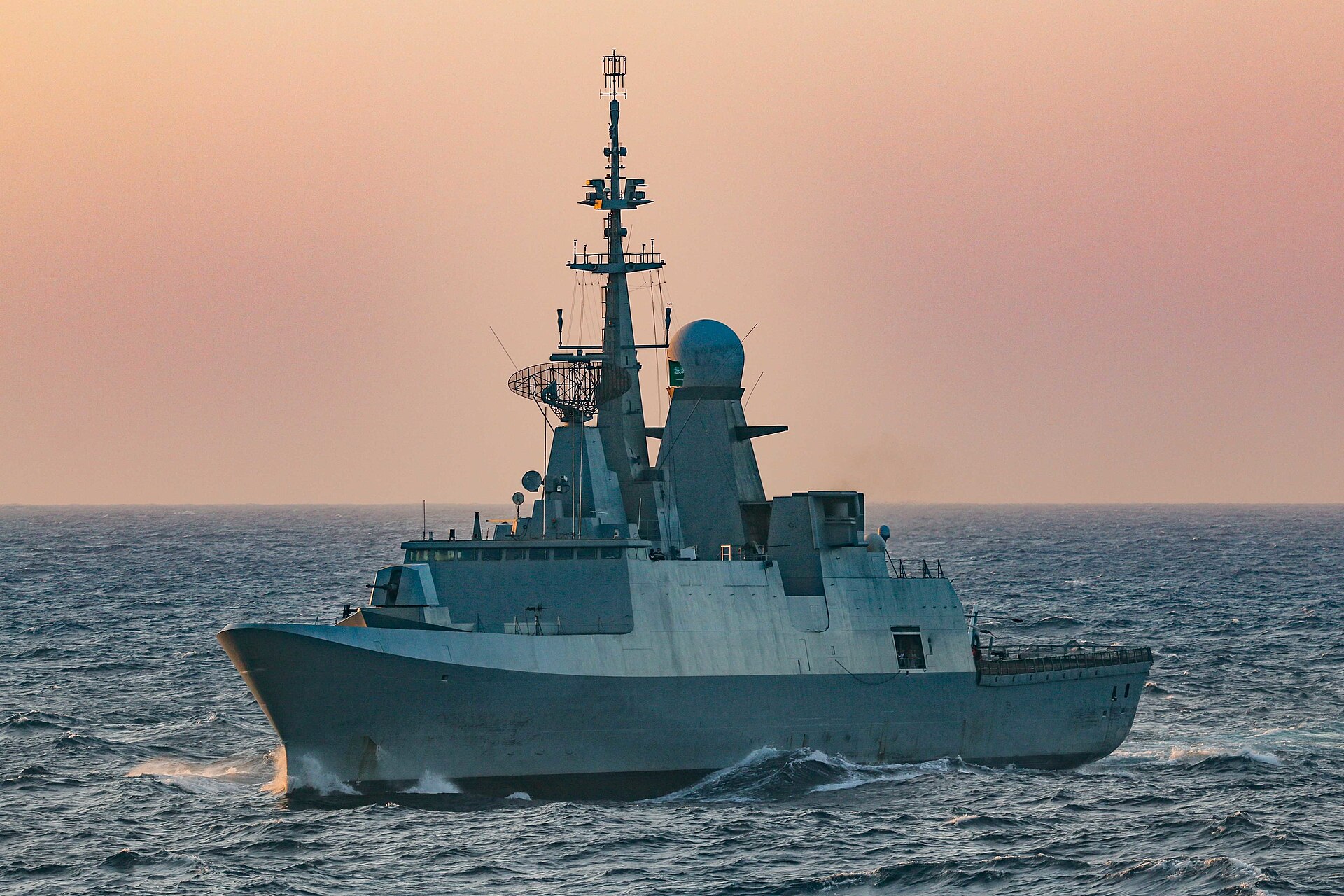
The Eternity C was not simply another Red Sea target; it was a specifically chosen one that exploited a gap in the coalition’s political architecture. The Houthis stated that the vessel was “allegedly headed toward the Israeli port of Eilat” and that its operator, Cosmoship, “continues to make port visits to Israel with other ships” — making the attack a fleet-level sanction against any shipping company with any Israeli port-call history, rather than a voyage-specific interdiction of a particular cargo. This targeting criterion creates what amounts to a structural immunity exploit: a category of attack that the Saudi-led coalition is least able to respond to, precisely because any defensive action on behalf of an Israel-bound vessel would require Riyadh to either publicly side with Israeli commercial interests or acknowledge that its threat declarations do not cover the category of vessel the Houthis are most actively sinking.
The Port of Eilat — Israel’s only Red Sea port, which previously handled 50 percent of the country’s vehicle imports and served as the export terminal for potash and phosphate — has effectively ceased container operations since July 2025, when the Houthi blockade made insurance costs prohibitive and transit times unworkable according to Seatrade Maritime and the Washington Post. The Houthis have, in operational terms, already achieved their stated objective of shutting down Israeli Red Sea commerce, which means the continued targeting of vessels with even indirect Israeli commercial connections is a maintenance operation designed to sustain the political narrative — solidarity with Palestinian civilians — rather than achieve a new military objective. But from the coalition’s perspective, each such attack demands a response that its political positioning is configured to avoid giving, because the humanitarian-protection narrative and sovereignty-of-the-Republic-of-Yemen legal theory that undergird the coalition’s existence in Yemen cannot absorb the cost of launching airstrikes to defend Eilat-bound shipping.
The trap is nearly airtight. Israel’s own July 2025 strikes on Hodeidah demonstrated that the ports al-Maliki named are not beyond the reach of military force — they are beyond the reach of this coalition’s political will to use it on behalf of vessels the Houthis have designated as Israeli-linked. The Houthis have constructed a targeting category that exploits the precise gap between what the coalition is willing to declare and what it is willing to do, and the Eternity C — attacked, sunk, its crew killed and detained — is the proof that they understand exactly where that gap sits.
Can the Coalition Strike Hodeidah After UNMHA?
Without the UN Mission to Support the Hodeidah Agreement, the coalition has no international institutional framework through which to contextualize, verify, or constrain a strike on Hodeidah port infrastructure — making such a strike simultaneously easier to execute and harder to justify. UNSC Resolution 2813, adopted on January 27, 2026 with 13 votes in favor and Russia and China abstaining, terminated UNMHA as of March 31, 2026, with liquidation beginning April 1. The stated reason was Houthi obstruction — systematic denial of patrol access had rendered the mission operationally non-functional — but the consequence extends well beyond the monitoring mandate the Houthis had already gutted.
UNMHA’s physical presence at Hodeidah provided the only international body with eyes on port-area military operations, and its reports provided a baseline — however limited by Houthi access denial — for assessing the humanitarian impact of military action near the port. The coalition’s 2022 strikes against Hodeidah oil infrastructure were constrained in scope in part by the monitoring presence, according to UK House of Commons research. Without that constraint, a coalition strike on Hodeidah’s port facilities would be operationally unchecked by any international body, which means the coalition would bear sole responsibility for establishing the humanitarian impact of its own strikes — and in a port that serves as Yemen’s primary humanitarian artery — the only gateway for the majority of the country’s food and medical supplies — the numbers that the coalition would have to defend would be measured in millions of affected civilians.
The four-year pause in coalition strikes against Hodeidah port infrastructure was not an incidental pattern of restraint; it was a recognition that the humanitarian arithmetic makes Hodeidah a target whose destruction costs more than any military objective it could achieve. Al-Maliki named Hodeidah on July 4 as if the four years of restraint were a policy choice that could be reversed by rhetorical escalation, but the structural reasons for that restraint — humanitarian exposure, international legal risk, absence of verification, and the certainty of retaliatory strikes against a depleted Saudi air defense network — have not changed in the five days since his declaration. What has changed is that two more ships are on the bottom of the Red Sea and six more seafarers are in Houthi detention.
How Does Fleet-Level Targeting Change the Red Sea?
The Houthi justification for the Eternity C attack introduced a targeting criterion that fundamentally alters the operating logic for every commercial vessel operator in the Red Sea, because it shifts the compliance threshold from voyage-specific avoidance to corporate-level divestment from Israel. The statement that Cosmoship was targeted because the operator “continues to make port visits to Israel with other ships” means the Houthis are no longer limiting attacks to vessels carrying specific cargoes to specific destinations; they are sanctioning entire shipping companies based on any vessel in the fleet having called at any Israeli port. For Greek-owned operators with hundreds of vessels trading across dozens of routes, that criterion is a commercial impossibility to satisfy — it converts the Houthi threat from a navigational hazard that can be routed around into a structural reorganization of maritime commerce that requires companies to choose between Israeli trade and Red Sea transit.
The insurance market has already priced in this escalation in ways that al-Maliki’s threat declaration has not. War risk premiums in the Red Sea have surged twentyfold from the January 2024 pre-crisis baseline, and underwriters are now operating on 24-hour quote terms rather than the standard 48-hour window — a technical indicator that the market views conditions as so volatile that pricing cannot hold for two days. Every vessel transiting the southern Red Sea operates under a risk premium regime that assumes the coalition cannot or will not protect it, which constitutes a market verdict on the July 4 declaration more authoritative than any diplomatic communiqué. The coalition’s credibility in the Red Sea is now set by Lloyd’s, not by al-Maliki.
The campaign totals frame the scale of the failure: over 520 attacks, 176 ships targeted, and now six confirmed sinkings across the Houthi Red Sea campaign, with two of those sinkings occurring in the four days immediately following the coalition’s most explicit threat declaration in the eleven-year Yemen conflict. The shift from the Galaxy Leader seizure in November 2023 — a boarding operation designed to take a ship intact — to the Magic Seas deliberate scuttling by boarding party represents a doctrinal evolution from ship seizure to ship destruction that the Houthis are now executing with the operational confidence of a force that has concluded its adversary cannot respond.
The Funeral Window and the Coercion Calendar
The timing of the coalition’s declaration compounds the structural incapacity with a diplomatic contradiction that the Houthis almost certainly factored into their escalation calculus. Al-Maliki issued his threat on July 4 — the same day the Doha US-Iran negotiation track entered a pause window running through July 9 for the Khamenei funeral, during which military escalation by any party to the MOU framework would constitute a provocation that could collapse the ceasefire architecture entirely. The coalition named strike targets during a period in which executing those strikes would have violated the spirit of a funeral pause that Saudi Arabia’s own diplomatic positioning required it to observe, which means the declaration was either a provocation timed to the one window in which follow-through was least likely, or — more plausibly — a rhetorical response to domestic and regional political pressure that was never designed to produce kinetic results.
The broader coercion calendar makes the constraints even more binding. The MOU framework, signed June 17, is at Day 19 of a 60-day window, with the Persian Gulf Security Accord fee waiver expiring on August 18 — at which point a $5.5 million daily penalty activates against vessels transiting the Strait of Hormuz, creating a financial crisis that compounds the military one. Saudi Arabia’s diplomatic position requires maintaining the appearance of coalition readiness to use force while simultaneously avoiding any action that might destabilize the MOU framework whose survival is the only thing preventing the PGSA fee activation from adding $5.5 million per day to the Kingdom’s already accumulating exposure of $253 million. The Houthis, who can read a coercion calendar as fluently as they can read an interceptor inventory, timed their two sinkings to the precise moment when the funeral pause, the MOU timeline, and the PGSA calendar all converged to make retaliation maximally costly.
Cosmoship, the Eternity C‘s owner, issued the only statement from this week that will matter to the families waiting for news: “We call on all parties to assist in reuniting the 11 individuals with their loved ones and hope that the Houthis will release our crew at the earliest opportunity.” On the night the Eternity C slipped beneath the Red Sea, six of those crew members were in Houthi detention, their scripted testimony circulating on networks the coalition monitors from Riyadh, while the four targets al-Maliki had named five days earlier — Hodeidah, Ras Isa, As-Salif, Sanaa International Airport — stood as they had stood before his declaration: untouched, operational, and processing the 70 percent of Yemeni imports that the coalition, for all its unprecedented determination, cannot afford to disrupt.
Frequently Asked Questions
How many seafarers have been killed or detained across the full Houthi Red Sea campaign?
Before July 2026, ACLED data recorded at least eight seafarer deaths across more than 520 Houthi attacks since October 2023. The Eternity C added at least three more fatalities (CNN’s count; Ynet reported four), bringing the confirmed toll to at least 11 killed. In terms of detentions, the Galaxy Leader‘s 25-member crew has been held since their vessel was seized on November 19, 2023 — nearly three years — and the six detained from the Eternity C bring the total number of seafarers currently in Houthi custody to at least 31, making Houthi maritime hostage-taking a sustained campaign rather than an isolated tactic.
What is the PGSA and why does its August 18 deadline constrain coalition action?
The Persian Gulf Security Accord is an Iranian-imposed fee regime on Strait of Hormuz transit, suspended under the MOU signed June 17 but set to reactivate on August 18 at a rate of $5.5 million per day, with $253 million already accrued before the suspension took effect. OFAC sanctioned PGSA-related entities on May 27, 2026, but the sanctions do not prevent the fee from legally activating under Iranian domestic law if the MOU lapses. Coalition military action that destabilizes the MOU framework risks triggering PGSA reactivation, which would create a simultaneous military and financial crisis — making the August 18 deadline a de facto veto on aggressive coalition posturing that the Houthis can exploit with impunity until the calendar turns.
Could the United States conduct strikes against Houthi targets independently of the Saudi-led coalition?
The US conducted 774 airstrike events under Operations Poseidon Archer and Rough Rider between January 2024 and May 2025, but those operations targeted Houthi launch infrastructure and weapons storage, not port facilities. CENTCOM’s remaining assets at Prince Sultan Air Base are configured for defensive operations — Link-16 battle management network coordination and PAC-3 maintenance — rather than offensive strike packages. The active deliberation over withdrawing the 2,300 US personnel at PSAB, reported by the Times of Israel and Just Security on July 1, makes unilateral US offensive operations against Houthi maritime targets less likely, and the MOU framework’s diplomatic architecture gives Washington an institutional reason to avoid kinetic escalation during the 60-day window.
What legal framework applies to Houthi detention of commercial crews?
The Houthis characterize crew detentions as rescue operations — Saree used this framing for the Eternity C seizure — while the US mission to Yemen classified the detention as “kidnapping.” Under the Convention for the Suppression of Unlawful Acts Against the Safety of Maritime Navigation (SUA Convention, 1988, amended 2005), forcible seizure of a vessel or detention of its crew constitutes either maritime piracy or armed robbery at sea, but enforcement requires flag-state prosecution or specific UNSC authorization. The Galaxy Leader case, now nearly three years old, established the operational precedent: despite a UNSC demand for crew release in November 2023, the 25 crew remain in Houthi detention with no enforcement mechanism applied, which signals to the Houthis that crew detention carries no consequence beyond rhetorical condemnation.
The Galaxy Leader precedent proved predictive: by July 10, two additional ships had been sunk and eleven crew seized in a 72-hour window — with the coalition’s four named targets in Hodeidah remaining unstruck six days after al-Maliki’s targeting declaration.