
RIYADH — At 5:20 a.m. on July 3, Saudi warplanes attempted to prevent an Iranian civilian aircraft carrying more than two hundred passengers — described by Houthi military spokesman Yahya Saree as wounded, sick, and stranded Yemeni citizens — from landing at Sanaa International Airport, and failed. The aircraft landed, collected a Houthi delegation bound for Ayatollah Khamenei’s funeral in Tehran, and departed while Saree delivered a threat on camera that should concentrate minds in the Saudi defence ministry: a “comprehensive response” targeting Saudi airports and vital interests, on land and at sea.
The threat matters less for what it promises than for what it exposes. Saudi Arabia’s air defence inventory sits at roughly fourteen per cent of its pre-war levels, its early-warning radar architecture has been physically destroyed by Iranian strikes, and the ceasefire framework that was supposed to buy Riyadh breathing room contains zero provisions covering the Houthi theatre. The MOU is not a shield — it is the mechanism by which Saudi Arabia became structurally indefensible without realising it had stopped being defended.
Table of Contents
What Happened Over Sanaa at Dawn
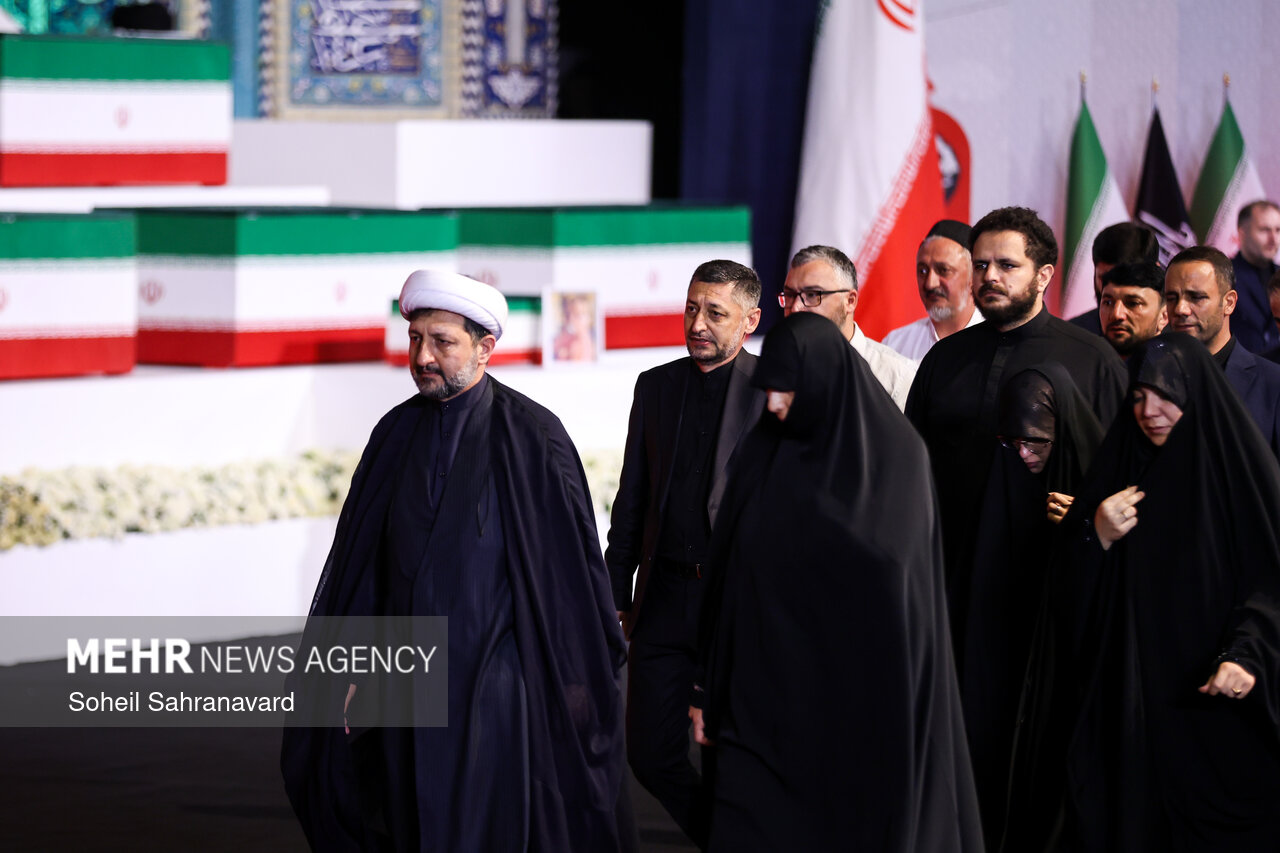
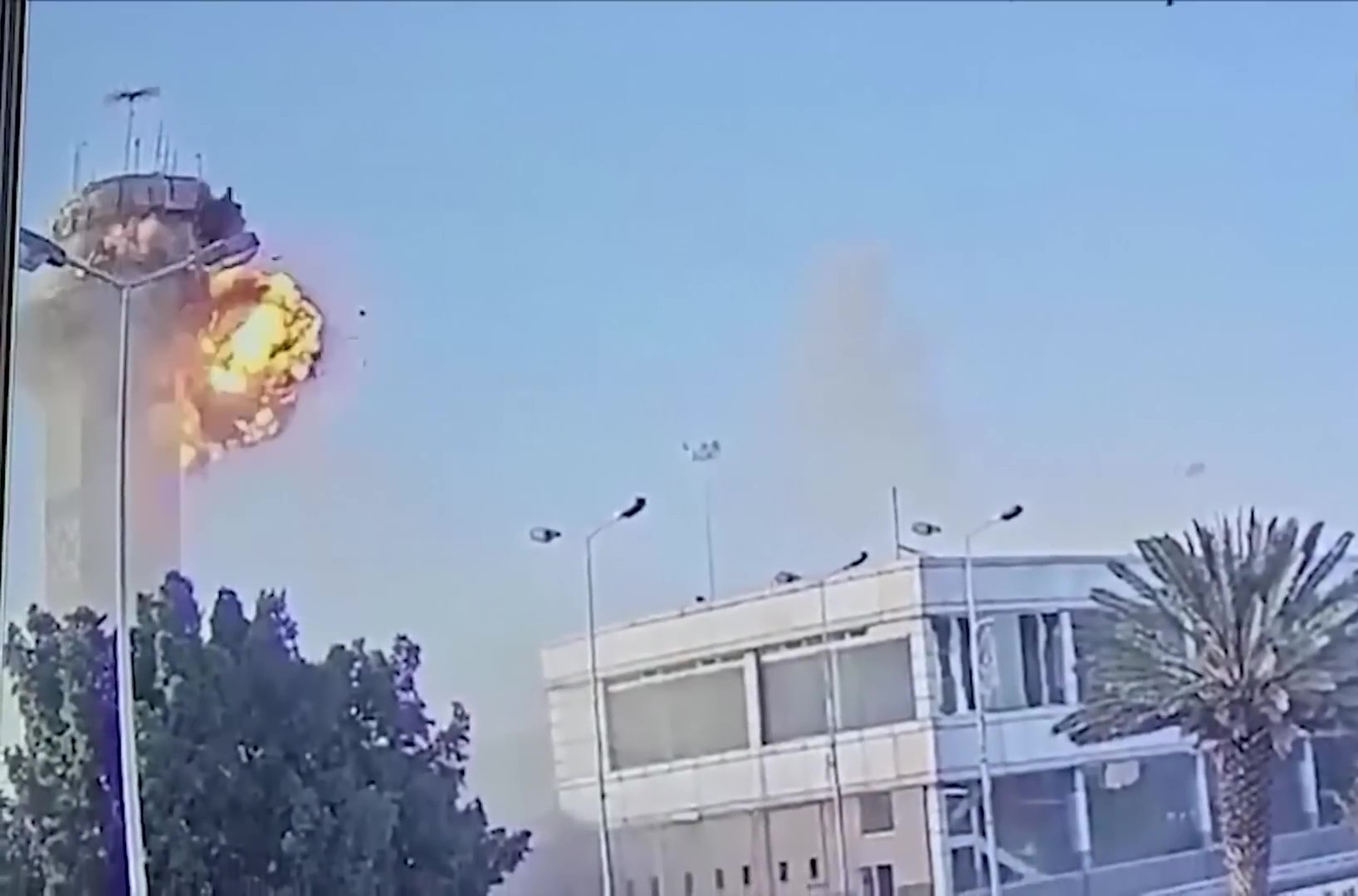
At 5:20 a.m. local time — 02:20 GMT, still dark over northwestern Yemen — Saudi warplanes moved to intercept an Iranian civilian aircraft on approach to Sanaa International Airport, according to Yahya Saree, the Houthis’ military spokesman. The aircraft was carrying, Saree said, stranded, wounded, and sick Yemeni citizens returning from or transiting through Iran. The intercept failed: the plane landed, passengers disembarked, and a Houthi delegation boarded for the return flight to Tehran, where they would attend the funeral of Supreme Leader Ali Khamenei.
Saree’s subsequent video statement, broadcast on Al Masirah and reported by Al Jazeera, did not treat the incident as a diplomatic protest or a near-miss to be resolved through back channels. He treated it as a line drawn in public.
We warn the criminal Saudi enemy against repeating any attempt to violate our airspace or any aggression targeting our country. Such actions will be met with a comprehensive response targeting its airports and vital interests on land and at sea.
Yahya Saree, Houthi military spokesman, July 3, 2026 — Al Jazeera
The HOS Daily BriefThe Middle East briefing 3,000+ readers start their day with.
One email. Every weekday morning. Free.
The Jerusalem Post reported an additional dimension the Houthi spokesman did not volunteer: the incident reportedly involved Houthi weapons testing, with missiles allegedly forcing the Saudi warplane from Yemeni airspace. Whether that account is precisely accurate matters less than the narrative Saree constructed — one in which Saudi Arabia attempted aggression against a civilian mourning flight and was physically repelled, a framing that positions the Houthis as defenders of the wounded and the sick against a Saudi air force that tried to prevent Yemenis from mourning a Supreme Leader.
The broader framing is deliberate and maximalist. Houthi-aligned media, amplified by Iran’s PressTV, presented the incident as Saudi Arabia blocking wounded Yemeni civilians from attending the funeral of the Islamic Republic’s paramount leader — a narrative that fuses humanitarian victimhood with religious solidarity into a single, weaponised grievance. Al Masirah’s broadcast emphasised the passenger manifest while Saree’s language escalated from complaint to military warning. In the rhetorical grammar of the Yemen conflict — where both sides calibrate public statements as carefully as missile trajectories — a shift to threatening “comprehensive response” against airports and vital interests tends, on precedent, to precede kinetic action rather than substitute for it.
The delegation is now in Tehran, and Saree has declared on the record that flights between Sanaa and Tehran “will continue despite any possible consequences.” What the Houthis have secured — whether by design or by Saudi miscalculation — is a legitimising grievance at the precise moment Saudi Arabia’s capacity to absorb a retaliatory strike is at its lowest ebb since the Yemen war began in 2015.
Does the MOU Cover the Houthi Threat?
No, and it is not close. The Islamabad MOU, signed June 17, 2026, contains fourteen clauses covering nuclear talks, Hormuz freedom of navigation, sanctions relief sequencing, and a sixty-day implementation window. The House of Commons Library’s research briefing on the agreement — CBP-10637, one of the few independent Western analyses of the full text — confirms what careful reading makes plain: zero provisions require Iran to reduce support for proxy groups, including the Houthis. Yemen does not appear in the document. Ansar Allah is not named. The Red Sea, the Bab el-Mandeb, and the Houthi missile and drone programme that disrupted global shipping for eighteen months occupy no space in the fourteen-point framework.
This is not an oversight but a structural feature of how the MOU was negotiated. The United States wanted a nuclear freeze and freedom of navigation through Hormuz; Iran wanted sanctions relief and the withdrawal of American military assets from the Gulf — a dynamic the second Doha round made painfully visible. Neither party had any incentive to include the Houthi file, because including it would have required Tehran to admit a degree of operational control it publicly denies and Washington to accept a scope of negotiation it could not sell to Congress.
The result is a ceasefire architecture with a hole in it precisely the shape of a Samad-3 drone. Saudi Arabia sits in that hole. Riyadh cannot invoke the MOU as diplomatic cover against a Houthi strike, because the MOU does not address Houthi strikes. Riyadh cannot strike the Houthis pre-emptively without threatening the broader Iran-Saudi détente the MOU’s diplomatic ecosystem depends on, because Tehran would treat a Saudi military operation against its most capable regional proxy as a provocation against Iran itself — regardless of what the fourteen clauses technically permit or prohibit.
The legal dimension is precise in its cruelty. Saudi Arabia retains the sovereign right to strike Houthi positions in Yemen; nothing in the MOU prevents it. But exercising that right would invite consequences no clause needs to spell out: an Iranian response framed as defensive, the collapse of the Doha channel that produced what little progress has been made on Hormuz fees, and the potential acceleration of the PGSA’s $5.5-million-per-day fee activation — a commercial deadline now forty-six days away. The right to self-defence exists on paper, intact and absolute. The capacity to use it without catastrophic second-order effects does not.
As Ghalibaf warned on July 3, Iran will “resume proportionate actions” if commitments are not met — language that, read against the MOU’s total silence on proxy operations, functions as a reminder that Iran’s escalation ladder has rungs the ceasefire never touched. The Houthis occupy those rungs, and as of this morning they are climbing.
How Much of Saudi Air Defence Is Left?
Not enough to defend the targets Saree just threatened — and understanding why requires looking not at any single depletion but at the simultaneous collapse of every layer in an integrated air defence system that was never designed to operate with its components stripped out one by one over four months of war.
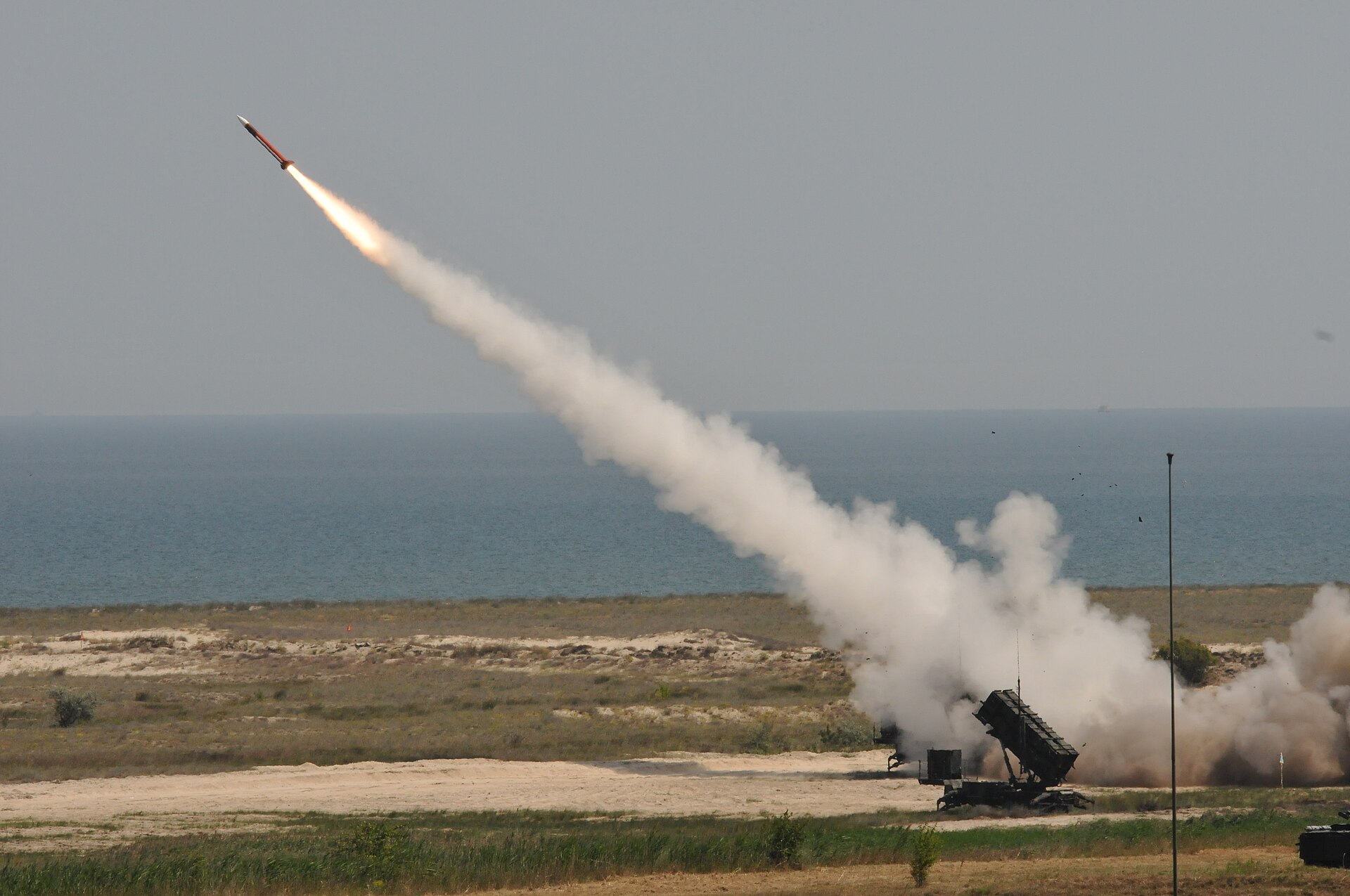
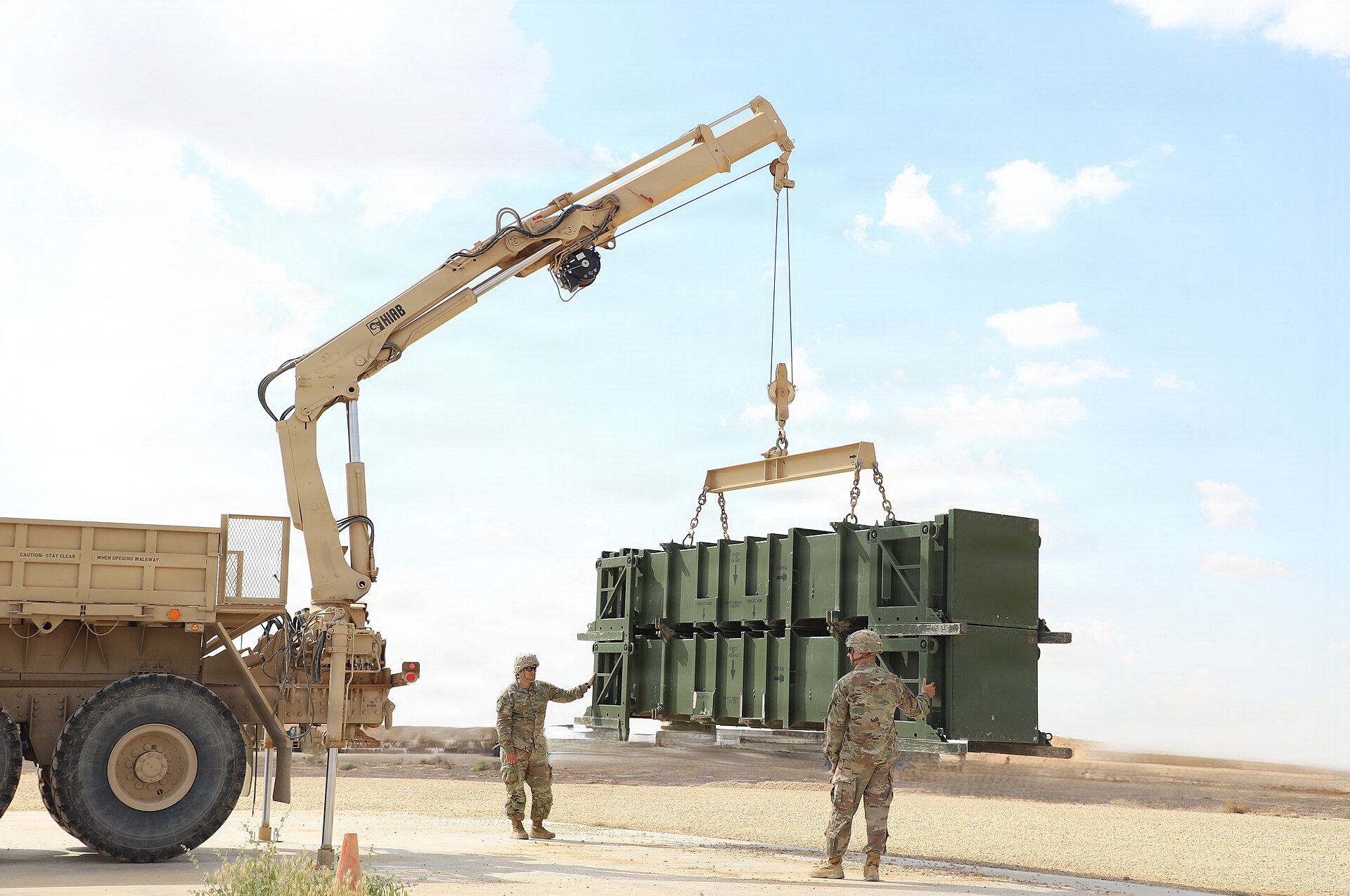
Saudi Arabia entered the conflict with approximately 2,800 PAC-3 MSE interceptors, the terminal-phase missiles that constitute the last barrier between an incoming ballistic or cruise missile and whatever it is aimed at. As of early July 2026, approximately 400 remain — an eighty-six per cent drawdown reflecting both combat expenditure during the February-April exchanges and a production bottleneck at Lockheed Martin’s Camden, Arkansas facility, which manufactures roughly 620 PAC-3 rounds per year. Saudi Arabia burned through 2,400 in sixteen weeks. The factory that makes them would need nearly four years to replace what was consumed, and Saudi Arabia is not the only customer waiting.
Interceptors, however, are only as effective as the sensors that direct them, and the sensors are gone. Between February and March 2026, Iranian strikes destroyed at least four THAAD AN/TPY-2 radars across the Gulf region — including sites in Saudi Arabia — at a combined replacement cost of approximately $1.2 billion. The AN/TPY-2 is not a peripheral component; it is the X-band tracking radar that provides fire-control-quality data to THAAD interceptors, and without it a THAAD battery becomes a launcher with no eyes — a row of missiles in canisters that cannot be aimed because nothing is telling them where to look.
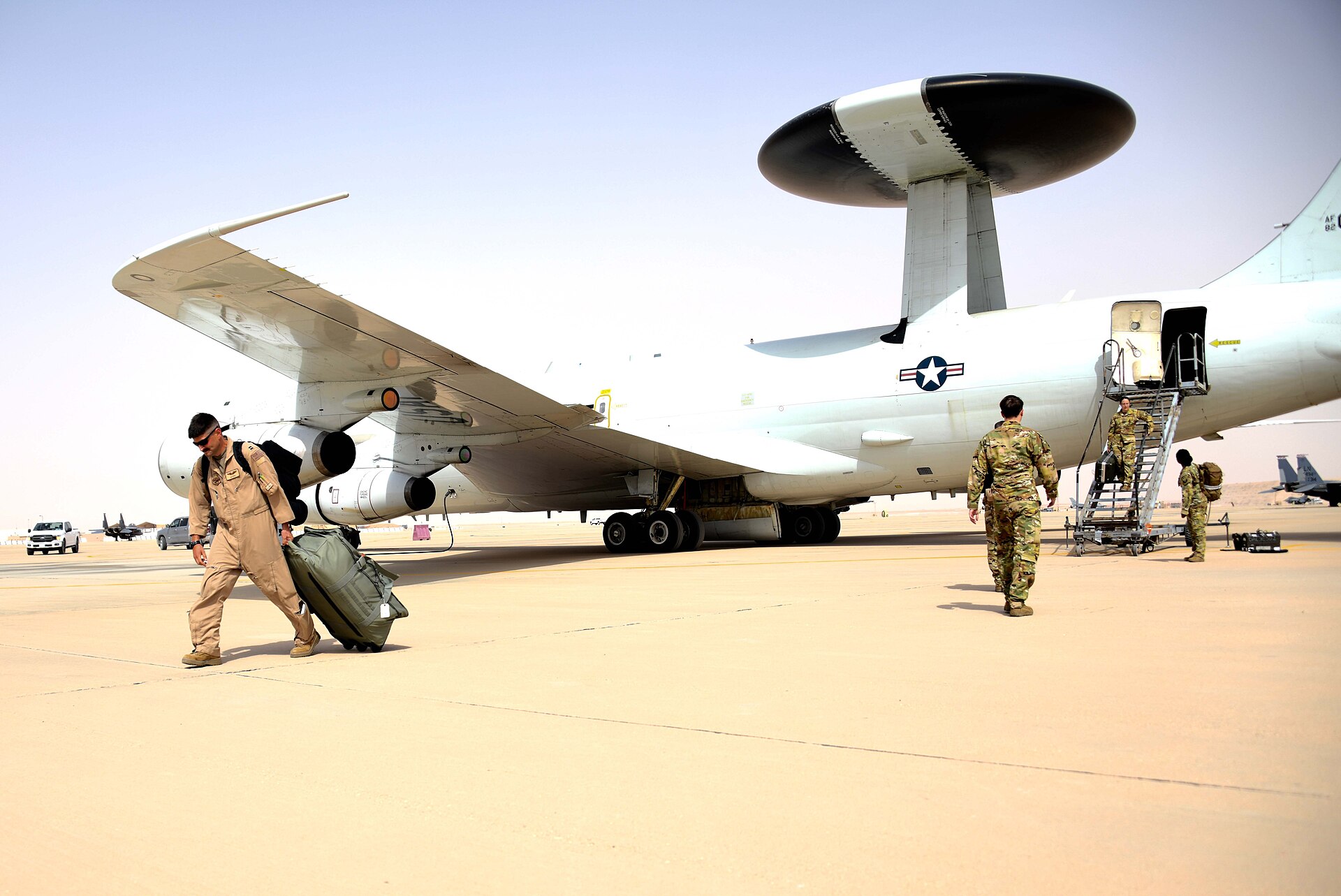
On March 27, 2026, an Iranian strike on Prince Sultan Air Base — six ballistic missiles and twenty-nine one-way attack drones — destroyed a US Air Force E-3G Sentry AWACS aircraft, serial number 81-0005. Cedric Leighton, a retired US Air Force Colonel serving as CNN’s military analyst, called it “a serious blow to surveillance capabilities,” warning that it “can potentially impact the ability to control combat aircraft and vector them to their targets or protect them from engagements of hostile aircraft and missile systems.” The AWACS loss compounds the radar destruction: the E-3G provided wide-area airborne surveillance that compensated for gaps in ground-based coverage — gaps that now include the THAAD radars themselves.
Then there is the human architecture that holds the electronic architecture together. Approximately 2,300 US military personnel at Prince Sultan Air Base operate the Link-16 tactical data network, manage battle management cells, and maintain Patriot and THAAD systems — and their withdrawal is under active consideration, according to the Times of Israel. Link-16 is not a weapon; it is the nervous system connecting radars, interceptors, and command centres into a functioning network, and without the Americans who operate it, the Saudi military possesses individual defence components that cannot communicate with each other — a collection of parts that no longer constitutes a system.
| System | Pre-War Status | July 2026 Status | Operational Impact |
|---|---|---|---|
| PAC-3 MSE Interceptors | ~2,800 rounds | ~400 rounds (14%) | Single-digit intercept capacity per defended site |
| THAAD AN/TPY-2 Radars | Operational across Gulf | 4 destroyed ($1.2B replacement) | Kill chain blinded; interceptors lack fire-control data |
| E-3G Sentry AWACS | Airborne wide-area surveillance | Destroyed at Prince Sultan AB, March 27 | Ground radar gaps uncompensated from the air |
| Link-16 Data Network | US-operated, fully integrated | 2,300 US personnel; withdrawal under review | System integration collapses without operators |
| PAC-3 Production Pipeline | Camden, AR: ~620 rounds/year | Multi-year backlog; earliest mid-2027 | No resupply for 12+ months |
Can Houthi Missiles Reach Aramco and Jeddah Airport?
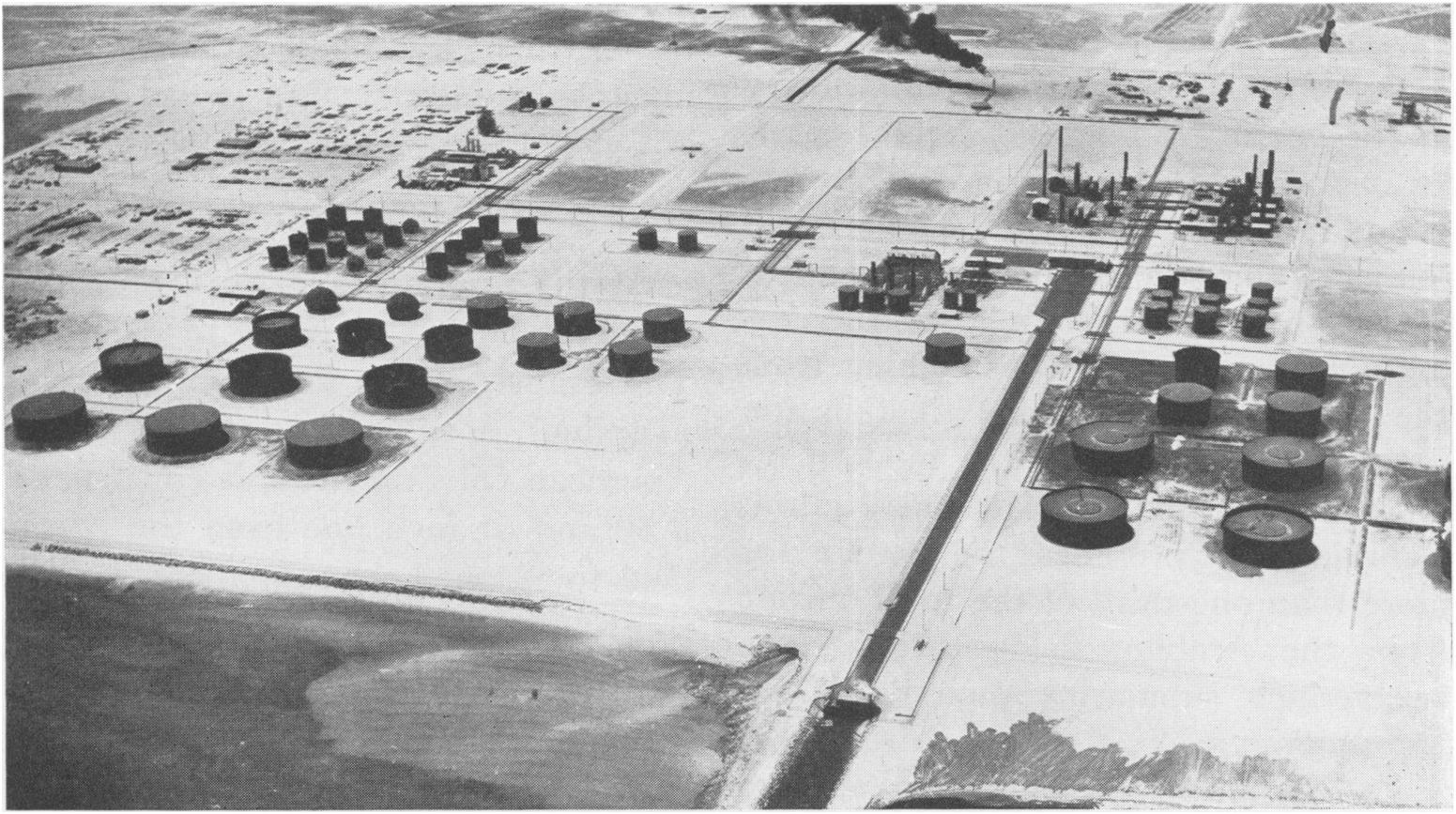
The question answers itself on a map, and the answer has been physically demonstrated against every category of target Saree named. The Samad-3 unmanned aerial vehicle, assessed by peer-reviewed analysis in Science & Global Security at a range exceeding 1,800 kilometres, can reach every population centre, airport, and hydrocarbon facility in Saudi Arabia from launch positions in Saada province in northern Yemen. The Borkan-3, a Zolfaghar-family ballistic missile variant assessed by Oryx and the Wilson Center at a range exceeding 1,200 kilometres, places the Abqaiq oil processing facility — approximately 1,000 kilometres from northern Yemen, responsible for stabilising roughly five per cent of global daily crude output — well inside its operational envelope.
These are not theoretical capabilities; they have been used, successfully, against the targets that matter most. On September 14, 2019, a combined drone and cruise missile attack struck the Abqaiq processing facility and the Khurais oil field, knocking five per cent of global daily oil supply offline for several days and producing the largest single-day disruption to oil markets since Iraq’s invasion of Kuwait in 1990. Zero incoming projectiles were intercepted — not one — despite the presence of Shahine short-range surface-to-air missiles, anti-aircraft guns, and a Patriot battery physically sited at the facility. The attack succeeded, as the Guardian reported in its aftermath, because Saudi defences “would likely have been pointed across the Gulf towards Iran and south towards Yemen, but at least some of the missiles and drones are believed to have struck from the west” — an azimuth the defensive architecture was not oriented to cover.
Three years later, on March 25, 2022, Houthis struck Saudi Aramco’s North Jeddah Bulk Plant, an oil storage facility more than 800 kilometres from the nearest Houthi-controlled territory in northern Yemen. The resulting fire, which burned for days, was visible from the Jeddah Corniche Circuit nine days later during the Formula 1 Grand Prix weekend — a juxtaposition that communicated Saudi vulnerability more effectively than any defence white paper. That attack directly preceded the April 2022 UN-brokered truce, establishing a pattern that subsequent operations would confirm: Houthi infrastructure strikes function as preludes to negotiated pauses, not as deviations from an otherwise peaceful posture.
| Houthi System | Assessed Range | Saudi Target | Approx. Distance from Saada | Attack Precedent |
|---|---|---|---|---|
| Samad-3 UAV | 1,800+ km | Riyadh / any Saudi target | ~850 km (Riyadh) | Red Sea operations 2023-25 |
| Borkan-3 (Zolfaghar variant) | 1,200+ km | Abqaiq / Dhahran | ~1,000 km | Abqaiq-Khurais Sept 2019 (zero intercepts) |
| Quds-series cruise missile | 800+ km | Jeddah / Yanbu | ~800 km | Jeddah Aramco strike March 2022 |
| Qasef-series short-range UAV | 200+ km | Abha / Jizan / Najran | ~100 km | Abha airport attacks 2021-22 |
And there is the problem Saudi air defence planners rarely discuss publicly: even successful intercepts over populated areas produce casualties. In June 2021, a Houthi drone attack on Abha airport killed one person and wounded twenty-one; eight months later, in February 2022, a Patriot-family interceptor successfully engaged an incoming drone over the same airport, and twelve civilians on the ground were wounded by the falling shrapnel from the interceptor itself — not the enemy’s warhead, but the defensive missile’s own debris raining down at terminal velocity across a wide radius. At current PAC-3 stockpile levels, the question facing Saudi planners is not only whether they can stop incoming Houthi missiles over the airports and facilities Saree has named, but whether they can afford the consequences of trying.
The Mourning Clock
What makes the July 3 threat operationally urgent — rather than merely the latest entry in a long archive of Houthi rhetoric — is the precedent set less than ten months ago, on September 1, 2025. Hours after the Sanaa state funeral for Houthi officials killed by Israeli strikes, Houthis targeted an oil tanker near Yanbu — Saudi Arabia’s primary Red Sea export terminal — describing the attack as “an initial response,” language carefully chosen to imply the full response was still forthcoming. The Meir Amit Intelligence and Terrorism Information Center documented the sequence: funeral ceremony, mourning rhetoric, kinetic action against hydrocarbon infrastructure, all within hours of the coffins being lowered into the ground.
The pattern is not coincidence but doctrine, and it has a logic that Western observers tend to underestimate. Houthi operational planning treats mourning ceremonies as both legitimisation events — the dead confer moral authority on the retaliation — and as timing signals that communicate to external audiences when the response window opens. The funeral does not merely precede the strike; it authorises it, in the ideological framework of the movement, and the more senior the figure being mourned, the broader the mandate for what follows.
On July 3, 2026, that mandate is being conferred in Tehran at the funeral of the Supreme Leader of Iran — the most consequential mourning event in which the Houthis have ever participated. A Houthi delegation is present, the Sanaa intercept attempt has provided a specific and emotive grievance, and Saree’s threat against Saudi airports and Aramco sits on the public record. The September 2025 template gives an operational timeline: hours from ceremony to strike, not days. The Abqaiq 2019 precedent gives a targeting template: hydrocarbon processing facilities with demonstrated zero-intercept outcomes. The Jeddah 2022 precedent gives a political template: infrastructure strikes that generate negotiation leverage rather than open warfare.
The Critical Threats Project at the American Enterprise Institute assessed in 2026 that Houthi escalation calculus is driven by Iranian signalling, religious commitment, Axis burden-sharing dynamics, domestic survival pressure, and the risk of US and Israeli retaliation. Every variable in that framework currently favours escalation: Iranian signalling is implicit in the funeral-delegation flight, the religious dimension is maximised by Khamenei’s status, domestic survival pressure on the Houthis is relieved by the informal ceasefire that has held since 2022 — giving Ansar Allah a stable territorial rear — and the risk of American retaliation has diminished to near-irrelevance as US forces in the Gulf prepare to withdraw rather than fight.
Why Can’t Saudi Arabia Respond?
The paralysis is trilateral, and each constraint reinforces the other two — which is what makes it structural rather than a failure of political will, and why it will not be resolved by a change of posture in Riyadh or a strongly worded communiqué from the Saudi Ministry of Foreign Affairs.
The first constraint is diplomatic. Saudi Arabia did not sign the Islamabad MOU, but the ceasefire framework it established has become the load-bearing architecture of Riyadh’s commercial and security calculations for the next forty-six days. The PGSA fee suspension — Iran’s $5.5-million-per-day transit charge on all Hormuz shipping — expires on August 18, and every barrel Saudi Arabia exports through the eastern route between now and then moves under the MOU’s implicit protection. If Riyadh conducts military operations against the Houthis before that date, Iran has every incentive to collapse the diplomatic framework, accelerate the PGSA activation, and frame Saudi Arabia as the party that destroyed the ceasefire. The dispute the ceasefire was never designed to adjudicate would have become its epitaph. The MOU does not need to prohibit Saudi strikes on Yemen; the commercial and diplomatic consequences of such strikes, in the current forty-six-day window, are prohibitive without any clause saying so.
It is clear that Iran can exert considerable influence over the Houthi… to conduct attacks with missiles that it supplies to such forces. The Houthi have no advanced technology base and are clearly dependent on imported missiles… it is unclear that they have the ability to manage complex near-simultaneous attacks at long distances without Iranian assistance.
Anthony Cordesman, CSIS Burke Chair in Strategy
The second constraint is strategic, and Cordesman’s assessment frames it precisely. If the Houthis are operationally dependent on Iranian missile supply and technical assistance — and the evidence from the Abqaiq attack geometry and the Red Sea campaign’s eighteen-month sustainment strongly suggests they are — then a Saudi strike on Houthi launch sites in northern Yemen does not eliminate the missile threat. It strikes the barrel of the gun while the trigger remains in Tehran, and the production pipeline that replenishes Houthi arsenals flows through routes Saudi Arabia cannot interdict. Hitting the Houthis, under these conditions, invites retaliation without degrading the capability to carry it out.
The third constraint is defensive, and it is the binding that turns the other two into a trap. A Saudi strike on Houthi positions would invite the retaliation Saree has already promised — and Saudi Arabia, at current readiness, cannot absorb it. Roughly 400 remaining interceptors distributed across dozens of high-value targets — Abqaiq, Ras Tanura, Yanbu, Jeddah airport, Riyadh’s King Khalid International, the Shaybah field — means single-digit intercept capacity per defended site, assuming they can even be redistributed effectively without the Link-16 network that requires American operators to function. The THAAD layer is blind without its radars. The airborne surveillance layer was destroyed at Prince Sultan on March 27. A retaliatory Houthi strike does not need to be sophisticated; it needs to be simultaneous — multiple targets, multiple vectors, the same multi-azimuth approach that achieved zero interceptions at Abqaiq in 2019 — and the Saudi system, in its current degraded state, cannot handle simultaneous engagements at scale.
The three constraints interact rather than merely coexisting. The diplomatic constraint prevents pre-emption. The strategic constraint means pre-emption would not eliminate the threat even if diplomacy permitted it. The defensive constraint means the retaliation that would follow any strike cannot be absorbed. Saudi Arabia occupies a position in which it cannot strike first, cannot strike effectively, and cannot survive the counterstrike — while the party threatening to strike sits in Tehran attending a funeral that Saudi warplanes tried and failed to keep a mourning flight from reaching.
What the Paralysis Costs by August 18
The MOU’s sixty-day clock stands at Day 16, with forty-four days of implementation remaining and forty-six days until the PGSA fee structure activates. Activation means $5.5 million per day on every vessel transiting the Strait of Hormuz — a cost that falls with disproportionate weight on Saudi Arabia, whose eastern exports still route through the strait even as throughput has collapsed to roughly five per cent of pre-war levels. Every day Riyadh spends frozen between the Houthi threat and the MOU’s diplomatic constraints is a day closer to a commercial reality that will compound the fiscal deterioration already visible in the kingdom’s first-quarter numbers: a deficit of $33.5 billion against a full-year budget target of $44 billion, with Brent crude at $71.99 versus a Saudi fiscal breakeven that analysts at the IMF and investment banks have placed between $108 and $111 per barrel.
The security partnerships Riyadh has assembled as a hedge — the bilateral frameworks with Turkey, Pakistan, and Egypt negotiated after the Antalya and Cairo summits — contain no air defence component capable of addressing the Houthi missile threat at the range and scale Saree’s warning implies. Turkey operates S-400 systems it cannot legally transfer without Russian consent that will not be forthcoming. Pakistan’s air defence architecture is built and oriented for the Indian frontier. Egypt has offered intelligence-sharing and joint naval exercises, but no deployed air defence assets on Saudi soil and no appetite for a commitment that would position Cairo in direct confrontation with Tehran over a Yemeni proxy conflict.
UN Special Envoy Hans Grundberg assessed in April 2026 that the Saudi-Houthi informal arrangements were “holding” but cited “worrying indications, including reports of troop movements” — a measured diplomatic warning delivered three months before a Saudi warplane attempted to intercept a mourning flight over Sanaa. Since that assessment, the Iran-US war produced a ceasefire that explicitly excludes the Houthis, the Houthis acquired a grievance narrative constructed around blocked civilian mourning flights, and Saudi air defence continued to degrade as American withdrawal planning advanced — itself triggered by Riyadh’s four-day shutdown of US military operations at Prince Sultan Air Base in May — and no replacement systems entered the pipeline before 2028 at the earliest. Every stabilising factor Grundberg cited has weakened; every risk he identified has intensified.
The Istituto per gli Studi di Politica Internazionale (ISPI) assessed in early 2026 that Houthis had threatened Bab el-Mandeb closure as “likely” if Gulf Arab states directly joined the war against Iran — a threshold Riyadh has so far avoided crossing, partly through the de facto ceasefire and partly through the conspicuous absence of Saudi forces from the US-Iran exchanges. But the July 3 intercept attempt, in Saree’s framing, constitutes precisely the kind of “aggression targeting our country” he warned would trigger comprehensive response — and Riyadh now faces the possibility that a single predawn miscalculation over Sanaa has moved it closer to a threshold it spent four years of informal truce carefully avoiding.
In February 2022, a Patriot interceptor over Abha airport successfully destroyed an incoming Houthi drone, and twelve civilians on the ground below were wounded — not by the warhead, but by the falling shrapnel from their own country’s missile defence system. That is the image to carry from this moment: a state in which even a successful defence draws blood from the people it is supposed to protect, in which the ammunition to attempt that defence is nearly exhausted, and in which the ceasefire that was supposed to render the ammunition unnecessary forgot to include the enemy still building the drones.
Frequently Asked Questions
Did Saudi Arabia officially comment on the July 3 Sanaa intercept attempt?
As of July 3, 2026, neither the Saudi Ministry of Defence nor the Ministry of Foreign Affairs had issued an official public statement regarding the reported intercept attempt over Sanaa. Saudi state media — including the Saudi Press Agency and Al Arabiya — did not carry the story in their initial reporting cycles. This mirrors Riyadh’s established communications posture on Houthi-related incidents since the informal ceasefire took hold in late 2022: strategic silence designed to avoid feeding escalation narratives while preserving deniability regarding operational details that originate exclusively from adversary-side sources. The pattern suggests that Saudi Arabia is treating the incident as one to be managed through private diplomatic channels rather than public confrontation, even as Saree’s threat remains unaddressed on the record.
What would a Houthi strike on Abqaiq do to global oil prices?
The September 2019 Abqaiq-Khurais attack produced a fifteen per cent overnight spike in Brent crude — the single largest intraday oil price surge since Iraq’s invasion of Kuwait in 1990 — with futures briefly touching $71.95 before settling at $69.02 within a week as Saudi Aramco restored production faster than markets had anticipated. A comparable attack in July 2026 would encounter a fundamentally different market structure: Saudi spare capacity is constrained by OPEC+ production agreements, Hormuz throughput remains at roughly five per cent of pre-war volumes, and Yanbu’s Red Sea export route is operating as the primary alternative under conditions that leave zero buffer. Commodity desks have modelled Brent at $95-120 in the event of a confirmed Abqaiq outage exceeding seventy-two hours — roughly thirty to sixty per cent above current spot prices — though no bank has published a scenario analysis publicly.
Has the 2022 Saudi-Houthi truce been formally renewed since October 2022?
No. The UN-brokered truce took effect on April 2, 2022, was renewed twice — in June and August 2022 — and expired on October 2, 2022, without a further formal extension. Since then, a de facto cessation of major hostilities has persisted without any binding legal instrument, sustained not by treaty obligation but by mutual convenience: Saudi Arabia gained relief from Houthi strikes on its infrastructure, while the Houthis consolidated territorial control and redirected military resources toward the Red Sea shipping campaign against Israel-linked vessels. The Congressional Research Service describes the current arrangement as “informal,” with no enforcement mechanism, no expiration date, and no binding commitment from either party. Hans Grundberg has continued shuttle diplomacy, but the arrangement holds because both sides have found it useful — not because either is obligated by it — and a single incident can alter that calculation overnight.
Does Saudi Arabia have any effective intercept layer against Houthi ballistic missiles at current stockpile levels?
Saudi Arabia retains the Shahine (Crotale-family) short-range surface-to-air missile and the legacy MIM-23 Hawk medium-range system, but both were designed for air-breathing targets — aircraft and cruise missiles at lower altitudes — rather than for ballistic missile defence. The only operational anti-ballistic-missile layer is the Patriot PAC-3, which at approximately 400 remaining interceptors distributed across multiple defended sites provides point defence with no margin for simultaneous engagement at more than two or three locations. THAAD hardware remains on-site but the AN/TPY-2 radars destroyed by Iranian strikes in February-March 2026 have left those interceptors without fire-control data. Saudi Arabia has ordered LIG Nex1’s M-SAM-II system from South Korea, but Janes assesses first deliveries no earlier than 2028, and the M-SAM-II’s intercept ceiling of 15-20 kilometres would not cover the Zolfaghar-family terminal-phase trajectory below 10 kilometres — precisely the altitude band where Saudi Arabia’s depleted PAC-3 stockpile is the only remaining option.
The Houthi funeral-flight intercept on July 3 did not occur in a vacuum. Iran’s Paydari faction has used the Khamenei funeral pause to mount a formal constitutional challenge to the MOU — framing the ceasefire window not as diplomacy, but as hardliner runway. Saudi Arabia’s targeting declaration for Hodeidah and Sanaa Airport on July 4 extended the same coercive logic — using Yemen as the one pressure point available while Iran remains diplomatically untouchable through the MOU period. See: Saudi Arabia Threatened Hodeidah Because It Cannot Threaten Iran. The gap between declaration and action closed on the ground in the other direction: Houthi forces killed 15 government troops in Jabal Dabbas, Hodeidah on July 5 — one day after the coalition named the port complex as a target, with no airstrike following. The subsequent revelation that Israel had already struck those same four facilities under Operation Black Flag introduces an associative-liability dimension that Saudi denial architecture was not designed to address.
The Houthi maritime escalation that followed confirmed the pattern: two vessels sunk and eleven hostages seized in 48 hours, inside the funeral pause that the coalition treated as a hold on kinetic response.
The diplomatic signal embedded in Riyadh’s choice of representative for Khamenei’s funeral reinforces how carefully Saudi Arabia has calibrated the ceiling on its Iran engagement: El-Khereiji Carried the Condolences Faisal Did Not Deliver.