Correction, October 12, 2026: An earlier version of this article said both of Saudi Arabia’s sea corridors closed on the day of Ajit Doval’s visit, that India holds a UN Security Council seat, that Doval made a third visit to Riyadh on July 21, that the Islamabad memorandum was brokered by Oman, that the East-West pipeline was running at 4.6 million barrels per day, that normal Hormuz traffic was 88 ships a day, and that the Houthis fired six missiles at Abha while Riyadh said nothing. India is not on the Security Council, Doval’s visit was on July 20 only, the memorandum was announced by Pakistan, the pipeline was reported at its full 7 million barrels per day, Reuters puts normal Hormuz traffic at 130 to 140 ships a day, no count of six missiles was reported, and the coalition did comment on the Abha attack. The Houthis declared a blockade on July 20 but it was not yet enforced. The earlier version also moved meetings from this visit to an April trip, gave wrong dates for the attacks on Indian ships and sailors, and quoted Houthi, Indian, think-tank and Palestinian statements we could not verify. It also contained Indian economic, trade and diaspora figures and details of the Chabahar budget that we could not source. These have been corrected or removed.
RIYADH — Ajit Doval landed in Riyadh on July 20 with both of the kingdom’s maritime corridors under threat, and no instrument in his briefcase capable of reopening either one. The Indian national security adviser met Saudi Foreign Minister Prince Faisal bin Farhan to discuss “the efforts to enhance energy security and protect maritime corridors,” in the words of the Saudi foreign ministry’s readout, on the same day the Houthi armed forces declared a formal maritime blockade of Saudi Arabia and eight days after Iran said it had again closed the Strait of Hormuz.
The meeting produced no joint statement — only a short readout that said much about the depth of Saudi Arabia’s diplomatic search and nothing about any solution India might provide. Doval represents a country that has summoned both the Iranian and American envoys over attacks on Indian nationals in the past three months, a symmetry that defines the structural trap Delhi walks into every time it enters a Gulf capital with energy security on the agenda.
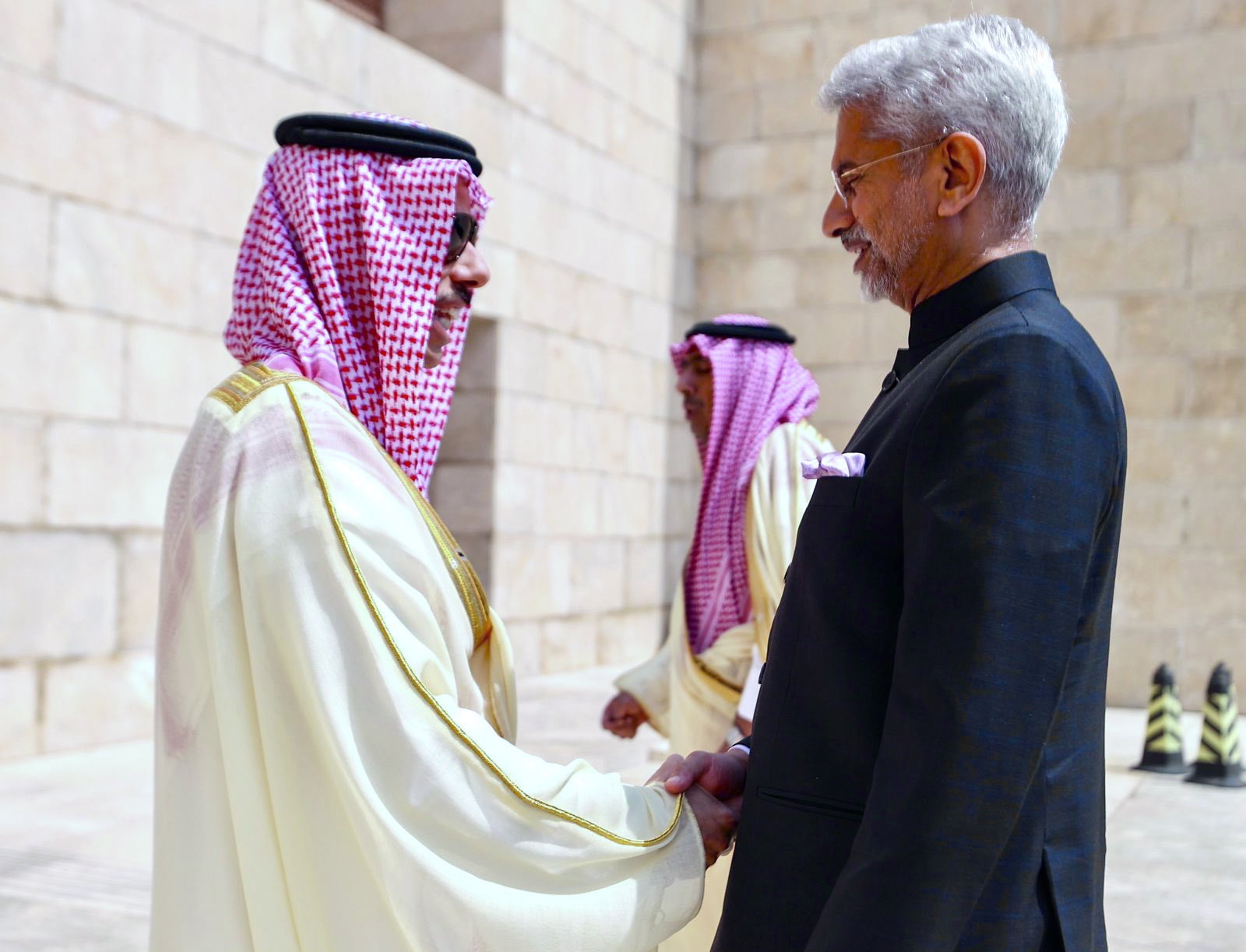
Table of Contents
- Why Did Doval Fly to Riyadh on the Day the Houthis Declared a Blockade?
- The Chabahar Hedge India Could Not Count On
- What Does Faisal’s July 20 Calendar Reveal?
- How Deep Is India’s Oil Shock?
- Fifteen Thousand Sailors and No Safe Passage
- Can Multi-Alignment Survive When Both Sides Shoot at Your Ships?
- What Can Riyadh Extract From a Partner That Cannot Choose?
- The Visit That Said Everything by Producing Nothing
- Frequently Asked Questions
Why Did Doval Fly to Riyadh on the Day the Houthis Declared a Blockade?
Doval’s visit coincided with the Houthis declaring a formal maritime blockade of Saudi Arabia while Hormuz traffic remained far below the 130 to 140 ships that Reuters says typically transited before the closure. India cannot afford the disruption to either corridor and cannot confront Iran — the visit signals Saudi desperation on the energy-security dossier more than any forthcoming solution.
The blockade declaration followed a week of escalation that began with the July 13 strike on Sanaa airport and the Houthi missile and drone fire at Abha the same day, which the coalition acknowledged only in a brief statement on air defences.
The timing was not coincidental — or if it was, both governments chose not to reschedule when events overtook the diplomatic calendar. On the day Doval sat across from Faisal in Riyadh, the Houthi armed forces issued what amounted to a declaration of naval war against Saudi Arabia: an assertion of “the right of our great people to respond to the blockade with a blockade.” The Houthis framed it as reciprocity for what they called a nearly twelve-year Saudi siege of Yemen.
The Middle East briefing 3,000+ readers start their day with.
One email. Every weekday morning. Free.
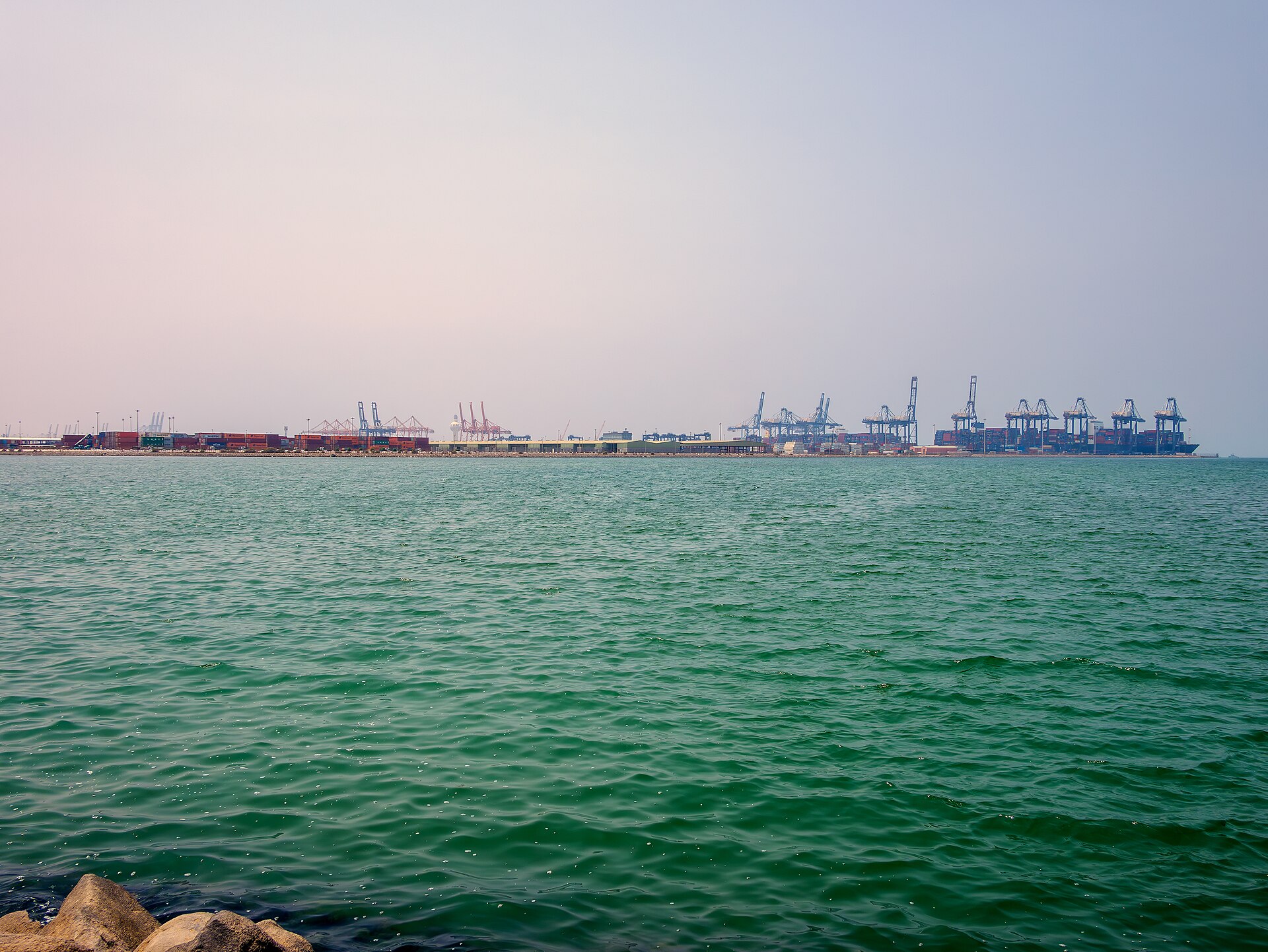
The declaration meant that Saudi Arabia faced simultaneous chokepoint threats on both its maritime exits. The Strait of Hormuz, through which the kingdom historically shipped the bulk of its crude to Asian buyers, was carrying only a fraction of its pre-war traffic. The East-West pipeline to Yanbu — Riyadh’s backup, its insurance policy, the corridor Saudi Arabia built precisely for a moment like this — had been running at its full 7 million barrels per day since March, pushing crude out through the Red Sea toward customers who needed it yesterday, and the Houthi blockade threatened to shut that exit too.
India sits at the receiving end of both corridors. Saudi Arabia remains one of India’s largest sources of crude and petroleum products, and with Hormuz restricted, Saudi barrels bound for India increasingly depended on the Yanbu-Red Sea route the Houthis had just declared under blockade.
Doval’s presence in Riyadh, then, was less a diplomatic initiative than a thermometer reading. India needed Saudi crude and Saudi Arabia needed someone — anyone — to help guarantee the passage of that crude to market, and neither government could offer the other what it actually required.
The Chabahar Hedge India Could Not Count On
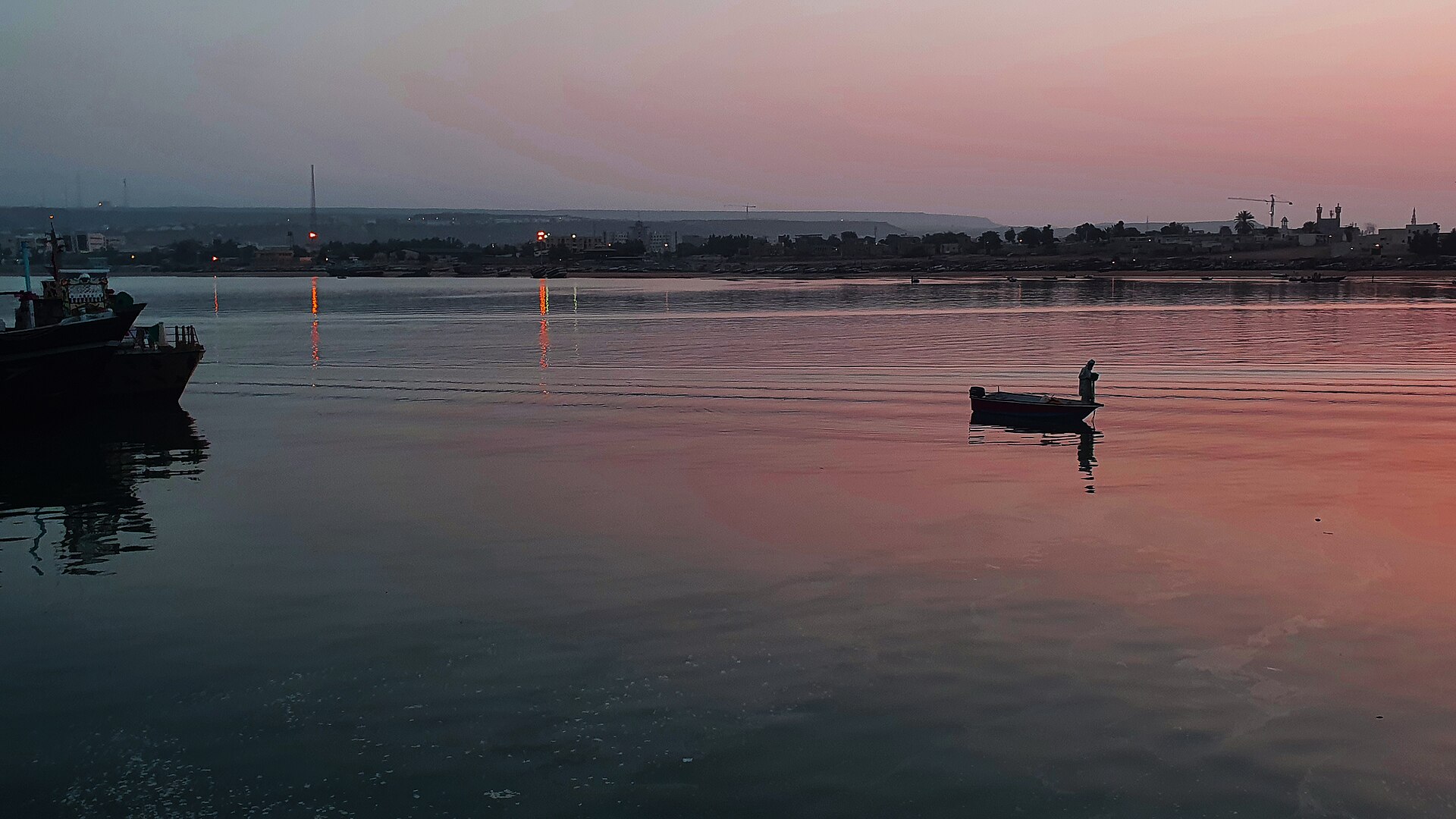
India’s relationship with Iran was supposed to provide strategic insurance against exactly this kind of crisis, and the centrepiece of that insurance was Chabahar. The port on Iran’s Makran coast, positioned outside the Strait of Hormuz, was designed to give India an alternative trade route to Central Asia and Afghanistan that bypassed Pakistani territory and — not incidentally — gave Delhi a card to play in its energy relationship with Tehran. The US sanctions waiver that had kept the project alive was set to expire on April 26, 2026, leaving a project that had consumed a decade of diplomatic capital without the legal cover it depended on.
The uncertainty over Chabahar shapes every conversation Doval now has in the Gulf. Delhi summoned the Iranian envoy after Iran fired on two Indian ships in April, and when India summoned the American chargé d’affaires less than two months later after a US strike killed three Indian sailors off Oman, the pattern was set: India had formally protested military action by both belligerents, which in diplomatic terms meant it had influenced neither.
India’s posture is usually described as multi-alignment, a phrase that sounds purposeful until you examine what it produces — India calibrating between a country that shot at its ships and a country that bombed a tanker carrying its sailors, while depending on a third country, Saudi Arabia, to physically deliver the crude its economy cannot function without. That is not multi-alignment as grand strategy; it is multi-alignment as the product of every better option having already been foreclosed.
What Does Faisal’s July 20 Calendar Reveal?
Faisal’s meeting with Doval, on the day the Houthi blockade was declared, fits a pattern of Saudi diplomatic scope-widening at a moment when Saudi Arabia’s core maritime security architecture was under severe strain. The meeting signals Riyadh is broadening its coalition of concerned parties beyond traditional Gulf and Western partners to include any capital with a stake in open sea lanes.
On July 20, Prince Faisal bin Farhan sat with Doval to discuss energy security and the protection of maritime corridors — the two concerns that summarise India’s entire Gulf anxiety.
The meeting framed Saudi Arabia’s crisis not as a bilateral problem with Iran or a narrow dispute over Houthi naval capacity, but as a pan-regional security emergency requiring solidarity well beyond the Gulf. The fact that India could not offer Riyadh a warship, an interceptor battery, or a diplomatic channel to Tehran that Iran would take seriously was beside the immediate point — Saudi Arabia was building a witness list, a roster of capitals that had been briefed, had expressed concern, and could not later claim ignorance when the question of international response reached the Security Council.
India joins Riyadh’s diplomatic outreach not as a security guarantor but as a voice that can repeat the phrase “freedom of navigation” in international forums, and Faisal knows the value of such voices even when they cannot be accompanied by a frigate.
How Deep Is India’s Oil Shock?
When Hormuz contracted, India’s supply chain came under acute strain, and the Saudi crude it could still reach depended on the Red Sea route the Houthis had just declared under blockade.
That is the context Doval carried into Riyadh, and it explains why Saudi Arabia was not just another energy partner across the table but the partner whose crude India could still physically receive — if the East-West pipeline corridor remained open, and if the Red Sea exit that the Houthis had just targeted stayed navigable.
Fifteen Thousand Sailors and No Safe Passage
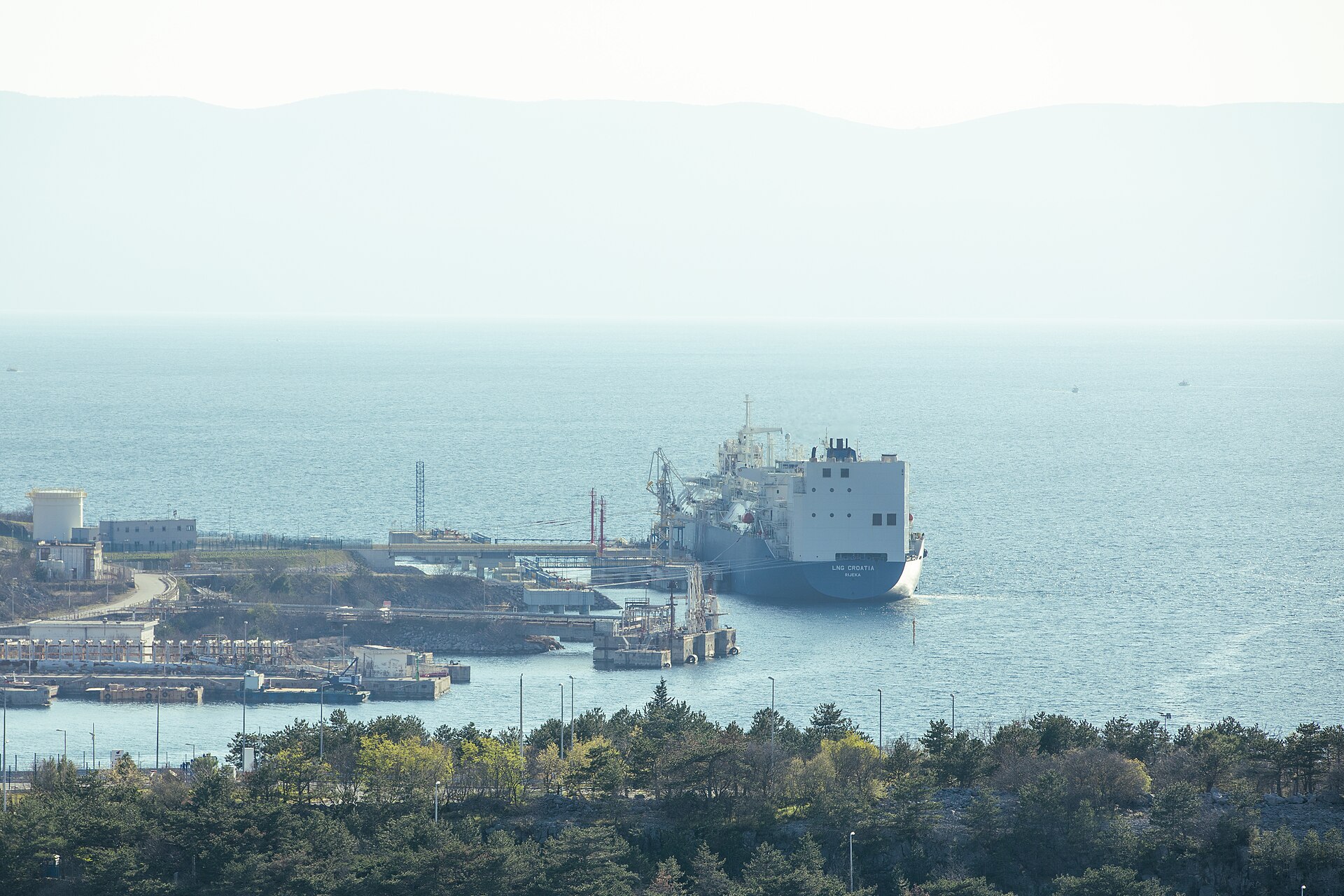
The energy arithmetic, severe as it is, captures only part of India’s exposure to the dual-corridor crisis. On July 15, India’s Directorate General of Shipping ordered shipowners to stop deploying Indian seafarers through the Strait of Hormuz after attacks that killed two Indian seafarers in three days — a directive that acknowledged the danger without resolving it, because more than 15,000 Indian seafarers were still stranded west of the strait, according to a seafarers’ union, crewing tankers, bulk carriers, and container ships whose itineraries could not be rewritten from a desk in Delhi.
India is the world’s third-largest supplier of seafarers, with more than 300,000 sailors crewing global fleets, according to government data. The Hormuz closure did not just threaten India’s oil imports — it trapped Indian citizens in waters that Delhi had declared too dangerous for new deployments but could not evacuate without either Iranian cooperation or an American naval escort that would have compromised India’s carefully maintained posture of non-alignment between the two countries doing the shooting.
The seafarer crisis illustrates something the diplomatic readouts cannot capture: the human infrastructure binding India to the Gulf runs far deeper than crude oil contracts and strategic partnership communiqués. Bilateral trade with Saudi Arabia alone stood at $41.88 billion in 2024-25. These are not relationships India can restructure during a crisis — they are load-bearing pillars of an economy that employs millions of its citizens abroad and depends on the dollars they send home to finance consumption, housing, and education across India.
When Doval discussed protecting maritime corridors with Faisal, he was not speaking in diplomatic abstraction. More than fifteen thousand Indian sailors were waiting for those passages to be protected, and the Houthi declaration of a full maritime blockade — issued the same day as the meeting — promised that the threat would intensify before any of Doval’s conversations could blunt it.
Can Multi-Alignment Survive When Both Sides Shoot at Your Ships?
India has summoned both the Iranian and American envoys over attacks on Indian nationals — Iran after firing on two Indian ships on April 18, the US after a strike on a Palau-flagged tanker killed three Indian sailors on June 9. This symmetry of formal protest reflects India’s structural inability to influence either belligerent rather than any balanced diplomatic position.
India’s foreign policy doctrine — multi-alignment, strategic autonomy, whatever formulation the Raisina Dialogue circuit prefers this season — was designed for a world where great-power competition remained below the threshold of direct military action in India’s areas of economic interest. The Iran-US war crossed that threshold and has not dropped below it since, with Iran firing on two Indian ships on April 18 and the United States striking a tanker carrying Indian crew on June 9, after which India summoned representatives of both governments to the Ministry of External Affairs in Delhi, delivered formal protests, and watched neither belligerent modify its operational behaviour.
India’s posture is less a stress test for multi-alignment than the doctrine’s point of failure. Multi-alignment depends on the ability to maintain productive relationships with competing powers simultaneously, and when those powers are shooting at your citizens the word “productive” empties itself of content.
The Islamabad memorandum that was supposed to resolve the crisis diplomatically entered into force on June 18 with a 60-day timeline, but Trump declared the ceasefire “over” on July 8, and on July 18 Supreme Leader Mojtaba Khamenei called Trump’s signature “utterly worthless and devoid of credibility,” according to Reuters. The data on what Doval actually proposed in Riyadh is thin, because neither side chose to disclose it — the Saudi readout mentioned “ways to strengthen the strategic partnership,” a phrase so standardised it could have been extracted from any bilateral meeting in the past decade, and the absence of specificity was itself the message.
What Can Riyadh Extract From a Partner That Cannot Choose?
Saudi Arabia’s interest in the Doval visit is less about what India can deliver militarily — which is effectively nothing — and more about broadening the diplomatic coalition that legitimises Riyadh’s framing of the dual-corridor crisis as a threat to global commerce requiring collective response. India’s scale as an oil importer amplifies that framing in forums where institutional weight matters.
The India-Saudi Arabia Strategic Partnership Council, under which the two countries signed a visa waiver agreement in December 2025, gives the relationship institutional scaffolding that is dense by any diplomatic standard — though density of contact has not translated into operational capacity during the crisis, and no amount of committee meetings can produce the interceptors or naval escorts that Riyadh actually needs.
What Saudi Arabia requires from any partner right now is blunt: help keeping crude moving to market, or help stopping the forces that prevent it. India can offer neither in material terms, and deploying warships into contested waters would require a political decision that multi-alignment is specifically designed to defer indefinitely. India cannot pressure Iran because Delhi has exhausted its protest mechanisms, and India cannot backstop Saudi air defences, supply interceptors, or contribute the one thing that might alter the maritime balance: a second naval presence in the strait that is neither American nor European and could therefore operate without triggering Iran’s threat calculus.
What India can offer is amplification. Doval’s visit came after the surveillance architecture watching the Gulf for Saudi Arabia was exposed as insufficient, and as tracking of the fleets carrying crude through Hormuz revealed the scale of dark shipping beyond the reach of market intelligence. India’s statements in multilateral forums — the UN General Assembly, bilateral discussions with other major importers in Asia — carry weight proportional to the scale of India’s dependence on the sea lanes in question, and Riyadh is collecting those voices because the military options have not delivered what was promised.
The Visit That Said Everything by Producing Nothing
Doval’s second visit to Riyadh this year, after an April trip — on this one he also met Energy Minister Prince Abdulaziz bin Salman and NSA Musaed Al-Aiban — confirms that the bilateral relationship has been upgraded from periodic to intensive, driven not by any strategic breakthrough but by the shared recognition that both countries are being hurt by the same geography and neither can change it unilaterally. The institutional scaffolding built through 2025 appears, in retrospect, less like proactive diplomacy and more like preparation for a crisis that arrived faster than either capital expected.
The readout said they discussed protecting maritime corridors. The passages, on the day they discussed them, faced a declared Houthi blockade on one side and an Iranian closure on the other — and neither man at the table held the authority or the arsenal to change that.
Frequently Asked Questions
How many Indian citizens live and work in Saudi Arabia?
An estimated 2.7 million Indian nationals live in Saudi Arabia, according to India’s Ministry of External Affairs. A sustained closure of air or sea routes to the Gulf would turn any consular evacuation into a challenge on a very large scale.