Table of Contents
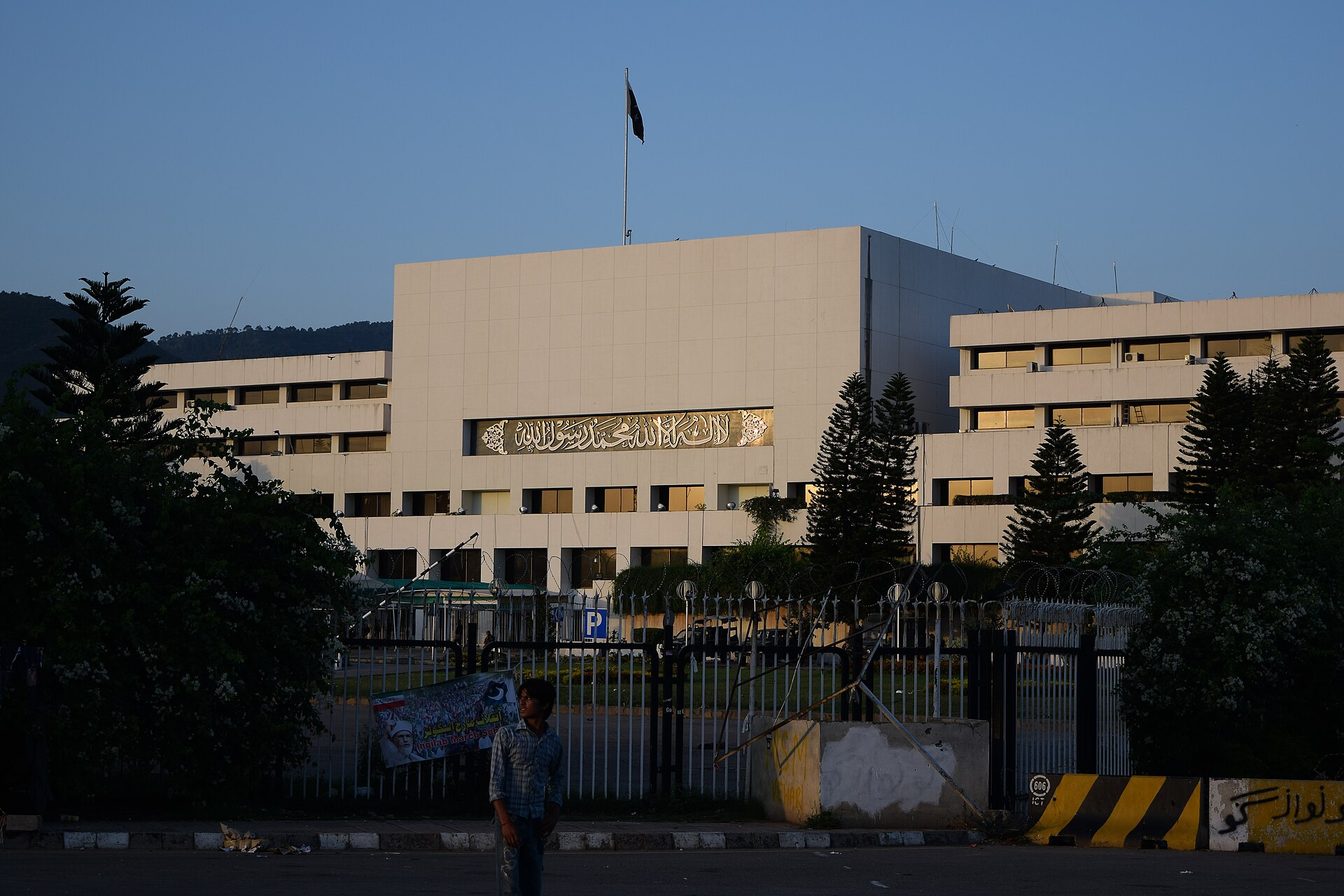
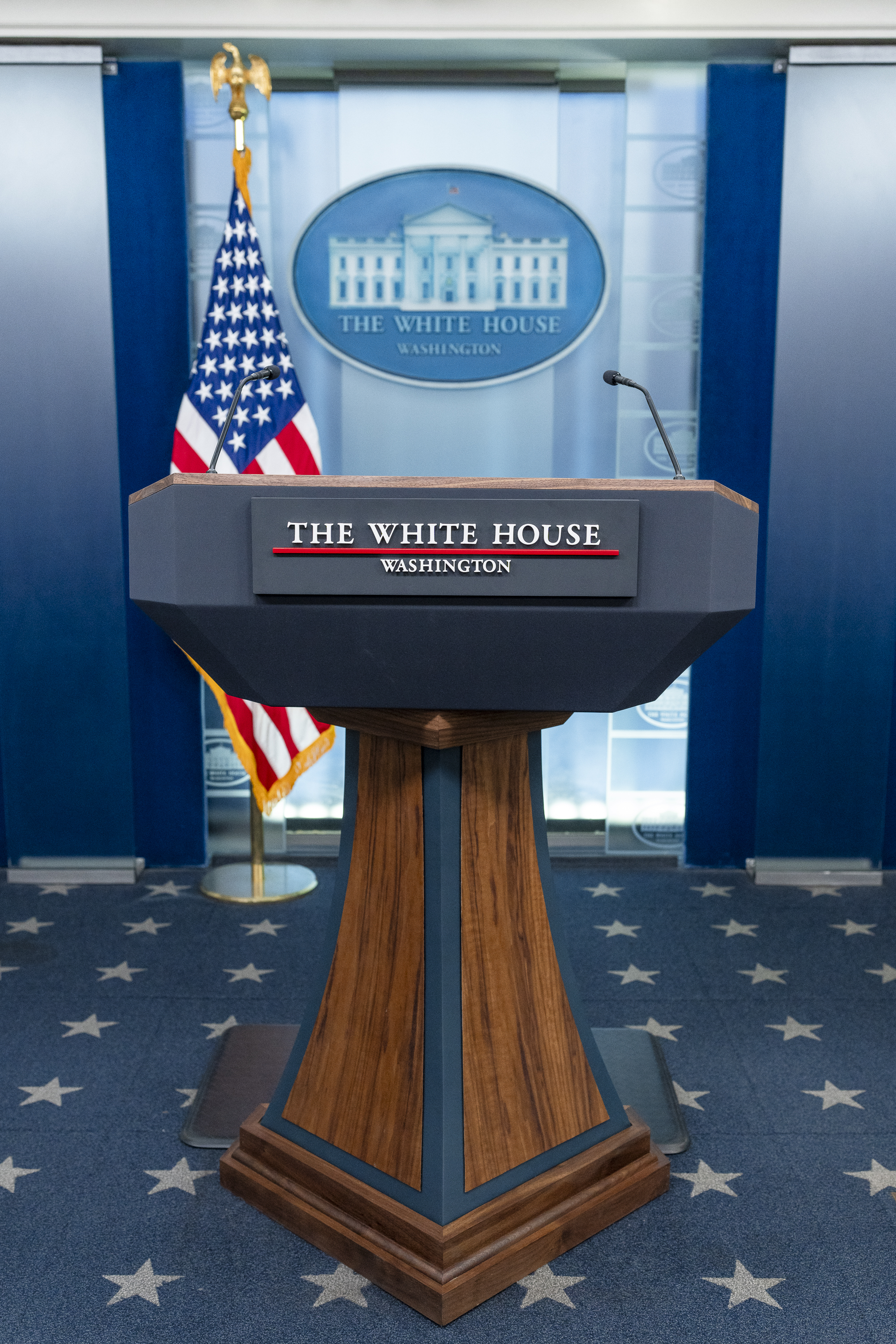
ISLAMABAD — Iran formally refused to attend a second round of negotiations in Pakistan’s capital this week, prompting the White House to suspend Vice President JD Vance’s planned return trip and leaving the only active diplomatic channel between Washington and Tehran without a scheduled session, a counterparty, or conditions for resumption. The collapse, confirmed by the White House on April 22 and framed as talks being “put on hold,” came 10 days after the first round ended with Vance walking out and declaring that Iran had “not chosen to accept our terms.”
Iran’s UN Ambassador Amir Saeid Iravani made the precondition explicit: “As soon as Washington ends the naval blockade, the next round of negotiations will take place in Islamabad.” The US naval blockade of Iranian ports, which began April 13, remains in force — President Trump confirmed as much on April 21 in the same Truth Social post where he extended the ceasefire indefinitely “upon the request of Field Marshal Asim Munir.” The extension was Pakistan’s sole diplomatic product from weeks of mediation, and it arrived without the one thing Islamabad needed: Iran at the table.
Iran’s Formal Refusal
Tehran did not simply decline to confirm dates. Iran’s Foreign Ministry spokesman Esmaeil Baghaei, speaking through IRNA on April 20-21, catalogued five categories of US conduct that made return impossible: “excessive demands, unrealistic expectations, constant shifts in stance, repeated contradictions, and the ongoing naval blockade.” The MFA labelled American statements about the status of talks “a media game” — a characterization that went beyond scheduling complaints into a rejection of the negotiating framework itself.
Foreign Minister Abbas Araghchi sharpened the language further. “Blockading Iranian ports is an act of war and thus a violation of the ceasefire,” he told NBC News and Al Jazeera on April 22. “Striking a commercial vessel and taking its crew hostage is an even greater violation.” The reference was to recent interdiction actions in the Strait of Hormuz that Iran frames as acts of aggression occurring under what is nominally a ceasefire. In Tehran’s telling, the US is simultaneously asking Iran to negotiate and waging economic warfare against it — and Pakistan can do nothing about either.
Parliament Speaker Mohammad Bagher Ghalibaf, who led Iran’s 70-member delegation at the first round, offered a more measured but equally firm assessment on state television. “On some issues, conclusions have been reached in the negotiations, and on others not; we are still far from a final agreement,” he said, before adding via social media that reopening the Strait of Hormuz was “impossible” while the US blockade remained in place. Ghalibaf’s framing preserved the fiction of a process while confirming that Iran would not participate in it under current conditions.
Mahdi Mohammadi, an advisor to the parliament speaker, went further than any official in dismissing the extended ceasefire. He called it “a ploy to buy time for a surprise attack,” according to Xinhua on April 23 — language that positions any return to Islamabad as walking into a trap rather than resuming diplomacy.
The Middle East briefing 3,000+ readers start their day with.
One email. Every weekday morning. Free.
“On Hold” or Dead? The Language Gap
The White House briefed Vance’s trip as “on hold.” Daily Pakistan, the Islamabad-based outlet with less investment in diplomatic face-saving, used a different word: “cancelled.” The distinction matters because it reveals who benefits from ambiguity. Washington needs the appearance of a live channel to justify the blockade as coercive diplomacy rather than open-ended siege. Pakistan needs the appearance of relevance to justify the extraordinary domestic costs of hosting — weeks of road closures, school shutdowns, and office restrictions across the capital. Iran, meanwhile, has no incentive to clarify: keeping the channel formally alive while refusing to use it costs Tehran nothing and pressures both Washington and Islamabad.
Trump’s own statements have systematically undermined the “on hold” framing. On April 23, he told reporters there was “no time pressure” on either the extended ceasefire or the pending talks — removing the coercive deadline that had been Pakistan’s primary lever over Iranian urgency. The original ceasefire, brokered by Munir’s overnight relay between Vance and Araghchi on April 8-9, derived whatever force it had from a fixed expiry date of April 22. With that gone, replaced by an open-ended extension, the structural incentive for Iran to return has evaporated. Tehran can wait indefinitely while the blockade’s economic costs accumulate on both sides.
The same day Trump removed the deadline, he ordered the US Navy to destroy any Iranian boats laying mines in the Strait of Hormuz — active military escalation running simultaneously with a nominal ceasefire. For Pakistan, the message was unmistakable: the US would set its own military tempo regardless of what Islamabad brokered. For Iran, it confirmed Mohammadi’s “surprise attack” narrative. Neither development makes a second round more likely.
From Venue to Enforcer — and Back Again
Pakistan’s role in the Iran-US crisis has undergone three distinct phases in under three weeks, each more ambitious than its institutional capacity could support. Phase one was venue: Islamabad offered a neutral site for talks, drawing on 34 years as Iran’s protecting power in Washington — Pakistan has operated Iran’s Interests Section at the US embassy since 1992. Phase two, which House of Saud documented on April 9, was enforcer: Field Marshal Munir moved from hosting to actively relaying messages, brokering the original ceasefire through overnight phone diplomacy, and positioning Pakistan as the sole mechanism through which any agreement would be monitored. Phase three, now underway, is supplicant: Pakistan is publicly requesting that both sides return to a table it set but cannot compel anyone to sit at.
The Belfer Center’s April 2026 assessment identified the structural problem with clinical precision, finding an “enforcement vacuum where decentralized IRGC corps commanders answer to no mechanism Pakistan controls.” This was not a prediction — it was a diagnosis of what had already failed.
“Mediation is not the same as enforcement, and Pakistan’s comparative advantage lies not in coercive power, but in access, strategic literacy, and the ability to communicate hard truths to all sides.”
— Belfer Center for Science and International Affairs, April 2026
An anonymous Pakistani official quoted by Bloomberg on April 23 offered the counter-argument, insisting that Iranians “understand that Field Marshal Munir, with his appointments and present leverage — his access to the Oval Office — is the best person to convey their messages and bring them a good deal with the Americans.” The framing is revealing: Pakistan’s value proposition to Iran is not enforcement capacity but proximity to Trump. When that proximity produces a ceasefire extension with no conditions, no timeline, and continued blockade, the value proposition answers itself.
Iran’s own diplomatic language has begun to reflect this downgrade. Iravani, at the UN, said Iran was “ready to engage constructively with all genuine diplomatic efforts, including [through] Pakistan, Turkey and Egypt, as well as diplomatic efforts by China and Russia.” The formulation — “including Pakistan” rather than “through Pakistan” — positions Islamabad as one option among equals, not the exclusive channel. Turkey and Egypt have done less than Pakistan on this crisis, but Iran is signalling that the Islamabad franchise is not irreplaceable.
Why Does the Blockade Make Talks Impossible?
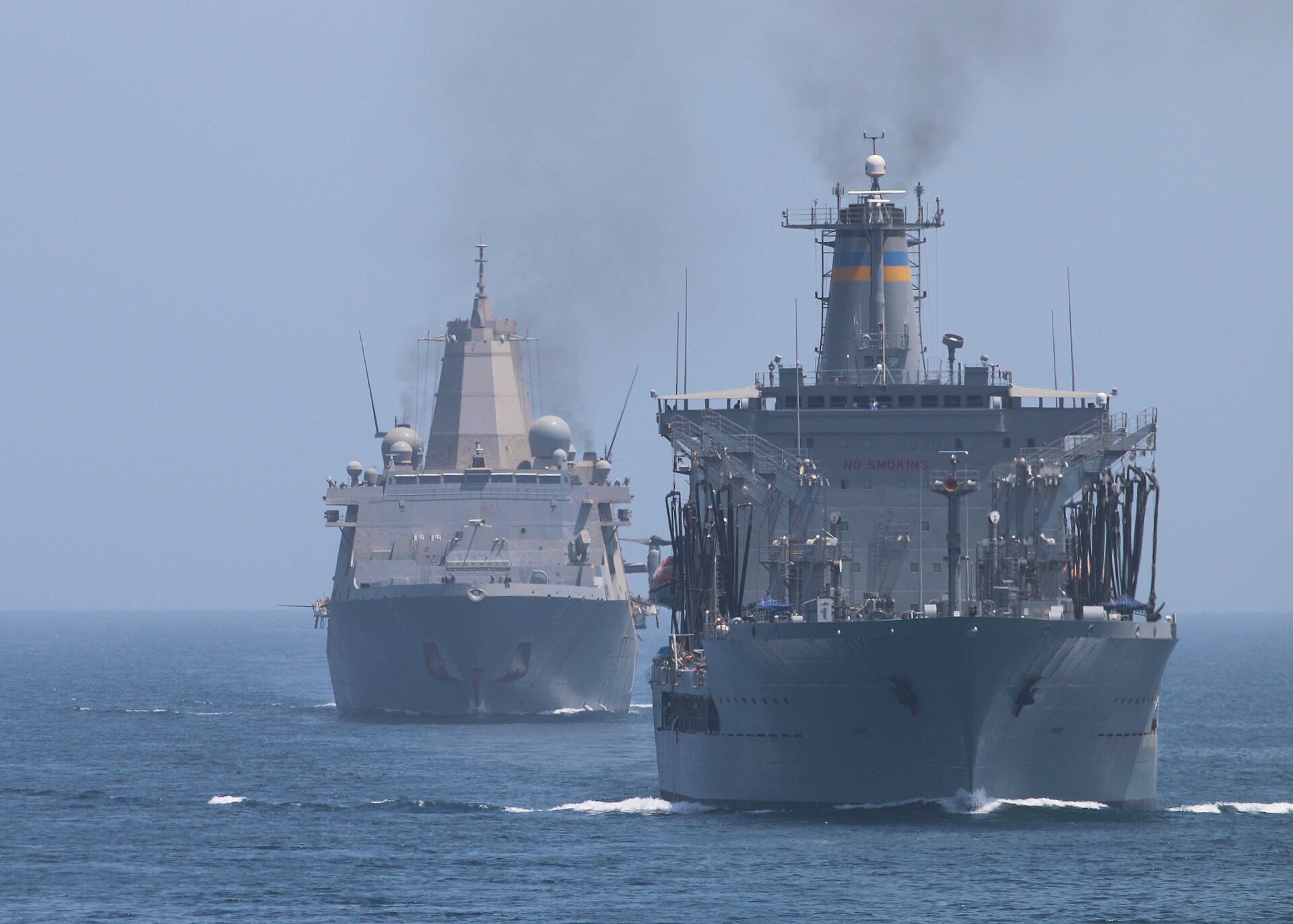
Iran’s formal position — no talks while the blockade continues — creates a negotiating paradox that Pakistan cannot resolve. The US naval blockade, effective April 13, applies to Iranian ports and toll-collecting vessels but not all Hormuz transit. Washington frames it as coercive diplomacy: pressure designed to bring Iran to the table. Tehran frames it as an act of war that invalidates the ceasefire under which talks were supposed to occur. Both framings are internally consistent, and Pakistan has no leverage to alter either.
The Council on Foreign Relations proposed an “open for open” formula in April 2026 — both sides lift their mutual Hormuz restrictions, decoupled from nuclear negotiations — implicitly acknowledging that the full US package is unachievable in a single round. Neither side has accepted the proposal, and Pakistan lacks the institutional weight to impose such a framework. A CFR analysis in April 2026 described talks as “hopelessly stalled, with a wide chasm of suspicion and misunderstanding dividing the two nations.” The deadlock has also triggered a parallel channel: Saudi Arabia is privately pressing Washington to lift the blockade, recognizing that Iran’s refusal to negotiate while the cordon holds means Riyadh bears the revenue loss with no diplomatic dividend.
Trump’s Truth Social post of April 21 illustrates the contradiction Pakistan faces. In a single statement, Trump extended the ceasefire “upon the request” of Munir and Prime Minister Shehbaz Sharif, confirmed the blockade would continue, and warned that the US military would “remain ready and able” — all while characterizing the Iranian government as “seriously fractured.” The extension was granted because Pakistan asked for it, but the blockade that prevents Iran from returning was maintained in the same breath. Pakistan got the extension and lost the leverage the deadline provided, a trade that looks increasingly like it served Washington’s needs more than Islamabad’s.
The Authorization Ceiling Iran Cannot Clear
Even if Pakistan somehow brought Iran back to Islamabad, the structural problem documented across the first round would remain. President Pezeshkian publicly accused SNSC Secretary Ali Akbar Ahmadian’s predecessor Ahmad Vahidi and Khatam al-Anbiya commander Abdollahi on April 4 of wrecking the ceasefire — his own government’s negotiators had been overridden by IRGC supervisors he has zero constitutional authority to command. Under Article 110 of Iran’s constitution, the Supreme Leader controls the armed forces directly, and the president’s writ does not extend to IRGC operations.
The Zolghadr report of April 14, which cited “deviation from delegation’s mandate,” confirmed that the first Islamabad round collapsed not because of Pakistani mediation failures but because Iran’s delegation lacked authority to close. Araghchi had reached what US officials described as “inches away” from a memorandum of understanding before Vance walked out — but the Vance walkout itself was triggered by the realization that Vahidi’s veto made any agreement non-self-executing. Pakistan brokered talks between a US team that could commit and an Iranian team that could not. Washington has since escalated the pressure architecture: the Pentagon named Vahidi as a designated strike target even while Witkoff was en route to Islamabad II, signalling that decapitation remains live as coercive leverage alongside the blockade.
Supreme Leader Khamenei has been absent from public view for 55 days as of April 24. His son Mojtaba has appeared only in audio-only formats. The FDD’s characterization of “five men running Iran” excludes Pezeshkian entirely. Ghalibaf, who led the Iranian delegation, served in the IRGC Aerospace Force from 1997 to 2000 — he understands the institutional dynamics but is not positioned to override them. The physical reality constraining the authorization chain above him is examined in Iran’s Supreme Leader Is Mentally Sharp. He Just Can’t Run a Ceasefire. — Mojtaba Khamenei communicates by motorcycle courier, awaits a prosthetic limb, and cannot speak clearly enough to issue and verify binding directives in real time.
When the first round ran across 21 hours on April 11-12 with, according to Al Jazeera’s tally, some 300 US officials facing 70 Iranian counterparts, the asymmetry was not just numerical. It was constitutional: one side had a unified chain of command and the other did not.
Pakistani mediators observed this dysfunction in real time. According to Al Jazeera’s April 21 reporting, visible strain emerged when Trump posted on Truth Social during the first round claiming Iran had agreed to hand over enriched uranium — a claim Iranian officials publicly rejected on the spot. US officials privately acknowledged the statements were “detrimental given Tehran’s deep mistrust.” Pakistan could witness the damage but not repair it.
A City Locked Down for Talks That May Never Come
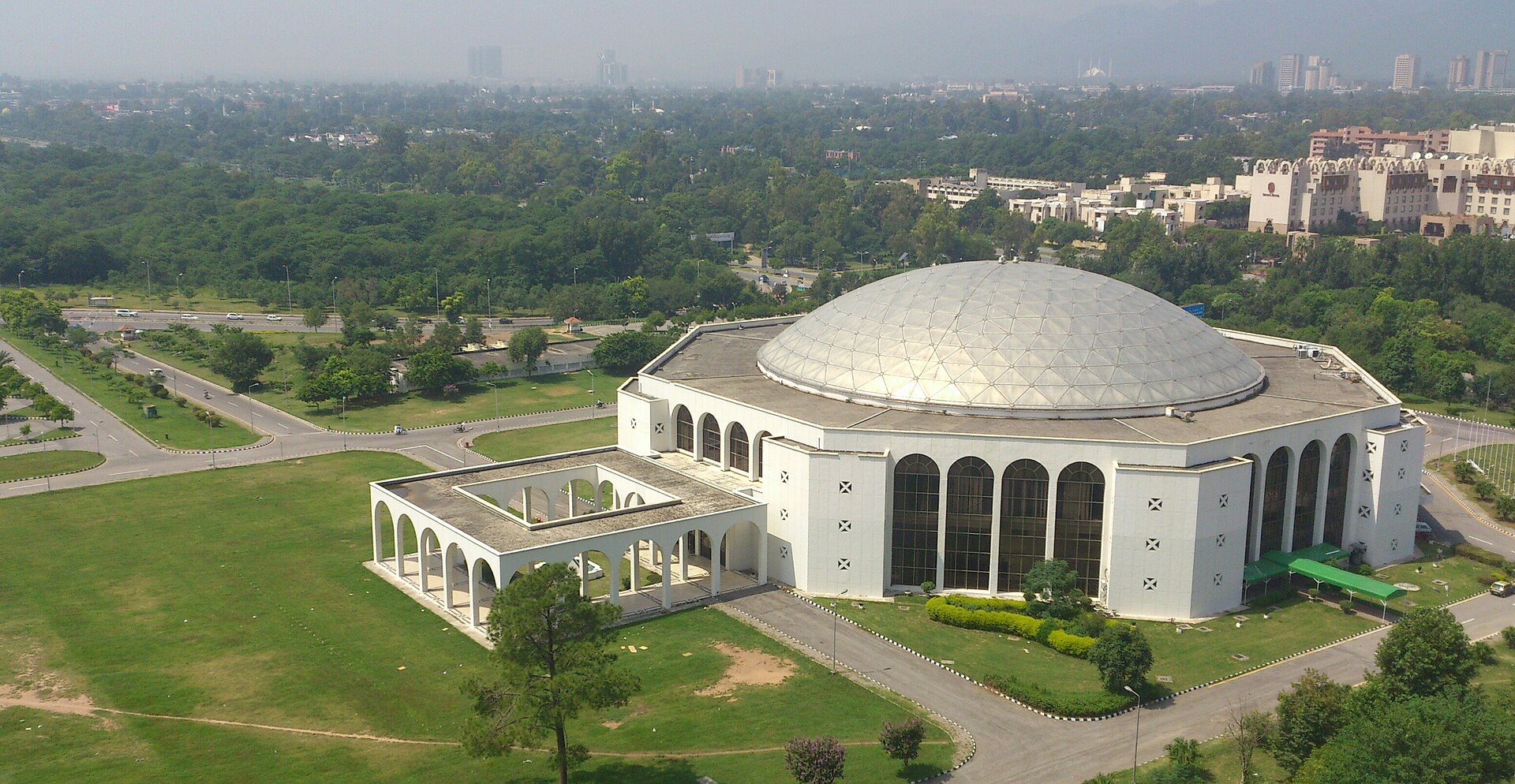
As of April 23, Islamabad remained under those same security restrictions — imposed for a second round of talks that Iran has not agreed to attend. Bloomberg’s April 23 reporting, headlined with Pakistan “clinging to hope,” captured the growing gap between institutional commitment and diplomatic reality. Pakistani officials were holding a meeting with American counterparts on April 23 specifically to “discuss arrangements for the second round,” according to Voice of Emirates — logistics for an event with no confirmed Iranian participation.
The domestic cost to Pakistan is not abstract. The 27th Constitutional Amendment, passed in November 2025, concentrated foreign and security policy authority in Munir’s office as Chief of Defence Forces. This gave Islamabad’s diplomatic efforts institutional clarity — Munir, not the elected government, runs the mediation — but it also means that the visible failure of talks reflects directly on the military establishment rather than civilian politicians who might absorb the political cost more easily. The lockdown is Munir’s lockdown. The empty table is Munir’s empty table.
Pakistan’s structural constraints run deeper than domestic politics. The Saudi-Pakistan Mutual Defence Agreement, signed September 17, 2025, makes Pakistan simultaneously Iran’s interlocutor and Saudi Arabia’s treaty ally. A $5 billion Saudi loan maturing in June 2026 creates explicit financial dependency on Saudi goodwill. Pakistan cannot pressure Iran toward outcomes that disadvantage Riyadh without jeopardising its own fiscal position, and it cannot offer Iran guarantees that conflict with Saudi interests. The mediator is not neutral — and Iran knows it.
What Remains of the Islamabad Channel
The Washington Post characterized Pakistan’s approach on April 20 as “speaking Trump’s language” — a communication skill, not an enforcement capacity. Al Jazeera, which has covered Pakistan’s mediation efforts more sympathetically than most outlets, described Islamabad as “racing against time to get Iran back to US talks” before the April 22 ceasefire deadline — and failing. The sole product of that race was Trump’s unilateral extension, granted at Pakistan’s request but on terms that removed deadline pressure while maintaining the blockade Iran calls a precondition for return.
What Pakistan retains is access. Munir visited Khatam al-Anbiya headquarters on April 16 — the command Pezeshkian had publicly accused of sabotaging the ceasefire — suggesting that Islamabad understands where real authority resides even if it cannot compel that authority to act. The Interests Section relationship gives Pakistan institutional memory that no other mediator possesses. Turkey, Egypt, China, and Russia — the alternatives Iran listed through Iravani — all lack Pakistan’s specific combination of proximity to both Washington and Tehran’s security establishments.
But access without enforcement is relay, not mediation. The enforcement architecture that House of Saud examined on April 9 — Pakistan repositioned as the ceasefire’s sole mechanism — has been tested and found empty. Iran can formally refuse to appear despite Pakistani intermediation. The US can escalate militarily while accepting Pakistani ceasefire extensions. And Islamabad can lock down its own capital for weeks, hold logistics meetings for sessions no one has confirmed, and describe its position as “on hold” rather than what Daily Pakistan called it: cancelled.
On April 22, two days after Trump extended the ceasefire at Munir’s request, Iran seized two European cargo ships in the Strait of Hormuz. The seizures did not route through Islamabad. No Pakistani official was consulted, warned, or informed in advance. The enforcement mechanism that was supposed to prevent exactly this kind of escalation learned about it from the same wire services as everyone else. The channel’s only partial revival came on April 25, when Araghchi returned to Islamabad as Witkoff and Kushner joined the talks — the first direct engagement since the collapse, with the May 1 War Powers deadline seven days away. Iran’s foreign minister Araghchi arrived carrying a written roadmap of conditions he simultaneously denied constituted a negotiation — while Ghalibaf’s resignation from the delegation eliminated the only negotiator with IRGC institutional credibility.
That same structural gap — the absence of any authority capable of committing the IRGC to terms — is the mechanism behind Trump’s latest demand: as Trump’s Hezbollah Ultimatum Demands IRGC Self-Amputation Iran Cannot Deliver examines, the condition Trump encoded into the peace framework routes through the Quds Force’s Unit 190, an institution Pezeshkian cannot direct, order, or dissolve. That same structural incapacity extends to the mine clearance timeline: the mine-placement records are held within an IRGC Navy chain of command that has been headless since Tangsiri’s death, and no civilian authority can compel their disclosure — a constraint analyzed in detail in Iran’s mine warfare command vacuum.
Iran’s refusal to appear is also inseparable from Tehran’s assessment of Pakistan’s neutrality: Saudi Arabia’s structurally captured enforcer role — built on $8 billion in deposits and leveraged through a frozen $1.5 billion Sudan arms deal — gives Iran every reason to treat Islamabad as a Saudi venue rather than a neutral forum. Araghchi’s response to those structural constraints — building a parallel Muscat-Moscow back-channel that requires no public commitment — is examined in Araghchi’s Three-Stop Tour Builds a Back-Channel Architecture Iran Can Deny.
The April 25 conclusion of this dynamic — Araghchi meeting Pakistan’s full diplomatic and military leadership, handing over a written roadmap, and departing before the American delegation was even airborne — is documented in Araghchi Left Islamabad Before Washington Packed a Bag: Both Sides Prefer It That Way, which traces the structural incentives that have made non-engagement the stable equilibrium for both Washington and Tehran. The parallel channel that made Araghchi’s Islamabad departure structurally rational — Oman’s back-channel as the actual conduit for Iran’s revised paper — is examined in Iran’s Revised Paper Reached Washington Through Oman, Not Pakistan.