
Qatar Holds the Ceasefire Saudi Arabia Cannot Enter
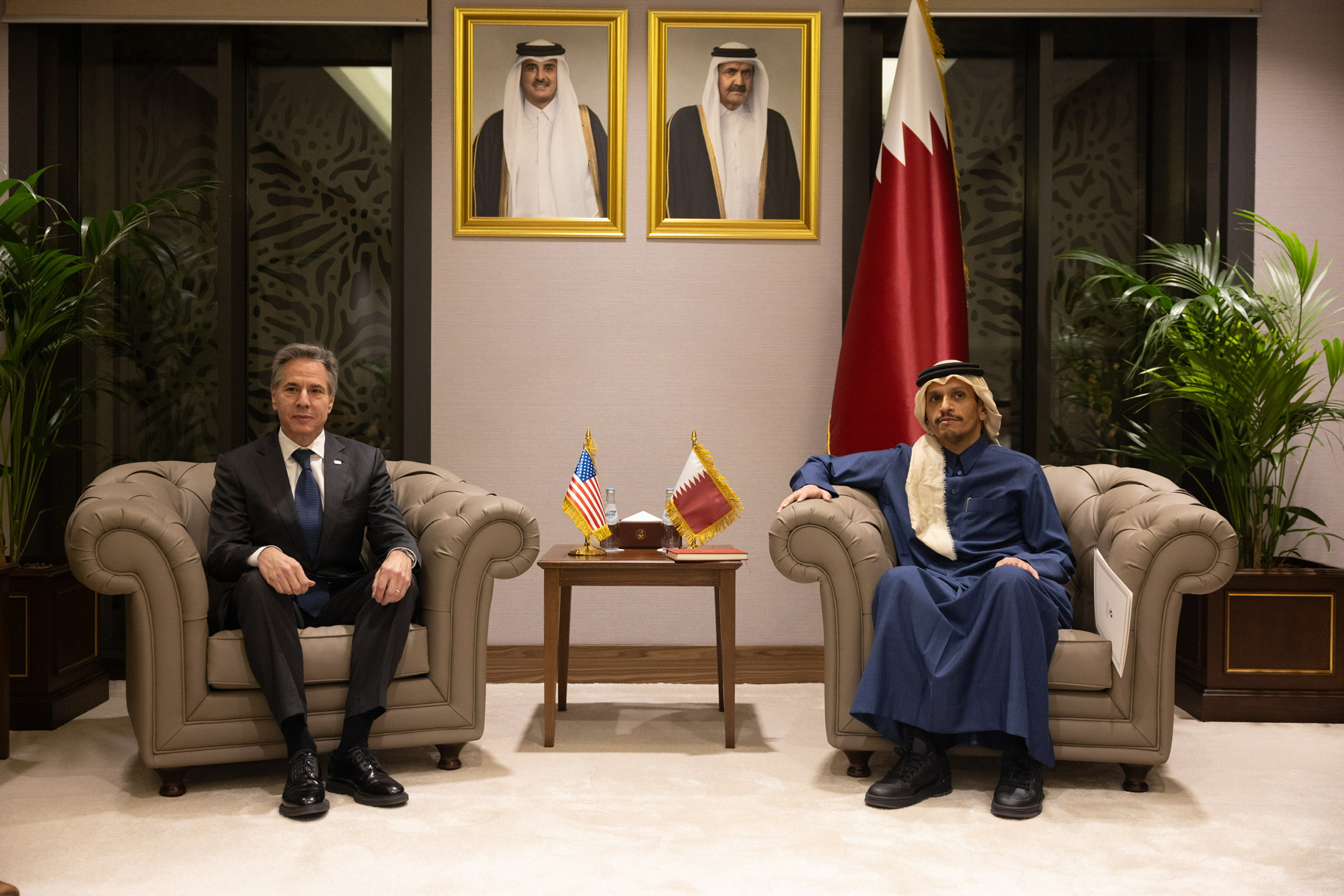
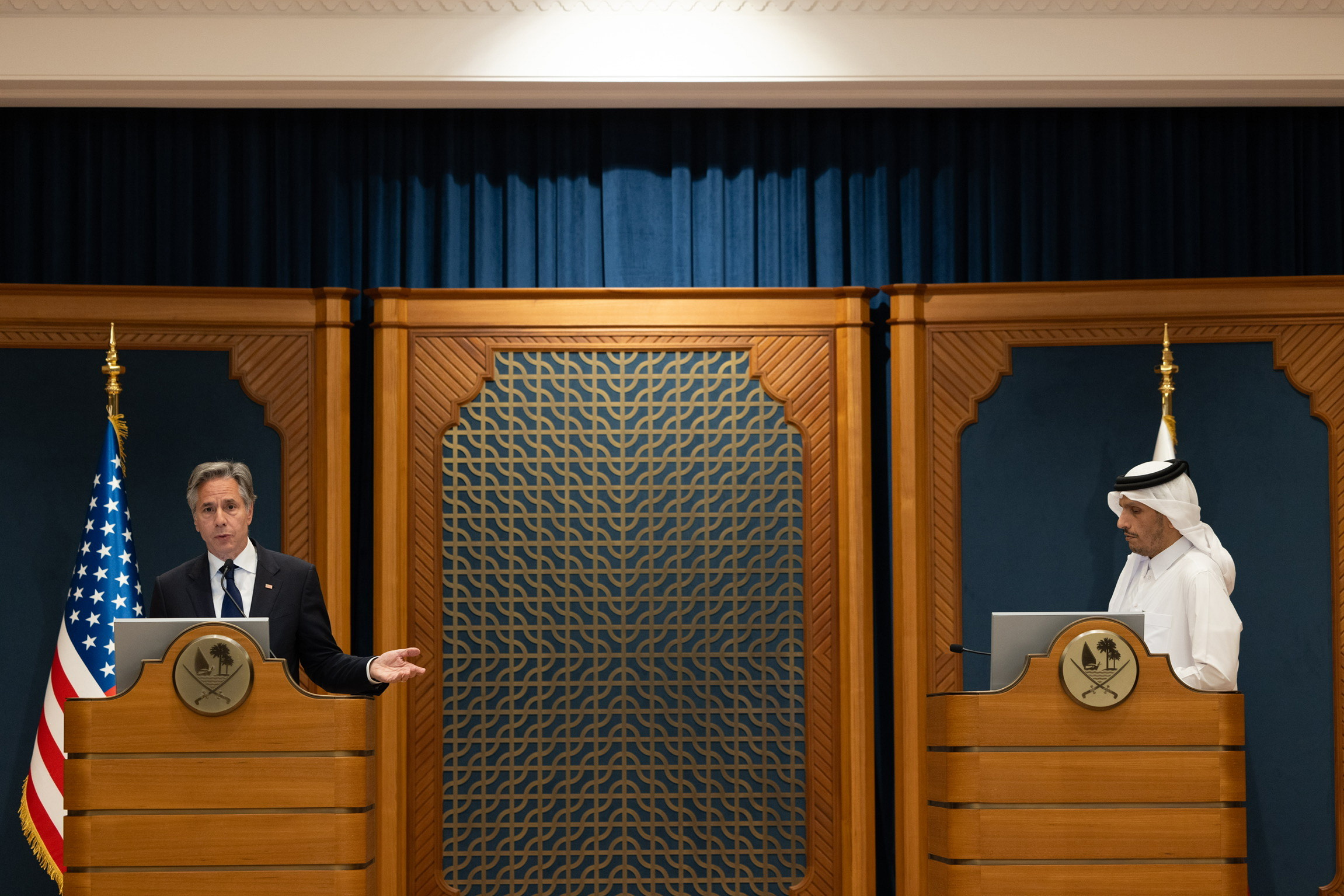
Qatar Prime Minister and Foreign Minister Mohammed bin Abdulrahman Al Thani at joint press availability with US Secretary of State Blinken in Doha, June 2024

Qatar Holds the Ceasefire Saudi Arabia Cannot Enter

Qatar defends the Hormuz ceasefire framework while Saudi Arabia holds zero seats at Doha, Islamabad, or Muscat tracks — the consequence of 1,278 days of choices.

DOHA — Qatar’s foreign ministry joined Jordan on Saturday in calling for an immediate ceasefire in the Iran-United States conflict, with specific reference to freedom-of-navigation guarantees for the Strait of Hormuz. The statement came thirty-three days into a sixty-day ceasefire window that Iran formally suspended on Friday and that the United States has not acknowledged violating. It arrived on the same day Secretary of State Marco Rubio landed in Manila for the ASEAN foreign ministers’ meeting, where the US, China, and Russia would all be represented in the same building.

Conflict Pulse IRAN–US WAR
Live conflict timeline
Day
144
since Feb 28
Casualties
13,260+
5 nations
Brent Crude ● LIVE
$113
▲ 57% from $72
Hormuz Strait
RESTRICTED
94% traffic drop
Ships Hit
16
since Day 1

Saudi Arabia will not be represented in Manila. It holds no seat at the Doha indirect talks. It co-brokered nothing in Islamabad. It has no observer status in any formal Hormuz monitoring arrangement. Faisal bin Farhan, the foreign minister, receives calls from counterparts who chair sessions elsewhere. The most concrete security guarantee Riyadh has obtained since the war began came not from any of these tracks but from Baghdad.

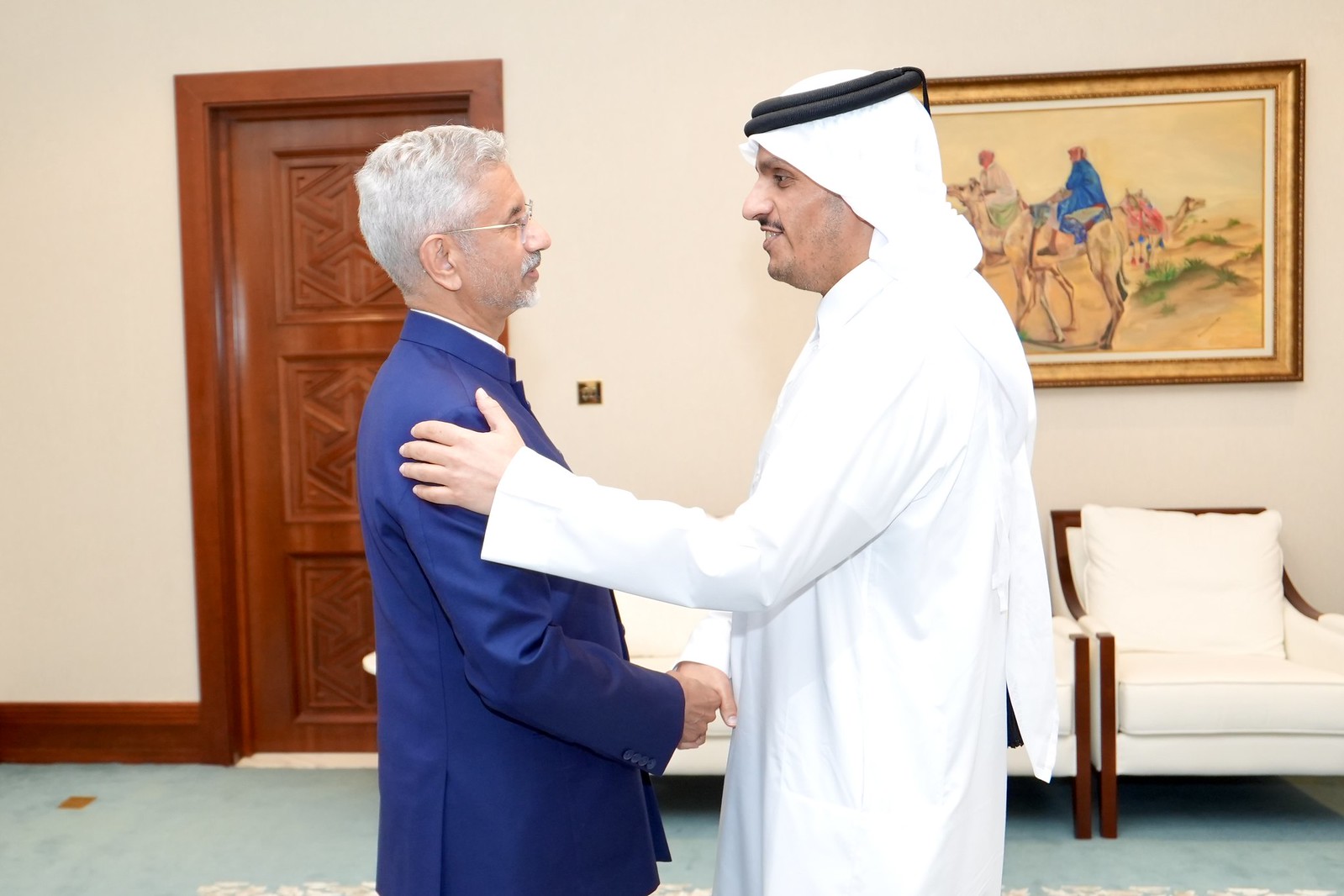
Qatar Foreign Minister Mohammed bin Abdulrahman Al Thani receives Indian External Affairs Minister Jaishankar in Doha, December 2024
Qatar PM/FM Mohammed bin Abdulrahman Al Thani in Doha, December 2024. Qatar hosted the indirect US-Iran talks in Doha, co-brokered the Islamabad MOU in June, and holds custody of approximately $6 billion in frozen Iranian assets — the only Gulf state with an unbroken channel to both Washington and Tehran. Photo: Ministry of External Affairs, India / GODL-India

The Framework Qatar Is Defending

Qatar is not, strictly speaking, proposing a new ceasefire. It is trying to prevent the complete collapse of an existing one.

The Islamabad Memorandum of Understanding, signed June 17 with Qatar and Pakistan as co-brokers, established a sixty-day window: cessation of hostilities, phased reopening of the Strait of Hormuz, a timeline for nuclear-deal talks, and a suspension of the Persian Gulf Surcharge Agreement tariffs that Iran’s IRGC-linked authority had imposed on commercial shipping since May 5. Saudi Arabia was not a co-broker. The framework was structured as a Qatar-Pakistan bilateral mediation with the United States and Iran as principals.

On July 18 — Day 31 of 60 — Iran’s Deputy Foreign Minister Kazem Gharibabadi announced the formal suspension of all MOU commitments, citing alleged US breach of obligations. Mohammad Baqer Ghalibaf, Iran’s chief negotiator, went further: “Tehran will not enter into any further negotiations with the United States until the terms of the MOU are implemented.” The MOU was, by that reading, simultaneously suspended by Iran and declared the prerequisite for any successor framework.

Qatar’s response was immediate. Sheikh Mohammed bin Abdulrahman Al Thani, the prime minister and foreign minister, spoke by phone with Iran’s Abbas Araghchi during the week of July 14-20, urging both parties to recommit to the MOU’s terms. A Qatari delegation had visited Tehran on July 10 for discussions an Iranian official characterised as “positive.” On Saturday, Qatar’s foreign ministry joined Jordan’s Ayman Safadi in a formal call for an immediate ceasefire with explicit reference to Hormuz navigation guarantees. It was the most direct invocation of a time-limited ceasefire framework to emerge from any regional capital since the MOU’s effective void.

The HOS Daily Brief

The Middle East briefing 3,000+ readers start their day with.

One email. Every weekday morning. Free.

Separately, Oman has circulated a more specific Hormuz transit proposal: a dual-corridor structure routing commercial shipping through Omani territorial waters on the southern passage under free-navigation terms while the northern corridor through Iranian waters would require PGSA pre-clearance. France and the United Kingdom are studying it. Qatar’s ceasefire push and Oman’s corridor proposal are distinct tracks. They share a structural feature: neither requires Saudi participation to proceed.

Where Does Saudi Arabia Sit in the Diplomatic Architecture?

Three negotiating tracks are active in the Iran-US conflict as of July 20, 2026: the Doha indirect talks between the US and Iran mediated by Qatar, the Islamabad-Geneva track covering the nuclear timeline and MOU implementation, and the Hormuz transit monitoring framework under development in Muscat. Saudi Arabia holds a formal seat at none of them and co-brokered none of the agreements that created them.

Track Location Principals Mediators / Co-Brokers Saudi Role
Indirect ceasefire talks Doha United States, Iran Qatar None
MOU implementation / nuclear timeline Islamabad → Geneva United States, Iran Pakistan, Qatar None
Hormuz transit monitoring Muscat (proposed) Iran, Oman Oman; France/UK reviewing None

The Arab Gulf States Institute in Washington assessed in its July analysis that Qatar has emerged as “one of the region’s — and increasingly the world’s — most consequential diplomatic brokers,” while Pakistan had made “a surprising but significant entry into the mediation fold.” The Middle East Council on Global Affairs published under the heading “Pakistan and Qatar’s Emergence as Key Mediators in Iran-U.S. Diplomacy.” The Arab Center in Washington, DC characterised Saudi influence over the MOU’s terms as “slight.”

Faisal bin Farhan has not been idle. He met Omani Foreign Minister Sayyid Badr Albusaidi in Muscat on July 8 to discuss Hormuz security. He hosted Iraqi Foreign Minister Fuad Hussein in Riyadh on July 12. He spoke with Rubio by phone at some point in early-to-mid July — the State Department readout cited “the importance of close coordination to promote regional security and stability,” a sentence that commits to nothing. On June 30, Faisal was in Beijing meeting Wang Yi and Vice President Han Zheng. On the same day, in Doha, the Phase 2 indirect talks between the US and Iran proceeded without him.

A comparison of the two foreign ministers’ July calendars sharpens the point.

Date Qatar FM (Al Thani) Saudi FM (Faisal)
June 30 Hosted Witkoff and Kushner in Doha; Iran technical delegation participated in parallel indirect talks In Beijing: met Wang Yi and VP Han Zheng
July 1 Doha round concluded; spokesman declared “positive progress” Still in Beijing; no Doha participation
July 5 Received written message from Faisal via Saudi ambassador Sent written message to Qatar via ambassador
July 8 Engaged with Iranian counterparts on MOU implementation Met Omani FM in Muscat (bilateral, no Iran track role)
July 10 Qatar delegation in Tehran; “positive” discussions with Iranian officials Phone call with Rubio (no deliverables reported)
July 12 Continued Doha-Tehran channel management Hosted Iraqi FM Fuad Hussein (bilateral security pledge)
July 19 Joint ceasefire call with Jordan citing Hormuz guarantees No public diplomatic activity reported
July 20 Phone call with Faisal; phone call with Araghchi Phone call with Al Thani (recipient, not convener)

The July 5 exchange is revealing in its own right. Faisal communicated with Qatar’s foreign ministry by written message delivered through the Saudi ambassador in Doha — rather than a direct FM-to-FM call. Al Thani, the same week, was on the phone with Iran’s foreign minister. The channel asymmetry is not a matter of protocol. It is a map of who holds agency and who requests updates.

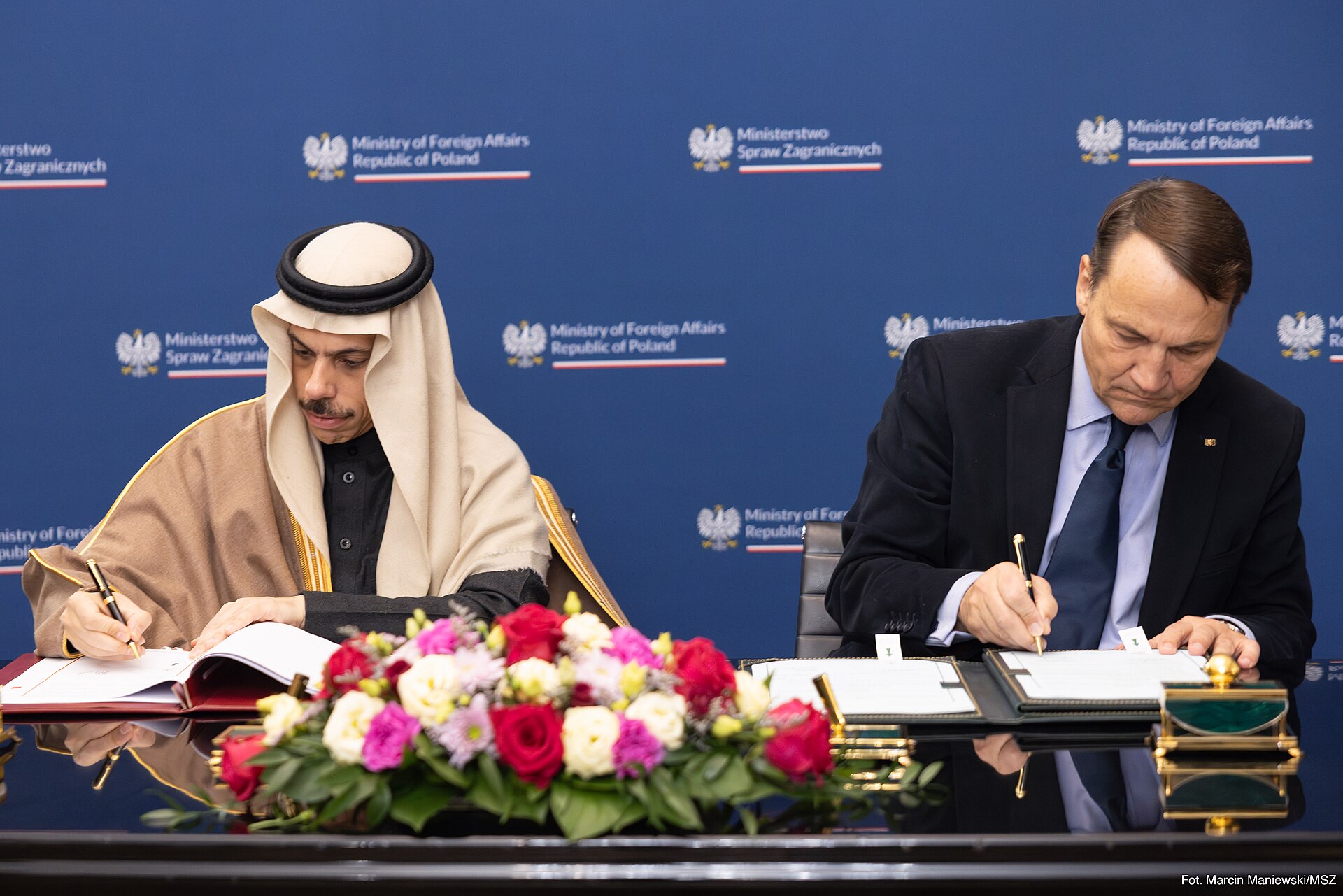
Saudi Foreign Minister Faisal bin Farhan signs bilateral documents with Polish Deputy Prime Minister and Foreign Minister Radoslaw Sikorski in Warsaw, January 2026
Saudi FM Faisal bin Farhan signs bilateral documents with Poland’s FM Radoslaw Sikorski in Warsaw, January 26, 2026 — five months before the war began. The January meeting produced a visa-waiver agreement and a Coordination Council, the same instrument-type that defines Riyadh’s diplomatic posture: bilateral arrangements with secondary partners rather than seats at the primary mediation tracks. Photo: Gov.pl / CC BY 3.0 pl

The 1,278-Day Inversion

On June 5, 2017, Saudi Arabia — joined by the UAE, Bahrain, and Egypt — severed diplomatic relations with Qatar, closed its airspace and sea routes to Qatari traffic, and sealed the only land border connecting Qatar to the Arabian Peninsula. The blockade lasted 1,278 days, ending on January 5, 2021, after Qatar refused every demand and signed nothing.

The blockading quartet issued thirteen demands. Qatar was to close Al Jazeera. It was to shutter a Turkish military base on its territory. It was to downgrade ties with Iran. It was to align its foreign policy with Riyadh’s. Had Qatar complied with even a few of these demands, the current mediation architecture would not exist.

During those 1,278 days, Qatar maintained its diplomatic relationship with Tehran. The two countries share the world’s largest natural gas field — North Dome on the Qatari side, South Pars on the Iranian — and neither government saw commercial or strategic reason to sever the connection. When the blockade ended, Qatar possessed what Saudi Arabia had spent three and a half years trying to deny it: an unbroken channel to Tehran at a moment when no other Gulf Arab state could credibly claim one.

That channel became the substrate for the current mediation architecture. Qatar hosted the Doha indirect talks. Qatar co-brokered the Islamabad MOU. Qatar’s Central Bank holds custody of approximately $6 billion in frozen Iranian assets — transferred in autumn 2023 as part of a US-Iran prisoner swap that Qatar mediated — whose release Iran now demands as a precondition for returning to any negotiating table. The broader figure Tehran is pursuing through the Doha track is $24 billion in global frozen assets, according to reporting in The National.

The Christian Science Monitor, in a May 2026 profile headlined “Qatar is still faithful to its core mission: Mediation,” traced the connection directly: Qatar’s refusal to sever ties with Iran during the blockade gave it the standing to mediate between Tehran and Washington in 2025 and 2026. The same article noted that Saudi Arabia, which led the pressure campaign, found itself without a comparable channel when the war began.

Qatar’s refusal created the architecture Saudi Arabia now cannot enter. The Doha talks depend on it. The $6 billion sits in Qatari custody because of it. The ceasefire framework Qatar is now defending has no institutional host without it.

What Did Riyadh Get from Baghdad on July 12?

The most concrete bilateral security guarantee Saudi Arabia has obtained since the war escalated came from Iraq, not from any of the three active ceasefire or nuclear negotiation tracks. On July 12, Iraqi Foreign Minister and Deputy Prime Minister Fuad Hussein pledged, after meeting Faisal in Riyadh, that Iraq “will not allow its territory or airspace to be used as a launchpad for any actions or attacks against Saudi Arabia, regional or GCC countries.”

The pledge followed Riyadh’s announcement that it had intercepted three drones launched from Iraqi airspace — a disclosure that functioned simultaneously as an intelligence warning and as the justification for the very guarantee Baghdad then provided. Hussein holds both the foreign affairs and deputy prime minister portfolios, and the commitment carried more institutional weight than lower-level assurances. Baghdad had made similar statements as recently as May 22, but the July 12 bilateral codified the position at foreign-minister level with specific operational language.

The guarantee matters — Iraqi territory hosts Iranian-aligned militia infrastructure whose drone and rocket capabilities have expanded steadily since 2019. But it also defines what Riyadh can obtain on its own diplomatic authority: a defensive perimeter pledge from a neighbour. The ceasefire terms, the Hormuz transit regime, the nuclear timeline, the frozen-assets negotiation — all proceed on tracks where Riyadh holds no seat. Iraq gave Saudi Arabia assurance that a secondary front would not open from the west. No party to any active track has offered Riyadh a role in determining what happens on the primary fronts to the east and south.

The Instruments Riyadh Still Holds

Saudi Arabia is not powerless. It is diplomatically absent. The distinction matters because the kingdom retains coercive instruments that function outside any negotiation room.

The first is exposure itself. Saudi crude constitutes the largest single-source volume transiting the Strait of Hormuz. The PGSA has accumulated an estimated $253 million in outstanding charges against commercial shipping as of mid-July, accruing at roughly $5.5 million per day, with a penalty-rate escalation scheduled for August 18 — twenty-nine days from now. Saudi Arabia’s commercial weight in Hormuz traffic means any transit framework negotiated without Riyadh’s input will still require Riyadh’s compliance to function at scale. Ships carrying Saudi oil cannot be routed around Saudi commercial interests indefinitely.

The second is interceptor depletion as a signalling tool. Saudi Arabia’s PAC-3 inventory has fallen to approximately 400 of a pre-war stock of 2,800 — an 86 percent depletion rate — with no US resupply commitment before 2028. This is a vulnerability and simultaneously a form of pressure on Washington: every interceptor expended without replacement raises the cost of the American decision to keep Saudi Arabia at arm’s length from both military resupply and diplomatic inclusion. The forty-three US warplanes grounded at Prince Sultan Air Base since Saudi Arabia’s Operation Project Freedom on May 3 remain grounded.

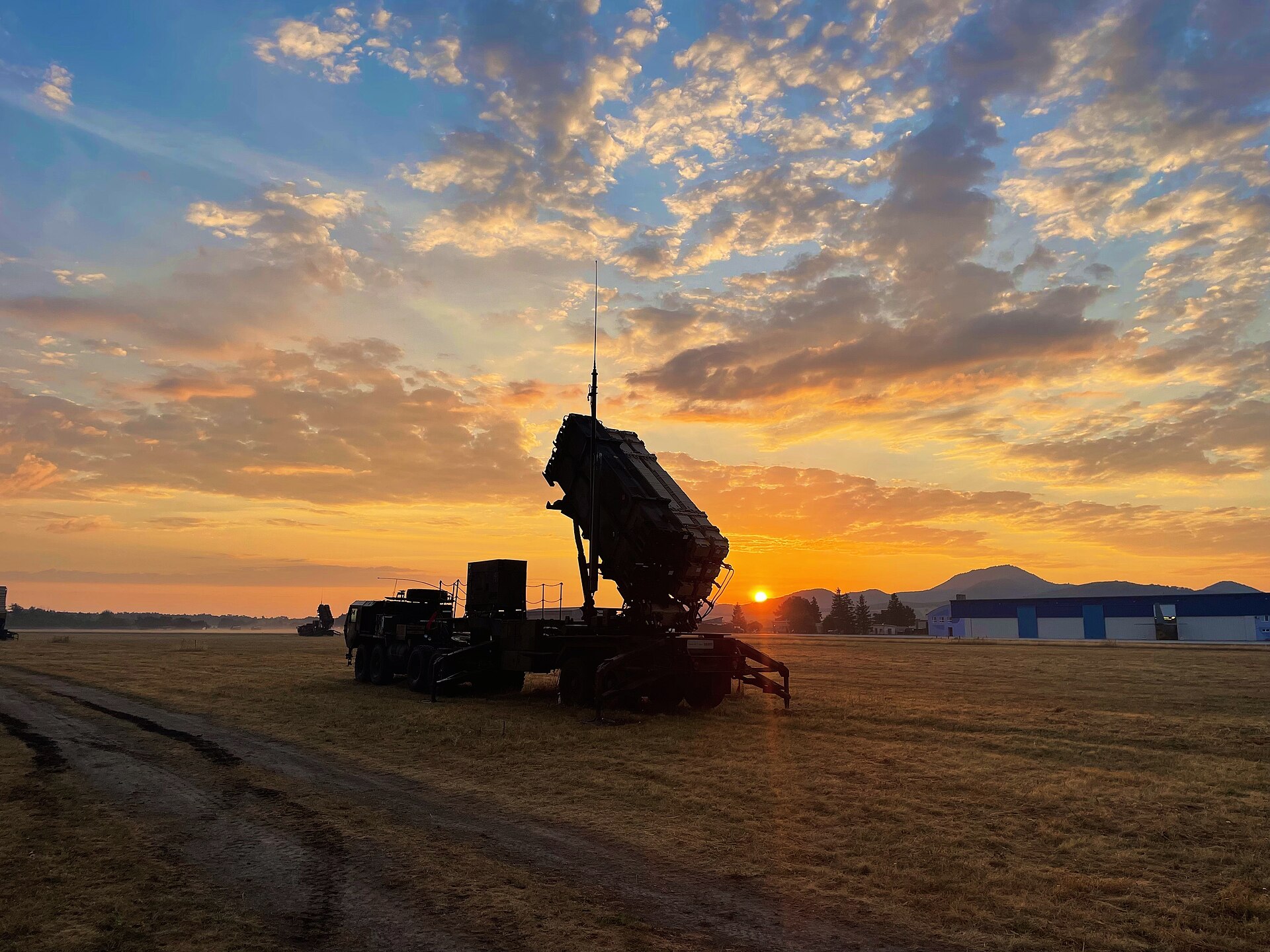
US Army PAC-3 Patriot missile launcher silhouetted at sunrise during NATO air defense deployment in Slovakia, July 2022
A US Army PAC-3 Patriot missile launcher at sunrise during a NATO air defense deployment in Slovakia, July 2022. Saudi Arabia’s PAC-3 inventory has fallen to approximately 400 rounds from a pre-war stock of 2,800 — an 86 percent depletion rate — with no US resupply commitment before 2028. The interceptors that remain constitute both a vulnerability and the kingdom’s most legible leverage over Washington. Photo: US Army / Public domain (DVIDS 7337597)

The third is oil pricing. Aramco’s August Arab Light Official Selling Price went negative at minus $1.50 versus Oman/Dubai. That pricing signal, if sustained, reshapes global crude differentials and puts pressure on every producer and refiner in the Hormuz-dependent supply chain.

These instruments share a structural characteristic. They operate through consequences, not participation. Saudi Arabia holds no seat at the table where Hormuz transit terms are being negotiated. It sets the price of the oil that transits it.

Why Would a Ceasefire Hurt Riyadh More Than Continued Fighting?

A ceasefire negotiated without Saudi participation would lock in a diplomatic geometry where Qatar, Pakistan, and Oman control the mediation architecture. Riyadh would become subject to transit terms, monitoring frameworks, and compliance mechanisms it had no role in designing. Continued fighting, however costly, keeps Saudi Arabia’s coercive instruments relevant to every party at every table.

The economic case for a ceasefire is not in dispute. Hormuz transits have collapsed from roughly eighty-eight ships per day pre-crisis to approximately ten per day as of July 12, with Iran pricing passage at two million dollars a ship. The strait’s live-tracking service reported effective closure to commercial shipping as of July 20. Four hundred and sixty-seven vessels sit anchored or stranded in the zone. War-risk insurance and P&I club withdrawals, detailed in the August 18 section below, compound the picture further.

The structural question is who negotiates the ceasefire and who implements it. The Islamabad MOU was brokered by Qatar and Pakistan. If a Hormuz-specific framework emerges from Qatar’s current ceasefire push — or from Oman’s dual-corridor proposal — the brokers become the monitors. The parties that shaped the transit terms become the parties that adjudicate disputes over compliance. Implementation architecture tracks negotiation architecture. It always does.

Carnegie’s Middle East Center, writing in Foreign Policy on July 1, identified an emerging Saudi-Qatar-Pakistan-Turkey-Egypt grouping that Saudi Arabia was using as “a vehicle to project Arab leadership.” The framing implies Riyadh commands the grouping. The evidence from the actual negotiation tracks runs the other way: Qatar and Pakistan hold the mediation real estate, and the broader grouping functions as a consultative forum, not a decision-making body.

Continued fighting, by contrast, keeps the coercive instruments live. The PGSA exposure compounds daily. The PAC-3 depletion becomes harder for Washington to ignore. The oil-pricing lever retains its force precisely because Hormuz remains constrained. A ceasefire resolves the immediate shipping crisis and freezes the arrangement in the same motion. No party to any active negotiation track has offered Saudi Arabia a seat before that happens.

Manila and the Rooms Riyadh Does Not Enter

The only multilateral diplomatic venue active on July 20 is seven thousand kilometres from the Gulf. The 59th ASEAN Foreign Ministers’ Meeting in Manila runs through July 24 and has drawn Rubio, Chinese Foreign Minister Wang Yi, and Russian Foreign Minister Lavrov into a single conference — a concentration of Iran-war decision-making authority that no Gulf capital has hosted since the Islamabad MOU signing in June.

Iran is a top agenda item. ASEAN foreign ministers are expected to issue a joint statement expressing alarm and urging a return to negotiations. The economic rationale is direct: Southeast Asian economies depend heavily on Gulf oil transiting Hormuz, and the Philippines declared a national energy emergency in March 2026 as the disruption cascaded through fuel supply chains. The Quad — the United States, India, Japan, and Australia — will hold a sideline meeting. Rubio told reporters on the travel pool before departing that a bilateral with Wang Yi “hadn’t been finalized” but that he would “be open” to it. A Rubio-Lavrov meeting was not discussed.

Saudi Arabia is not an ASEAN dialogue partner. It has no confirmed delegation in Manila. Whatever understandings emerge on sanctions enforcement, transit guarantees, or the sequencing of any return to the MOU framework will be shaped in Riyadh’s absence. The same week, the ninth consecutive night of US strikes on Iranian territory has expanded the war to a scale that makes resolution more urgent for every party in Manila. And for the party in Riyadh that is not there.

The pattern extends beyond Manila. The decisions that will determine whether Hormuz reopens, under what terms, and with what monitoring are being made in Doha, Islamabad, Muscat, Geneva, and now Manila. Qatar maintains a mediation channel to both Washington and Tehran. Pakistan maintains a mediation channel to both. Oman maintains a mediation channel to both. Faisal bin Farhan has bilateral phone contact with each side. He does not chair sessions.

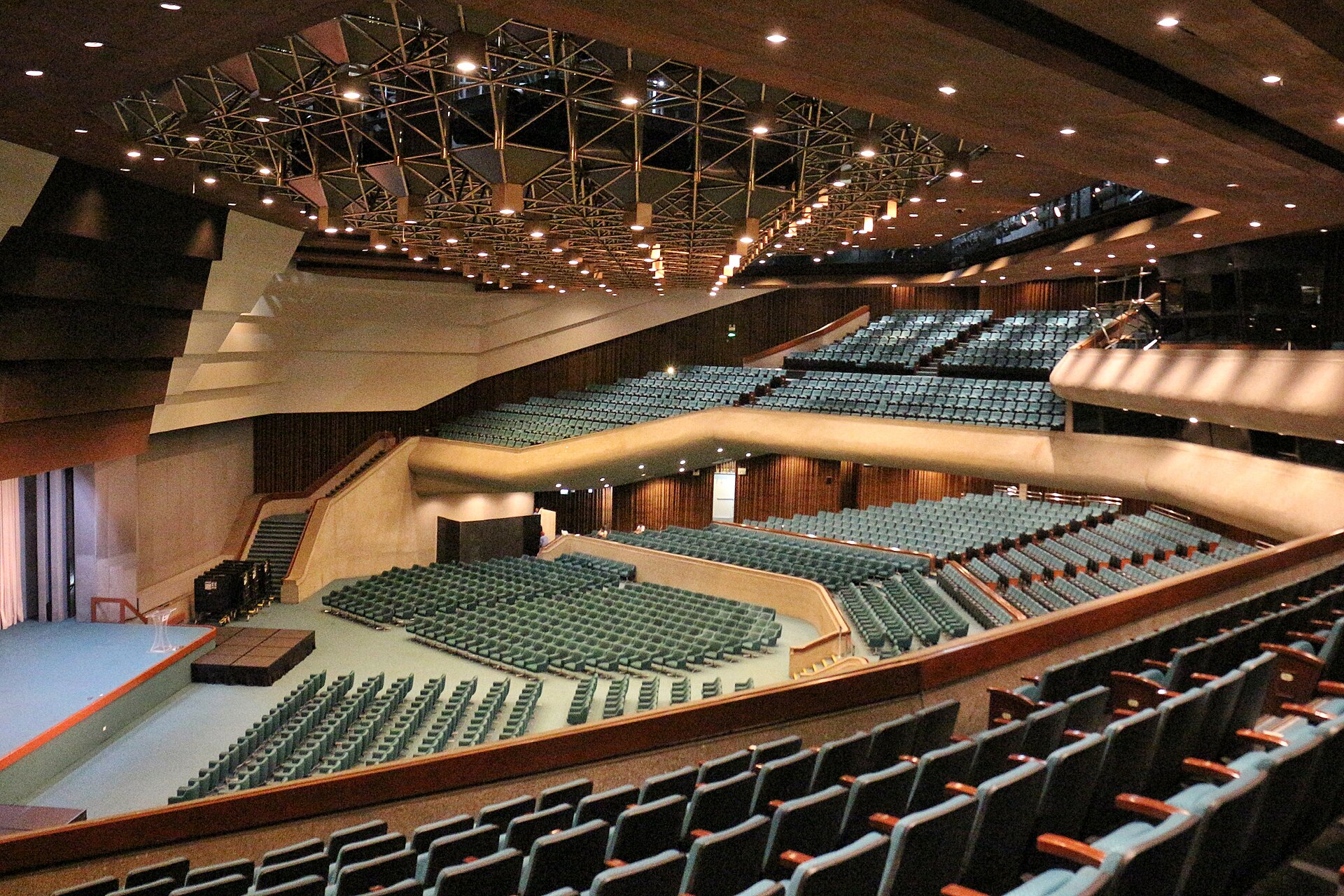
Philippine International Convention Center main auditorium in Manila, venue for major international conferences including the 59th ASEAN Foreign Ministers Meeting
The Philippine International Convention Center (PICC) plenary auditorium in Manila — the venue for the 59th ASEAN Foreign Ministers’ Meeting, July 2026. Rubio, Wang Yi, and Lavrov are all represented in the same building as delegates discuss the Iran conflict. Saudi Arabia holds no ASEAN dialogue-partner status and has no confirmed delegation at the meeting. Photo: Brutalist Pilipinas / CC0

What Happens When the MOU Window Closes on August 18?

When the Islamabad MOU’s sixty-day window expires around August 16-18, Iran’s Persian Gulf Surcharge Agreement has stated it will introduce insurance fees on all Hormuz transits, with per-vessel charges of up to $2 million already imposed in some cases during the current period. The mediators who brokered the MOU — Qatar and Pakistan — will negotiate whatever framework replaces it, if anything replaces it at all.

Iran has already suspended its MOU commitments. The United States has not acknowledged violating them. Mojtaba Khamenei has voided the MOU from an undisclosed location through a conditional approval mechanism whose terms remain undefined. Baghaei closed it five days before Khamenei spoke. The framework is simultaneously expired, suspended, voided, and demanded as a precondition for any successor talks. Only the mediators have standing to resolve it.

Twenty-nine days remain on the clock. With war-risk insurance at eight times pre-crisis levels and six P&I clubs having withdrawn coverage, the post-MOU Hormuz becomes a strait where the cost of transit is set jointly by Iran’s surcharge authority, the insurance market, and whatever monitoring arrangement the mediators manage to establish. Saudi crude will transit this strait under these terms. Aramco’s tankers will pay whatever fees the framework permits or suffer the consequences of non-compliance.

The actors who negotiated the MOU will negotiate its successor. Qatar’s PM/FM, who on July 20 spoke with Faisal by phone in what the Peninsula Qatar described as a discussion of “regional developments,” will return to the Doha table. Pakistan’s foreign ministry, which co-brokered Islamabad, will co-broker whatever follows. Ghalibaf has already named the precondition: full implementation of the MOU’s existing terms before Iran considers any new talks. The MOU has become the floor, not the ceiling, for Tehran’s demands.

Faisal bin Farhan will receive a phone call.

Frequently Asked Questions

Why is Pakistan a co-broker of the Iran-US ceasefire?

Pakistan shares a 959-kilometre border with Iran across Balochistan and Sistan and has maintained diplomatic relations with Tehran throughout the conflict. Prime Minister Shehbaz Sharif offered Pakistan as a “neutral venue” acceptable to both Washington and Tehran, and Islamabad hosted the MOU signing on June 17. Pakistan’s status as the only Muslim-majority nuclear-armed state gives it a structural credibility in nuclear-timeline discussions that non-nuclear mediators lack. The Middle East Council on Global Affairs described Pakistan’s emergence as “surprising but significant,” driven in part by Islamabad’s need to protect the $62 billion China-Pakistan Economic Corridor from the regional instability that a prolonged Hormuz closure would produce.

How many vessels have engaged with the PGSA since its creation?

More than 300 non-Iranian vessels had submitted navigational information to the PGSA as of mid-July, according to Argus Media. Approximately 42 percent were oil tankers and 8 percent were LNG carriers. However, the US Treasury’s Office of Foreign Assets Control designated the PGSA as a Specially Designated National in June, meaning any payment to the authority exposes shipowners, protection and indemnity clubs, and dollar-clearing banks to US and EU sanctions. The result is a compliance paralysis in which vessels submit information but cannot legally pay fees — a dynamic that renders the PGSA’s formal authority over Hormuz simultaneously operational and financially unenforceable.

Could Saudi Arabia realistically join the Doha indirect talks?

Joining the Doha track would require three separate consents: Iran would need to accept a Saudi presence at the table, Qatar would need to extend a formal invitation as host, and the United States would need to endorse the expansion of the format. Iran has shown no willingness to grant Saudi Arabia a seat — Araghchi’s phone calls with Faisal have been bilateral contacts about managing the war’s consequences, not invitations to the mediation process. Iran’s delegation in Doha has focused specifically on frozen assets and Hormuz transit fees, according to Euronews reporting from the May 25 sessions, which narrows the agenda in ways that further limit the rationale for adding a Gulf Arab participant alongside the existing mediator.

What role has China played in the ceasefire architecture?

Faisal bin Farhan met Wang Yi and Vice President Han Zheng in Beijing on June 30-July 1, during which the Chinese readout positioned Beijing behind the MOU’s sixty-day timeline. Wang Yi is now in Manila for the ASEAN meeting where a Rubio-Wang bilateral may take place. China brokered the March 2023 Saudi-Iran normalisation agreement that briefly reopened embassies, giving it a historical claim to facilitator status. However, China holds no formal role in the Doha, Islamabad, or Muscat tracks — its influence operates through bilateral relationships with Tehran and Washington rather than through the mediation architecture. A potential Rubio-Wang meeting in Manila on Iran would occur outside any framework that includes the Gulf states directly.

Qatar Prime Minister and Foreign Minister Sheikh Mohammed bin Abdulrahman Al Thani meets with US Secretary of State Blinken in Doha, February 2024
Previous Story

Qatar Named the MOU — Riyadh Named the Attacks

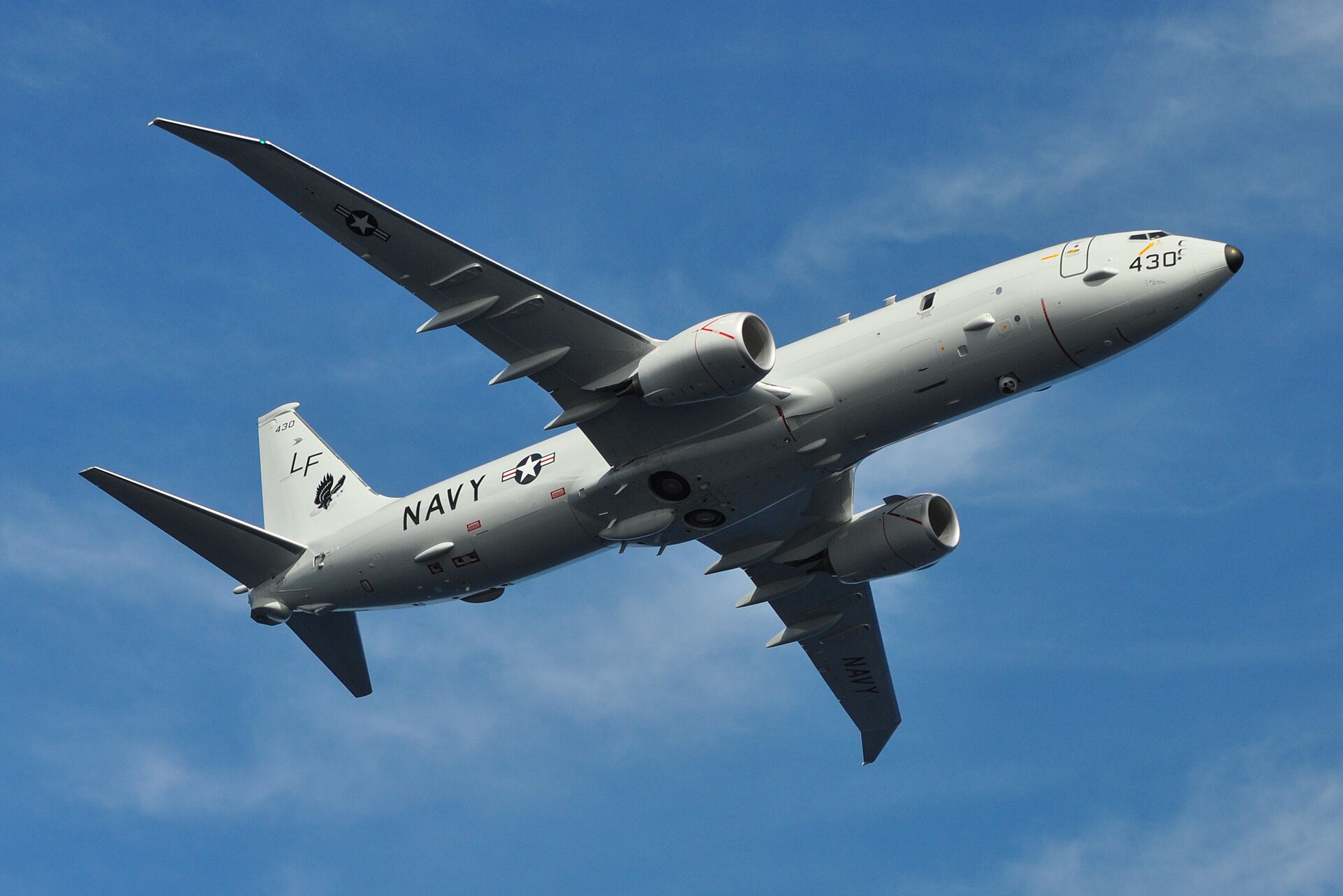
US Navy P-8A Poseidon maritime patrol aircraft in flight, showing sensor dome and twin-engine configuration used for Gulf surveillance operations
Next Story

What Watches the Gulf for Saudi Arabia Now?

Latest from Diplomacy & Geopolitics

The HOS Daily Brief

The Middle East briefing 3,000+ readers start their day with.

One email. Every weekday morning. Free.

Something went wrong. Please try again.