
Correction, October 12, 2026: An earlier version of this article said Iran had not closed the Strait of Hormuz and was keeping it open at a cost of $1–2 million a ship. Iran declared the strait closed on July 11 and again on July 12, 2026, and the Persian Gulf Strait Authority suspended transit permits on July 12; no source supports a standing $1–2 million fee, and one ship was reported to have paid $2 million. The earlier version also misquoted the IRGC’s July 19 statement, misdated and misdescribed the July 14 strikes on the tankers Mombasa and Al Bahiyah, understated the seafarer death toll, gave a false legal justification for the 2019 Stena Impero seizure, and included unsourced figures on daily transits, Saudi naval strength, pipeline throughput, Ras Tanura loadings, Saudi production, freight rates and insurance premiums, as well as unsourced quotes attributed to CENTCOM, GeoInsider, EJIL:Talk!, Irregular Warfare Quarterly, SpecialEurasia, Chatham House and Just Security. Those errors have been corrected or removed, and the headline has been changed.
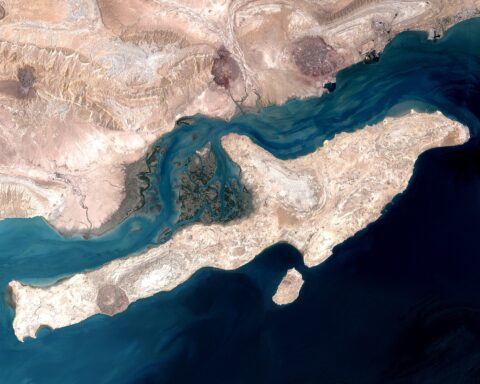
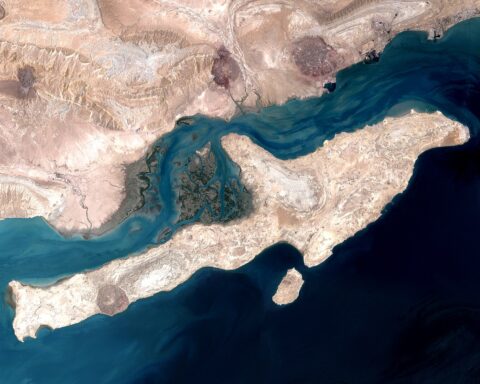
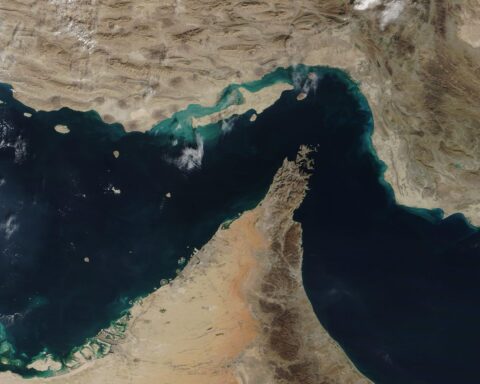
DUBAI — Iran’s IRGC Navy said it stopped four commercial vessels in the Strait of Hormuz on Sunday, claiming the ships switched off navigation systems and tried an unauthorized route “with the support of American forces.” No vessel names, flag states, or ownership details were released, and no independent confirmation was reported — a verification gap that is itself the operating principle of the interdiction regime Iran has built since the war began. Iran declared the strait closed on July 11 and again on July 12, and alongside those closures it has constructed something harder to counter: a selective transit-fee and interdiction system that has collapsed commercial traffic to a fraction of its pre-war level and charged ships for passage through the Persian Gulf Strait Authority — one ship was reported to have paid $2 million — while Aramco set its August Arab Light OSP at $1.50 per barrel below the Oman/Dubai average after the biggest monthly cut in more than two decades.
The question the oil market and the Pentagon have both been asking — “will Iran close the strait?” — was already answered, just not in the form anyone modelled. Iran achieved functional control of one of the world’s most important energy chokepoints by alternating declared closures with a permit system, charging a fee to transit it, and leaving enough ambiguity about what happens to ships that refuse to pay.
Table of Contents
- What Did the IRGC Intercept on July 19?
- The Toll Booth That Replaced the Blockade
- How Does Iran Enforce Without Engaging?
- What Can the Royal Saudi Navy Contest?
- Aramco Priced In the Permanent Premium
- Why Is CENTCOM Fighting Two Wars at Once?
- The Insurance Weapon
- Who Wins When the Strait Is Neither Open nor Closed?
- Frequently Asked Questions
What Did the IRGC Intercept on July 19?
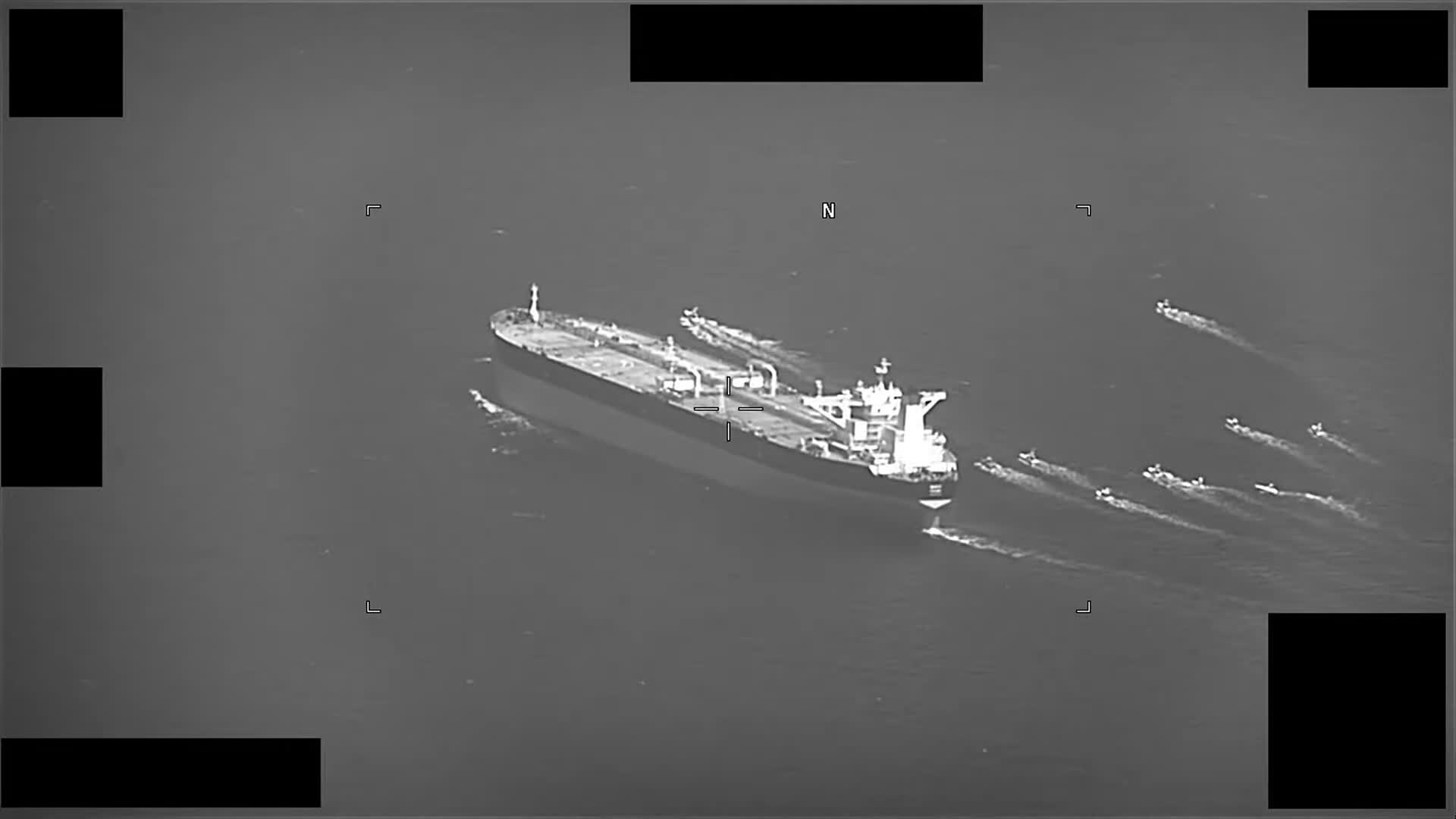
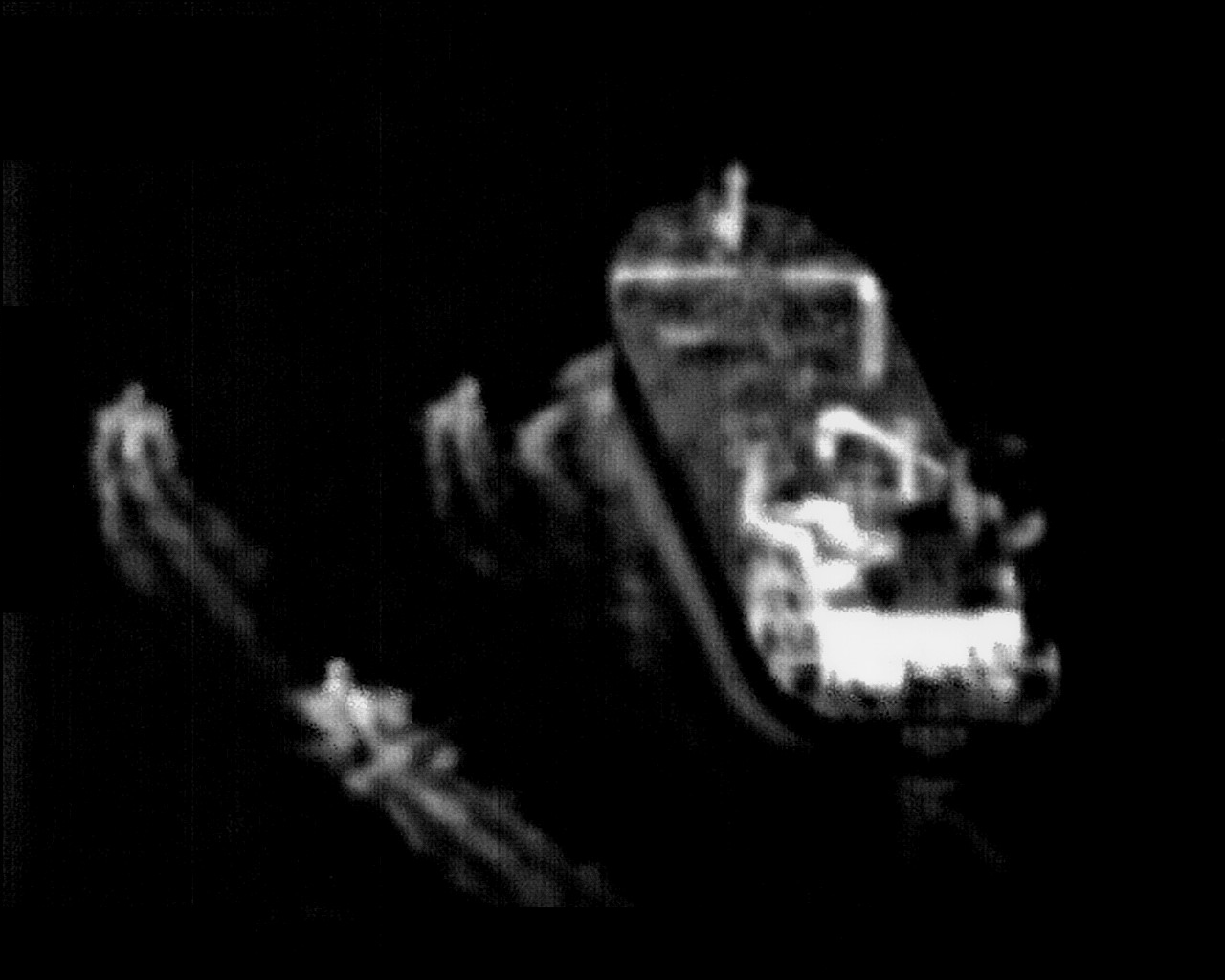
The IRGC Navy’s Strait of Hormuz control base released a statement on July 19 reporting that four vessels had attempted to transit the strait by an “unauthorized route” after switching off their navigation systems and ignoring IRGC warnings, “with the support of American forces.” Two of the ships “were involved in accidents and remained stationary,” the IRGC said; the other two turned back. The statement named no vessels, disclosed no flag states, and identified no operators or destinations.
Tasnim and Iran International carried the IRGC account without independent corroboration. The absence of verifiable detail is not a reporting failure — it is structurally inherent to the way the IRGC’s interdiction regime operates. Ships attempting to transit outside the IRGC-designated corridor may be reluctant to seek flag-state protection if their governments do not want to acknowledge they were in the area attempting unauthorized passage, a dynamic that leaves the IRGC’s account unchallenged by default.
Compare the July 19 claim to a confirmed, named attack in the July sequence: the strikes on the tankers Mombasa and Al Bahiyah on July 14, which killed one Indian crew member, injured eight others and left three crew of the Al Bahiyah missing. When Iran wants the world to know it struck, it produces verifiable damage. When Iran wants the world to guess, it produces the July 19 statement — and both serve the same interdiction architecture, occupying different rungs of a coercive ladder calibrated to keep adversaries uncertain about where the next rung sits.
The Middle East briefing 3,000+ readers start their day with.
One email. Every weekday morning. Free.
The Toll Booth That Replaced the Blockade
Iran said in March 2026 that ships would have to pay for passage, and the Persian Gulf Strait Authority was founded on May 5. The PGSA charges commercial vessels for passage; one ship was reported to have paid $2 million.
The PGSA is not a blockade — it is a fee-collecting authority imposed by a belligerent on an international waterway. UNCLOS allows coastal states to charge “transparent, non-discriminatory fees” for safety and environmental reasons or for specific services.
The distinction between a toll and a blockade is not semantic — it is the difference between a measure the international community can organize a collective military response against and one that will be litigated, debated in UN corridors, and gradually normalized while tankers keep paying. OFAC warned on May 1 that paying Iran for passage exposed both US and non-US persons to sanctions risk, but the warning did not stop the authority from collecting fees; on July 12 the PGSA itself suspended permits, saying passage was not possible until calm was restored. Ships have continued to be attacked in or near the strait, including the Qatar-linked, Marshall Islands-flagged LNG tanker Al Rekayyat and the Saudi-flagged Wedyan in early July.
How Does Iran Enforce Without Engaging?
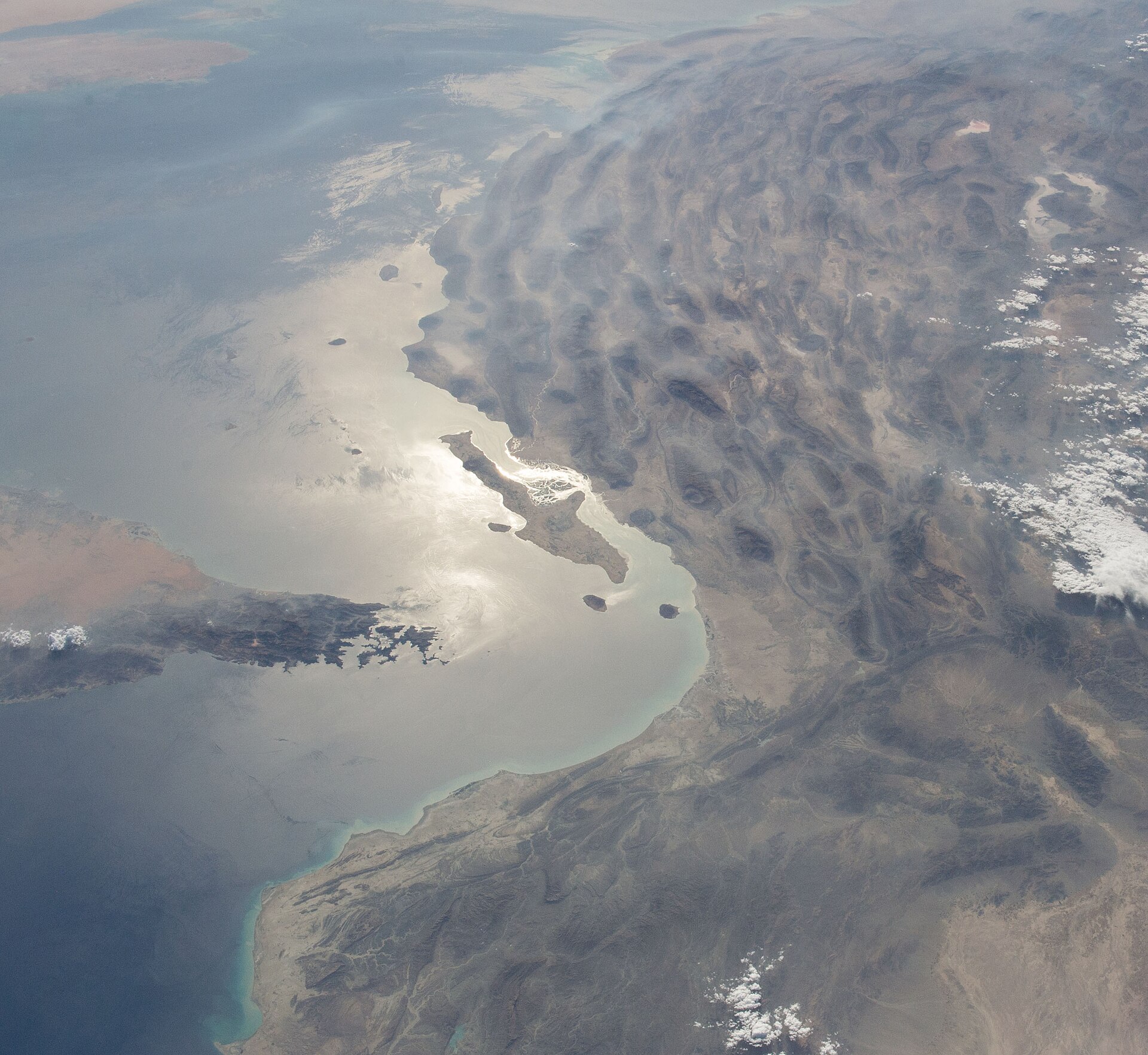
The IRGC says the only authorized passage is a designated safe shipping route announced by Iranian authorities, a definition that leaves the IRGC as sole judge of which vessels have “violated” it. It has warned that vessels attempting unauthorized routes would “certainly be involved in incidents,” and on July 14 it said it had struck and disabled “offending supertankers” entering a “mined route.”
Iran’s enforcement logic is circular and self-reinforcing: vessels that leave the Iranian route enter waters Iran claims are mined; vessels that follow IRGC instructions and pay the PGSA fee are permitted through a corridor Iran defines and can redefine at will. The corridor is not a navigational aid — it is a coercive instrument that converts physical risk into compliance, and because Iran alone defines it, compliance is never verifiable in advance.
The result is visible in the data. As HOS previously reported, the strait’s commercial traffic has collapsed to a handful of transits a day. Freedom of navigation exists as a CENTCOM talking point and a UNCLOS principle; as a commercial reality for the charterer deciding whether to route a VLCC through Hormuz on July 20, it is a bet priced in war-risk insurance and a PGSA invoice — or a run through waters the IRGC says are mined, without flag-state protection if something goes wrong.
What Can the Royal Saudi Navy Contest?
The Royal Saudi Navy lacks the mass, doctrine, and combat radius to contest IRGC Navy operations in the narrows of Hormuz, an operating environment suited to the IRGCN’s fast attack craft, coastal missile batteries, and mines.
Saudi Arabia’s mine countermeasure ships cannot clear a strait-wide minefield. Saudi Arabia’s mine-clearing capacity is a coastal-defence capability, not a force-projection tool designed to sweep corridors inside Iranian-controlled waters far from Saudi naval bases.
Saudi Arabia, already facing questions over its air defences, has built an oil corridor it cannot defend at sea. The kingdom’s response to the Hormuz interdiction has been to route as much crude as possible through the East-West Pipeline to Yanbu on the Red Sea — but the pipeline’s intake facilities at Abqaiq sit inside the same IRGC missile envelope that enforces the Hormuz regime.
Aramco Priced In the Permanent Premium
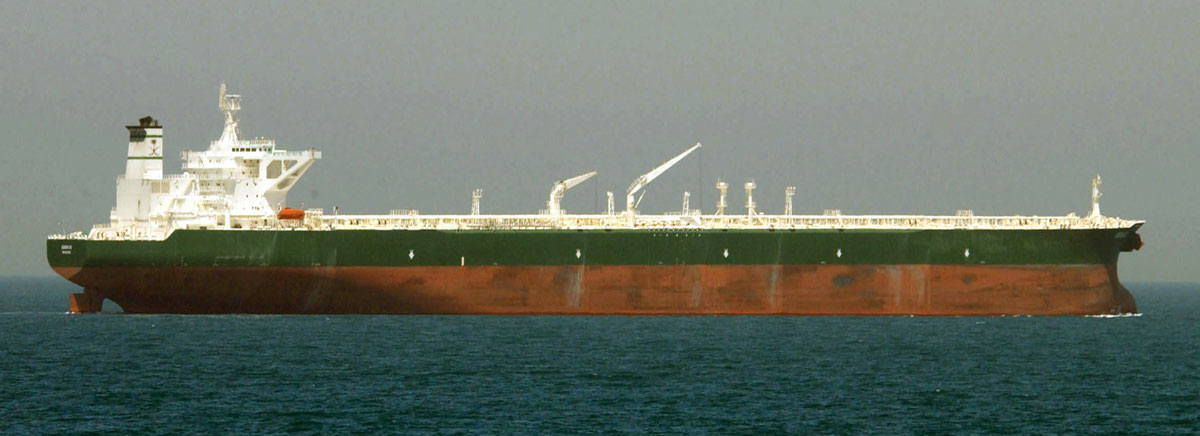
Aramco’s August 2026 Arab Light OSP for Asia was set at $1.50 per barrel below the Oman/Dubai average — an $11 cut from the previous month, the largest in over two decades, and the lowest pricing since June 2020. As HOS reported when the OSP was first disclosed, the cut is hard to read as a temporary discount engineered to compete for Asian market share against Russian or Iraqi barrels. It looks more like Aramco acknowledging — through pricing, the only language the commodity market trusts without qualification — that Saudi crude loaded at Persian Gulf terminals now carries a permanent transit-risk penalty that buyers will not absorb at par.
The insurance section details how shipping and insurance costs function as a coercive mechanism in their own right, but the Aramco pricing point is narrower: the OSP cut is the moment a national oil company formally priced in the interdiction regime as a structural feature of its sales contracts, not a temporary disruption to be smoothed over with spot-market adjustments.
Saudi crude loaded at Gulf terminals such as Ras Tanura must transit Hormuz or be rerouted to the East-West Pipeline, a single overland route with finite capacity. Saudi production has already fallen sharply from its pre-war level, and Iran has already shown it can strike the coast where Abqaiq and the pipeline’s intake infrastructure sit.
| Metric | Current | Pre-War Baseline | Source |
|---|---|---|---|
| Arab Light OSP (Asia, Aug 2026) | −$1.50/bbl vs Oman/Dubai | Premium pricing | BOE Report/Reuters |
| PGSA transit fee per voyage | One ship reportedly paid $2 million | $0 | Press reports |
Why Is CENTCOM Fighting Two Wars at Once?
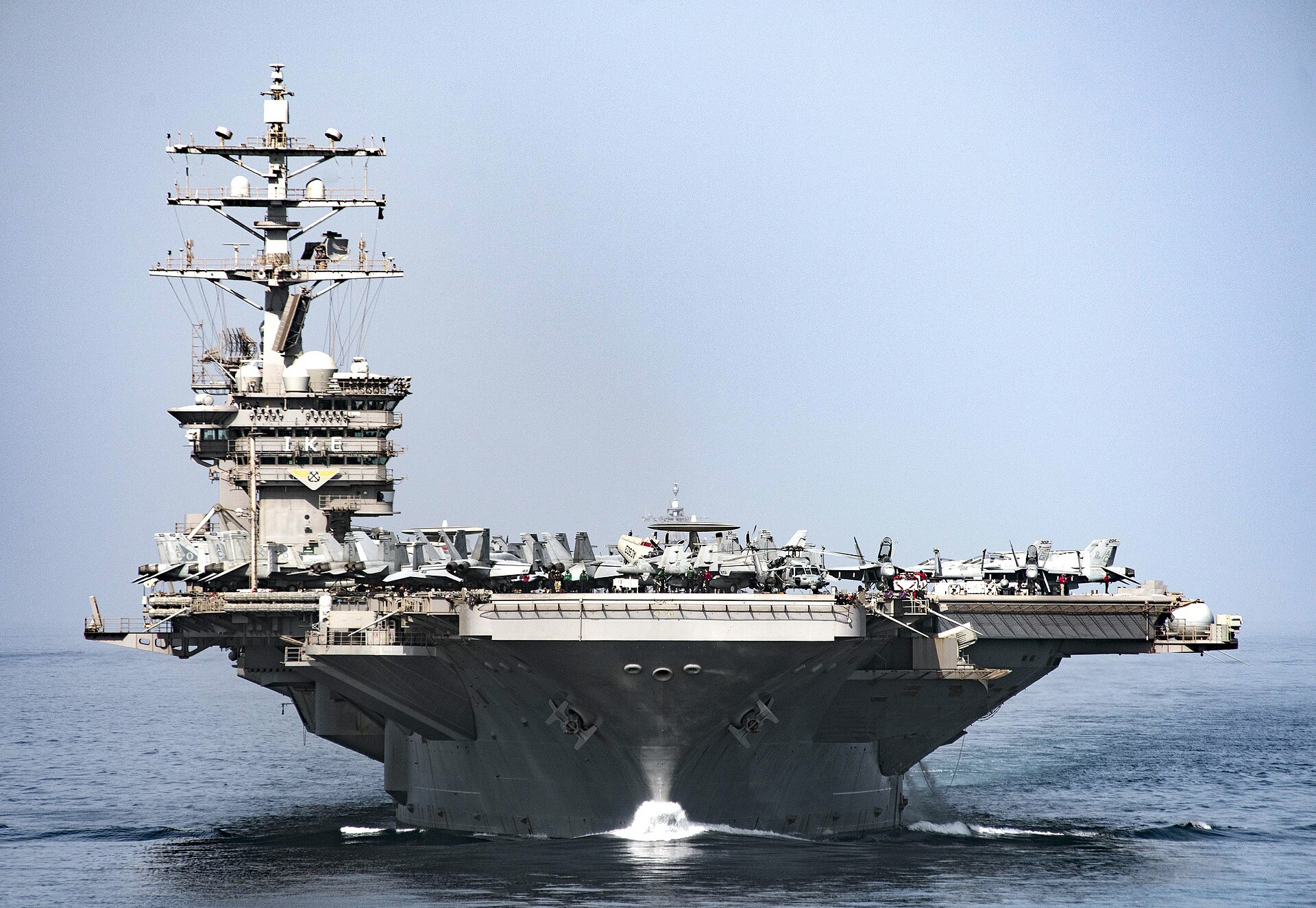
On the day the IRGC claimed its four-ship intercept, CENTCOM was more than a week into consecutive nights of airstrikes on Iranian territory — a sustained campaign against Iranian military targets. The structural tension is not subtle: the United States cannot simultaneously prosecute unrestricted air operations against Iran and provide escort protection for every commercial vessel attempting Hormuz transit outside the IRGC’s approved corridor. CENTCOM’s force posture is oriented toward power projection into Iran, not toward the dispersed, low-intensity maritime policing that would be required to contest the IRGC’s corridor regime ship by ship, day after day, across the narrows.
The US naval effort in the strait this month makes the priority hierarchy explicit. US forces have been enforcing the reinstated blockade of Iranian ports — the US enforcing its own sanctions architecture against Iranian oil exports, not contesting the IRGC’s interdiction of neutral commercial shipping.
The gap between CENTCOM’s declared freedom-of-navigation posture and the commercial reality on the water has widened with every week of the air campaign. The more ordnance CENTCOM expends over Iran, the fewer naval assets and command bandwidth it can allocate to shepherding tankers through the narrows — and the IRGC’s interdiction model is designed precisely to exploit that allocation conflict, imposing costs that are individually too small to justify diverting a carrier strike group but collectively large enough to reshape global energy trade routes.
The Insurance Weapon
War-risk insurance has become the primary enforcement mechanism of the Hormuz interdiction regime — more effective than the IRGC’s fast attack craft, more persistent than its mine threats, and untouchable by CENTCOM’s airstrikes.
The IRGC does not need to sink tankers to raise insurance costs — it needs only to create enough ambiguity about whether the next transit will involve a missile, a mine, or a boarding that underwriters cannot model the risk at standard rates. The July 19 intercept claim is underwriting poison in its purest form: four ships, no names, no flag states, no independent verification, two “accidents,” two deterred. It cannot be confirmed, so it cannot be priced as a discrete event; it cannot be denied, so it cannot be excluded from the aggregate risk model. Every unverified IRGC claim adds basis points to the next policy renewal, and every basis point added is a dollar extracted from the commercial viability of Hormuz transit without a single additional IRGC patrol boat leaving port.
The near-total collapse of Hormuz commercial transits is not a boycott and it is not a blockade in any legal sense that would trigger the collective-security provisions diplomats have spent decades negotiating. It is the actuarial verdict of the London insurance market on the IRGC’s ability to impose costs without formal engagement — a verdict rendered daily in premium quotes from Lloyd’s syndicates that are accountable to their capital providers, not to CENTCOM press releases about freedom of navigation.
Who Wins When the Strait Is Neither Open nor Closed?
The question the market, the Pentagon, and Gulf foreign ministries have all been asking — “will Iran close Hormuz?” — has been the wrong question for months. Iran’s declared closures have not been total — the IRGC says ships may still pass by its designated route with Iranian coordination — and a permanent full closure could invite US-led mine-clearing operations and unite a coalition of transit-dependent states — China, Japan, South Korea, India — against Tehran with a clarity of purpose that the current ambiguity makes impossible. The 2019 Stena Impero case is instructive: seizing one British-flagged tanker in the Strait of Hormuz produced more than two months of diplomatic pressure, and the ship was released in late September. The lesson Tehran appears to have drawn was not that Iran could close the strait; it was that Iran could impose selective, deniable, legally ambiguous costs on strait transit without triggering collective response.
The PGSA represents the institutionalization of that lesson at industrial scale. By charging fees through a permit authority and maintaining a safe route defined by IRGC operational requirements, Iran has constructed an interdiction regime that sits in the doctrinal grey zone between lawful regulation and illegal blockade. The bind is that legal objections have not proved sufficient grounds for a coordinated military response, and military force alone cannot dislodge an institution that collects fees and issues clearances.
Saudi Arabia’s position within this architecture is the most exposed in the Gulf. The kingdom’s most valuable oil infrastructure sits within range of the same IRGC missile forces that enforce the Hormuz corridor, its navy cannot contest the strait, its pipeline bypass has finite capacity, and its crude is being discounted to compensate buyers for transit risk Riyadh cannot mitigate. The US military partnership that was supposed to underwrite Gulf security is now consumed by a strategic air campaign that prioritizes hitting Iranian targets over shepherding Saudi tankers through the narrows.
Iran’s multi-country strike pattern since early July demonstrates operational reach extending well beyond Hormuz, and the interdiction regime in the strait is only one component of a broader coercive architecture that includes strikes on Gulf water and power infrastructure, renewed pressure on Saudi air defences, and deepening uncertainty over US basing commitments. The Strait of Hormuz carries a fraction of its pre-war traffic. Iran’s declared closures have not been total, and for Riyadh that is the worst possible outcome, because a permanently closed strait would produce a coalition, a legal mandate, and a mine-clearing operation — while a strait that functions as an IRGC revenue checkpoint produces only invoices.
Frequently Asked Questions
Has any country legally challenged the PGSA at an international tribunal?
This article found no report of a formal challenge to the Persian Gulf Strait Authority at the International Court of Justice, the International Tribunal for the Law of the Sea, or any UNCLOS arbitral body as of July 19, 2026. OFAC warned in May that paying Iran for passage carried sanctions risk, but that does not constitute a legal challenge to the PGSA’s claimed jurisdiction. At the Security Council, Russia and China vetoed a Bahraini proposal on April 7.
What happened when Iran seized the Stena Impero — and why does the anniversary matter?
On July 19, 2019 — exactly seven years before the latest IRGC intercept claim — IRGC naval forces seized the British-flagged tanker Stena Impero in the Strait of Hormuz, claiming the tanker had collided with an Iranian vessel and ignored warnings. Seven of the 23-member crew were released on September 4, and the rest when the ship left Iranian waters on September 27; the seizure came two weeks after British Royal Marines seized the Iranian tanker Grace 1 off Gibraltar. The Stena Impero seizure established the template the IRGC has since scaled to institutional dimensions: seizure without conventional naval engagement, crew-as-hostage coercion, and release once strategic objectives are met.
Can the East-West Pipeline absorb all of Saudi Arabia’s Gulf-loaded crude?
Not without risk. Crude loaded at Gulf terminals such as Ras Tanura must either transit Hormuz or be rerouted through the East-West Pipeline, also known as the Petroline, to the Red Sea terminal at Yanbu, a single overland route with finite capacity. The pipeline’s intake infrastructure at Abqaiq is itself within IRGC missile range, meaning the bypass route is only as secure as the facilities that feed it.
How many seafarers have been killed or injured in the 2026 Hormuz crisis?
At least two seafarers have been reported killed in the July 2026 Hormuz sequence: one crew member of the GFS Galaxy on July 11 and an Indian national aboard the Mombasa on July 14. The July 14 strikes on the Mombasa and Al Bahiyah also injured eight crew — six Indian and two Ukrainian — and three Al Bahiyah crew were reported missing. The scale of that exposure for India is detailed in India’s structural exposure to the Hormuz closure.