
KUWAIT CITY — Iranian drones struck Terminal 1 at Kuwait International Airport on Tuesday morning — forty-eight hours after the building reopened following a fifty-five-day wartime shutdown — killing one person, injuring several others, and closing the only passenger terminal Kuwait had managed to bring back online since the war began on February 28. The strike is the first confirmed hit on an active civilian passenger terminal in ninety-six days of conflict, and it leaves Saudi Arabia absorbing the Gulf’s diverted air traffic with a PAC-3 interceptor stockpile depleted by more than eighty-five per cent, no emergency resupply waiver from Washington, and King Fahd International Airport in Dammam sitting eighty-seven kilometres from the Bahrain naval facilities the IRGC struck with ballistic missiles the same morning.
Brent crude climbed 2.6 per cent to $98.50 on the news, still $10 to $13 short of the $108–111 breakeven Saudi Arabia requires to cover a quarterly fiscal deficit that consumed seventy-six per cent of its full-year target in Q1 alone, and the OPEC+ ministerial in Vienna opens in four days under the seven-member post-UAE configuration with at least two member states unable to operate their own airports. Nobody in Tehran has denied hitting the terminal, and the IRGC’s Telegram channel addressed its June 3 strikes as a “lesson” for Washington — not for Kuwait, which is a distinction that matters less to the family of the person who died than to the governments now recalculating what the next ninety-six days look like.
Table of Contents
- What Happened at Kuwait International Airport on June 3?
- Forty-Eight Hours from Reopening to Blackout
- Why Did the IRGC Strike a Terminal It Didn’t Claim?
- The Threshold That Disappeared on Day Ninety-Six
- How Safe Are Saudi Arabia’s Airports?
- Riyadh’s Silence and Kuwait’s ‘Criminal Aggression’
- What Are Airlines Paying to Keep Flying Through the Gulf?
- OPEC+ Meets in Four Days With Two Members’ Airspace Shut
- Frequently Asked Questions
What Happened at Kuwait International Airport on June 3?
Multiple Iranian drones struck Terminal 1 at Kuwait International Airport on June 3, 2026, causing what Kuwait’s Ministry of Defence described as “significant material damage” and what the Ministry of Foreign Affairs confirmed killed one person and injured several others. Kuwait immediately suspended all commercial flights and closed its airspace, the second full shutdown since the war began on February 28.
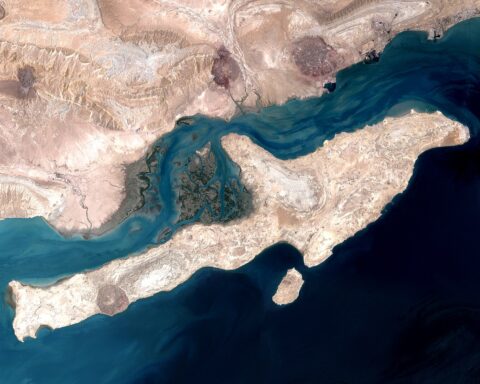
The airport strike came as part of a broader IRGC barrage that also targeted the US Fifth Fleet headquarters at Mina Salman and Juffair in Bahrain — the third Iranian attack on those facilities since the war started — and followed a night of US CENTCOM strikes on Iran’s Qeshm Island, where American forces destroyed a military ground control station. The IRGC framed the entire salvo as retaliation for a US strike on an Iranian oil tanker near the Strait of Hormuz, listing targets only as “US-linked bases and facilities” without naming Kuwait International Airport.
Brigadier General Saud Abdulaziz Al-Otaibi, the Kuwait MoD spokesman, described the strike as “criminal Iranian aggression” — language that went beyond the carefully hedged formulations Kuwait had maintained for months while trying to stay outside a war it wanted no part of. The Ministry of Foreign Affairs added that the attacks “once again targeted civilian and vital facilities, including Kuwait International Airport, resulting in the death of one individual, injuries to others, and damage to vital facilities, including diplomatic missions,” a reference suggesting the June 3 salvo struck embassy or consulate buildings that have not yet been separately confirmed.
The Middle East briefing 3,000+ readers start their day with.
One email. Every weekday morning. Free.
Dubai International Airport went on alert, Bahrain activated air raid sirens, and the UAE, Kuwait, and Bahrain all suspended commercial flights simultaneously — the first time three Gulf states grounded civil aviation on the same day since the war’s opening barrage. Flights that could not land in Kuwait were diverted to Riyadh, Doha, and Dubai, though Dubai’s operations were themselves suspended and the UAE had closed commercial airspace, which left Saudi Arabia and Qatar as the practical diversion corridor for an entire region’s passenger traffic.
Forty-Eight Hours from Reopening to Blackout
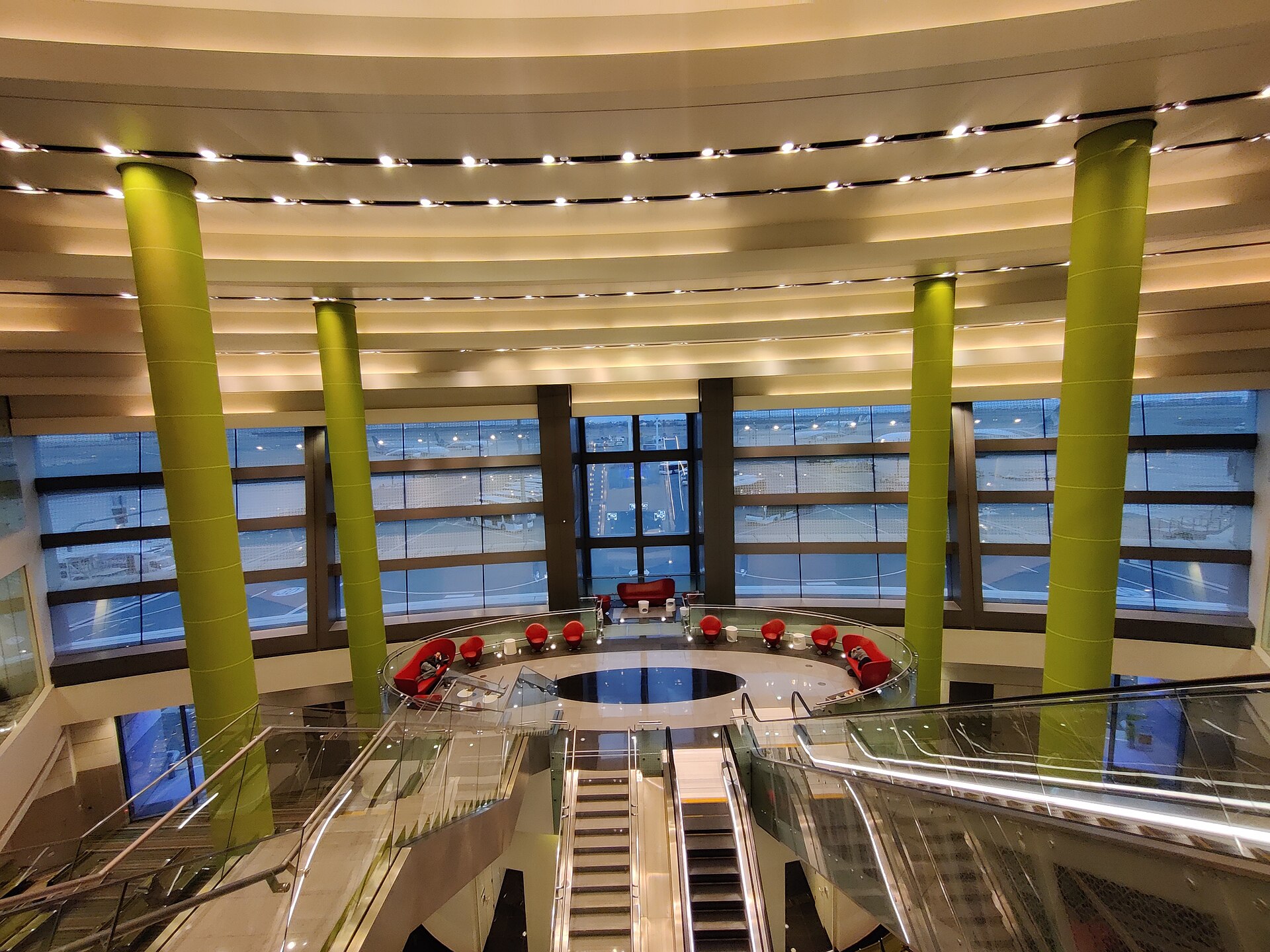
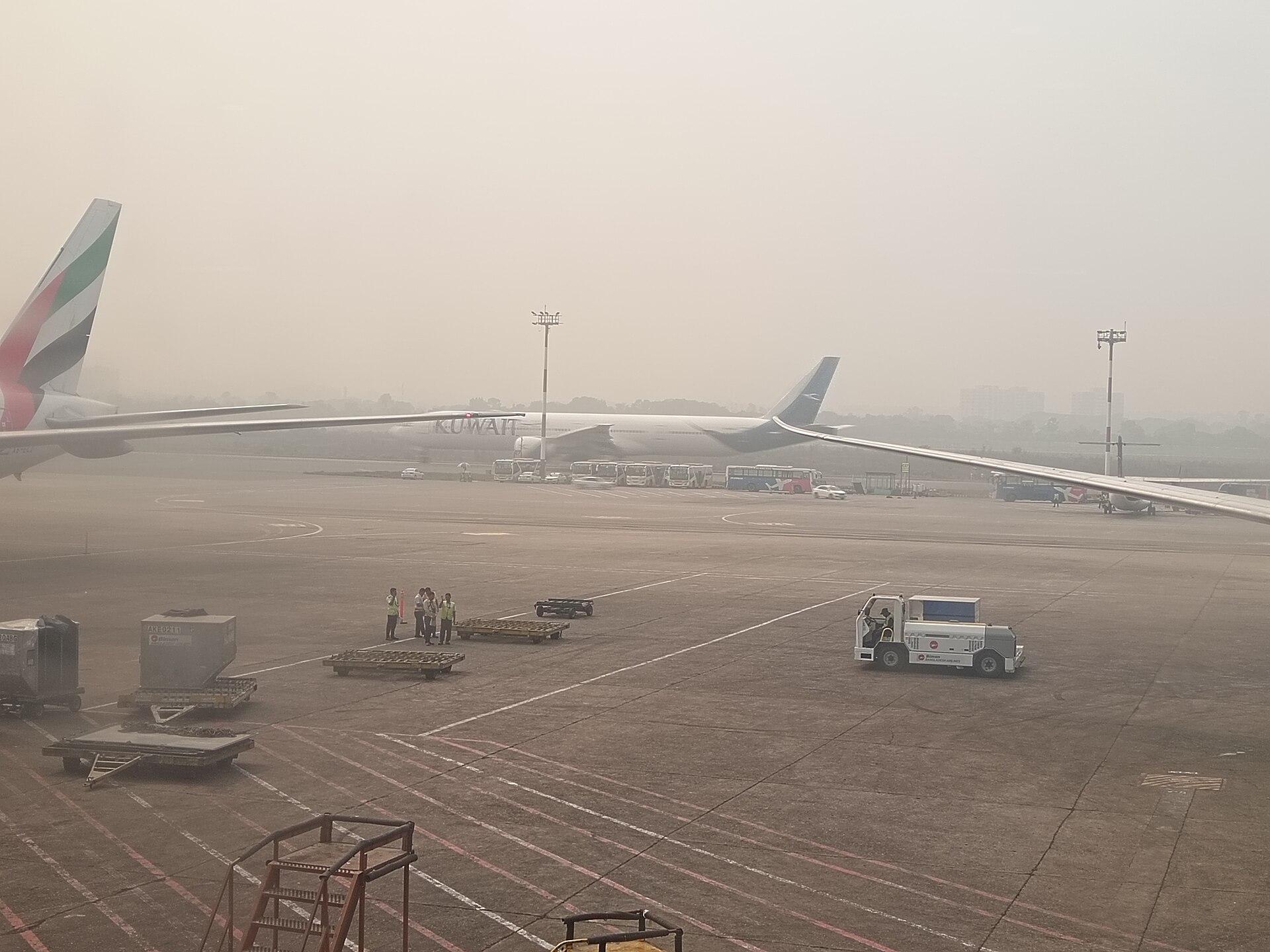
Terminal 1 had been operational for exactly forty-eight hours when the drones arrived. Kuwait Airways, Jazeera Airways, Emirates, Saudia, Qatar Airways, Etihad, and flydubai had all relaunched routes from the terminal on June 1, marking the end of a phased recovery that began when Kuwait partially reopened its airspace on April 23 after a fifty-five-day closure — one of the longest commercial aviation shutdowns in the airport’s modern history, exceeded only by the seven-month Iraqi occupation in 1990–91 when Iraqi ground forces held the facility until US Marines fought to retake it.
The airlines that returned on June 1 had been navigating the most punishing operating environment in Gulf aviation history: war-risk insurance premiums running fifty to five hundred per cent above pre-war levels, EASA advisories covering every Gulf state, and a passenger base that had largely redirected to Saudi, Qatari, and Turkish hubs during the fifty-five-day shutdown. Their return to Kuwait was itself a commercial bet that the ceasefire framework would hold, and the carriers — state-owned and low-cost alike — had repriced schedules, renegotiated underwriting, and re-entered the market on the basis of risk assessments that Tuesday’s strike invalidated before the first week’s revenue could clear.
The June 1 restart had been covered extensively by Gulf aviation media as a normalisation signal — evidence that the war’s intensity had eased enough for insurers and schedulers to commit capital. Kuwait International Airport handles roughly 15 million passengers annually under normal conditions, operates as the twelfth-busiest airport in the Middle East with 100,000 to 120,000 flights per year, and Terminal 2 — the $5.8 billion Foster + Partners expansion designed to boost capacity to 50 million passengers — was eighty-one per cent complete before the war, with a late-2026 opening target that now looks impossible to hold.
The forty-eight-hour gap carries its own intelligence. A drone strike on a fixed facility requires updated reconnaissance to confirm the building is active, occupied, and generating the signatures — ground traffic, radar emissions, aircraft movements on the apron — that distinguish a functioning terminal from an empty shell. That the strike hit Terminal 1 two days after commercial operations resumed means Iranian targeting either had real-time collection on the airport’s operational status or, at minimum, was monitoring the publicly available airline schedules that announced the June 1 restart across Gulf and international media. The building was not collateral damage, the timing was not coincidence, and the IRGC’s operational cycle was fast enough to exploit a two-day reopening window before Kuwait could accumulate a single full week of commercial flights.
Why Did the IRGC Strike a Terminal It Didn’t Claim?
The IRGC’s Telegram channel described the June 3 barrage as targeting “US-linked bases and facilities,” naming the Fifth Fleet headquarters in Bahrain but not Kuwait International Airport. Terminal 1 was struck by drones while the IRGC’s high-value ballistic missiles — Khorramshahr-4, Kheibar Shekan, and Fattah — were reserved for Bahrain’s military installations, a weapon selection that distinguishes the two targets by cost, attribution risk, and implied intent.
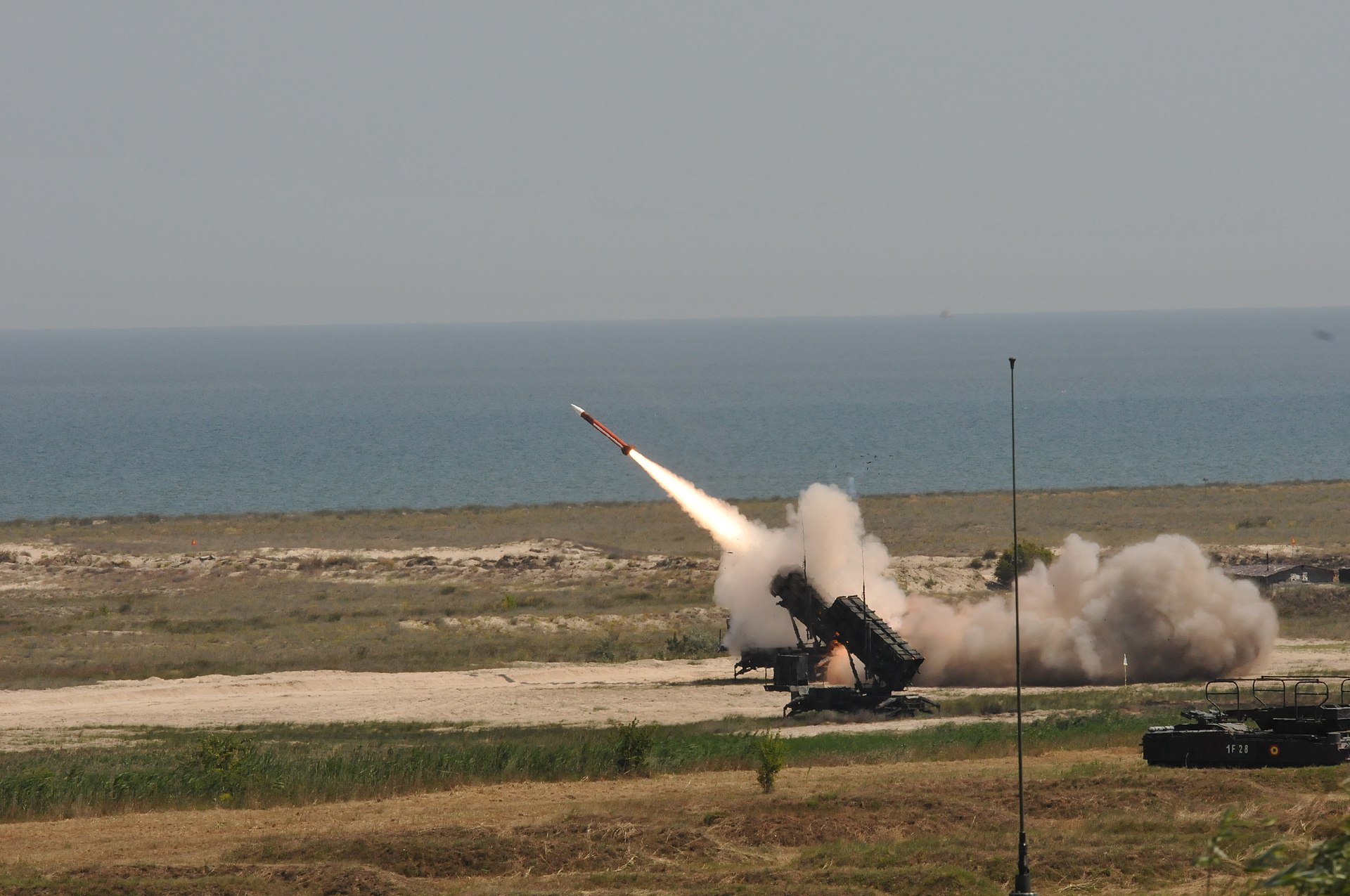
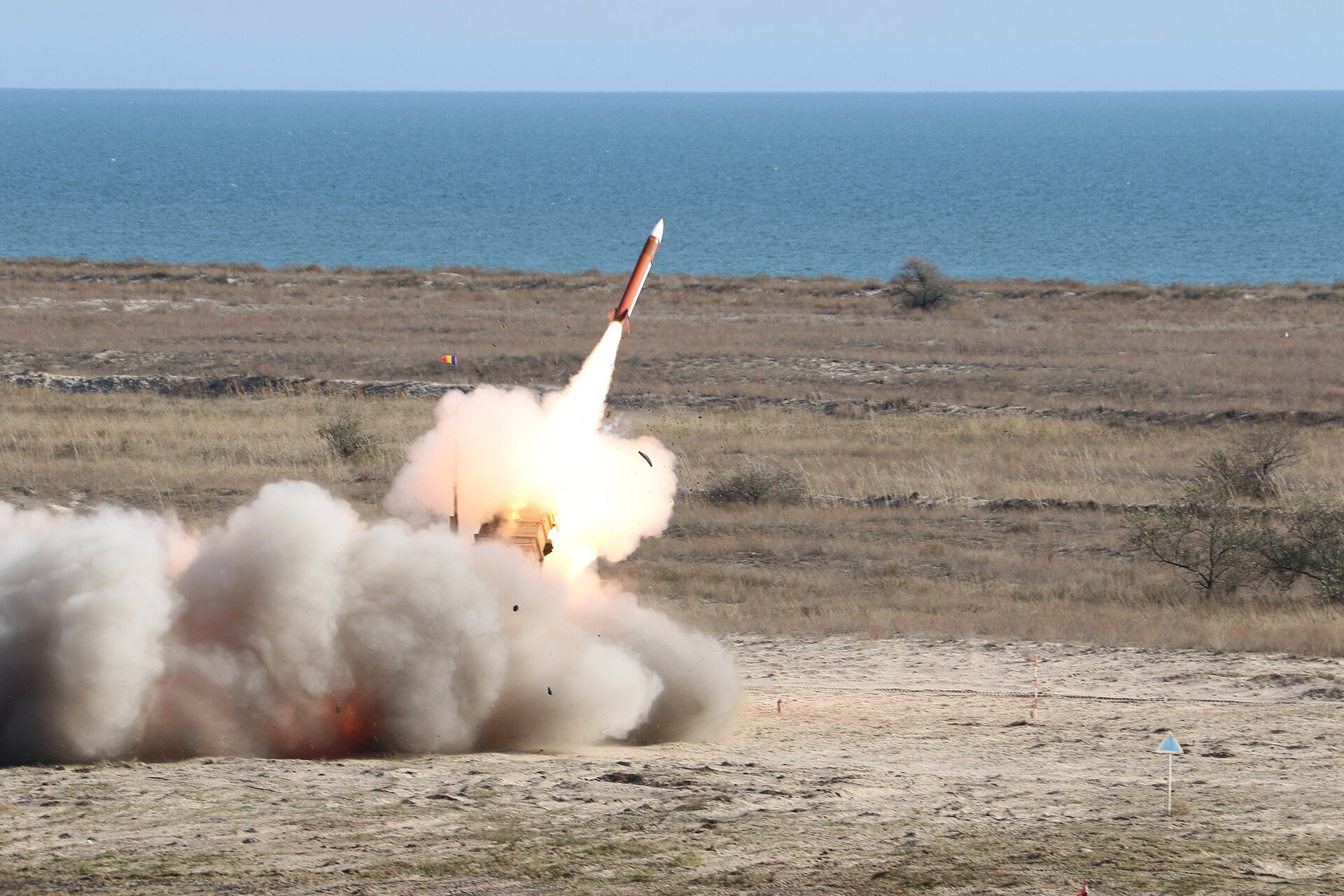
The weapon calibration is the first thing worth reading. Drones are cheap — a Shahed-136 costs an estimated $20,000 to $50,000 per unit — expendable, difficult to attribute with the legal precision required for a formal international response, and, against a Gulf air defence network that has consumed roughly 2,400 PAC-3 MSE interceptors in ninety-six days, effectively un-interceptable at scale because the cost-exchange ratio makes interception economically self-defeating. A single PAC-3 MSE round costs approximately $4 million, which means using one to shoot down a $30,000 drone is a trade the IRGC can force on every Gulf operator, every day, until the magazines run dry. The Guard sent its multi-million-dollar ballistic missiles — the warheads that CENTCOM tracks from the moment of launch — at the Fifth Fleet, and it sent the drones at the departure hall.
The non-claim is the second signal. IRGC media doctrine has been consistent since February: when the Guard wants credit for a strike, it names the target, as it did with the Fifth Fleet and as it did with Ali Al Salem Air Base when interceptor debris wounded five Americans on May 30. Kuwait International Airport was not named, which creates the kind of deliberate ambiguity that serves Iran at every level — the IRGC gets the deterrent value of having struck a civilian terminal, every Gulf government and airline and insurer knows what happened, but the formal attribution that would trigger specific accountability under international humanitarian law remains absent from the IRGC’s own record.
TRENDS Research & Advisory, the Abu Dhabi-based think tank, had already characterised Iran’s broader targeting pattern as a “doctrine of disruption” — systematic targeting of civilian populations and infrastructure as deliberate state policy embedded in the IRGC’s forward defence posture, not operational error or collateral damage. The Terminal 1 strike fits that framework: a weapon calibrated to minimise attribution cost, directed at civilian infrastructure the IRGC did not need to hit, at a moment when the MOU diplomatic track had already collapsed and the Guard had publicly declared expanded target categories via Tasnim on June 1.
The strikes “should serve as a lesson” to the United States.
IRGC statement via Telegram, June 3, 2026
The Threshold That Disappeared on Day Ninety-Six
Before June 3, the IRGC had struck military airfields, ports, radar installations, desalination plants, refineries, factories, data centres, and — in the case of Kuwait’s own airport on February 28 — Terminal 1’s radar systems, a hit that could be characterised as military-adjacent because radar is dual-use infrastructure and degrading it fits a recognisable wartime targeting logic. What happened on Tuesday is categorically different: Terminal 1 was handling scheduled commercial flights from seven international carriers, processing passengers who had booked tickets on the strength of the April 23 airspace reopening, and the IRGC struck it with drones it did not bother to claim.
The Oxford University assessment published March 2 had already flagged the broader departure, noting that the 2026 war marked “a major departure from Iran’s previous response to being attacked by U.S. and Israeli airstrikes.” During the twelve-day June 2025 war, Iran “only attacked one base in Qatar and even then forewarned authorities in Doha” — advance warning, target restraint, and the distinction between military and civilian infrastructure were all maintained. The February 2026 escalation abandoned all three within weeks. CNN documented by March 30 that “one month into the conflict, an increasing amount of civilian infrastructure has been struck — including factories, refineries, reservoirs, desalination plants, civilian airports and universities,” and Human Rights Watch published formal documentation on March 17 under the heading “Iran: Unlawful Strikes Across Gulf Endanger Civilians,” cataloguing systematic targeting of civilian objects from the war’s earliest days.
International humanitarian law draws a clear line between military objectives and civilian objects under Article 52 of Additional Protocol I, and a passenger terminal processing commercial flights is unambiguously civilian regardless of whether the airport also hosts military radar or dual-use navigation systems. The IRGC’s decision not to claim the Terminal 1 strike while simultaneously claiming the Fifth Fleet attack creates the kind of attribution gap that makes legal accountability difficult to pursue in practice — though Human Rights Watch had already noted that the systematic nature of Iran’s civilian targeting constituted unlawful conduct regardless of whether individual strikes were formally acknowledged by Tehran.
The 1991 precedent — the last time Kuwait International Airport suffered serious wartime damage — involved Iraqi ground forces occupying the facility during a seven-month military occupation that ended with US Marines fighting the 3rd Armoured Division’s positions on the tarmac. That was conventional ground warfare destroying airport infrastructure as a byproduct of territorial occupation. Tuesday was a precision drone strike on a passenger terminal that had been processing check-ins for forty-eight hours, conducted from Iranian territory by a state actor that denied targeting it, against a building whose reopening had been publicly announced and extensively covered three days earlier — and the distance between those two events, thirty-five years of doctrinal and technological evolution, is measured not in capability but in the political decision about what civilian targets are considered acceptable.
How Safe Are Saudi Arabia’s Airports?
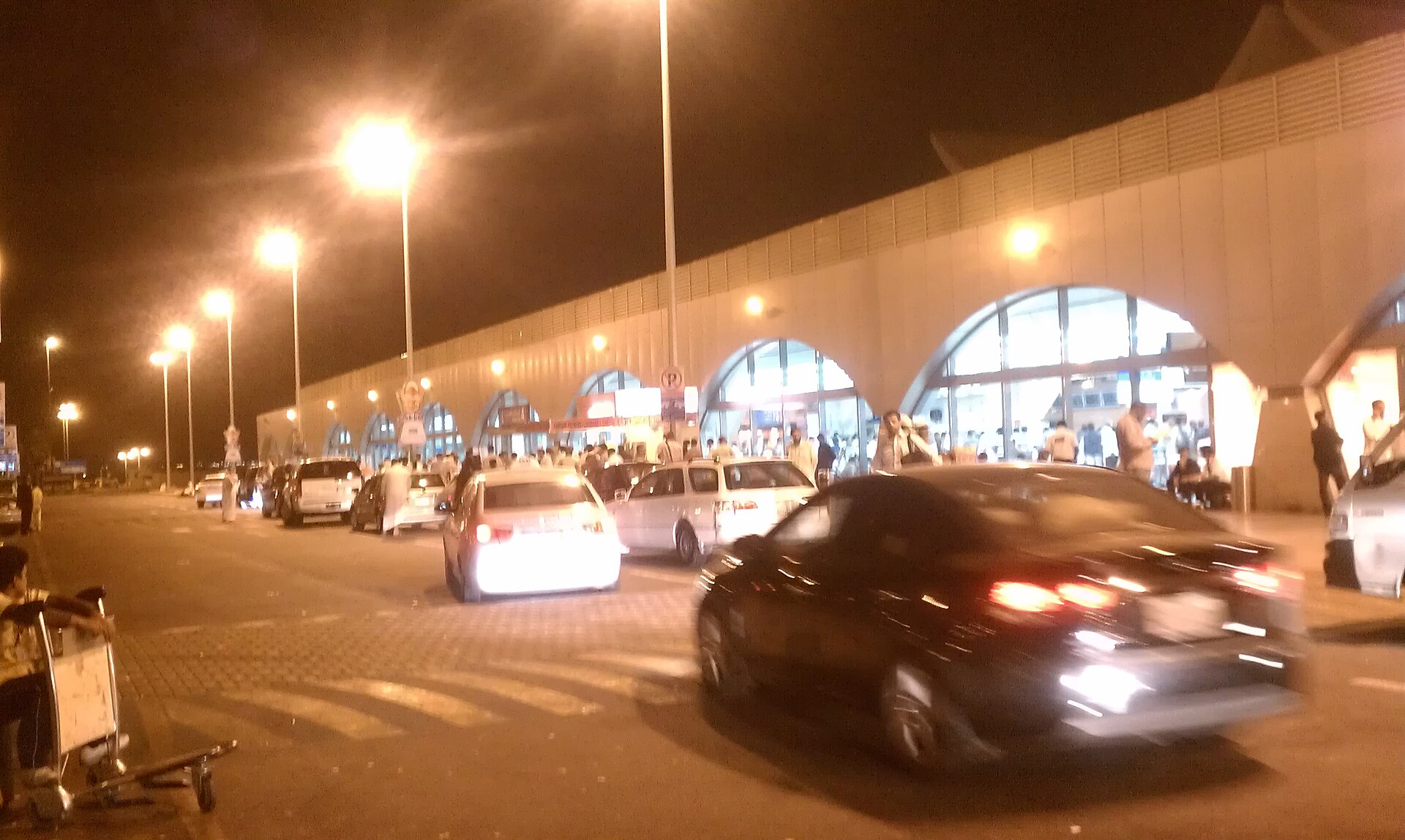
Saudi Arabia’s four major international airports — King Khalid (Riyadh), King Fahd (Dammam), King Abdulaziz (Jeddah), and Prince Mohammad bin Abdulaziz (Medina) — remained open on June 3, absorbing diverted flights from Kuwait, Bahrain, and the UAE while those countries’ airspace was closed or on high alert. Washington has not granted the kingdom the emergency resupply waiver it extended to Qatar on May 2.
King Khalid International Airport in Riyadh absorbed the diversion overflow without visible operational disruption — it has been running at an annual capacity of 56 million passengers since completing its terminal reallocation in February 2026, handling roughly 765 flights per day across four terminals, and EASA’s current conflict zone bulletin classifies Saudi airspace as “exercise caution” rather than the “do not operate” designation applied to Iran, Iraq, and Lebanon. Saudi authorities issued travel alerts and cancelled some individual flights, but commercial operations continued across all four major hubs.
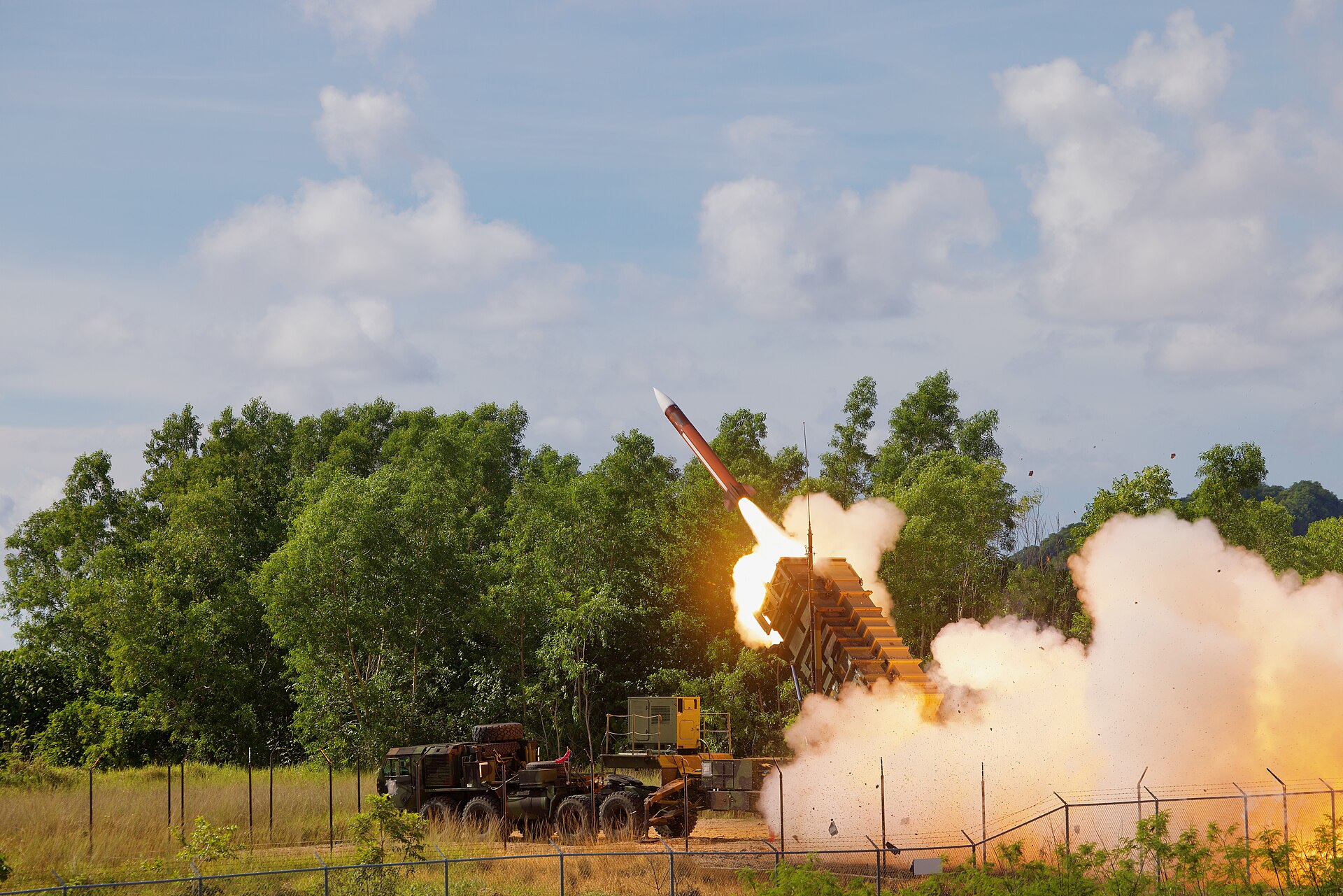
The geography tells a different story from the operations data. King Fahd International Airport in Dammam — the world’s largest airport by area, serving the Eastern Province and its petroleum infrastructure — sits eighty-seven kilometres from Bahrain International Airport and roughly the same distance from the Mina Salman and Juffair installations that the IRGC struck with ballistic missiles on June 3. That distance is functionally irrelevant to a medium-range ballistic missile’s targeting envelope, and the Saudi PAC-3 inventory that would need to defend it stands at an estimated eighty to 150 MSE rounds as of late May — a figure that has only declined since, with no emergency Section 36(b) waiver, a standard $9 billion FMS order for 730 rounds that will not deliver before mid-2027, and a production line in Camden, Arkansas making roughly 650 rounds per year against a war that has burned through 2,400. The FY2027 Pentagon budget request commits five years of Camden’s total output to US Army and Navy requirements alone, placing Saudi Arabia’s resupply timeline beyond 2030.
| Airport | Country | Status (June 3) | Distance to Nearest June 3 Strike | Air Defence Posture |
|---|---|---|---|---|
| Kuwait International (KWI) | Kuwait | Closed — Terminal 1 struck | 0 km (direct hit) | Undisclosed depletion |
| Bahrain International (BAH) | Bahrain | Suspended — sirens activated | ~8 km from Mina Salman | ~8 PAC-3 MSE remaining |
| Dubai International (DXB) | UAE | Alert — flights suspended | Not directly targeted | Not publicly disclosed |
| King Fahd International (DMM) | Saudi Arabia | Open | ~87 km from Bahrain targets | Est. 80–150 PAC-3 MSE |
| King Khalid International (RUH) | Saudi Arabia | Open | ~800+ km | Saudi integrated air defence |
| Hamad International (DOH) | Qatar | Open | ~400 km | $4.01B emergency waiver (May 2) |
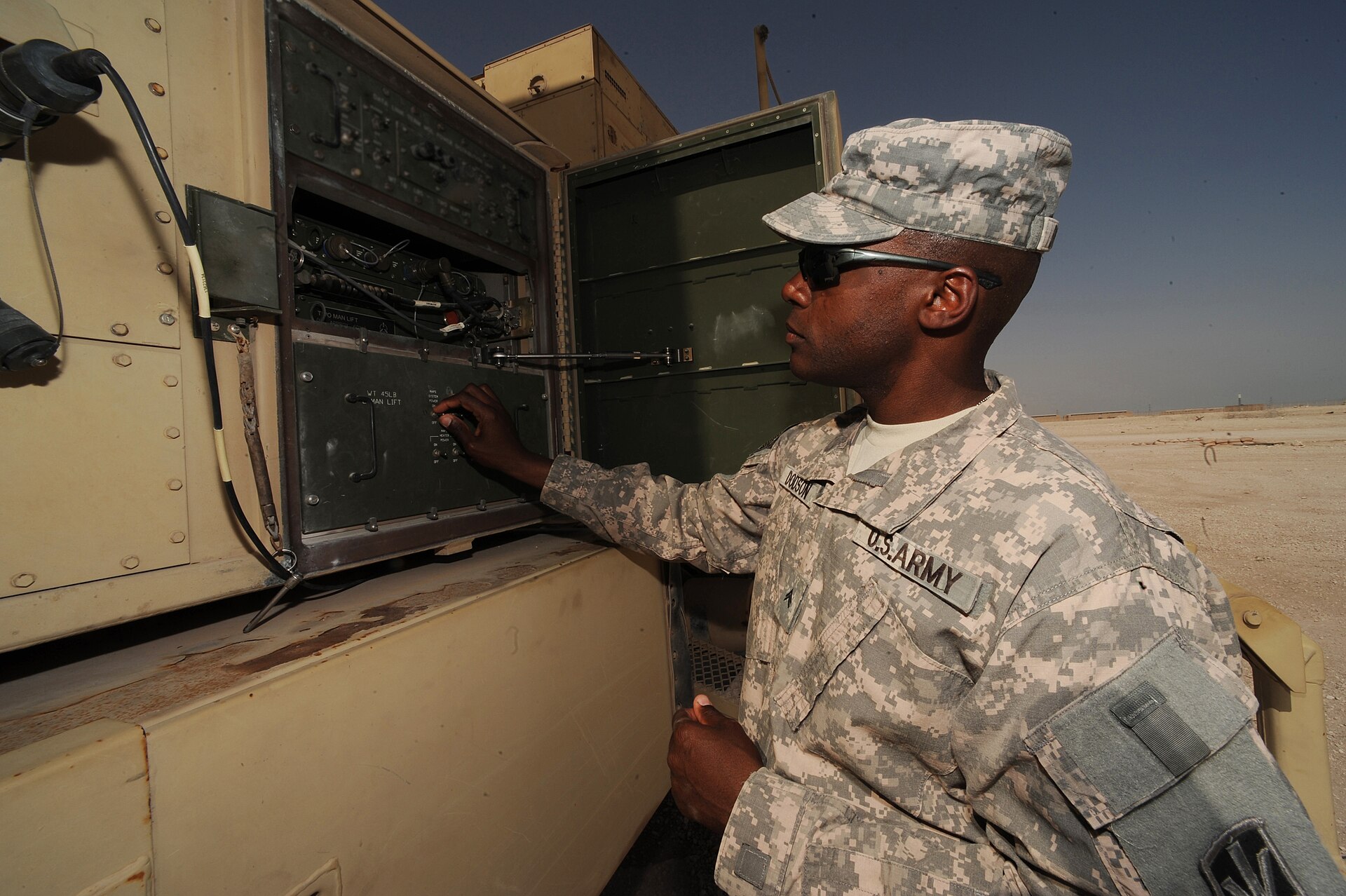
Qatar received a $4.01 billion emergency PAC-3 waiver on May 2 under Rubio’s signature. Bahrain, which has depleted eighty-seven per cent of its original sixty MSE rounds and has approximately eight remaining, received new standard FMS authorisation on June 1 for fifty additional rounds — with an eighteen-month delivery floor that offers no protection at the current operational tempo. Saudi Arabia, which has fired more interceptors than any other Gulf state in this conflict and operates without the bilateral Status of Forces Agreement that accelerated resupply to Qatar and Bahrain, appears on neither waiver. The Rubio $8.6 billion May 2 tranche excluded the kingdom entirely.
Riyadh’s Silence and Kuwait’s ‘Criminal Aggression’
Kuwait’s language on June 3 — “criminal Iranian aggression” from the MoD spokesman, backed by a MoFA statement naming civilian and diplomatic targets — was the strongest unilateral attribution any Gulf state has issued since the war began. Saudi Arabia’s Ministry of Foreign Affairs, by contrast, has not issued a unilateral statement on the conflict in more than ten days, joining joint GCC condemnations when they circulate but avoiding the kind of direct bilateral language that Kuwait, with one dead civilian and a shuttered airport, chose to deploy within hours of the strike.
Kuwait’s diplomatic response extended beyond the expulsions: Foreign Minister Al-Sabah met Secretary Rubio in Washington the next morning, a meeting that underscored how differently Kuwait and Saudi Arabia chose to translate the same Iranian aggression into diplomatic action.
The restraint is not accidental. Saudi Arabia has been maintaining what amounts to a private bilateral de-escalation channel with Iran that has run through at least four foreign minister-level conversations between Bin Farhan and Araghchi, supplemented by an MBS-Pezeshkian Eid exchange that both sides described as “purely bilateral.” That channel depends on Riyadh not escalating its public rhetoric against Tehran beyond the formulaic language of a group statement, and the June 3 Terminal 1 strike — with its civilian casualty and international aviation fallout — tests whether preserving diplomatic optionality is still worth the credibility cost of absorbing a regional war’s consequences in silence.
Kuwait could afford to be loud because it had less diplomatic architecture to protect: its airport was the target, its citizen was the casualty, and its MoD spokesman reached for “criminal” in a way that Saudi Arabia’s diplomatic establishment has not matched in ninety-six days, even when Iranian fire has landed closer to Saudi infrastructure than Terminal 1 is from the Strait of Hormuz. The gap between Kuwait’s fury and Riyadh’s silence is itself a data point — it reveals how much Saudi Arabia has invested in a back-channel framework that Iran has shown, across three months of escalating strikes on Gulf civilian infrastructure, diminishing interest in honouring. Hours after the Terminal 1 strike, Kuwait declared two Iranian diplomats persona non grata and closed Iran’s cultural mission — the first GCC capital to formally reduce Iran’s diplomatic presence since the UAE closed its Tehran embassy on March 1.
What Are Airlines Paying to Keep Flying Through the Gulf?
Aviation war-risk insurance premiums for Gulf routes have risen between fifty and five hundred per cent since February 2026, according to Kennedys Law and insurance industry data. The Terminal 1 strike will force a fresh repricing cycle because insurers must now price the probability of a drone hitting an active passenger terminal — a loss scenario that carried no actuarial precedent before Tuesday morning.
The insurance market is the most honest interlocutor in any conflict zone because it cannot afford the diplomatic ambiguity that governments rely on — underwriters have to price the risk, their pricing is public in ways that intelligence assessments and diplomatic communiqués are not, and the Terminal 1 strike has handed them a data point that no amount of political reassurance can offset. Before June 3, the repricing was already severe: Indian carriers were absorbing up to $120,000 per widebody round-trip on Gulf legs, narrow-body premiums on routes like Delhi–Dubai had climbed to approximately $36,000–48,000 per flight (Business Standard), and spot airfares between India and the Gulf were running three to four times pre-war levels. London’s Joint War Committee had already widened its listed areas in the Gulf under the JWLA-033 designation of March 3, and the suspected mine in Hormuz’s inbound lane on May 30 added another repricing trigger on the maritime side before the aviation market had finished absorbing the last one.
For Saudi Arabia’s hub ambitions, the insurance question is the one that determines whether Vision 2030’s aviation targets survive this war. King Khalid International Airport is competing to become the Gulf’s dominant transit hub with 56-million-passenger annual capacity and connections to 105 destinations through 51 airlines — but that ambition depends on carriers absorbing the war-risk premium and on underwriters continuing to provide coverage at prices the route economics can sustain. If the IRGC’s demonstrated willingness to strike civilian terminals leads EASA to upgrade its Saudi advisory from “exercise caution” to something closer to the Bahrain or Kuwait designation, or if Lloyd’s syndicates decide the risk profile warrants coverage withdrawals or exclusion triggers, the premium increase alone could redirect Gulf transit traffic to Istanbul, Amman, or Muscat — regardless of whether a single Iranian drone ever enters Saudi airspace.
OPEC+ Meets in Four Days With Two Members’ Airspace Shut
The forty-first OPEC+ ministerial opens in Vienna on June 7, four days after the Terminal 1 strike and under the seven-member post-UAE configuration that resulted from Abu Dhabi’s withdrawal after Hormuz route compromise rendered its quota compliance moot. At least two member states will attend from countries whose commercial aviation infrastructure was not functioning on Tuesday: Kuwait’s airspace is closed, Bahrain activated air raid sirens, and the political atmosphere in which production quotas get negotiated has been reshaped by Brigadier General Al-Otaibi’s “criminal Iranian aggression” in ways that no compliance spreadsheet can neutralise.
The oil market registered the escalation — Brent at $98.50, WTI climbing 2.8 per cent to $96.34 — but the broader OPEC+ arithmetic remains fractured in ways the airport strike exacerbates rather than resolves. Kazakhstan sits 322,000 barrels per day over its quota thanks to Chevron’s $48.5 billion Tengiz expansion, a capacity ramp that is physically irreversible, compliance debt across the group stands at 4.779 million barrels per day with no enforcement mechanism, and Saudi Arabia’s own production is involuntarily constrained to roughly 7.25 million barrels per day — three million below its 10.291 million-barrel allocation — by Hormuz disruption rather than by agreement, which means the kingdom is absorbing the largest involuntary production cut in the agreement’s history while its airports absorb the largest involuntary passenger diversion in Gulf aviation history.
The IRGC’s Telegram channel said the June 3 barrage “should serve as a lesson” to the United States. The lesson arrived at a passenger terminal in Kuwait City that had been processing scheduled flights for forty-eight hours, in a country that spent fifty-five days rebuilding the same building after the last Iranian strike. The person who died there was not American.
The third target struck that morning was not a passenger terminal or a naval base: Fateh-110 ballistic missiles hit Camp Arifjan, the Kuwait logistics base that stages every PAC-3 interceptor bound for Saudi Arabia’s depleted batteries — completing a triptych of simultaneous strikes designed to hit Gulf air defence at the terminal, the command node, and the supply chain in a single morning. The pattern continued on Day 99: on June 6, the IRGC launched seven ballistic missiles at Kuwait and Bahrain in the first all-ballistic salvo to target both Gulf states simultaneously.
Frequently Asked Questions
How many times has Kuwait been struck by Iranian forces since February 2026?
Kuwait has sustained four major Iranian strikes since the war began: the February 28 attack on Terminal 1’s radar systems on the conflict’s opening day, the March 1 strike on a US tactical operations centre at Port Shuaiba that killed six American soldiers — the deadliest single Iranian attack on US military personnel in this war — the May 28–30 strikes on Ali Al Salem Air Base that wounded five Americans and destroyed two MQ-9 Reaper drones worth approximately $60 million, and the June 3 Terminal 1 strike that killed one civilian. Kuwait’s total wartime aviation closure now spans at least sixty-two days across two separate shutdown periods, with the second closure open-ended as of Tuesday evening.
Has the IRGC struck civilian airports in any previous conflict?
No. During the twelve-day June 2025 war between Iran and the US-Israel coalition, Iran struck one military base in Qatar and forewarned Doha’s authorities before the missiles arrived, per Oxford University analysis published March 2, 2026. The February 2026 escalation abandoned those restraints comprehensively: by April 2026, the Small Wars Journal documented that the IRGC had expanded its target list to include 29 technology facilities across four Gulf states, and Defence Security Asia reported IRGC threats against Apple, Google, Microsoft, and Tesla infrastructure in the Gulf — confirming that the expansion extends beyond traditional military and energy targets into civilian commercial and technology infrastructure that the June 2025 war left entirely untouched.
What alternatives exist if Saudi airports also suspend commercial operations?
Muscat International Airport in Oman would become the primary overflow hub — Oman is the only Gulf state that has not joined multilateral condemnation statements against Iran and maintains an active bilateral co-management arrangement with Tehran for Hormuz transit, with a legal drafting team meeting in Muscat as recently as May 13. Queen Alia International in Amman, Jordan and Istanbul Airport in Turkey are the secondary alternatives, though both add substantial transit time and routing complexity for Gulf-bound passengers. Oman’s anomalous diplomatic position — it was the sole Gulf state absent from the five-nation IMO CL 5028 protest letter — makes its airspace the least likely IRGC target, though that assumption depends on the bilateral relationship surviving the war’s current trajectory.
Has any Gulf state invoked a mutual defence treaty since the war began?
No GCC member has formally invoked a collective defence clause or requested an Article 5-type response since February 28. The GCC’s 2000 Joint Defence Agreement contains mutual defence provisions but has never been activated in a live conflict during the alliance’s forty-five-year history. Saudi Arabia’s 2024 bilateral security agreement with Pakistan contains language more analogous to NATO’s Article 5 than any document in the US-Saudi relationship — the United States and Saudi Arabia have no mutual defence treaty and no Status of Forces Agreement, which is one structural reason the kingdom was excluded from the emergency resupply waivers granted to SOFA holders Qatar and Bahrain.
That pattern of civilian infrastructure targeting extended beyond the Gulf: Houthi missiles struck two commercial vessels in the Gulf of Aden on June 8-9, the first kinetic enforcement of the June 8 complete ban on Israeli maritime navigation — targeting ships not by flag but by corporate history of Israeli port calls, a precedent that widens the interdiction logic to any vessel with commercial ties to Israel.