TEHRAN — Iran’s Foreign Minister Abbas Araghchi stated on June 14, 2026 — the day the US-Iran Islamabad MOU was scheduled for signing — that Iran will collect charges “for services rendered” from vessels transiting the Strait of Hormuz, framing fee collection as a condition embedded in the agreement itself, not a post-deal administrative matter. The MOU draft, per the eight-point version published by Al Arabiya, prohibits “tolls” on Hormuz passage. It does not prohibit “service fees.”
This is not a gap Iran discovered in the text. Iran’s parliament codified Hormuz fee collection into domestic law on March 30–31, 2026 — before the April 8 ceasefire, before any MOU draft existed. The Persian Gulf Shipping Administration was formally constituted on May 5. By the time the word “toll” entered the MOU’s prohibition language, the legal category it targeted had already been vacated by Iranian domestic legislation, institutional infrastructure, and a sovereign reclassification that Araghchi is now writing into the deal itself.
Saudi Arabia, which ships approximately 5.5 million barrels per day through Hormuz — the largest single-country exposure, roughly 38 percent of total Hormuz crude transit volume — has made no direct public statement on the MOU in twenty-five days. Iran had also inserted a gate above the Hormuz question itself: Araghchi told IRIB on June 13 that the MOU must cover “all fronts, including Lebanon” — meaning the Lebanon ceasefire condition sits before the Hormuz fee dispute can be addressed.
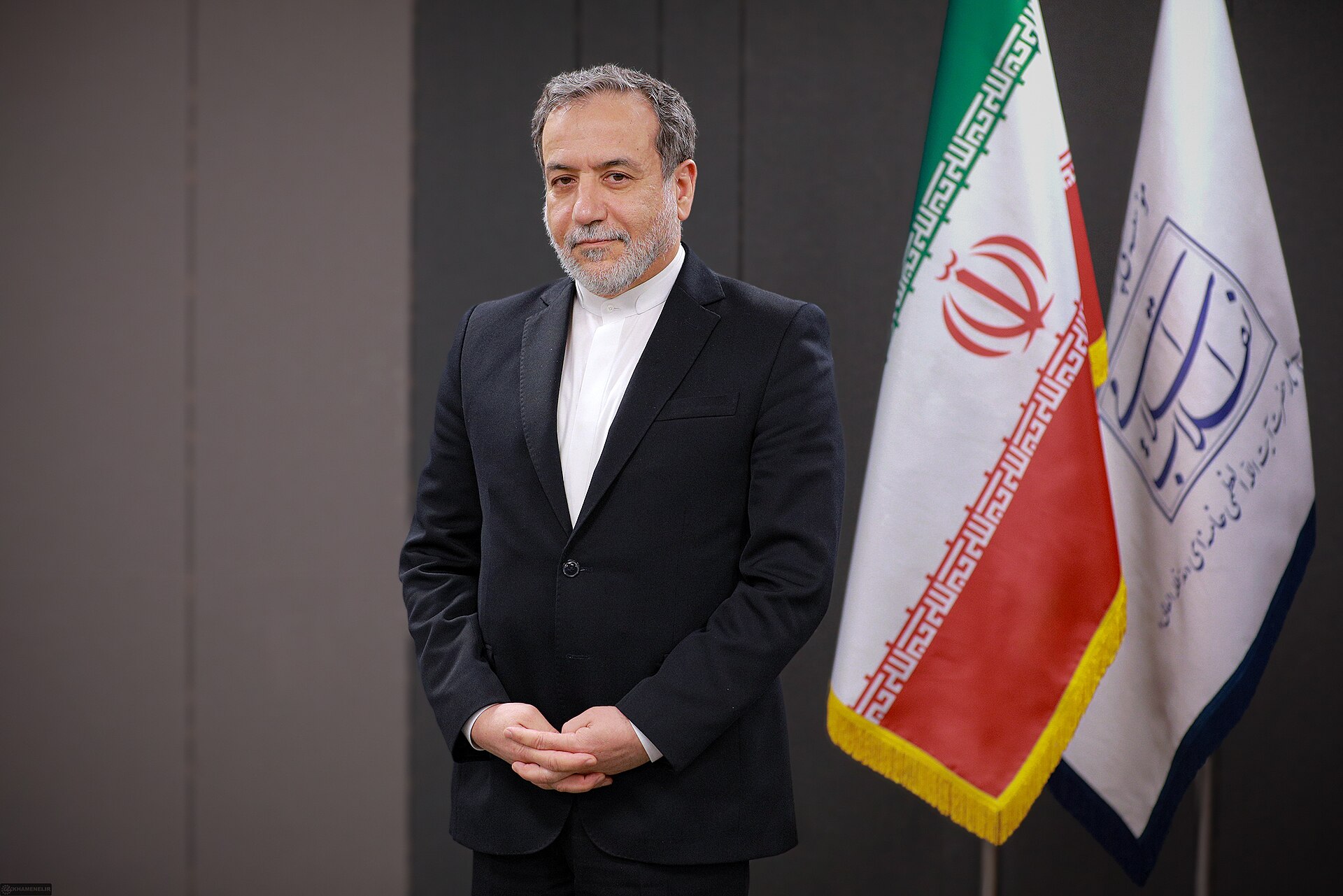
Table of Contents
- What Did Araghchi Say About Hormuz Fees on June 14?
- The Law That Came Before the Prohibition
- Does the MOU’s ‘Toll’ Ban Cover Iran’s Service Fee Regime?
- The UNCLOS Ambiguity Iran Is Exploiting
- What Is Saudi Arabia’s Financial Exposure at the Strait?
- The OFAC Double Bind
- Why Has No Other International Strait Imposed Transit Fees?
- The Iran-Oman Bilateral Track
- Twenty-Five Days Without a Statement
- Frequently Asked Questions
What Did Araghchi Say About Hormuz Fees on June 14?
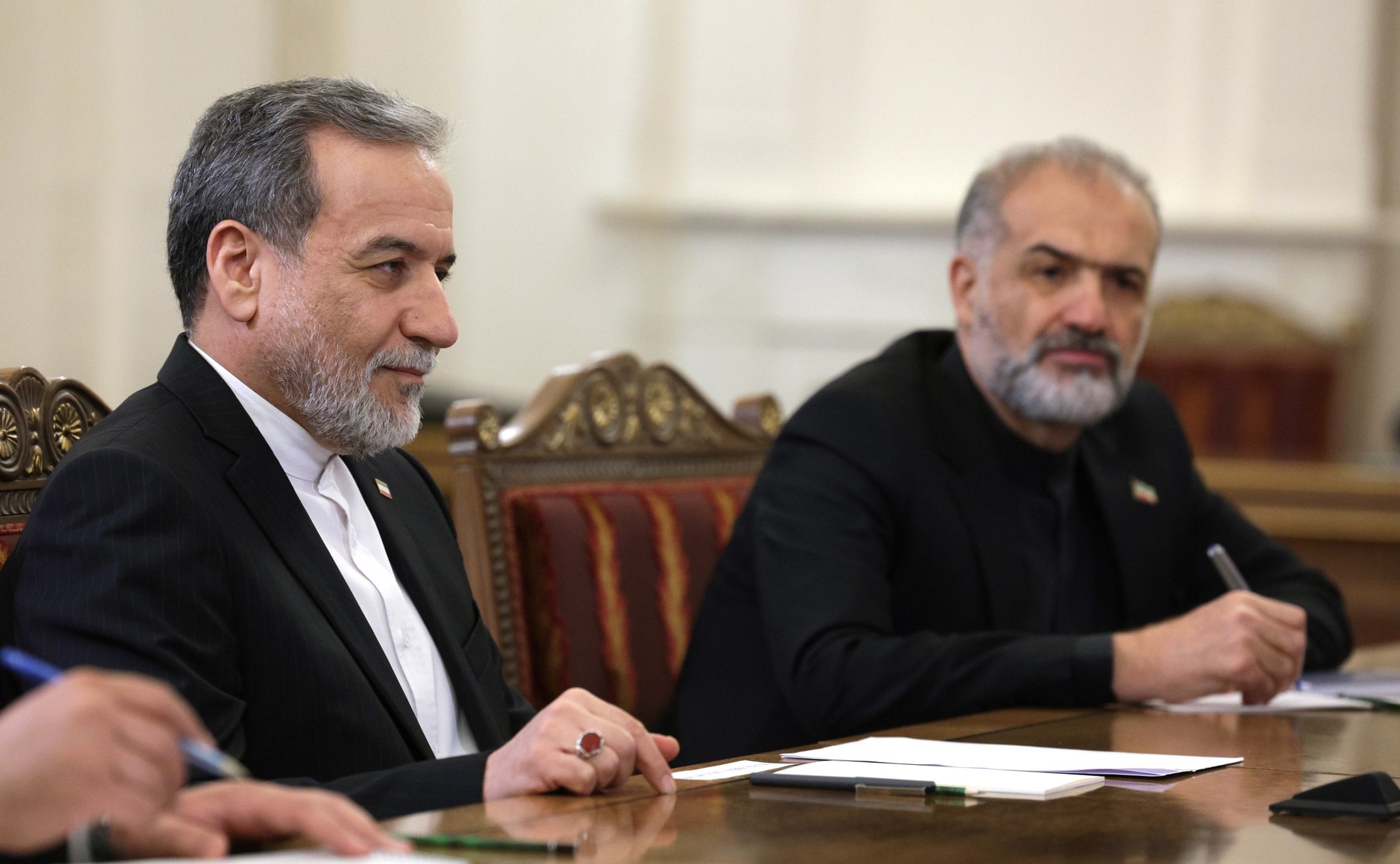
On June 14, 2026, Iran’s Foreign Minister Abbas Araghchi stated that “according to international law, it is not possible to levy a toll on passage through the Strait of Hormuz, but charges for services provided will be collected.” The fourteen-point MOU, he confirmed, includes “a new mechanism for collecting transit and navigation service fees in the Strait of Hormuz.”
Araghchi framed fee collection not as a post-deal administrative matter but as an embedded deal term — a condition of the agreement, not a consequence of it.
According to international law, it is not possible to levy a toll on passage through the Strait of Hormuz, but charges for services provided will be collected.
The HOS Daily BriefThe Middle East briefing 3,000+ readers start their day with.
One email. Every weekday morning. Free.
Abbas Araghchi, Iranian Foreign Minister, June 14, 2026 — SaedNews
The statement was delivered on the day the MOU signing ceremony was originally scheduled to take place — a ceremony that Iranian spokesman Esmaeil Baghaei had confirmed the previous day would not proceed, citing American “hesitation” and “instability.” Araghchi’s fee declaration was not a reaction to the postponement. It was a statement of terms.
What distinguishes this from prior Iranian statements on Hormuz fees is its specificity about the MOU itself. Previous statements — from Deputy Foreign Minister Kazem Gharibabadi on June 5, from Baghaei on May 25 — described the fee regime in general terms, as compensation for navigational assistance, search and rescue, environmental cleanup. Araghchi’s June 14 statement connected that regime directly to the deal text, confirming that Iran’s negotiators wrote fee collection into the framework Washington will eventually be asked to sign.
He also reasserted a sovereignty claim that carries its own legal implications: “The Strait of Hormuz is under the sovereignty of Iran and Oman, there are no international waters there.” If that framing held — and no international tribunal has adjudicated it — the applicable legal regime would shift from UNCLOS Part III transit passage, which limits a coastal state’s ability to condition passage, to Articles 17–32 governing innocent passage, which are more permissive toward service charges.
The Law That Came Before the Prohibition
Iran’s Majlis passed the domestic legal basis for Hormuz fee collection on March 30–31, 2026. That vote predates the April 8 ceasefire. It predates the US-Iran negotiating track that produced the MOU draft. It predates the establishment of the PGSA itself, which was formally constituted five weeks later on May 5.
The sequence is the argument. The MOU’s “toll” prohibition was not written against a proposed Iranian policy. It was written against a policy that had already been codified in domestic legislation, given institutional form, and operationalized in the strait. By the time US negotiators drafted the prohibition, the thing they were prohibiting had already been legally reclassified by Iranian law as something else entirely.
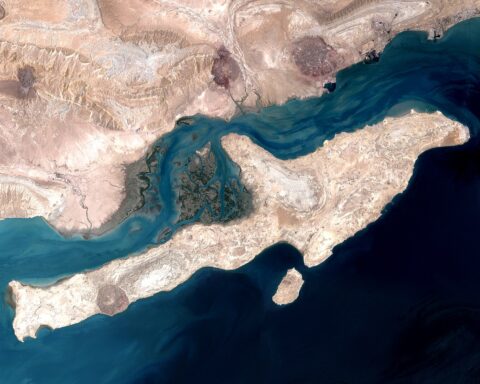
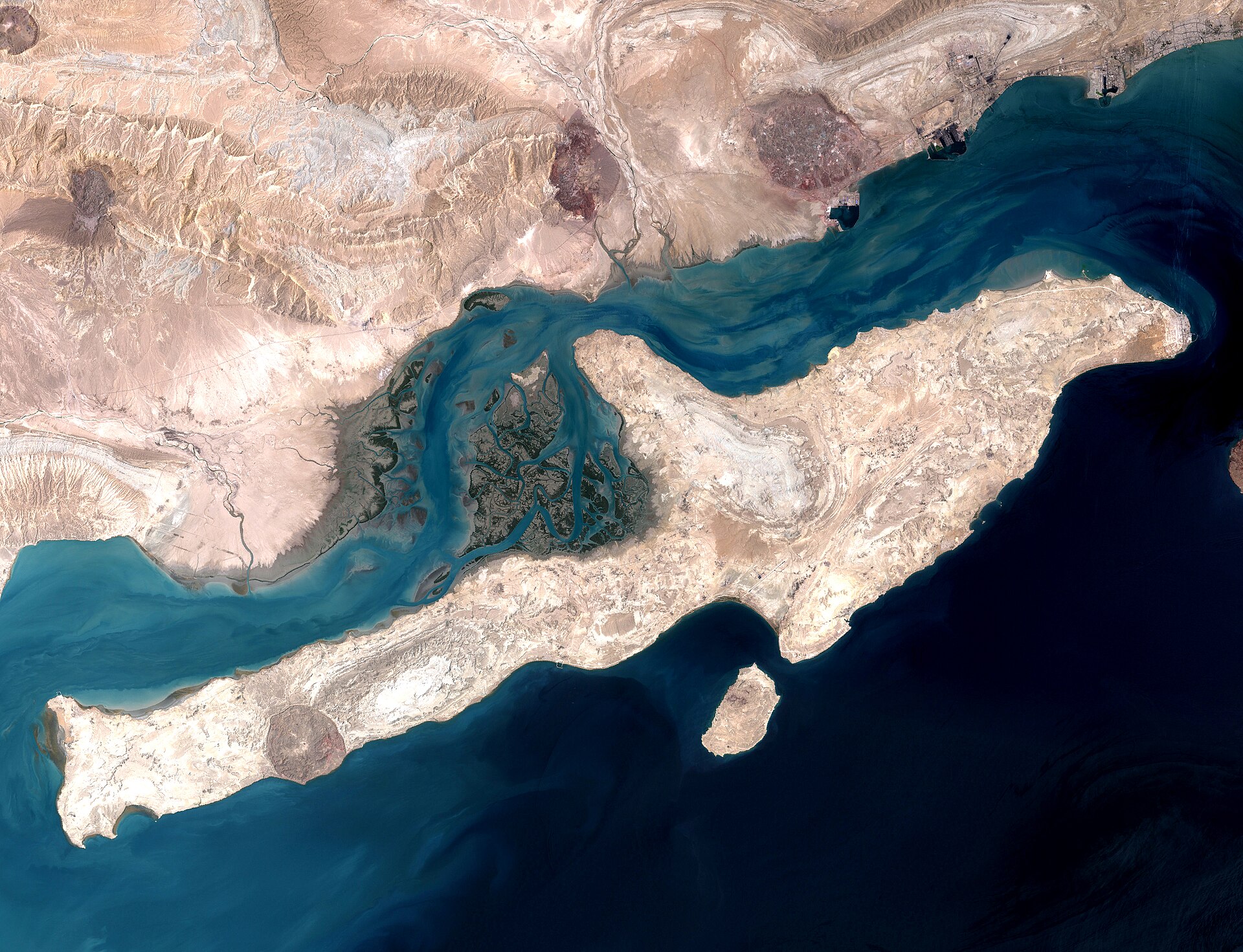
The PGSA collects approximately $1 per barrel from vessels transiting a five-nautical-mile corridor between Qeshm and Larak islands that lies entirely within Iranian-claimed territorial waters. Fees are payable in bitcoin or yuan — a payment infrastructure designed to operate outside the dollar system. A fully loaded VLCC transiting Hormuz can incur up to $2 million in PGSA fees alone, according to Windward.ai and Crypto Briefing reporting.
Deputy Foreign Minister Gharibabadi made the taxonomy explicit on June 5, telling Mehr News Agency that Tehran “is not seeking to collect tolls, transit tariffs, or transit permit fees.” What Iran seeks, he said, is compensation for “navigational assistance, search and rescue operations, security and safety services, and environmental clean-up efforts.” Baghaei had previewed this language on May 25, telling Euronews the fees cover “navigational services in addition to measures necessary to protect the environment of the Strait of Hormuz, the Persian Gulf and the Sea of Oman.”
The consistency across three senior Iranian officials — the foreign minister, the deputy foreign minister, and the ministry spokesman — spanning three weeks of public statements is a coordinated legal position. It maps precisely onto the categories Iran’s parliament legislated into domestic law on March 30–31.
Does the MOU’s ‘Toll’ Ban Cover Iran’s Service Fee Regime?
No. The eight-point MOU draft published by Al Arabiya prohibits “tolls” on Hormuz passage but does not mention “service fees,” “navigational charges,” or “environmental levies.” Iran has formally classified its Hormuz charges under all three of the latter categories. The prohibition applies to a word Iran’s own government says does not describe what it is doing.
Iran’s entire public legal architecture — from the parliamentary vote through the PGSA’s establishment to Araghchi’s June 14 statement — has been built around a single terminological distinction: what Iran collects at Hormuz is payment for services rendered, not a levy on the act of passage. The MOU’s prohibition targets only the latter. That terminological gap meant each party was reading the same document as a different agreement: why the MOU text’s silence on fees made the deal unimplementable.
The word “toll” in international maritime law carries a specific connotation: a charge imposed solely by reason of passage through a strait or waterway. UNCLOS Article 42(2) explicitly prohibits coastal states bordering straits from imposing “any discrimination in form or in fact” against foreign ships, and fees that function as passage charges violate that prohibition. Iran’s strategy has been to ensure its Hormuz charges never formally qualify as passage charges — regardless of how they function in practice.
Tasnim, the IRGC-affiliated news agency, confirmed the “service fees” language as IRGC-sanctioned policy, not merely foreign ministry framing. The military institution that enforces the fee regime in the strait has endorsed the same terminology the diplomatic apparatus is writing into the MOU.
A fee regime premised on bordering-state discretion to screen, price, and selectively deny passage would transform a legal right of passage into a purchased license.
Just Security
The MOU’s “toll” prohibition does not prevent that transformation, because the transformation is being conducted under a name the prohibition does not use.
The UNCLOS Ambiguity Iran Is Exploiting
UNCLOS Article 26(2) permits coastal states to levy charges “upon a foreign ship passing through the territorial sea as payment for specific services rendered to the ship.” The charges must be applied “without discrimination.” The word “specific” is load-bearing.
Iran’s PGSA collects a blanket per-barrel fee from every transiting vessel. The fee is not calculated based on services individually rendered to each ship — it is a flat rate applied to cargo volume. Whether a blanket per-barrel charge qualifies as payment for “specific services rendered” rather than a disguised passage fee is the legal question Iran’s framework is designed to avoid testing in any tribunal.
Alexander Lott, writing in EJIL: Talk! in March 2026, identified a more fundamental ambiguity. He acknowledged “genuine uncertainty about whether UNCLOS transit passage has fully crystallised as customary international law binding on non-parties.” Iran has not ratified UNCLOS. If transit passage rights are treaty obligations rather than customary international law, Iran may invoke the persistent objector doctrine — the argument that a state which has consistently refused to accept a norm is not bound by it.
Araghchi’s sovereignty assertion — “there are no international waters there” — is the operational application of this legal position. If the Hormuz corridor is entirely Iranian and Omani territorial sea rather than an international strait, the UNCLOS transit passage regime under Articles 37–44 does not apply. The less restrictive innocent passage regime under Articles 17–32 would govern instead, and Article 26(2)’s service charge permission would apply directly.
No international court or tribunal has ruled on whether Iran can impose fees on Hormuz transit. No state has formally challenged the PGSA’s fee regime through UNCLOS dispute resolution mechanisms. The legal architecture Iran is building operates in a space where the rules are genuinely contested — and where Iran’s advantage is the absence of adjudication.
What Is Saudi Arabia’s Financial Exposure at the Strait?
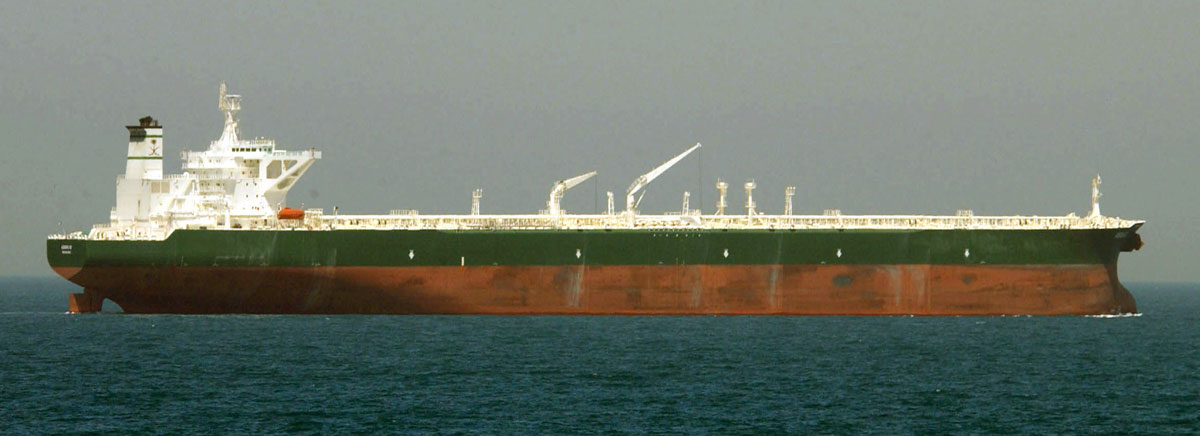
At the PGSA’s reported rate of approximately $1 per barrel, Saudi Arabia’s 5.5 million barrels per day implies a daily fee liability of $5.5 million — roughly $2 billion per year — at pre-war shipping volumes.
| Component | January 2026 (Baseline) | June 2026 (Current) | Source |
|---|---|---|---|
| PGSA fee per VLCC | $0 (not established) | Up to $2M | Maritime Executive, Crypto Briefing |
| War-risk insurance (% hull value) | ~0.125% | ~1.0% | hormuztoll.com |
| Daily Hormuz vessel transits | 130–140 | ~2 | Straits.live |
| Saudi crude through Hormuz (bpd) | ~5.5M | Near zero | IEA |
| Implied Saudi daily fee liability (at pre-war volumes) | $0 | $5.5M | Calculated at $1/bbl |
| Total incremental VLCC cost per transit | Baseline | +$6–10M | hormuztoll.com |
The near-total shutdown of commercial shipping through the strait — from 130–140 daily vessel transits to approximately two — means Saudi Arabia’s actual fee exposure is currently theoretical. But the MOU is supposed to reopen the strait. If it does, the fee regime is already in place, already staffed, already collecting.
Iran grants priority passage to India and other preferred-relationship states. Saudi Arabia is not on that list. The fee regime is non-discriminatory in its formal structure — UNCLOS Article 26(2) requires as much — but the PGSA’s application protocol requires vessels to submit IMO numbers, cargo manifests, crew details, ownership information, and destination data. Selective enforcement against specific flag states or cargo origins is operationally possible within a system that claims to treat all vessels equally.
The PGSA’s enabling legislation specifies no rate cap. The $1-per-barrel figure reported by maritime tracking firms is the current rate, not a ceiling. Saudi Arabia’s concurrent financial pressures — including Aramco’s Q1 free cash flow falling below its quarterly dividend obligation for the first time since the pandemic — leave limited fiscal room to absorb an open-ended fee liability on top of the $18–23 per barrel gap between Brent and the kingdom’s fiscal breakeven.
The OFAC Double Bind
OFAC sanctioned the PGSA on May 27, 2026. The PGSA continued operating.
The sanctions create a compliance paradox for every shipping firm that will eventually need to transit Hormuz. Paying PGSA fees may constitute providing economic resources to a sanctioned entity — a potential OFAC violation. Declining to pay invites IRGC interdiction in the strait. Lexology’s analysis of the Hormuz fee regime identified this as a structural double bind: compliance with Iran’s fee system means potential US sanctions exposure; OFAC compliance means operational risk in Iranian-claimed waters.
The MOU is supposed to resolve this kind of friction. But the MOU’s “toll” prohibition does not address the underlying OFAC designation. If the MOU enters force and Hormuz reopens to commercial traffic, shipping firms will face a sanctioned entity collecting fees the MOU does not prohibit under a name the MOU does not use. Unless the OFAC designation is modified to accommodate the MOU’s terms, or the MOU explicitly requires the PGSA’s dissolution — and nothing in the published draft suggests either — the double bind survives the deal.
The PGSA’s payment infrastructure was built for this scenario. Bitcoin and yuan are the accepted currencies — channels that operate outside the dollar-denominated financial system OFAC’s enforcement depends on. The architecture anticipated sanctions and routed around them before the sanctions arrived.
For shipping firms planning to resume Hormuz transits after the MOU enters force, the practical question is binary. Pay the PGSA and risk an OFAC enforcement action. Refuse the PGSA and risk an IRGC interdiction in waters where two vessels transit daily and the nearest US naval escort may be hours away. The MOU that is supposed to normalize passage through the strait has not addressed the entity that controls it.
Why Has No Other International Strait Imposed Transit Fees?
No international strait currently governed by UNCLOS Part III transit passage rules imposes fees on commercial shipping. The Malacca Strait — governed by the same legal framework as Hormuz — handles approximately 94,000 vessel transits per year. Indonesia, Malaysia, and Singapore have expressly declined to charge for passage. Iran’s PGSA fee model has no operational precedent among the world’s major shipping corridors.
The comparison Iran prefers is not Malacca but Suez and Panama — artificial waterways that charge passage fees. Both are canals, not natural straits. Their fee regimes derive from bilateral treaties governing constructed infrastructure, not from UNCLOS provisions governing natural waterways. The legal analogy fails on the distinction between built and natural passages.
The closer historical comparison Iran invokes is the Montreux Convention governing the Turkish Straits — a bilateral management regime Turkey has administered since 1936. But Montreux was negotiated as a multilateral treaty with major-power signatories. Iran’s Hormuz regime is unilateral legislation presented as bilateral through the Iran-Oman talks, with no multilateral negotiation and no treaty basis.
The absence of precedent is itself the strategy. With no prior ruling establishing that a natural-strait fee regime violates UNCLOS, and with Iran not a party to UNCLOS, the burden of challenging the system falls on states willing to bring a case to an international tribunal. As of June 14, 2026, no state has done so. The state with the largest financial incentive to challenge it — Saudi Arabia, at $2 billion per year in implied fee liability — has not publicly acknowledged the regime’s existence.
The Iran-Oman Bilateral Track
Iran and Oman are drafting a joint Hormuz navigation protocol in expert-level talks in Muscat. Under the proposed framework, both states would jointly administer transit through the strait, including the collection of service fees. Oman’s participation gives the mechanism something Iran cannot achieve unilaterally: regional legitimacy.
The Qeshm-Larak corridor where the PGSA currently operates lies within waters Iran claims. But the strait’s navigable channels also pass through waters Oman claims. A bilateral administration framework would transform the fee regime from a unilateral Iranian action — vulnerable to characterization as extortion — into a joint coastal-state management system. This is the kind of arrangement UNCLOS Article 43 envisions when it calls for “co-operation” between bordering states and user states regarding “navigational and safety aids” and “prevention of pollution.”
The difference between what Article 43 envisions and what the Iran-Oman talks are producing is the word “fees.” Article 43 calls for cooperation on services. It does not authorize bordering states to charge for them. Iran’s legal position treats the provision of services as creating an entitlement to compensation — a reading that no international tribunal has endorsed or rejected.
If the Iran-Oman protocol is finalized before the MOU’s sixty-day phase two begins, the fee regime will enter the next negotiating phase with bilateral legitimacy, institutional infrastructure, domestic legal codification in Iranian law, and the personal endorsement of Iran’s foreign minister. The MOU’s “toll” prohibition will confront not an Iranian proposal but an operational binational institution. How the MOU’s drafting created that opening — and what Saudi Arabia’s endorsement of it means for Riyadh’s transit exposure — is documented in The MOU Banned Tolls and Built the Fee Collector.
Twenty-Five Days Without a Statement
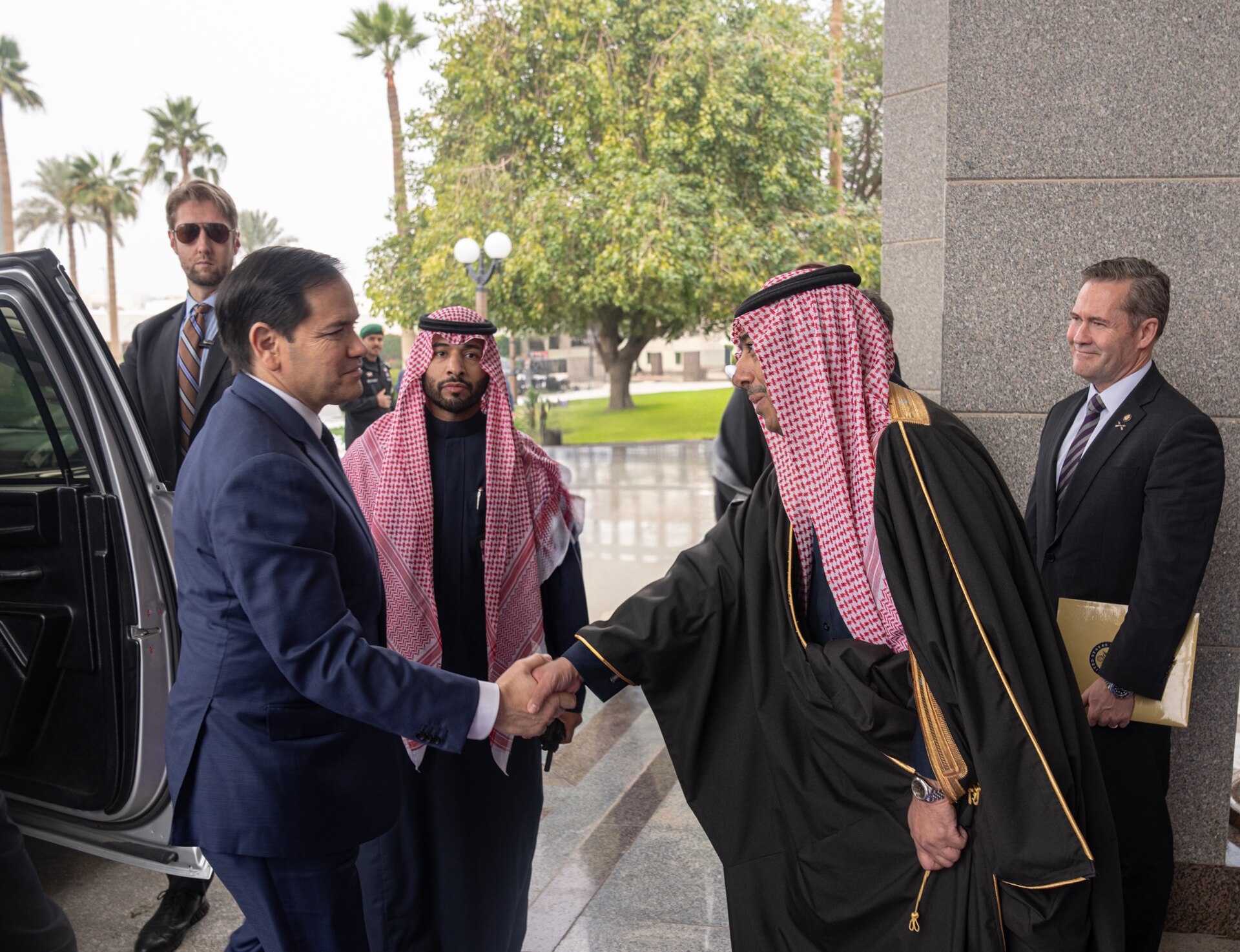
Saudi Arabia’s last independent public statement on Iran-related diplomacy was issued on May 20, 2026, at the EU Gymnich informal foreign ministers’ meeting. In the twenty-five days since, the kingdom has been named as one of twelve “approvers” of the MOU by President Trump, has watched its Hormuz shipping exposure become the subject of a formal Iranian fee regime, and has seen its foreign minister’s name attached to the deal exclusively through third-party reporting — never through MOFA’s own channels.
The Saudi Press Agency has reported on FM Prince Faisal bin Farhan’s bilateral meetings during this period. None of those readouts addressed the MOU, Hormuz fees, or the PGSA. The silence extends across every institutional channel: MOFA, SPA, the Royal Court, and the Saudi permanent missions to the UN and international organizations. That silence persisted even after the EU acted on June 8, designating the entities operating Iran’s Hormuz fee-collection apparatus — a development with direct legal consequences for the PGSA’s EU-flagged counterparties and the Saudi barrels they carry.
Saudi Arabia is excluded from all three mediation tracks that produced the MOU — the Pakistan channel, the Oman channel, and the Qatar channel. It is excluded from the Iran-Oman bilateral talks that will determine the fee regime’s future structure. It holds no seat in the sixty-day phase two that is supposed to address nuclear terms. Its only formal role in the process is the word “approver” in a Truth Social post.
The kingdom’s East-West pipeline — the Petroline, with a capacity of approximately 5 million barrels per day — offers a partial Hormuz bypass. But the pipeline terminates at Yanbu on the Red Sea, which routes tankers through the Bab el-Mandeb strait, itself subject to Houthi disruption. The alternative to one chokepoint governed by an Iranian fee regime is a different chokepoint governed by an Iranian proxy.
On June 14, as the MOU’s signing ceremony failed to materialize and Araghchi declared service fee collection a condition of the deal Saudi Arabia is expected to approve, MOFA’s public output consisted of routine bilateral readouts. The country with the largest financial exposure to Hormuz transit fees has said nothing about the regime that will collect them.
Frequently Asked Questions
How do vessels currently pay PGSA fees?
Vessels must submit an application to the PGSA including their IMO number, cargo manifest, crew details, full ownership chain, and destination port. The PGSA issues a transit authorization upon receipt of payment. Accepted currencies are bitcoin and Chinese yuan — no dollar-denominated payments are processed through the system. The PGSA’s registered contact is info@PGSA.ir. The payment and application infrastructure was operational before OFAC sanctioned the entity on May 27, 2026, and has continued functioning without interruption since the designation.
Does India receive preferential treatment under the PGSA fee regime?
Iran grants “priority passage” to India and certain other states with bilateral energy relationships. Indian-flagged and Indian-destined vessels receive expedited processing in the Qeshm-Larak corridor, according to WION News reporting from 2026. Iraq and Pakistan have also been reported as exempt from standard PGSA fee schedules. Whether “priority passage” includes fee reductions, waivers, or simply faster processing has not been confirmed by either the Indian or Iranian government. Saudi Arabia, despite being the largest single-country source of Hormuz crude transit volume, is not on any published priority list.
Has Qatar accepted the principle of Hormuz transit fees?
Qatar’s Deputy Prime Minister Sheikh Saoud bin Abdulrahman Al Thani stated at the Shangri-La Dialogue defense conference in Singapore on May 30, 2026 that “a permanent fee would impact consumers and Qatar objects to any move to impose them.” He then added that “short-term charges used for mine clearing or similar purposes can be considered.” The distinction between permanent and temporary creates a negotiating lane: purpose-limited, time-bound fees may be acceptable where permanent ones are not. Qatar extended a $6 billion credit line to Iran on May 25, 2026 — five days before Al Thani’s Singapore statement — complicating its credibility as an objector to Iranian revenue-generating mechanisms at Hormuz.
Could Iran’s fee regime be challenged at an international tribunal?
In theory, any UNCLOS state party could initiate dispute resolution proceedings regarding the PGSA’s legality. In practice, Iran has not ratified UNCLOS, which creates jurisdictional complications that no prior case has resolved. Alexander Lott’s EJIL: Talk! analysis identified “genuine uncertainty” about whether transit passage rights constitute customary international law binding on non-parties — the threshold question any challenge would need to answer before reaching the merits. Iran could invoke the persistent objector doctrine, arguing it has consistently rejected transit passage obligations since UNCLOS entered force in 1994. That defense has never been tested in a strait-passage context. The International Tribunal for the Law of the Sea has no compulsory jurisdiction over non-parties.
What is the total incremental cost of a single Hormuz transit in 2026?
According to hormuztoll.com data from April 2026, the full incremental cost of a loaded VLCC transiting Hormuz — stacking the PGSA fee, war-risk insurance, freight surcharges, and transit delays — runs $6 to $10 million per voyage above the January 2026 baseline. War-risk insurance alone accounts for a large share: on a VLCC valued at $120–150 million, premiums have risen from approximately $150,000–$187,500 per voyage (at 0.125 percent of hull value) to $1.2–1.5 million (at 1 percent), an eightfold increase. The PGSA fee of up to $2 million per VLCC is additive to these insurance costs. Freight rate adjustments and convoy-related delays at the strait’s remaining navigable corridor account for the balance. The cost calculations above assumed a strait that vessels could legally enter. On June 14, the scheduled MOU signing day, the IRGC broadcast “completely closed” directly to ship captains via maritime radio, ordering all vessels to “absolutely refrain from any movement” — a transmission that preceded any diplomatic statement from either side.