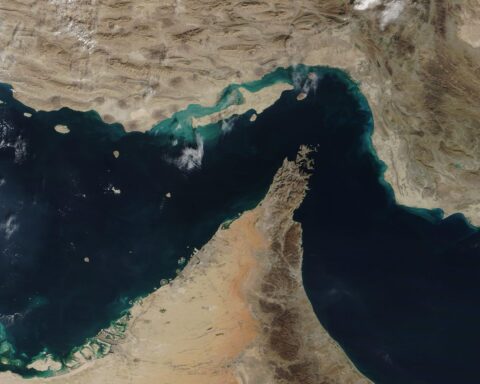
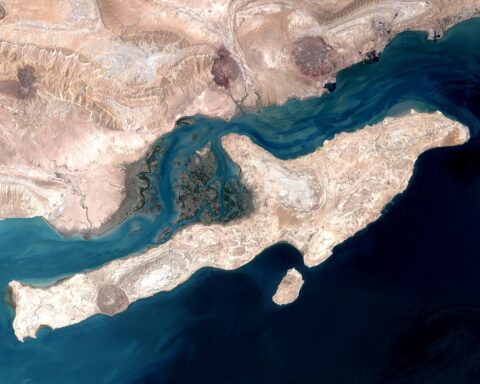
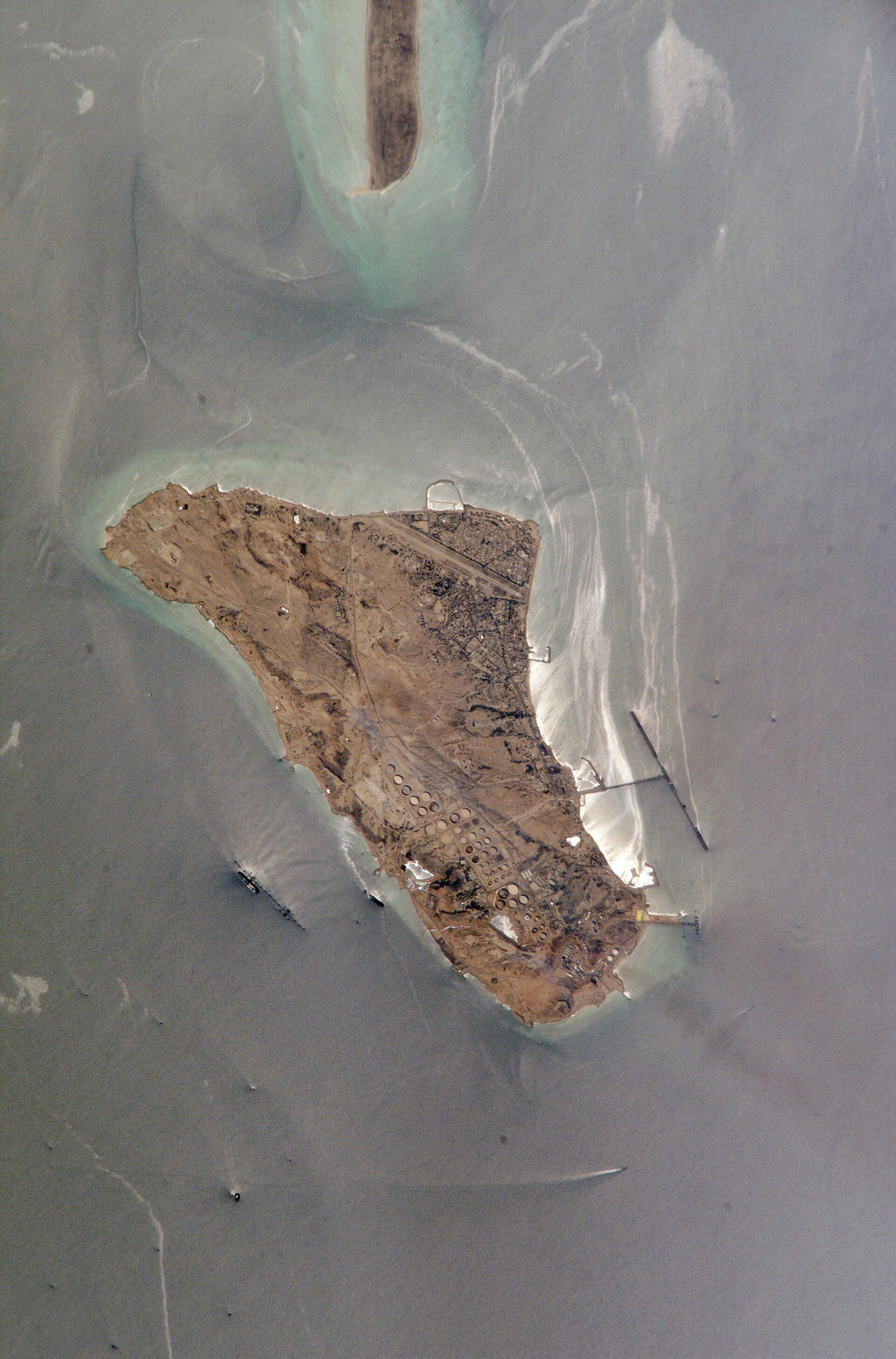
DHAHRAN — The United States Navy disabled a tanker bound for Iran’s principal oil terminal on July 15, firing AGM-114 Hellfire missiles into the smokestack of the Curacao-flagged M/T Belma as it approached Kharg Island. Saudi Arabia — whose foreign minister has spent four months insisting on the restoration of Hormuz freedom of navigation — said nothing. The silence is not incidental. It is the sound of a pricing strategy that only works if the blockade holds.
Seven days elapsed between Iran’s resumption of attacks on commercial shipping and CENTCOM’s shift from traffic redirection to kinetic interdiction. In those same seven days, Aramco’s August Official Selling Price landed at $1.50 per barrel below the Oman/Dubai average — an $11 cut from the prior month, the steepest single-month reduction since at least 2003, and the lowest Asian benchmark since June 2020. The two events are not parallel developments. They are the same policy, viewed from different angles.
Table of Contents
- The Belma Interdiction: Hellfire as Enforcement
- Why Has Riyadh Said Nothing About a Blockade in Its Own Waters?
- The $11 Discount: What Does the Largest OSP Cut Since 2003 Signal?
- How Does the Shadow Fleet’s Elimination Benefit Aramco?
- The Yanbu Bottleneck and the Pipeline That Cannot Replace Hormuz
- Breakeven at $86.60 and Brent Below $89
- The Volume Strategy: OPEC+ Quotas Meet Market Reality
- What Happens When No Laden Iranian Tanker Can Depart?
- Frequently Asked Questions
The Belma Interdiction: Hellfire as Enforcement
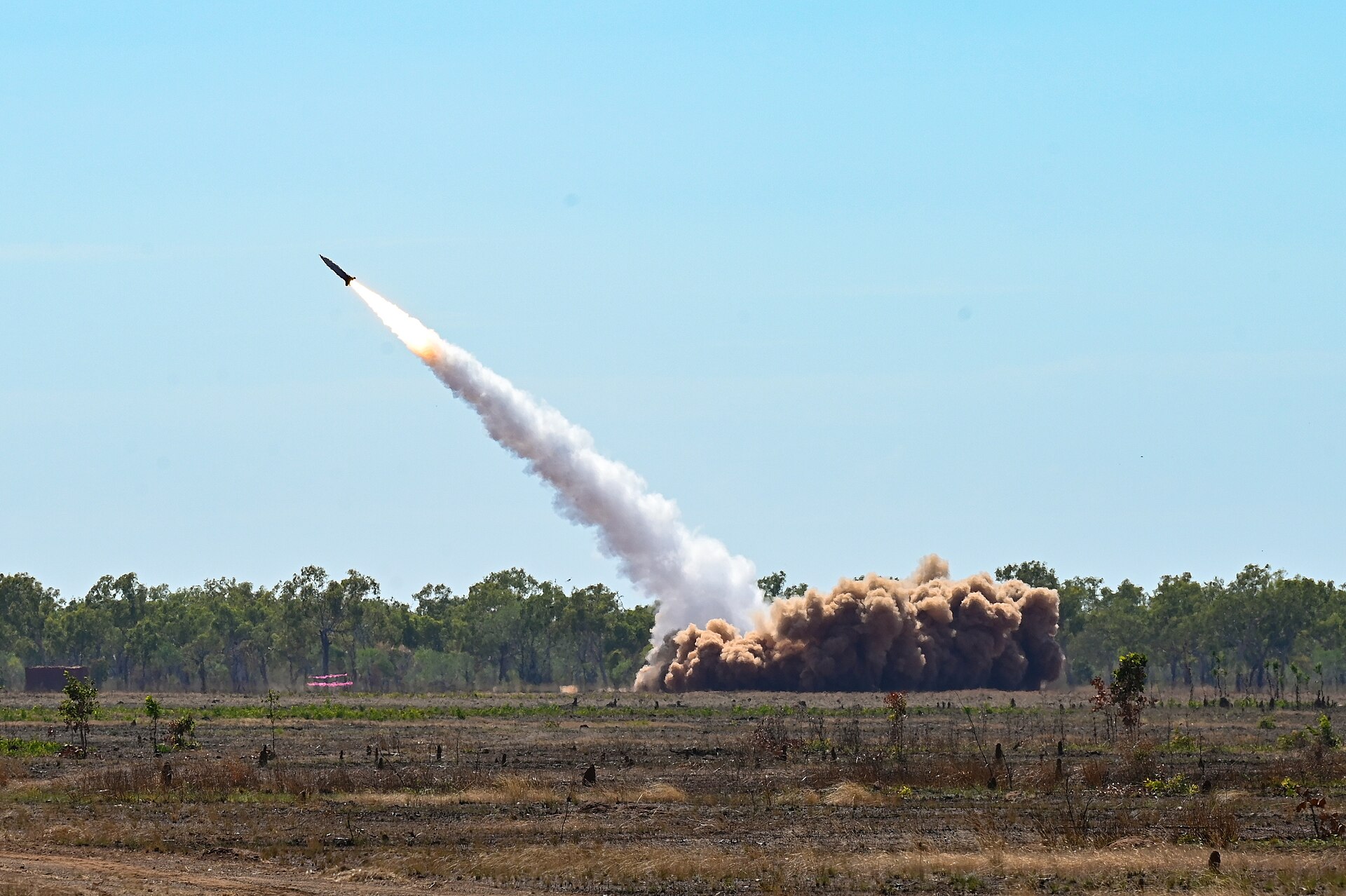
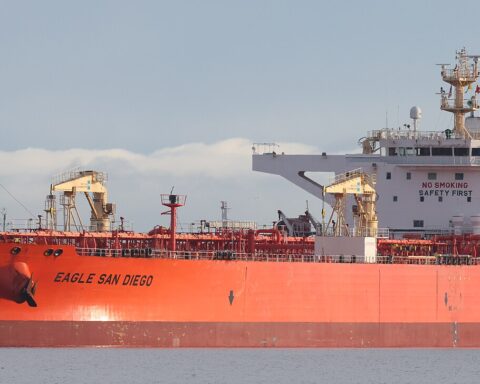
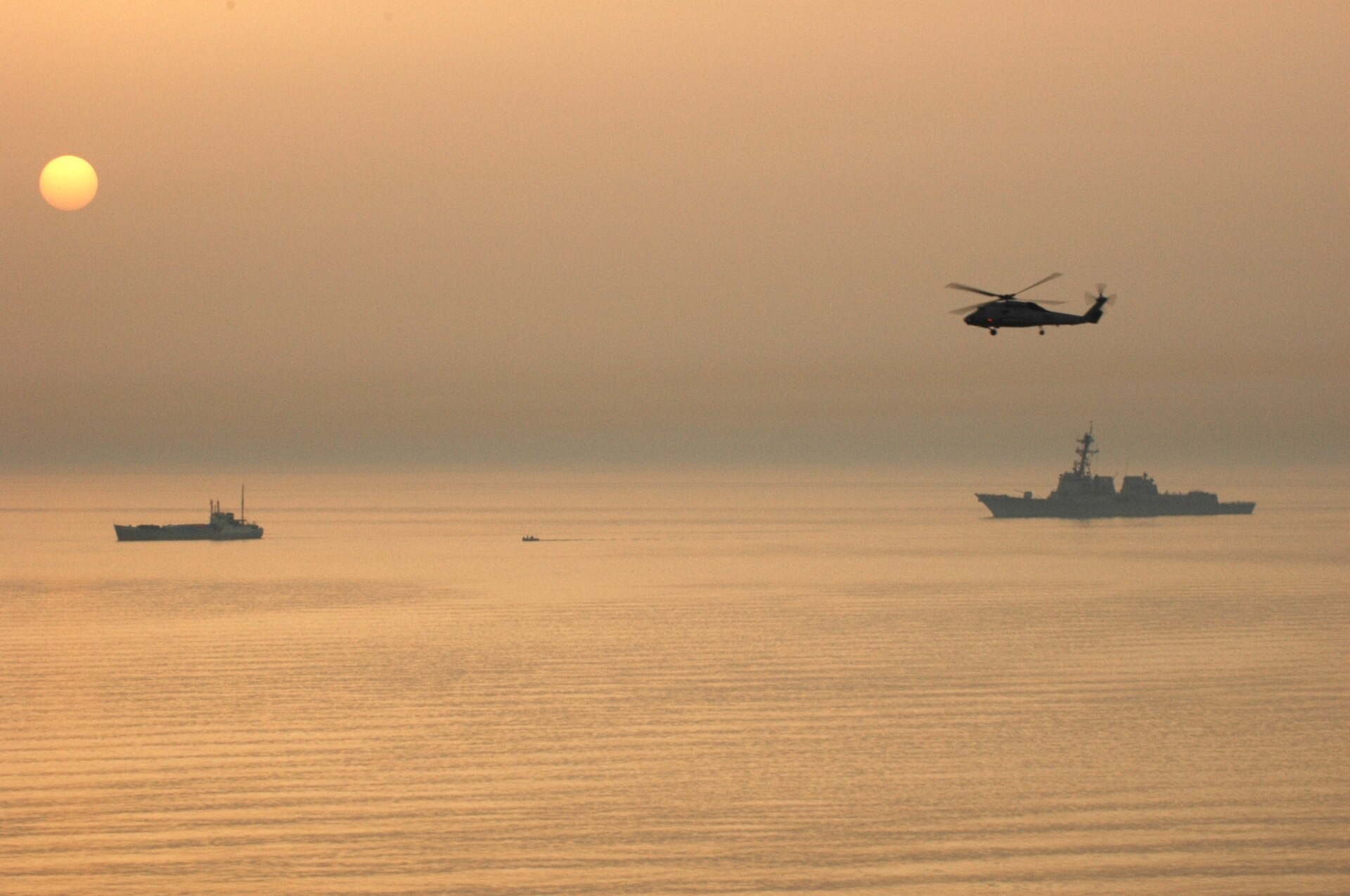
CENTCOM’s official statement was concise to the point of bureaucratic poetry: “U.S. Central Command forces observed Curacao-flagged M/T Belma transiting international waters toward Kharg Island. The commercial vessel ignored multiple warnings as it attempted to violate the U.S. blockade. A U.S. aircraft disabled the vessel after firing hellfire missiles into the ship’s smokestack.” The vessel — a 333-metre VLCC built at Daewoo Shipbuilding in 2005, carrying 299,988 deadweight tonnes of nothing — was unladen at the time. It was sailing toward Kharg to load, not away from it carrying crude.
The Belma’s corporate genealogy traces a familiar route through the sanctions-evasion apparatus. Registered to Villeta Services Inc of Sharjah, managed by Max Maritime Solutions FZE — itself sanctioned by OFAC in October 2024 for facilitating ship-to-ship transfers on behalf of the National Iranian Tanker Company — the vessel had cycled through four prior names since 2019 — Aquarius Voyager, Maran Aquarius, Leonor, Bendigo — before arriving at Belma. Each renaming corresponded to a change in beneficial ownership or flag designed to evade vessel-specific sanctions. The pattern is standard for the Iranian dark fleet. What is not standard is receiving a Hellfire missile for following it.
The operational distinction matters. During the first iteration of the blockade — imposed February 28, 2026, alongside the US-Israel air campaign — CENTCOM relied on warnings, electronic warfare, and physical positioning to redirect non-compliant vessels. Boarding and seizure under prize law remained theoretical. The Belma incident marks a qualitative shift: physical disablement without boarding, imposing direct financial cost on the vessel owner (a $50-80 million asset rendered immobile), while avoiding the legal complexity of seizure, crew detention, or cargo adjudication. The smokestack targeting — disabling propulsion without breaching the hull or risking environmental discharge — suggests rehearsed rules of engagement, not improvisation.
In the first twenty-four hours of the reimposed blockade, CENTCOM redirected two compliant vessels and disabled one non-compliant one. The ratio — two-thirds compliance, one-third kinetic enforcement — will not hold. The shadow fleet that serviced Iranian exports before the June 17 MOU constituted roughly eighty percent of tracked Hormuz transits, according to Lloyd’s List Intelligence, carrying an estimated 2.5 to 3 million barrels per day of combined Russian and Iranian crude. Those operators now face a binary choice: comply with redirect orders, or absorb the loss of a vessel worth more than any single cargo it might load at Kharg.
The Middle East briefing 3,000+ readers start their day with.
One email. Every weekday morning. Free.
Why Has Riyadh Said Nothing About a Blockade in Its Own Waters?
Foreign Minister Prince Faisal bin Farhan’s most recent public framing of the conflict calls for restoring “the security and freedom of maritime in the Strait of Hormuz to its state prior to 28 February 2026.” The formula is exquisitely calibrated. It endorses the outcome — open shipping lanes — without endorsing the method. It does not name the blockade. It does not condemn it. It does not acknowledge that CENTCOM is conducting kinetic operations in waters through which Saudi Arabia exported 34 million barrels in the two weeks following the June 17 MOU — more than double the 15 million barrels shipped during the prior three-month closure.
When Iran struck the Saudi-flagged Wedyan supertanker (operated by national shipping firm Bahri) in early July, Riyadh’s response was immediate: the Kingdom “holds Iran fully responsible.” That statement established the baseline. The Belma — interdicted by Saudi Arabia’s principal security guarantor, in waters adjacent to Saudi export routes, under a blockade that reshapes the Kingdom’s competitive position — received no equivalent statement. No condemnation. No “deep concern.” No reference to international maritime law, which the Kingdom has historically invoked with precision when Iranian activities threaten its shipping.
The absence of comment is not diplomatic discretion. It is structural complicity. The blockade eliminates Iran’s 1.5 million barrels per day from the global supply pool — barrels that competed directly with Arab Light in the Asian spot market. It simultaneously eliminates the Russian dark-fleet volumes, estimated at 1 to 1.5 million barrels per day, that had captured roughly forty percent of Indian crude imports by undercutting Saudi pricing. The combined removal of 2.5 to 3 million barrels per day from the market accessible to Asian refiners creates exactly the supply vacuum that Aramco’s $11 OSP cut is designed to fill.
The $11 Discount: What Does the Largest OSP Cut Since 2003 Signal?
Aramco’s August Official Selling Price for Arab Light crude delivered to Asia fell to $1.50 per barrel below the Oman/Dubai average. In the prior month, the same grade carried a premium of $9.50 per barrel above the benchmark. The net swing: $11 per barrel in a single monthly adjustment — a compression that, measured from May’s record premium of $19.50 per barrel, represents a $21 collapse in realized pricing within three months. The August OSP is the lowest since June 2020, when Saudi Arabia was engaged in a volume war with Russia during a global demand collapse.
The cuts were not Asia-specific. Aramco reduced the Arab Light OSP for Northwest Europe by $15 per barrel and for the United States by $8 per barrel — a global repricing that rules out the standard explanation of regional demand softness. When a producer cuts pricing across all destination markets simultaneously, the signal is volume acquisition, not demand accommodation.
A discount of this magnitude makes sense under precisely one assumption: that the supply disruption is durable enough to justify sacrificing per-barrel revenue in exchange for customer lock-in. Asian refiners operating long-term contracts — the JCCs in Japan, the term-lift arrangements with Indian Oil Corporation and Reliance — respond to consecutive months of competitive pricing by increasing nominated volumes within their contractual flex bands. Once those nominations shift toward Saudi crude, reversing the allocation requires the kind of supply security that neither Iran nor Russia can currently guarantee.
| Month | Arab Light OSP (Asia, vs Oman/Dubai) | Brent (approx.) | Context |
|---|---|---|---|
| May 2026 | +$19.50/bbl premium | $92-95 | Peak premium; Hormuz partially closed |
| June 2026 | +$14.00/bbl premium | $90-92 | MOU signed June 17; blockade lifted |
| July 2026 | +$9.50/bbl premium | $88-90 | MOU confidence-building phase |
| August 2026 | -$1.50/bbl discount | $86-88 | Blockade reimposed July 14 |
The table reveals the strategy’s internal logic. As Brent declined from the mid-$90s to the mid-$80s — a consequence of demand destruction from the very disruption that elevated Saudi pricing power — Aramco did not defend margins. It accelerated the discount, crossing from premium to discount territory in a single month. The behaviour is consistent with a producer that has concluded the competitor elimination is structural, not cyclical, and is willing to sacrifice short-term revenue to consolidate the market share gains before any diplomatic resolution restores Iranian or Russian supply access.
How Does the Shadow Fleet’s Elimination Benefit Aramco?
United Against Nuclear Iran tracked sixty-three laden tankers departing the Gulf of Oman with Iranian oil and petrochemicals between the June 14 MOU announcement and the blockade’s reimposition on July 14 — approximately 77 million barrels generating an estimated $6 billion in IRGC revenue. Since July 14, zero laden Iranian tankers have departed. Twenty-one tankers were anchored east of Kharg Island as of July 10, ten of them laden. Those cargoes — roughly 20 million barrels at standard VLCC loadings — are stranded.
The shadow fleet’s pre-blockade composition tells the competitive story. Russian Urals crude had captured approximately forty percent of Indian refinery imports by undercutting Saudi Arab Light on a delivered-cost basis — a position enabled entirely by the shadow fleet’s willingness to operate without standard insurance, P&I coverage, or compliance with Western sanctions regimes.
The blockade’s reimposition eliminates both competitors simultaneously. Iran cannot load. Russia’s dark fleet — which shared the same transit corridors, the same ship-to-ship transfer zones east of Fujairah, and in several documented cases the same vessel management companies — faces the same interdiction risk. A Hellfire missile does not discriminate between an Iranian-origin cargo and a Russian-origin cargo transiting toward Kharg for STS operations. The CENTCOM enforcement zone, by targeting vessel movements rather than cargo nationality, creates a de facto exclusion of all non-compliant tonnage from the loading infrastructure that both Iran and Russia’s shadow fleet depended upon.
Aramco’s $11 OSP cut is the commercial instrument that converts this military exclusion into market share. An Indian refiner weighing a $3-per-barrel discount on Urals (delivered via a shadow vessel with no war-risk coverage, no P&I backing, and now no guarantee of physical safety) against a Saudi cargo arriving via Yanbu on an Aframax with full insurance and a $1.50 discount to benchmark faces no real choice. The blockade did not create Saudi Arabia’s competitive advantage. It removed the one class of competitor — unsanctioned, uninsured, and operating outside the rules-based system — that Aramco’s pricing discipline could not defeat commercially.
The Yanbu Bottleneck and the Pipeline That Cannot Replace Hormuz
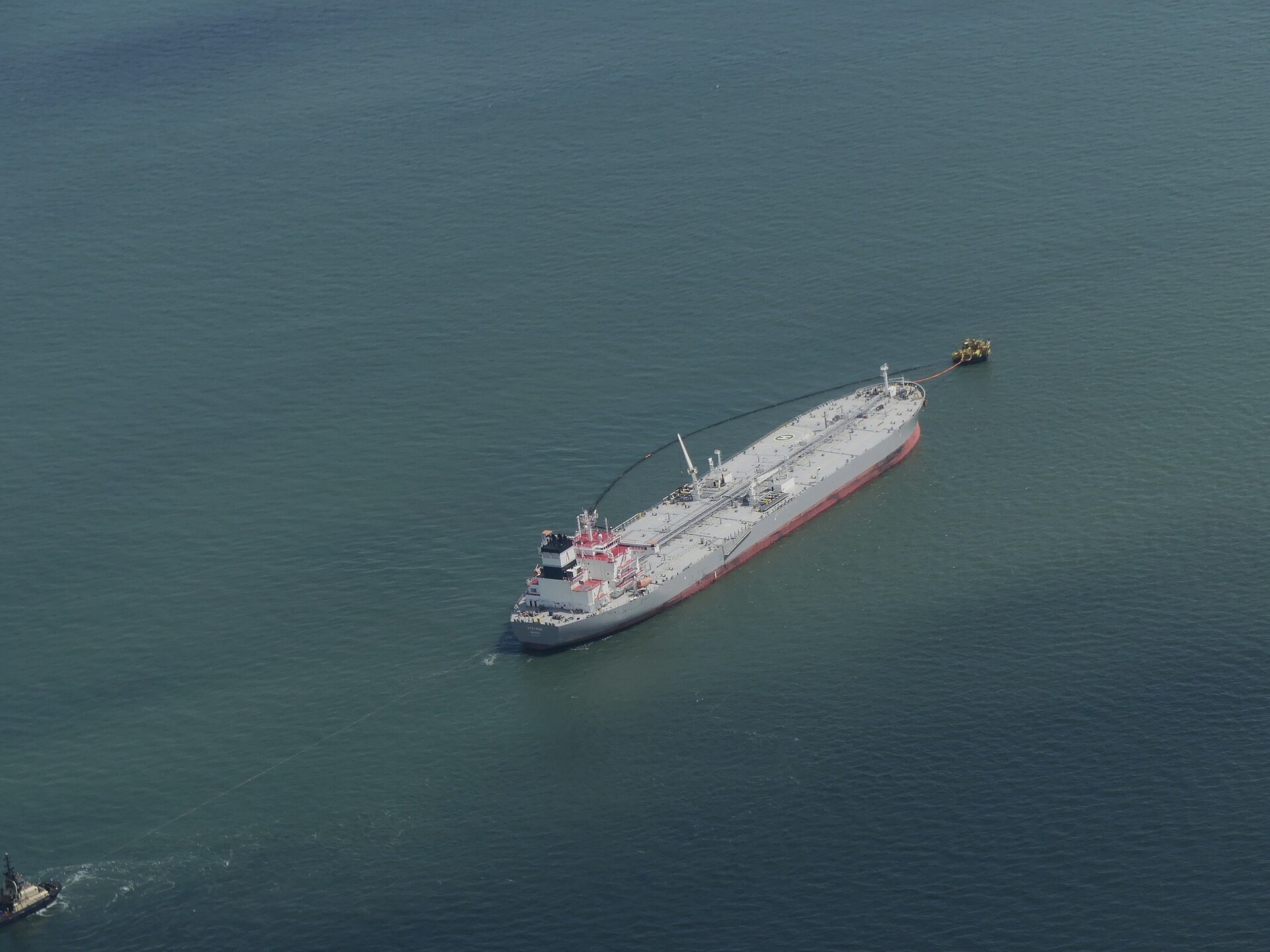
Saudi Arabia’s East-West Pipeline — the Petroline, running 1,200 kilometres from Abqaiq to Yanbu on the Red Sea coast — operates at its rated capacity of 7 million barrels per day. This figure appears in every assessment of Saudi resilience to Hormuz disruption. It is also misleading. Vortexa’s wartime estimate of Yanbu’s actual loading throughput is approximately 3 million barrels per day — a function not of pipeline hydraulics but of port infrastructure: berth availability, single-point mooring capacity, vessel draft limitations, and the practical ceiling on simultaneous VLCC loadings at a facility designed for supplementary rather than primary export operations.
The gap between pipeline capacity and port throughput — roughly 4 million barrels per day — represents crude that can reach the Red Sea coast but cannot board a vessel. Saudi production in April 2026 stood at 6.879 million barrels per day, well below the OPEC+ quota of 10.35 million barrels per day set for August. Even at current suppressed production levels, Yanbu alone cannot evacuate full Saudi output if Hormuz remains functionally closed to Saudi-flagged or Saudi-chartered vessels.
This constraint explains why Riyadh exported 34 million barrels through Hormuz in the two weeks following the June 17 MOU — racing to move volume through the strait while the diplomatic window held. It also explains the OSP cut’s urgency. If Yanbu represents the binding constraint on Saudi export capacity during Hormuz closures, then per-barrel revenue must compensate for volume limitations. A $1.50 discount that locks in maximum Yanbu-loadable volume at contracted rates is preferable to a $9.50 premium on barrels that cannot physically reach a customer’s refinery.
Breakeven at $86.60 and Brent Below $89
Saudi Arabia’s fiscal breakeven oil price stands at $86.60 per barrel for 2026, according to IMF estimates published in the April Regional Economic Outlook. Brent traded between $86.05 and $88.09 on July 17 — a range that places the Kingdom within $2 of deficit territory on a realized-price basis, and potentially below breakeven on an Arab Light netback basis given the $1.50 discount to benchmark.
Aramco’s first-quarter 2026 results quantified the pressure. Free cash flow reached $18.6 billion against a quarterly dividend obligation of $21.89 billion — a coverage ratio of 0.85x. The company drew on cash reserves, which stood at $53.3 billion at quarter-end, to meet shareholder distributions. At Q1 burn rates, the cash buffer supports approximately two quarters of dividend payments without external funding. The special dividend — variable and nominally performance-linked — has already been reduced to zero for 2026.
The fiscal arithmetic creates an apparent contradiction with the OSP cut. A producer operating below its fiscal breakeven, with free cash flow insufficient to cover dividends, should logically be defending per-barrel margins rather than sacrificing them for volume. The resolution lies in the production constraint: Saudi Arabia produced 6.879 million barrels per day in April against a quota ceiling of 10.35 million. The Kingdom has 3.47 million barrels per day of spare capacity — but only if it can find buyers willing to take delivery via Yanbu or through a Hormuz corridor that currently averages seven transits per day.
| Metric | Value | Source |
|---|---|---|
| Saudi fiscal breakeven (2026) | $86.60/bbl | IMF REO, April 2026 |
| Brent (July 17) | $86.05–$88.09 | ICE Futures |
| Aramco Q1 2026 FCF | $18.6 billion | Aramco quarterly report |
| Aramco Q1 2026 dividend | $21.89 billion | Aramco quarterly report |
| Cash reserves (Q1 end) | $53.3 billion | Aramco quarterly report |
| April production | 6.879 million bpd | OPEC MOMR |
| August quota | 10.35 million bpd | OPEC+ JMMC, July 6 |
| Spare capacity | ~3.47 million bpd | Calculated |
The discount-for-volume trade makes mathematical sense only if Riyadh expects to ramp production significantly in the months ahead — exploiting the blockade-created supply vacuum to place incremental barrels with Asian refiners at a slight discount rather than holding back production at a premium no buyer will pay when Saudi crude cannot reliably transit Hormuz. The fifth consecutive OPEC+ monthly increase of 188,000 barrels per day, approved July 6, reinforces the interpretation: the Kingdom is preparing the quota architecture for a production surge that the OSP cut is designed to pre-sell.
The Volume Strategy: OPEC+ Quotas Meet Market Reality
OPEC+ approved its fifth consecutive monthly output increase on July 6, raising Saudi Arabia’s production ceiling by 188,000 barrels per day to 10.35 million barrels per day for August. The gap between this ceiling and April’s actual production of 6.879 million barrels per day is 3.47 million barrels per day — the largest Saudi spare-capacity cushion since the demand collapse of 2020, and a volume that, at August’s discounted OSP, represents approximately $300 million per day in potential revenue at current Brent levels.
The quota increases were approved the same day Aramco released the August OSP. The coordination is not coincidental. A rising production ceiling paired with a declining selling price constitutes a textbook market-share offensive — the same playbook Riyadh deployed against US shale in 2014-2016 and against Russia in March 2020. In both prior episodes, the trigger was a competitor’s refusal to constrain output within agreed limits. In this instance, the “competitor” is not a fellow OPEC+ member. It is the shadow fleet that circumvented sanctions regimes to deliver undercutting supply to Aramco’s core Asian customers.
The blockade provides what the 2014 and 2020 episodes lacked: a physical enforcement mechanism that Saudi Arabia did not have to fund, operate, or publicly endorse. CENTCOM bears the operational cost, the legal exposure, and the diplomatic friction. Riyadh contributes silence — and collects the commercial benefit of a competitor-free market in which its pricing discipline, rather than being undercut by sanctioned barrels sold at $8-12 discounts, becomes the floor that refiners accept for supply security.
“The Americans are drawing closer by the moment to the zero hour of an operation by Iran’s Armed Forces against Centcom naval units in the region’s waters.”
— IRGC Navy Command, July 2026
The IRGC’s threat — directed at CENTCOM’s naval presence — inadvertently clarifies the Saudi position. If Iran retaliates against the blockade’s enforcement, the escalation draws further US military commitment to the theatre, further constraining Iranian export capacity, further benefiting Saudi market share. Riyadh’s silence is not passivity. It is a bet that the blockade either holds (eliminating competitors) or provokes Iranian escalation (deepening the US commitment that eliminates competitors). Both outcomes serve the same pricing strategy.
Iran’s broader enforcement architecture — which charges commercial operators $1–2 million per Hormuz transit through the Persian Gulf Strait Authority while maintaining the strait’s nominal openness — is examined in detail in Iran Kept Hormuz Open — at Two Million a Ship.
What Happens When No Laden Iranian Tanker Can Depart?
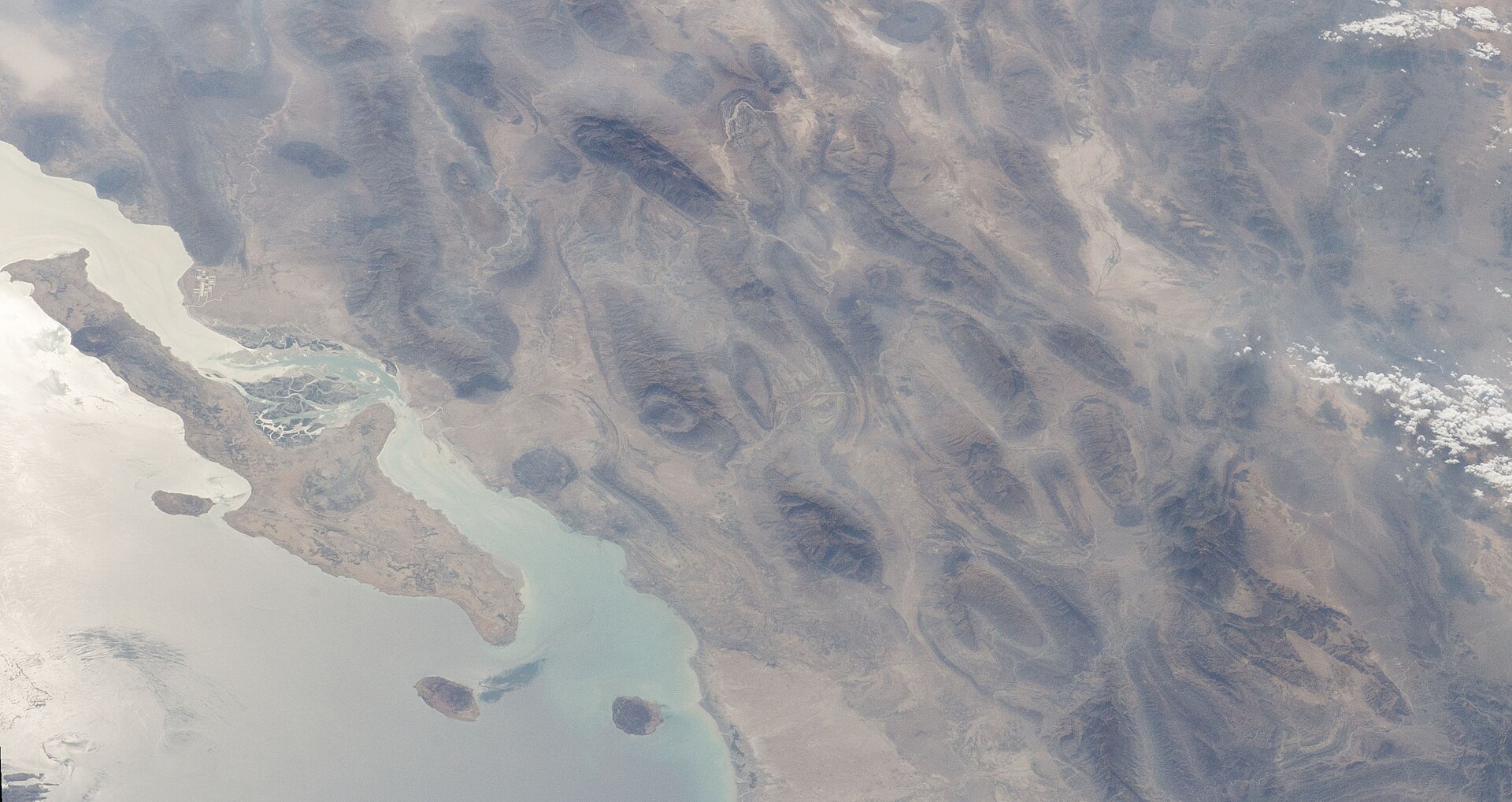
Kpler recorded seven vessel crossings of the Strait of Hormuz on July 16 — two days after the blockade’s reimposition. The pre-war baseline exceeded one hundred daily transits. On July 13, the Sunday before enforcement resumed, fourteen ships crossed, four of them crude tankers — already a sixty-percent decline from the thirty-seven vessels recorded on the equivalent day one week prior. The trajectory is toward functional closure, with the residual traffic consisting of vessels servicing non-Iranian Gulf states via corridors that CENTCOM has explicitly exempted from interdiction.
July 13 was also the day Iran’s Foreign Ministry Spokesman Esmail Baghaei declared the MOU operationally void — five days before Khamenei’s political repudiation on July 18. The five-day gap between Baghaei’s operational closure and Khamenei’s statement is the interval during which Saudi Arabia’s residual diplomatic ceiling — the one that had kept it off Iran’s primary targeting list — was already gone in practice while remaining nominally intact in the political record.
War-risk insurance premiums have repriced accordingly. Hull coverage for a single Hormuz transit now costs between three and ten percent of vessel value — a $150 million tanker faces an insurance bill of $1.5 to $4.5 million per crossing, compared with approximately $375,000 before the conflict. At the upper bound, the insurance cost alone exceeds the freight revenue on a laden VLCC voyage from Ras Tanura to Ningbo. The economics have passed the point where commercial operators can justify the transit without state-backed insurance or explicit military escort.
For Iran, the consequence is quantifiable. UANI data confirms zero laden departures since July 14. Twenty-one tankers anchored east of Kharg — ten laden — represent approximately 20 million barrels of stranded inventory. At $80 per barrel (Iranian heavy discount), the anchored fleet holds $1.6 billion in immobilized revenue. Each additional day of blockade enforcement adds an estimated $120 million in foregone export proceeds, based on Iran’s pre-blockade export rate of 1.5 million barrels per day.
For Saudi Arabia, the same data represents a daily expansion of addressable market. Every barrel Iran cannot deliver is a barrel an Asian refiner must source elsewhere. The universe of “elsewhere” — with Russian dark-fleet volumes simultaneously constrained, Iraqi Kurdistan exports still disrupted by the Turkey pipeline dispute, and Venezuelan heavy grades sanctioned — narrows to a short list dominated by Gulf Arab producers with available spare capacity and functional export infrastructure. Saudi Arabia, the UAE, and Kuwait control roughly ninety percent of available incremental supply. Of the three, only Saudi Arabia has signalled aggressive pricing intent through its August OSP.
| Date | Hormuz Daily Transits | Crude Tankers | Context |
|---|---|---|---|
| Pre-war baseline | 100+ | ~30-35 | Normal operations |
| July 6, 2026 | 37 | ~12 | Pre-blockade, post-MOU |
| July 13, 2026 | 14 | 4 | One day before reimposition |
| July 16, 2026 | 7 | Not reported | Two days after reimposition |
At seven daily crossings, the strait is functionally closed for commercial purposes. The Hellfire that disabled the Belma cost roughly $150,000 to fire. The pricing decision that followed cost Aramco $11 per barrel on every barrel it sells to Asia. That calculation only makes sense if Riyadh expects the seven-transit day to become the norm — and has already concluded that the market it is buying back is worth more than the revenue it is discounting away.
Frequently Asked Questions
What is the legal basis for CENTCOM disabling the M/T Belma?
The United States relies on the law of naval warfare as codified in the San Remo Manual on International Law Applicable to Armed Conflicts at Sea (1994) and the Newport Manual of the Law of Naval Operations. The blockade is structured to target vessels entering or leaving Iranian ports and coastal areas — not suppression of the Strait of Hormuz itself — a distinction CENTCOM has drawn explicitly to maintain defensibility under the Paris Declaration of 1856, which requires blockades to be effective and non-discriminatory against neutral commerce. Critics, including international law scholars writing in Opinio Juris and Just Security, argue that no belligerent right attaches to the interdiction of commercial vessels in straits used for international transit under UNCLOS Part III, and that the US position conflates wartime blockade with peacetime law enforcement in a conflict where no formal state of war has been declared.
How much crude oil was Iran exporting before the blockade was reimposed?
UANI tracked sixty-three laden tanker departures from the Gulf of Oman carrying Iranian oil and petrochemicals between the June 14 MOU announcement and July 14, totalling approximately 77 million barrels and generating an estimated $6 billion in IRGC revenue. The daily export rate during this window was approximately 1.5 million barrels per day — a figure that includes condensate and petrochemical cargoes alongside crude. Iran’s pre-war export peak in late 2025 reached approximately 1.8 million barrels per day, of which roughly 1.3 million went to Chinese independent refiners (“teapots”) via ship-to-ship transfers in the Gulf of Oman and Malaysian waters. Since July 14, UANI confirms zero laden Iranian departures.
Why did Aramco cut the Arab Light OSP for all regions, not just Asia?
The simultaneous cuts — $11 per barrel for Asia, $15 per barrel for Northwest Europe, $8 per barrel for the United States — rule out demand-side explanations specific to any single market. A global repricing indicates supply-side strategy: Aramco is positioning Arab Light as the default replacement barrel across all refining centres simultaneously. The European cut being the largest ($15 per barrel) reflects the specific displacement opportunity created by the blockade’s effect on Russian Urals flows to Mediterranean refiners, which had been routed via reverse-flow through the Turkish straits and Suez. The US cut, the smallest at $8, corresponds to a market where Saudi volumes face competition primarily from domestic shale and Canadian heavy — neither of which the blockade affects.
Can Saudi Arabia actually increase production to fill the gap left by Iran?
Saudi Arabia’s maximum sustainable capacity is approximately 12 million barrels per day, with April 2026 production at 6.879 million barrels per day — implying over 5 million barrels per day of theoretical spare capacity. The binding constraint is not wellhead capacity but export infrastructure. With Hormuz transits averaging seven per day, Saudi crude must exit primarily via Yanbu, where Vortexa estimates wartime loading throughput at approximately 3 million barrels per day despite the Petroline’s 7-million-bpd pipeline capacity. Even assuming modest Hormuz access for Saudi-chartered vessels operating under CENTCOM escort, total achievable export volume likely caps at 5 to 6 million barrels per day — well above current production but below the Kingdom’s technical ceiling. The OPEC+ quota increase to 10.35 million barrels per day for August is therefore aspirational rather than operational.
What is the IRGC’s likely response to the blockade’s enforcement?
The IRGC Navy explicitly threatened operations against CENTCOM naval units following the Belma disablement, warning that “the Americans are drawing closer by the moment to the zero hour.” Iran’s established escalation pattern — demonstrated in the July 7-14 window between its resumption of commercial shipping attacks and the blockade’s reimposition — prioritises asymmetric maritime operations: mine-laying, drone swarms against surface vessels, and anti-ship ballistic missile strikes from coastal batteries. The IRGC’s Noor and Qader anti-ship cruise missiles have a range sufficient to cover the full width of the strait from launch positions on Qeshm and Hormuz islands. Iran’s declared nuclear escalation — the Majlis bill to withdraw from the NPT, currently tabled — represents the upper bound of available responses, though one that would trigger automatic UN Security Council snapback provisions and potentially justify further military action.
The IRGC extended that threat to land-based US strike systems on July 19, claiming the destruction of two HIMARS launchers and munitions warehouses at Camp Arifjan in Kuwait — a parallel escalation against CENTCOM’s precision-fire capability in the same twenty-four-hour window that CENTCOM struck six bridges in Bandar Abbas.