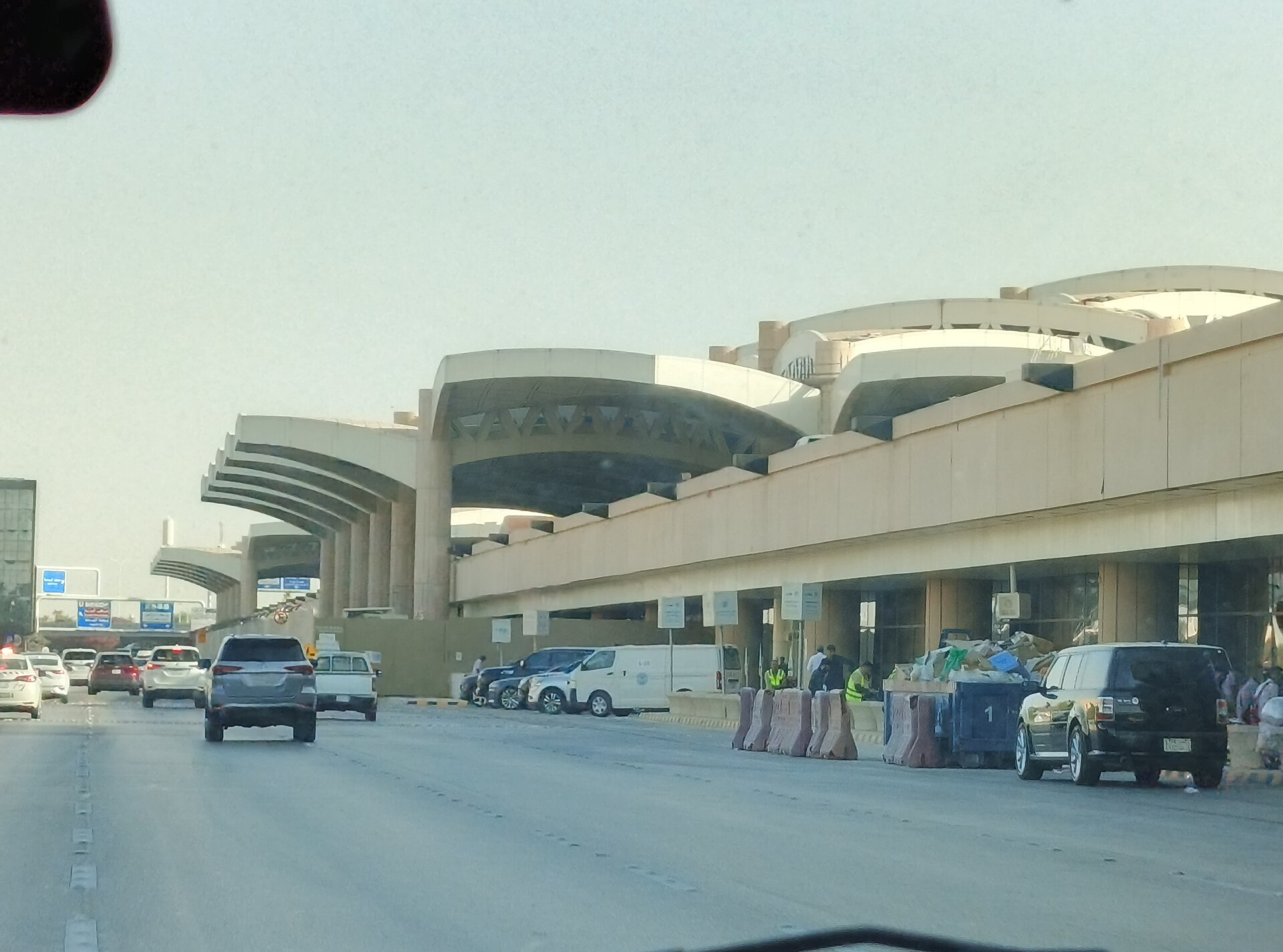

RIYADH — The Saudi-led coalition said on 15 October that Houthi forces had attacked King Khalid International Airport twenty times since 1 October, killing seventeen people and injuring 333 — the first cumulative casualty figure Riyadh has published for the airport campaign. Maj. Gen. Turki al-Maliki, spokesman for the Joint Forces Command, delivered the count at a press conference in the capital, according to Africanews citing AFP, Iran International and Eurasia Review.
The announcement came on the same afternoon that GCC Secretary-General Jasem Albudaiwi said the EU-GCC summit, set for 24 October in Riyadh, would be postponed indefinitely, citing “the safety of participating delegations,” according to The National. The kingdom-wide toll is higher — nineteen dead and 364 injured across five Saudi airports since 5 October, per Arab Times Online — but the coalition chose to isolate King Khalid’s figures and compile data that had previously emerged in fragments, through GACA releases, hospital tallies and foreign government confirmations, into a single briefing with per-day breakdowns, weapon categories and a list of the dead by nationality. Whether the timing of the press conference and the summit postponement was coordinated or coincidental, neither the coalition nor the GCC secretariat addressed.
Table of Contents
The Fifteen-Day Toll
Al-Maliki said the twenty attacks on King Khalid comprised ten drones, four ballistic missiles, four cruise missiles and two projectiles the coalition classified as unidentified, according to AFP via Africanews. He presented a per-date casualty breakdown reported by AFP via Africanews and Xinhua: one killed and eight injured on 7 October; three killed and five injured on 8 October; twelve killed and 309 injured on 10 October; and one killed and eleven injured on 11 October — summing to the aggregate seventeen.
The deadliest day, 10 October, was described by multiple outlets as the worst attack on the kingdom in more than a decade. The twelve people killed in the immediate strike included four Saudi nationals, two Bangladeshis, one American, one Jordanian, one Palestinian, one Syrian, one Sudanese and one Egyptian, according to Al Jazeera; an Indian national wounded in the same strike died later, BBC reported on 11 October — a death the coalition’s press conference figure of twelve does not include.
The three Saudi nationals killed on 8 October included Saudia captain Hamoud Ali Al Kalthami, according to Gulf Daily News citing Reuters — the first confirmed fatalities at King Khalid in the current campaign. On 11 October a projectile struck Terminal 4, killing a Pakistani resident and injuring eleven more, CNN reported, in the fourth attack in five days to produce casualties at the airport.
Al-Maliki told reporters that “targeting airports endangers the lives of thousands of civilian travelers,” per Eurasia Review, and called on “the Houthi terrorist militias” to “immediately halt all terrorist operations targeting civilians and civilian objects, including airports, ports, oil facilities and infrastructure,” according to Asharq Al-Awsat and Eurasia Review. His language — “terrorist militias,” “terrorist operations” — carried the coalition’s long-standing classification of the Houthis, a framing the group’s military spokesman has publicly rejected.
The Middle East briefing 3,000+ readers start their day with.
One email. Every weekday morning. Free.
How Did Twenty Attacks Reach Riyadh?
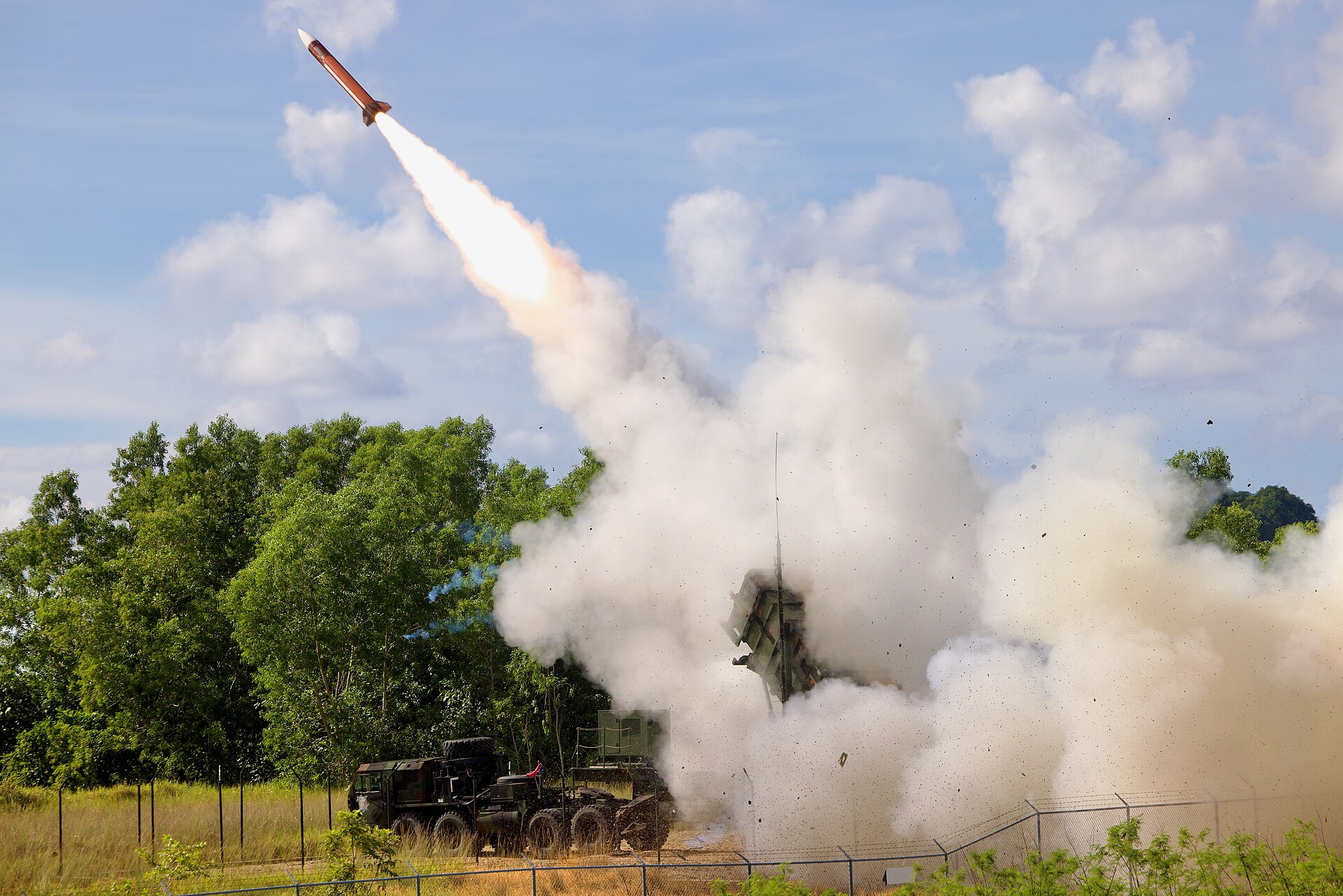
Saudi authorities are investigating how air defences failed to stop the 10 October strike, PBS NewsHour reported on 13 October, citing a saturation tactic in which Houthi forces launched multiple drones first to exhaust interceptors and then followed with cruise and ballistic missiles aimed at the gap the drones created. The weapon composition al-Maliki disclosed — that mix of drones, cruise missiles, ballistic missiles and unidentified projectiles — is consistent with that approach, though the coalition did not say how many of the twenty were intercepted and how many reached the airport.
Al-Maliki placed the airport attacks in the context of a decade-long Houthi campaign, reading out cumulative figures since the coalition’s intervention began on 26 March 2016: 1,104 ballistic missiles, 1,135 drones, 118 unmanned boats and 278 naval mines launched against Saudi Arabia, per Eurasia Review. He said coalition strikes had destroyed 127 Houthi missile depots in mountains near Sanaa, according to Iran International, presenting the offensive as a sustained effort to degrade the Houthis’ launch infrastructure.
Washington has responded with intelligence rather than firepower: more than 100 US military advisers were sent to a new joint intelligence command, CNN reported on 11 October, and a proposed $24.3 billion sale of 48 F-35A fighters awaits US congressional review, per The Aviationist. Crown Prince Mohammed bin Salman had appealed twice to Trump in September for direct US strikes on the Houthis, both declined, CNN reported on 10 October — leaving Saudi Arabia’s existing air-defence architecture, supplemented by allied deployments, as the primary shield over the capital.
A Summit Postponed on the Same Day
GCC Secretary-General Jasem Albudaiwi announced on 15 October that the EU-GCC summit — set for 24 October in Riyadh — would be “rescheduled to a later date to be agreed upon in due course by the GCC and EU sides,” citing “the safety of participating delegations,” according to The National. No alternative venue or replacement date was offered, and the European Council stated in a separate release that it “remained committed to deepening this partnership,” per The National, without proposing a substitute format or location.
The summit postponement extended a pattern the New York Times flagged on 10 October, when it reported that airport strikes threatened Riyadh’s autumn events programme. The Six Kings Slam tennis tournament, originally set for 21–24 October, was postponed to late December, according to Yahoo Sports, and the Future Investment Initiative, due 26–29 October, said it would proceed in a hybrid format with land routes through Bahrain and Qatar, per US News, with organisers offering Manama and Doha as alternative arrival points.
King Salman had personally sent invitations to Gulf leaders as recently as late September, per Asharq Al-Awsat, and European Council President Antonio Costa’s letter confirming the 24 October date was sent on 6 October, four days before the deadliest airport strike, according to The National. National Day fireworks and drone shows had already been postponed indefinitely in September, Khaleej Times reported, making the summit postponement the latest in a sequence of cancellations that has emptied Riyadh’s diplomatic and entertainment calendar.
What Have the Houthis Promised?
Houthi military spokesman Yahya Saree characterised the airport attacks as “deterrence operations” and said they “will continue in the coming days, targeting Saudi enemy airports and oil facilities,” according to Al Jazeera on 12 and 15 October. Mohammed al-Bukhaiti, a member of the Houthi political bureau, went further on 12 October, warning that “all employees and workers at Saudi oil facilities and airports [must] stay away from these sites, as they have become legitimate targets,” Al Jazeera reported.
“All employees and workers at Saudi oil facilities and airports [must] stay away from these sites, as they have become legitimate targets.”
Mohammed al-Bukhaiti, Houthi political bureau, Al Jazeera, 12 October 2026
The Houthis have not released a competing aggregate casualty count — Saree claimed individual attacks through Al-Masirah TV without disputing a high toll — and an Al Jazeera correspondent on 15 October described the broader Houthi doctrine as “capital for capital, airport for airport, energy facility for energy facility.” The framing presents the campaign as strategic reciprocity for coalition air operations on Houthi-held territory, a reading al-Maliki rejected from the podium when he classified the strikes as terrorism.
The targeting has not been limited to airports: oil infrastructure has been targeted throughout the broader escalation, and al-Bukhaiti’s warning explicitly named oil facilities alongside airports as sites workers should evacuate. Al-Maliki’s press conference, by contrast, confined its figures to the airport — the one target in the Houthi campaign that involves international passenger traffic and the nationals of a dozen countries.
Can King Khalid Airport Reopen?
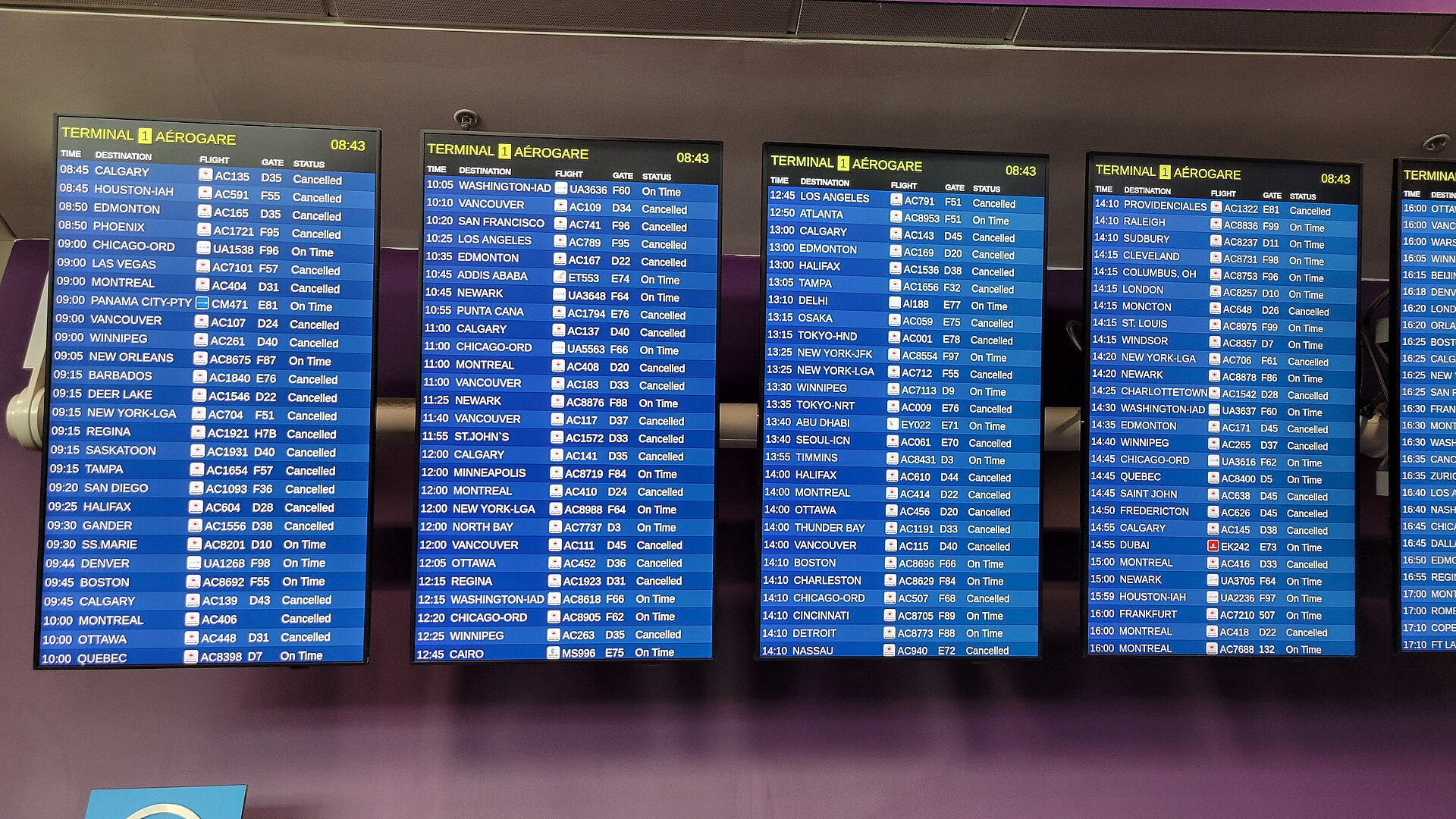
King Khalid International Airport’s NOTAM closure extended to at least 21:00 UTC on 17 October, according to Emirates 24/7, with no indication from Saudi Arabia’s General Authority of Civil Aviation that operations would resume after that window. More than 3,100 flights were cancelled between 8 and 14 October, Gulf Business reported, and the list of carriers suspending or restricting services continued to grow throughout the week: Lufthansa Group through 16 October, KLM and Air France-KLM through 31 October, Air India, IndiGo, Akasa Air, Gulf Air and Malaysia Airlines through at least 17 October, per Gulf Business and Emirates 24/7.
KLM’s suspension through the end of October — the longest announced timeline among the major carriers — extends well beyond the current NOTAM window, per Gulf Business. The 10 October strike, the campaign’s deadliest, followed explicit Houthi warnings that Saudi airports, with the exception of those serving Mecca and Medina, were “military zones,” and Saree’s promise of continued attacks has left the airport’s reopening date an open question that neither GACA nor the coalition has addressed. On 15 October, Saudi air defences reported a cruise missile intercepted over Madinah, testing whether the Houthis’ stated exemption of the holy cities offered any practical protection.
UN Secretary-General António Guterres said he was “deeply shocked” by the 10 October strike and called for attacks on civilians and civilian infrastructure to “cease immediately,” while UN Special Envoy Hans Grundberg called them “a grave escalation” complicating peace efforts, both per Al Jazeera on 11 October. Al-Maliki’s press conference offered no timeline for the airport’s reopening.
Background
The Houthi campaign against King Khalid International Airport began on 19 September, when smoke rose near the airport and the Houthis claimed their first strike on Riyadh in the current escalation, according to the Kathmandu Post citing Reuters. The first confirmed KKIA fatalities came on 8 October, when three Saudi nationals were killed; a brief reopening was followed by the 10 October strike that forced a second and longer closure, and operations have not resumed since.
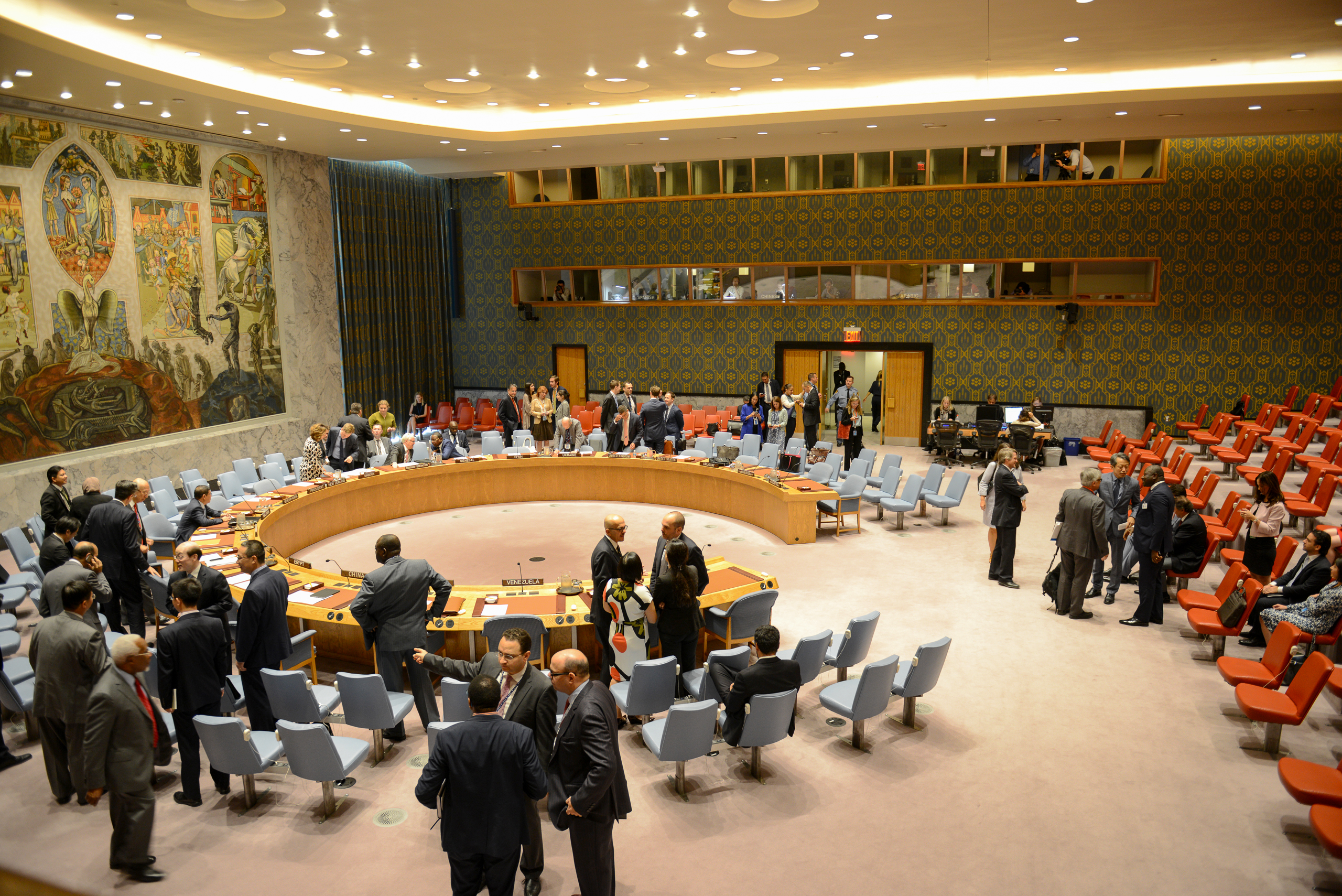
The 2022 Saudi-Houthi truce collapsed in July 2026, BBC reported, and the Houthis expanded their targeting from southern Saudi cities — Khamis Mushait, Abha, Jazan — to the capital’s principal civilian airport, a shift that brought the war directly into a facility handling international passenger traffic. The coalition told the UN Security Council the attacks constituted “war crimes,” per Al Jazeera on 9 October, and Saudi Arabia’s UN mission sought a Security Council statement condemning the strikes.
Yemen’s government launched a ground offensive on 4 October, with the coalition saying 100 jets flew in what it called Operation “Dawn of Yemen,” per the Oman Observer on 5 October. The Makkah pact committee agreed to activate collective deterrence measures and deploy Pakistani and Turkish forces in response to the attacks, Al Jazeera reported on 6 October, but the airport campaign continued in the days that followed.
Frequently Asked Questions
Have other Saudi airports been attacked since 1 October?
The kingdom-wide toll — nineteen killed and 364 injured across five Saudi airports since 5 October, per Arab Times Online — extends well beyond King Khalid. Abha International Airport recorded two killed and twenty-eight injured on 6 October, and King Abdullah International Airport in Jazan recorded three injured on 5 October, both per Arab Times Online. Dammam airport was also attacked on 11 October, CNN reported.
Did the United States confirm any of its citizens among the dead?
US Secretary of State Marco Rubio confirmed on 10 October that one American citizen was among those killed in the King Khalid attack, according to CBS News. Saudi Arabia, Egypt, Pakistan and Turkey issued a joint condemnation of the strikes the following day, per CBS News.
Has the European Aviation Safety Agency issued warnings?
The European Union Aviation Safety Agency widened its Saudi airspace warning after the 8 October attacks on King Khalid Airport, according to Fortune on 9 October. Separately, the United Kingdom’s Foreign Office advises against all travel within ten kilometres of the Saudi-Yemen border, per BBC, and the US barred its staff from travel within twenty miles of the border, Gulf News reported on 7 October.
What did the Houthis tell international airlines?
The Houthis warned international carriers not to operate flights to Saudi airports — except those serving Mecca and Medina — declaring them military zones, according to Al Jazeera. Saudi authorities accused the Houthis of launching a drone toward Mecca in September 2026, per Khaleej Times on 22 September, a claim that would contradict the exemption the Houthis have maintained for the two holy cities throughout the conflict.
What is the Makkah pact?
The Makkah pact, signed on 7 August 2026, is a mutual defence agreement that treats an attack on one signatory as an attack on all, according to Kuwait Times citing AFP. Prince Khalid bin Salman, Saudi Arabia’s defence minister, said on 5 October that the pact committee had agreed to “activate collective deterrence measures” in response to the Houthi attacks, per Al Jazeera. Pakistan and Turkey agreed to deploy forces under the agreement, though Turkey’s parliament had not ratified the pact at the time of the committee’s decision, Al Jazeera reported on 6 October.