TEHRAN — Iran’s Foreign Minister Abbas Araghchi called his Saudi counterpart Prince Faisal bin Farhan on the night of October 11–12 and offered Tehran’s help in facilitating dialogue between Saudi Arabia and Yemen’s Houthi administration. The call was not a peace gesture. It was the diplomatic face of a coercive strategy whose military face — a wartime-record surge of tanker attacks in the Strait of Hormuz — created the pressure the phone call was designed to exploit.
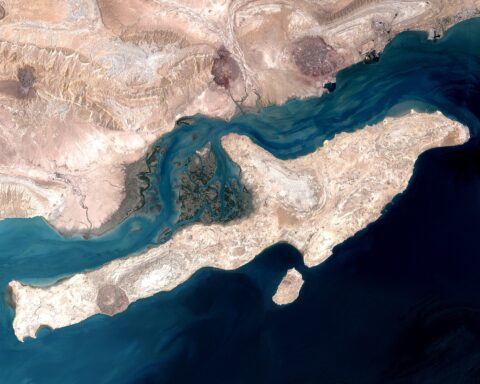
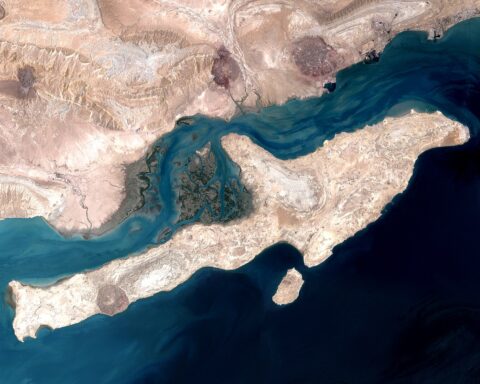
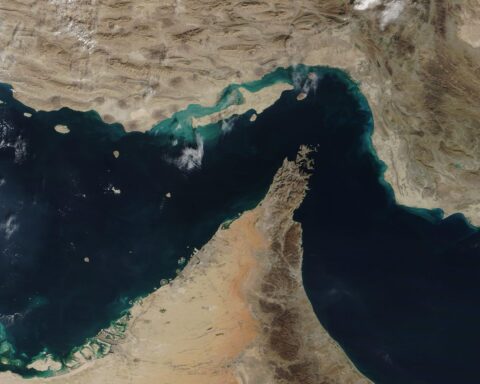
The timing is the argument. Eleven tankers came under attack in the strait in the week ending October 4 — the most strikes on commercial shipping since the war began February 28, according to International Maritime Organisation data cited by CNBC. Within days of that record, and within twenty-four to forty-eight hours of the deadliest Houthi airport strike of the war — twelve killed and 309 wounded at King Khalid International Airport on October 10 — Araghchi called to say there was “no military solution.”
The pattern has a precedent. Between 2021 and 2023, Iran negotiated with Riyadh while Houthi operations continued and extracted a normalisation deal in Beijing that imposed no binding constraint on Houthi activity. This piece traces the structural parallel, examines the mechanics of Iran’s dual-track strategy, and asks whether the airport strikes have altered Saudi calculus — or replicated the dynamic that produced the Beijing deal.
Table of Contents
- The Call and the Strait
- What Did Araghchi Actually Offer Faisal?
- Hormuz by the Numbers
- Why Does Tehran Attack and Negotiate at the Same Time?
- Did the 2023 Beijing Deal Constrain Iran’s Proxies?
- Has the Airport Strike Changed Saudi Calculus?
- Washington’s Absence as Tehran’s Leverage
- The Structural Trap Riyadh Faces
- Frequently Asked Questions
The Call and the Strait
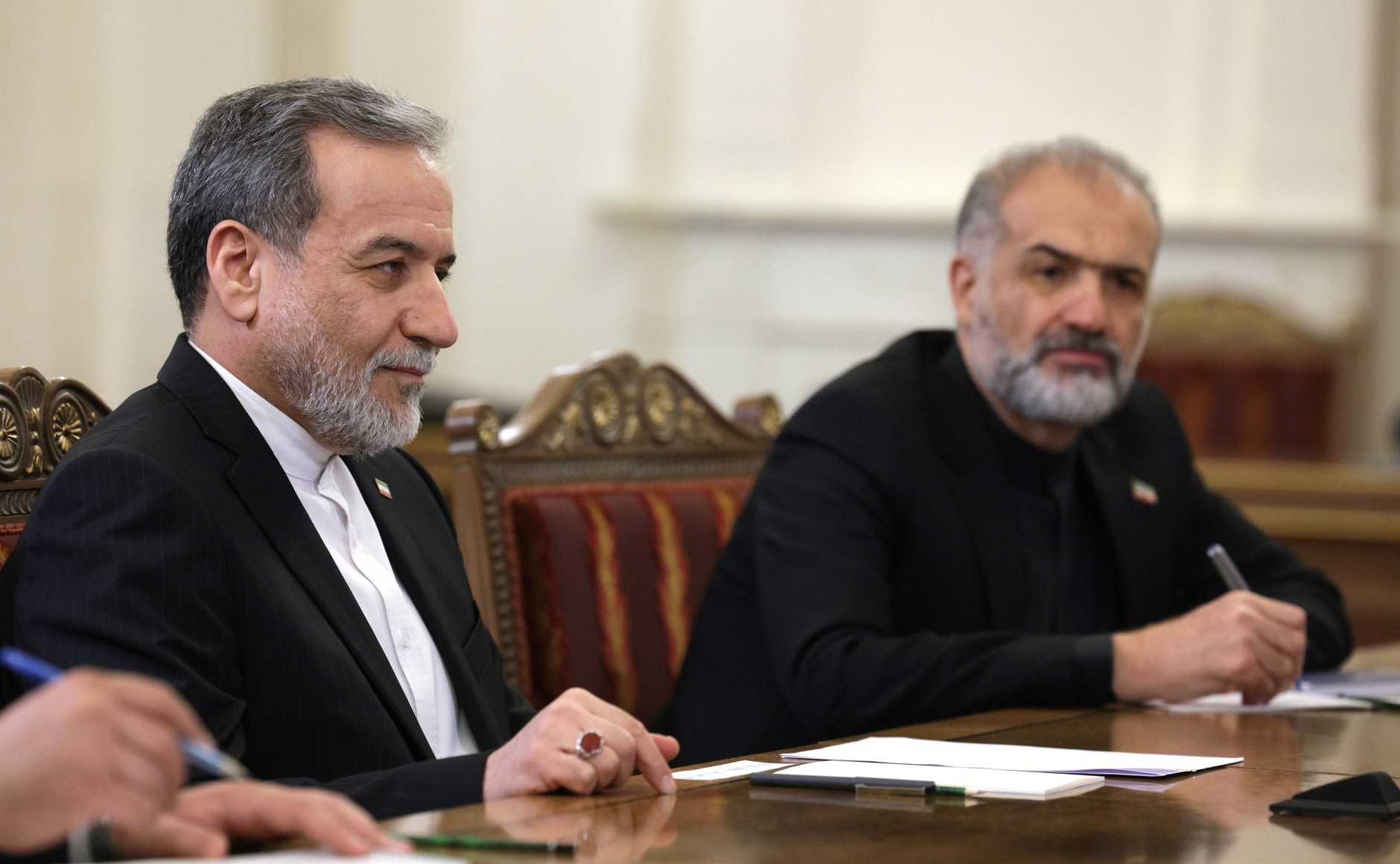
Araghchi’s statement, posted on his Telegram channel and cited by Al Jazeera, read: “Insisting on a military approach and ignoring a political solution will further complicate the current situation” (Al Jazeera, 2026-10-12). Iran’s foreign ministry, as reported by IRNA and carried by Bernama, stated that Araghchi told Prince Faisal there was “no military solution” to the region’s crises and that Iran stood “ready to provide any possible assistance” to initiate dialogue between Saudi Arabia and Yemen (IRNA via Bernama, 2026-10-12).
The call came within twenty-four to forty-eight hours of the October 10 strike on King Khalid International Airport that killed at least twelve people and wounded 309, according to GACA figures reported by Al Jazeera. The BBC put the injured at 308 and later reported an Indian victim’s death raised the toll to thirteen (Al Jazeera, 2026-10-10; BBC, 2026-10-11). Coalition spokesman Major-General Turki al-Malki called the strike “a full-fledged war crime” and said the coalition would “respond decisively” (Al Jazeera, 2026-10-11).
The diplomatic outreach was at minimum the second direct foreign-minister contact of the war. On August 3, the Saudi foreign ministry reported a call between Prince Faisal and Araghchi focused on “reducing Gulf tensions” (Trend.az, 2026-08-03). Saudi Arabia had expelled Iran’s military attaché with twenty-four hours’ notice on March 21 (Qatar Tribune, 2026-03-23). The August call was the first FM contact after that expulsion. The October call followed the escalation of both Hormuz attacks and Houthi strikes on Saudi airports.
The Middle East briefing 3,000+ readers start their day with.
One email. Every weekday morning. Free.
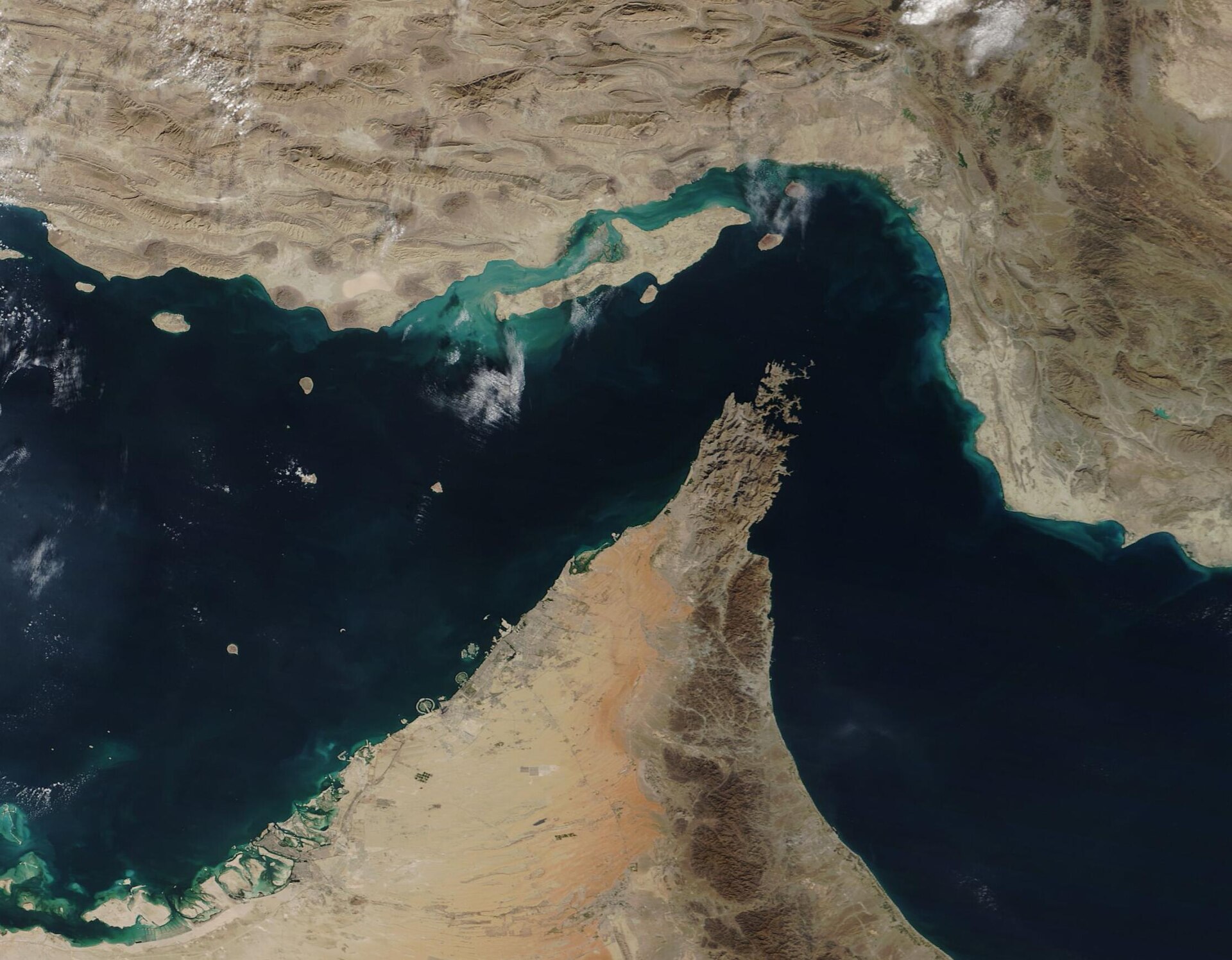
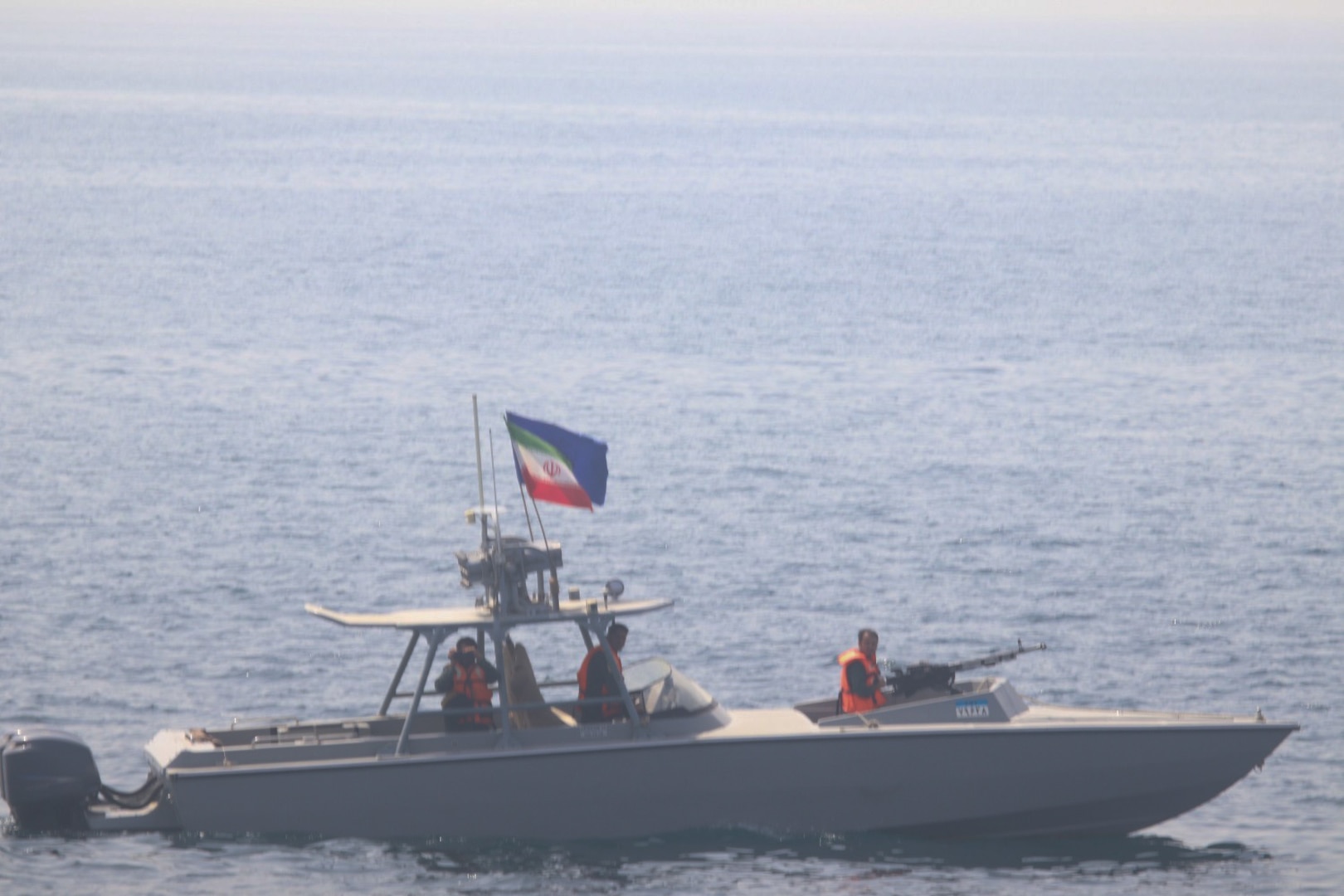
In the same period, the Strait of Hormuz saw its worst week of attacks on commercial shipping since the war began. Reuters, cited by The National, put the figure at twelve tankers attacked between September 28 and October 5 (The National, 2026-10-13). UK Maritime Trade Operations confirmed six vessels struck in a single day — five tankers and one container ship in the strait, plus one near Oman’s Sohar anchorage (UKMT via The National, 2026-10-13). The IRGC issued explicit public warnings that any tanker ignoring the strait’s “security and rules” would face attack (IRGC statement via The National, 2026-10-13).
These two moves — the wartime-high Hormuz squeeze and the FM-level call — are not contradictory. They are two faces of the same strategy.
What Did Araghchi Actually Offer Faisal?
Araghchi offered to “provide any assistance to help initiate a dialogue” between Saudi Arabia and Yemen — meaning the Houthi administration (Al Jazeera, 2026-10-12; BBC, 2026-10-11). The framing was deliberate. Iran positioned itself as a neutral facilitator, not a belligerent party to the conflict its proxies are waging.
This is precisely the language Iran used during the 2021–2023 back-channel sequence. Then, as now, Tehran characterised itself as a party that could encourage the Houthis but did not control them. “Tehran is an ally of Ansar Allah and has influence with the movement, although it does not control its decisions,” Negar Mortazavi, a senior fellow at the Center for International Policy, told Al Jazeera in an analysis of the October call (Al Jazeera, 2026-10-12).
What was absent from Araghchi’s offer is as significant as what was present:
- No commitment to halt Houthi operations. Araghchi offered to facilitate dialogue, not to stop the strikes that killed people at King Khalid Airport days earlier.
- No preconditions on the Hormuz attacks. The offer to talk came without any signal that the tanker assault would ease.
- No reference to the Dawn of Yemen offensive. No source specifies whether Iran’s proposal requires Saudi Arabia to halt its October 5 military offensive, freeze the Mecca pact deployments, or accept a ceasefire precondition. The absence of stated terms is itself a negotiating position — it leaves the scope of concessions for Riyadh to discover later.
Riyadh has not publicly responded. No statement from Saudi Arabia accepting, rejecting, or even acknowledging Araghchi’s framing has been found as of October 13.
Iran’s foreign ministry described the August 3 call as focused on “maintaining and strengthening security and stability in the West Asian region” (Iran MFA, 2026-08-03). The October call escalated the register: from “stability” to a specific offer of mediation. The shift suggests Iran believes the airport strikes have created an opening — not for peace, but for a conversation in which Tehran holds the terms.
Hormuz by the Numbers
The tanker attack surge coincides with a partial rebound in Hormuz traffic that Iran is working to arrest. The strait’s trajectory from total shutdown to tentative recovery — and now renewed assault — is visible in the data.
| Metric | Figure | Source |
|---|---|---|
| Tankers attacked, week ending October 4 | 11 | IMO data via CNBC, 2026-10-09 |
| Tankers attacked, September 28 – October 5 | 12 | Reuters via The National, 2026-10-13 |
| Vessels struck in a single day | 6 | UKMT via The National, 2026-10-13 |
| Hormuz oil exports, week ending early October | 8.5 million bpd | Kpler data via CNBC, 2026-10-09 |
| Decline from prewar export level | ~40% | Kpler data via CNBC, 2026-10-09 |
| Ships turned around since US port blockade (July 14) | 135 | CENTCOM via CBS News, 2026-10-10 |
| Hormuz transits, August 3–6 (wartime nadir) | 33 | Kpler data via Chronicle.lu/Reuters, 2026-08-07 |
| Non-Iranian Hormuz transits, all of August | 346 | Lloyd’s List Intelligence, 2026-09-09 |
| Prewar daily Hormuz transits | 130–140 | Chronicle.lu/Reuters, 2026-08-07 |
At the wartime nadir in early August, only 33 vessels transited between August 3 and 6, against 130 to 140 a day before the war (Chronicle.lu/Reuters, 2026-08-07). By the end of the month, Lloyd’s List counted 346 non-Iranian-linked transits for all of August (Lloyd’s List Intelligence, 2026-09-09). Oil exports through Hormuz recovered to 8.5 million barrels per day by early October — still approximately 40 percent below the prewar level, according to Kpler data cited by CNBC (CNBC, 2026-10-09). The late-September and early-October attack surge targeted that recovery.
On October 10, CENTCOM said a US fighter jet disabled the M/V Ocean Molica in the Gulf of Oman for attempting to breach the US counter-blockade (CBS News, 2026-10-10). Two blockade regimes — Iran’s and America’s — now operate in parallel, each targeting commercial shipping for different reasons. The IMO, cited by CNBC, reported twenty-four sailors killed in attacks on one hundred commercial ships since the war began (CNBC, 2026-10-09). That figure is single-source and should be treated as indicative rather than definitive.
Why Does Tehran Attack and Negotiate at the Same Time?
Because the attacks are the negotiation. Coercive diplomacy works by raising the cost of the status quo while offering the target a path out — on the coercer’s terms. Iran’s Hormuz tanker strikes and Araghchi’s phone call are not competing impulses within the Iranian state. They are the stick and the door.
Andreas Krieg, associate professor in security studies at King’s College London, described the diplomatic outreach as “an attempt to position Iran as part of the solution to a crisis in which it has also helped sustain the problem.” He told Al Jazeera that “Iran is trying to turn Yemen from a military liability into a diplomatic asset” (Al Jazeera, 2026-10-12).
The mechanism is specific. Iran cannot force the United States to lift sanctions, reopen ports, or release the approximately $12 billion in frozen assets at the centre of the September 25 Araghchi roadmap, which Trump rejected (Al Jazeera, 2026-09-25; WSJ via Hurriyet, 2026-09-26). But Iran can make the cost of the war intolerable for Saudi Arabia — through Hormuz, through Houthi airport strikes, through the slow strangulation of export routes — and then offer Riyadh a bilateral exit.
That exit comes with a structural condition Araghchi did not state but the history implies: any deal that ends the Saudi-Houthi war through Iranian mediation preserves the Houthis as a political and military force in Yemen. Iran’s “facilitation” is not neutral arbitration. It is the mechanism by which Tehran ensures its principal regional proxy survives the war intact.
The dual-track timeline makes the pattern visible:
| Date | Military Move | Diplomatic Move |
|---|---|---|
| July 12 | Iran declares Hormuz closed | — |
| August 3–6 | 33 transits in four days (wartime low) | Araghchi-Faisal call: “reducing Gulf tensions” |
| August 8 | — | SNSC sets Hormuz-reopening conditions |
| September 8 | CENTCOM strikes five Iranian tankers | — |
| September 19 | First Houthi strike near KKIA | Rezaei says Tehran wants Saudi-Houthi war ended |
| September 25 | — | Araghchi submits seven-day Hormuz roadmap via Qatar |
| Week ending October 4 | 11 tankers attacked (wartime high) | — |
| October 10 | KKIA strike: 12–13 killed | — |
| October 11–12 | Terminal 4 hit; Dammam airport attacked | Araghchi calls Faisal: “no military solution” |
Mortazavi identified what she called Iran’s “larger political objective” as “an informal non-aggression arrangement between Iran and its allies on one side and the United States and its regional partners on the other” (Al Jazeera, 2026-10-12). The Araghchi call fits that frame: not a ceasefire offer, but a bid to restructure the regional order with Iran’s proxy network preserved.
Rezaei’s simultaneous declaration that Iran is “no longer responding to Washington” (IRNA via CBS News, 2026-10-11) reinforces the message. If the US channel is closed — Trump ruled out attacking Iran before the November 3 midterms (The National, 2026-10-08) — then the only party that can stop the Houthis is Iran, and the only way to reach Iran is through the line Araghchi just opened.
Did the 2023 Beijing Deal Constrain Iran’s Proxies?
It did not. And the failure of that deal’s Houthi provision is the analytical key to understanding why Araghchi’s October offer should be read with scepticism.
Saudi-Iranian back-channel talks began in April 2021 in Baghdad. Five rounds were held between April 2021 and April 2022, according to the International Crisis Group. In March 2023, Iran and Saudi Arabia agreed in Beijing to restore diplomatic relations after seven years. The deal reportedly included Iranian commitments to encourage Houthi ceasefire maintenance and to stop encouraging attacks against Saudi Arabia, according to analysis by the Stimson Center (Stimson Center, 2023).
The commitment was not implemented. The UN Panel of Experts, in its February 2023 report, found that Iran continued to supply the Houthis at volumes similar to prior years. The Stimson Center’s own summary stated: “Iran agreed to encourage… although Tehran has not been able to control their decision-making” (Stimson Center, 2023). The text of the Beijing deal was not published, and sources conflict on whether the Houthi provisions were binding or aspirational.
The 2022 UN-brokered Houthi-Saudi truce lapsed in October 2022. The Beijing deal did not include a binding Houthi operational constraint. The Houthis launched their Red Sea campaign against Israel-linked shipping in October 2023 and then broadened their target set (BBC, 2026-10-11).
The pattern that produced the Beijing deal was:
- Iran opened diplomatic channels with Riyadh
- Houthi military operations continued throughout the negotiations
- Iran extracted a normalisation agreement that improved its regional standing
- No binding mechanism required the Houthis to stop fighting
Araghchi’s October 2026 offer replicates every element. He used the same word — “facilitate” — that Iran employed in 2023. He acknowledged influence without control, the same structural claim Mortazavi described. And the Houthi operations that created the pressure for the call — the airport strikes, the tanker attacks — continue.
The difference is scale. In 2021–2023, the Houthis were attacking Saudi border areas and southern cities. In October 2026, they are hitting Riyadh’s main airport and Saudi tankers in the Red Sea. The leverage has grown. The offer has not changed.
Has the Airport Strike Changed Saudi Calculus?
This is the question the October 12 call is designed to test. The domestic and international pressure on Riyadh has intensified sharply since October 6.
Airport attacks between October 6 and 11 killed three people on two occasions before the main strike, then twelve on October 10, then one more on October 11 when a projectile hit Terminal 4, injuring eleven (BBC, 2026-10-08; Al Jazeera, 2026-10-10; BBC, 2026-10-11; CNN, 2026-10-11). Among the dead was Saudia captain Hamoud Ali Al Kalthami, killed at King Khalid Airport on October 8 (GDN, 2026-10-09). On October 11, GACA confirmed that King Fahd International Airport in Dammam was also attacked, and the Houthis declared all Saudi airports except those of Mecca and Medina potential targets (CNN, 2026-10-11).
The economic effects are compounding. Saudi Arabia’s 2026 deficit has been revised upward to 245 billion riyals (Zawya/Reuters, 2026-09-30). National Day fireworks were postponed indefinitely (Khaleej Times, 2026-09-23). Schools in Riyadh moved online for a week with no official explanation (The National, 2026-09-28). The EU Aviation Safety Agency widened its Saudi airspace guidance (Fortune, 2026-10-09). The World Petroleum Congress opened in Riyadh on October 11 (CNN, 2026-10-11), but Riyadh Season from October 21, the EU-GCC summit on October 24, and the Future Investment Initiative from October 26–29 face uncertainty.
The crown prince made at least two appeals to Trump in September for US strikes on the Houthis. Both were declined (CNN, 2026-10-10). The Mecca pact committee agreed on October 5 to deploy Pakistani and Turkish forces and “activate collective deterrence measures” (Al Jazeera, 2026-10-06). Yemen’s government launched Operation Dawn of Yemen on October 4, with the coalition saying one hundred jets flew (Oman Observer, 2026-10-05; CNN, 2026-10-04). France confirmed soldiers, radars, and air defences for Yanbu (Al Jazeera, 2026-09-25).
Riyadh is not passive. But the question Iran’s call poses is whether Saudi Arabia’s military response — coalition airstrikes, Mecca pact activations, a ground offensive — can stop Houthi missiles from reaching Riyadh airport. If it cannot, the pressure to negotiate grows. And the only interlocutor offering to negotiate is the one whose allies are firing the missiles.
The 2023 dynamic was structurally similar if less intense. Houthi attacks on border areas and southern cities created domestic pressure. Riyadh’s military options proved insufficient to stop them. Tehran offered a diplomatic exit. The result was the Beijing deal — which gave Saudi Arabia a respite and gave Iran a strategic gain. Whether the airport strikes have raised the stakes high enough to break that cycle, or merely amplified the same pressure that made the cycle work, is the question Araghchi’s call is designed to answer.
Washington’s Absence as Tehran’s Leverage
Trump wrote on October 8 that the United States “will not be attacking Iran at any time prior to the midterm elections” on November 3 (The National, 2026-10-08). The Wall Street Journal reported that he expects renewed bombing after the midterms (WSJ via Hurriyet, 2026-09-26). In the interim, US policy toward the Houthis amounts to intelligence support and arms sales. CNN reported more than one hundred US military advisers sent under a new joint command (CNN, 2026-10-11). Washington approved a potential $24.3 billion sale of forty-eight F-35As to Saudi Arabia (The Aviationist, 2026-09-17).
After the October 10 airport strike, Trump said: “We may. We’re going to look at it,” and “They’re able to defend. The Saudis are good fighters” (CNN, 2026-10-10). Secretary of State Marco Rubio said the United States “intend[s] to live by” its defence agreement with Saudi Arabia (The National, 2026-10-05). The gap between those statements and the missiles landing at Riyadh’s airport is the space in which Iran operates.
Rezaei told IRNA that Tehran considers the latest US response “insufficient” and is “no longer responding to Washington” (CBS News, 2026-10-11). The statement is aimed at Riyadh as much as at Washington: the Americans are unavailable; deal with us.
Iran’s September 25 seven-day roadmap — Hormuz reopening in exchange for the US lifting its blockade, sanctions waivers, and release of approximately $12 billion in frozen assets — was rejected by Trump (Al Jazeera, 2026-09-25; WSJ via Hurriyet, 2026-09-26). The roadmap was addressed to Washington. The October 12 call was addressed to Riyadh. Tehran has shifted its interlocutor to the party under the most pressure.
The shift reveals Iran’s calculation. Washington may or may not resume strikes after November 3. But Saudi Arabia cannot wait until then to decide whether its airports are defensible. Every day of continued Houthi strikes strengthens Tehran’s hand at the table it is trying to set.
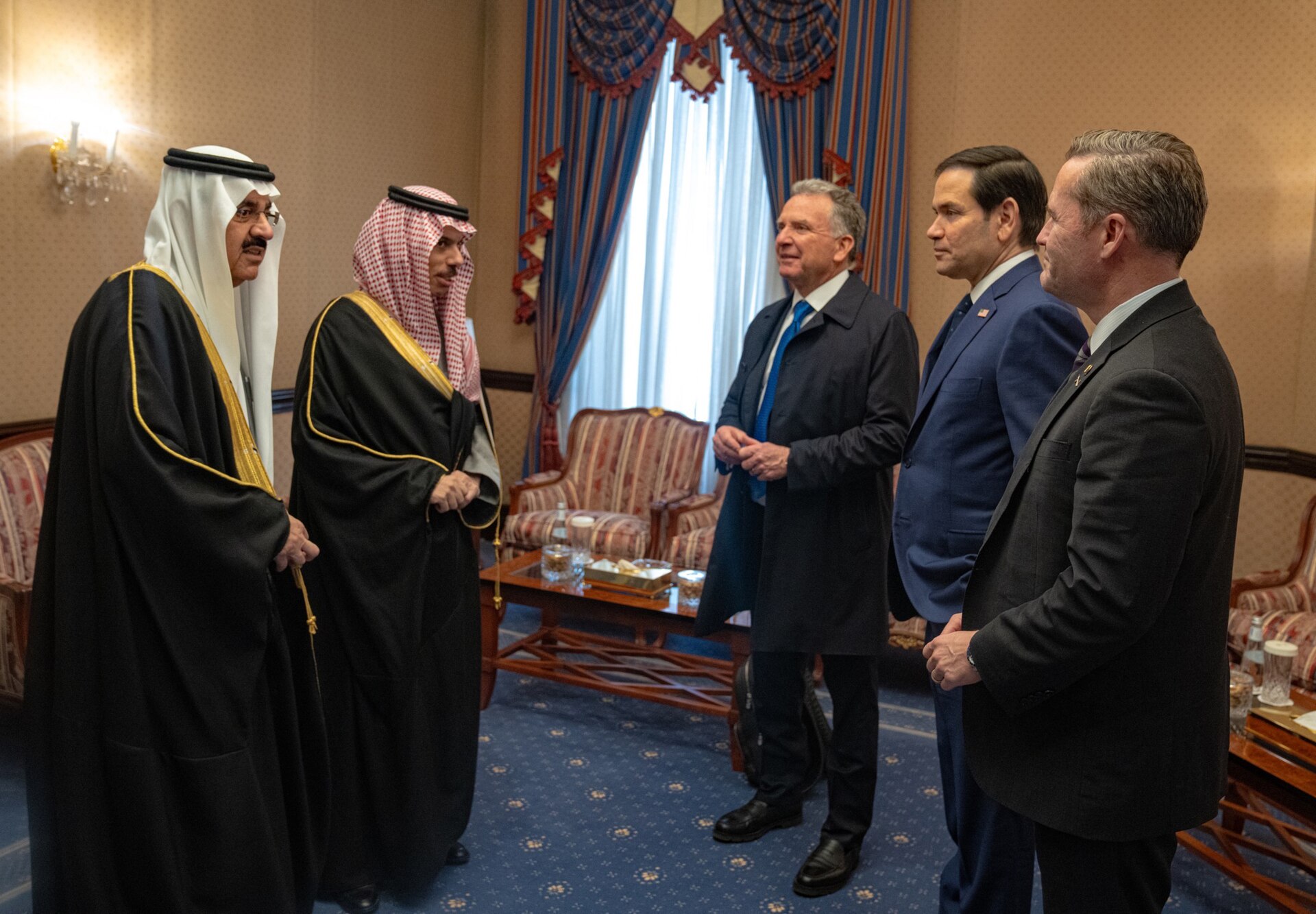
The Structural Trap Riyadh Faces
Saudi Arabia faces a negotiating position in which every available response strengthens Iran’s hand. If Riyadh accepts Araghchi’s offer to mediate, it legitimises Iran as the broker of a conflict Iran has fuelled — and risks repeating the Beijing deal pattern in which Tehran extracts diplomatic gains while the Houthis retain their military capacity.
If Riyadh rejects the offer, the Hormuz attacks and airport strikes continue, the deficit widens, the events calendar faces disruption, and the pressure to accept a deal on worse terms grows with each missile that reaches a terminal building.
If Riyadh relies on the United States, it waits until at least November 3 — and the record of two declined requests for strikes suggests American intervention against the Houthis is not forthcoming even after the midterms.
If Riyadh relies on the Mecca pact, it deploys Pakistani and Turkish forces whose mandate, readiness, and rules of engagement remain undefined. Pakistan’s defence minister said on October 6 that combat “is practically being conducted by Saudi Arabia’s own forces” (Al Jazeera, 2026-10-06). CNN said Riyadh has stopped “short of any major deployment of its own troops” (CNN, 2026-10-11). The sources conflict on the extent of Saudi ground involvement, but neither describes a security architecture that can intercept every Houthi missile aimed at Riyadh.
The last confirmed Saudi-Iranian leader contact before the war was the crown prince’s January 27 call with then-President Pezeshkian, in which he told Iran “the kingdom will not allow its airspace or territory to be used for any military actions against Iran” (The News, 2026-01-27). That commitment belongs to a different era. Saudi Arabia expelled Iran’s diplomats on March 21 (Qatar Tribune, 2026-03-23). Iran’s allies have struck Saudi airports repeatedly since October 6 (BBC, 2026-10-08/11). And Iran’s foreign minister is on the phone, offering to help.
The question is not whether Araghchi’s call was sincere. Sincerity is beside the point in coercive diplomacy. The question is whether Riyadh has an alternative to the exit Tehran is offering — and whether it can find one before the next missile arrives.
Frequently Asked Questions
Has Saudi Arabia responded to Araghchi’s October 12 mediation offer?
As of October 13, no public statement from Riyadh accepting, rejecting, or acknowledging Araghchi’s framing has been found. Saudi Arabia’s diplomatic silence on the call contrasts with the joint condemnation issued by Saudi Arabia, Egypt, Pakistan, and Turkey on October 11, which called the Houthi attacks “a blatant violation of international law” (CBS News, 2026-10-11). That statement was directed at the Houthis, not at Iran’s offer. Whether Riyadh has responded through private channels — as it did during the 2021 Baghdad back-channel — is unknown.
What conditions has Iran set for reopening the Strait of Hormuz?
Iran’s Supreme National Security Council set formal conditions on August 8: ending the war, lifting the US counter-blockade, and paying wartime compensation (Al-Monitor/AFP, 2026-08-09). Iran reportedly demanded $300 billion in compensation via mediators (Gulf News, 2026-08-12). The September 25 roadmap added demands for release of approximately $12 billion in frozen assets and sanctions waivers (Al Jazeera, 2026-09-25). The October 12 call to Riyadh did not reference any of these conditions, suggesting Iran is pursuing a parallel track with Saudi Arabia that is separate from the US-Iran Hormuz negotiation.
Is there a reported Saudi ceasefire offer to the Houthis?
The Jerusalem Post, citing Hezbollah-affiliated Al Akhbar, reported in September that Saudi Arabia sent the Houthis a proposal via Oman for a two-week ceasefire and direct talks (Jerusalem Post, 2026-09-18). Riyadh did not officially confirm this report. If accurate, both Iran and Saudi Arabia would be exploring parallel diplomatic tracks — with Iran offering to mediate through Araghchi and Saudi Arabia potentially negotiating directly through a different intermediary in Muscat.
Is Iran expanding tanker attacks beyond the Strait of Hormuz itself?
Iran has expanded strikes to waters outside the Hormuz chokepoint, according to Euronews (Euronews, 2026-10-08). UKMT confirmed one vessel struck near Oman’s Sohar anchorage, south of the strait proper (UKMT via The National, 2026-10-13). The geographic expansion means rerouting through alternative Gulf corridors does not eliminate the threat. It also complicates the US counter-blockade, which concentrates on Iranian port approaches. CENTCOM disabled the M/V Ocean Molica in the Gulf of Oman on October 10 for breaching the US blockade (CBS News, 2026-10-10), but policing the wider Gulf of Oman littoral is a different operational challenge from controlling the narrow Hormuz passage.
How many direct Saudi-Iranian contacts have occurred during the war?
At least two foreign-minister-level contacts are confirmed. The August 3 Araghchi-Faisal call was the first wartime FM exchange (Trend.az, 2026-08-03). The October 11–12 call is the second. Before the war, the crown prince called then-President Pezeshkian on January 27, pledging Saudi airspace would not be used against Iran (The News, 2026-01-27). Saudi Arabia then expelled Iran’s military attaché and embassy staff on March 21, severing the in-country diplomatic channel (Qatar Tribune, 2026-03-23). No Saudi-Iranian leader-level contact during the war has been confirmed.