
RIYADH — Saudi Civil Defence confirmed on Tuesday that debris from two intercepted Houthi ballistic missiles damaged a building, a construction project, and a vehicle in Riyadh, while the Saudi-led coalition announced early Wednesday that it had intercepted a separate ballistic missile aimed at Taif — a western city that hosts a major coalition air base and sits roughly 80 kilometres from Makkah.
No injuries were reported in either incident. The Taif-bound launch extended the geography of Houthi fire to the kingdom’s western flank on a day when Civil Defence also issued and then lifted emergency alerts for Jeddah and Yanbu.
Table of Contents
What Happened in Riyadh?
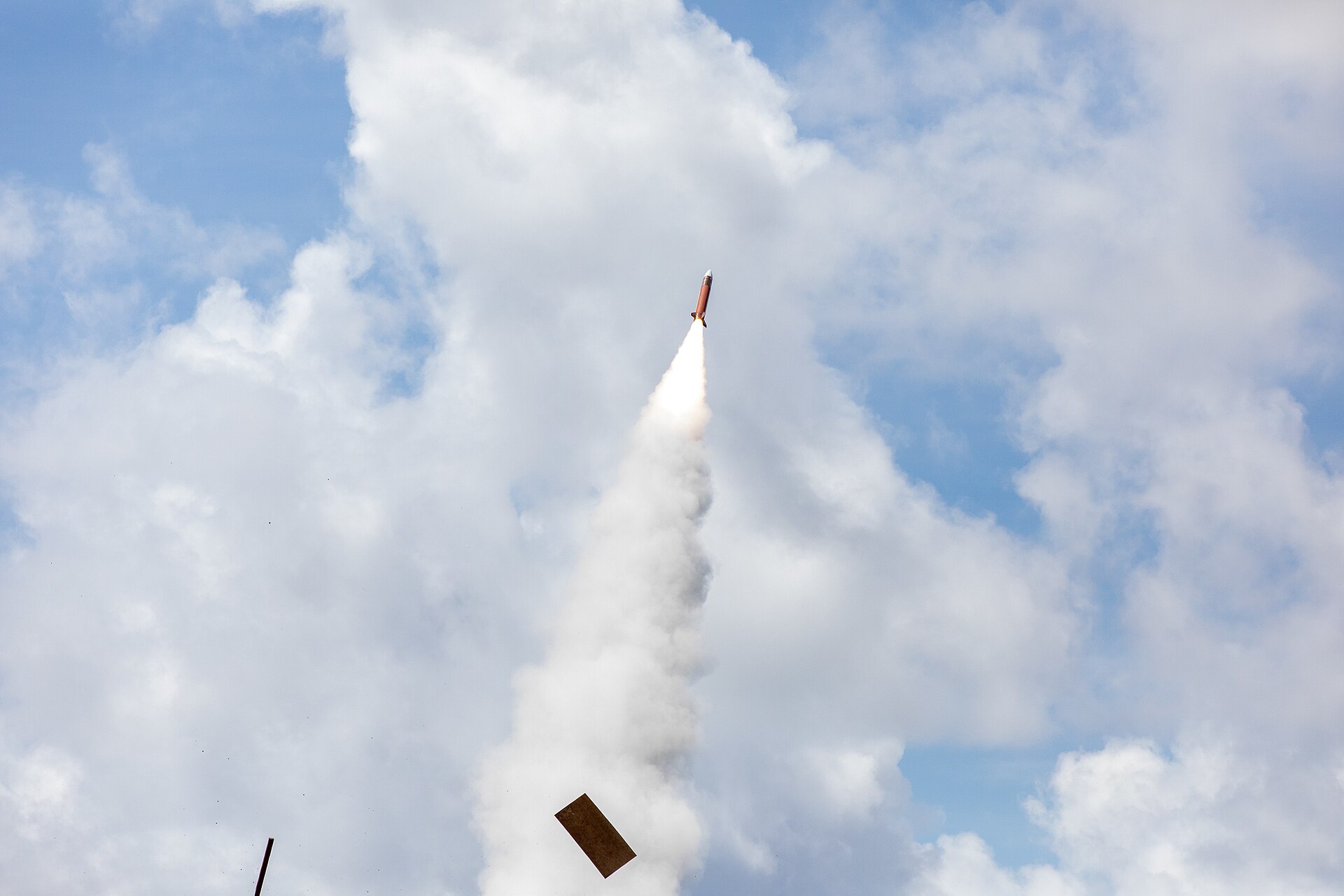
Saudi Civil Defence said on Tuesday, October 27, that two Houthi ballistic missiles were “intercepted and destroyed” over the capital, according to a statement carried by Al Arabiya English and Arab News. Fragments from the intercepts fell across at least one area of the city, striking a building, a construction site, and a parked vehicle.
The House of Saud Daily Briefing
Saudi Arabia's news in 3 minutes, every morning. Free. See today's issue
The Civil Defence spokesperson said emergency crews responded under established procedures. No casualties were reported. The statement did not identify the Riyadh district where the debris landed, and no wire report or official release has since named a more specific location.
Arab News reported that the Saudi cabinet praised the kingdom’s air defence systems for thwarting what it called repeated Houthi attempts to target Saudi cities, including Makkah and Madinah. The cabinet statement did not provide figures on the number of intercepts carried out in October.
The debris damage in Riyadh came on a day when the coalition also announced, in separate statements, that it had intercepted three ballistic missiles aimed at the Eastern Province and four drones directed at southern Saudi Arabia, according to Arab News and Al Jazeera.
Debris from intercepted missiles has been a recurring side-effect of the air defence campaign over Saudi cities. In March 2026, four people were injured in Riyadh when fragments from an intercepted missile fell on a residential area, according to Saudi Civil Defence, as reported by Anadolu Agency. The October 27 incident produced property damage but no injuries.
Coalition Intercepts Missile Aimed at Taif
In a separate statement posted on X early Wednesday, October 28, coalition spokesman Major General Turki al-Maliki said that “a ballistic missile launched by the Houthi militia toward Taif was intercepted and destroyed,” according to Ajel English, Arab News, and Tribune Pakistan. Al-Maliki provided no further details on the type of missile, the exact time of the intercept, or whether debris fell.
The coalition did not report casualties or damage from the Taif interception.
Around the same time, Saudi Civil Defence issued emergency warnings for Jeddah and Yanbu, instructing residents to move to the nearest safe location, according to Newsquawk and Minute Mirror. Arab sources reported explosions heard in both cities, Newsquawk said. Civil Defence later declared that the danger had passed in Jeddah and Yanbu, without disclosing the specific threats that triggered the alerts.
It was not immediately clear whether the Jeddah and Yanbu alerts were triggered by the same Taif-bound launch, by additional missiles on a parallel trajectory, or by separate threats. The coalition’s statement referenced only the single Taif-direction missile.
Some outlets described the Taif intercept as occurring on “Tuesday night,” while the coalition and most wire reports placed it early Wednesday. The timing discrepancy has not been officially resolved.
Why Does Taif Matter to the Coalition?
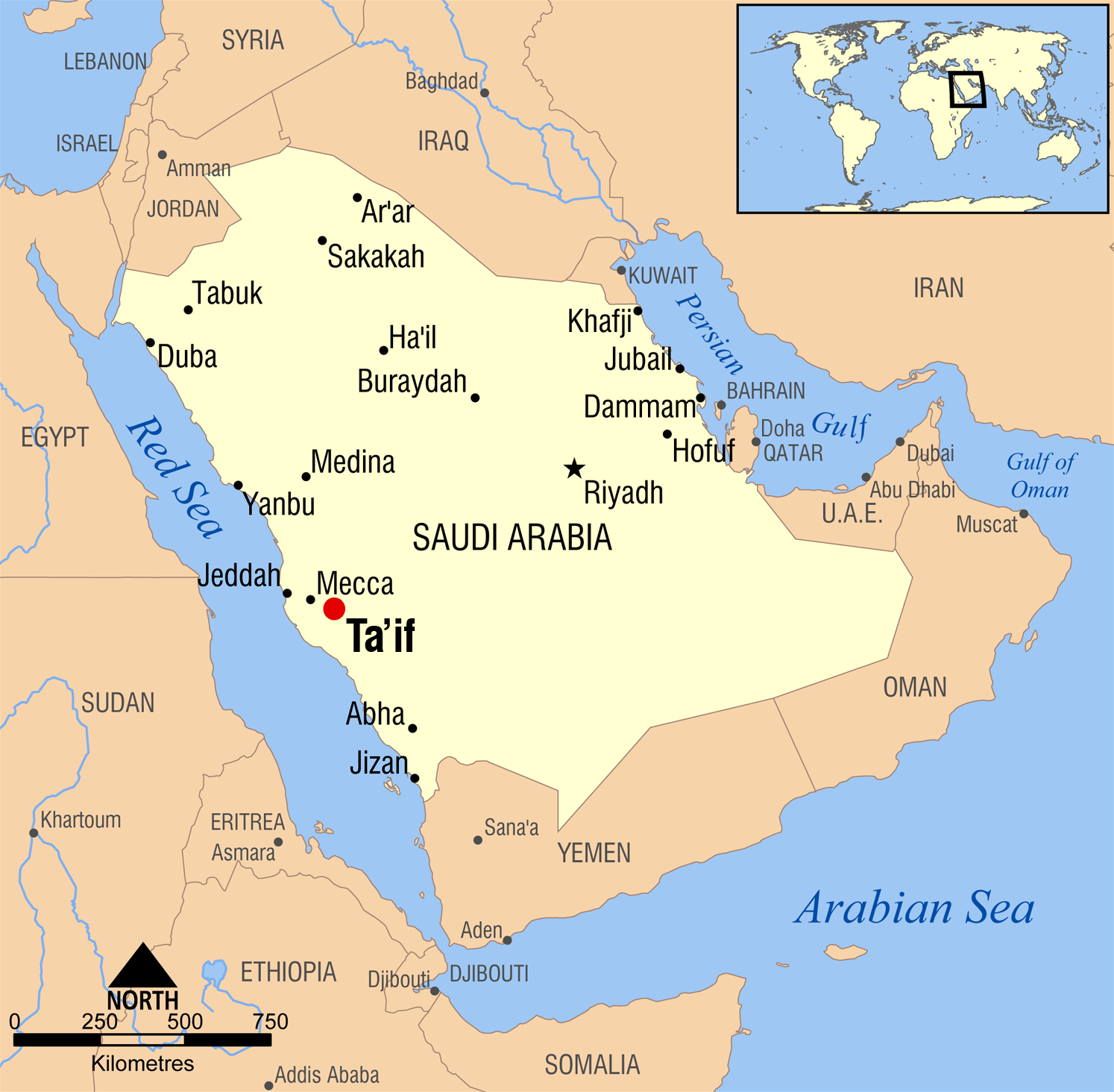
Taif, the traditional summer capital of Saudi Arabia, sits in the Hejaz highlands at an elevation of about 1,800 metres, roughly 80 kilometres southeast of Makkah and some 800 kilometres from the nearest Houthi-controlled launch areas in northern Yemen.
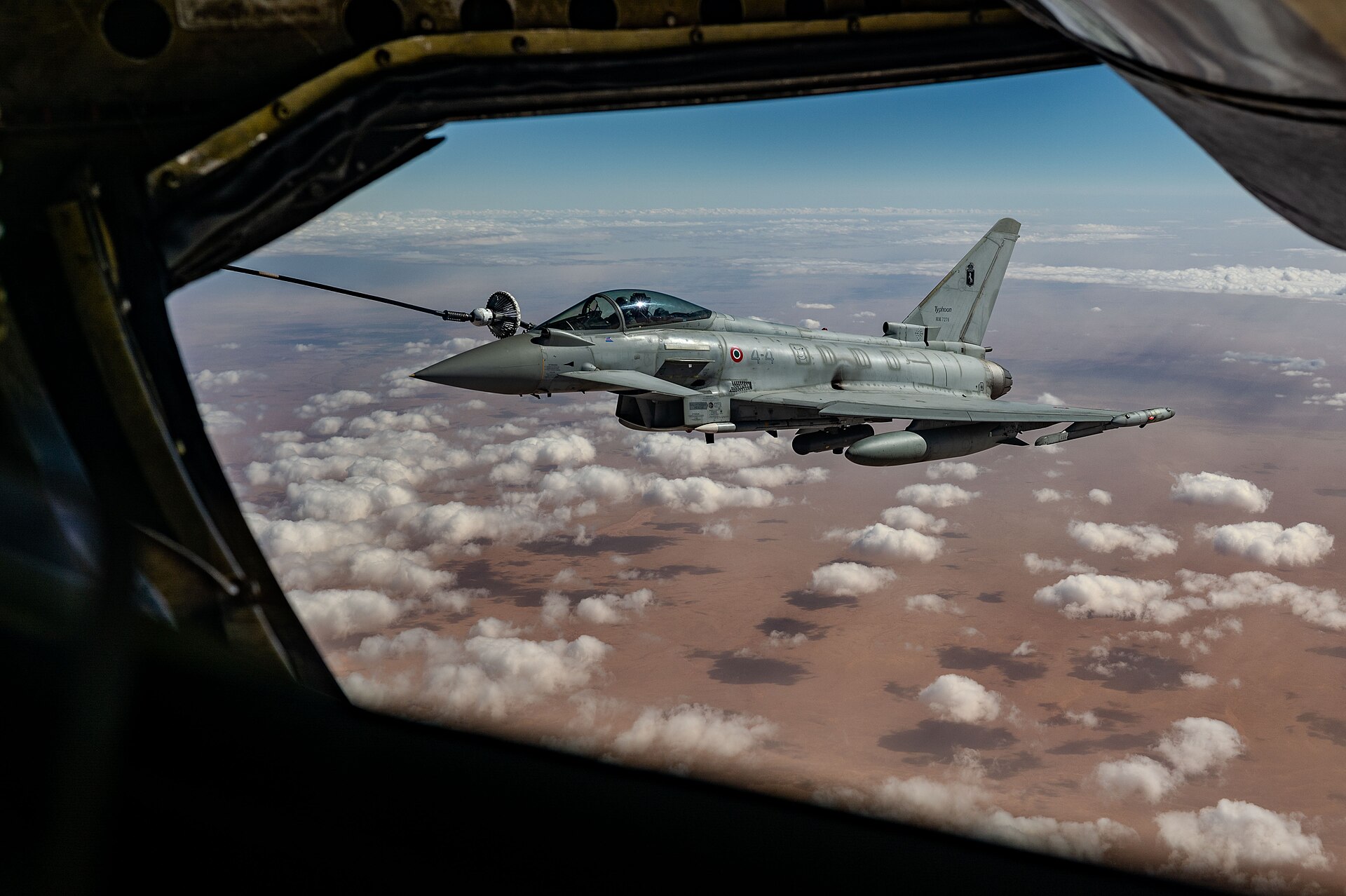
The city’s military value centres on King Fahd Air Base, one of the coalition’s primary forward operating bases. The base hosts Royal Saudi Air Force F-15 Strike Eagles and, since late March 2026, Italy’s Task Force Air – Arabia: four F-2000A Eurofighter Typhoons, an E-550A Conformal Airborne Early Warning aircraft, and C-130J transport planes, according to The Aviationist. Italian Defence Minister Guido Crosetto confirmed the deployment in statements carried by Italian media. The task force includes approximately 400 Italian Air Force personnel, though one report put the figure at around 300.
GlobalSecurity has listed a US military training advisory detachment at the base, with the commanding officer serving as adviser to the Ministry of Defence area commander.
The base’s proximity to Makkah adds a layer of political and religious sensitivity. Any missile that reaches the Taif area — whether intercepted or not — raises immediate questions about the defence of Islam’s holiest city. In July 2017, the coalition said it shot down a Houthi missile over Al-Wasliya in Taif province, just 69 kilometres from Makkah, according to Arab News and France 24. The Houthis said at the time that the missile had been aimed at King Fahd Air Base, not at Makkah. The intended target remained disputed.
Houthi Claims and Saudi Denials
Houthi military spokesman Yahya Saree said on Tuesday that the group had fired a ballistic missile at the Saudi Defence Ministry headquarters in Riyadh and achieved a “direct hit.” “Our armed forces targeted the Ministry of Defence in the enemy Saudi capital, Riyadh, with a ballistic missile and the hit was direct,” Saree said in a statement carried by Free Press Kashmir, ANews Turkey, and Daily Times Pakistan.
Saudi authorities did not confirm any direct impact on the Defence Ministry. The coalition said the missiles were intercepted and destroyed in the air; the Civil Defence statement described only scattered debris damage to a building, a construction site, and a vehicle — a pattern consistent with interception fragments, not a warhead detonating on target.
In the same series of claims on October 27, Saree said the Houthis also launched a ballistic missile at the Ras Tanura refinery in the Eastern Province, claiming “massive fires.” Saudi officials had separately confirmed a fire at Ras Tanura the following day but attributed it to an earlier missile intercept. Aramco told Argaam that the fire was “fully contained,” with eight people injured and operations unaffected.
Saree further claimed a drone strike on Abha International Airport and ballistic missile attacks on military transport aircraft at Najran Airport and King Khalid Air Base in Khamis Mushait, according to ANews. None of those claims were confirmed by Saudi or coalition officials.
No Houthi claim specifically naming Taif as a target on October 28 was found in available wire or social media reporting. The coalition confirmed the Taif intercept without a matching Houthi statement.
Taif Under Houthi Fire
The Houthis have targeted Taif repeatedly across the current and earlier conflict cycles.
The group first fired a ballistic missile at the city in the autumn of 2016. A Burkan-1 (Volcano-1) missile launched from Houthi-controlled territory traveled more than 520 kilometres from the Yemen border, according to Arab News and a Saudi letter to the United Nations. The Houthis said the target was King Fahd Air Base. Saudi Arabia said the missile was intercepted.
In late July 2017, the coalition said it downed a Houthi missile over Taif province’s Al-Wasliya area, 69 kilometres from Makkah. France 24 and Arab News both reported the intercept. No casualties or damage were confirmed.
In the current conflict, the threat has grown more concrete. On September 14, 2026, Houthi strikes wounded 13 civilians across Khamis Mushait, Abha, and Taif, according to Khaleej Times. That attack confirmed Taif was once again in the Houthis’ active target set.
Three days later, on the night of September 17–18, 2026, a Houthi attack on King Fahd Air Base struck an Italian F-2000A Eurofighter parked in a dispersed area of the base, according to The Aviationist. Italian Defence Minister Crosetto confirmed the hit, saying no Italian personnel were injured and no other Italian equipment was damaged. The extent of the damage to the aircraft has not been disclosed; unconfirmed reports cited by ANSA suggested a second Eurofighter may have been struck by shrapnel, with one of the two already non-operational before the attack. Crosetto ordered a fresh security assessment of the deployment, but Italy did not announce a withdrawal or modification of the mission.
Italian opposition party M5S had previously called for parliamentary briefings on the risk to Task Force Air – Arabia, warning that the base could be targeted because it was being used to launch coalition raids on Yemen, according to The Aviationist.
On October 24, Saudi Civil Defence issued alerts for Makkah, Jeddah, Yanbu, and Taif after the coalition intercepted ballistic missiles aimed at Taif and Yanbu, according to Gulf Business and News of Bahrain. The October 28 Taif-direction launch came four days later.
Does Taif Exposure Stretch Saudi Air Defenses?
The geography of the Houthis’ October attacks has widened steadily. The group has fired at Riyadh, the Eastern Province oil infrastructure, the southern border cities of Khamis Mushait and Abha, the western port of Yanbu, and now Taif in the Hejaz interior — a spread of targets that spans the width of the kingdom.
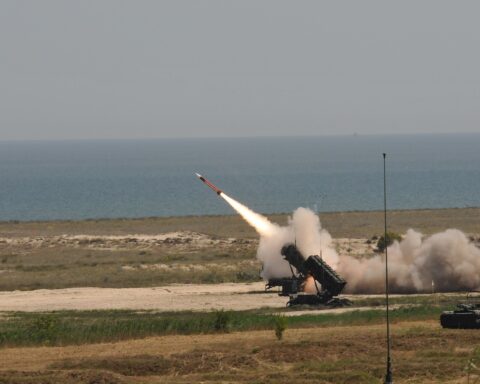
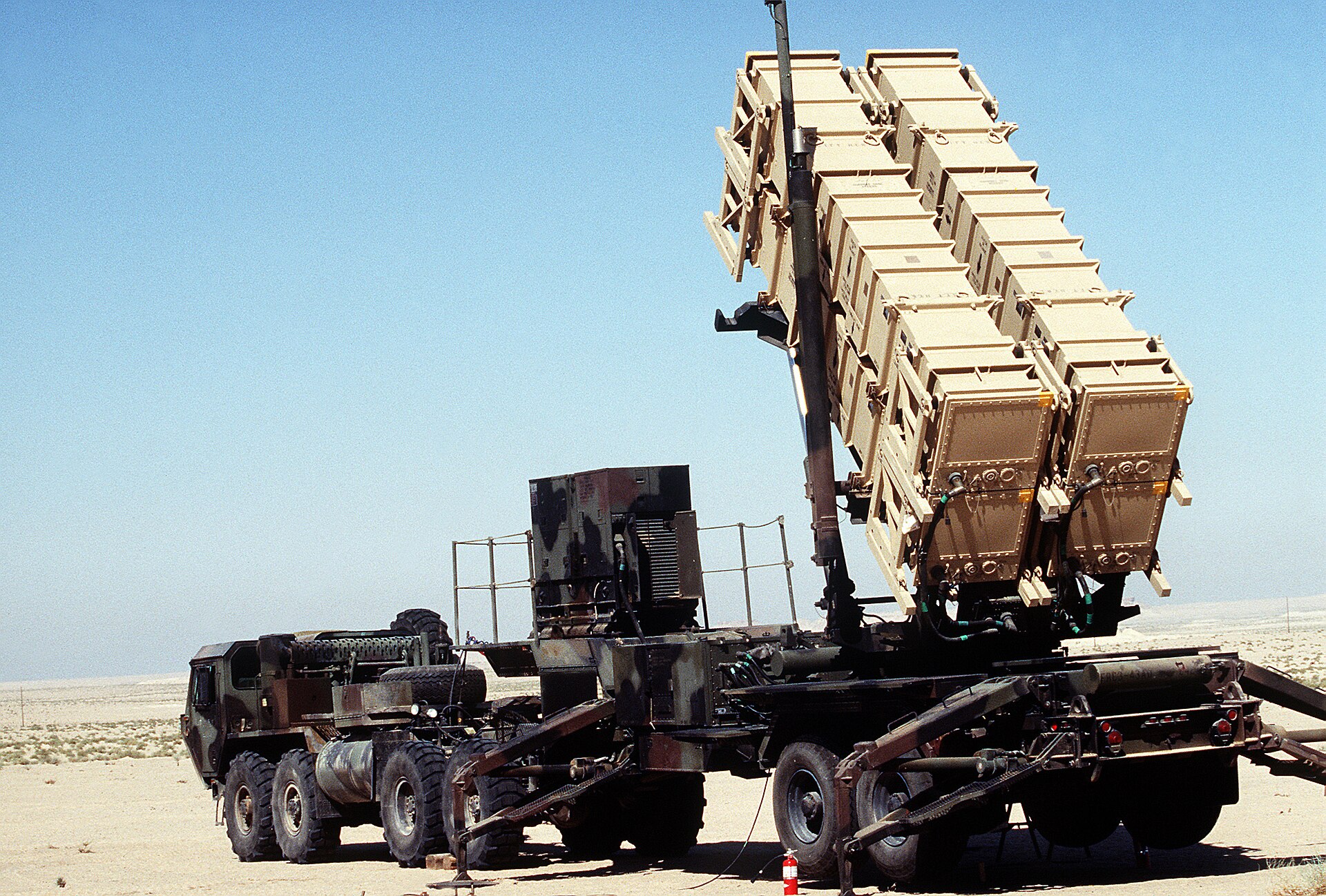
Saudi Arabia’s Patriot and THAAD batteries are concentrated around the highest-value targets: Riyadh, the Eastern Province oil terminals, and the southwestern military installations near the Yemen border. The western Hejaz — Taif, Jeddah, Yanbu, and the approaches to Makkah — represents a geographically separate coverage zone. The National reported in October that the simultaneous and repeated nature of Houthi attacks has demonstrated the pressure on Saudi Arabia’s air defence network to cover all corners of the country.
The October 28 sequence illustrated that pressure in real time. Within the same operational window, the coalition was responding to missile threats against Riyadh (intercepting two missiles and managing debris fallout on October 27), then turning to a Taif-bound launch and issuing simultaneous alerts for Jeddah and Yanbu early on October 28.
Taif sits at the far edge of estimated Houthi ballistic range. The Burkan-2H, which the group has used against Riyadh, has an estimated range of 800 to 1,000 kilometres, according to Army Recognition. Taif lies roughly 800 kilometres from the nearest launch sites in northern Yemen — within the Burkan-2H’s envelope but at its outer reaches, where accuracy degrades. Whether the Houthis are using the Burkan-2H or a different system for the western-axis launches has not been confirmed.
The fact that Civil Defence activated alerts for Jeddah and Yanbu alongside the Taif threat suggests Saudi authorities treated the entire western seaboard as potentially at risk during the launch window. Jeddah hosts King Abdulaziz International Airport, the kingdom’s busiest aviation hub and the main gateway for Hajj and Umrah pilgrims. Yanbu is home to a major Aramco export terminal that has been a repeated target of Houthi claims.
The broader regional escalation — with the Strait of Hormuz declared closed by the IRGC on October 26 and the US warning Gulf states to prepare for a possible post-midterm campaign against Iran — has raised the stakes of every Houthi launch. Each missile that reaches a new target area tests not just the air defence batteries overhead but the political framework holding the coalition together.
Background
The Houthi missile and drone campaign against Saudi Arabia has intensified since July 2026, when the group resumed large-scale cross-border attacks after the collapse of a UN-brokered truce extension. The Iran-backed group has targeted civilian airports, oil infrastructure, and population centres across the kingdom.
On October 25, the coalition destroyed Houthi missile launchers in Sanaa in a retaliatory strike after a series of attacks on Riyadh and southern Saudi cities. The coalition said it intercepted 10 missiles over southern Saudi Arabia on the same day, according to Arab News.
The conflict has expanded in scope alongside the wider Iran crisis. The IRGC declared the Strait of Hormuz closed on October 26, and the US has warned Gulf states to prepare for possible military action against Iran after the US midterm elections on November 3. Saudi Arabia sent its defence minister to Tehran on October 26 for talks that ended without a ceasefire.
King Khalid International Airport in Riyadh, shut down after a Houthi strike in mid-October, reopened Terminals 1 and 2 on October 25. At least 19 airlines had refused to fly to Riyadh during the closure.
Frequently Asked Questions
What type of missile did the Houthis fire at Taif?
The coalition did not specify the missile type used in the October 28 Taif-direction launch. The Houthis have previously used the Burkan-2H ballistic missile against distant Saudi targets, which Army Recognition estimates has a range of 800 to 1,000 kilometres. Taif lies at approximately 800 kilometres from the nearest Houthi launch areas in northern Yemen, placing it at the outer edge of that system’s estimated range. The Houthis may also have access to newer Iranian-supplied systems with greater range and accuracy, though no specific identification has been made for this launch.
Were any Italian military personnel or aircraft at King Fahd Air Base affected by the October 28 missile?
The coalition said the October 28 missile was intercepted before reaching Taif and reported no casualties or damage. Italy’s Task Force Air – Arabia, which includes four F-2000A Eurofighter Typhoons and approximately 400 personnel, is based at King Fahd Air Base. A Houthi attack on the base on September 17–18, 2026, did damage one Italian Eurofighter on the ground, but the Italian Ministry of Defence has not reported any impact from the October 28 launch.
Has Makkah itself ever been directly targeted by a Houthi missile?
The question of whether the Houthis have targeted Makkah is disputed. In October 2016 and July 2017, the Saudi-led coalition said it intercepted Houthi missiles headed toward Makkah — one near Makkah, another over Al-Wasliya, 69 kilometres away. The Houthis denied targeting Makkah in both cases, saying the missiles were aimed at King Fahd Air Base in Taif or King Abdulaziz International Airport near Jeddah, which lie in the same general direction from Yemen. No missile has been confirmed to have struck within Makkah’s boundaries.
How often has Saudi Civil Defence issued emergency alerts in October 2026?
Civil Defence has issued alerts for multiple cities on several occasions in October alone. October 24 brought the widest simultaneous coverage — warnings across four cities at once — following a multi-direction launch. On October 28, alerts were issued for Jeddah and Yanbu during the Taif-direction launch. Earlier in the month, Riyadh and the Eastern Province received alerts during separate intercept operations. The frequency of the alerts reflects the sustained tempo of Houthi launches throughout October.
What is the Burkan missile family?
The Burkan (Volcano) is a series of modified ballistic missiles used by the Houthis, widely assessed by Western and Gulf intelligence agencies to be based on Iranian designs or supplied Iranian components. The Burkan-1, with an estimated range of over 500 kilometres, was first used against Taif in 2016. The Burkan-2H, with a longer estimated range of 800 to 1,000 kilometres, has been used against Riyadh. UN panels of experts have documented Iranian components in recovered Houthi missile debris. Iran denies supplying missiles to the Houthis.
The House of Saud Daily Briefing
Saudi Arabia's news in 3 minutes, every morning. Free. See today's issue