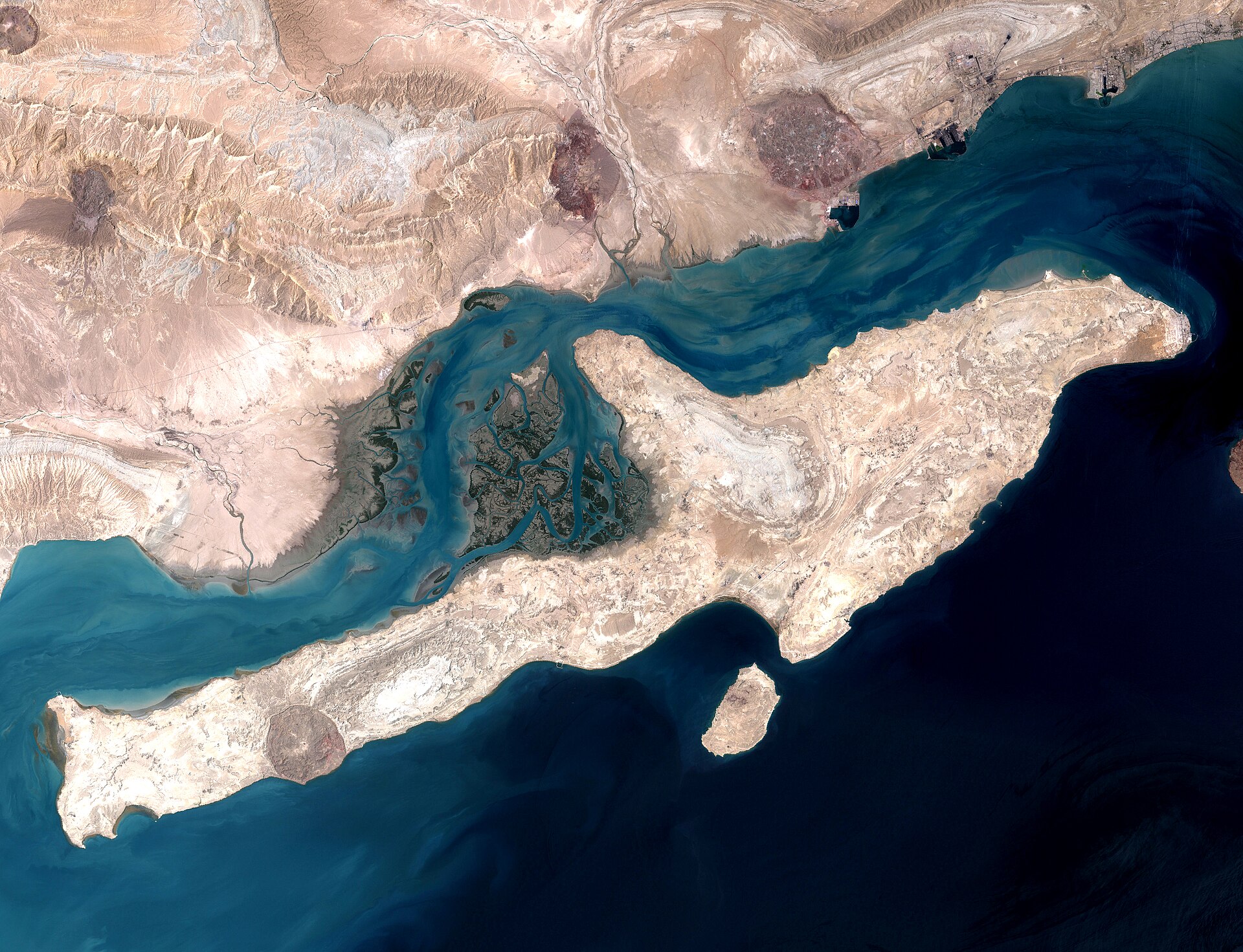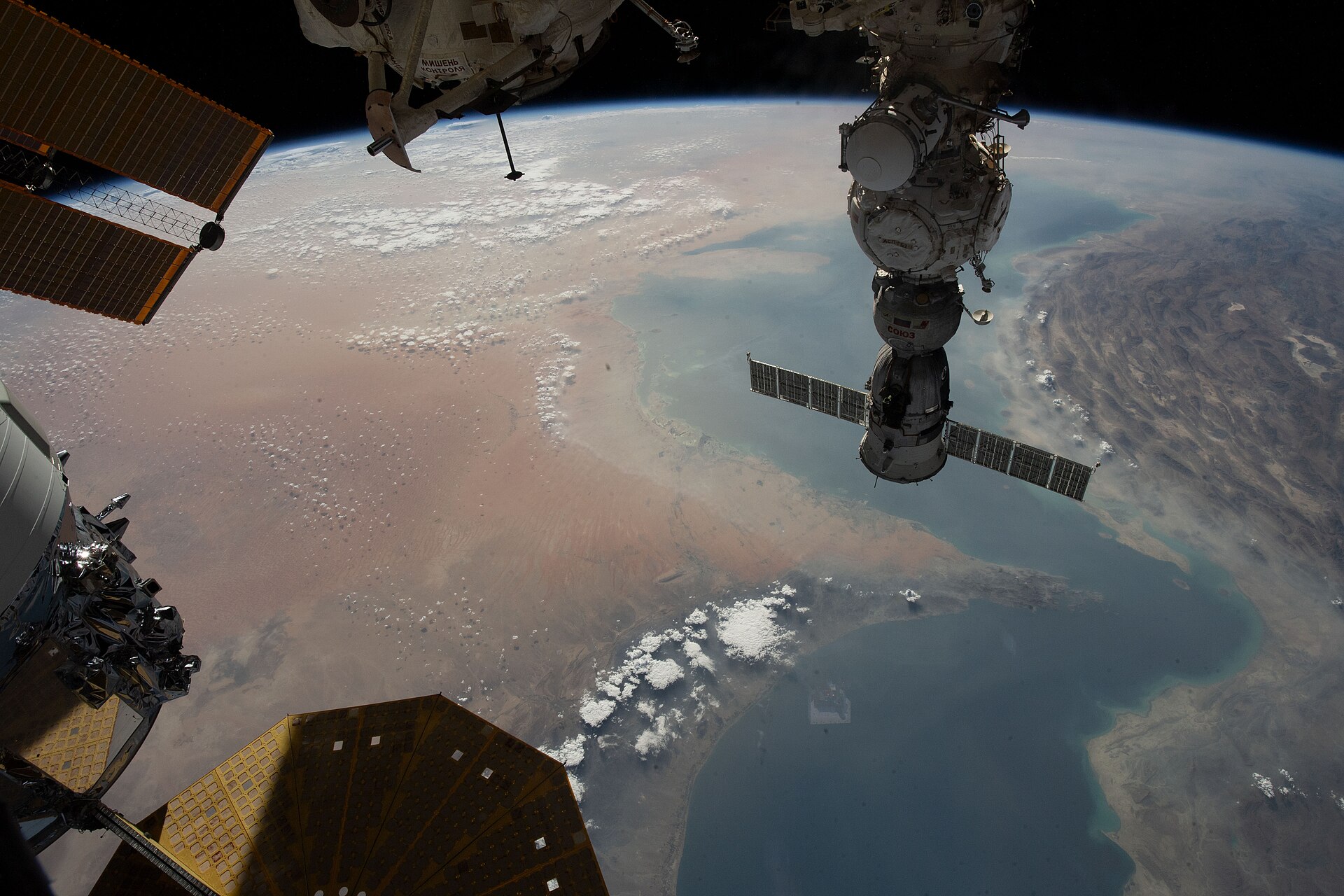

DUBAI — Iran and the United States both signalled on November 2 that a deal to reopen the Strait of Hormuz could materialise within days, as Iran’s Supreme Leader Mojtaba Khamenei granted the government expanded authority to conclude negotiations and President Donald Trump said Iran wanted a settlement “as soon as possible.” The diplomatic acceleration came less than 24 hours after US forces struck an IRGC surface-to-air missile launcher on Qeshm Island, a strike US officials told the Wall Street Journal was intended to protect commercial shipping through the waterway.
The shift in tone was matched by a shift in the oil market. Brent crude fell to $104.82 by early November 3, down 4.77% over 24 hours, according to the Straits Daily Brief, extending a Monday decline of 7.4% that CBS News attributed to growing expectations of a deal. Iran’s Foreign Ministry spokesman Esmaeil Baghaei compressed Tehran’s reopening timeline from the original seven-day plan to just two days, telling Xinhua it would be “possible to reopen the Strait of Hormuz within two days” if the US met what he called “legitimate demands.” Yet the strait itself remained closed to commercial shipping as of 03:27 UTC on November 3, with 151 vessels holding position in the Gulf watch box, according to the Straits Daily Brief.
The House of Saud Daily Briefing
Saudi Arabia's news in 3 minutes, every morning. Free. See today's issue
Table of Contents
The Qeshm Strike and What Followed
US officials confirmed to the Wall Street Journal on November 3 that American forces had struck Qeshm Island on November 2, targeting what they described as an IRGC surface-to-air missile launcher. Officials characterised the operation as a “defensive strike” and told CBS News it constituted “limited defensive strikes” that were “not the start of expanded strikes.” The stated purpose, according to officials speaking to CBS, was to restrict Iran’s ability to attack commercial shipping in the strait.
The strike landed on the eve of Trump’s self-imposed deadline. On October 8, Trump had ruled out attacking Iran before the November 3 midterm elections, according to The National. The Qeshm operation, framed as defensive rather than offensive, appeared to thread that commitment while demonstrating the US could and would use force in the waterway. Within hours of the strike, Iran’s diplomatic machinery accelerated in ways it had not in the preceding weeks.
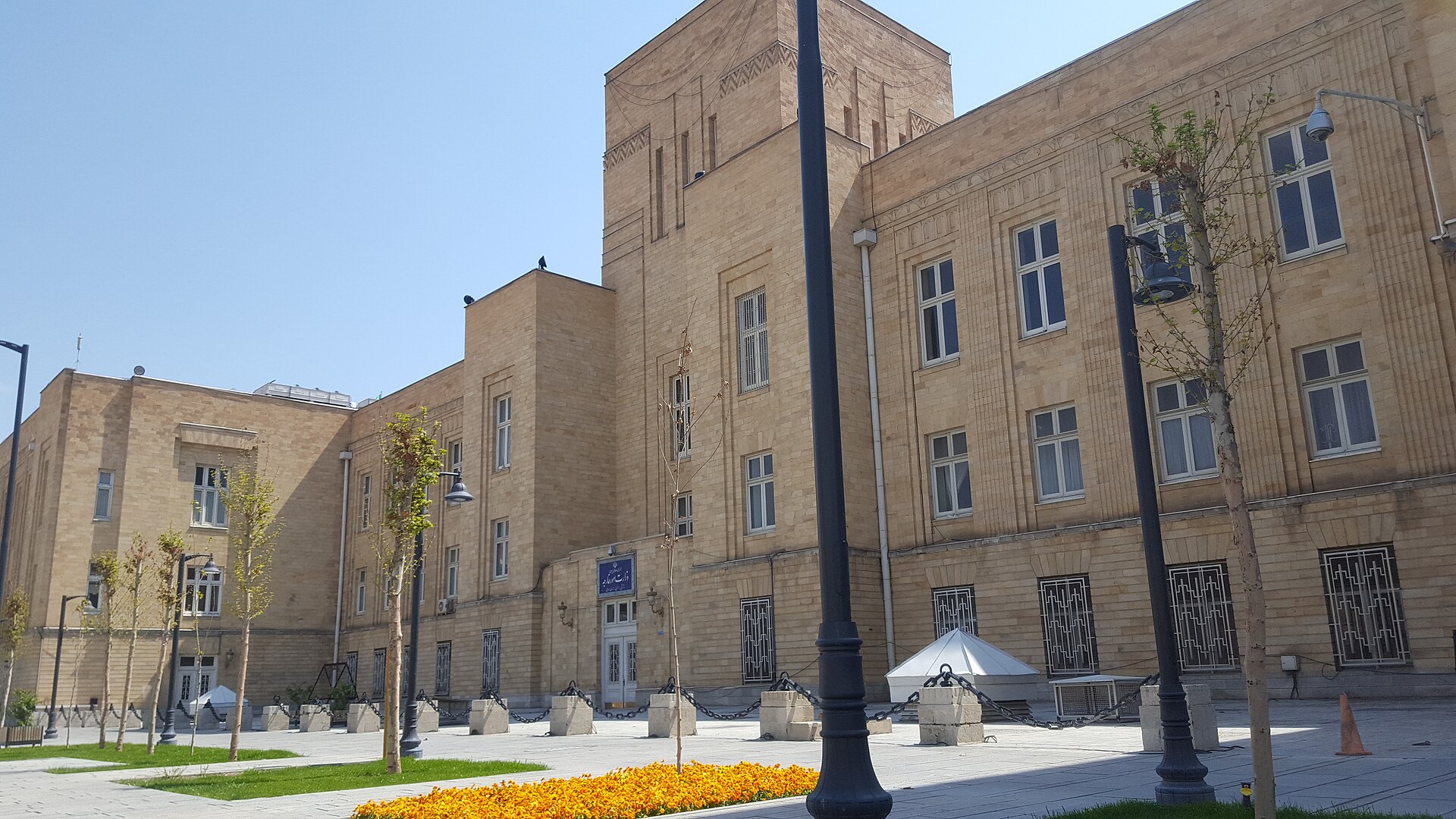
Iran’s Foreign Minister Abbas Araghchi told Al Jazeera on November 2 that mediated consultations through Qatar and Pakistan had become “extremely intensive,” and that Mojtaba Khamenei had given the government more authority to speed up talks with Washington. Araghchi said the reopening plan could be implemented in two days, though he added a warning that “any further US military escalation would draw a far harsher response,” according to Xinhua and Al Jazeera.
How Did Iran’s Position Shift So Quickly?
The speed of the shift became clearer when measured against the original plan. Araghchi had submitted a seven-day roadmap via Qatar on September 25, under which Hormuz would reopen in exchange for the US lifting its naval blockade of Iranian ports, sanctions waivers, and the release of roughly $12 billion in frozen Iranian financial assets, according to Al Jazeera. The Wall Street Journal reported at the time that Trump rejected the plan. For weeks afterward, diplomacy appeared stalled, with the US blockade and Iran’s Hormuz closure locked in mutual escalation.
Then came the compression. On November 1, Araghchi offered a two-day version of the original plan, as reported by this site and multiple outlets. By November 2, Baghaei went further, telling Xinhua that if the US met “legitimate” demands, reopening could happen within two days, describing it as “another indication of Iran’s good-faith approach.” The conditions themselves — lifting the US naval blockade, ending sanctions, ceasing hostilities, releasing frozen assets, and reducing US troop numbers in the region — remained unchanged, according to Al Jazeera and Gulf News. What changed was the timeline Iran said it needed to execute them.
The role of Mojtaba Khamenei in authorising the acceleration added weight to the signals. Iran’s Supreme Leader — who took office on March 8 after the death of Ali Khamenei on February 28 — had not previously been reported as intervening directly in the Hormuz negotiations. Araghchi’s statement to Al Jazeera that Khamenei had granted the government more authority to conclude talks suggested a decision at the highest level of the Iranian system that the moment for a deal had arrived, or at least that the costs of continued closure were rising faster than the benefits.
Trump and Vance Signal Confidence
On the American side, the signals were equally direct. Trump posted on Truth Social that “Iran wants a settlement as soon as possible,” according to Gulf News. In remarks cited by Al Jazeera, he said the conflict would end very soon — either with a deal or by ending it another way.
Vice President JD Vance reinforced the message. Speaking to reporters, Vance said the administration had “certainly made some progress” and expressed confidence in a negotiated settlement, according to Gulf News. He added a condition: any deal would require a “verifiable commitment” that Iran would not rebuild its nuclear programme. The nuclear dimension had not featured prominently in the Hormuz-specific negotiations, and its inclusion by Vance suggested the US was seeking to bundle the strait reopening into a broader framework — or at least signal to domestic audiences ahead of the midterms that any agreement would address the nuclear file.
The dual signalling — Trump’s brash confidence and Vance’s more measured language about verifiable commitments — tracked with the administration’s established approach to Iran, oscillating between threats and deal-making. Just hours before the diplomatic statements, Trump had threatened to strike Iran forcefully if talks failed.
What Conditions Remain Between the Two Sides?
The gap between what Iran demands and what the US appears willing to offer remained substantial despite the warm language. Iran’s conditions, as reported by Al Jazeera and Gulf News, included lifting the US naval blockade of Iranian ports, lifting sanctions, ending hostilities on all fronts, releasing frozen Iranian financial assets, and reducing US troop numbers in the region. Baghaei told Al Jazeera that “the ball is in the US court,” framing the conditions as clear and non-negotiable.
The US, for its part, had not publicly responded to any of these demands in detail. Vance’s insistence on a “verifiable commitment” on Iran’s nuclear programme introduced an additional condition that Iran has historically resisted. Admiral Brad Cooper had maintained a different framing entirely: speaking on October 30, Cooper said the primary transit routes “remain free and clear of Iranian sea mines” and that he had seen “dozens of commercial vessels transiting — all types: cargo, crude oil, LNG,” according to India Shipping News and Gulf News. Cooper also said the IRGC navy was “all at the bottom of the sea,” a claim Iran’s Revolutionary Guards flatly rejected and demanded independent evidence to support.
CENTCOM’s broader claims — that more than 3,000 commercial vessels had transited with US support over six months, that 95% or more of ships attempting transit had passed through safely, and that Gulf partners had exported more than 1.5 billion barrels of crude since summer, all reported by Gulf News and India Shipping News — remained disputed by Iran and were not independently verified. Maritime Gateway reported on November 2 that while CENTCOM said transit lanes had been cleared, a “comprehensive return to normal” had “not been established.”
The Maritime Reality: 151 Ships Waiting
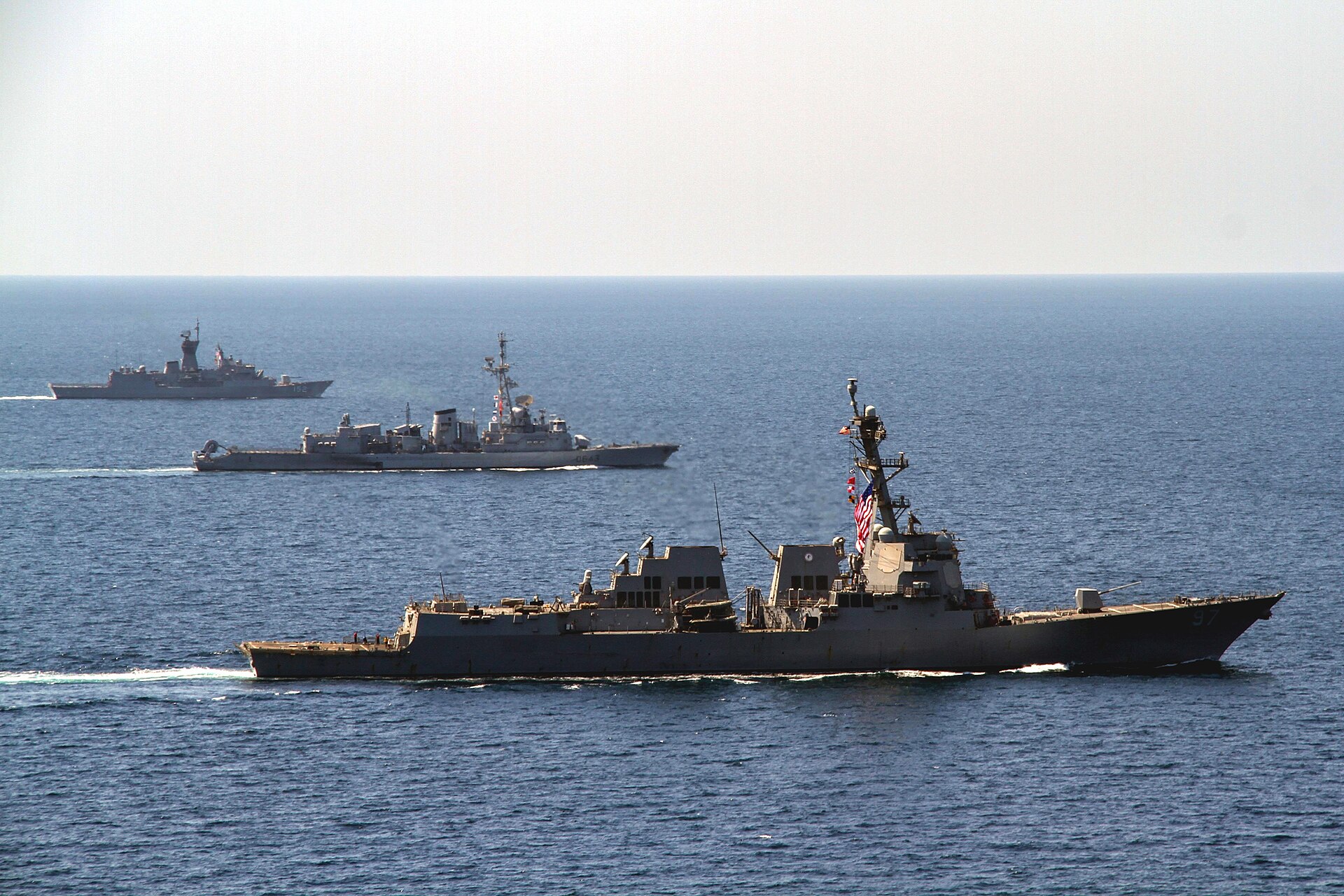
Whatever the diplomatic signals, the physical reality of the strait told a different story on November 3. The Straits Daily Brief recorded 151 AIS-visible vessels holding position away from berth in the strait and Gulf watch box, a figure that reflected both the ongoing commercial closure and the risk calculations of shipowners and insurers. Before the blockade, the strait carried roughly 138 ships per day, according to the Joint Maritime Information Center baseline. The gap between that figure and the current anchorage count represented months of accumulated disruption — Saudi oil exports had already fallen sharply with both export routes degraded.
The IRGC added to the ambiguity on November 2 by claiming that two tankers had struck mines and caught fire in the strait, according to the CBS News live blog; the IRGC also made aerial drone claims that CENTCOM called false. UKMTO reported that a vessel had been hit by an “unknown projectile” approximately 9 nautical miles off Oman, with the crew safe and the attacker unidentified, according to CBS News. Iran’s state broadcaster IRIB claimed 11 tankers had “caught fire” in the strait over nine days, though CBS noted there was “no evidence” to support the figure.
The oil market appeared to be pricing in a deal regardless. Brent’s drop to $104.82 reflected trader confidence that the diplomatic signals were serious, even as the shipping data showed no actual reopening. The 7.4% Monday decline reported by CBS News suggested that market participants had concluded the combination of the Qeshm strike, Khamenei’s intervention, and Trump’s statements had changed the probability distribution in favour of a near-term agreement.
Background: From Blockade to Bargaining Table
The current crisis traces back to April 18, when the IRGC declared the Strait of Hormuz closed to commercial traffic, five days after President Trump announced a US naval blockade of Iranian ports on April 13. An Islamabad Memorandum ceasefire briefly reopened the waterway, but Iran resumed the blockade on July 14 after the agreement broke down on July 8. Since then, the strait has been the central chokepoint in the broader US-Iran confrontation, with Iran using the closure to pressure the US on sanctions and the US maintaining a naval blockade of Iranian ports in response.
Araghchi’s seven-day reopening roadmap, submitted via Qatar on September 25, set the formal terms of the negotiations. Trump’s October 8 statement ruling out strikes before the November 3 midterms effectively set a clock on the negotiations: both sides knew that after the midterms, the military option would return to the table. The Makkah Defence Pact, ratified by Saudi Arabia and Pakistan among others (Turkey’s full parliamentary ratification remained pending), added a regional military dimension, though it lacked a joint command structure as of November 2.
The Qeshm strike on November 2 — confirmed to the WSJ by US officials — introduced a new variable. It demonstrated that the US was willing to use force against IRGC assets in Iranian territory even within the pre-midterm period, provided the justification was defensive. For Iran, the strike may have clarified that the status quo of blockade-without-negotiation carried escalation risks that even the moratorium could not contain. For the US, Iran’s rapid diplomatic response suggested that targeted force, combined with diplomatic openings, could accelerate the timeline in ways that sanctions and naval presence alone had not.
The question as of November 3 — the day Trump’s moratorium expired — was whether the signals would translate into an actual agreement. Iran’s conditions remained extensive, Vance had added a nuclear dimension, 151 ships sat at anchor, and the IRGC was still claiming mine strikes in the waterway. The oil market had voted with its prices, but tanker captains had not yet voted with their hulls.
Frequently Asked Questions
Has any tanker actually transited the Strait of Hormuz commercially since the blockade resumed?
CENTCOM claimed on October 30 that more than 3,000 commercial vessels had transited with US naval support over six months and that Admiral Brad Cooper personally observed “dozens of commercial vessels transiting — all types: cargo, crude oil, LNG” during an October 25 flight over the strait, according to Gulf News and India Shipping News. However, the IRGC rejected these claims and demanded independent verification. Maritime Gateway reported on November 2 that a comprehensive return to normal operations had not been established.
What happened to Iran’s original $12 billion demand for frozen assets?
The roughly $12 billion figure appeared in Araghchi’s September 25 seven-day plan as reported by Al Jazeera. In the compressed two-day proposal, Iran’s stated conditions still included releasing frozen financial assets, but neither Baghaei nor Araghchi specified whether the amount remained the same or had been adjusted. The US has not publicly responded to the frozen assets demand.
Could a Hormuz deal be reached without resolving the nuclear issue?
Vance’s statement that any deal requires a “verifiable commitment” that Iran will not rebuild its nuclear programme suggested the US may be seeking to link the two issues, according to Gulf News. Iran has historically insisted on separating the Hormuz question from the nuclear file, treating them as distinct negotiations. Whether the US can enforce linkage — or whether Vance’s statement was aimed primarily at a domestic audience ahead of the midterms — remained unclear.
What is the pre-war shipping baseline for the Strait of Hormuz?
The Joint Maritime Information Center recorded a baseline of approximately 138 ships per day transiting the strait before the crisis, according to JMIC data. The 151 vessels at anchor on November 3, as recorded by the Straits Daily Brief, amounted to roughly one day’s pre-war traffic volume waiting to move.
What role has Qatar played in mediating between Iran and the US?
Qatar has served as the primary intermediary for Iran’s proposals to the United States throughout the crisis. Araghchi’s original seven-day plan was submitted via Qatar on September 25, and his November 2 statement to Al Jazeera referenced consultations “through Qatar and Pakistan” that had become “extremely intensive.” Qatar’s Foreign Minister submitted a revised draft to Tehran in late October, and Iran rejected an earlier Qatar-mediated draft before the diplomatic pace accelerated. Doha’s role has been consistent since at least September, drawing on its established back-channel relationships with both Washington and Tehran.
The House of Saud Daily Briefing
Saudi Arabia's news in 3 minutes, every morning. Free. See today's issue