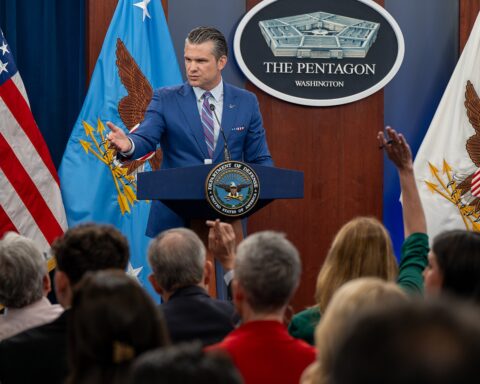
BEIRUT — Israeli warplanes struck Hezbollah command infrastructure in Beirut’s Dahiyeh district on June 7, 2026, killing at least two people and wounding eleven others in the first bombardment of the Lebanese capital since the US-brokered ceasefire took effect three days earlier. Iran’s parliamentary speaker Mohammad Bagher Ghalibaf responded within hours by designating American military bases and assets across the region — including Prince Sultan Air Base on Saudi soil — as “legitimate targets.”
The strike activated a threshold that Iran had publicly pre-declared five days before Israel acted. The Khatam al-Anbiya Headquarters, the IRGC’s supreme operational command, warned on June 1-2 that any Israeli attack on Dahiyeh would trigger Operation True Promise 5 — making this not a surprise escalation but the activation of an announced mechanism. Saudi Arabia was consulted by neither party before the strike, issued no statement afterward, and hosts on its territory the military infrastructure that Iran’s senior legislative authority has now formally named as a target for retaliation.
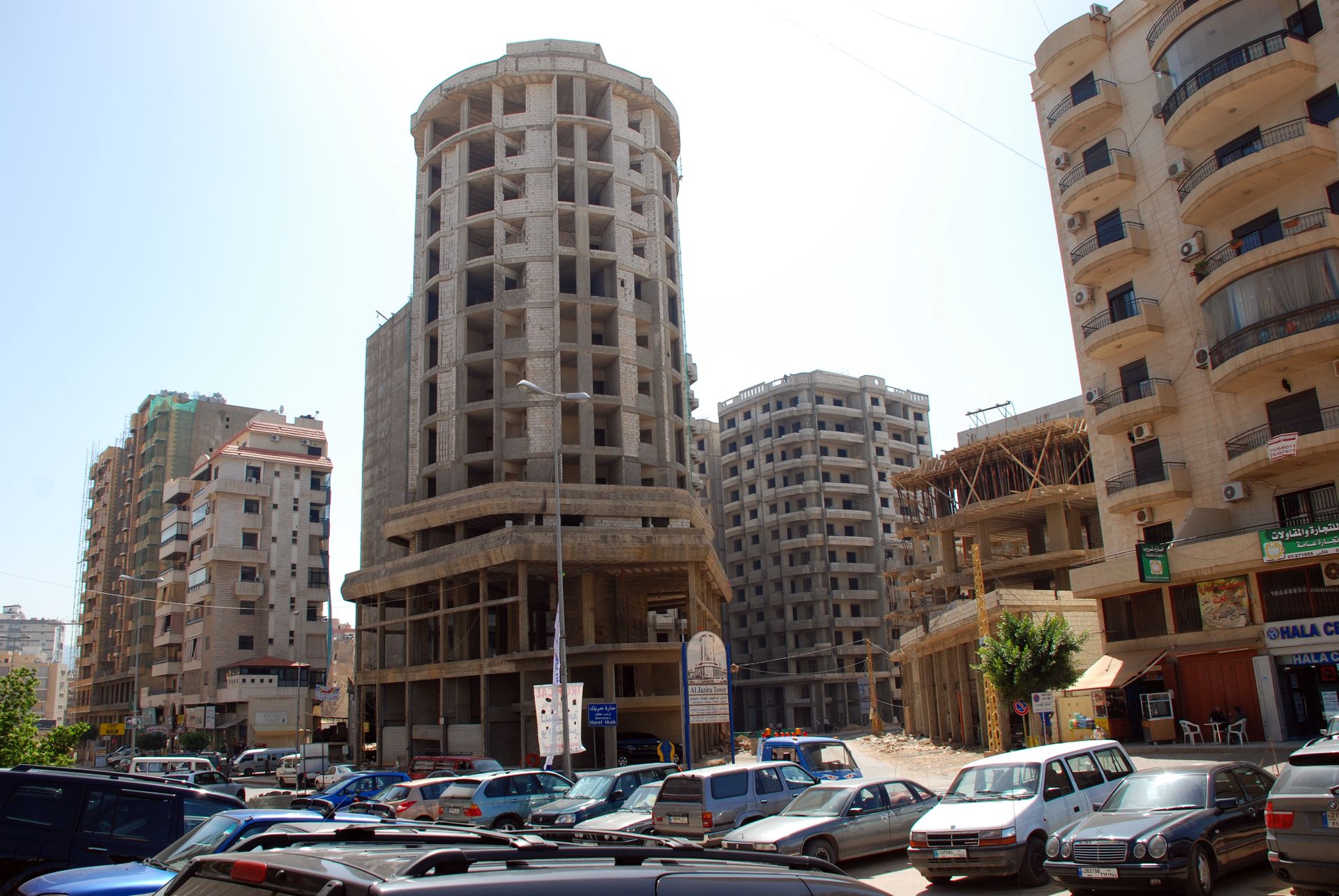
Table of Contents
- What Did Israel Strike in Dahiyeh?
- Iran Announced This Threshold Five Days Ago
- Ghalibaf Names US Bases and Financial Entities as Targets
- Iran Froze Its Diplomatic Channel With Washington
- Why Has Saudi Arabia Said Nothing?
- What Remains of Saudi Arabia’s Air Defense?
- Background
- Frequently Asked Questions
What Did Israel Strike in Dahiyeh?
Israeli forces targeted two apartments in two separate buildings in Dahiyeh, the densely populated southern Beirut suburb that serves as Hezbollah’s organizational and political center, according to Lebanon’s National News Agency and the Times of Israel. The Israel Defense Forces said they struck “a Hezbollah headquarters from which terror operatives advanced attacks,” citing Hezbollah rocket fire at communities in the Upper Galilee as the proximate justification. At least two people were confirmed killed and eleven others wounded, the NNA reported, with multiple residential buildings sustaining structural damage from the explosions.
The Saudi-owned broadcaster al-Hadath reported that Israel pre-coordinated the strike with the United States — a detail American officials did not publicly confirm or deny on June 7. If accurate, the coordination would mean Washington approved or acquiesced to a military action it knew would cross the threshold Iran had already drawn in public. Rescue operations in the affected residential blocks were still underway as Ghalibaf delivered his statements in Tehran.
Israel’s stated legal basis for resuming strikes rested on its position, articulated by Foreign Minister Israel Katz during the June 3-4 ceasefire negotiations, that the framework “does not include Lebanon.” The June 3-4 trilateral agreement between the United States, Israel, and Lebanon did not include Hezbollah as a signatory, a structural gap documented at the time of the agreement. Hezbollah rockets continued after the ceasefire’s announcement, providing Israel with what it described as contractual grounds to resume operations against Dahiyeh — the same neighborhood Israel has leveled in every conflict with Hezbollah since 2006.
Iran Announced This Threshold Five Days Ago
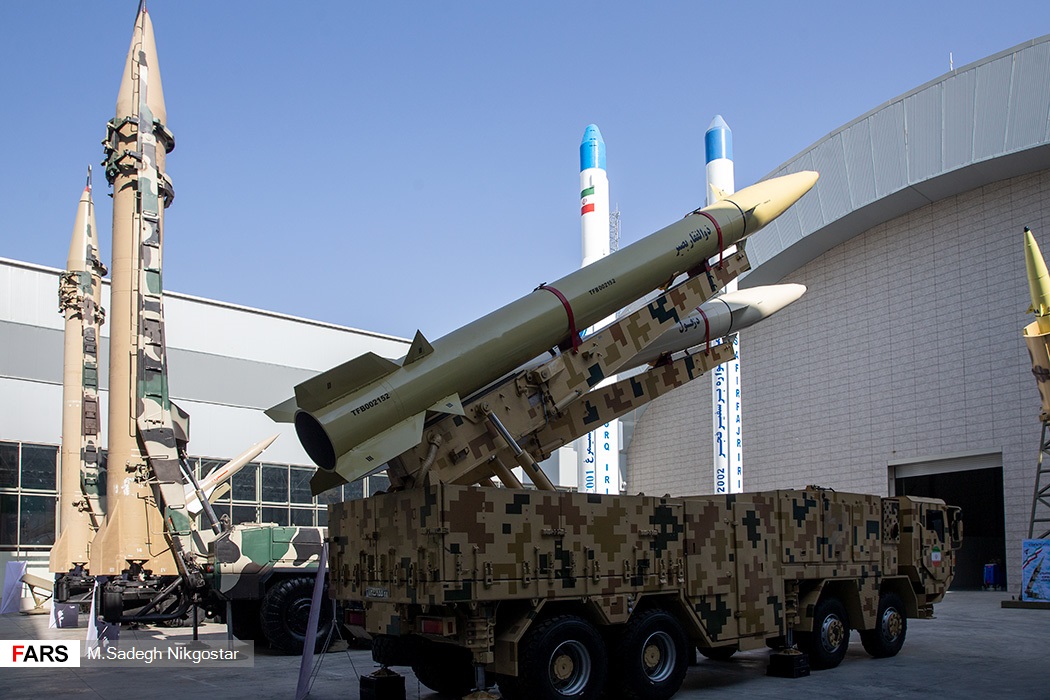
The Khatam al-Anbiya Headquarters — named for the Prophet Muhammad and serving as the IRGC’s supreme operational command — issued a public warning on June 1-2 stating that if Prime Minister Benjamin Netanyahu “carries out his threat against Dahiyeh,” residents of northern occupied territories should evacuate, Middle East Monitor and PressTV reported. The warning was broadcast in Hebrew as well as Persian and Arabic, a deliberate signal that its intended audience included Israeli military planners and civilian populations, not only the Iranian domestic public. The use of Hebrew in an IRGC evacuation advisory was itself without precedent in the four prior True Promise cycles.
The Middle East briefing 3,000+ readers start their day with.
One email. Every weekday morning. Free.
The pre-declaration marked a structural departure from how Iran has conducted every previous True Promise operation. TP1 through TP4 were reactive: each followed an Israeli or American action and was announced only during or after the strike’s execution. TP5 reversed this sequence by publicly naming the trigger, specifying the geographic threshold, and issuing the warning in the adversary’s own language — five full days before Israel acted. No party to the conflict can describe the Iranian response as unexpected: the trigger, the threshold, and the evacuation advisory were all public record for nearly a week before the first Israeli munition hit Dahiyeh.
Iran’s Foreign Minister Abbas Araghchi reinforced the pre-declaration on June 7 in an interview with ABC News. “We informed the American side that if Beirut were attacked, we would not tolerate it under any circumstances,” Araghchi said. “From our perspective, such an action would mean that the ceasefire had been completely broken, and our armed forces would respond.” Mohsen Rezaei, a member of Iran’s parliamentary National Security Commission and a former commander-in-chief of the IRGC, offered a tighter timeline in remarks carried by multiple Iranian outlets: “Watch the sky of the occupied territories tonight.”
“We informed the American side that if Beirut were attacked, we would not tolerate it under any circumstances. From our perspective, such an action would mean that the ceasefire had been completely broken, and our armed forces would respond.”
— Abbas Araghchi, Iranian Foreign Minister, ABC News, June 7, 2026
Ghalibaf Names US Bases and Financial Entities as Targets
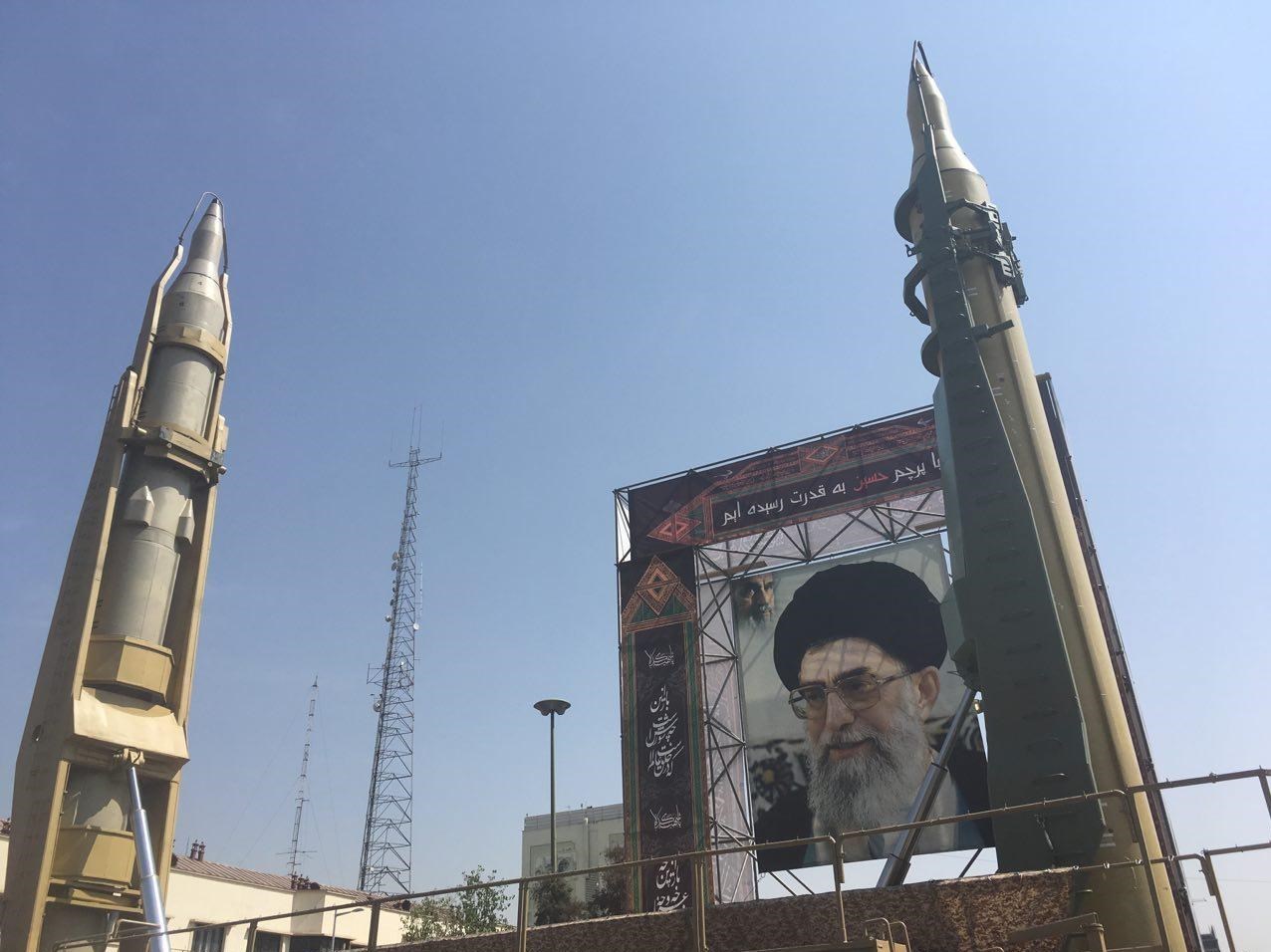
Ghalibaf’s statement on June 7 extended Iran’s targeting designation beyond Israeli military assets to explicitly include American installations and economic interests. “The naval blockade against the Iranian nation and America’s green light today to the Zionist regime turn American and regime bases and assets in the region into legitimate targets,” the parliamentary speaker said, according to the Times of Israel and France 24. Al Jazeera separately quoted Ghalibaf stating that Iran “will not only halt the path of negotiations, but we will also be in direct confrontation with the enemy.”
The reference to “American bases in the region” encompasses Prince Sultan Air Base in Saudi Arabia’s al-Kharj province, approximately 100 kilometers southeast of Riyadh. PSAB has already been struck twice during the current conflict — on March 6, when Saudi and American air defenses intercepted three ballistic missiles and one drone, and on March 27, when a barrage of six ballistic missiles and twenty-nine drones wounded fifteen US military personnel, five of them seriously.
The March 27 strike destroyed an E-3G Sentry AWACS aircraft — the first combat loss of that airframe in the aircraft’s operational history — and damaged or destroyed five or more KC-135 aerial refueling tankers, according to The Aviationist, Defence Security Asia, and Air and Space Forces Magazine. Total US asset damage from the March 27 barrage was estimated at more than four billion dollars, and the United States subsequently evacuated its remaining KC-135 fleet from the base.
The legal void underlying that vulnerability is examined in the treaty-free basing arrangement at Prince Sultan Air Base: unlike every other US installation in the Gulf, PSAB operates without a Status of Forces Agreement, leaving Riyadh with no formal consultation right and Washington with no treaty obligation before reducing, relocating, or withdrawing personnel.
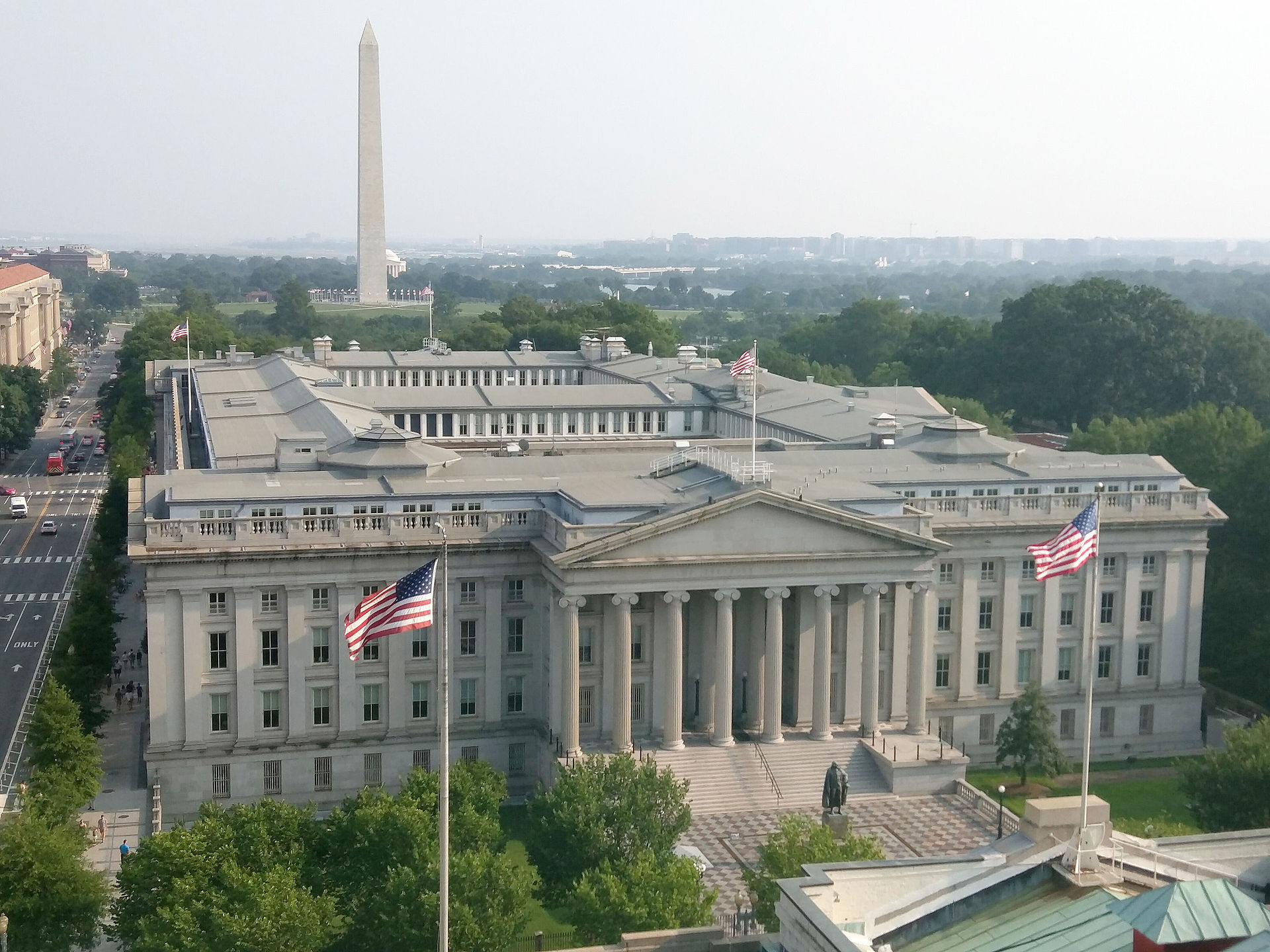
Ghalibaf then extended the targeting logic from military to financial infrastructure in a post on X. “Alongside military bases, those financial entities that finance the US military budget are legitimate targets,” he wrote. “US treasury bonds are soaked in Iranians’ blood. Purchase them, and you purchase a strike on your HQ and assets. We monitor your portfolios. This is your final notice.” No senior Iranian official has previously designated bond markets or financial institutions as military targets in connection with the Gulf conflict, and the practical enforceability of such a designation remains uncharted.
“Alongside military bases, those financial entities that finance the US military budget are legitimate targets. US treasury bonds are soaked in Iranians’ blood. Purchase them, and you purchase a strike on your HQ and assets. We monitor your portfolios. This is your final notice.”
— Mohammad Bagher Ghalibaf, Speaker of Iran’s Parliament, X, June 7, 2026
Iran Froze Its Diplomatic Channel With Washington
Iran froze its message exchange with the United States over the Israeli strikes in Lebanon, the IRGC-affiliated Tasnim news agency reported on June 7, as cited by the Times of Israel. The freeze follows what was already a deteriorating diplomatic trajectory: Iran had been preparing a formal rejection of President Donald Trump’s memorandum of understanding proposal, with both the Omani-mediated counteroffer and the rejection converging on a June 9 deadline. The Dahiyeh strike appears to have collapsed whatever remained of the diplomatic infrastructure ahead of that date.
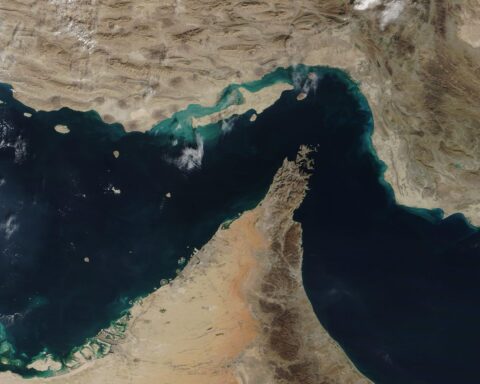
On the same day, the United States shot down two Iranian drones targeting commercial shipping traffic in the Strait of Hormuz, France 24 reported — an engagement that proceeded independently of the Beirut strike but underscored the simultaneous military confrontation now unfolding across multiple theaters. The Treasury Department’s invocation of the International Emergency Economic Powers Act, announced June 7 by Secretary Scott Bessent, effectively eliminated Iran’s $12-24 billion Phase 1 precondition for renewed nuclear negotiations by authorizing the seizure of frozen Iranian assets.
With the message channel frozen, the MOU rejected, the Phase 1 financial precondition nullified by executive action, and Ghalibaf’s statement framing the conflict as a “direct confrontation,” no formal or informal diplomatic mechanism between Washington and Tehran remains operational. The last verified exchange between the two governments passed through Omani intermediaries, and Oman — following Kuwait’s June 3 expulsion of two Iranian diplomats and the UAE’s March 1 closure of its Tehran embassy — is now the only GCC state with a complete and functioning diplomatic bridge to the Islamic Republic.
Why Has Saudi Arabia Said Nothing?
Saudi Arabia’s Ministry of Foreign Affairs issued no statement on the June 7 Dahiyeh strike, extending a period of silence on Iran and Lebanon that has now exceeded ten days. The kingdom was not consulted by the United States or Israel before the strike, was not included in the June 3-4 ceasefire framework, and has been excluded from the Washington follow-on negotiations scheduled for June 22. The only indirect communication channel available to Riyadh runs through Pakistan, where Army Chief General Asim Munir recently sent a letter to Mojtaba Khamenei through Interior Minister Mohsin Naqvi — a back-channel that positions Pakistan as a courier between the IRGC and the Saudi-aligned military establishment but provides Saudi Arabia no direct mechanism to modulate Iranian targeting decisions. Iran’s conditional cessation of hostilities, announced June 8, does not change this: Iran’s conditional cessation restructures rather than resolves Saudi Arabia’s PSAB exposure, because the trigger for resumed operations is now Israel’s conduct in Lebanon — a variable Saudi Arabia cannot influence.
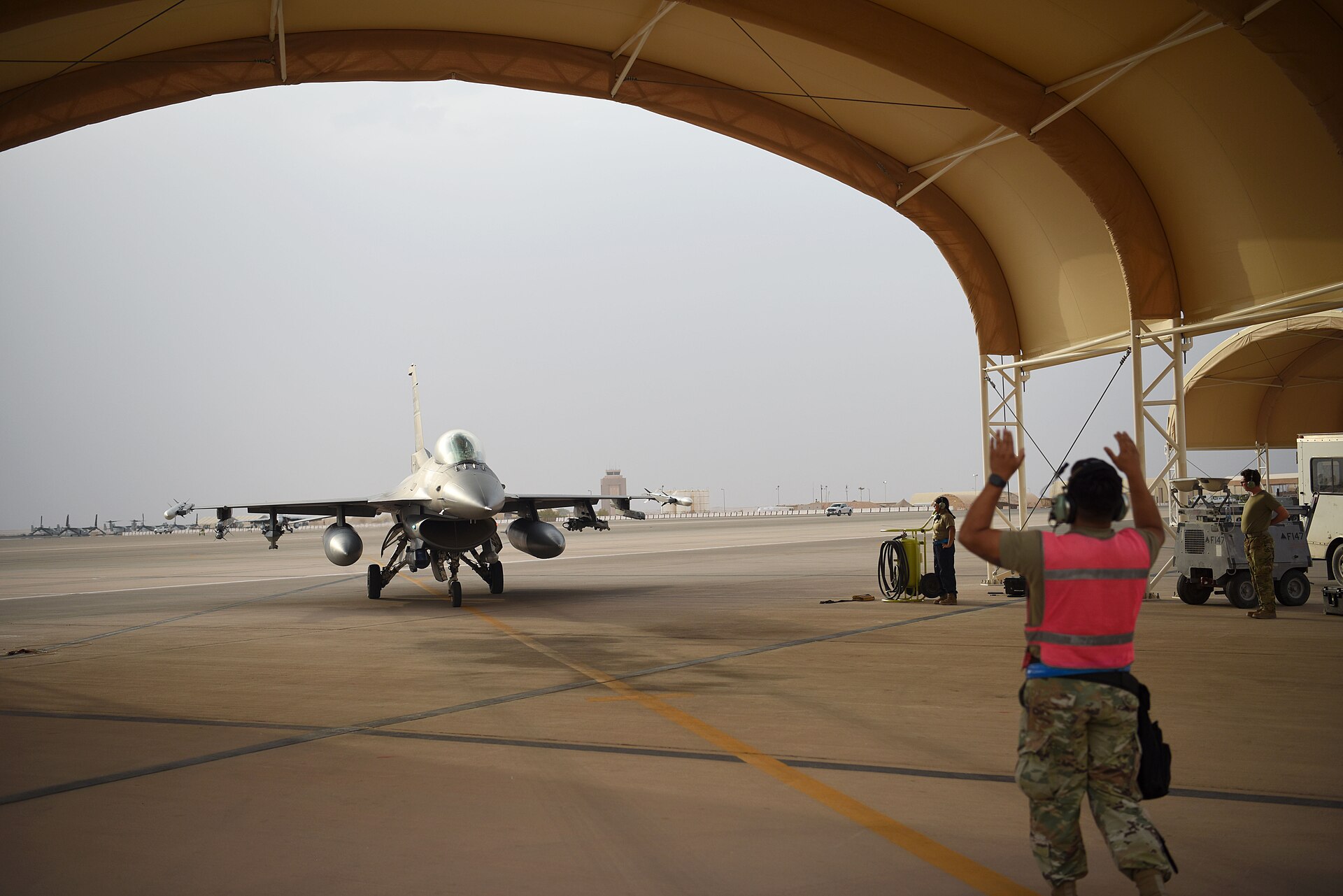
The kingdom’s position differs from diplomatic restraint in a specific respect: Saudi Arabia hosts on its soil the military installation that the speaker of Iran’s parliament — the third-ranking figure in the Islamic Republic’s constitutional hierarchy — has formally designated as a legitimate target for retaliation against an Israeli strike that Riyadh did not authorize, was not informed of, and cannot influence. Ghalibaf’s statement did not distinguish between American and host-nation responsibility for the bases he named, and no Iranian official offered Saudi Arabia an exemption from the targeting designation. In the framework Ghalibaf articulated, the presence of American forces on Saudi territory is itself the targeting criterion, regardless of the kingdom’s policy preferences or diplomatic posture.
Saudi Foreign Minister Prince Faisal bin Farhan’s last documented diplomatic contact cluster, between June 2 and June 4, included six interactions — none of them with US Secretary of State Marco Rubio, Iranian Foreign Minister Araghchi, or any Lebanese counterpart. The kingdom has not expelled Iranian diplomats, has not recalled its own ambassador for consultations, and has not convened the Gulf Cooperation Council for an emergency session. Whatever deliberations are underway in Riyadh, they have produced no public signal that the kingdom considers the re-designation of its territory as an Iranian target to be a matter requiring a response.
What Remains of Saudi Arabia’s Air Defense?
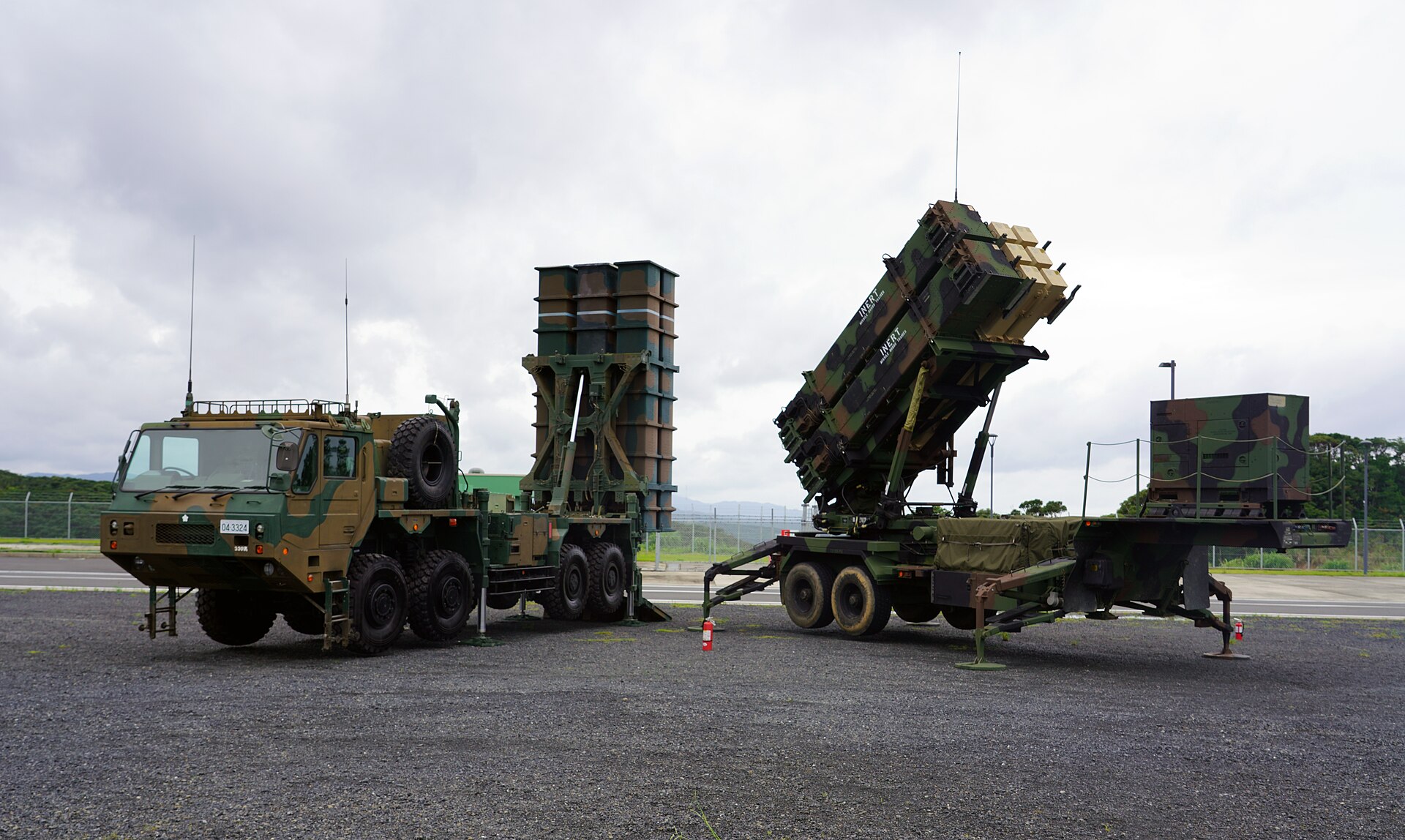
Saudi Arabia’s PAC-3 Missile Segment Enhancement interceptor inventory stands at an estimated 80 to 150 rounds, representing between three and five percent of its pre-war stockpile of approximately 2,800 interceptors, according to prior coverage of the conflict. Bahrain’s inventory is approximately eight rounds. The combined total across the two countries that host the largest concentrations of American military personnel in the Gulf would be insufficient to absorb a single sustained multi-axis IRGC barrage of the kind that characterized the 74 confirmed waves of True Promise operations conducted since the conflict began on February 28.
The Lockheed Martin production facility in Camden, Arkansas, manufactures approximately 620 PAC-3 MSE interceptors per year, a rate the Pentagon has contracted to increase to 2,000 annually by 2030 under a five-year procurement order. Secretary Rubio’s $8.6 billion emergency arms waiver, signed on May 2, excluded Bahrain entirely, and standard Foreign Military Sales timelines for Saudi Arabia involve eighteen-month delivery windows that the current rate of consumption has rendered operationally meaningless. If TP5 materializes as a multi-theater strike comparable in scale to TP4, the question facing Saudi air defense commanders is not whether they can intercept every inbound weapon but how many interceptions they can afford before the magazines are empty.
Background
Israel’s approach to Dahiyeh follows what Israeli military planners have since 2008 called the “Dahiya Doctrine,” articulated by then-Northern Command chief Gadi Eisenkot. “What happened in the Dahiya quarter of Beirut in 2006 will happen in every village from which Israel is fired on,” Eisenkot said at the time. “We will apply disproportionate force on it and cause great damage and destruction there.” The doctrine has been cited by international legal scholars, human rights organizations, and the Institute for Middle East Understanding as a framework that inherently conflicts with the principle of proportionality under international humanitarian law.
Frequently Asked Questions
What is Operation True Promise and how many iterations has Iran conducted?
Operation True Promise (Wa’deh-ye Sadegh) is the IRGC’s codename for retaliatory strike operations against Israel and US-allied targets. TP1 was launched in April 2024 in response to Israel’s strike on the Iranian consulate in Damascus, marking the first direct Iranian military attack on Israeli territory. TP2 through TP4 followed during the current conflict beginning February 28, 2026. TP5 is the first iteration in which Iran publicly pre-declared the trigger condition rather than announcing the operation during or after launch.
Has Iran previously struck targets on Saudi Arabian territory during this conflict?
The IRGC struck PSAB twice: on March 6, 2026, with three ballistic missiles and one drone, all intercepted, and on March 27 with a barrage of six ballistic missiles and twenty-nine drones that wounded fifteen US personnel, five seriously, and destroyed an E-3G Sentry AWACS aircraft. IRGC operations have also targeted the eastern approaches to Saudi airspace, though Riyadh, Jeddah, and Dammam commercial airports have remained open throughout the conflict — a contrast to Kuwait’s and Bahrain’s airports, which have experienced repeated closures.
What is the current status of US forces at PSAB?
The US Air Force evacuated its KC-135 Stratotanker fleet from PSAB after the March 27 strike, removing the base’s primary function as a refueling hub for coalition sorties. The base continues to host US Central Command support elements and logistics infrastructure. No Status of Forces Agreement governs the US military presence there — an arrangement that leaves both the legal basis for operations and the mechanism for host-nation consultation structurally undefined.
What is Saudi Arabia’s current diplomatic relationship with Iran?
Saudi Arabia and Iran restored diplomatic relations in March 2023 through a Chinese-brokered agreement after a seven-year rupture, and ambassadors were exchanged in the months that followed. Saudi Arabia has not expelled Iranian diplomats since the current conflict began — in contrast to Kuwait, which expelled two on June 3, 2026, and the UAE, which closed its Tehran embassy on March 1. Riyadh’s diplomatic channel with Tehran remains nominally open but has produced no publicly documented communication since the Saudi Foreign Ministry’s silence on Iran and Lebanon began more than ten days ago. That structural position — no Israel channel, no IRGC back-channel, no Lebanon track — is documented in detail in Who Does Saudi Arabia Call When the Third Front Opens?.
The question of what follows when Netanyahu defies a direct Trump request for restraint is answered in the June 8 reporting: Israel Strikes Iran After Trump Asked Netanyahu Not To Retaliate documents Israel’s strikes on five Iranian provinces, the Al Kharj missile alert, and the collapse of the US-Iran MOU track — all of which trace back to the Dahiyeh strike that activated the TP5 threshold documented here. When Iran executed a three-capital overnight retaliation on June 10 — striking US bases in Bahrain, Kuwait, and Jordan — it applied the same Ghalibaf doctrine that names PSAB alongside those targets; Iran Struck Three Capitals Overnight. The Fourth Is Counting Its Interceptors. explains why Saudi Arabia was excluded from that list.