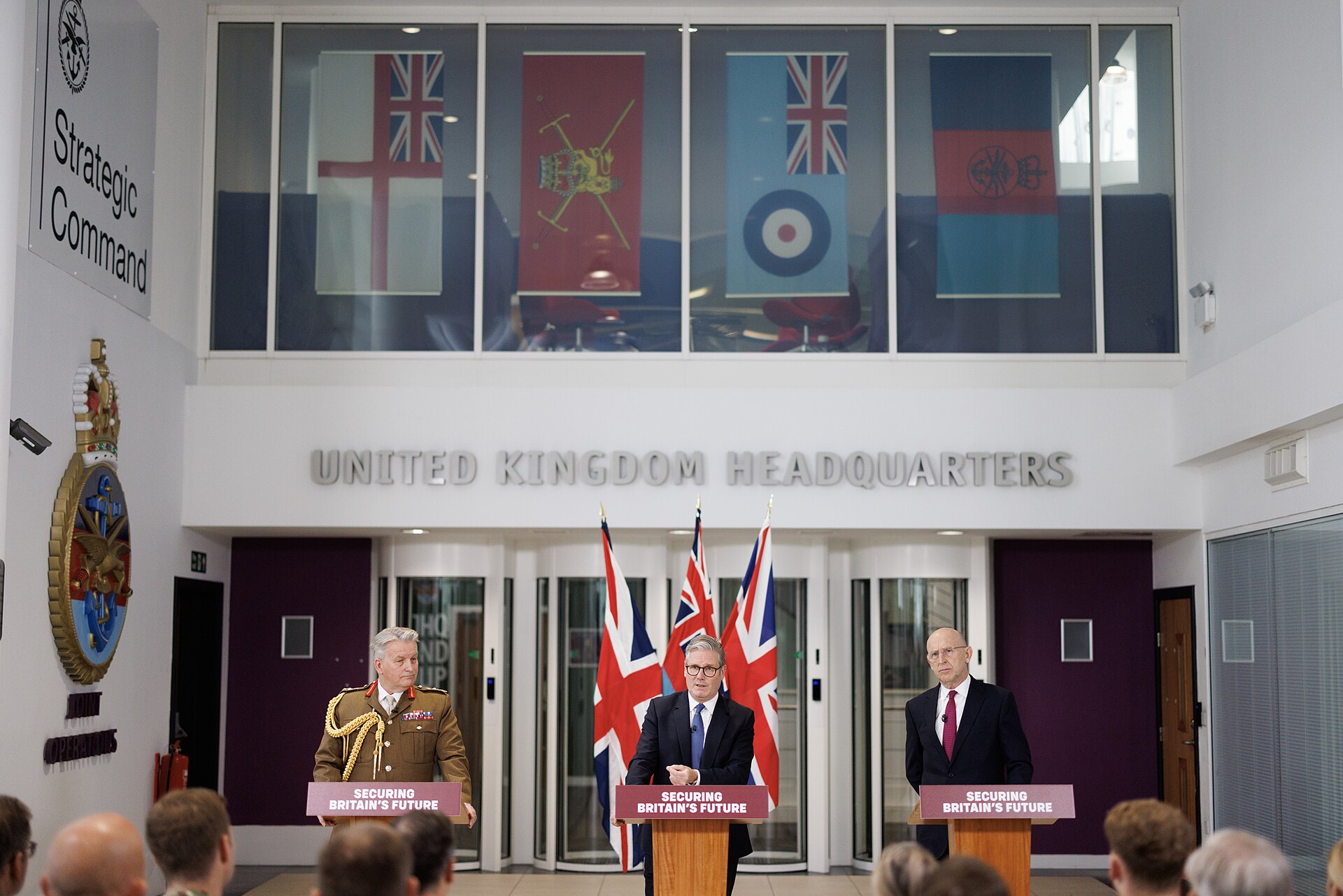
LONDON — Forty nations have signed onto a UK-France coalition that will determine who governs the Strait of Hormuz after the war ends, and Saudi Arabia — the country that ships more crude through that 21-mile chokepoint than any other nation on earth — is not among them. The coalition’s command hub sits at Northwood in North London, co-chaired by UK Defence Secretary John Healey and French Defence Minister Catherine Vautrin, with Admiral Sir Tony Radakin and General Fabien Mandon running the military layer; Mohammed bin Salman has no representative at any level of that structure, political or operational, despite the fact that Saudi Arabia’s fiscal survival depends on Hormuz staying open more than any other signatory’s does.
n
This is not a diplomatic oversight that gets corrected with a late signature — it is a structural feature of the post-war order now being assembled in real time. The same kingdom that demonstrated on May 4-8 that it retains a veto over US military operations by suspending access to Prince Sultan Air Base and collapsing Project Freedom has no institutional leverage over the parallel European architecture that will shape maritime governance long after the last CENTCOM sortie. Saudi Arabia proved it can collapse an American convoy escort with a single sovereignty decision — but no equivalent leverage exists over a coalition headquartered on British soil, commanded by a British admiral, and built from its first day without a Saudi chair.
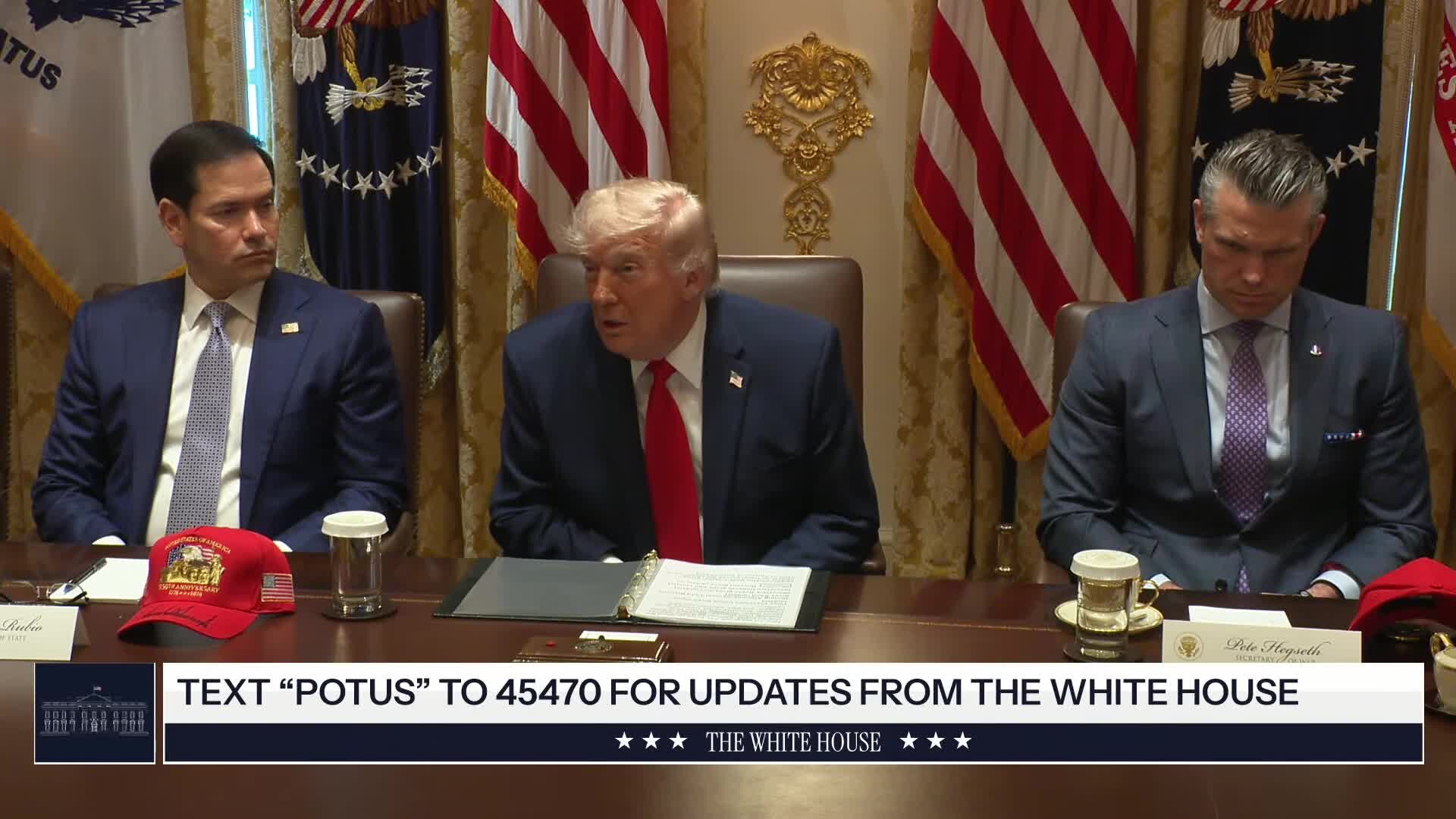
At the Shangri-La Dialogue on May 30, Secretary of Defense Pete Hegseth praised the Gulf States as model partners and declared “the era of the United States subsidizing the defense of wealthy nations is over.” Saudi Arabia was named a model. It has no seat in the Northwood coalition, no emergency interceptor waiver, and no mutual defense treaty. The doctrine formalized what the coalition architecture already showed: Saudi Arabia is excluded from both the US and European security frameworks governing its most vital trade route.
n
n
The Middle East briefing 3,000+ readers start their day with.
One email. Every weekday morning. Free.
Table of Contents
n
- n
- Who Is in the Hormuz Coalition — and Who Isn’t?
- Why Is Saudi Arabia Absent from the Coalition Command?
- The Sovereignty Paradox: A Veto That Doesn’t Travel
- How Much Saudi Oil Is Trapped Behind Hormuz?
- Two Governance Architectures, Zero Saudi Chairs
- What Happens When the Coalition Writes the Post-War Rules?
- The Fiscal Cost of Having No Chair
- Earnest Will’s Shadow
- Frequently Asked Questions
- n
n
n
n
n
n
n
n
n
n
n
n
n
Who Is in the Hormuz Coalition — and Who Isn’t?
n
The UK-France Hormuz coalition launched on April 2, 2026 at a virtual summit chaired by UK Foreign Secretary Yvette Cooper, and within six weeks it had expanded from a founding declaration into a 40-nation framework with formal task groups for ship escort, mine countermeasures, and maritime domain awareness — the operational architecture of post-war strait governance, being wired together while the war is still running. By the May 12 Joint Statement, published simultaneously on GOV.UK and French government mastheads, 27 nations had formally signed on: Germany, Australia, Japan, South Korea, Canada, and three GCC states — Bahrain and the UAE as founding signatories, Qatar joining at the May 12 expansion. The Leaders’ Level Summit on April 17 in Paris, co-chaired by Keir Starmer and Emmanuel Macron, drew 51 national delegations to the table; Saudi Arabia sent no one to any of these events.
n
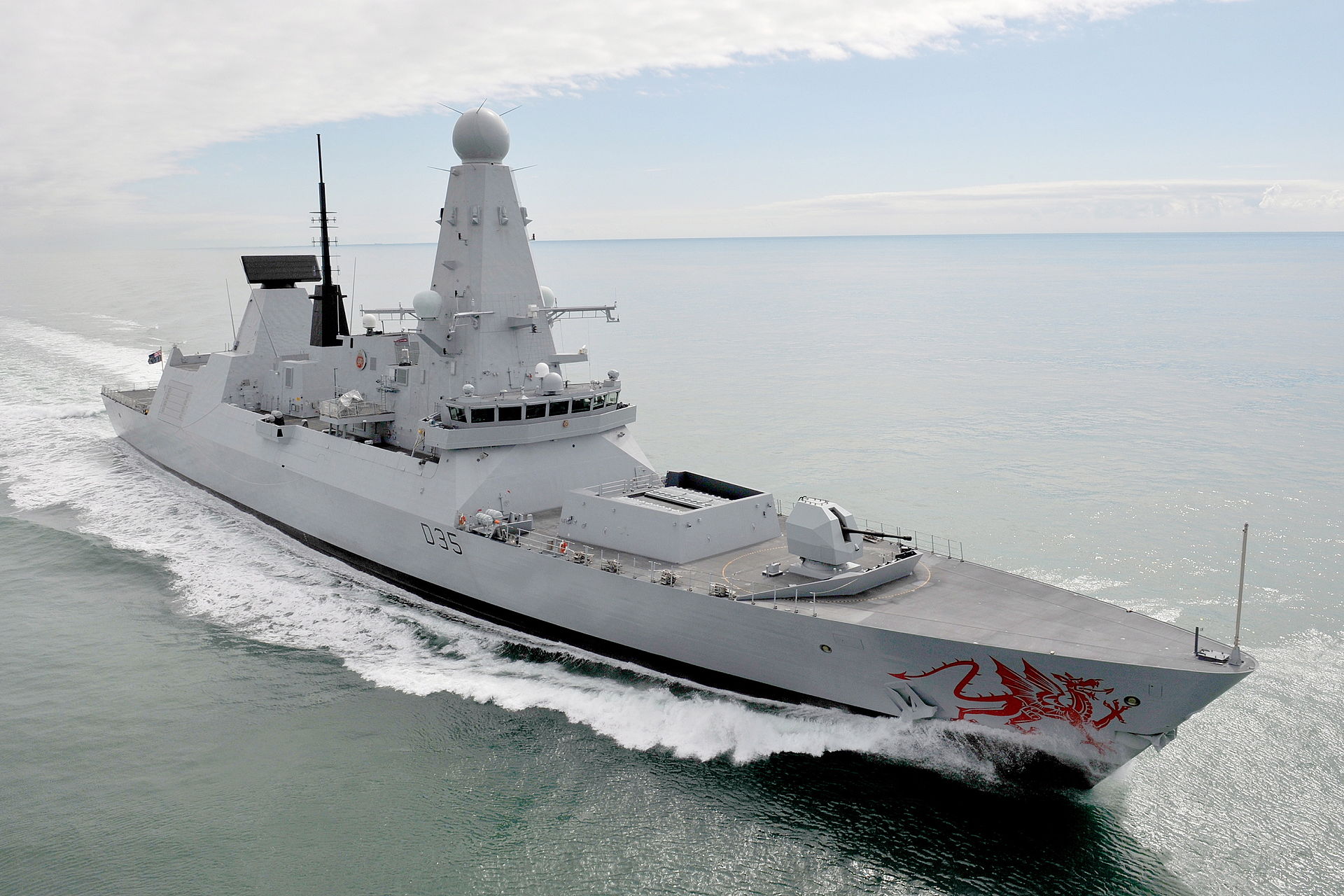
The coalition’s mandate is deliberately framed as “independent and strictly defensive,” activated only after “a sustainable ceasefire agreement” — language that positions it not as a wartime combatant force but as the post-war maritime governance body, the institution that will determine what replaces the Persian Gulf Security Administration’s toll regime once the guns go quiet. HMS Dragon, a Type 45 destroyer carrying Sea Viper air-defence missiles and Wildcat helicopters armed with Martlet missiles, redeployed from Cyprus to the Middle East on May 11 as the UK’s lead advance vessel, and France has committed its own frigate group through the Charles de Gaulle carrier strike group’s regional rotation. The hardware is moving into position for a post-ceasefire deployment, and the governance framework it will operate under is being written now, at Northwood, without Saudi input of any kind.
n
n
| Forum | Participants | Saudi Arabia |
|---|---|---|
| Founding declaration (April 2) | UK, France, Bahrain, UAE + 8 others | Absent |
| Leaders’ Summit (April 17, Paris) | 51 national delegations | Did not attend |
| May 12 Joint Statement | 27 signatories incl. Germany, Japan, South Korea, Qatar | Not a signatory |
| Military command (Northwood) | Admiral Radakin (UK) + General Mandon (France) | No representative |
| Political co-chairs | John Healey (UK) + Catherine Vautrin (France) | No representative |
| Combined Maritime Forces (Bahrain) | 39 nations incl. Saudi Arabia | Member — but CMF is separate from coalition |
n
n
Why Is Saudi Arabia Absent from the Coalition Command?
n
Saudi Arabia is absent because two decisions locked it out simultaneously: Riyadh chose to stay out to avoid Iranian retaliation against Yanbu and Red Sea infrastructure, and London and Paris chose to build outside the US-led Combined Maritime Forces where Saudi Arabia holds existing membership, creating a parallel institution with no Saudi entry point. Neither decision is reversible on a short timeline.
n
Riyadh’s choice was articulated through nine weeks of strategic silence and bilateral diplomacy with Tehran: avoid any formal association with a military framework that Iran would classify as hostile. The Chatham House assessment from Neil Quilliam is blunt, noting that Saudi Arabia’s “reluctance to engage directly in the war against Iran” stems from recognition that “a kinetic response to Iranian strikes would increase risks to its energy assets and critical infrastructure and could draw the Houthis more directly into the conflict, placing Saudi Arabia’s alternative export routes under threat.” That calculation is not irrational — Yanbu on the Red Sea coast is the terminus of the only pipeline that bypasses Hormuz, and if Houthi targeting expanded to Red Sea port infrastructure, Saudi Arabia’s 5-million-barrel-per-day escape valve would disappear overnight.
n
But London and Paris made their own calculation, and it was structural rather than diplomatic: the coalition was built deliberately outside the US-led Combined Maritime Forces headquartered in Bahrain, where Saudi Arabia already sits as a member. French Foreign Minister Jean-Noël Barrot confirmed in May that a new US-led coalition would “complement and not compete” with the UK-France mission — language that acknowledges two separate command architectures, not one unified structure that might have given Saudi Arabia a seat through its existing CMF membership. The European pillar was constructed as a parallel governance institution from the outset, and Saudi Arabia’s membership in the American-led legacy structure confers exactly zero standing within it.
n
Bahrain and the UAE understood this institutional reality immediately and signed the founding declaration on April 2; Qatar joined six weeks later at the May 12 expansion, despite having 10 LNG tankers currently blocked by the PGSA and a $6 billion custodial exposure from the 2023 prisoner-swap framework — meaning that Doha made its governance calculation under greater Iranian economic pressure than Riyadh faces, and still chose to show up. Saudi Arabia remains the only major Gulf oil exporter with no institutional presence in either the European governance pillar or Iran’s PGSA administrative regime, a distinction that the Atlas Institute captured precisely when it named Saudi Arabia as “the main pillar of any future swap system” while acknowledging that the main pillar has no institutional role in the architecture being built around it.
n
The Sovereignty Paradox: A Veto That Doesn’t Travel
n
On May 4, Saudi Arabia suspended US military access to Prince Sultan Air Base and closed Saudi airspace to American combat operations, collapsing Trump’s “Project Freedom” convoy escort within 48 hours and demonstrating — with startling clarity — that Riyadh retains absolute veto power over the American military architecture in the Gulf. PSAB hosts 2,500 to 2,700 US personnel under no Status of Forces Agreement, which means Saudi Arabia can revoke access at any time, for any reason, without treaty withdrawal proceedings or legal dispute mechanisms — a structural leverage point that no other Gulf state possesses over US basing. By May 8 the access was restored on Saudi terms, but the demonstration was complete: one sovereignty decision, delivered presumably by telephone, grounded every American combat sortie routed through Saudi airspace.
n
The problem is that this veto has no equivalent at Northwood, and there is no mechanism by which it could acquire one. The UK-France coalition operates from British sovereign territory, under British and French military command, with a political co-chairmanship that answers to London and Paris; Saudi Arabia cannot suspend access to a headquarters it has no relationship with, cannot withdraw cooperation it never offered, and cannot threaten to collapse a structure that was built from inception without consulting it. The Project Freedom episode demonstrated sovereignty as a negative instrument — the power to deny, block, and shut down — but the coalition exclusion exposes the absence of sovereignty as a constructive instrument, the power to build, shape, and embed. A country that grounded US fighter jets over its own airspace has exactly zero mechanism to influence the rules Admiral Radakin’s task groups will enforce over the strait that carries its crude.
n
n
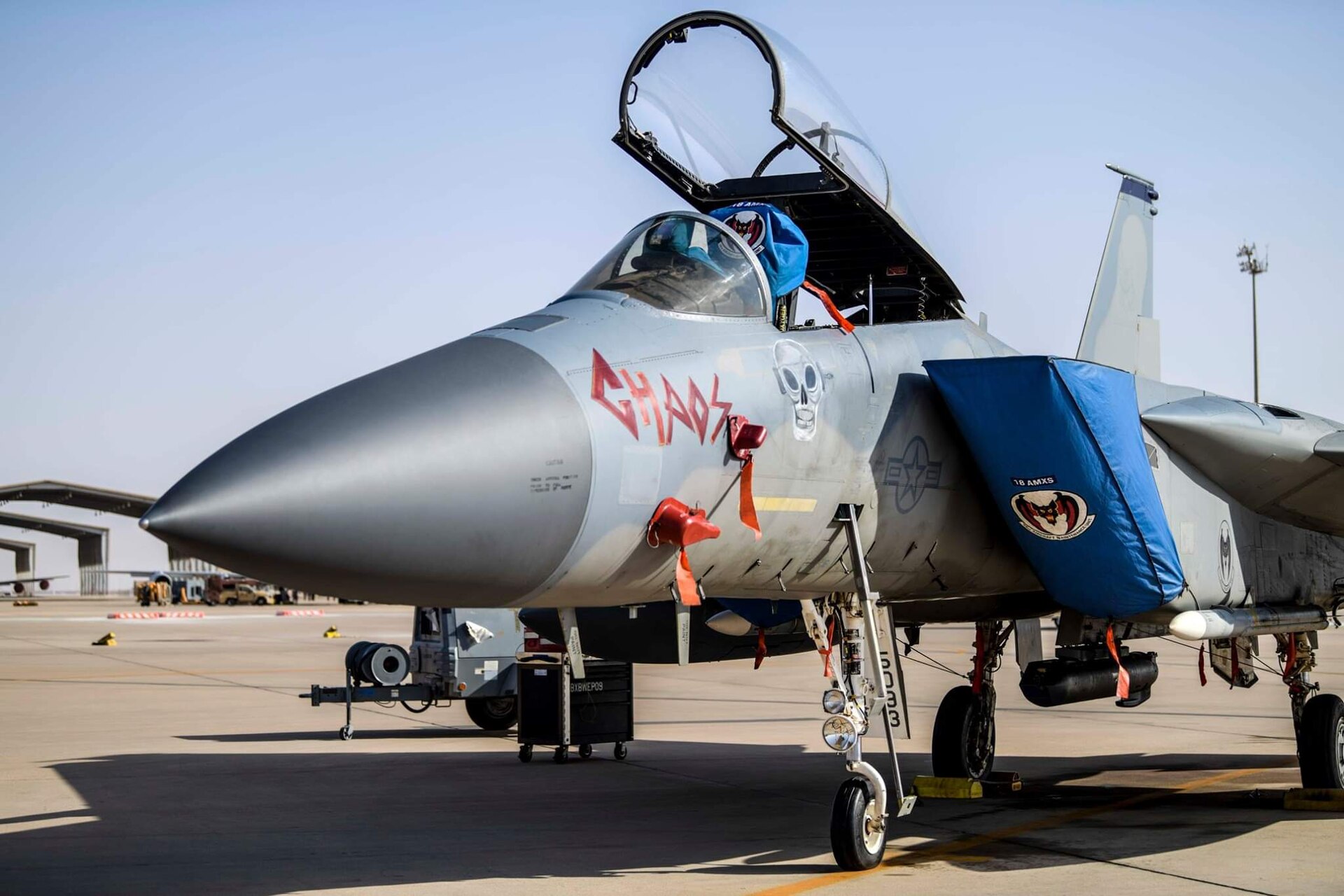
The $142 billion arms package that Washington and Riyadh announced in May 2025 — sold as a strategic deepening of the bilateral defence relationship — sharpens the asymmetry further, because it tethers Saudi military procurement to the United States while doing nothing to extend Saudi institutional reach into the European architecture that is actually being constructed to govern its export route. Saudi Arabia bought American F-15s and THAAD batteries, weapons designed for a bilateral defence relationship with Washington; the Northwood coalition is the multilateral institution that will determine whether those weapons ever need to be used on Hormuz, and Riyadh has no leverage over that question because the coalition’s founders deliberately chose to build outside the American system where Saudi influence resides.
n
How Much Saudi Oil Is Trapped Behind Hormuz?
n
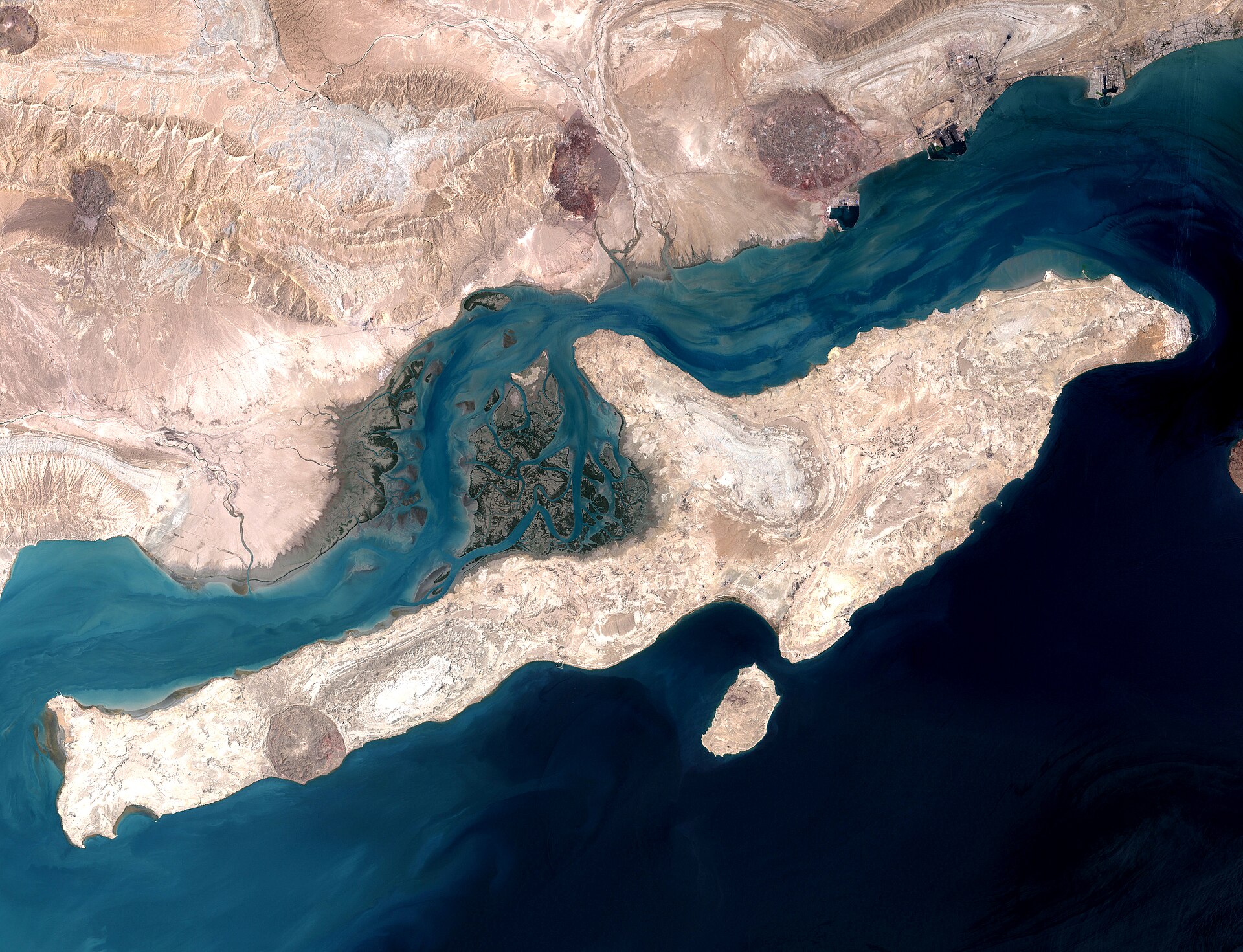
Saudi Arabia’s East-West Pipeline — the Petroline — runs 1,200 kilometres from Abqaiq in the Eastern Province to Yanbu on the Red Sea coast, and it maxes out at approximately 5 million barrels per day, a figure that represents Saudi Arabia’s total bypass ceiling for Hormuz and cannot be meaningfully expanded without years of construction through desert terrain. Saudi production currently sits at roughly 7.76 million barrels per day against an OPEC+ quota of 10.291 mbpd, which means at least 2.5 million barrels per day of Saudi crude has nowhere to go without transiting the strait — and at current Brent prices of $99 per barrel, that translates to approximately $248 million every day in export revenue that depends entirely on Hormuz remaining open, accessible, and untolled. Chatham House acknowledged as much in its May assessment: “The closure of the Strait of Hormuz has revealed a key threat to Saudi Arabia’s Vision 2030 strategy and plans for economic transformation.”
n
The PGSA has been operational since May 18, collecting up to $2 million per transit in Chinese yuan on every vessel that passes through Iranian-claimed waters — a toll that is OFAC-prohibited, sanctionable under US law, and collected regardless, because those trapped barrels have no alternative route. Saudi Arabia’s fiscal position means every dollar of that toll comes directly out of an already bleeding export margin, and the coalition headquartered at Northwood — the one with mine-clearance task groups and escort protocols under development right now — is the one Saudi Arabia chose not to join. The Petroline ceiling is not a number; it is a hard physical limit on Saudi Arabia’s ability to bypass a governance structure it has no voice in dismantling.
The only Saudi infrastructure that was designed to expand Red Sea export capacity beyond that ceiling is Oxagon — NEOM’s deepwater port on the Red Sea coast, now 68 per cent complete, which has emerged as the one part of the megaproject whose commercial thesis the Hormuz crisis has validated rather than undermined.
n
n
Two Governance Architectures, Zero Saudi Chairs
n
Before May 18, 2026, the Strait of Hormuz operated under customary international law and UNCLOS Article 38, which enshrines non-suspendable transit passage — no tolls, no pre-notification requirements, no coastal-state tariffs on commercial shipping. That legal regime is functionally dead, replaced by two competing governance architectures overlaying the same 21-mile waterway: Iran’s Persian Gulf Security Administration, which issues Vessel Information Declarations and collects fees in yuan; and the UK-France coalition, which claims a mandate to restore freedom of navigation and establish a post-war maritime security framework. Saudi Arabia has a seat in neither structure, which means the country most dependent on Hormuz for fiscal survival is a spectator to both the governance regime that currently taxes its oil and the governance regime that intends to displace it.
n
n
“The Strait of Hormuz is not the common property of extra-regional powers. Only the Islamic Republic of Iran can establish security in this strait and will not allow any country to interfere in such matters.”
n
— Kazem Gharibabadi, Iran Deputy Foreign Minister, PressTV, May 10, 2026
n
n
Iran’s legal position, articulated by Gharibabadi, treats the PGSA not as an illegal blockade but as a legitimate exercise of coastal-state regulatory authority — a framework grounded in Iran’s long-standing refusal to recognise UNCLOS Article 38 transit passage as applicable to Hormuz, asserting instead that coastal-state regulatory rights supersede international maritime convention. The UK-France coalition’s legal counter-position rests on those same UNCLOS provisions, but its May 12 Joint Statement does not specify what governance architecture replaces the PGSA once the “sustainable ceasefire” triggers its operational mandate. That gap — between dismantling Iran’s toll regime and establishing what comes after — is precisely the institutional vacuum where Saudi interests are most exposed, because whoever fills it will set the precedents for Hormuz governance for a generation.
n
The GCC, which might once have provided collective representation, is at its “weakest historically” by the UAE’s own senior diplomatic assessment — an institutional verdict that extends to its capacity to represent member-state interests in external governance structures. Three GCC states (Bahrain, UAE, Qatar) signed up to the coalition individually, on their own terms, pursuing bilateral security calculations rather than collective Gulf representation, while Saudi Arabia and the remaining members stayed out. The country that left Doha without signing a deal with the United States has more structural influence over Hormuz’s future governance — through the PGSA, through its military presence, through its seat at the negotiating table — than the country that ships a fifth of its GDP through the strait.
n
What Happens When the Coalition Writes the Post-War Rules?
n
The coalition’s mandate activates after a ceasefire, which means the governance framework it enforces will be shaped entirely by decisions made now, during the pre-deployment planning phase, at a headquarters where Saudi Arabia has no presence and no channel for input. Those task groups are already being structured at Northwood, with operational protocols, rules of engagement, and coordination mechanisms under development between 27 signatory nations — protocols that will determine which vessels receive escort priority, which minefields get cleared first, and which maritime corridors are reopened in what sequence. For Saudi Arabia the sequencing question is existential: whether Saudi-flagged tankers and Saudi-chartered vessels receive early escort access or queue behind signatories that actually contributed to the coalition’s force structure will be determined by frameworks being written now, in rooms where Riyadh has no representative and no back channel.
n
The mine-clearance timeline alone illustrates the exposure. The Pentagon estimates six months to clear the mines Iran has laid or deployed in Hormuz approaches, but the Axios-reported Phase 1 of the US-Iran framework establishes a 60-day mine-clearance window — a schedule set by American and Iranian negotiators with no Saudi consultation, and one that the UK-France coalition’s mine countermeasures task group will inherit when the ceasefire triggers its deployment. Saudi Arabia will be the largest economic beneficiary of that mine clearance and the largest fiscal casualty if it is delayed, and it has contributed nothing to the force structure that determines the timeline. The Chatham House assessment recommended embedding Gulf navies “over time” into the coalition architecture — language that implicitly treats the current exclusion as a temporary gap rather than a permanent structural feature, but “over time” is a diplomatic euphemism for “after the rules are set,” and the rules that matter most are being written right now.
n
Al Jazeera’s May 24 analysis captured the GCC bind with unusual clarity: Gulf nations “are clearly desperate to get the Strait reopened” but consensus holds that “GCC countries should not, for the moment, enter the war.” The problem is that “for the moment” has extended past the window when governance frameworks are set, past the Leaders’ Summit in Paris, past the 27-nation May 12 Joint Statement, past HMS Dragon’s redeployment — and arriving desperate after the architecture is locked does not earn you a seat at the table, it earns you a queue number at the door.
n
The Fiscal Cost of Having No Chair
n
Saudi Arabia’s Q1 2026 fiscal deficit hit SAR 125.7 billion — approximately $33.5 billion — consuming 194% of the full-year planned deficit in a single quarter, a rate that Goldman Sachs projects will produce a full-year shortfall of roughly 6.6% of GDP, somewhere between $80 billion and $90 billion. Brent crude at $99.18 on May 27 places it $9 to $12 below the $108 to $111 per barrel that Bloomberg Economics calculates as Saudi Arabia’s consolidated fiscal breakeven — the price that covers not just the government budget but PIF capital requirements and Aramco’s special dividend commitments. Every barrel Saudi Arabia sells at current prices deepens the deficit, and every barrel that transits Hormuz carries an additional PGSA toll — denominated in yuan, prohibited under US sanctions, and levied regardless.
n
Aramco’s 2026 total dividend has already been cut to $85.4 billion, a 30% reduction from the $124.3 billion paid in 2024; the Saudi government, holding an 80% stake, absorbs approximately $31.1 billion of that reduction directly into its revenue line. The combination of a $9 to $12 per barrel deficit on price, a $31 billion annual reduction in Aramco dividends, a $33.5 billion Q1 budget hole, and PGSA tolls on every Hormuz-transiting barrel means the coalition exclusion is not an abstract diplomatic concern but a direct cash-flow variable. The country that most urgently needs Hormuz reopened and detolled is the country with no voice in whether it happens, no influence over the timeline, and no seat at the table where the mine-clearance sequencing will be decided.
n
| Metric | Figure | Consequence |
|---|---|---|
| Brent crude (May 27) | $99.18/bbl | $9-12/bbl below fiscal breakeven per barrel sold |
| Q1 2026 fiscal deficit | $33.5B (SAR 125.7B) | 194% of full-year target consumed in one quarter |
| Goldman Sachs 2026 deficit forecast | 6.6% of GDP (~$80-90B) | Largest projected deficit since 2020 |
| Aramco 2026 dividend | $85.4B (vs $124.3B in 2024) | Government absorbs ~$31.1B dividend reduction |
| Petroline bypass ceiling | ~5 mbpd | 2.5 mbpd cannot bypass Hormuz at current production |
| Trapped barrels revenue | ~$248M/day at $99/bbl | Dependent on Hormuz openness and toll exposure |
| PGSA toll | Up to $2M/transit (in CNY) | OFAC-prohibited; Saudi crude exposed when Petroline full |
| Fiscal breakeven (Bloomberg) | $108-111/bbl | PIF-inclusive; current price structurally below |
n
n
Earnest Will’s Shadow
n
In July 1987, when Iraq’s Exocet missiles and Iran’s mines were turning the Persian Gulf into a tanker graveyard, the United States launched Operation Earnest Will — reflagging 11 Kuwaiti tankers under the Stars and Stripes and escorting them with more than 30 warships through the same waters HMS Dragon is now preparing to patrol. The first convoy’s lead vessel, MV Bridgeton, struck an Iranian mine 20 miles west of Farsi Island on July 24, 1987 — the same category of mine threat that the UK-France coalition’s countermeasures task group is being configured to neutralise — and Saudi Arabia was absent from that operation too, watching from the sidelines as the largest oil exporter in the Gulf and the country with the most to lose from Iranian mine warfare. Thirty-nine years later, the institutional architecture is different (European-led rather than American, governance-focused rather than purely military, activated by ceasefire rather than escalation) but the Saudi position within it is identical: a bystander to the framework governing its own export route.
n
Operation Praying Mantis in April 1988 delivered the kinetic lesson that may explain Iran’s 2026 pivot to administrative rather than military disruption: the US destroyed two Iranian oil platforms, sank a frigate, and crippled a second in a single afternoon, demonstrating that a naval blockade sustained through hardware — mines, fast boats, shore-launched missiles — can be dismantled by overwhelming conventional force within hours. The PGSA is Iran’s institutional adaptation to that lesson: a toll regime administered through paperwork, Vessel Information Declarations, and yuan-denominated banking infrastructure is substantially harder to sink with cruise missiles than a fast-attack boat laying contact mines in the shipping lane. The UK-France coalition was designed to counter precisely this category of administrative maritime governance, but its post-war mandate does not yet specify what legal framework replaces the PGSA once the coalition’s task groups activate — and Saudi Arabia is no closer to shaping that replacement framework than it was to influencing Earnest Will’s convoy schedules when the Bridgeton hit that mine off Farsi Island in the summer of 1987.
n
Frequently Asked Questions
n
Could Saudi Arabia still join the UK-France coalition?
n
The May 12 Joint Statement includes an open-accession clause inviting “all nations committed to freedom of navigation” to join, so the legal pathway to Saudi accession exists on paper. However, joining at this stage would mean accepting governance frameworks, operational protocols, and force-structure hierarchies negotiated over eight weeks without Saudi input — Riyadh would be adopting rules it had no hand in writing. The deeper obstacle is strategic: accession would require Saudi Arabia to associate formally with a military framework that Iran has characterised through Tasnim as “aggression,” potentially triggering the Houthi escalation against Red Sea infrastructure that Chatham House identified as the core risk Saudi Arabia is trying to avoid. The US NAVCENT structure in Bahrain operates a separate maritime coordination mechanism — CMF Task Force 153 for the Red Sea and Task Force 154 for the Gulf — but CMF and the UK-France coalition have no formal interoperability protocol, and Barrot’s “complement not compete” language confirms they will remain structurally separate indefinitely.
n
What happens to the PGSA if the coalition activates after a ceasefire?
n
The PGSA was established by an Iranian Supreme National Security Council directive, not an executive order — which means it would require a separate Iranian legislative or SNSC action to dismantle, something not addressed in any known draft of the US-Iran MOU framework. The coalition could physically escort vessels past PGSA checkpoint coordinates, but the Iranian legal regime asserting coastal-state regulatory authority would persist unless specifically abrogated in a ceasefire agreement, creating a potential governance collision between a European-enforced transit corridor and an Iranian-legislated toll regime operating over the same waterway simultaneously. Iran’s position — that UNCLOS Article 38 transit passage does not apply to Hormuz and that coastal-state sovereignty supersedes international convention — has never been adjudicated by an international court, which means the legal foundation of the coalition’s counter-claim remains untested.
n
Has any country offered to represent Saudi interests within the coalition?
n
Bahrain, as a founding signatory and host to CMF headquarters in Manama, is the most plausible interlocutor, and Bahraini Foreign Minister Abdullatif Al Zayani attended both the founding declaration and the Leaders’ Summit in Paris. But Bahrain’s strategic calculations have diverged from Riyadh’s: Manama has actively distanced itself from Saudi Arabia’s neutrality posture by contributing naval assets to Gulf patrols and joining the coalition independently, operating increasingly as an autonomous security actor rather than a Saudi proxy within multilateral frameworks. The UAE, also a founding signatory, has been pursuing its own post-war positioning that prioritises bilateral arrangements and national advantage over GCC collective action — Gargash’s “weakest historically” assessment was an explicit acknowledgment that the GCC cannot function as a representative body in the current environment.
n
What is Saudi Arabia’s most realistic pathway to influencing Hormuz governance without joining the coalition?
n
The most plausible indirect channel is the US-Iran MOU negotiation itself: if the framework’s ceasefire text explicitly defines freedom-of-navigation rights, PGSA termination conditions, and Hormuz governance succession in terms that mirror Saudi interests, Riyadh gains some of what coalition membership would have provided through the American negotiating channel. The risk is that the MOU’s five unresolved issues — enrichment duration, frozen assets, the Lebanon clause, HEU disposal, and Hormuz governance — are being negotiated by Washington and Tehran with no Saudi input, and the governance succession language that emerges from those talks will bind the post-war framework regardless of what the coalition’s Northwood task groups subsequently plan. Saudi Arabia’s second realistic option is the OPEC+ June 7 JMMC, where Riyadh’s 3.41 mbpd quota gap and swing-producer status give it leverage over the oil price that funds both its own fiscal position and Iran’s negotiating incentives — but production-quota influence is not the same as maritime-governance influence, and the JMMC has no jurisdiction over who writes the escort protocols that will determine which tankers transit first.
n
Trump’s May 27 declaration that there would be “no sanctions, no money, no nothing” for Iran removes the deal scenario that would have ended the PGSA toll regime, extending the coalition’s effective permanence and Saudi Arabia’s exclusion from both governance architectures. The fiscal and diplomatic reckoning for Riyadh is examined here.
n
The governance exclusion has acquired a new doctrinal dimension: Ali Akbar Velayati, the most senior surviving voice in the Supreme Leader’s foreign-policy apparatus, declared on May 27 that Hormuz is the “real guarantor” of any nuclear deal — permanently embedding the strait as deal architecture rather than a ceasefire variable, and ruling out any governance succession that would restore the transit-passage norms the coalition was built to defend. Velayati’s declaration and what it means for the two competing governance frameworks — and for Saudi Arabia’s position in neither — is examined here.
n
The governance exclusion extended to May 28, when Iran fired a Zolfaghar ballistic missile at Kuwait — the first ballistic missile launch against a GCC state since the April 8 ceasefire. Saudi Arabia was not consulted on the CENTCOM response that followed, repeating the Arafah Day pattern. The May 28 Kuwait strike and the parallel escalation cycle are documented here.
n
The exclusion thesis — widely held across 90 days of coverage — was simultaneously undermined by reporting that Saudi Arabia was conducting direct military strikes on Iranian soil. Reuters and WSJ confirmed RSAF strikes on Iranian drone and missile-launch sites in late March. Saudi Arabia’s covert strikes on Iran, and what the exclusion thesis got wrong, are examined in full here.
n
The third governance architecture operating in the strait is Oman’s. Oman’s refusal to sign IMO Circular Letter 5028 — the GCC’s collective condemnation of the PGSA regime — rests on a 1974 treaty with Iran that places the Hormuz inbound lane in Omani territorial waters, creating a legal architecture that predates the PGSA, post-dates UNCLOS, and sits entirely outside the UK-France coalition’s mandate.
n
Iran’s Foreign Ministry spokesman Baqaei completed the triple exclusion on May 29, declaring that Hormuz “had nothing to do with the US” and that only Oman had standing to govern the waterway — a statement that closes off the US-Iran negotiating track as a vehicle for Hormuz governance and confirms Saudi Arabia’s structural absence from all three architectures. How Baqaei’s declaration, the Iran-Oman legal drafting sessions, and the PGSA map expansion combine to institutionalise the exclusion is examined here.
How the closure that no coalition has authority to reverse actually operates — through insurance exclusions, OFAC compliance, and force majeure rather than any military order — is the subject of The Invisible Blockade: How Hormuz Closed Without Anyone Ordering It Shut.
n